inadequate' etiketine sahip kayıtlar gösteriliyor. Tüm kayıtları göster

14 Mart 2017 Salı

"Inadequate" celebrity mental health clinic ordered to make improvements

A private mental healthcare clinic that treated celebrity patients such as Lily Allen, Johnny Depp and Amy Winehouse has been ordered to make improvements amid concerns for the safety of patients at risk of suicide or self-harm.


The Priory hospital, in Roehampton, south-west London, is occupying a Grade II-listed building and is known as Priory Healthcare group’s “first and most well-known hospital”.


The hospital is best known for treating celebrities, particularly for drug addiction, and has been described as the British equivalent of the Betty Ford Clinic in the US.


The list of well-known patients includes songwriter Pete Doherty, former footballer Paul Gascoigne and Lloyds Banking Group chief executive António Horta-Osório.


The Priory treats a wide range of mental health problems including depression, anxiety and addictions. Some of the facilities on offer to private patients include an on-site restaurant, a gym with a personal trainer and housekeeping for a number of the private en-suite rooms.


But the Care Quality Commission (CQC) gave the hospital a rating of “requires improvement” following an inspection. The regulator issued the provider with a warning notice after inspectors rated the hospital as “inadequate” for providing safe care.


But Priory Healthcare, which runs the hospital, said it was “disappointed” the regulator decided to re-inspect its facility in the middle of a £1.2m improvement programme.


The CQC argued that the hospital was not providing safe levels of staffing to meet the needs of their patients.


The inspection report reads: “There remained high vacancy rates for nurses across the hospital and particularly on the eating disorder service. This resulted in high use of bank and agency staff and there were also a significant number of shifts with below safe staffing levels.


“Records indicated that there were more incidents on shifts with insufficient staff on Priory Court, the eating disorders unit for children and adolescents. There had been 95 incidents on Priory Court in the six months prior to the inspection.


“Following the inspection the provider sent us revised figures indicating a higher level of staffing than indicated at the time of the inspection. We undertook enforcement action against the provider, serving a warning notice regarding staffing levels.”


The regulator launched a re-inspection of the premises in October last year after it highlighted concerns during a visit in March 2016.


It said that in addition to concerns about staffing levels, inspectors concluded that the hospital environment, particularly on the acute wards, remained unsafe for patients at risk of suicide or self-harm.


Inspectors rated the trust as “good” for being effective and caring but “requires improvement” on being responsive.


Dr Paul Lelliott, the CQC’s deputy chief inspector for mental health, said: “When we inspected the Priory Hospital in October 2016, we were very concerned about the safety of patients at risk of suicide or self-harm.


“The hospital must ensure it can meet the needs of patients they choose to admit whilst improvements to staffing and the environment take place.


“We did however find some improvements and noted that the provider had implemented a pre-admission risk assessment.


“The wards also provided a comprehensive range of psychological therapies, including dialectical behavioural therapy, mindfulness, and family therapy. Occupational therapists and dietitians facilitated activities and discussion groups.”


Commenting on the inspection, Dr Sylvia Tang, chief executive of Priory Healthcare, said: “Roehampton is a safe hospital providing high quality care and treatment and we remain fully committed to making improvements for the benefit of all of our patients.


“Our £1.2m improvement programme at Roehampton is being led by a new management team and includes trialling a state-of-the-art patient monitoring system.


“It is disappointing that we have been re-inspected part-way through this programme when there were works in progress which have now been completed.


“Similarly, we question CQC’s findings in relation to staffing: our rotas show that appropriate staff-patient ratios have been maintained and, over the last year, we have reduced the vacancy rate for nurses by more than 50%, despite a national shortage of nurses.”


In the UK, the Samaritans can be contacted on 116 123. In the US, the National Suicide Prevention Hotline is 1-800-273-8255. In Australia, the crisis support service Lifeline is on 13 11 14.


"Inadequate" celebrity mental health clinic ordered to make improvements

15 Şubat 2017 Çarşamba

Inadequate sex education creating "health time bomb"

Inadequate sex and relationships education (SRE) in schools is creating “a ticking sexual health time bomb”, councils are warning, amid concern over high numbers of sexually transmitted infections (STIs) among young people.


The Local Government Association (LGA), which represents 370 councils in England and Wales, has joined the growing clamour urging the government to make sex education compulsory in all secondary schools. Currently it is mandatory in local authority-maintained schools, but not in academies and free schools which make up 65% of secondaries.


Izzi Seccombe, chair of the LGA’s community wellbeing board, said it was a major health protection issue. “The lack of compulsory sex and relationship education in academies and free schools is storing up problems for later on in life, creating a ticking sexual health time bomb, as we are seeing in those who have recently left school.


“The shockingly high numbers of STI diagnoses in teenagers and young adults, particularly in the immediate post-school generation, is of huge concern to councils.


The LGA argues that it is a health protection issue, with 141,000 new STI diagnoses for 20- to 24-year-olds in England in 2015 and 78,000 for those aged 15-19. Sexual health is one of local government’s biggest areas of public health spending, with approximately £600m budgeted annually.


The LGA appeal came as the government was reported to be close to making an announcement regarding SRE and PSHE (personal, social, health and economic education), after the education secretary, Justine Greening, flagged up the issue as a priority for government.


Campaigners hope the announcement will be made during the next stage of the children and social work bill, which is passing through parliament. An amendment with cross-party support was tabled last week which, if carried, would would amount to the biggest overhaul in sex education in 17 years, but it is not yet clear what the government announcement will amount to, and crucially whether it will make SRE compulsory.


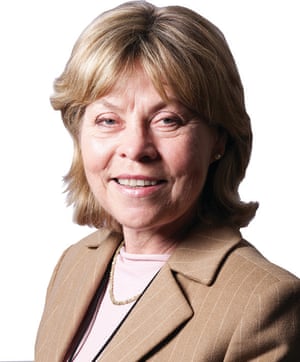
Izzi Seccombe

Izzi Seccombe, chair of the LGA’s community wellbeing board. Photograph: None

Seccombe said: “We believe that making sex and relationship education compulsory in all secondary schools, not just council-maintained ones, could make a real difference in reversing this trend, by preparing pupils for adulthood and enabling them to better take care of themselves and future partners.”


The LGA says while SRE should be made compulsory for secondary school children, with statutory guidance on key issues including sexual health, parents should still be given the option of taking their children from the lessons.


Tory MP Maria Miller was among those proposing the amendment to the bill last week. It followed an inquiry by the women and equalities committee, chaired by Miller, which heard that most children have seen online pornography by the time they leave primary school and two thirds will have been asked for a sexual digital image of themselves before they leave secondary school.


According to Miller, research has shown that just one in four children at secondary school receives any teaching on sex and relationship issues, and Ofsted has said that when it is taught the quality of teaching is often poor.


“Different interest groups cannot agree on a way forward that suits them and in the meantime we are letting down a generation of children who are not being taught how to keep themselves safe in an online, digital world,” said Miller.


“We are not teaching them that pornography isn’t representative of a typical relationship, that sexting images are illegal and could be distributed to child abuse websites and how to be aware of the signs of grooming for sexual exploitation.


“Overwhelmingly parents and children are fed up and want change. They want compulsory lessons in school to teach children and young people about consent and healthy relationships.”


Inadequate sex education creating "health time bomb"

1 Kasım 2016 Salı

NHS teaching trust to go into special measures after inadequate rating

A large NHS teaching trust is to be placed in special measures after inspectors rated it inadequate.


St George’s University Hospitals NHS foundation trust in Tooting, south-west London, will enter special measures after the Care Quality Commission (CQC) said it was inadequate for safety and on the issue of being well-led.


The trust was also told it requires improvement for being effective and responsive, although it was rated good for caring. Eighteen NHS trusts in England are in special measures.


An inspection at St George’s in June and July revealed that several of the buildings, including operating theatres, were so poorly maintained they were not fit for purpose. Other problems included staff not following infection control policies and about half of staff working with children had not completed the required safeguarding training.


Two years ago, the trust was ranked as good.


Prof Sir Mike Richards, the chief inspector of hospitals, said: “I am disappointed that we have found a marked deterioration in the safety and quality of some of the trust’s services since we inspected two years ago, as well as in its overall governance and leadership.


“Our inspectors found that several of the trust buildings – including operating theatres – were in a state of disrepair, which meant they were not fit for purpose. There were poor fire detection systems and a heightened risk of water contamination, which meant that people were put at risk.


“We also observed that not all staff followed infection control procedures, even when challenged by colleagues.


“Worryingly, we found that areas in which children and young people with mental health conditions were cared for had not been checked for ligature points, and that half of the medical staff working with children and young people had not completed level three safeguarding training, which is a requirement for all staff working with children.


“We took urgent action requiring the trust to address the most immediate of our concerns, and the trust has now introduced a range of supportive measures as a means of stabilising the organisation.”


The trust, which operates hospitals at the St George’s and Queen Mary’s sites, serves about 1.3 million people.


The interim hospital trust chairman, Sir David Henshaw, said progress had been made but added: “There will be no quick fix to the problems we face. Many of these challenges are due to very poor board and senior management decisions in the past and a failure to tackle the big challenges head-on.


“We owe it to our staff and patients to make St George’s better again. The CQC’s report is a key part of this improvement journey.”


The other 17 trusts in special measures for quality of services are Barking, Havering and Redbridge NHS trust; Barts; Brighton and Sussex; Cambridge University; Colchester University; East Kent; East Sussex; London Ambulance; Medway; North Cumbria; Princess Alexandra hospital; Sherwood Forest; South East Coast Ambulance; Walsall; West Herts; Worcestershire Acute and Wye Valley NHS trust.


Eight more trusts are in financial special measures owing to large deficits and poor management.


NHS teaching trust to go into special measures after inadequate rating

4 Ekim 2016 Salı

Seven in 10 nurses say young people"s mental healthcare is inadequate

Seven out of 10 specialist nurses caring for the growing number of young people struggling with mental health problems believe that NHS services are insufficient.


Half of all mental health nurses working with troubled young people say child and adolescent mental health services (Camhs) are inadequate and another 20% say they are highly inadequate, according to a poll undertaken by the Royal College of Nursing (RCN) for the Guardian. Only 13% believe they are good or very good, while the rest say they are adequate.


Young people’s mental healthcare survey

The survey found serious concern among frontline nurses that the rationing of access to care and shortage of beds are so acute that young people risk harming or killing themselves.


Of the 631 mental health nurses working in Camhs, 43% said services were getting worse, despite government promises of extra investment and assurances that more young people would be able to receive care.


Young people’s mental healthcare survey

“This vital service has been totally underfunded for years. The pressure on the service is not only appalling for children, young people and their families, but staff morale and mental health too,” one nurse said.


Another nurse said: “Children and their families are suffering due to poor Camhs, support and availability. The criteria for referral means children are having to attempt or threaten to take their own lives before receiving support.”


Asked to list what they saw as the main problems with Camhs, 73% of respondents cited too few nurses, 72% said delays in patients getting appointments, 69% pointed to young people being sent “out of area” to get inpatient care, because of bed shortages in their area, and 59% cited the inability of staff to give patients as many appointments or as much care as they need.


Young people’s mental healthcare survey

Fiona Smith, the RCN’s professional lead for children and young people’s nursing, said the survey showed that services for seriously troubled young people are “completely overstretched” in the face of growing demand for care.


“These results tell us that things are seriously poor. Mental health nurses working in children’s services tell me that they have never known it so bad,” she said.


Young people’s mental healthcare survey

“We are failing young people with mental health problems by not providing services and interventions in a timely manner. It’s foolish of the NHS and the government not to really focus on meeting these young people’s needs, because we know that with [the] three out of four adults with mental health problems, their symptoms began in childhood.”


The Liberal Democrat MP and former health minister Norman Lamb said the findings showed that NHS services for troubled young people “are buckling under the pressure. The truth is that we are letting down a whole generation of young people by failing to invest in essential support.


“We have to end the historic underinvestment in children’s mental health. It makes no sense to spend just 6% of the total mental health budget on children and young people when we know that 75% of adult mental ill health starts before the age of 18.”


Sarah Brennan, the chief executive of the charity Young Minds, said lengthening waiting lists for care and higher thresholds for troubled children to qualify for treatment were likely to exacerbate their suffering.


“Without treatment, problems are very likely to escalate and children are more likely to self-harm or become suicidal, to be violent and aggressive, or to drop out of school, which can ruin their prospects for the future.


“Delays can also have a disastrous effect on families, with parents forced to leave their jobs to look after their children.”


The Conservative-Liberal Democrat coalition government promised to invest an extra £1.4bn in children’s mental health services by 2020. But frontline staff, the Royal College of Psychiatrists and mental health charities are sceptical about whether this funding is being delivered. “Too much of that money has been diverted elsewhere and is not getting through to where it is desperately needed,” Lamb said.


Official NHS workforce figures provided to the Lib Dem MP by the House of Commons library show that the number of consultant psychiatrists working with children in England has only gone up slightly over the past six years, despite the far greater recognition of young people’s psychological and psychiatric issues.


The number of full-time equivalent consultant psychiatrists rose from 622 in May 2010 to 649 in May this year.


The number of non-consultant doctors working in Camhs fell over the same period, from 367 full-time equivalents in May 2010 to 314 in May 2016.


The number of specialist mental health nurses working in NHS hospitals went down by 10% between 2011 and 2016.


Seven in 10 nurses say young people"s mental healthcare is inadequate

14 Haziran 2014 Cumartesi

Proof for NHS statins guidance "wholly inadequate", says specialist

He has now stopped taking them and mentioned: “I am not going back on statins unless I have the evidence”.


Great will publish its final suggestions on statins following month, after a public consultation. Its draft guidance suggests cutting the “risk threshold” for statins in half — meaning that the vast bulk of men aged in excess of 50 and most girls above the age of 60 are most likely to be recommended to consider the medication to guard towards strokes and heart condition.


Experts said the adjustments would indicate that the amount of individuals recommended to get cholesterol-lowering medication was very likely to rise from 7 million to twelve million, leaving a single in 4 grownups on the medicine.


Last week the tips was criticised by a group of nine major medical doctors and academics who said the medication could do much more harm than great.


In a letter they accused Good of an “overdependence” on research funded by the pharmaceutical business, which are kept “hidden” due to business confidentiality agreements.


The group cited research, independent of the drug sector, displaying that statins have been connected with a 48 per cent boost in the threat of diabetes in middle-aged females.


Other likely side effects could incorporate depression, fatigue and erectile dysfunction, they warned.


Prof Mark Baker, director of NICE’s centre for clinical practice, admitted the expert panel which drew up the advice had partly relied on summaries of data from the Clinical Trial Support Unit at Oxford University, which is run by Sir Rory.


Prof Baker said the total data could not be launched to Nice or independent researchers simply because the trials have been “commercially funded” and the details was owned by drugs companies.


The unit receives tens of hundreds of thousands of pounds in funding from this kind of companies, though Sir Rory has insisted its outcomes “bear no relation to our funders.”


On Saturday Sir Rory explained the group which criticised the guidance need to be “ashamed of themselves”. Such considerations in excess of statins could “cause really massive numbers of pointless deaths from heart attacks and strokes”, he advised the Guardian.


Even so Prof McPherson, who chairs the Uk Health Forum, said he supported the points raised in the letter. He known as on Sir Rory, a fellow epidemiologist, to let the data on statins trials to be scrutinised by “independent reviewers”.


Prof McPherson told The Telegraph: “It is outrageous that Great is producing these pronouncements with no seeing the information and with out the data becoming witnessed by independent reviewers.”


He added: “My interpretation of the proof base currently being utilized is that it is wholly inadequate to make this kind of a prescription.


“As far as I can inform the trials had been not correctly accomplished in the sense that there was not systematic, routine periodic double blind evaluation of high quality of existence in between therapy of handle in all these trials, which you need.


“Also, in so far as there was, none of these information are offered for public scrutiny.


“I feel Great creating these slightly draconian guidelines on the basis of such an inadequate proof basis is foolhardly.”


He added: “I have just stopped taking statins and I am significantly more agile than I was when I was on them. I want to know why, what is the proof for it. I am not going back on statins except if I have the evidence.


“You envision all this creaking an aching is a matter of aging, and it may not be.”


On Saturday Sir Rory intervened in a row more than two current academic papers in the British Health-related Journal which questioned the widespread use of statins.


The authors have both withdrawn statements right after some figures they cited had been discovered to be incorrect, and the posts are getting reviewed by the journal. Sir Rory mentioned a third party, such as the Standard Medical Council or Division of Wellness, should carry out its personal evaluation of the articles.


Proof for NHS statins guidance "wholly inadequate", says specialist