An alkaline environment in your body is important to fight against diseases, including arthritis, obesity and even cancer. And every system has its own ideal pH levels to function well, you can make your body slightly alkalized by taking alkaline diet to improve your overall health.
As modern diet is filled with acidic foods that may result in inflammation and illnesses, increasing the intake of alkaline foods (Top 50 Alkaline Foods to Balance Your Body Naturally) is the key to keeping your pH levels in balance.
An acidic pH may cause many health problems:
Weight gain
Diabetes
Kidney disease
Unbalanced hormone
Premature aging
Arthritis and joint pain
Pain muscles
Fatigue
Poor digestion
Easy to be infected
Stressed
Headaches and migraines
Toothache
Stomach ulcers
Unhealthy hair
Dry skin
Leg cramps
So make small lifestyle changes by including the alkaline-forming foods into your diet. How often do you include these “roots” in your diet? If you don’t remember when you eat such foods last time, start to eat them from today. They not only provide multiple nutrients but also alkalize your body naturally:
Carrot
Carrot is an alkaline-forming food, it’s rich in Beta-carotene which is a strong antioxidant that protects you from diseases. This root is well known to be good for overall health and provides lots of minerals and vitamins.
Vitamin A improves your eye health;
Fiber fights against obesity and ease digestive issues;
Potassium helps keep your blood pressure under control;
Anti-inflammatory properties makes it good for healing from cuts and wounds;
A phytonutrient called falcarinol in it helps prevent colon cancer;
Improves dental health as its anti-bacterial effect;
Benefits to blood sugar regulation as it’s rich in Carotenoids.
Beet
This nutritious root vegetable is beneficial to your health in many ways, from boosting brain function, lowering high blood pressure to detoxing your organs, especially good for liver detox. It also protects your heart and bones, keep reading to know more potential benefits of beet at the bottom of the article.
Potatoes and Sweet Potatoes
Both potatoes and sweet potatoes are very healthy, control diabetes, protect your bones, fight cancer, maintain blood pressure and control blood sugar. You will like to add these nutritious roots into your plate.
Red Radish and White Radish
Both red radish and white radish are rich in vitamin C, eat them regularly will make your immune system stronger to fight against illnesses;
As they are high in fiber and low in calories, they make a good part of the weight loss diet;
The antioxidants in radishes may prevent heart disease;
Rich in potassium, they are also good options to lower high blood pressure;
They are also used to treat digestive problems as they stimulate the production of bile;
Radishes also help with liver and kidney function.
Turnip
Well known for its bitter flavor, turnip helps your systems function well in several ways. It provides a wide array of antioxidants, such as vitamin A, vitamin C, manganese and beta-carotene.
Yams
Yams are a good source of vitamin B6, which has been shown to reduce the risk of heart disease. The rich amount of potassium in yams is very important to brain and nervous system. What’s more, rich in fiber and low in calories makes yams a good ingredient for losing weight.
Additional Sources: healthdiaries.com
Related Reading:
8 Super Foods that Create A Balance PH Level In The Body For Preventing Cancers
Great Things That Happen to Your Body When You Eat Beets
A Homemade Carrot Recipe With 2 Ingredients to Remove Cough and Phlegm From Lungs
It’s vital for us to be informed on making good lifestyle and diet choices to prevent heart disease and help us live longer.
Globally, heart disease is the leading cause of death, according to the American Heart Association (AHA). In the United States, 2,200 Americans die from heart disease each day.
Causes of Heart Disease
According to the Centers for Disease Control and Prevention (CDC) a poor diet, excessive alcohol use, physical inactivity, obesity, and diabetes are among the most influential lifestyle choices that put people at a higher risk for heart disease. Plaque buildup in the coronary arteries is the most common type of heart disease.
A diet based on wholesome nutrition is a major factor in fighting plaque build-up in coronary arteries. Additionally, health experts recommend limiting processed or fatty foods, highly processed or salty foods, sweets, solid fats, and “sugary drinks” in order to maintain a healthy diet to prevent heart disease.
Prevention
Health professionals — including the CDC and AHA — advise everyone to eat more vegetables and fruits. They also recommend that we should consume less sugar and sodium.
Carleton Rivers, RDN, assistant professor in the Department of Nutrition Sciences in the University of Alabama at Birmingham School of Health Professions is an expert on nutrition and dieting and nutrition.
Rivers highly recommends that eating fresh fruits and vegetables cooked using a low-fat method is a great way to prevent heart disease.
“Choose vegetables that have a rich color like dark leafy greens, sweet potatoes, squash, carrots and zucchini. Just be sure not to substitute fresh fruits with 100 percent fruit juice or dried fruit.”
Dried fruit and fruit juice are high in sugar content. And fruit juices lack the fiber needed to control blood sugar.
Carleton says protein and fiber are important, as well.
“Fiber is important for gastrointestinal motility, blood sugar control and lower low-density lipoprotein (LDL) cholesterol. Fiber is great for appetite control because it can fill you up and keep you feeling fuller for longer.”
Protein is needed to build and maintain muscles. Protein is found in a variety of sources such as lean meats cooked using a low-fat method, like baking.
Prepare and Cook at Home
It’s much easier to eat a healthy and balanced diet if meals are prepared and cooked at home. Most restaurants add salt and butter to dishes — increasing the calorie amount.
Here’s a list of superfoods to help prevent heart disease:
Garlic — Reduces blood pressure and coronary plaque
Oranges — Reduces cholesterol levels, blood pressure, and health failure
Lentils — Reduces blood pressure
Red Wine — Boosts HDL, reduces unwanted clotting
Kale — Prevents atherosclerosis
Pomegranates — Reduce atherosclerosis
Almonds — Reduce LDL and fatal arrhythmias
Dark Chocolate — Reduces blood pressure
Sardines — Lower triglycerides, raise HDL
This list is only a start to a healthy diet. A healthy diet includes a broad range of vegetables, fruits, legumes, and nuts — not just a select few.
So while you’re shopping for kale, also consider spinach, romaine, arugula, and Swiss chard. Oranges are great, but so are bananas, apples, strawberries, and kiwifruit.
As much as the AHA and the CDC encourage a healthy diet to prevent heart disease, Rivers says it’s okay to have a “cheat day” every now and then. A cheat day allows you to have a little bit of what you’re craving. It also helps prevent you from quitting the diet all together.
Hippocrates understood the concept more than 2,000 years ago: “Let your food be your medicine and your medicine be your food.”
When the lifelong Republican Jeff Jeans recently questioned the House of Representatives Republican speaker, Paul Ryan, about the party’s healthcare proposals, Ryan probably expected him to oppose Obamacare.
However, Jeans, who was diagnosed with a treatable form of cancer aged 49, now relies on the insurance put in place after the 2010 introduction of Obamacare – formally known as the Affordable Care Act (ACA). So to Ryan’s surprise, he said: “I want to thank President Obama from the bottom of my heart because I would be dead if it weren’t for him.”
His story is far from isolated but following the spectacle of Donald Trump signing an executive order within hours of entering the Oval Office on Friday that directed government agencies to unravel the act, it is all the more poignant. Thanks to Obamacare 20 million more people had insurance in 2016 than in 2010 – many of them poor or on low incomes, but also people who couldn’t previously afford cover due to pre-existing medical conditions that made insurance policies prohibitively expensive. For many, Obamacare was the first time they had ever had health cover. For some it was also the difference between a health condition being treated or not, or bankrupting a family.
In Britain, reports of families being left destitute in the US because they couldn’t afford private health insurance have been rightly judged as scandalous and prompted many people to fear any hint of NHS privatisation. While the NHS is currently under enormous pressure (courtesy of the austerity-obsessed Tories), including bed shortages, the crisis in A&E and cancelled operations, to say nothing of social care cuts making a bad situation worse, access to healthcare is still seen as a fundamental right for all.
In the US, where access to even basic healthcare has historically been seen as a luxury not a right, it’s easy to understand why so many embraced Obamacare. It was hardly a flaw-free initiative, but it was a start.
Even though Trump has repeatedly dismissed the ACA as a disaster and Republicans have ratcheted up efforts to dismantle the programme (they’ve been trying since its inception, saying it’s “big government” gone mad), the latest surveys show Obamacare is growing in popularity. Half of Americans polled by NBC and the Wall Street Journal this month said the law was working well, while the same proportion had little or no confidence in Republican proposals to change it. To a degree this reflects how politically split the country is, but as NBC News pointed out, 45% of people said they thought the law was a good idea – more than at any time since the question was first asked in 2009. Judy Solomon, the vice-president of health policy at the Center on Budget and Policy Priorities, says this may be down to more people having first-hand experience of the ACA. “I think people are really beginning to understand what this thing is and what it does and they don’t want to lose it.”
The Republicans say they would repeal key provisions while keeping others and then replace it later with something better. However, this month the non-partisan Congressional Budget Office (CBO) released an analysis of the party’s proposals from 2015 (the Restoring Americans’ Healthcare Freedom Reconciliation Act, which Obama vetoed) that painted a damning picture should this strategy be followed. Within a year of repeal 18 million people would lose their insurance, it found. The CBO also estimated that insurance premiums would soar by 20%-25% in the year following a dismantling of the law.
If the worst happens it’s hard to contemplate what people like Jeans will do. Rebecca Vallas, a director at the Center for American Progress, in a reference to Trump’s inaugural speech, concludes that its eradication would be “the real American carnage”. Josh Hoxie, a director at the Institute for Policy Studies thinktank, says the impact on lower-income people, and on inequality more broadly, would be dramatic, and not just in terms of access to healthcare. He points to research showing that dismantling the ACA would result in 7 million low-income people becoming instantly poorer because they stand to lose premium tax credits included in the ACA. Meanwhile – and perhaps illuminating why Republicans may be so keen to overthrow Obamacare – the same research found that the 400 richest Americans would get a combined tax cut of $ 2.8bn (£2.3bn) as a result of repeal.
Whether it’s austerity in the UK or lining the pockets of the rich in the US, healthcare is about political choices. The wrong choices can be devastating, which is why they should be fought at every opportunity.
Mary O’Hara writes on social affairs and is the author of Austerity Bites
It’s clear that her symptoms are advancing and that she was right on the futility of further chemotherapy. She is having trouble staying awake, her appetite is deteriorating, and she is weaker by the day. This may well be our last appointment.
“We can get rid of a number of your medications,” I say, frowning at the long list that her daughter says is proving increasingly difficult to administer.
“Let’s do that,” she says joyfully.
So in one of my favourite acts, I slash half her list, explaining why as I go along.
But she stops me at the statin, an anti-cholesterol drug she was prescribed 20 years ago for a barely elevated cholesterol detected on an insurance test.
“I need that so I don’t die from a heart attack.”
“Not quite,” I say soothingly. “Statins exert their benefit over many years and we agree that now, it’s more important to maintain comfort.”
“I can’t imagine my day without my statin,” she declares, leaving me to wonder somewhat enviously how her cardiologist managed to evince such devout compliance for a questionable cause.
Just then her husband pipes up. He is a sprightly 74, still working, and unlike his wife, detests medications, including the statin he was prescribed after a serious heart attack some years ago.
“Well, I’ve decided that at 75, I am swapping the statin for sausages. From what I hear, the two are as bad as each other.”
She has heard this before because the wife adds with a smile, “At 75 or when I die, whichever happens sooner.”
I urge the husband to discuss his decision with his doctor before stopping treatment, I tell my patient to stop her statin and I bid them both a fond goodbye.
As they leave, I find myself thinking about many recent conversations I have had with patients about statins. With cancer patients who have a limited life expectancy, stopping the statin is both safe and right. But during my stints in general medicine, where we treat heart attacks, strokes and dementia, the answer is more nuanced.
Does everyone need a high-dose statin? How many will experience side effects? Is lifestyle modification a reasonable starting point or should every patient be commenced on a statin? The reality of most hospital management is that a drug is prescribed and the patient finds out as an afterthought. But if a statin, once started, is likely to become a lifelong drug, what considerations are important beforehand?
Many patients have heard of statins but awareness does not mean familiarity and it certainly does not mean being informed. For every person who trusts a doctor’s recommendation to take a statin, someone else suspects a conspiracy theory fuelling the prescription of the world’s highest-selling drug.
For the patient who wants to know more, things can get complicated. A cursory internet search warns that statins make women (but not men) more aggressive, accelerate ageing, damage stem cells, worsen heart disease, cause dementia and are “unhealthy and unethical” to prescribe.
Alongside are studies asserting that statins significantly reduce the incidence of heart attacks and strokes and improve mortality. Their benefits are evident within the first year of intake and accumulate over time, making them among the few drugs to have a dramatic impact on health outcomes. Considering that heart disease is the number one killer in many parts of the world, this is no ambit claim. But pity the hapless patient trying to make an informed choice – it’s hard to know which “expert” advice to heed because everyone sounds knowledgeable.
Very few patients needed to stop statins due to adverse effects.
When I recently prescribed a statin to a young woman with a heart attack and a host of coronary risk factors, she expressed concern. I explained that no drug was without side effects but a new, rigorous, non-industry funded, meta-analysis by the clinical trial service unit of Oxford University, shows that the benefits of statins have been underestimated and harms exaggerated. The results were published in the Lancet medical journal.
Treating 10,000 high-risk patients with a low-cost, generic statin for five years prevented 1,000 strokes and heart attacks and treating 10,000 lower-risk patients prevented 500. Of 10,000 patients, five might suffer muscle aches, up to 100 may develop diabetes and five to 10 may suffer a brain haemorrhage but these side-effects have been included in the estimate of the absolute benefit.
Very few patients needed to stop statins due to adverse effects. It may not be the absolute final word but the meta-analysis concludes that many problems have been misattributed to statins, therefore planting fear in the minds of those at high cardiovascular risk and dissuading them from taking a potentially life-saving drug.
But how did these rare toxicities garner so much attention in the first place?
In October 2013, the British Medical Journal, as part of its mission to promote rational prescribing, published a paper quoting the incidence of statin-related side effects being as high as 18% and thus concluding that statins did not provide an overall health benefit to those patients deemed at low risk. But the 18% figure was based on flawed research and it was apparent that even in the quoted research, the figure was closer to 9%, but without the inclusion of a placebo-controlled group, which meant even the 9% could not be genuinely attributed to statins. (The meta-analysis says that statins are “no less well-tolerated than placebo”).
Seven months later the BMJ corrected the erroneous statements but did not retract the entire paper. Sir Rory Collins, the lead author of the Oxford meta-analysis, warned at the time that without full retraction, doctors and patients would continue to be misinformed. It turns out he was prescient.
Medical journal editors … owe it to society to publish papers that “first do no harm”.
Misleading media reports followed and led to increased reticence among doctors to prescribe or even discuss statins and increased unwillingness among patients to take them. Statins were already being under-used but a new wave of adverse media meant a further reduction in use.
In the UK, 200,000 patients stopped taking statins. 60,000 fewer statin prescriptions were dispensed in Australia following a now-withdrawn television program. If those patients avoided statins for the next five years, researchers estimated that a few thousand would suffer a fatal heart attack or stroke. For a disease that kills 17 million people around the world each year, an ounce of prevention is not to be sniffed at.
So what does the statin saga teach us? For one, it underlines the power of the media and in turn, the responsibility of health reporters and newspaper editors to think twice before exploiting health news to suit their audience.
“Beloved grandma loses mind to cholesterol drug” and “How statins ruined my life” might be guaranteed click-bait but responsible reporting might instead discuss the dreadful statistic of one Australian dying of cardiovascular disease every 12 minutes and how to prevent it. Statins are no panacea but combined with diet, exercise and curbing cigarettes and alcohol, they have a role.
Second, it reminds medical journal editors that they owe it to society to publish papers that “first do no harm”. If Big Pharma can’t be trusted to provide unbiased data and to base advice on sensational tabloid fare makes a mockery of medicine, doctors must put their faith in someone to provide credible information.
There is an old joke that the majority of academic papers are read only by the author and the editor – this may be a little harsh but busy clinicians mostly flick through abstracts and note key points rather than read even a fraction of the million scientific papers published annually with an interrogating mind. It is up to journal editors to simplify the task and spell out the difference between interesting research and findings that transform patient care.
Finally, better health arises from better health literacy. In a free society, patients are allowed to make poor choices but the media shouldn’t facilitate it. Just this week an acquaintance asked me what I thought of her daughter’s “courageous” bid to not vaccinate her child for fear of “giving her autism”. I reminded her that the fraudulent data had long been exposed and retracted but she said she had seen it on the net and that was that. Dashing my hopes, she next took on statins.
“What do you make of the controversy?”
“There is no controversy,” I replied. “Read the report.”
“You would say that, wouldn’t you?”
Then, after a pause, “But seriously, did you see the story about the old lady who went mad on her statin?”
No, I didn’t. But newspaper editors, please take note!
Building residences has come a lengthy techniques from the days of the tee-pee and primitive log cabin. Homeowners now are ready to aid design and style their residences right down to the smallest particulars. With this significantly information to think about, it is no wonder that several house owners finish up disappointed in the selections that they manufactured throughout the essential planning stage. When developing a property it is crucial to think about several issues like the power efficiency of the house and the parts that in the end may conserve you funds in the finish.
Insulation Insulating your new house could be the most critical point you can do to conserve vitality in your house when you are creating in Texas. There are two simple types of insulation: hand installed fiberglass and spraying/blowing. Fiberglass was the most broadly utilised type of insulation, but new and modern merchandise have been invented. Blowing the insulation into the property is the most well-liked option because of the substantial vitality cost savings and overall coverage it gives. Blown insulation can be manufactured from components such as newspaper, treated jean materials, and expanding foam. The most frequently utilised of these possibilities is the expanding foam for its complete coverage and RF element.
Tankless Water Heaters Putting in a tankless heater when creating will save you cash from the very first time you flip on the scorching water. With no possessing to continuously heat a huge source of water, the technique is in a position to procedure water at a faster fee. This variety of water heater only heats the water that the house is demanding, resulting in lower vitality expenses, reduced maintenance, and an countless provide of hot water. This type of technique will save a new house owner all around twenty% on their water bill verses obtaining a water heating tank.
Doors Not usually believed about, doors are a significant culprit of power loss in a home. When you are picking the door possibilities for the new house that you are obtaining, it is critical to take into account the materials and the insulation value. A sturdily developed wooden door will keep out the heat. For people residing in the mountainous locations, a nicely-created and thick insulated fiberglass or steel door may possibly be required. The correct variety of door will assist you to keep the climate at bay irrespective of the setting you build your home at.
Appliances Appliances have transformed in excess of the many years and now are far more consumer pleasant and productive than ever. Dishwashers, refrigerators, washers, dryers, microwaves, stoves, and other appliances that are given the energy star rating have been authorized for power efficiency. Installing these varieties of appliances may possibly qualify you for cash saving vitality grants from the government above the financial savings you will encounter every single month employing these energy pleasant elements.
Lighting It may possibly not seem essential, but the lighting of a new home can influence the vitality efficiency degree. In the course of the planning phases of your new residence, it is crucial to take into account this kind of factors as the path of the sun, size of the room, colour of the area, and if there are any retailers for natural lighting. Appropriate lighting in a area will allow for directing the beams of light to very best employ the design and style and performance of the space.
Conserving energy ought to be on the minds of all men and women who are creating new properties. Beginning from the ground up, new property builders have the chance to integrate several power conserving elements into their properties. Proper insulation, a tankless water heater, insulated doors, energy efficient appliances, and sensible lighting will make your new property as energy productive as feasible from the 1st day that you move in.
Bio: Rachelle Wilber is a freelance writer residing in the San Diego, California spot. She graduated from San Diego State University with her Bachelor’s Degree in Journalism and Media Scientific studies. When customizing your property, she suggests employing experts like Princeton Classic Properties, a organization that builds luxury homes in Houston, TX. Comply with her on twitter: @RachelleWilber
As a lot of as 80 per cent of individuals who die in hospital do so with instructions to medical professionals in area not to try resuscitation, he stated.
Mrs Tracey, who had been diagnosed with terminal cancer, died on March seven, 2011 two weeks soon after breaking her neck in a auto crash.
A former care home manager, she was described as “medically minded” and had expressed a “clear wish” to be involved in choices about her care, the court heard.
Despite the fact that barely in a position to communicate and unable to move, she routinely questioned medical doctors and nurses about medicine and products by creating on a notepad or whispering.
When a single doctor mentioned the probability of “tough decisions”, she replied “I will do my damdest” incorporating: “Please do not exclude me.”
A so-called DNACPR (Do Not Try Cardio-Pulmonary Resuscitation) order – at times identified as a DNR – was positioned in Mrs Tracey’s notes at the finish of February but removed a couple of days later right after her “horrified” daughter, Alison, objected, the judgment explains.
A couple of days later, when Mrs Tracey’s well being deteriorated once more, a fresh buy was place in spot, this time with the agreement of the family.
But following her death, Mrs Tracey’s husband, David, was given permission to deliver judicial assessment proceedings challenging the legality of the original DNR notice on her behalf, because of the relevance of the issue.
Lord Dyson, sitting with Lord Justice Longmore and Lord Justice Ryder ruled the hospital had violated Mrs Ryder’s right to “private and household life”.
But they rejected a separate attempt to force the Overall health Secretary, Jeremy Hunt to situation national suggestions to hospitals to clarify the principles.
Lord Dyson said the court must be “slow to give common guidance” about the exact situations essential to situation this kind of notices simply because of the complexity of person situations.
“But I feel it is appropriate to say that, considering that a DNACPR selection is one which will probably deprive the patient of daily life-saving therapy, there ought to be a presumption in favour of patient involvement,” he additional.
“There want to be convincing factors not to involve the patient.”
He mentioned even though there was small doubt it would be inappropriate to involve patients if performing so would clearly cause them physical or psychological harm, just wishing to keep away from distress did not come below this category.
“In my see, medical doctors ought to be wary of being too prepared to exclude sufferers from the process on the grounds that their involvement is probably to distress them,” he explained.
He also rejected the argument that it was inappropriate to involve a patient if the doctor was sure CPR would be futile.
But he additional that the courts should also be “slow” to rule that decisions not to seek the advice of sufferers violated their rights,”if conscientiously taken.”
In Mrs Tracey’s situation, he mentioned the reality that a later observe was agreed with the household did not justify the earlier decision.
Mr Tracey mentioned afterwards: “Patient care has acquired to come initial, and this will deliver more care to people.”
Dr Keith McNeil, chief executive of Cambridge University Hospitals trust, said: “Today’s ruling hinges on a distinct stage of law. There was no criticism of our clinical care.
“It is a truth of life that each day men and women die in hospitals. From my own expertise as a professional hospital medical doctor, the most essential thing is that these individuals are treated with the utmost respect and dignity.
“End of life scenarios involve physicians and nurses obtaining emotionally demanding but needed conversations, with patients and their families about what happens in the ultimate phases of their care. Medical staff use a blend of their compassion, experience and judgment at these hard times, to try out and discover the right pathway for each person patient, and supply the assistance necessary for everyone involved.”
A spokeswoman for the Division of Overall health stated: “Selections on whether an individual should be subject to Do Not Try Cardio Pulmonary Resuscitation (DNACPR) Notices are extremely delicate and tough, as the court recognised. “It is important that medical professionals stick to the extremely greatest practice so requirements of care in this in area can be improved. We will carry on to operate with professional bodies to make confident advice is understood by health specialists.”
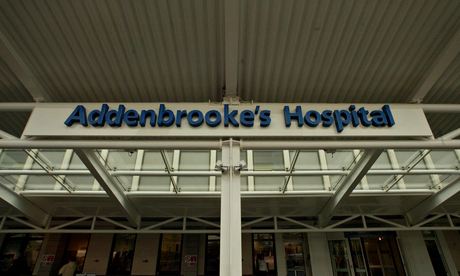
The family of Janet Tracey, who died at Addenbrooke’s, are seeking a national policy over DNR consultation. Photograph: Graham Turner for the Guardian
The hospital at the heart of a legal challenge more than the way physicians determine not to attempt resuscitation insisted on Tuesday that its personnel had not acted “with callous or negligent disregard” for a patient.
The husband and daughters of Janet Tracey, a care home manager who died at Addenbrooke’s, want a national policy in England requiring medics to check with patients and family members before creating such selections.
Tracey, 63, broke her neck in a auto accident quickly after she had been diagnosed with terminal lung cancer. She died in March 2011 following possessing two “do not resuscitate” (DNR) notices placed in her notes.
Lord Pannick QC, representing Cambridge University Hospitals basis believe in, of which Addenbrooke’s is a portion, told the appeal court a determination had been produced by a caring medical doctor who had “on the harsh health-related facts” decided that resuscitation would have achieved practically nothing.
Acknowledging that the situation concerned an exceptionally hard region of health care practice and ethics, he mentioned there was no duty to consult a patient “the place it would certainly be inappropriate to do so”.
In Tracey’s case, the first DNR notice placed in her notes was cancelled 5 days later right after it was challenged by her family members. A 2nd observe followed two days ahead of Tracey’s death.
Judge Nicola Davies determined right after an earlier hearing that the first discover, on which Tracey had not been consulted and did not at initial know about, had “minimum causative result” because it was later revoked. Its issuing remains the main target of the family’s situation.
In the second instance, the judge found that Tracey had not been consulted but she had not desired to engage in this kind of discussions and her household had not wished to involve her.
Pannick, for the hospital, argued there was a “general desirability” to check with, but in the case of the very first DNR, a “caring medical professional” may properly have spared Tracey “a discussion which was going to lead to her distress for no good reason”.
The remarks came after Philip Havers QC for Tracey’s family informed Lord Dyson, the master of the rolls, sitting with Lord Justice Longmore and Lord Justice Ryder, that across England DNR selections have been becoming produced that did not reflect both Uk specialist advice or neighborhood trust policy. Sufferers were entitled to be notified, involved and have the proper to look for a second viewpoint prior to DNR orders have been made, he argued.
The overall health secretary, Jeremy Hunt, should phase in with nationwide advice to supply “essential safety” for sufferers and their households since he had overarching control of the NHS, explained Havers.
The Equality and Human Rights Commission has intervened in the situation, arguing by means of David Wolfe QC that no patient with psychological capacity ought to understand that a DNR selection had been manufactured in relation to them “without having had the chance to be component of a method which led to it currently being manufactured.”
In addition, it mentioned, no 1 should find out that a loved one particular had died without an try becoming made at resuscitation because this kind of a recognize had been positioned without having the information or involvement of the patient – or their loved ones or legal advocate, if they lacked capacity – in the selection-generating method.
“Function offers you identity and self-esteem … and is a lifeline back to normality, wellbeing and recovery”, says Barbara Wilson. Photograph: Oli Scarff/Getty Images
There are presently about 750,000 folks of doing work age with cancer. This represents in excess of a third of the 2 million men and women residing with cancer – and with survival charges enhancing and individuals retiring later on, the numbers are very likely to boost.
Several cancer individuals struggle to return to operate, nevertheless. A latest Macmillan survey showed that 57% of cancer survivors who had been in function when diagnosed had to give up their occupation or change roles as a end result of their diagnosis. The total loss in productivity of cancer survivors unable to return to paid work in England was estimated, in 2008, to be £5.3bn.
When I was diagnosed with breast cancer in 2005, it was nonetheless assumed that, after cancer, people of us in remission would want to spend more time with the family members or go round the globe ticking off products on our bucket listing.
Most of us want to return to work, nevertheless. Work contributes to monetary independence, provides a sense of goal, provides you identity and self-esteem, generates construction and order in our lives, is an essential source of friendship and social interaction, and is a lifeline back to normality, wellbeing and recovery.
There is thorough legislation in area to help a effective return to work. Together the Equality Act 2010 and the Disability Discrimination Act 1995 give safety from discrimination. Every person with cancer is classed as disabled from the point of diagnosis for the rest of their life, and their employer or a prospective employer need to not deal with them much less favourably for any purpose relating to their cancer. All places of employment are covered which includes recruitment, promotion, coaching, shell out and advantages.
So, what is occurring and why? Every single situation is distinct but there are some frequent troubles employers and these with cancer want to be mindful of, this kind of as dealing with the side results of remedy, which can be both bodily (pain, fatigue, reduction of bladder manage, impotence) and psychological (depression, lack of self-confidence), and can commence prolonged right after therapy has completed.
Employers need to have to understand that recovery is a method and that it requires time. Legally, employers have a duty to make affordable adjustments to assistance a return to work. There is no fixed definition of “sensible” this will rely on the circumstances, which includes practicality, cost, and the extent to which an adjustment will be effective in alleviating any disability. Changes may consist of:
• Giving light duties or option operate on a temporary, lowered hours basis • Allowing flexible doing work • Allowing the person to work from residence for element of the week • Making it possible for additional breaks to assist cope with fatigue • Enabling time off to attend healthcare appointments
Once back at operate, there are a quantity of other valuable actions employers can consider to assistance a productive return, in addition to implementing a standard, phased return to operate plan which typically contains some or all of the actions described above. These include:
• Standard comply with-ups to examine all is operating effectively • Building expertise and comprehending inside the organisation about cancer and how ideal to assistance impacted staff • Coaching/third celebration/EAP support • Providing an individual time to reflect with a educated but independent third party about their expertise and to integrate it into their existence – both at work and outside perform – typically offers people the sense of mastery and control that they might have been denied in the course of therapy • Buddying schemes • Clear employment policies on help available to facilitate a return to perform right after cancer and other types of chronic ill wellness • Internet site hyperlinks/accessibility to acceptable charities, counsellors and well being suppliers.
As issues stand, some employers do supply some or several of these adjustments but several nonetheless offer only the bare minimum – a couple of quite short-term, short term adjustments – and a few do nothing at all, ignoring the legislation.
Some cancer charities, this kind of as Macmillan, and organisations, such as Operating With Cancer, as effectively as trade unions, supply tips and guidance to these dealing with difficulties in returning to function soon after cancer – but the issue is that if an person is previously struggling with the following-results of treatment method, it really is tough fighting an employer at the very same time. Recent adjustments in employment law have manufactured this even much more challenging.
The conserving to employers of doing what is affordable and right can not be quantified but if it saves the time and value of a managed exit as nicely as the cost of recruiting and instruction a new worker, and if it aids recovery as the evidence more and more suggests, then it should be worth the effort.
Barbara Wilson is founder of Operating with Cancer delivering employers with coaching, coaching and consultancy solutions to assistance these returning to operate soon after cancer
To most mothers and fathers, the query of whether or not the government ought to intervene to dictate how a child should be raised is an effortless 1. Dad and mom, not the court method, need to decide what is ideal for their youngsters — in the absence, of program, of abuse or neglect. But does that change when a child’s life is on the line?
That is the challenging query facing a court of appeals in Ohio. What are the constitutional rights of mothers and fathers to make life-or-death healthcare choices for their child? What if the choice the dad and mom make flies in the face of standard medication and, according to traditional medical professionals, implies the little one will die in significantly less than a 12 months?
Sarah is the eleven-yr-old daughter of Andy and Anna Hershberger, who are Amish. The family lives in an Amish community close to a tiny town outdoors of Cleveland. At least, they did until finally lately. Because the Ohio court method appointed a guardian in excess of Sarah — for the sole function of producing health care decisions for her — the Hershbergers fled this previous October and went into hiding. Their 5 other young children remain behind, apart from Sarah and their mother and father.
English: Amish raking hay in southeast Ohio. (Photo credit: Wikipedia)
In the course of the summer season of 2013, the Hershbergers opted for standard therapy of Sarah’s 3 T-cell lymphoblastic lymphoma: chemotherapy. The 1st round of treatment method was deemed productive, but Sarah begged her mothers and fathers to stop it due to the fact the devastating side effects created her so sick. Her father explained that right after “a great deal of prayer“, they elected to stop the chemo and opt for all-natural treatment options primarily based on nutritional vitamins and herbs. They worried the chemo itself would destroy Sarah.
Akron Children’s Hospital, which was treating Sarah, felt morally and legally obligated to file a guardianship court proceeding to force the chemo to proceed. The Hospital states it feels compelled to insist on “evidence-based treatment” due to the fact without it, Sarah will die. Long-phrase survival charges are larger than 80% for Sarah’s issue when taken care of aggressively with chemotherapy, in accordance to the Hospital. Without this treatment, “the illness is practically usually fatal.”
The Hershbergers truly feel otherwise. According to Sarah’s grandfather, the mothers and fathers took Sarah to a all-natural cancer therapy center in Central America. They say that blood and imaging exams exhibits that she is now cancer cost-free, and is “a vibrant, healthful lady.” But the Hershbergers remain in hiding, afraid to return till the guardianship situation is over.
Not too long ago, a attorney on behalf of the household submitted new arguments to the Court of Appeals in Ohio. The lawyer contends that the guardianship violates the family’s constitutional appropriate to select the doctor, hospital, and healthcare remedy of their option. The court-appointed guardian — an lawyer who is also a nurse — is opposing the appeal, arguing that the constitutional argument was waived since it was not brought up to the probate court.
The Hershberger’s attorney disagrees, arguing that the constitutional right is so fundamental and essential that it does not matter whether it was previously raised in the course of the situation. He feels that this is a case that could have an effect on the parental rights and overall health care freedom of mother and father across the state of Ohio. Indeed, the case has the possible to be so essential that its end result could affect laws all through the entire country, significantly like the Terri Schiavo situation that began in 1998.
Why? Because of the fundamental relevance and issues of the inquiries posed by the situation. Conventional medicine says Sarah will die if chemo is not resumed. The Hospital argues that a parent’s refusal to offer correct or needed health care care is, by itself, youngster neglect. Accordingly, the Hospital believes that Sarah’s mothers and fathers ought to have the right to make this decision taken away, even even though they are not otherwise neglectful or abusive.
But who is to say with a hundred% certainty that standard medication is correct?
Indeed, if Sarah’s grandfather is appropriate, and her cancer truly has been cured by organic signifies, then the Hershbergers’ decision to reject conventional medicine may have been the right one particular. Is that far-fetched? Not in accordance to a recent research in the health care journal, Proceedings of the Normal Academy of Sciences. In January of 2013, the examine was published based on the perform of Northwestern University researchers. The study proclaims “A New Way To Kill Lymphoma Without having Chemotherapy.” While the findings had been preliminary, this review suggests that a natural way to defeat the ailment without chemo may possibly one particular day grow to be accepted by traditional medication.
This review does not necessarily imply that the Hershbergers made the appropriate choice. Again, it is preliminary and it concerned a distinct variety of cancer cells than what Sarah has. But, it definitely displays that what is deemed “proper and needed healthcare treatment” for lymphoma could adjust in the not-so-distant future. Conventional medicine norms constantly modify … otherwise, doctors would even now preserve a supply of leaches on hand for standard use. And distinct nations have various views on what is accepted therapy for several illnesses, including cancer.
No one is aware of with certainty what the very best healthcare therapy must be for Sarah. In truth, the last Court of Appeals viewpoint mentioned that the chemo therapy itself could destroy her. The Hershbergers are quite worried that chemo will do exactly that, and they feel that there is a greater course of therapy available for their daughter. Shouldn’t they be permitted to make that selection without the interference of the court program?
Interestingly, the probate judge who presided above the situation agreed that the Hershbergers must make the determination. He ruled towards appointing a guardian — twice — but every single time, his ruling was appealed. And following each and every appeal, the Ohio Court of Appeals overruled the probate judge. In October, the Court of Appeals ordered the probate judge to appoint the guardian for Sarah. The family members is now asking the same Court of Appeals to modify its determination based on constitutional rules, which have been not previously raised.
Whilst the legal dispute continues in the Court of Appeals, Sarah and her parents will continue to be in hiding. The court-appointed guardian at a single stage asked to be released from her place, saying her hands were tied due to the fact she had no way to even discover the lady, much much less force the chemotherapy treatment method. Yet, the exact same guardian nonetheless opposes the family’s constitutional arguments in the Court of Appeals.