education etiketine sahip kayıtlar gösteriliyor. Tüm kayıtları göster

7 Mart 2017 Salı

Sex education: what do today’s children really need to know?

From 2019, children will be taught about healthy adult relationships from the age of four, and sex education will be compulsory in secondaries. But there are caveats. Schools will have flexibility in how they teach the subjects and can develop an approach that is “sensitive to the needs of the local community” – and, crucially, to religious beliefs. Parents are expected to retain the right to withdraw their children from lessons.


What details do children these days need to know? And how much freedom should headteachers have to decide?


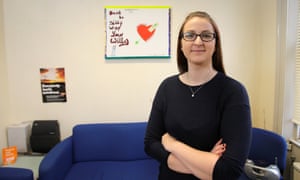
Education worker, Brook sexual health charity, in Coleraine, Northern Ireland


Fiona Johnston


Fiona Johnston: ‘Most of the time, the information young people have is completely wrong.’ Photograph: Paul McErlane for the Guardian

Although sex education is already compulsory in Northern Ireland, our education system is run by religion, and lessons have to fall into line with the ethos of the school. Most of the time, the information young people have is completely wrong because they’re getting it either from each other or from pornography. One of the main things they ask about is things that they’ve heard about from porn – things such as fisting, or other sexual acts.


The worry is that young people believe everybody is doing these things and that it’s normal – when the truth is, it’s not. Things like fisting are physically damaging, and they’re not for pleasure. But pleasure is one of those things that people don’t like talking about because they don’t like to think that young people enjoy it, and that one of the main reasons we do have sex is because of pleasure.


Karl Young



Karl Young

Karl Young

Father of two boys, who blogs as the Yorkshire Dad, based in Harrogate


As children get older, I do think that, around the online stuff – people asking for photos and so on – I don’t really have much experience of that. I’m happy having a chat about it, but teachers are going to have all the right resources and they’ll probably be better than parents would be at offering advice.


Stephen Tierney


Stephen Tierney


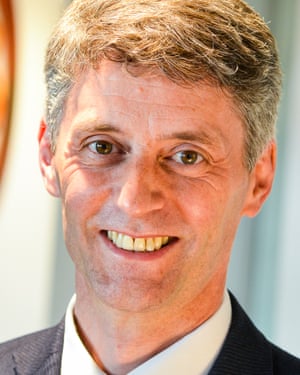
Stephen Tierney. Photograph: Studio 3000 Ltd

CEO, Blessed Edward Bamber Catholic multi-academy trust, Blackpool


For me, there would always be a desire to have a degree of flexibility within the teaching of SRE. Respect for others is crucial so it seems odd to insist all these elements are taught even where a particular community would say “that’s not our way”. I can’t think of a school that wouldn’t want to engage with the human relationships element of it, or with the sex education, in terms of the biological element to it, which is just part of science. There’s very little that as a Catholic school we’d say “we’re not comfortable with that”. We would teach about the different types of contraceptives, what the church’s perspective would be. We’ve been doing that for decades. [If we started giving information on how to access contraception] we would get into difficulties because our parents have expectations of how we will behave.
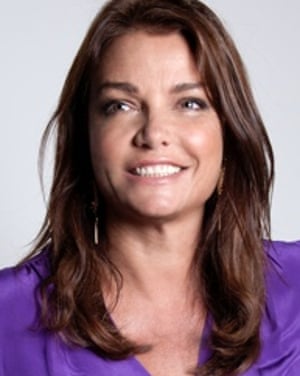


Goedele Liekens

Goedele Liekens

Sexologist, goodwill ambassador for sexual health and broadcaster best known for presenting Channel 4’s Sex in Class


I have seen biology books in the UK without the word clitoris in them. But you cannot talk about sex education without talking about the clitoris or without talking about masturbation. Young people need to know that they don’t need to be ashamed of masturbation – and that girls do it as well. It’s a good thing that SRE is going to be compulsory, but you need travelling teams of specialists that come to schools to train teachers and because it can’t just be a one-off lesson you need two or three teachers to continue this.


The other thing young people need preparation for is that sexual experiences come with stress, confusion and the huge emotions that come with the heat of the moment.


Jennifer Dhingra



Jennifer Dhingra


Jennifer Dhingra

Sexpression:UK, a student-led sex and relationships charity


Consent is a crucial topic because it can give young people the confidence to take control, and it provides protection against sexual exploitation. We get a lot of questions about gender identity and what the terms are. The main thing is that SRE is inclusive and comprehensive. It should reference people of a variety of sexual orientations, races, religions and cultures.


Andrew Moffat


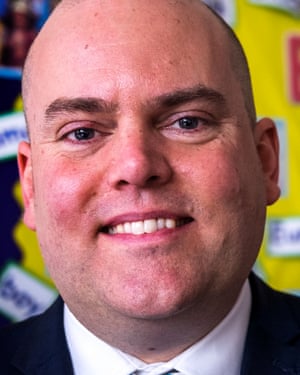
Andrew Moffat. Photograph: David Sillitoe for the Guardian

Assistant headteacher, Parkfield school, Birmingham


We need to talk about relationships and different families. Children need to know from a very early age that all families are different. Some have a mum and dad, some have just a mum or just a dad, some have two mums or two dads, some live with their nan, some live with foster parents. Work on LGBT issues has to be a whole-school initiative and not just in sex education.


Evelyn Greeves



Evelyn Greeves


Evelyn Greeves

Girlguiding advocate and student, Durham


The overall impression I had from sex education was that sex was something you should put off doing for as long as possible. But, if I was going to do it, I should make sure my boyfriend really loved me and that we used a condom. As a lesbian that wasn’t much use to me.


A lot of people assume that you can’t catch an STI through lesbian sex or gay sex, which obviously isn’t true. The use of things like dental dams, and condoms in sex between gay men often isn’t discussed, which is a really poor show.


Cindi Pride
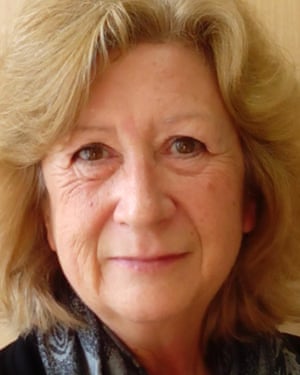


Cindi Pride


Cindi Pride

Deputy headteacher, Stroud high school, Gloucestershire


One of the things that we’re working on is empowering young women to feel they can say no to requests for images, or anything that makes them feel uncomfortable. Girls are being bombarded with images sent from boys – very often completely unrequested – and they are being pressed to send images of themselves, which they clearly don’t want to do, but they come in for a lot of abuse and ridicule if they say no.


Sex education: what do today’s children really need to know?

15 Şubat 2017 Çarşamba

Inadequate sex education creating "health time bomb"

Inadequate sex and relationships education (SRE) in schools is creating “a ticking sexual health time bomb”, councils are warning, amid concern over high numbers of sexually transmitted infections (STIs) among young people.


The Local Government Association (LGA), which represents 370 councils in England and Wales, has joined the growing clamour urging the government to make sex education compulsory in all secondary schools. Currently it is mandatory in local authority-maintained schools, but not in academies and free schools which make up 65% of secondaries.


Izzi Seccombe, chair of the LGA’s community wellbeing board, said it was a major health protection issue. “The lack of compulsory sex and relationship education in academies and free schools is storing up problems for later on in life, creating a ticking sexual health time bomb, as we are seeing in those who have recently left school.


“The shockingly high numbers of STI diagnoses in teenagers and young adults, particularly in the immediate post-school generation, is of huge concern to councils.


The LGA argues that it is a health protection issue, with 141,000 new STI diagnoses for 20- to 24-year-olds in England in 2015 and 78,000 for those aged 15-19. Sexual health is one of local government’s biggest areas of public health spending, with approximately £600m budgeted annually.


The LGA appeal came as the government was reported to be close to making an announcement regarding SRE and PSHE (personal, social, health and economic education), after the education secretary, Justine Greening, flagged up the issue as a priority for government.


Campaigners hope the announcement will be made during the next stage of the children and social work bill, which is passing through parliament. An amendment with cross-party support was tabled last week which, if carried, would would amount to the biggest overhaul in sex education in 17 years, but it is not yet clear what the government announcement will amount to, and crucially whether it will make SRE compulsory.


Izzi Seccombe

Izzi Seccombe, chair of the LGA’s community wellbeing board. Photograph: None

Seccombe said: “We believe that making sex and relationship education compulsory in all secondary schools, not just council-maintained ones, could make a real difference in reversing this trend, by preparing pupils for adulthood and enabling them to better take care of themselves and future partners.”


The LGA says while SRE should be made compulsory for secondary school children, with statutory guidance on key issues including sexual health, parents should still be given the option of taking their children from the lessons.


Tory MP Maria Miller was among those proposing the amendment to the bill last week. It followed an inquiry by the women and equalities committee, chaired by Miller, which heard that most children have seen online pornography by the time they leave primary school and two thirds will have been asked for a sexual digital image of themselves before they leave secondary school.


According to Miller, research has shown that just one in four children at secondary school receives any teaching on sex and relationship issues, and Ofsted has said that when it is taught the quality of teaching is often poor.


“Different interest groups cannot agree on a way forward that suits them and in the meantime we are letting down a generation of children who are not being taught how to keep themselves safe in an online, digital world,” said Miller.


“We are not teaching them that pornography isn’t representative of a typical relationship, that sexting images are illegal and could be distributed to child abuse websites and how to be aware of the signs of grooming for sexual exploitation.


“Overwhelmingly parents and children are fed up and want change. They want compulsory lessons in school to teach children and young people about consent and healthy relationships.”


Inadequate sex education creating "health time bomb"

27 Ocak 2017 Cuma

By ignoring sex education, ministers are risking children’s safety | Joan Smith

It’s a long time since Theresa May and most of her cabinet were at school. When she was doing her O-levels, no one was sexting and teenage boys weren’t goggling at violent porn on smartphones. I think it’s unlikely that the future prime minister had to wear shorts under her school skirt to protect herself from being groped, as some teenage girls have taken to doing. But that doesn’t mean May and her colleagues have any excuse for ignoring what’s going on in schools today, from sexual harassment to homophobic bullying.


They’ve been warned by MPs on the women and equalities committee, in an excoriating report that revealed the “shocking scale” of sexual harassment in schools. They’ve been told by the campaigning organisation Stonewall, which published a survey three years ago in which 86% of secondary teachers said they had encountered bullying of gay pupils. They follow the news, like the rest of us, and they must know about dreadful cases in which girls and boys have been tricked into meeting paedophiles who disguised themselves as teenagers online.


They have also been told by just about everyone that the best way to keep children safe is to insist that every school in the country teaches high-quality sex and relationships education (SRE) and the broader subject of personal, social, health and economic (PSHE) education – no ifs, no buts, and no exemptions for faith schools. Teachers’ or parents’ embarrassment is not a reason to deny children absolutely essential information about how to avoid sexual predators, online or in real life.


After the “grooming” scandals in Rotherham, Rochdale, Oxford and other cities, you might think this was a no-brainer. Yet ministers have done everything but stand on their heads to avoid it. Last week Conservatives in the House of Commons were accused of filibustering a bill sponsored by Green co-leader Caroline Lucas, calling for PSHE to be made compulsory in all state-funded schools, by making lengthy speeches about the bill that preceded it. A change in the law isn’t necessary, ministers have claimed, because Ofsted is checking that the subject is being covered and will pick up any inadequacies during inspections. Just over a year ago a Home Office minister, Lord Bates, said: “We expect sex and relationships education to be taught in all schools. In fact, it is inspected by Ofsted as such.” A similar point was made last year by Lady Evans, then a government whip and now leader of the House of Lords.


Presumably they had in mind Ofsted’s latest inspection framework, introduced in 2015, which made considering the effectiveness of PSHE “more crucial than ever” to the judgments made by inspectors. Now, though, that argument (like all previous ones) has been blown out of the water. It turns out that Ofsted is barely looking at SRE when it inspects schools, according to a detailed analysis by the British Humanist Association.


The headline finding, from a study of more than 2,000 primary and secondary school inspection reports for 2015-16, is that sexual health, safe sex and related subjects were almost entirely absent. Sexual harassment and sexual violence were not mentioned at all, while sexting appeared in just 17 reports, despite having been identified as an area of major concern by the government. Porn was mentioned in a single report, as was HIV/Aids, which appeared in relation to “emerging economies” in a geography lesson. Only one in seven reports referred to LGBT issues.


Back in 2013, Ofsted said that the provision of PSHE was “not yet good enough” in 40% of schools. It is hard to believe there has been a massive improvement in the meantime, yet fewer than 1% of the inspection reports examined by the BHA made any criticism of schools’ coverage of the subject. To be fair to Ofsted, it should never have been given the job of making up for the government’s failure in this area. If SRE isn’t compulsory, some schools will say they don’t want to divert scarce resources from other subjects or that they can’t find room in the timetable. Others will use it as an excuse to avoid topics, such as homosexuality and safe sex, that they find uncomfortable for religious or ideological reasons.


What all this means, in blunt terms, is that the government is coming up with one excuse after another to avoid doing one of its most basic jobs: protecting the next generation. We know girls are being sexually harassed at school, pressured into posing for photos that may be used to threaten or humiliate them, and suffering abuse from boyfriends whose expectations have been warped by online porn. We know that gay kids are being bullied, and children of both sexes are vulnerable to predatory sex offenders.


For several years now, senior police officers in London have been telling me that compulsory sex education is vital to keep children safe. A few months ago, I heard a senior civil servant talk about the staggering number of crimes against children that are being facilitated by the internet. This is not the cosy world May grew up in, when sex and reproduction were covered in biology lessons and mobile phones didn’t exist.


It is not even the world of 17 years ago, when the government published its outdated official guidance on SRE. Children are encountering sex at a much younger age than in earlier generations, but a head-in-the-sand government is refusing to make sure they are well-informed and safe.


By ignoring sex education, ministers are risking children’s safety | Joan Smith

10 Ocak 2017 Salı

Here’s the real recipe for healthy eating: a big fat serving of education | Rhiannon Lucy Cosslett

We’ve all done it, us serial dieters. Browsing the aisles, bored of our regimens of deprivation, we crave something sweet. And so we grab the low-fat yoghurt, or the 80-calorie chocolate mousse, or the can of diet cola, convincing ourselves that we can have a little bit of what we fancy and that it doesn’t matter, because sugar and fat, not artificial sweeteners, are the real enemies in our constant war against obesity.


But now, scientists think that artificial sweeteners might be fattening us up. Dr Chee Chia, a clinician scientist at the National Institute on Aging at the US Department of Health and Human Services, has conducted research that found that people who broadly ate the same diet – and the same number of calories – became fatter if they consumed low-calorie sweeteners. One possible explanation is that these sweeteners affect our metabolism, triggering it to lay down more abdominal fat. Research from the Weizmann Institute of Science in Israel suggests that sweeteners disrupt the body’s ability to regulate sugar. And a recent report by researchers at Imperial College London and two Brazilian universities argued that diet drinks might be no better for weight loss than their full-sugar counterparts.


If true, it doesn’t surprise me. Anecdotally, I have friends who have cut out their daily diet drink and have lost half a stone seemingly overnight. The science of nutrition is complex and conflicting – we are constantly being told to cut out whatever dietary scapegoat is currently held responsible for our thickening waistlines – fat, sugar, carbs, gluten, meat. But most of us know in our disobedient guts that eating as naturally as possible in combination with exercise is the healthiest way to stay slim. It’s just that we can’t resist sweetening the bitter pill with a quick artificial fix.


We have a terrible food culture in Britain, an addiction to sweet things and processed foodstuffs; harassed workers lunch “al desko”, slaves to office cake culture, and mainlining biscuits to overcome the 4pm slump; after-work boozehounds guzzle kebabs and chips as they stagger home from the pub; middle-class gout-magnets down red wine with their slices of pâté; and overworked parents feed their kids from Iceland’s freezer cabinet (not knowing they already stopped at the chicken takeaway on their way home).


To browse the supermarket with its aisles and aisles of processed rubbish is to conclude that it’s no wonder so many British people are fat (eight in 10 middle-aged Britons are overweight or exercise too little, according to Public Health England). It’s embarrassing, when you think about it. (I say this as someone who, having decided to get healthy this year, found herself at the weekend devouring an entire chocolate Santa.)


A decade of flat-sharing has taught me that, as humans, our eating habits are incredibly varied and personal. I have observed various flatmates’ diets at close range – the single lads who eat only tortellini, the strictly vegan girl with lists of ingredients as long as her arm, the American with a special pan for his grilled cheese, the friend whose freezer bags of cheap, bloody cuts of meat gave me the chills, the Ottolenghi addict, the Italian who cooked everything from scratch, and the guy whose kippers stank out the whole house. Not to mention my boyfriend, who was once caught in the act of consuming five, yes five, jacket potatoes. It’s sad, but many of my friends and flatmates have spent most of their 20s trying to re-educate themselves about healthy eating, having been taught bad habits at home as they were growing up.


While it’s important to note that junk food is full of crap that keeps us addicted to it, I’m afraid I’m also going to blame the parents. We are all products of our circumstances. I can cook, for example, because as a young carer, I had to, and I eat vegetables because I was raised vegetarian. Parents shape our attitudes to food in ways that we are not even conscious of. Some are overzealous, banning all additives or ruthlessly assessing their children’s weight. Others bring their offspring up on chicken nuggets.


Many fail to teach their children to cook, so that when they are released into the world they head straight to the ready meal aisle. None of these parents are bad people; but they are inadvertently passing on bad habits. It would be useful if health, cookery and nutrition was a fuller part of the school curriculum, but so much of the way we approach our diets begins at home. Yet parents are in denial. Last month the Health Survey for England found that 91% of mothers and 80% of fathers of obese children are blind to the fact their offspring have a weight problem.


The trick to maintaining a healthy weight, as Simon Stevens, the NHS chief, said last month, is simply to “eat less rubbish”. Education is key. The NHS has just announced plans to put 50,000 people at risk of diabetes on a diet. Lifestyle coaching and cookery classes are part of the initiative. But adults also have a duty to educate themselves, and to take a long, hard look at how their bad food habits are affecting their children’s health.


Here’s the real recipe for healthy eating: a big fat serving of education | Rhiannon Lucy Cosslett

23 Eylül 2016 Cuma

Why can’t our leaders learn from 30 years of failure in health and education? | John Quiggin

The inadequacy of competition and the profit motive in the provision human services like education and health has been established by harsh experience with consistent failures like PFI hospitals, for-profit schools and private prisons. This failure presents a puzzle: how is it that (assuming we have an adequate income) we can rely on for-profit corporations to put food on our tables and clothes on our backs, but not to educate our children or preserve our health.


In the hands of many advocates of privatisation, this puzzle is turned into a knock-down refutation: if the profit motive works well in providing something as vital as food, it must work well everywhere. The latest instance of this naive faith in the market is the Australian Productivity Commission’s call to privatise public health and housing.


In fact, there is no puzzle here: economists and public policy scholars worked out decades ago how to answer this question in principle, and solved many of the issues in detail. The problem is that the political class, along with much of the economics profession, have done worse than the Bourbons, of whom Talleyrand observed “they have learned nothing, and forgotten nothing”. Leading economist Paul Romer recently observed, echoing earlier comments by Robert Gordon, that macroeconomics has been going backwards since the early 1980s.


The same is true of the regressive microeconomics underlying the dogma that privatisation and market competition are always and everywhere beneficial. Our leaders, and the economists who advise them, have shown themselves incapable of learning from experience, but they have forgotten much that we once knew. In this case, what we once knew was the analysis of market failure that supported the successful mixed economy that came into being in the mid-20th century.


The basic analytical framework was set out in Francis Bator’s 1958 article, “The anatomy of market failure”, (itself drawing on earlier work by the great British economist AC Pigou). It was developed further by a string of contributions from economists like Kenneth Arrow, Joseph Stiglitz and George Akerlof, all of whom received the Nobel Memorial Prize in Economic Sciences for their work.


Taken together with Keynesian macroeconomic theory, this body of work explained why a properly functioning modern economy must be one in which some goods and services are provided by firms competing for profit and others by governments or publicly-funded non-profit organisations. The result is the “mixed economy”, political and social aspects of which were analysed by scholars such as Karl Mannheim and Andrew Shonfield.


Human services are among the sectors of the economy where markets and competition perform badly. The central problems related to human services involve information and finance. These are most obvious in relation to education. Education is for most of us, a once-only experience, and its value is hard to assess, except in retrospect. To some extent, we can make choices on the basis of the reputation of schools and universities. However, these reputations change only slowly over decades, so slowly that no rational for-profit firm would invest in maintaining them.


Moreover, education is hugely expensive, so that most families can’t afford it in the absence of public provision or a public subsidy. The experience of for-profit education in Australia and the US has been that it is far easier to extract public subsidies through scams of various kinds than to compete on the basis of high-quality education.


Many of the same issues arise in healthcare. Obviously, if we knew what was wrong with our health and how to fix it, we wouldn’t need doctors to tell us. As it is, we need to rely on the judgment of our doctors to give us the right treatment and, equally importantly, to tell us when we will get better without treatment. The greater the role of profit in the system, the greater the incentive to provide unnecessary or overpriced services. The example of the United States, which spends more on healthcare than any other country, with worse results, is an illustration.


Information isn’t a problem, or not much of one, in the case of food supply. We buy food on a weekly or even daily basis and have plenty of chances to determine what we like, and which suppliers offer good value for our money. There are things we can’t easily observe, like the cleanliness of food preparation, but these can be dealt with through regulation rather than through governments getting into the food supply business themselves.


Of course, none of this helps if you don’t have enough money to afford the food you need. But long experience has shown that the best way to help poor people afford necessities like food is to give them more money. Neither general food subsidies nor welfare payments tied to food purchases (food stamps) have ever worked as well as income redistribution.


If markets and profits don’t work well in the provision of human services, why should we expect governments and non-profit organisations to do any better? The answer is that that non-profit provision relies on professionalism and a service ethos. These can’t be combined with reliance on direct financial incentives and managerial control.


The Bourbons who have dominated public policy for the past few decades are resolutely hostile to any kind of professional or service ethos. They take for granted the most simplistic versions of textbook economics, in which only monetary incentives matter. On a more sophisticated view of the question, people care just as much about the respect of their peers and belief in the value of their work as they do about the size of their pay packet.


This is ultimately an empirical question, and after 30 years of failure we have more than enough evidence to reach a conclusion. Across the human services sector, markets, incentives and competition rarely work better than non-profit provision and frequently lead to disastrous failure.


Why can’t our leaders learn from 30 years of failure in health and education? | John Quiggin

22 Eylül 2016 Perşembe

Julia Gillard: "We"ve made progress in education and gender equality – but more must be done"

A few years ago, an outbreak of cholera and other deadly diseases swept through one of the poorest villages in the northern region of Ghana, taking the life of Ruhainatu’s mother, Jamila.


Ruhainatu was in her teens. A decade ago, Jamila’s death would have extinguished Ruhainatu’s chances of getting the education she needs to succeed in life. Instead of going to school, she would have taken on her mother’s role of caring full time for her home and family.


But efforts by the Ghanaian government, together with development partners like the Global Partnership for Education, have strengthened the country’s education system. Now Ruhainatu and girls like her have a more hopeful prospect for life. One of the top performing students in the local school, Ruhainatu has ambitions to go away to university to become a nurse and then return to her village to help others remain healthy.


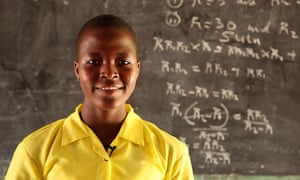
Ruhainatu has ambitions to go away and train as a nurse.

Ruhainatu has ambitions to go away and train as a nurse. Photograph: GPE/ Stephan Bachenheimer

Her story is one of countless affirmative real-life testimonials showing how educating girls can help them be healthier, more economically prosperous and become more civically empowered women. Their new knowledge can also improve the health and wellbeing of others around them.


But enabling children to succeed requires the right combination of support, so that they will be healthy, well-nourished and can attend a quality school that has access to clean drinking water and toilets.


Providing school meals and deworming programmes, for example, can have an important impact. The 2016 Unesco global education monitoring report notes that school meals and deworming programmes promote better education outcomes, especially for girls. For very poor families, the prospect that their daughter will be fed means that sending her to school is a more attractive option than keeping her at home so she can attend to domestic duties, farm work or taking goods to market. Greater access to clean water can also translate into education improvements for girls, by reducing the time they take to collect water for the family and giving them more time for school.


This give-and-take between education and other social development factors has received more emphasis since the unveiling of the sustainable development goals (SDGs) last year. We are breaking down the silos that have historically divided development sectors. Education and global health groups now understand that improvements in each are essential to progress for both and we are already creating opportunities for deeper collaboration.


Now the evidence of what works is increasingly clear, let’s just get on with it and drive progress on the mutually reinforcing goals for global education (SDG 4) and gender equality and women’s empowerment (SDG 5).


For groups like the Global Partnership for Education, whose board I chair and which partially funded the program in Ghana that helped Ruhainatu, “getting on with it” includes continuing to support countries to close the gender gaps in their education systems.


We are breaking down the silos that have historically divided development sectors.


Closing those gaps requires recognising and breaking down barriers to gender equality. Poverty is the biggest, but other significant factors include ethnicity, language, disability, early marriage, the distance from home to school, gender-biased pedagogy, fragility and conflict, absence of proper sanitary facilities, pressure to take care of family or earn money, and insecurity within and on the way to school.


We – in education or in any other related development sectors – could accomplish much more in less time if there was sufficient political support and enough financing. This includes first and foremost more domestic financing for education by developing countries themselves. But it also requires more donor funding. We can’t “just get on with it” when education’s share of overseas development aid has fallen from 13% to 10% since 2002. The International Commission for Financing Global Education Opportunities, notes in its just-released report that under present trends, only one in 10 young people in low-income countries will be on track to gain basic secondary-level skills by 2030. Clearly, this is completely unacceptable.


The Education Commission, on which I serve as a commissioner, advocates for a range of far-reaching transformations to improve education. The commission’s work provides new evidence on what works and costs out what it would take for the world to educate every child.


The call to action in financing is to increase total spending on education from $ 1.2tn (£0.9tn) per year today to $ 3tn (£2.3tn) by 2030. That’s a big jump but not an insurmountable one.


Making the leap starts with developing countries, donors, NGOs, the private sector and many others choosing right now to just get on with it.


Join our community of development professionals and humanitarians. Follow @GuardianGDP on Twitter.


Julia Gillard: "We"ve made progress in education and gender equality – but more must be done"

12 Eylül 2016 Pazartesi

Face the facts: competition and profit don"t work in health, education or prisons | John Quiggin

Following a long series of unsuccessful attempts at developing a workable lightbulb, Thomas Edison is supposed to have said, “I’ve not failed. I’ve just found 10,000 ways that won’t work.” This quote comes irresistibly to mind when thinking about Tony Blair’s famous commitment to “what works”, as opposed to ideology, in public policy.


In retrospect, it seems that Blair, and like-minded reformers throughout the English-speaking world, have delivered an Edison in reverse. Edison experimented with many things that didn’t work, but ended up with a light bulb. Market-oriented reforms, particularly in the provision of human services like health, education and public safety, have begun with a working system and replaced it with a string of failed experiments.


Here are a few examples from recent news stories around the English-speaking world


These examples could be multiplied endlessly, and not as the result of a selective choice of reports. A Google search on terms like “PFI hospital” or “private vocational training” will produce dozens more reports, nearly all describing financial and human disasters.


Yet despite this string of disasters, the push for market-oriented reform goes on. In the US, the Obama administration continues to promote the failed idea of charter schools, and Obama allies like Rahm Emanuel have carried on the war against teacher unions. The conservatives in Britain have backed away from the worst failures of the PFI. However, they are still enamoured of other Blair ideas like converting local authority schools into “academies” despite the absence of any evidence of improved performance.


Even by comparison with these examples, the Baird government in NSW stands out. It is pushing ahead with the privatisation agenda in Tafe, despite the obviously disastrous nature of the results. It has outsourced teaching in prisons to companies whose staff lack teaching degrees.


Not content with that, the Baird government is outsourcing the provision of public housing. The likely winner, despite its failures here and abroad, is Serco, a firm prominent as both a beneficiary of, and advocate for, outsourcing of human services.


The Australian policy elite seem immune to evidence on the failures of markets in human services. The recent Harper review of competition policy in Australia suggested that, “Consumer choice should be placed at the heart of government service delivery, through policies to encourage diverse and competitive markets populated with innovative and responsive providers.”


But it is precisely the firms lauded as “innovative” and “responsive”, from the University of Phoenix to the shonky builders of PFI schools and hospitals, that have done most to hurt government service programs.


Sooner or later the advocates of reform will have to answer the Edison-Blair question: “What works?” And what works is traditional public provision. Through all of these failed experiments, the public sector, much-maligned and chronically underfunded, has carried on with the hard work of educating young people, treating the sick and providing the vast range of services needed in a modern society, on a the basis of an ethic of service to the entire community, and not merely those who can pay for premium service.


The only other model with comparable success is not-for-profit provision by organisations with a charitable or service mission. Church-run schools and hospitals, and activist-run services like women’s shelters and services for the unemployed and homeless, have complemented the public sector, meeting needs that have been unrecognised or underserved.


The issue is not, in the end, one of public versus private. Rather it is the fact that market competition and the profit motive inevitably associated with it is antithetical to the professional and service orientation that is central to human services of all kinds.


No matter how cleverly market reformers design incentive schemes, competition for profits will always find a way to subvert them. It is time we as a society recognised this, and returned to what actually works.


Face the facts: competition and profit don"t work in health, education or prisons | John Quiggin

20 Ağustos 2016 Cumartesi

Lacking Education May Be as Deadly as Being a Smoker

Lacking education may be as deadly as being a current, rather than former smoker.  A study on higher education and life expectancy suggests people with a higher education reap the benefits of living longer.


When it comes to improving and saving lives, study evidence shows that education should receive more focus, rather than changing health behaviors, like smoking, drinking, and diet.


Lacking Education Reduces Life Expectancy


Due to a variety of factors, studies show that a higher level of education is a strong predictor of whether a person lives longer.  Healthier behaviors, a higher income and social status, and improved social and psychological well-being, are three basic factors that attribute to a person living a longer life.


A study by researchers at New York University, the University of Colorado, and the University of North Carolina at Chapel Hill estimated the number of deaths that can be linked to differences in education.  The team of researchers found that study evidence consistently shows a strong association between education level and mortality.


According to Virginia Chang, associate professor of public health at NYU’s Steinhardt School of Culture, Education, and Human Development and College of Global Public Health, and associate professor of population health at NYU School of Medicine, public health policies may need to view higher education as a primary focus.


“In public health policy, we often focus on changing health behaviors such as diet, smoking, and drinking.  Education — which is a more fundamental, upstream driver of health behaviors and disparities — should also be a key element of U.S. health policy.”


In the United States there are many people lacking education.  More than 10 percent of U.S. adults between the ages of 25 and 34 don’t have a high school degree.  Additionally, more than a quarter have some college but have not earned a bachelor’s degree.


A considerable part of the link between education and mortality is causal.  That is, one event is the result of the occurrence of the other event.


Study Highlights


Using the Centers for Disease Control and Prevention’s National Health Interview Survey, the study team looked at information on more than a million people from 1986 to 2006.  The researcher’s goal was to estimate the number of deaths attributed to low levels of education. They studied people born in 1925, 1935, and 1945 to understand how education levels affected mortality over time.


The researchers also noted the causes of death — including cancer and cardiovascular disease.  They found in the 2010 population, if adults who had not completed high school went on to earn a GED or high school degree, 145,243 lives could have been saved.


This finding is comparable to the estimated number of deaths that could be averted if all current smokers had the mortality rates of former smokers. Additionally, if adults who had some college went on to complete their bachelor’s degree, 110,068 people may have lived longer.


Encouraging Education


The difference in whether a person lived longer — compared to his or her level of education — substantially improved over time.  For example, life expectancy was longer for those with high school degrees.  However, life expectancy was far longer for people with college degrees.


Encouraging adults who have not finished high school to complete high school could save twice as many lives among those born in 1945 as compared to those born in 1925, according to researchers of this study.


Patrick Krueger, assistant professor in the Department of Health & Behavioral Sciences at the University of Colorado Denver | Anschutz Medical Campus and the Institute of Behavioral Sciences at the University of Colorado Boulder, suggests trends need to change.


“Our results suggest that policies and interventions that improve educational attainment could substantially improve survival in the U.S. population, especially given widening educational disparities.  Unless these trends change, the mortality attributable to low education will continue to increase in the future.”


Impacting Survival Patterns


The researchers said that based on their findings, meeting the goals of Healthy People 2020 could have a substantial impact on future survival patterns.


Healthy People 2020 is an initiative to improve Americans’ health decade by decade.  They set goals for increasing the proportion of students lacking education to complete high school by 2020.


Virginia Chang comments on the need for higher education.


“Broadly, life expectancy is increasing, but those with more education are reaping most of the benefits.  In addition to education policy’s obvious relevance for improving learning and economic opportunities, its benefits to health should also be thought of as a key rationale. The bottom line is paying attention to education has the potential to substantively reduce mortality.”


Published findings of this study titled, “Mortality Attributable to Low Levels of Education in the United States,” are in the journal PLOS ONE.


Lacking Education May Be as Deadly as Being a Smoker

16 Ağustos 2015 Pazar

I am 16 and the education method is destroying my well being

Breathe in. Breathe out.


The strings that hold you together are loosening. You really feel what’s going on in your body without being ready to handle it. Your breathing speeds up. Every sense heightened, your whole physique shakes. Pins and needles are working marathons up and down your limbs. It hurts. Everything is as well near. As well loud. And then you shut down.


You are obtaining a panic assault.


This isn’t an write-up about why more awareness is essential about mental wellness problems or how an remarkable strategy waved my nervousness away. These posts and books exist, and they express these subjects far better than I ever could.


This is an article about how our training system is ruining younger people’s lives. No one is listening to the teachers who say it, so perhaps a person will listen to me.


My name is Orli and I’m nearly sixteen. When I was younger and I loved to play grown-ups, I dreamed of becoming 16 – of going to bed when I desired and having my personal money to spend on fairy wings (it hit me hard when I realised that nobody dressed up as princess fairies when they acquired older).


I by no means dreamed I would be like this. It was a shock when I got to secondary school and learned the implications of the marking scheme: you be successful – and you fit in – or you fail. All of a sudden, the creativity I’d brought to all my school projects wasn’t accepted any longer. Alternatively I had to memorise facts and statistics. That was when I realised that my potential would be based on a set of criteria designed by exam boards – and that was when I started getting panic attacks. The terror brought on by the idea of failing left me unable to sit virtually all of my GCSE mock exams.


Our schooling technique is flawed. It is causing youthful individuals to really feel the variety of strain that shouldn’t be imposed on anyone, of any age. In a 2007 Unicef study rating children’s wellbeing in 21 developed countries, Britain came out final.


The technique is educating individuals that your greatest is not great adequate, that you have to constantly try more difficult and that a single poor consequence makes you a failure. Good results is measured by how effectively you don’t forget the criteria on a provided day. How can we justify placing the health of young children on the line for an exam board’s definition of achievement? The most critical achievement a person should aim for is becoming relaxed in their skin, protected in the information they can dwell their life and define good results on their personal terms.


Connected: How pupil power tends to make schools more open about psychological overall health troubles


Subsequent 12 months the government’s new GCSEs and A-ranges consider impact and the grading switch from letters to numbers is not the only issue that will change. The introduction of a single ultimate exam in area of several modules implies students will now only have one particular possibility. 1 set of solutions will mark the variation among achievement and failure.


How can it make sense for us to be deemed accountable adequate, at sixteen, to make selections that form the rest of our lives when we’re not accountable sufficient to vote for the people creating these decisions?


The way to make certain the following generation is educated as greatest it can be is not to shove examination papers in their faces, it is to allow them breathe, to create a relaxed and enriching environment for learning. Our training method is producing a generation of broken youthful grownups, wound up by a important in the back and dropped when they are deemed unfit. It is generating a generation of fearful younger individuals who will by no means be bold adequate to get initiative and learn new things since they’ve been taught that good results is a location that only has one particular route.


When I look back on my panic attacks, I want to shake myself – I’ve let a group of politicians with a rigid definition of success do this to me. Nothing is so important that it’s really worth risking your overall health over, not even the piece of paper you get, age sixteen, to inform you whether or not or not you’re good adequate.


Connected: Secret student: six issues I’d in no way dare tell my teacher


If you are a youthful individual who can empathise with this report, I want to tell you that there are a wonderful numerous of us, and it will get greater. To the politicians, my message is merely this: if you want the nation’s long term generations to be cost-free of the crippling anxieties and concern of failure entrenched by the existing technique, you have the energy to adjust it.


In the end I have 3 words that’ll make me sound like the whiny 5-year-old I want I still was: this isn’t fair.


I am 16 and the education method is destroying my well being

3 Temmuz 2014 Perşembe

Far more Sunshine: CMS Desires Businesses To Report Payments To Physicians For Medical Education

In a key reversal of policy, CMS would like market to report payments to physicians for continuing medical training. The move would eliminate from the Doctor Payment Sunshine Act the recent exemption for CME.


At first CMS’s  proposal for implementation of the Sunshine Act necessary business to report payments to doctors for CME applications. But following substantial debate and lobbying from industry, the last rule integrated an exemption. As a consequence, firms are not now essential to report payments to speakers at accredited CME events as lengthy as the firms don’t choose the speakers or right pay them.


CMS now appears to have modified its thoughts. Close to the end of its record of proposed modifications for next year, CMS is proposing to get rid of the exemption:


 …we are proposing to delete the Continuing Education Exclusion in its entirety. Getting rid of the exemption for payments to speakers at specified accredited or certifying continuing health-related schooling events will develop a far more consistent reporting requirement, and will also be a lot more steady for buyers who will eventually have entry to the reported data.


A recent write-up in Contemporary Healthcare examines considerations that the existing exemption “could prompt makers to shift their marketing bucks towards CME and away from direct promotional programs for their products.” The article reports “increasing concern… that industry payments for CME bias these applications.” The consequence, said  Daniel Carlat, director of the Prescription Task at Pew Charitable Trusts, is that these biased programs lead physicians “to unduly prescribe items that industry is pushing.”


The proposed new rule will be published in the Federal Register on July 11. Comments will be accepted till September 2. It is probably that market and healthcare communication companies will exert considerable efforts to avert CMS from implementing this adjust.


Far more Sunshine: CMS Desires Businesses To Report Payments To Physicians For Medical Education

26 Mart 2014 Çarşamba

Morning-following pill pre-orders: How about giving teenagers respectable sex education first?


Far more worrying, certainly, is the believed that some younger females may possibly decide on to rely on the robust doses of hormones in morning-following pills instead of opting for every day contraception that delivers reduced, steady levels (like the pill, hormonal ring, or IUD). Taking the pill, in specific, is subject to extensively various effectiveness based mostly on usage. Having to take pills every single day whether you are getting intercourse or not is a modest chore at any age, and the notion of morning-following possibilities is appealing: take it when you have intercourse, not all the other occasions. But there are some disadvantages.


The quantity of people possibly impacted by this modify, however, might be reduce than we may possibly assume. According to the FPA only one in ten teenagers employed no protection at all the initial time they had intercourse, with most opting for the barrier protection of condoms, which helps protect towards STIs as well as pregnancy. Only 17 per cent of sixteen-19 12 months olds had used emergency contraception in the prior year.


Intercourse training is undoubtedly important but probably not in the way may assume. Younger people are previously hearing about the various methods of contraception and illness prevention accessible to them, and in several situations that is as far as the education goes. If scaring people about pregnancy and condition alone was going to function, would not it have accomplished so currently?


An exciting phenomenon that appears to function in Europe is mentioned by sociology professor Amy Schalet, author of Not Beneath My Roof: Dad and mom, Teens and the Culture of Sex, which compares approaches to sexual overall health training for teens in the US and in the Netherlands. “Coming out of the sexual revolution, the Dutch genuinely decoupled sex from marriage, but they did not decouple intercourse from adore,” Schalet says. “There is a powerful belief in the Netherlands that youth can be in really like — boys as nicely as ladies — that makes sex in a lot of ways look safer and a lot more contained since it is embedded in a relationship.”


Must young females have entry to emergency contraception even before they have sex? Yes, they need to have some accessibility to all pregnancy prevention approaches.


But let us not fail to remember to put every thing in the larger framework: this country nevertheless wants much better and more holistic sex and relationships training that focuses on respect and consent, taught by folks who are qualified and interested in speaking to younger men and women about the topic. It requirements to handle not only the biology and mechanics of intercourse, but also of adore and healthy relationships. And it wants to be constant, taught to everyone. If we had this, the matter of who gets the morning-after pill and when would not be this kind of a worrying believed.


Morning-following pill pre-orders: How about giving teenagers respectable sex education first?

10 Mart 2014 Pazartesi

EdTech, Student Privacy, As well A lot Testing? Q&A With The Department Of Education

Jordan: I have to inquire a question about video games. I’m a big fan of game-based mostly learning. I’ve observed, just watching my personal children, how strong video games can be as an instructional strategy. Obviously, video games are not the magic resolution to every little thing, but they are a single powerful tool that teachers can commence to add to their toolboxes. But there are a good deal of barriers to classroom implementation. The most significant barrier has to do with resources and access to technology. But even in colleges where assets are not in the way of adopting game-based mostly studying answers, there’s usually inadequate specialist advancement for teachers. Or, in schools that do have ample technological resources, teachers discover that college students don’t have ample entry to engineering at property to make introducing game primarily based studying profitable.


What other obstacles to implementing game primarily based studying or educational technologies do you see? And how does the Division of Training perform a element in eliminating those obstacles?


Shelton: I as well am a large fan of properly-designed studying video games as one particular of many resources for understanding and teaching. I consider there are 3 other huge barriers to broad adoption in classrooms. The initial is the hardest – the cultural stigma that men and women have to get in excess of that taking part in a game is wasting time.


The 2nd is that in addition to education for teachers on how to integrate game based mostly understanding we need to have much more and better resources that make game integration less complicated and much more seamless and make the information a lot more accessible. We have to make it less difficult and more beneficial for teachers to embed video games in their instructional toolkit and every day routines.


Ultimately, with a couple of notable exceptions, educational games as a group want to be greater developed and clearer about what they are excellent for and what they are not developed to do. While educational games utility is unclear, teachers are generating a rational choice to invest their time in other strategies. But when a case can be created that the games will make a difference, I consider items will open up pretty swiftly. An innovator named Zoran Popovic worked with a effectively-created studying game to integrate adapative algorithms to improve its efficiency. They then partnered with schools and districts to launch Algebra Challenges that resulted in college students from many backgrounds solving literally millions of algebra issues and mastering crucial ideas.


The far more examples we have like that the a lot more speedily we’ll see broad adoption of learning video games in classrooms.


Jordan: The recent buzzwords in training are plentiful: teacher accountability, formative and substantive assessment, the widespread core, data-driven instruction, 1-to-a single technology adoption, character training. I’ve been an outspoken critic of these buzzwords, arguing that they obfuscate the concerns a lot more than they open a room for genuine conversation. In distinct, I’ve written extensively about the issues with buzzwords like “grit, perseverance, and optimism.” Lucky for us, the conversation about education is often evolving. The words we hear these days will be replaced with new words.


I’m curious how you feel the conversation will adjust in the many years to come? Which buzzwords will drift away and which will become more predominant? And in the political sphere, what educational problems will have a principal place in the 2016 presidential election season?


Shelton: I have no concept what the next round of buzzwords will be, and whilst some of the terms like grit, persistence and resilience have become faddish, there is critical science and a fair quantity of common sense behind them.


EdTech, Student Privacy, As well A lot Testing? Q&A With The Department Of Education

28 Şubat 2014 Cuma

Fahma Mohamed: the shy campaigner who fought for FGM education

Sporting a brightly coloured headscarf, leather jacket and a wide, lipsticked smile, student Fahma Mohamed insists she is naturally very shy. “I was always the one in the background, I would have never carried out any of the speaking – I just didn’t have the self-confidence,” she says.


But items have changed significantly given that the 17-yr-old Bristol pupil grew to become the encounter of a Guardian-backed campaign to put education at the heart of tackling female genital mutilation (FGM) at the start off of February.


This week saw a series of victories for a campaign that has attracted practically 250,000 petition signatures as effectively as the backing of Pakistani schoolgirl Malala Yousafzai and the UN secretary common, Ban Ki-moon.


In an extraordinary meeting on Tuesday, Fahma – alongside other members of the youth charity Integrate Bristol – met with the education secretary, Michael Gove, to request him to compose to each college in the country about the horrors of FGM.


After a meeting that lasted more than an hour – to the girls’ delighted surprise – he agreed. Praising Fahma’s “inspirational” campaign, he mentioned the department would send each school guidance on retaining youngsters risk-free by Easter – just before the summertime holidays – and would incorporate materials to allow teachers to tackle the topic of FGM.


On Friday she saw him again – this time in her school, the City Academy Bristol (CAB) – to attempt to persuade him that FGM can, and need to, be taught in class.


Speaking soon after the hour-lengthy check out, Fahma said Gove had been good about educating FGM in schools. “It was quick, but really good,” she says. “He was entirely onboard saying that younger folks have been significantly a lot more engaged in fighting for human rights than in his time.”


The student – 1 of nine ladies from a Somali loved ones – has spoken to camera crews from about the planet, has been invited to weblog on Mumsnet and talk at conferences. She says: “It has been fully crazy, but I’m ecstatic. How many folks get to say they’ve been to London to advise the secretary of state? It was all really worth it and I’m just so pleased.”


Soon after months of meetings with FGM activists and campaigners, filming, planning, negotiating and reporting, Fahma launched the campaign on six February, the UN’s day to mark zero-tolerance of FGM. The Guardian reported that despite virtually three decades of legislation against FGM, which is thought to influence 66,000 girls in England and Wales, even though 24,000 ladies below 15 are considered to be at danger, people doing work on the ground had been warning that the brutal practice was nevertheless occurring to British children.


Reporting that a lot more than 140 million ladies and girls about the planet have been impacted by FGM, which entails removing element or all of a women’s outer sexual organs, the Guardian also spoke to a former cutter in Kenya and activists in France about how that nation had aggressively tackled the concern. The UK’s youthful poet laureate shared a poem about the practice, while Cuban artist Eric Ravelo created the emblem.


A petition calling on Gove to consider action, on Alter.org, grew to become one of the fastest-growing petitions hosted on the campaigning website, at one particular point attracting two signatures every 2nd.


Inside of days the Scottish government had agreed to compose to all colleges to ask them to train their employees and educate mother and father about FGM, an early day movement in parliament followed and the help of Ban Ki-moon and Malala Yousafzai, who known as Fahma her “sister” and stated they had been portion of the exact same struggle for girls’ rights.


In the meeting this week Gove stopped brief of saying that FGM need to be taught in all colleges, but did request Fahma for much more proof on how it could be taught in an “age-appropriate way”.


Friday’s quickly-organized meeting came also soon for a pay a visit to to nearby St Werbergh’s – one particular of the handful of primary colleges in the nation to educate pupils about FGM – to be organised. But had he visited Gove would have identified a richly various college – with pupils from 14 distinct ethnic backgrounds and more than 50% speaking English as a 2nd language – unafraid to tackle FGM as a child protection issue.


After the launch of the Guardian’s campaign, Everyday Mail columnist Sarah Vine, who is married to the schooling secretary, wrote that nine-yr-olds risked currently being “terrified” by if topic was taught in colleges.


For the duration of his Bristol visit to CAB, Gove admitted he was “nervous” about main schooling, and expressed interest in going to the college in the long term.


Claire Smith, sitting between the painted murals and lively business of the college day, insists it is possible to hold children risk-free from FGM with no providing them nightmares. In lessons at St Werbergh’s year six youngsters, who have been offered permission from their parents, understand about FGM without the use of graphic pictures and in secure language they can comprehend.


“We are evidence that it is entirely attainable to educate this in an age-appropriate way – it’s not about scaremongering, it really is about trying to keep youngsters safe,” says Smith, including that principal schoolchildren might be at the most risk. “An opportune moment for FGM to come about is when they are transferring between colleges – in a new school a instructor might not know your behaviour had modified, whereas here we would recognize straight away.”


Lisa Zimmermann, a teacher at CAB, set up Integrate Bristol soon after getting told that eleven out of 12 ladies in a group she was taking on a journey had undergone cutting. It began with four nervous girls creating anonymous poetry and has swelled to much more than 100 members calling themselves the #FDL – the female or “fanny” defence league – which has manufactured films, a music video and met Gove.


“We have come so far – from four terrified ladies to taking on the education secretary – it truly is been an wonderful journey,” Zimmermann says. But until the risks of FGM is taught in all colleges, they will not stay quiet, she adds. “Who is going to have that conversation otherwise? This campaign has allow schools know that it is alright to talk about this – it is going to make a big difference to girls’ lives, and to ladies that have not even been born nevertheless. But we have to maintain going.”


Fahma, despite the whirlwind of the previous few weeks, is not fairly ready to put her campaigning days behind her. “I have realized that I know a great deal a lot more than I thought I did. I have also realised just how passionate I am,” she says, including that she fairly likes the younger kids coming up to her in school. “It is cool,” she says. “I like currently being a role model. I want them to know that if they actually want to do anything, they can do what ever they want in daily life.”


Fahma Mohamed: the shy campaigner who fought for FGM education