Case etiketine sahip kayıtlar gösteriliyor. Tüm kayıtları göster

12 Nisan 2017 Çarşamba

The Charlie Gard case is a sad reminder that the law is the preserve of the powerful | Anne Perkins

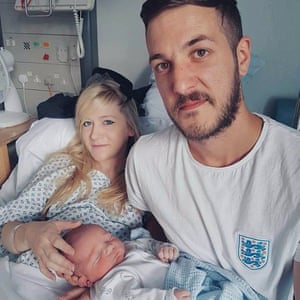
The law says the best interests of the child always come first. But deciding what those are can be a matter of anguished contention. Connie Yates and Chris Gard, the parents of Charlie Gard, the little boy born with an extremely rare form of mitochondrial mutation, were told by a judge yesterday that it was not in their son’s best interests for him to be taken to the US for experimental treatment, and they think the judge was wrong.


The judge, Mr Justice Francis, who told doctors at Great Ormond Street that they could withdraw all but palliative care, was to all intents and purposes delivering a death sentence. He knew that. They knew that.


What was extraordinary is that the state – our representative in court – says that although it rightly felt it had a duty to protect Charlie, it had no role in making sure that his parents’ view of what was in his interest was properly represented. Yates and Gard were not entitled to legal aid. The judge told the court that he found this “remarkable”. This is not the sort of thing judges normally say.


Charlie Gard


‘The judge…was to all intent and purposes delivering a death sentence. He knew that.’ Photograph: Family handout/PA

Fortunately for the parents, they found a legal team through the solicitors Bindmans, who were prepared to work for free. They did not end up, as people in private law cases often do, faced with a choice between representing themselves or not going to court at all. It is all the more absurd that had it been a question of whether Charlie should be taken into care – a life-changing but not a life-threatening decision – the state would have paid for their lawyers. That is because the case would have involved a local authority, another public body. Yet for Charlie’s parents, it would be hard to distinguish between a well-funded public body like a council, and another – the NHS.


This is not about the rights and wrongs of this heart-rending case, where Charlie’s parents wanted to overrule the doctors who felt it would be painful and futile, and take their son to the US in the very remote hope that an entirely untested treatment might help him. But it is a reminder of the way that in other courts the state is skewing the balance of justice in its own interests. The law is becoming the preserve of the powerful.


The Lord Chief Justice Lord Thomas said as much more than a year ago when he used his annual report to highlight the injustice of a system where the law was unaffordable to all but the rich. He repeated the criticism in his report for 2016: “A properly funded justice system is a core function of the state”, a role that included “holding the democratic government to account and ensuring it acts fairly and according to law”.


It is shocking to discover that even in a case where the court is having to decide a matter that is literally a choice between life and death, there is no legal aid. But it is only the most shocking of a long list of areas where it is no longer possible to get state help to challenge a perceived injustice: the list includes housing, welfare, debt, immigration, medical negligence and family law cases, unless they involve domestic violence. There are prohibitive charges on employment tribunals, which even the Ministry of Justice now acknowledges as creating unintended consequences. A 500% increase in fees for immigration and asylum appeals was only rescinded after a nationwide campaign.


This is the work of Chris Grayling, the most disastrous justice secretary yet appointed, who was in the post between 2012 and 2015. With apparently only the haziest grasp of how access to justice is a cornerstone of the constitution, in his three years as minister he took a machete to the whole system. His successors have been trying to patch it up ever since.


Excluding citizens from access to the law is a process of disempowerment. That is bad enough. What is worse still is that it enhances the lethal sense of government and its agencies that they will not be held to account. Lawyers are not often regarded as heroes of society. But a just society can’t do without them.


The Charlie Gard case is a sad reminder that the law is the preserve of the powerful | Anne Perkins

7 Nisan 2017 Cuma

Bereaved families bring case against government over prisoner suicides

Relatives of prisoners at HMP Woodhill who have taken their own lives are to bring a legal challenge against the institution’s governor and the justice secretary for allegedly failing to introduce basic safety measures. Eighteen prisoners have killed themselves at the jail in Milton Keynes since early 2013 despite repeated recommendations and guidance from coroners’ reports and official bodies that investigate deaths in custody.


The most recent death at Woodhill was before Christmas, shortly after the high court granted permission for the case to be heard. Deaths in custody reached a record high in England and Wales last year. In 2016, there were 119 self-inflicted deaths; the previous year there were 89.


The action has been brought by Pearl Scarfe and Julie Barber, the mother and sister of Ian Brown, who took his life in his cell in Woodhill on 19 July 2015, and Jamie Blyde, the brother of Daniel Dunkley, who died on 2 August 2016, four days after he was found hanging in his cell.


The families are seeking to persuade the court to order that the governor of Woodhill prison and the justice secretary, Liz Truss, take urgent action to reduce the risk of self-inflicted deaths in the future. Woodhill had the highest suicide rate of any prison in 2016; seven prisoners killed themselves there last year.


Barber said: “Ian was much loved. Our loss has been unimaginable. We all miss him every day. I believe if he’d had the help and support he needed he’d still be here. Every time I hear about another death in the prison, I think: ‘Why?’


“If lessons had been learned when my brother died, all those families would not have had to go through what we have had to go through. It’s hard for us to hear about more deaths. It makes me angry that suicides have happened that could have been prevented if changes had been put in place, as they should have been.”


The judicial review, to be heard at the Royal Courts of Justice in central London, is being supported by Inquest, the organisation that helps relatives at coroners’ courts. Inquest says it is concerned about the lack of a national oversight mechanism to monitor, audit and follow up actions taken in response to recommendations by the Prisons and Probation Ombudsman and coroners.


Deborah Coles, the director of Inquest, said: “The number of self-inflicted deaths occurring in prisons in England and Wales is currently at record levels. It is therefore more vital than ever that preventative actions are identified, changes implemented, and sustained improvements enforced to prevent future deaths.


“The current system for learning lessons and implementing changes arising from deaths in custody is not fit for purpose; it does not adequately prevent future deaths, meet the hopes and needs of bereaved families, or satisfy the wider public interest.


“The deplorable situation at HMP Woodhill is just one stark example of a much wider national problem. Deaths occur time and again as a result of repeated failings. Families are told that lessons will be learned, but nothing changes. The reality is that the Ministry of Justice has wholly failed to address the unacceptable rise in self-inflicted deaths.”


Jo Eggleton, a solicitor at the law firm Deighton Pierce Glynn, who represents the families of Brown and Dunkley, said: “[They] have shown great strength in bringing this claim. Despite the awful ordeal they have been through, they have put themselves on the line to try and protect others and prevent future deaths.


“They and the other families of men who have died at Woodhill that I represent share this common goal and have worked together to try and make it possible. They should be recognised and applauded for that. It’s just a shame that this claim has had to be brought at all.”


In a letter to Truss last week, the Labour MP Harriet Harman, the chair of parliament’s joint committee on human rights, called for a national oversight mechanism “with a duty to collate, analyse and monitor learning outcomes and their implementation arising out of deaths in prisons”.


In the UK, the Samaritans can be contacted on 116 123. In the US, the National Suicide Prevention Hotline is 1-800-273-8255. In Australia, the crisis support service Lifeline is on 13 11 14.


Bereaved families bring case against government over prisoner suicides

22 Mart 2017 Çarşamba

Drug scandals and the media – the unresolved case of Primodos

If the history of drug scandals teaches us anything, it is that fair compensation is typically achieved only through lengthy media campaigns and legal battles. Though lacking the direct powers of judges or policymakers, interventions by investigative journalists and broadcasters have sometimes proved decisive.


Take thalidomide: between 1957 and 1961 the widely prescribed morning-sickness treatment caused miscarriages, and many thousands of babies around the world were born with severe limb malformations. In the UK, an adequate settlement was negotiated with the British distributor, Distillers Company (now part of Diageo), only after the Sunday Times took up the cause in 1972.


The thalidomide disaster is the best-known drug scandal involving birth defects, but it is not the only one. In the late 1960s, suspicion fell on Primodos, a hormonal pregnancy-test drug marketed by the German pharmaceutical company Schering (now Bayer). I have previously written on the origins of Primodos and the still unresolved debate over whether the British government should have allowed it to remain on the market until 1978, despite widespread safety concerns and the existence of a highly reliable and perfectly harmless alternative: the laboratory urine test. As with thalidomide, the media played and continues to play a crucial role in the campaign for compensation for those who say they have been harmed by Primodos.


Red black and white advert: a toad forms the full stop of a question mark while the text reads


An advertisement for Primodos in The Practitioner from the early 1960s marketing campaign aimed at GPs that aggressively targeted the slower, more expensive toad test. Photograph: Practitioner, vol. 185 July 1960./The Practitioner, Practitioner Medical Publishing Ltd

Blowing the whistle on Schering


The Primodos scandal unfolded in the shadow of the thalidomide disaster and was shaped by it. Primed by thalidomide, the Sunday Times became involved early on. It was in response to a Sunday Times exposé that the British government issued the first official warning of a ‘possible association’ between Primodos and ‘an increased incidence of congenital abnormalities’ in 1975. Despite the warning many doctors continued to prescribe Primodos, and it remained widely available in Britain.


The media campaign took a dramatic turn in 1977 when a concerned employee of Schering’s British subsidiary leaked internal corporate documents to the press. These papers revealed a significant dispute between British and German executives over whether Primodos should continue to be marketed in Britain. Essentially, British executives wanted the drug to be taken off the market, but their hands were tied when the final decision was made in Berlin. The documents eventually reached the light of day by a circuitous route, involving a whistle-blower, a reporter, and a private investigator.


Scandal, leaks and spin


Ian Withers, a private investigator, was enlisted by a law firm to place the documents with one of the national newspapers. Withers was offered a fee of £500 and asked to generate £10,000 for the large folder of correspondence. This sum was intended as an insurance policy for the anonymous ‘whistleblower’, who fully expected to lose his job and forfeit any further career prospects in the industry. Withers spent around ten days hawking sample pages to journalists and media contacts. One was a reporter for the Sunday People, who expressed an interest in the story. But instead of exposing Schering’s internal dispute over drug safety, the reporter decided to portray Withers as a ‘rat’ trying to ‘cash in on a toddler’s suffering’. Withers considered suing, but refrained in order to safeguard his client’s anonymity, which endures to this day. Happily, the incident did not damage the detective’s reputation and he went on to a career as one of Britain’s most successful private eyes.


The leaked folder, meanwhile, soon made its way into the hands of journalist and broadcaster Greg Dyke, who quoted heavily from the documents it contained in his hour-long documentary for London Weekend Television’s The London Programme in 1978. By then, Labour MP Jack Ashley, who had spearheaded the thalidomide campaign in Parliament, had begun calling for a government inquiry into Primodos. Further coverage in The Guardian and The Sunday Times continued to apply pressure and culminated in a first debate, in the House of Commons, on 26 May 1978.


On 6 June 1978, Dyke reported in The Guardian that Health Minister Roland Moyle would that day ‘for the first time, come face to face with a group of parents who believe their children were born deformed because their mothers were prescribed hormone pregnancy testing drugs’. The parents, Dyke explained, wanted ‘just one thing from the Minister – a public inquiry into the way the drugs were used in this country’. But despite Ashley’s efforts, the parents did not receive the inquiry they wanted—until 2014.


A stack of several old folders stuffed with papers.


The 1970s campaigns relied on just one folder; now there is much more evidence to be considered. Photograph: Alamy Stock Photo

New lines of evidence


The current inquiry, set to report in May, was launched by the Department of Health following a second debate in the Commons, on 23 October 2014. Its brief is to examine the evidence, including new sources that were not available in the 1970s. These include thousands of pages of documents that have resurfaced in London and Berlin and ongoing laboratory research on the effects of Primodos on developing fish embryos. A reenergised campaign, headed by Marie Lyon, now has the support of an all-party parliamentary group formed in 2014 by Labour MP Yasmin Qureshi. And Jason Farrell, a Sky News reporter who became involved in 2011, has made Primodos: The Secret Drug Scandal, an hour-long documentary and the culmination of his investigation.


Back in 1978, Dyke had access to just a single leaked folder of internal correspondence. Today, the evidence base is radically expanded to include new experimental results and masses of previously supressed documents. Farrell makes good use of these, as should the inquiry, which has vastly more material at its disposal than it would have done in the late 1970s. It is possible that legal proceedings, abandoned in 1982, will be started up again. The media, alongside campaigners and MPs, continues to play as vital a role as it did back then. It does so by bringing new evidence to light, using it to form public opinion, and, not least, by applying pressure to government and industry. Will today’s media campaign, armed with new lines of evidence, succeed where that of the 1970s faltered? Will Primodos: The Secret Drug Scandal make history?


Jesse Olszynko-Gryn is a historian of medicine at the University of Cambridge. He acted as historical consultant on Primodos: The Secret Drug Scandal.


Drug scandals and the media – the unresolved case of Primodos

7 Mart 2017 Salı

Medical couriers launch case challenging self-employed status

Couriers carrying emergency blood supplies to hospitals and samples to laboratories are to challenge their self-employed status in the first gig-economy test case to hit the healthcare sector.


The five cyclists, motorcyclists and van drivers, who all work for The Doctors Laboratory, a company which provides pathology services to the NHS, argue that they are employees and not independent contractors.


“I risked my life every day to get emergency blood to people, but the company won’t even recognise my basic employee rights without a fight,” one claimant, Ronnie De Andrade, said.


“I have been working for them for over five years and I don’t see my life progressing like this. I can’t get a mortgage, I have no pay when I go on holiday and I can’t get sick because I won’t get paid.”


TDL said it had not received formal notification of any employment tribunal claims brought by any of its couriers.


“We keep the working arrangements of our couriers under constant review to ensure that we comply with the latest standards and legal requirements,” a spokesperson said.


The couriers’ claim for employee status, which was filed on Tuesday at the London central employment tribunal, goes a step further than previous gig-economy cases – against taxi hailing app Uber and courier firm City Sprint – which both successfully argued drivers were officially “workers”.


Workers, who are employed under a contract in which they must always turn up for work even if they don’t want to, are entitled to employment rights including the national living wage, holiday pay and protection against discrimination, and may also miss out on other benefits including sick pay and maternity leave.


Employees have those additional rights guaranteed as well as protection against unfair dismissal, statutory redundancy pay and the right to request flexible working.


A self-employed person receives no entitlement to employment rights, beyond basic health and safety and anti-discrimination framework.


Jason Moyer-Lee, general secretary of the Independent Workers’ Union of Great Britain, said the TDL case was a “black and white example of bogus employment status”, as the couriers were required to work regular shifts dictated by the company, had to request time off and were not allowed to reject deliveries they were told to do. They are also not allowed to take outside employment while working for TDL.


The case has emerged as employment experts call on the government to tackle exploitation of the lower paid by abolishing different categories of worker after a string of scandals concerning the treatment of lower paid workers in the UK. The chancellor Philip Hammond is also expected to announce a consultation on the taxation of the self employed in Wednesday’s budget.


Speaking on Tuesday at the first hearing into the future world of work by the Commons business, energy and industrial strategy committee,


Hannah Reed, a senior policy officer at the Trades Union Congress, said: “There should be a floor of rights for all working people – a single worker definition.” Sue Tumblety, founder and managing director of the employment human resources consultancy HR Dept Ltd, added: “I would like the ‘worker’ category to go.”


Moyer-Lee said there was clarity between the different classes of worker but there needed to be better enforcement of the rules. He said: “I’m not in favour of eliminating worker status. I think there are are people who are in between an independent contractor and an employee.”


He added that getting rid of worker status might also make it harder for those currently classed as self-employed to win more rights from their employers – because the hurdle of proof was higher.


Medical couriers launch case challenging self-employed status

18 Şubat 2017 Cumartesi

Norma McCorvey, "Roe" in Roe v Wade case legalizing abortion, dies aged 69

Norma McCorvey, who was just 22 years old when she became better known as Jane Roe in the landmark 1973 supreme court case Roe v Wade, has died aged 69 in her home state of Texas.


Her death was confirmed by journalist Joshua Prager, who was working on a book about McCorvey and was with her and her family when she died. He told the Associated Press that she died of heart failure at an assisted living center in Katy, Texas.


Pregnant and unmarried in 1969, McCorvey sought to terminate a pregnancy that year, setting off a long struggle through the courts that culminated in a legal ruling that would become, and remains, a touchstone for a bitter culture war over reproductive rights.


When McCorvey brought the action, under the pseudonym Jane Roe in 1970, she was simply looking for the right to end a pregnancy she did not wish to bring to term. Three years later, the supreme court handed down its historic 7-to-2 ruling, establishing the constitutional right to terminate a pregnancy. By the time the ruling was delivered, McCorvey’s baby was 2 ½ years old and had been given up for adoption. She later claimed that she was misled by her lawyers who, she said, used her as a “patsy” to bring about abortion rights.


McCorvey later became a figure­head for both sides of the issue. Initially, she was celebrated by pro-choice campaigners and reviled by anti-abortion activists, and campaigned in the 1980s in support of abortion clinics.


But McCorvey abruptly converted to evangelical Christianity and was baptized in a swimming pool, in front of network TV cameras, by the minister who headed the group Operation Rescue. McCorvey became a fierce opponent of abortion rights, and remained so through her conversion to Catholicism. .


“I’m 100% pro-life,” she told the Associated Press in 1998. “I don’t believe in abortion even in an extreme situation. If the woman is impregnated by a rapist, it’s still a child. You’re not to act as your own God.”


She described herself as the victim of her lawyers, who she claimed used her case to win a larger abortion rights cause. “She felt used by Sarah Weddington [her attorney] and she felt a sense of responsibility that her signature led to the slaughter of millions of children,” said Janet Morana, the executive director of Priests for Life and a longtime friend of McCorvey’s.


Norma McCorvey later became a fierce opponent of abortion rights.


Norma McCorvey later became a fierce opponent of abortion rights. Photograph: Manuel Balce Ceneta/AP

McCorvey was involved in a handful of legal challenges to Roe over the years, but the bulk of her activism was with religious groups opposed to Roe.


“Norma found out about Roe v Wade passing by opening her door one morning and seeing the newspaper,” Morana said.“Norma never had an abortion. She gave birth to the Roe baby.”


After her conversion, Morana said, “she used to say, ‘I am Roe no more.’ That was very important to her, that people would understand that she was no longer Roe. She, just yesterday, when I talked to her, she wanted to tell everyone to continue the fight. I take that as a personal mission.”


In 2009, McCorvey was twice arrested for protesting: on one occasion a speech by Barack Obama, and on a second the supreme court nomination hearing of Sonia Sotomayor. McCorvey stopped speaking publicly over the past three years, and in the past year or two her declining health prevented her from attending anti-abortion events.


But her life was never truly settled. She wrote in her autobiography, I Am Roe that, she was a victim of abuse in her childhood in Louisiana and Texas, that she stole money at the age of 10 from a gas station, and that she later struggled with drug and alcohol abuse. Early in her life, she’d been enrolled in a Catholic boarding school and at a reform school for delinquents, and she worked, variously, as a bartender, a maid and a house painter. Her mother told her biographer, Prager, that she’d beaten her daughter over her “wild” behavior.


“She loved life. She loved people. She wanted to make a Texan out of me,” Morana said. “She took me shopping for cowboy boots and hats.”


“I don’t require that much in my life,” McCorvey told the New York Times in 1994. “I just never had the privilege to go into an abortion clinic, lay down and have an abortion. That’s the only thing I never had.”


The Associated Press contributed reporting


Norma McCorvey, "Roe" in Roe v Wade case legalizing abortion, dies aged 69

17 Şubat 2017 Cuma

The death of Karen Batts: the homelessness case that shocked Portland

The maintenance worker found the woman just before 2pm. She had made her way inside the parking garage in downtown Portland, Oregon, and now stood in the corner of the second floor, mumbling something the worker could not understand. The temperature was about 18F (-7C) with a wind chill. The woman started to remove her pants, a common reaction to severe hypothermia.


He ran to get help from a parking attendant, but by the time they returned, Karen Batts was lying on her back, naked from the waist down and unconscious.


Outside in America

At 2.16pm, medics called Portland police to notify them that Batts, 52, was dead. Within days it would emerge that, months earlier, she had been evicted from her apartment, in part because she had been unable to pay $ 338 in rent.


The death of Batts on 7 January has shaken Portland like few other events in recent memory.


The city’s image of itself as a bastion of liberal values and affable quirkiness is increasingly undermined by the plight of its homeless residents. Amid unusually brutal weather, Batts was among four homeless Portlanders who died of exposure in the first 10 days of 2017.


In the same period, a homeless woman was found holding a dead infant at a bus shelter; the medical examiner ruled it a stillbirth.


The toll on the city streets is rising with each passing year, up from 47 in 2011 to 88 in 2015. Of the recent deaths, Batts’s appears to have resonated the most. And while her death made headlines, a deeper investigation of her story raises difficult questions about whether Portland is failing its neediest citizens.


The SmartPark garage in downtown Portland, where Karen Batts died.


The SmartPark garage in downtown Portland, where Karen Batts died. Photograph: Jason Wilson for the Guardian

About five miles from where Batts was found, there is a white craftsman cottage in the middle-class, rapidly gentrifying Hollywood neighborhood. The mantelpiece in the living room is laden with family photos, including one of Batts, a studio portrait taken almost a decade ago at JC Penney. Her smile is broad and unforced. Her hair, in long ringlets, is just beginning to gray at the temples.


The cottage is home to Batts’s mother, Elizabeth, 77, and her brother, Alan, 53. The family knew that Batts’s health was declining. The last time Alan saw her, “she had her fingers in her ears to keep out the voices in her head”, he said. “I asked her if she wanted me to hug her and she said she didn’t want me to touch her.”


But it seemed impossible to do anything. “I was trying to help her,” he said, “but I just kept getting resistance.”


I was trying to help her, but I just kept getting resistance


Alan Batts, brother


Batts was born in 1964 in the German town of Heidelberg, while their father was serving in the US army. They returned to Portland when she was six years old, a mixed-race child in a town where African Americans were just 6% of the population.


At Grant high school she was a vivacious, outgoing cheerleader. She loved to dance. Even then, there were signs of what lay ahead. Her mother would find “little jars of spit-up” around the house. Later the family realized that she had an eating disorder, but at the time “I didn’t know what that was,” Elizabeth recalled.


Batts graduated with honors in 1982 and enrolled at Fisk University, a historically black college in Nashville, for a pre-dentistry course. Although she received several small scholarships, it became unaffordable and she dropped out after her first year. She came back to Portland and took intermittent classes at Portland State but was unable to finish the degree.


From then on, Batts drifted between short-term jobs and unstable housing arrangements. The family found it hard to keep track. “She lived in maybe 20 places” from the early 1990s onwards, her brother said. A comment that Batts once made to her mother revealed her mental disarray: “Don’t say too much in the apartment, they can hear me over the sprinkler system.”


Elizabeth and Alan Batts at the family home.


Elizabeth and Alan Batts at the family home. Photograph: Jason Wilson for the Guardian

In 1995, she went missing altogether, leaving her brother to put up flyers all over the city. When she returned after a few months, she telephoned and acted as though nothing had happened. The family suspects that she was homeless between 2000 and 2002.


Batts’s illness came to a head in December 2003, when she was found unconscious on a Portland street with alcohol poisoning. She was committed to Oregon State Hospital for a year.In 2004, having recovered sufficiently, she moved into a suburban halfway house.


She would never hold down another paying job and survived on disability benefits. At some point she was diagnosed with schizophrenia.Still, taking her medication and attending addiction meetings, it seemed like Batts had regained a measure of control over her life.


Batts spent most of her last decade in a downtown building for seniors and people with disabilities, owned by a nonprofit called Northwest Housing Alternatives, or NHA. For most of her time there she was stable – well enough, even, to join a family vacation to Hawaii in 2009.


Yet years later something tipped her off balance. Her brother theorizes it was when she stopped taking her medication.


Martha McLennan, the executive director of NHA, said that Batts started displaying serious behavioral problems in early 2016. She caused “damage, disruptions and hazards of different types”, such as entertaining rowdy guests, and was apparently consuming wood alcohol. Police records indicate that Batts was the victim of an assault.


As she racked up lease violations, on-site staff tried to connect her with mental health services, but Batts declined to engage with them. McLennan said there was nothing else they could do. “We’re a housing organization, not a mental-health organization,” she said.


Alan also pushed to get help for his sister, but she often refused visitors, including him. He called various county authorities and services, but each time found himself stymied. Police spoke to her through the door and did not consider her a danger to herself.


333 Southwest Oak, in downtown Portland, from which Karen Batts was evicted last year.


333 Southwest Oak, in downtown Portland, from which Karen Batts was evicted last year. Photograph: Jason Wilson for the Guardian

In September of last year, Batts received an eviction notice over her erratic behavior and failure on two consecutive months to pay rent.


Batts did not attend her eviction hearing, and on her last day, 27 October, the sheriff’s department was called to provide an escort off the property.


McLennan said that such evictions on NHA properties are rare and usually prevented. “She was evaluated for a mental health hold a number of times,” McLennan said, but “the standard required is a really high bar.”


Batts fell into an impossible middle ground, according to McLennan: healthy enough to refuse help, but perhaps too sick to recognize that she needed it.


“She didn’t really have the capacity to make positive choices, but the system says she has the right to make bad choices.”


It is not entirely clear how Batts spent her final months. But it appears she drifted into Portland’s homeless population, only occasionally attracting attention from law enforcement.


In early November, police found Batts in the middle of the street in a run-down part of downtown. She wasn’t wearing a jacket, shoes or pants.


As they got closer, they realized that she had been consuming hand sanitizer. “She was drinking it to keep her mouth clean,” according to a police report of the incident. “She had several bottles on her person.”


The police took Batts to the hospital, where she was placed on psychiatric hold. But soon, for reasons that are not fully clear, she was let back out onto the streets.


The following month, she received a ticket for sleeping on the train. The month after that, she would find her way to the parking garage where she died.


A Multnomah County investigation is under way into Batts’s death, involving what it calls a “full system analysis”.


McLennan said her organization has done some “soul-searching” since Batts’s death. “If things fall apart again, what systems are there to provide resilience? If someone doesn’t have strong systems, what is going to catch them?”


She also said she regrets the eviction. “But given the same set of circumstances, would it have the same result? You know, there’s a point at which we have to look after the interests of the neighbors and the property.”


Instead of laying individual blame, onlookers condemn a fragmented web of social services that prevents even the most well-intentioned from averting tragedy. “I am angry all the time, justifiably so,” said Benji Bao Vuong, a Portland activist. “There is no holistic, integrated treatment for the houseless person.”


A spokesperson for Portland’s new mayor, Ted Wheeler, defended his record, noting that the city opened 750 additional beds during the severe weather and that nobody who sought shelter was turned away.


Housing and homelessness were already hot-button topics in the city, but since the deaths there is a sense of greater urgency. Wheeler has co-sponsored an ordinance that will compel landlords to assist with relocation costs for tenants subject to no-cause evictions.


Back at the Batts family home in the Hollywood district, Alan, who spent 11 years in the air force and is a calm and steady man, struggled to control his emotions as he remembered his inability to help his sister. He recalled the last time he saw her alive, about a year before she died. They were walking together to a local train station.


“She asked me for a cup of hot water,” he said. “She didn’t drink tea or coffee, she just wanted to warm her hands.”


He watched as his sister walked into a bank where there was a counter offering drinks. She got what she needed. Then she walked away.


The death of Karen Batts: the homelessness case that shocked Portland

18 Ocak 2017 Çarşamba

The Case with Xenoestrogens

Each and everyday a human being inhales at least 11,000 liters of air. Carbon dioxide is an element essential for life and it seeks to provide nourishment to heart, lungs, kidney, and liver. If said carbon dioxide is contaminated with chemicals, the greater risk of developing health problems are highly probable. Insufficient polluted carbon dioxide However, Chemicals are not just in the air we breathe it’s in the products we buy, things like emulsifiers, containers, water, etc. Throughout evolution, humans have thrived for a millennia without cases of chronic disease or extreme pollution to what it is now. Humans are de-evolving to be weaker, sicker, and dependent on toxic treatments. Organizations like the EPA have mass produced chemicals and man-made toxins into our environment for political and monetary purposes. Chemicals are spread through wastewater treatment plants, rivers, fumes, and and manufacturing methods for the products being commonly used today. One of the many toxins being exposed to the environment that I would like to further discuss are xenoestrogens.


The common toxins that are in this Xenoestrogen list below cause inflammation, weight-gain, and chronic fatigue.  Xenoestrogens are chemicals known to mimic the effects of estrogen which alter a persons hormonal activity. Xenoestrogens are found in many household cleaners, household sprays, plastics, foods, liquids, commercially raised animals, and many other products. Xenoestrogens are very powerful, that they do not break down and thus build up in your body. It will in fact make it harder for the liver to detox all of these estrogen mimickers. They are in face more potent than regular naturally produced estrogen. The immune system does not know how to process this dangerous toxins and adequately eliminate them. The accumulation of pseudo-estrogens like xenoestogens will cause breast cancer through endometriosis which is the growth of tissue outside the uterus. Other factors that contribute are, polycystic ovaries, which causes infertility, and hormonal imbalances like the rise of androgen’s which can cause male-pattern baldness, acne, and irregular menstrual cycles. Uterine fibroids are tumors that will grow in the walls of the uterus. Some consequences that occur as a result of fibroids are pain and heavy menstrual bleeding, along with bladder and rectal system pressure.


The List of Common Xenoestrogens


      1. Bisphenol A (BPA)


Used to make plastic food containers, water bottles and the coating inside metal cans


      2. ChlorineUsed as a disinfectant in Pools
      3. ParabensUsed in Skin care products, shampoos and pharmaceuticals
4. Heavy Metal Pollutants

5. Propyl Gallate


6. Ethinyl Estradiol 


Lead, Mercury, arsenic are known to be endocrine disrupters and neurotoxins

Used in foods, cosmetics, sunscreen and hair care products common found in retail stores


Used in birth control products


I will mention another common xeno-estrogen from this list… Chlorine is a common disinfectant found in swimming pools and acts as a sterilizer for drinking water. Kids and adults involved in swimming activities indoors or other places have been exposed to chlorine in their lifetimes.  Even in gas form chlorine is dangerous… Chlorine also takes the form of a respiratory inhalant which can cause pulmonary edema, which is an excess buildup of fluid in the lungs that cause breathing difficulties. Chlorine is not just found in water, but in products like paper, textiles, paint and plastics. The American journal of public health states that people who drink chlorinated water have a 21% higher risk of developing bladder cancer. Rectal cancer is also expected at a 38th percent as a result of chlorinated water consumption. Once Xenoestrogens like these overpower natural estrogen, health problems like lupus, allergies, arthritis and autoimmune diseases can occur as a result.


I will list some more frightening facts on how xenoestrogens are a further detriment to our system. These Pseudo-estrogens can alter one’s metabolism, which will make it hard to break down sugars and fats which is a main risk factor for diabetes. In turn, they will also alter copper and zinc levels. This will lead to mood swing, depression long with low levels of collagen, bone mineral density. Another shocking fact, Xenoestrogens will deplete levels of vitamin B, which is needed for complex bodily functions. Deficiency of B vitamins, can results in chronic fatigue, brain fog, hair loss, and promotes the aging of crucial organs. Additional Deficiencies in B vitamins, particularly vitamin B6 can lead to the increase in Homocysteine levels which can elevate heart disease risk. This applies for all forms of fake estrogens on the list. They all have similar effects and are nearly omnipresent.


Mercury and Lead are highly potent heavy metals that cause nerve and brain damage. They also take the form of estrogen mimickers causing your body damage in much more ways than one. Without proper nerve supply the nervous system cannot function in an optimal state, hence they are neurotoxins. They all contribute to cognitive decline along with decreased productivity of cell division and proliferation. These are some of the most common connected detriments of mercury and lead. Arsenic is also a serious toxin that will cause problems in nearly every part of your body. The Agency for toxic substances & disease registry states that arsenic effects neuronal processes, cardiovascular, renal and gastrointestinal function in a negative way. Arsenic is also a component in cigarettes which contributes to lung cancer. Does your doctor/pharmacist possibly have access to xenoestrogens in any way shape or form? It turns out yes, items like birth control pills, hormone replacement therapy prescriptions will cause additional exposure.


Here are some frightening statistics from the CDC…. The CDC found BPA in about 93% of urine samples from American citizens of ages 6 or older. This study, ironically was conducted about 12 years ago and the spread of toxic chemicals has increased since then. An England study examined women with breast cancer in depth. The scientists found that 99% of participants aka the women with cancer had 99% of paraben in their blood. The content of parabens if you couldn’t tell are found in the chart which are skincare products, shampoos and pharmaceuticals. Parabens are well absorbed into the skin and are diluted in blood and usually stay there. It is important to get care products that are free of these toxins and I recommend the Environmental Working Group to access these products.


With all of this being said the situation to successfully remain free from toxins seems impossible. What is the proper solution to all of this bombardment? I recommend being on a healthy alkaline diet, getting access to toxic-free products, getting an air filtration system for the home. I recommend the air filtration system since indoor air is more polluted than outdoor air. Detoxing with an alkaline diet will help the body rid itself of toxins one step at a time. Buying certain products like sunscreens, containers, shampoos, skin care products in their non toxic forms will help reduce exposure. The Environmental Working Group provides charts and guidelines on what to avoid to protect yourself and the environment. My sincerest advice is to acquaint yourself with the chemical contents of your environment and take the appropriate measures to protect your health.


Sources


http://www.upi.com/Archives/1988/11/10/EPA-study-Air-pollution-often-worse-indoors-than-outdoors/6028015559141/


http://www.livescience.com/28988-chlorine.html


https://www.womenshealth.gov


https://www.atsdr.cdc.gov/csem/csem.asp?csem=1&po=11


CAS Registry 100 Millionth Fun Facts,” Chemical Abstract Services 03/15/2016


Engstrom, Anna, Hao Wang, and Zhengui Xia. “Lead Decreases Cell Survival, Proliferation, and Neuronal Differentiation of Primary Cultured Adult Neural Precursor Cells through Activation of the JNK and p38 MAP Kinases.” Toxicology in vitro : an international journal published in association with BIBRA 29.5 (2015): 1146–1155. PMC. Web. 15 Jan. 2017.


Fernandes Azevedo, Bruna et al. “Toxic Effects of Mercury on the Cardiovascular and Central Nervous Systems.” Journal of Biomedicine and Biotechnology 2012 (2012): 949048. PMC. Web. 15 Jan. 2017.


Muehlenbein, Michael P.  “Human Evolutionary Biology,” 7/29/2010  p. 331


Kossman, D.A., Williams, N.I., Domchek, S.M., Kurzer, M.S., Stopfer J.E., Schmitz, K.H., “Exercise lowers estrogen and progesterone levels in premenopausal women at high risk of breast cancer”, Journal of Applied Physiology 2001; 111(6):1687-93.


Alavanja, Michael C.R. Pesticides Use and Exposure Extensive Worldwide. US National Library of Medicine National Institutes of Health. Rev Environ Health. 2009 Oct-Dec; 24(4): 303-309


Hoffnung, D. “New Human Study Confirms Potent Antidepressant Effects of SAMe,” Life Extension Magazine, December 2010


Amadasi, Alessio et al. “Identification of Xenoestrogens in Food Additives by an Integrated in Silico and in Vitro Approach.” Chemical research in toxicology 22.1 (2009): 52–63. PMC. Web. 10 Jan. 2017.


“Leading Causes of Death by Age Group, All Females-United States”, Center for Disease Control 10/04/16


Ganguly, Paul, and Sreyoshi Fatima Alam. “Role of Homocysteine in the Development of Cardiovascular Disease.” Nutrition Journal 14 (2015): 6. PMC. Web. 17 Jan. 2017.


The Case with Xenoestrogens
9 Aralık 2016 Cuma

Ohio "heartbeat" abortion bill could be test case for overturning Roe v Wade

The Ohio state legislature threw down the gauntlet this week to the supreme court, passing a new anti-abortion “heartbeat” bill that would ban terminations from as early as six weeks, the most severe restrictions in the country.


Ohio politicians say they were motivated to push through the bill by Trump’s win, believing they might find a more friendly US supreme court that would uphold the law.


If passed by Governor John Kasich, the bill could serve as a test case for the limits of constitutional protections of abortion, and even for overturning the landmark decision Roe v Wade, which enshrines a woman’s right to choose abortion until the fetus is “viable” (between 24 and 28 weeks gestation). But activists on both sides of the issue doubt that strategy is likely to succeed, and say it could do more to harm the legal movement than help it.


The bill passed by the Ohio state legislature Tuesday night stops just short of banning abortion from the time a fetus’s heartbeat is detectable, which is usually around six weeks. The new law states that if a doctor terminates a pregnancy without listening for a heartbeat or when a heartbeat is audible, then the physician would be committing a fifth-degree felony and facing up to a year in jail, disciplinary action and civil lawsuits.


Many women do not even realize they are pregnant at this early stage.


“If this law would take effect, it really is a flat out abortion ban,” said Amanda Allen, senior state legislative counsel at the Center for Reproductive Rights.


Many other states have also tried to get “heartbeat bills” through in the past. North Dakota and Arkansas state legislature passed similar laws in March 2013, however the eighth circuit appellate court ruled them unconstitutional in 2015 and the laws were never enacted.


Ohio lawmakers have considered their own bill in the past. But lawmakers said that Trump’s election and a free seat on the supreme court gave them new impetus for the bill and make it more likely that the bill would be upheld in the courts.


“A new president, new supreme court appointees change the dynamic, and there was consensus in our caucus to move forward,” Senate president Keith Faber.


But despite lawmakers’ views, many anti-abortion activists in the state are not celebrating the move.


Mike Gonidakis from Ohio Right to Life, an anti-abortion lobby group, says his group is officially “neutral” on the bill because he fears the law would be struck down, after an expensive and lengthy court battle. He believes the six-week ban would be so dramatic that even the supreme court would vote 5-4 to strike it down, even if another conservative justice were confirmed to replace the vacancy on the court.


“You have to be patient and strategic with the courts,” said Gonidakis.


“That doesn’t even take into account millions of dollars Ohio would be forced to pay the lawyers for Planned Parenthood and the ACLU,” he added.


Gonidakis thinks it may even strengthen Roe v Wade.


“We will be inviting nothing more than damage and danger to all we’ve accomplished for the past 40 years,” said Gonidakis.


And while some are worried that the law sets up a test case that might become a referendum on the supreme court’s Roe v Wade president, Ohio’s arm of the American Civil Liberties Union says it’s ready to declare a legal challenge if the bill becomes law. Allen says she’s not too worried the legal challenge would have an adverse effect at the high court, since another court has already judged the North Dakota and Arkansas laws unconstitutional.


“These types of bans are completely unconstitutional and have very little chance of standing up in court,” said Allen, noting that Roe v Wade has been settled law for over 40 years.


Ohio has tightened abortion restrictions in recent years, and this legislation was tacked on to an unrelated bill last minute in Ohio this week.


This was the third time Ohio attempted to pass it, after it failed in 2012 and 2014.


On Thursday, the Ohio state legislature passed another anti-abortion bill, which would ban abortion from 20 weeks. Currently 18 states have enacted some form of 20-week abortion ban, and Allen noted that lawmakers may be pushing the “heartbeat” bill as a red herring while the other, also controversial measure flies under the radar.


“That could certainly be part of the strategy,” noted Allen. “Both bans are prohibitions on abortion prior to viability and the US Supreme Court has been very clear that states may not do that.”


Kasich, who ran as a moderate during the Republican primaries but has signed several restrictions on abortion into law in the last few years, will have to decide whether to sign one or both bills into law, veto them, or ignore them, in which case they would automatically be enacted into law within a few weeks.


Ohio "heartbeat" abortion bill could be test case for overturning Roe v Wade

1 Aralık 2016 Perşembe

UK"s first case of sexually transmitted Zika detected

The UK’s first case of sexually transmitted Zika has been detected, health officials believe. They said a woman was likely to have been infected with the virus by her partner, who had recently visited a Zika-hit country.


That was one of two cases of the virus seen by Public Health England (PHE) in the last week, which the body said took the total number of UK Zika diagnoses to 265 since the outbreak began in 2015, including seven pregnant women. Of those, 181 have been confirmed, PHE said in an update released on Wednesday.


“It is important to remember that the main risk relates to travellers to countries classified as high or moderate risk for Zika infection,” said professor Dilys Morgan, PHE’s Zika incident director.


Zika is usually a mild illness, though it can be particularly dangerous in pregnant women because it can cause brain damage and developmental disorders in a baby’s head. The woman believed to have been the victim of a sexually transmitted infection has since made a full recovery.


“PHE’s advice is based on the fact that our main concern is to avoid infection in pregnancy, in order to avoid risk to the unborn child,” Morgan added. Authorities say that men returning from a Zika-hit area should use a condom during sex for six months and women should do so for eight weeks.


Sexual transmission of the virus is uncommon, with only about 60 cases believed to have been seen worldwide, and the mosquito that transmits the virus is not present in the UK, PHE said.


The government’s National Travel Health Network and Centre (NaTHNaC) advised people to protect themselves against mosquito bites and warned pregnant women to avoid all but unavoidable travel to areas reporting high Zika transmission.


“Women who are planning to become pregnant and their partners should discuss their travel plans with their healthcare provider to assess the risk,” NaTHNaC’s director Dr Dipti Patel said.


This week, health officials in Texas declared the first case of Zika transmitted by local mosquitoes, making it the second US state to do so. The World Health Organisation has downgraded Zika from a “global health emergency”, instead defining it as an ongoing threat, like other mosquito-borne diseases.


“News that one case of sexual transmission of Zika has occurred in the UK is not unexpected. About 60 cases of sexual transmission of Zika have been reported worldwide, so we think this is quite rare,” said Prof Jimmy Whitworth of the London School of Hygiene and Tropical Medicine.


He told the BBC: “Discovering just how common it is for the virus to be passed during sex by a man or woman is a key focus for Zika researchers. Public Health England’s updated advice is also welcome.


“Zika virus survives in semen longer than other body fluids so recommending male travellers returning from Zika transmission countries, with or without symptoms, practise safe sex for six months is sensible.”


UK"s first case of sexually transmitted Zika detected

28 Kasım 2016 Pazartesi

Texas faces first case of Zika transmitted by local mosquitoes, officials say

Health officials have announced the first case of Zika transmitted by local mosquitoes in Texas, the second state in the country to find local mosquitoes apparently carrying the virus.


The tropical virus country-hopped through Latin America and the Caribbean in the last year, first arriving in the United States in the territory of Puerto Rico, before arriving in Miami, Florida. Zika can cause severe birth defects in pregnant women infected with the disease.


“We knew it was only a matter of time before we saw a Zika case spread by a mosquito in Texas,” said Dr John Hellerstedt, the state health commissioner.


Until Monday, Texas had 257 confirmed cases of Zika, though all were associated with travel or sexual transmission. Zika is most commonly spread by infected mosquitoes.


“We still don’t believe the virus will become widespread in Texas, but there could be more cases, so people need to protect themselves from mosquito bites,” Hellerstedt said. “Especially in parts of the state that stay relatively warm in the fall and winter.”


The announcement comes one week after Florida governor Rick Scott sought to quell Zika anxiety in Miami.


The governor held a press conference to announce that three miles of Miami Beach, a popular winter tourist destination, was “cleared” of active Zika transmission. Pregnant women are still advised to postpone travel to about 1.5 miles of Miami Beach, and a nearby area of Miami-Dade county called Little River.


The World Health Organization also dropped Zika from the category of “global health emergency”, instead settling in for a long fight against the disease.


However, tools to fight the mosquitoes that carry Zika remain scarce. Mosquitoes can grow resistant to pesticides, and the widespread application of common airborne sprays has prompted outcry in some places, such as Puerto Rico.


Further, alarming discoveries about the virus have continued.


For example, a study released in mid-November found some babies of Zika-infected mothers may develop microcephaly after children appear normal at birth. Children with microcephaly are born with abnormally small heads and suffer severe developmental disorders. Microcephaly is considered the most severe birth defect associated with Zika.


One Texas-based epidemiologist also criticized politicians’ focus on small geographic areas, such as Miami Beach, noting that public health officials are not surveilling for the disease, and that four out of five patients are asymptomatic.


“The idea that Zika is confined to a small, circumspect area of Miami is ridiculous,” said Dr Peter Hotez, dean of the National School of Tropical Medicine at Baylor College of Medicine in Houston, Texas. “There’s probably a lot of transmission going on in Texas, Louisiana, Alabama and Florida that we’re not aware of because we’re not really doing active surveillance, so this is not a surprise at all.”


Though Zika infection is believed to be widespread in Puerto Rico, officials said they did not expect the disease to spread as far in Texas. Many epidemiologists believe that widespread window screens and air conditioning in Texas is responsible for hindering the spread of mosquito-borne diseases.


The infected area, in Brownsville, tends to be a hotspot for mosquito-borne diseases, Hotez said, including a recent case of Chikungunya.


The city is one of the poorest in Texas. Brownsville is the southernmost city in Texas, on the Gulf of Mexico bordering the Mexican state of Tamaulipas. In Cameron County, where Brownsville is located, almost half of children live in poverty, according to the Texas Tribune – the highest rate in the state.


Texas faces first case of Zika transmitted by local mosquitoes, officials say

3 Kasım 2016 Perşembe

Diesel vehicles face charges after UK government loses air pollution case

Drivers of polluting diesel vehicles could soon be charged to enter many city centres across Britain, after the government accepted in the high court on Wednesday that its current plans to tackle the nation’s air pollution crisis were so poor they broke the law.


The humiliating legal defeat is the second in 18 months and ends years of inadequate action and delays to tackle the problem which causes 50,000 early deaths every year.


Ministers are now bound to implement new measures to cut toxic air quickly and the prime minister, Theresa May, indicated the government would this time respond positively: “There is more to do and we will do it.”


The most likely measure is using charges to deter polluting diesel vehicles from “clean air zones” in urban centres, which could be in place next year in London and in 2018 in Birmingham and other cities. Nitrogen dioxide, the pollutant at the heart of the legal case, has been at illegal levels in 90% of the country’s air quality zones since 2010 and largely stems from diesel vehicles.


EU law requires the government to cut the illegal pollution in the “shortest possible time” but legal NGO ClientEarth, which brought the cases, argued the government’s plans ignored many measures that could help achieve this.


In the high court on Wednesday, Mr Justice Garnham agreed. He said it was “remarkable” that ministers knew they were using over-optimistic pollution modelling, based on flawed lab tests of diesel vehicles rather than actual emissions on the road, but proceeded anyway. He also said the law required the protection of health to come above the costs of measures: “I reject any suggestion that the state can have any regard to cost.”


The government said it would not appeal against the decision and agreed in court to discuss with ClientEarth a new timetable for more realistic pollution modelling and the steps needed to bring pollution levels down to legal levels. The parties will return to court in a week but if agreement cannot be reached, the judge could impose a timetable upon the government.


At prime minister’s questions, May said: “We now recognise that Defra [the Department for Environment, Food and Rural Affairs] has to look at the judgment made by the courts and we now have to look again at the proposals we will bring forward. Nobody in this house doubts the importance of the issue of air quality.”


The government’s own estimates show air pollution causes at least £27.5bn a year and in April MPs called the issue a “public health emergency”.


ClientEarth lawyers said they looked forward to working with Defra ministers to make a genuine attempt to rapidly cut pollution to legal limits throughout the UK, including a national network of clean air zones by 2018. “The government will have to be tougher on diesel,” said James Thornton, CEO of ClientEarth. “If you put in clean air zones, it works overnight.”


“Today’s ruling lays the blame at the door of the government for its complacency in failing to tackle the problem quickly and credibly,” said the mayor of London, Sadiq Khan, who took part in the case. “In so doing they have let down millions of people the length and breadth of the country.” Khan aims to have pollution charging in place in central London by 2017 and across the area within the north and south circular roads by 2019.


The government said it would not appeal against the decision and agreed in court to discuss with ClientEarth a new timetable for more realistic pollution modelling and the steps needed to bring pollution levels down to legal levels.


The government said it would not appeal against the decision and agreed in court to discuss with ClientEarth a new timetable for more realistic pollution modelling and the steps needed to bring pollution levels down to legal levels. Photograph: Philip Toscano/PA

ClientEarth defeated the government on the same issue at the supreme court in April 2015. Ministers were then ordered to draw up a new action plan, but on Wednesday that new plan was also found to be illegal. The UK’s duty to cut illegal air pollution as quickly as possible derives from EU laws but the action required following the high court defeat will be taken well before Brexit takes place. The government has said it will transfer all EU rules into UK law but, post-Brexit, the government could revise air pollution legislation.


The court defeat is also a blow for the new runway at Heathrow the government has backed. Its approval depended on the effectiveness of the government’s national air pollution plan to meet legal requirements on air quality. The Liberal Democrat leader, Tim Farron, said: “This ruling deals a huge blow to May’s reckless Heathrow expansion plans. The government has already illegally delayed meeting EU pollution limits until 2025 – building a third runway would make the situation even worse.”


Documents revealed during the high court case showed the Treasury had blocked initial government plans to charge polluting diesel vehicles for entering towns and cities blighted by air pollution, due to concern about the political impact of angering motorists.


Both the environment and transport departments recommended changes to vehicle excise duty rates to encourage the purchase of low-pollution vehicles. But the Treasury also rejected that idea, along with a scrappage scheme for older diesels, which ClientEarth supports.


The government’s draft plan had envisaged 16 clean air zones, but in the final plan the number was cut, on the grounds of costs to business, to just five outside London: Birmingham, Leeds, Nottingham, Derby and Southampton. The further cities and towns that now need to introduce clean air zones will be determined by the more realistic pollution modelling ordered by the court on Wednesday.


Keith Taylor, Green party MEP, said: “The failure highlighted by the judge today is as much moral as it is legal: ministers have displayed an extremely concerning attitude of indifference towards their duty to safeguard the health of British citizens.”


NO2 exceedance

Diesel vehicles face charges after UK government loses air pollution case