first etiketine sahip kayıtlar gösteriliyor. Tüm kayıtları göster

6 Mayıs 2017 Cumartesi

Getting lost may be the first sign of Alzheimer’s, scientists discover

Losing your navigational skills or getting lost even though you are in a familiar setting may provide some of the first indications that Alzheimer’s disease could affect you in later life. This is a preliminary discovery of a remarkable long-term study being carried out by scientists who are searching to uncover how dementia first affects the brain.


The Prevent project – based at Edinburgh University, though it involves several other UK research centres – is intended to detect signs of Alzheimer’s in people while they are still relatively young. Usually, the disease does not show its symptoms until individuals are in their 60s, by which time it has already done profound damage to the brain.


“Alzheimer’s is considered to be a disease of memory but we now think from our early work that the difficulty people are really having – at least to begin with – is not to do with declining memories but to do with their declining ability to visualise the location of objects or themselves,” said Karen Ritchie, one of the researchers. “They are losing their ability to navigate.”


A classic example is the character of Alice Howland, played by Julianne Moore in the film Still Alice, said Ritchie.Alice first suspects she has Alzheimer’s when she gets lost, in familiar terrain, while jogging. “That early scene captures it perfectly,” said Ritchie, who was involved in setting up the project with Professor Craig Ritchie (no relation) of Edinburgh University. “It is a loss of navigational skill.”


The project – funded by the Alzheimer’s Society – involves the study of two groups. The first consists of people aged 41 to 59 with close relatives who have developed Alzheimer’s and who are considered to be at relatively high risk. The second is made up of individuals whose lives have not been touched by the disease.


One of the earliest findings, outlined in a paper to be published in the journal Alzheimer’s and Dementia, shows that those who were at higher risk were poorer at tests that measured ability to visualise their position. They also tended to have a small hippocampus, a region of the brain involved in navigation.


Julianne Moore on Still Alice: ‘The idea our inner self could be taken away is very frightening’

The Four Mountains test developed by Cambridge University neuroscientist Dennis Chan is a key ingredient. It involves showing people a picture of a mountain and asking them to identify it in a selection of four other landscapes. There is considerable variation in ability and it provides scientists with a powerful tool to pinpoint those suffering hippocampal degradation. “At present we use computer screens to administer the test but in future we plan to use virtual reality headsets,” said Ritchie.


Cate Latto, who volunteered to take part, feels that loss of navigational ability reflected an important symptom of Alzheimer’s. “My mother developed the disease in late life but even when she was relatively young she could never remember where she put her car keys or where she left her car. As children, we spent our lives hunting through car parks trying to find where she had left it.”


It remains to be seen how effective tests based on measuring navigational prowess will be in predicting who will develop Alzheimer’s in later life. It would also raise ethical issues. If there is no effective treatment for Alzheimer’s why pinpoint those at risk in middle age? What could be gained?


There are several answers, say scientists. Drugs that are currently ineffective may prove far more potent if given during the disease’s early stages. In addition, it is now known that regular exercise, healthy eating and giving up smoking – which improves cardiovascular health – can also help. “There are life-style changes that can help reduce the risk of the disease,” said Ritchie.


This point was stressed by Doug Brown, research director of the Alzheimer’s Society, which has just launched its Unite Against Dementia campaign. “Dementia isn’t just an issue for older people, it will affect us all, and all of us can help find the solutions. As this study shows – people in their 40s and 50s can make a huge research contribution that could help shape the future.”


Getting lost may be the first sign of Alzheimer’s, scientists discover

25 Nisan 2017 Salı

If we want to improve mental health, first we need to tackle poverty | Dawn Foster

Mental health discourse welcomed an unexpected participant this month. Prince Harry, the fifth in line to the throne, spoke publicly about seeking counselling following his mother’s sudden death in his pre-teen years. Rightly, mental health charities praised his intervention, highlighting as it did that even extreme privilege cannot shelter us from depression, anxiety or any other psychiatric illness. Our bodies are fragile, and our minds equally so: this message is increasingly accepted as people with mental health problems, campaigners and medics alike have fought to end stigma by building a national conversation on mental health.


Removing the stigma around mental health is important but does little alone. Without services, treatment is still inadequate, and feeling less judged for your health issues means little if you’re faced with a lack of access to talking therapies and nonexistent community support. But the conversation on mental health also needs to examine how the structures of society cause and perpetuate poor mental health.


Poverty, poor housing and debt all have a detrimental impact on the mental health of children and adults. Money can’t buy happiness, but poverty can practically secure stress and misery. For children in particular, the impact of poverty early on increases the lifetime risk of long-term mental health problems. The National Child Development Study found children from the lowest-income families are four times more likely to display psychological problems than children from the richest families. Homeless children are four times as likely to experience mental health problems as settled families.


Across the UK, both women and men in the poorest fifth of the population are twice as likely to be at risk of mental health problems as those on average incomes, according to the Mental Health Foundation. Poverty increases the likelihood of developing mental illness, and mental illness increases the risk of poverty: combating only one factor does nothing to end the poverty cycle – the two are inextricably linked. Being as wealthy as the royals doesn’t preclude you from experiencing mental health problems, but it does lower the likelihood, cushion you in certain aspects and allow you access to a better standard of care more quickly.


Failing to address childhood mental health linked to poverty is like scrimping on a car repair only to crash into a wall


Refusing to recognise the link between socioeconomic deprivation and mental health creates a preventable drain on the public purse. Advocates for austerity argue that every penny counts, that “we are all in this together”, to borrow a famous phrase from George Osborne, heir to a baronetcy.


This is the ideological reasoning behind cutting the benefit cap to £20,000 outside London, implementing the bedroom tax, removing council tax benefit and forcing women to fill in forms confirming they were raped if they wish to claim child benefit for more than two of their offspring. But it makes no economic sense: these policies make rents unaffordable and increase homelessness, which contributes heavily to the deterioration of millions of people’s mental health. The Institute of Education found that poor mental health in children alone costs the UK £550bn in lost earnings. Children who experience poor mental health in childhood, disproportionately linked to poverty, earn less in their lifetime, requiring more financial support from the state, as well as seeking more medical assistance. It is akin to scrimping on a minor car repair only to crash the vehicle into a wall.


But even if economic arguments do not sway the government, the humanitarian, emotional argument should be recognised. Social policy can actively lower people’s risk of experiencing depression, anxiety and other disorders.


Austerity is an economic choice: it’s a foolish one that saves nothing and harms millions. Any campaign on mental health should champion combating poverty to stop more people experiencing entirely preventable problems.


If we want to improve mental health, first we need to tackle poverty | Dawn Foster

18 Nisan 2017 Salı

First US sugar tax sees soft drink sales fall by almost 10%, study shows

The first sugar tax to be introduced on soft drinks in the United States to fight obesity has cut sales by nearly 10% and apparently increased the numbers of people buying water instead, a study has shown.


Berkeley, California, introduced a substantial tax on sugar-sweetened beverages on 1 March 2015. At the rate of 10% – or one penny per fluid ounce – it adds 12 cents to a 12 ounce can of soda priced at $ 1, or 68 cents to a two litre bottle costing just over $ 2 before the tax.


Experts hope that sugar taxes will hike the prices of unhealthy drinks and reduce the number of people who consume large quantities of them. Sugar-sweetened drinks are known to be a significant contributor to obesity, particularly in children and young people.


But taxes have only been introduced after battles with the industry. The latest tax to be introduced – in Philadelphia, in January, where unlike Berkeley incomes are low and obesity rates high – is still being challenged in the courts.


Berkeley is unlike most cities in America, with far higher levels of wealth and education and low consumption of colas and other sugary drinks. Yet Barry Popkin of the Carolina Population Center at the University of North Carolina at Chapel Hill, USA and Lynn Silver from the Public Health Institute found that, even there, the tax had changed people’s behaviour.


“This surprised me,” Popkin told the Guardian. “I didn’t think we’d get much effect at all.” The debate around obesity and the sugar tax had already brought consumption down in Berkeley – and yet the introduction of the tax appears to have brought it down further.


One year after the introduction of the tax, their paper in the journal Plos Medicine shows that sales of sugary drinks in Berkeley fell by 9.6%, while sales in surrounding areas with no tax rose by 6.9%.


While the academics cannot prove that consumers bought water instead, bottled water sales in Berkeley increased by 15.6% after the introduction of the tax. Sales of other non-taxed drinks such as unsweetened teas, milk and fruit juices also rose. But diet drinks and energy drinks appeared not to be so popular – those declined by 9.2%.


Shopkeepers did not lose out because the average grocery bill remained the same. The authors of the study suggest it is possible that consumers are shifting away from sugary drinks to healthier ones – and without causing undue economic hardship because spending did not drop.


In the first year, the tax was levied only in the chain supermarkets and chain petrol stations, so there is still scope for a bigger effect when independent and small shops also bring it in. The money raised is going to child health programmes.


Popkin expects the impact of the tax to be far greater in Philadelphia, where it has been set higher, at 15%, and where incomes are some of the lowest in the USA and consumption of sugary drinks and obesity are high. Proceeds from the tax are going to pay for much needed daycare centres for children. “That was how they sold it,” said Popkin. “The revenue has been double what they expected. Daycare centres have doubled and tripled in size.”


The battle for sugar taxes has not yet been won in the USA, he said. “The industry is still fighting tooth and nail. We have reached a turning point, but the industry is still fighting. They are fighting desperately in Philadelphia because it is a low-income and very high-purchasing city. The implications are quite profound.”


The American Heart Association praised study and the sugar tax.


Its CEO, Nancy Brown said: “This study adds to the compelling evidence that simply cannot be ignored. The residents of Berkeley, who voted for a sugary drink tax in their community, are now seeing the benefits of significantly reduced consumption of sugary drinks, significantly increased consumption of water and consumers are switching to healthier drinks.


“Additionally, Berkeley small businesses have not seen a drop in overall sales. This positive impact is magnified by the fact that the revenue from the tax is being invested in health and wellness across the city.”


But the American Beverage Association said: “This study acknowledges that taxes do not demonstrate a meaningful reduction in obesity rates. A beverage tax that increases the price on certain beverages by more than 50 percent only yields a reduction of 6.4 calories per day.


America’s beverage companies know we must play a role in improving public health, which is why we are taking aggressive actions to help people reduce the sugar and calories they get from beverages.”


First US sugar tax sees soft drink sales fall by almost 10%, study shows

10 Nisan 2017 Pazartesi

Revealed: girl of 13 is first child in Britain to receive artificial heart

A 13-year-old girl from Worcester is the first child in Britain to have received an artificial heart, the Guardian can reveal, after doctors decided it was the only way to save her life.


Chloe Narbonne had the device installed in a complex nine-hour operation that involved 30 NHS staff at the Royal Brompton, a specialist heart and lung hospital in London. The artificial heart kept the then 12-year-old girl alive until a human heart became available a few weeks later.


While others have had a device known as a “Berlin heart”, which replicates its functions outside of the body, Chloe is the youngest person in Europe to have had an artificial heart implanted. With her fourth heart now beating in her chest almost a year on, she told the Guardian: “I feel well, like my normal self, but not quite my normal self, not after what I’ve been through. I guess the artificial heart was my lifesaver; it’s what kept me alive until I got another heart. What I’ve been through is life-changing.”


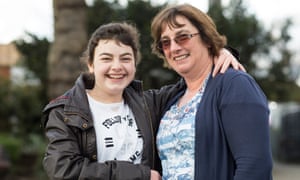
Chloe and her mum, Fabienne.


Chloe and her mum, Fabienne. Photograph: David Levene for the Guardian

Chloe was diagnosed with dilated cardiomyopathy when she was four weeks old. Her heart failed when she was 11 and still at primary school. She then had a stroke while waiting for a new heart, and when that first transplant failed to work, she was left close to death.


At that point, medics decided an artificial heart was the only option to keep her alive until another heart could be transplanted. André Simon, the director of heart and lung transplantation at the Royal Brompton and Harefield specialist hospitals, flew back early from a conference in the US to operate on Chloe last May.


What doctors said was an “extremely risky” surgery involved two medical firsts. Chloe was the first person in the world to be transferred from one hospital to another with her chest open and while on a life-saving extracorporeal membrane oxygenation machine, which delivers oxygen to a patient from outside the body. And Simon had to rebuild her heart’s atrium, or upper chamber, which had been removed during the failed transplant days earlier. A few weeks later, after her health stabilised on the artificial heart, she received the new heart.


Chloe’s mother, Fabienne Narbonne, said: “How they saved Chloe should be recognised for what it is – a miracle. Without the artificial heart she would be dead. It kept her alive for those crucial few weeks. By the time she got it she had run out of options.”


Simon, who has carried out all 13 artificial heart surgeries that have occurred in London hospitals, believes the success of Chloe’s operation should prompt other specialists to consider the devices for more children.


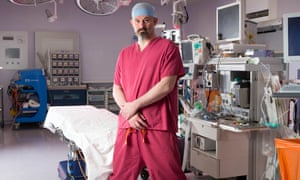
Heart surgeon André Simon.


Heart surgeon André Simon. Photograph: Richard Saker for the Observer

Chloe’s long waits for a transplanted heart have made her and her parents, Fabienne and Todd, passionate advocates for a change in the law on organ donation. Chronic shortages of donated hearts, lungs, livers and kidneys result in thousands of people a year dying while on the transplant waiting list. The family want the rest of the UK to follow the example of Wales, which in December 2015 switched from the opt-in system of organ donation to one of opt-out, where people have to specifically refuse consent for organ retrieval if they die.


Fabienne Narbonne said: “We owe eternal thanks to the donors and their families, without whom none of this would be possible as without donors there is no point being on a waiting list, however long you have to wait. We cannot thank them enough for offering Chloe a second chance at life, no words can explain how it feels and we have nothing but respect and gratitude for their gift of life.”


how it works

Only 1,690 people in the world have ever received an artificial heart. Of those, 34 were under 18. The oldest person in the UK to receive one was 62. Chloe is the third youngest in the world, after a nine-year-old and an 11-year-old in the US.


“Chloe is an example of a patient who would have been out of options without the 50cc total artificial heart,” said Michael Garippa, the president of SynCardia, the American firm which makes the devices. “It was the only device that could save her.”


Revealed: girl of 13 is first child in Britain to receive artificial heart

6 Nisan 2017 Perşembe

UK"s first double hand transplant patient delights in writing letter to thank surgeon

The first person in the UK to have a double hand transplant has said writing a letter to thank his surgeon has been one the highlights of his first nine months since the operation, as well as being able to clap for his favourite rugby league team.


Chris King, 57, described how he has got his life back since the surgery last July, when he became the second person to have a hand transplant at the UK’s specialist centre for the operation at Leeds General Infirmary (LGI) and the first to have both hands replaced.


King,from Rossington near Doncaster, said he can now do a range of tasks, including writing, making tea and gardening as he progresses even faster than his surgeon anticipated. He said he was improving every week and his next aims are to tie his shoelaces and button up his shirt – he said he had already cracked undoing them.


Looking at his hands, King said: “They are my boys, they really are.


“It’s been going fantastically. I can make a fist, I can hold a pen, I can do more or less the same functions as I could with my original hands. There are still limitations but I’m getting back to the full Chris again.”


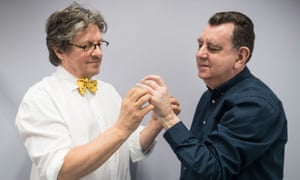
King has his hands examined by Prof Simon Kay, the surgeon who performed the transplant.


King has his hands examined by Prof Simon Kay, the surgeon who performed the transplant. Photograph: Danny Lawson/PA

King has also discovered he is now ambidextrous. “When I picked a pen up first time was with my right hand,” he said. “The next time I picked it up it was left. I might be able to write with both hands now.” He said: “I think it will be the icing on the cake when I can do my laces, and I don’t think that’s far off.”


King lost both his hands, except the thumbs, in an accident involving a metal-pressing machine at his workplace in Doncaster four years ago.


Consultant plastic surgeon Prof Simon Kay, who carried out the operation and two other hand transplants, believes the operation could become as routine as a kidney transplant.


Kay said he was amazed to receive a handwritten Christmas card and thank you letter from King.


Mark Cahill, 55, was the first hand transplant patient in 2012 at LGI, and a third man, who has not been named, became Kay’s third successful transplant patient earlier this year when he was given two new hands and a new forearm.


Two female patients are scheduled for surgery at the LGI as soon as donors become available.


Kay said: “The programme is now well-established. It’s now become mature. We understand the indications, the process. We now have three transplant patients completed and another two to go.”


“We would like hand transplantation to be as routine and unremarkable as kidney transplantation,” he said.


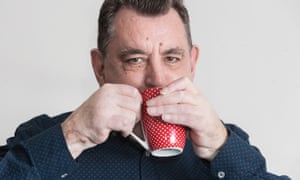
King with a cup of tea


King with a cup of tea. He lost both his hands in an industrial accident four years ago. Photograph: Danny Lawson/PA

Last year, NHS England awarded Leeds Teaching Hospitals NHS Trust the contract to become the UK’s specialist centre for hand transplants.


Referring to King, Kay said: “He’s proved to be, as he proved right at the beginning, a very robust, resilient patient, very enthusiastic about his hands, and I think he’s absolutely delighted.”


“When you bear in mind he will go on improving for another two years, he’s really remarkable – a real vindication for the surgery he’s had.”


“He’s doing more, sooner than we expected. He’s well ahead of our expectations.”


Cahill, a former pub landlord from Greetland, near Halifax, West Yorkshire, has since gained almost complete use of his transplanted hand. He reportedly used it to save his wife’s life last year after she had a heart attack.


Kay urged people to consider the need for future donors. Donating a hands is not yet an option on the organ donor card, but it can be discussed with potential donors if the opportunity arises, a spokeswoman for the NHS’s organ donor register said.


UK"s first double hand transplant patient delights in writing letter to thank surgeon

5 Nisan 2017 Çarşamba

New Brunswick becomes first Canada province to offer free abortion pill

New Brunswick has become the first province in Canada to distribute an abortion pill for free, in a major step for a region that previously had one of the country’s strictest policies on women’s reproductive rights.


The provincial health minister, Victor Boudreau, unveiled the policy on Tuesday, announcing that women will be entitled to receive Mifegymiso without payment if they have a valid healthcare card.


“By making Mifegymiso available free of charge for all New Brunswick women, our government is ensuring that financial barriers do not stand in the way of a woman’s right to choose,” said Boudreau in a press release.


Access to publicly funded abortion in New Brunswick was restricted from the 1980s until 2015. During that period, Medicare – the country’s national heath system – would only cover an abortion at one of the province’s two approved facilities if two doctors had certified that it was necessary for medical reasons.


“It was such a strict criteria that it became very difficult to get a publicly-funded abortion,” said Beth Lyons, executive director of New Brunswick Women’s Council.


“The New Brunswick government’s offer to cover the cost of Mifegymiso is a tremendous step forward in making sure there is a real choice for women and trans people seeking abortion care,” said Sandeep Prasad, executive director of Action Canada for Sexual Health and Rights. “We were both pleased and surprised, surprised because New Brunswick is ahead of the pack, so to speak.”


Pharmacists will not be allowed to directly dispense Mifegymiso to patients: they must get a prescription from a doctor. To do that, physicians must complete training and be registered to work with the drugs.


“We do think that we’re going to see this improve access for women and trans folks in rural areas, and this could also be particularly helpful for those living in violent situations,” said Lyons. “Having those choices and being able to make the decision that’s best for them, based on their contexts, might ensure that women are more safe or their anonymity is preserved.”


New Brunswick becomes first Canada province to offer free abortion pill

22 Mart 2017 Çarşamba

Declaring my cancer on First Dates has helped others | Annie Slater

I always confuse people who meet me. This is because even when I’m feeling awful, I look perfectly healthy. So as I sat across from my date I had to tell him the truth – even with the cameras rolling.


“I am actually dying. Slowly but surely. I’m fine about it. All it does is keep things in perspective.” Barry and I were on our first date but I had to be me, and that’s totally upfront.


I had first applied for Channel 4’s First Dates in summer 2015. At the time I was focused on getting on with my life, after being treated for breast cancer. Before starting treatment I’d had my eggs frozen, as I really wanted to have children one day. But three years later and aged 36, I still hadn’t met someone. I didn’t want to try online dating and I’m terrible at flirting. So I needed help.


I’d put the cancer behind me, which is why I didn’t mention it on the application form. But by the time First Dates called, in March 2016, scans had revealed that the cancer had returned in my bones. This time it was incurable.


I went through so many emotions, but my family and friends were brilliant. They just got on with it and gave me the ability to do the same.


When I got the call from the reality dating show, I didn’t want to lie about my situation. They were nothing but supportive, so in May 2016 I made it to the restaurant in London for my date.


The diagnosis isn’t who I am – it’s just something I have to live with


Telling Barry was much harder than I ever thought. Not because of all the cameras but because I hate getting attention from the diagnosis. But it wasn’t fair for him to find out I was terminally ill when the episode eventually aired. Plus, the diagnosis isn’t who I am – it’s just something I have to live with.


I waited until halfway through the meal to tell him. Barry was lovely and totally made me at ease, and he even wanted to see me again. Although I had a terrific date though, and Barry was a fantastic guy, I just didn’t fancy him.


While First Dates didn’t lead to love, it opened up an incredible opportunity to help other people like me.


After the episode aired, a producer put me in touch with Marie Curie. When the charity asked me to be involved in a project to help raise awareness about their work – providing care to people living with terminal illnesses – I knew this was something I wanted to do. I’m now volunteering as an expert voice for Marie Curie, sharing my experience and providing advice to help the charity.


I don’t focus on how much time I have left. The thing I do worry about is being in pain at the end. Like many people with a terminal illness, I don’t want to die in hospital. I’m not sure if I want go into a hospice or be cared for at home, but I think everyone should have the choice. That’s why I’m supporting Marie Curie – so more people can receive the support they need to spend their final days where they want to.


Earlier this month, I attended the launch of the charity’s Garden of Light to celebrate the start of the Great Daffodil Appeal. Seeing the installation of 2,100 daffodils – one for each of the Marie Curie nurses across the UK – at Paternoster Square in London was really special.


The hardest thing about my diagnosis is accepting that I’m never going be a mum. I feel lucky for the life I have had but also sad that it is going to end. I don’t feel ready for that.


I’m determined to make the most of every opportunity that comes my way. From travelling to Paris and drinking loads of wine to riding on the Greenpeace boat and hearing the choir sing at St Paul’s – and maybe even finding love –I still have so much I want to do.


  • Annie Slater volunteers for Marie Curie, whose Great Daffodil Appeal runs until 31 March. Funds raised will help Marie Curie nurses care for people living with a terminal illness in their own homes and the charity’s hospices. Visit www.mariecurie.org.uk/daffodil or call 0800 304 7025 to find out more.

The day I made a difference is the Guardian Voluntary Sector Network’s series that showcases the work of people involved with charities. If you have a story to share about a landmark moment in your life, email voluntarysectornetwork@theguardian.com.


Talk to us on Twitter via @Gdnvoluntary and join our community for your free fortnightly Guardian Voluntary Sector newsletter, with analysis and opinion sent direct to you on the first and third Thursday of the month.


Declaring my cancer on First Dates has helped others | Annie Slater

2 Mart 2017 Perşembe

NHS correspondence review puts safety first | Letters

Your leading article (1 March) was wrong to suggest the government has not prioritised patient safety in the handling of a serious failure by NHS Shared Business Services to deliver patient correspondence. We set up a national incident team immediately, reviewed every piece of correspondence and have nearly completed a second clinical review of all the higher-risk cases. So far no patient harm has been identified. I was advised last March not to make the issue public because it could have led to GP surgeries being deluged with queries by patients, slowing down the vital work of going through the higher-risk cases. I then chose, against advice, to highlight the issue in a statement to parliament before summer recess as I felt it was important that MPs were informed – and far from minimising the issue, it was described as a serious incident in my department’s annual report and accounts.


But where your article was right was in saying that improving patient safety cannot be a matter of rhetoric alone. The NHS deserves credit for making huge progress on patient safety over recent years. Since Mid Staffs, 31 trusts have been put into special measures, and 16 have come out – seven of them now with “good” ratings. MRSA rates have halved since 2010 – and are now lower than France, Germany or Spain. Stillbirths are down 10% and neonatal deaths down 14%. Your leader urged ministers to learn the lessons on safety taught by the airline industry – and we are. Next month, we will launch the Healthcare Safety Investigations Branch to give the NHS independent safety reports modelled on the way air crashes are investigated. And today we are publishing plans to reform the litigation process when children suffer a brain injury at birth so we get earlier compensation to families and avoid legal processes which prevent appropriate lessons being learned.


My ambition as health secretary is simple: I want our NHS to be the safest and highest-quality healthcare system in the world. That this progress is happening despite significant pressures on the frontline is a tribute to NHS staff working very hard in exceptionally tough circumstances.
Jeremy Hunt MP
Health secretary


NHS correspondence review puts safety first | Letters

27 Ocak 2017 Cuma

Donor pledges C$380,000 for suicide prevention in First Nations community

A private donor is being lauded by aboriginal leaders for stepping in “where the government of Canada has failed” after anonymously pledging C$ 380,000 to provide mental health workers for a suicide-stricken First Nations community in northern Ontario.


One week ago, Wapekeka First Nation – reeling from the recent suicides of Jolynn Winter and Chantel Fox, both 12 years old – declared a state of emergency. Suicide had tightened its grip on the remote community of 430 people, forcing officials to fly out four young girls to be placed on 24-hour suicide watch and label another 26 students as high risk for suicide.


“Our community is in crisis,” said Joshua Frogg, the spokesman for Wapekeka First Nation. Months earlier the community had approached federal officials, detailing a spike in drug use and suicide attempts. Noting concerns about a potential suicide pact among young women, the community requested C$ 376,706 to hire and train four mental health workers.


The request was denied by Health Canada, who later said the request arrived at an “awkward” time in the federal funding cycle. As the community grieved the loss of two girls, leaders drew a direct link between their deaths and the denied funds. “Our community plan was turned down by government and now two are dead,” said Frogg.


Others saw the denied request as part of a larger pattern, one that has left basic health and mental health services on reserves chronically underfunded, with deadly consequences. Across Canada, indigenous youth are five to six times more likely to die by suicide than their non-indigenous counterparts.


“The healthcare system on reserves is far inferior to what other people get,” said Mike Kirlew, a physician who works in Wapekeka First Nation. “The cost of our complacency will be paid for, in full, in the cost of children’s lives.”


This week the community said an anonymous donor had pledged to fund the full amount of the denied request. “Words cannot express how grateful we are that this donor has committed to helping our young people with their mental health struggles,” Chief Brennan Sainnawap said in a statement.


The donor contacted the community last week, moved by reports of the suicide crisis, said Grand Chief Alvin Fiddler of the Nishnawbe Aski Nation, which represents First Nations in northern Ontario. “The continued loss of First Nation youth to suicide is unacceptable to the Canadian public.”


An initial installment of C$ 30,000 was wired to the community on Monday and the community has already begun hiring mental health workers. “We are grateful that a private donor has stepped in where the government of Canada has failed,” added Fiddler.


Health Canada said it was aware of the donation. After news of the suicides broke, the government reversed its decision and said it would be able to provide the funding. Government officials are in talks with Sainnawap but have yet to confirm the exact amount that will be provided, the agency said in a statement.


Donor pledges C$380,000 for suicide prevention in First Nations community

26 Ocak 2017 Perşembe

First human-pig "chimera" created in milestone study

Scientists have created a human-pig hybrid in a milestone study that raises the prospect of being able to grow human organs inside animals for use in transplants.


It marks the first time that embryos combining two large, distantly-related species have been produced. The creation of this so-called chimera – named after the cross-species beast of Greek mythology – has been hailed as a significant first step towards generating human hearts, livers and kidneys from scratch.


Juan Carlos Izpisua Belmonte, who led the work on the part-pig, part-human embryos at the Salk Institute for Biological Studies in La Jolla, California, said: “The ultimate goal is to grow functional and transplantable tissue or organs, but we are far away from that. This is an important first step.”


The study has reignited ethical concerns that have threatened to overshadow the field’s clinical promise. The work inevitably raises the spectre of intelligent animals with humanised brains and also the potential for bizarre hybrid creatures to be accidentally released into the wild. The US National Institutes of Health (NIH) placed a moratorium on funding for the controversial experiments last year while these risks were considered.


Izpisua Belmonte said that fears around chimeras were inspired largely by mythology rather than the realities of meticulously controlled experiments. But he acknowledged: “The idea of having an animal being born composing of human cells creates some feelings that need to be addressed.”


Creating human-pig chimera embryos

The paper, published in the journal Cell, outlines how human stem cells were injected into early-stage pig embryos, resulting in more than 2,000 hybrids that were transferred to surrogate sows. More than 150 of the embryos developed into chimeras that were mostly pig, but with a tiny human contribution of around one in 10,000 cells.


The pig-human embryos were allowed to develop to 28 days (the first trimester of a pig pregnancy) before being removed.


“This is long enough for us to try to understand how the human and pig cells mix together early on without raising ethical concerns about mature chimeric animals,” said Izpisua Belmonte.


The team believe that in future the approach could pave the way for incubating human organs, genetically matched to a patient, for use in transplants or for testing new medicines more safely and effectively.


Professor Daniel Garry, a cardiologist and head of a different chimera project at the University of Minnesota, said: “This is a significant advance that raises opportunities and ethical questions as well.”


Garry said that the rapid progress in chimera research had prompted a range of troubling questions, including whether the progeny would look more human or more pig, what would happen if a chimera had a human thought and whether it was possible for the human cells to cannibalise the pig embryo, resulting in a mostly-human, slightly-pig offspring.


“These more fantastical possibilities are not a problem in reality,” he said, adding that Izpisua Belmonte’s group had taken a “responsible approach”.


Scientists created the first rat-mouse chimeras a decade ago, but until now have struggled to combine human cells with those of a large mammal.


Professor Bruce Whitelaw, interim director of the Roslin Institute at the University of Edinburgh, where Dolly the sheep was created, said: “The 10 years between these two studies is a testament of how difficult it has been to achieve the human-pig result.”


One challenge is that the pig pregnancy lasts about 112 days, compared to nine months in humans, meaning that the embryonic cells are developing at completely different rates. Izpisua Belmonte’s team found that the human stem cells need to be injected at exactly the right stage in their own development for them to survive and become part of the growing animal – although even then, the efficiency was low.


Jun Wu, the paper’s lead author and a scientist at Salk, said: “It’s like if you’re going onto a highway where the cars are travelling three times faster than you are, you need to choose the right timing, otherwise you cause an accident.”


The team is hoping to boost the human contribution by switching off specific genes in the pig embryos that would prevent the pig cells from contributing to target organs, such as the heart, potentially giving the human cells a competitive advantage.


Similarly, the human cells could be engineered to prevent them contributing to the chimera brain. This safeguard was not in place in the current study, since the embryos were only allowed to reach an early stage of development and the human contribution was minimal.


“We didn’t see any human cells in the brain region, but we cannot exclude the possibility that they may have gone to the brain,” said Izpisua Belmonte.


In a separate experiment, the team also created a host of mouse-rat chimeras and showed that rat cells could develop into a gall bladder – even though rats stopped developing this organ themselves at some point in the 18 million years since rats and mice separated evolutionarily.


This reveals that our genetic code retains the instructions to turn our cells into ancestral forms that have been lost over the course of evolution, raising the intriguing question of which ancient traits might be unlocked from human DNA.


“Many animals have this extraordinary ability to regenerate,” said Izpisua Belmonte. “Humans don’t have that. [This field of work] could provide a platform for human cells to do that.”


First human-pig "chimera" created in milestone study

First human-pig "chimera" created in milestone study

Scientists have created a human-pig hybrid in a milestone study that raises the prospect of being able to grow human organs inside animals for use in transplants.


It marks the first time that embryos combining two large, distantly-related species have been produced. The creation of this so-called chimera – named after the cross-species beast of Greek mythology – has been hailed as a significant first step towards generating human hearts, livers and kidneys from scratch.


Juan Carlos Izpisua Belmonte, who led the work on the part-pig, part-human embryos at the Salk Institute for Biological Studies in La Jolla, California, said: “The ultimate goal is to grow functional and transplantable tissue or organs, but we are far away from that. This is an important first step.”


The study has reignited ethical concerns that have threatened to overshadow the field’s clinical promise. The work inevitably raises the spectre of intelligent animals with humanised brains and also the potential for bizarre hybrid creatures to be accidentally released into the wild. The US National Institutes of Health (NIH) placed a moratorium on funding for the controversial experiments last year while these risks were considered.


Izpisua Belmonte said that fears around chimeras were inspired largely by mythology rather than the realities of meticulously controlled experiments. But he acknowledged: “The idea of having an animal being born composing of human cells creates some feelings that need to be addressed.”


Creating human-pig chimera embryos

The paper, published in the journal Cell, outlines how human stem cells were injected into early-stage pig embryos, resulting in more than 2,000 hybrids that were transferred to surrogate sows. More than 150 of the embryos developed into chimeras that were mostly pig, but with a tiny human contribution of around one in 10,000 cells.


The pig-human embryos were allowed to develop to 28 days (the first trimester of a pig pregnancy) before being removed.


“This is long enough for us to try to understand how the human and pig cells mix together early on without raising ethical concerns about mature chimeric animals,” said Izpisua Belmonte.


The team believe that in future the approach could pave the way for incubating human organs, genetically matched to a patient, for use in transplants or for testing new medicines more safely and effectively.


Professor Daniel Garry, a cardiologist and head of a different chimera project at the University of Minnesota, said: “This is a significant advance that raises opportunities and ethical questions as well.”


Garry said that the rapid progress in chimera research had prompted a range of troubling questions, including whether the progeny would look more human or more pig, what would happen if a chimera had a human thought and whether it was possible for the human cells to cannibalise the pig embryo, resulting in a mostly-human, slightly-pig offspring.


“These more fantastical possibilities are not a problem in reality,” he said, adding that Izpisua Belmonte’s group had taken a “responsible approach”.


Scientists created the first rat-mouse chimeras a decade ago, but until now have struggled to combine human cells with those of a large mammal.


Professor Bruce Whitelaw, interim director of the Roslin Institute at the University of Edinburgh, where Dolly the sheep was created, said: “The 10 years between these two studies is a testament of how difficult it has been to achieve the human-pig result.”


One challenge is that the pig pregnancy lasts about 112 days, compared to nine months in humans, meaning that the embryonic cells are developing at completely different rates. Izpisua Belmonte’s team found that the human stem cells need to be injected at exactly the right stage in their own development for them to survive and become part of the growing animal – although even then, the efficiency was low.


Jun Wu, the paper’s lead author and a scientist at Salk, said: “It’s like if you’re going onto a highway where the cars are travelling three times faster than you are, you need to choose the right timing, otherwise you cause an accident.”


The team is hoping to boost the human contribution by switching off specific genes in the pig embryos that would prevent the pig cells from contributing to target organs, such as the heart, potentially giving the human cells a competitive advantage.


Similarly, the human cells could be engineered to prevent them contributing to the chimera brain. This safeguard was not in place in the current study, since the embryos were only allowed to reach an early stage of development and the human contribution was minimal.


“We didn’t see any human cells in the brain region, but we cannot exclude the possibility that they may have gone to the brain,” said Izpisua Belmonte.


In a separate experiment, the team also created a host of mouse-rat chimeras and showed that rat cells could develop into a gall bladder – even though rats stopped developing this organ themselves at some point in the 18 million years since rats and mice separated evolutionarily.


This reveals that our genetic code retains the instructions to turn our cells into ancestral forms that have been lost over the course of evolution, raising the intriguing question of which ancient traits might be unlocked from human DNA.


“Many animals have this extraordinary ability to regenerate,” said Izpisua Belmonte. “Humans don’t have that. [This field of work] could provide a platform for human cells to do that.”


First human-pig "chimera" created in milestone study

16 Ocak 2017 Pazartesi

Channel 4 to broadcast first TV ad of live surgery

Squeamish viewers tuning into Channel 4 on Wednesday afternoon might want to look away as the broadcaster airs the first TV ad showing a live surgical procedure.


Channel 4 and Cancer Research UK have teamed up to air a colonoscopy being performed live on a patient in what the two organisations claim is a world first in broadcasting.


The 90-second TV ad, which will rather incongruously air at 3.25pm on Wednesday during the property programme A Place In The Sun, will demonstrate an operation to remove two bowel polyps inside Philip McSparron.


McSparron, who started getting regular screenings for cancer after his brother’s bowel cancer was spotted in early 2010, said he hoped the live broadcast of his procedure would show people that it is “not something to be frightened of”.


“Hopefully people will be interested in seeing the live footage and it will encourage them to be more willing to talk about cancer and think about taking up regular screening,” he said. McSparron is not being paid for his appearance in the ad.


Bowel polyps are common, and not usually cancerous, but some can become cancerous if left untreated. The surgery will be performed by Dr Sunil Dolwani, at the Cardiff & Vale University hospital, who will give a running commentary on what viewers are seeing.


Cancer Research UK hopes the procedure, which will see a camera on a flexible tube called a colonoscope inserted into McSparron’s anus, will help to show the positive impact research has had in helping to treat cancer. The TV ad, titled Live from the Inside, will be promoted from Monday with 10-second teaser trails on Channel 4.


The charity will simultaneously stream the ad on Facebook, with a cancer nurse to field questions posted by social media users. Channel 4 will also simultaneously broadcast the event across its social media accounts.


For those keen to see the ad but stuck at work or unable to tune in online, a 60-second version will be rebroadcast at 9.30pm during the Channel 4 drama No Offence. The show attracts an audience of almost 2 million viewers.


The live ad has to be first broadcast during daytime TV as the surgery has to take place during routine hospital hours.


In 2008, 2.2 million viewers watched the live broadcast of a team skydive in a three-minute, £500,000 ad for Honda. Almost 170,000 tuned in just to watch the TV advert, not the edition of Come Dine With Me during which the ad had been aired. It was the first live ad broadcast on UK TV.


The live colonoscopy broadcast forms part of Cancer Research UK’s “Right Now” campaign, which was launched on Boxing Day. The campaign aims to show the reality of day-to-day life for patients, their loved ones, researchers and medical staff. The organisation says that showing the colonoscopy highlights how investment in cancer research has helped develop simpler and more effective tests and treatments.


“Broadcasting Philip’s colonoscopy live gives us the opportunity to show one of the many people across the UK who is benefiting from procedures that wouldn’t be possible without research,” said Ed Aspel, of Cancer Research UK. “We want viewers to join us to experience the unique insight of seeing live inside the human body, and witness a procedure that can actually prevent cancer from developing.”


The organisation does not receive any government funding for its cancer research, relying on charitable donations.


Last month, Channel 4 teamed up with the film studio 21st Century Fox to air a live ad of a stuntman performing a 30-metre (100ft) freefall in a commercial break during the TV show Humans.


The “leap of faith” stunt was part of the promotion of the film Assassin’s Creed, which sees the character played by the actor Michael Fassbender jump from a similar height.


In 2014, Channel 4 also collaborated with Google and Capitol Records, the Universal Music-owned label, to take over a whole 3.5-minute ad break to air Sam Smith singing his hit Stay With Me live from a performance at Camden’s Roundhouse venue in London.


Channel 4 to broadcast first TV ad of live surgery

13 Ocak 2017 Cuma

NHS crisis: 40% of hospitals issue alert in first week of new year

More than 40% of hospitals had to declare an alert in the first week of January because they were experiencing major problems caused by having too many patients and too few spare beds.


Figures released by NHS England on Friday also show that 32 people have died from flu so far this winter and scores of others had to be treated in intensive care last week alone.


The data reveals that hospitals in England came under huge pressure in the first week of the new year. Serious levels of overcrowding worsened to levels generally regarded as dangerously high.


Overall, 95% of hospital beds were full from 2-8 January, up from 91% the week before.


A&E units became so busy they had to divert patients to other emergency departments 39 times, slightly fewer than the 42 a week earlier.


Bed shortages were exacerbated by outbreaks of norovirus, the diarrhoea and vomiting bug, forcing hospital managers to close 933 beds that were occupied and another 164 that were empty, making a total of 1,197 – almost one in 100 of the NHS’s total supply of 130,000 beds.


In that week, 58 of England’s 153 acute hospital trusts had to go on to what NHS England calls an Opel 3 alert and eight on to the highest form of alert, Opel 4. Both mean trusts are struggling to cope with the weight of demand.


Both take their name from NHS England’s Operating Pressures Escalation Levels framework. It sets out what steps trusts should take to manage the large numbers of patients.


The 58 trusts that went on Opel 3 alert did so because, according to guidance form NHS England, they were “experiencing major pressures compromising patient flow” – their ability to get patients in and out quickly enough – and needed to take “urgent actions” to keep functioning.


Eight went on Opel 4, also known as black alert, after becoming so stretched they were “unable to deliver comprehensive care” and there was “increased potential for patient care and safety to be compromised”.


A total of 375,687 people sought help at an A&E unit in the first week of January, up from 371,599 the week before. However, the number of people who needed to be admitted as an emergency fell from 92,480 to 89,712.


The Guardian reported this week that close to 30 trusts had been forced to declare a black alert since Monday, suggesting that already severe pressure on the NHS intensified this week.


NHS England has warned that the current spell of freezing weather could trigger a rise in the number of people falling seriously ill and also interfere with the running of services.


“This weather could increase the health risks to vulnerable patients and disrupt the delivery of services,” it said.


Prof Paul Cosford, Public Health England’s director for health protection and medical director, said people should keep their homes heated to at least 18C (64F), wear lots of thin layers rather than fewer thicker ones, and wear footwear with a good grip to cope with the snow and ice in many part of the country.


NHS crisis: 40% of hospitals issue alert in first week of new year

9 Ocak 2017 Pazartesi

Scientists Plan to Send First Interstellar Greetings to the Star System in the Movie Avatar: Link to the Scientific Research

An organization called METI short for Messaging Extra Terrestrial Intelligence has announced that there is a project under way to send Greetings by way of powerful radio or laser signals to Proxima Centauri, our nearest stellar neighbor. Sitting just 4.3 light years away Proxima Centauri is a Trinary star system consisting of three stars. Laser or radio signals would take 4.3 years to get there in a first attempt at contacting different worlds. These messages would be repeated for months or years in hopes of a reply. Proxima Centauri hosts the closest known exo-planet to Earth, Proxima Centauri b. This exo-planet was discovered by the European Southern Observatory in August of 2016, and it appears to lay within the habitable zone of its Red Dwarf star. This is one the targets for the Greetings signals scientists from METI plan on sending. No one is claiming that it is habited, but it is the best and closest chance. Good for practice but their are many more targets in the future according to METI’s President Douglas Vakoch. He hopes to send greetings to many star systems. Another interesting side note is….


The fictional moon called Na’vi set in the Proxima Centauri system is the backdrop of James Cameron’s 2009 movie Avatar. You couldn’t make this stuff up.


Scientists plan to send greetings to other worlds Phys.org December 26, 2016


Signaling to other worlds is a bold and historic move that is unprecedented in history.  Stephen Hawking has recently warned if we pick up alien signals don’t answer back. It could be a deadly move. The subject is full of controversy.


Like much else in science, the project has turned controversial. Some ask: If aliens are hostile, do we really want them to know where we are?


We shouldn’t draw attention to ourselves, say science fiction writer David Brin and theoretical physicist Stephen Hawking.


Stephen Hawking warns that humanity should not respond to aliens in case they kill us all


“We have almost zero idea of whether aliens are likely to be dangerous,” physicist Mark Buchanan wrote in journal Nature Physics in Looking for Trouble.


Who gave these people permission to start signaling possible alien civilizations. Anyone?


METI works closely with SETI the Search for Extraterrestrial Life scanning in the optical range to look for signs of alien civilizations. Seth Shostak, senior astronomer with the SETI Institute, is all for the idea despite the possible implications.


Others endorse the effort. “I’d be happy to see this done,” said Seth Shostak, senior astronomer with the SETI Institute. “I think there’s something to be learned, nothing to be feared, and at least the possibility of discovering something truly revolutionary: We have company nearby.”


How would this be accomplished and what are the possible future targets?


About this question, it was entirely coincidental in that this author wrote an academically linked article detailing this very answer published at Blogs.NaturalNews on December 22, 2016. Four days before the METI announcement with the original information published months before. Using research from two Canadian scientists from the University of Laval in Quebec, Canada, E.F. Borra and E. Trottier. The Blogs.NaturalNews piece points out that astronomers may have picked up the exact laser signals being described, that astronomers plan on sending, from 234 star systems quite similar to our own. Going into great detail about the power of lasers needed, what an alien signal may look like and how to structure our own signal. Pulsing the beam by nanoseconds so it would not be mistaken for anything natural in a routine sky survey by an alien civilization.


Alien Contact. Can We Answer Back?


Clearly explaining the technology has been available as early as 2004 that could transmit 1000 light years to about 1 million Sun-like stars.


For this, we shall use the analysis in Howard et al. (2004), who considered the energy requirements for an ETI trying to communicate with nanosecond optical pulses. They considered the feasibility of interstellar communications with technology available at the time the paper was written. They assumed communications within a 1000 lt-yr diameter region surrounding Earth that would contain about 1 million Sun-like stars. They assumed that a diode-pumped laser similar to the Helios laser designed at Lawrence Livermore National Laboratory for inertial confinement fusion would be used


SEARCHING FOR EXTRATERRESTRIAL INTELLIGENCE SIGNALS IN ASTRONOMICAL SPECTRA, INCLUDING EXISTING DATA.


Shouldn’t the whole world have a say in this? It would seem that elected leaders from around the world would convene to make such a decision. Probably one the most important collective choices the world could ever make. Again quoting from Phys.org.


There have been plenty of other efforts to connect with aliens, but they’ve come in fits and starts. There are no regulations for sending signals into space.


Hey if a couple of astronomers say it’s OK. Everything will be just fine. Right?   Never mind what the smartest people in the world say.


Visit RaptormanReports for news, science, and history.


Sources:


http://www.meti.org/


http://phys.org/news/2016-12-scientists-worlds.html


http://www.nature.com/nphys/journal/v12/n8/full/nphys3852.html


http://iopscience.iop.org/article/10.1088/0004-6256/144/6/181#aj447722r4


http://blogs.naturalnews.com/


Scientists Plan to Send First Interstellar Greetings to the Star System in the Movie Avatar: Link to the Scientific Research

1 Aralık 2016 Perşembe

UK"s first case of sexually transmitted Zika detected

The UK’s first case of sexually transmitted Zika has been detected, health officials believe. They said a woman was likely to have been infected with the virus by her partner, who had recently visited a Zika-hit country.


That was one of two cases of the virus seen by Public Health England (PHE) in the last week, which the body said took the total number of UK Zika diagnoses to 265 since the outbreak began in 2015, including seven pregnant women. Of those, 181 have been confirmed, PHE said in an update released on Wednesday.


“It is important to remember that the main risk relates to travellers to countries classified as high or moderate risk for Zika infection,” said professor Dilys Morgan, PHE’s Zika incident director.


Zika is usually a mild illness, though it can be particularly dangerous in pregnant women because it can cause brain damage and developmental disorders in a baby’s head. The woman believed to have been the victim of a sexually transmitted infection has since made a full recovery.


“PHE’s advice is based on the fact that our main concern is to avoid infection in pregnancy, in order to avoid risk to the unborn child,” Morgan added. Authorities say that men returning from a Zika-hit area should use a condom during sex for six months and women should do so for eight weeks.


Sexual transmission of the virus is uncommon, with only about 60 cases believed to have been seen worldwide, and the mosquito that transmits the virus is not present in the UK, PHE said.


The government’s National Travel Health Network and Centre (NaTHNaC) advised people to protect themselves against mosquito bites and warned pregnant women to avoid all but unavoidable travel to areas reporting high Zika transmission.


“Women who are planning to become pregnant and their partners should discuss their travel plans with their healthcare provider to assess the risk,” NaTHNaC’s director Dr Dipti Patel said.


This week, health officials in Texas declared the first case of Zika transmitted by local mosquitoes, making it the second US state to do so. The World Health Organisation has downgraded Zika from a “global health emergency”, instead defining it as an ongoing threat, like other mosquito-borne diseases.


“News that one case of sexual transmission of Zika has occurred in the UK is not unexpected. About 60 cases of sexual transmission of Zika have been reported worldwide, so we think this is quite rare,” said Prof Jimmy Whitworth of the London School of Hygiene and Tropical Medicine.


He told the BBC: “Discovering just how common it is for the virus to be passed during sex by a man or woman is a key focus for Zika researchers. Public Health England’s updated advice is also welcome.


“Zika virus survives in semen longer than other body fluids so recommending male travellers returning from Zika transmission countries, with or without symptoms, practise safe sex for six months is sensible.”


UK"s first case of sexually transmitted Zika detected

28 Kasım 2016 Pazartesi

Texas faces first case of Zika transmitted by local mosquitoes, officials say

Health officials have announced the first case of Zika transmitted by local mosquitoes in Texas, the second state in the country to find local mosquitoes apparently carrying the virus.


The tropical virus country-hopped through Latin America and the Caribbean in the last year, first arriving in the United States in the territory of Puerto Rico, before arriving in Miami, Florida. Zika can cause severe birth defects in pregnant women infected with the disease.


“We knew it was only a matter of time before we saw a Zika case spread by a mosquito in Texas,” said Dr John Hellerstedt, the state health commissioner.


Until Monday, Texas had 257 confirmed cases of Zika, though all were associated with travel or sexual transmission. Zika is most commonly spread by infected mosquitoes.


“We still don’t believe the virus will become widespread in Texas, but there could be more cases, so people need to protect themselves from mosquito bites,” Hellerstedt said. “Especially in parts of the state that stay relatively warm in the fall and winter.”


The announcement comes one week after Florida governor Rick Scott sought to quell Zika anxiety in Miami.


The governor held a press conference to announce that three miles of Miami Beach, a popular winter tourist destination, was “cleared” of active Zika transmission. Pregnant women are still advised to postpone travel to about 1.5 miles of Miami Beach, and a nearby area of Miami-Dade county called Little River.


The World Health Organization also dropped Zika from the category of “global health emergency”, instead settling in for a long fight against the disease.


However, tools to fight the mosquitoes that carry Zika remain scarce. Mosquitoes can grow resistant to pesticides, and the widespread application of common airborne sprays has prompted outcry in some places, such as Puerto Rico.


Further, alarming discoveries about the virus have continued.


For example, a study released in mid-November found some babies of Zika-infected mothers may develop microcephaly after children appear normal at birth. Children with microcephaly are born with abnormally small heads and suffer severe developmental disorders. Microcephaly is considered the most severe birth defect associated with Zika.


One Texas-based epidemiologist also criticized politicians’ focus on small geographic areas, such as Miami Beach, noting that public health officials are not surveilling for the disease, and that four out of five patients are asymptomatic.


“The idea that Zika is confined to a small, circumspect area of Miami is ridiculous,” said Dr Peter Hotez, dean of the National School of Tropical Medicine at Baylor College of Medicine in Houston, Texas. “There’s probably a lot of transmission going on in Texas, Louisiana, Alabama and Florida that we’re not aware of because we’re not really doing active surveillance, so this is not a surprise at all.”


Though Zika infection is believed to be widespread in Puerto Rico, officials said they did not expect the disease to spread as far in Texas. Many epidemiologists believe that widespread window screens and air conditioning in Texas is responsible for hindering the spread of mosquito-borne diseases.


The infected area, in Brownsville, tends to be a hotspot for mosquito-borne diseases, Hotez said, including a recent case of Chikungunya.


The city is one of the poorest in Texas. Brownsville is the southernmost city in Texas, on the Gulf of Mexico bordering the Mexican state of Tamaulipas. In Cameron County, where Brownsville is located, almost half of children live in poverty, according to the Texas Tribune – the highest rate in the state.


Texas faces first case of Zika transmitted by local mosquitoes, officials say

22 Kasım 2016 Salı

The Guardian view on the NHS cash crisis: social care comes first | Editorial

As a matter of good administrative practice, it makes sense to charge non-UK residents for non-urgent health treatment (there is no suggestion that anyone in urgent need would be turned away). Reclaiming patients’ costs from other European countries, under the existing reciprocal arrangement, is also sensible. But doing it in a system like the NHS that is predicated on the principle of providing treatment free at the point of use is complex, expensive and, as a Department of Health briefing paper released last winter shows, scarcely cost-effective. The trouble is that the target of a seven-fold increase in what is reclaimed, which is estimated to raise the total from £73m to £500m, has been factored in to NHS England budgets.


It is the question of how to achieve it that led the senior official at the Department of Health, Chris Wormald, to tell MPs on Monday that it might involve requiring all patients to produce their passports. As Mr Wormald readily admitted, that is a course of action fraught with difficulty. It might do more harm, by putting off people in need of treatment for the public good as well as their own, than it saves money; and although for individual budget-holding trusts it may be important – which is why trials are under way in the Stamford and Peterborough area – in the context of NHS England’s annual budget of £120bn, it is a very small drop. That point was underlined by the coincidence that, as Mr Wormald was talking to MPs, the National Audit Office was releasing its latest bleak assessment of the financial sustainability of NHS England. It showed that at the end of the last financial year, more than two-thirds of trusts were in deficit, and it concluded that its financial problems are endemic and not sustainable.


This is not a piece of gratuitous shroud-waving on the eve of Wednesday’s autumn statement. The NAO is the nation’s accountant, and its audits are based on scrupulous analysis. But nor is it necessarily the right answer for the chancellor, Philip Hammond, to reach immediately for extra cash for hospitals. His predecessor, George Osborne, might have seen tackling the headline as the priority, but ever since Theresa May became prime minister the message of no more money (often framed in the context of the deep cuts that have been survived by Home Office dependents such as the police) has been unmistakable. The Department of Health’s defence is that it has given the NHS England boss, Simon Stevens, just what he asked for in the Five Year Forward view – which committed the NHS to heroic and probably unachievable savings in return for front-loaded extra money.


Ministers’ arguments have been vitiated by a Nuffield Trust analysis which suggested the billions promised were worth just £800m in real money. More important is that it also ignores the role of council-provided social care that Mr Stevens said was integral to the success of his plan. Social care budgets have been brutally shrunk. A million people are not getting support to stay at home, with the predictable consequence that many stay in hospital when they no longer need to. It is hinted that councils may be allowed to raise the ringfenced precept that they put on council tax for social care: but that would, on King’s Fund numbers, raise at most £388m. The estimated shortfall next year is £1.9bn. Paradoxically, that means the best help for hospitals may be extra cash not for them, but for councils.


The Guardian view on the NHS cash crisis: social care comes first | Editorial

13 Ekim 2016 Perşembe

Electric vehicles could go first at traffic lights under UK clean air zone plans

Drivers of electric vehicles could be allowed to use bus lanes in five UK cities and even go first at traffic lights, to tackle illegal levels of air pollution, the government has suggested.


Launching its consultation on clean air zones to be introduced in Birmingham, Leeds, Nottingham, Derby and Southampton, the environment department said air pollution killed 50,000 people each year at an annual cost to society of £27.5bn.


Electric vehicles, which emit no pollution directly, are seen as a key way for local authorities to bring down levels of nitrogen dioxide (NO2) in the five cities, which are in breach of EU limits.


Local authorities should consider incentives to encourage people to switch to electric vehicles, said the draft clean air zone framework, published on Thursday.


These could include cheaper parking and “allowing access to bus lanes, exemptions from other restrictions such as one way systems, and priority at traffic lights for Ulevs [ultra low-emission vehicles].” But local authorities will be encouraged to consult with residents on such ideas first, an environment department spokeswoman said.


The government said it wants each city to have a mandatory charge by 2020 for dirty buses, coaches, taxis and lorries, but not private cars. Birmingham and Leeds will tackle older vans too.


Next week the environment secretary, Andrea Leadsom, faces a legal challenge from environmental law group ClientEarth in the high court over the government’s NO2 clean-up plans.


The mayor of London, Sadiq Khan, this week called the capital’s toxic air a “health emergency” as he launched proposals for a bigger and earlier clean air zone than the one planned by his predecessor, Boris Johnson. Unlike the other schemes, London’s does cover cars.


The details and workings of the zones in the five other cities, chosen by the government last December because of their NO2 levels, will be published next year.


Environment minister Thérèse Coffey said: “We need to tackle air pollution and creating clean air zones will improve the quality of life for people who live and work in our towns and cities, both now and in the future.”


The Department for Transport also announced £35m on Thursday for more electric car charging points for taxi ranks and workplaces, and a scheme to encourage uptake of electric scooters.


“While any government action on pollution is welcome, it’s no coincidence that it comes just five days before ClientEarth returns to court because of the government’s inaction on this public health crisis,” said Alan Andrews, a lawyer at the firm.


“Requiring just five cities in the UK to introduce clean air zones doesn’t solve a national problem which causes thousands of premature deaths. Other local authorities won’t introduce voluntary clean air zones unless they are made to, or paid to.”


The environment department said other local authorities could introduce clean air zones if they wished.


But Friends of the Earth said the government should financially support the zones in other towns and cities blighted by illegal levels of NO2.


Jenny Bates, a campaigner at the green group, said: “Everyone, no matter where they live, should have the right to breathe clean air. Local authorities should be supported – including financially – to introduce clean air zones across the country.”


Table – NO2 exceedances at UK cities

Electric vehicles could go first at traffic lights under UK clean air zone plans