Clean etiketine sahip kayıtlar gösteriliyor. Tüm kayıtları göster

5 Mayıs 2017 Cuma

Government fails to commit to diesel scrappage scheme in UK clean air plan

The government’s new plan to tackle the UK’s toxic air crisis does not commit to a scrappage scheme for dirty diesel cars and places the largest burden for solving the problem on to local authorities.


These could impose charges on older diesel cars to keep them out of polluted areas, but the government said other measures should be considered first.


Ministers were forced to act after a series of humiliating defeats in the courts, which ruled earlier plans illegal. ClientEarth, the environmental law firm which sued the government, is now examining the new proposals and could go back to court again if it decides the measures will not reduce illegal levels of air pollution in the “shortest possible time”, as the law demands.


Levels of nitrogen dioxide, emitted mostly by diesel vehicles, have been above legal limits in almost 90% of urban areas in the UK since 2010. The fumes are estimated to cause 23,500 early deaths a year and the problem was declared a public health emergency by a cross-party committee of MPs in April 2016.


The government first lost to ClientEarth over the adequacy of its strategy in April 2015 and was ordered to come up with a new plan. The release of these proposals was buried on the September Saturday in 2015 when Jeremy Corbyn was first elected Labour leader, while the final plan was published on “take out the trash day” in December that year, along with dozens of other ministerial statements and many hundreds of government documents.


However, the plan included just six clean air zones (CAZs) – Birmingham, Leeds, Nottingham, Derby, Southampton and London – where some polluting diesel vehicles would be charged to enter city centres. ClientEarth, believing this to be inadequate, went back to court and won again in November 2016.


Court documents revealed that the Treasury, then run by George Osborne, had blocked proposals from other government departments for 16 CAZs in towns and cities blighted by air pollution, due to concern about the political impact of angering motorists. Both the environment and transport departments also recommended changes to vehicle excise duty to encourage the purchase of low-pollution vehicles. But the Treasury also rejected that idea, along with a scrappage scheme for older diesels.


The government continued to delay action, asking the court for 10 months to develop another new strategy, but lost again, with the judge ordering a new draft plan by 24 April and a final plan by 31 July.


However, ministers then argued that the tradition of “purdah” before elections, when no official announcements are made, should allow the postponement of the strategy until after the general election on 8 June. This was again rejected, with Mr Justice Garnham saying: “The continued failure of the government to comply with directives and regulations constitutes a significant threat to public health.”


Conservative ministers have sought to blame previous Labour governments for giving tax breaks for diesel cars, which produce less climate-warming carbon dioxide. But experts say all governments since the 1990s have done this.


Furthermore, government officials at the time were aware that diesel cars produce high levels of NO2 but they expected tightening EU emissions regulations to curb the problem.


However, car manufacturers found ways to circumvent the rules and across the industry produced vehicles that emit far more NO2 on the road than in the official lab-based tests. Transport campaigners argue that, as in Germany and France, car makers should be forced to pay for upgrades to their vehicles to cut pollution.


“The real villains here are the car companies who cheated tests, and lied to everyone about the pollution coming from their diesel vehicles,” said Greenpeace’s Areeba Hamid. “Drivers are right to feel conned, but what we can’t do is carry on letting these dodgy diesel cars pollute our towns and cities with toxic air.”


Government fails to commit to diesel scrappage scheme in UK clean air plan

25 Nisan 2017 Salı

High court orders UK government to explain clean air plan delay

The government has been ordered back to the high court to explain its last-minute bid to delay publication of the UK’s clean air plan.


Politicians and environmental groups had complained that ministers were “hiding behind the election” after they said they could not publish the proposals because of election purdah.


The high court said on Tuesday that there would be a new hearing on Thursday where ministers will have to defend their application.


James Thornton, CEO of the environmental lawyers ClientEarth, who brought the original case against the government, said they would present their response at the hearing on Thursday.


“This is a public health issue and not a political issue. Urgent action is required to protect people’s health from the illegal and poisonous air that we are forced to breathe in the UK.


“This is a matter for the court to decide once the government has made its arguments because it is the government which has not met, and instead seeks to extend, the court’s deadline for the clean air plan, to clean up our air.”


Ministers had been under a court direction to produce tougher draft measures to tackle illegal levels of nitrogen dioxide pollution, which is largely caused by diesel traffic, by 4pm on Monday. The original plans had been dismissed by judges as so poor as to be unlawful.


But after the announcement by Theresa May of a general election on 8 June, ministers lodged a lengthy application to the court late on Friday. It asked judges to allow them to breach the Monday deadline to “comply with pre-election propriety rules”.


Politicians and environmental groups reacted with anger, claiming ministers were “hiding behind the election” to justify delaying publication of the government’s long awaited proposals instead of tackling the UK’s air pollution crisis. Health experts warned the lack of government action had potentially put thousands of lives at risk.


The mayor of London, Sadiq Khan, said: “It is frankly outrageous that the government thinks it can continue to bury its head in the sand about the serious health impacts of air quality in London and across the country. The prime minister has once again missed this golden opportunity to show real leadership in tackling and improving the air we breathe, which should have been done well before the pre-election period.”


Andrea Leadsom, the environment secretary, was summoned to parliament on Monday to answer urgent questions. During the debate she said she was “personally deeply committed to the importance of ensuring clean air” but had been told by officials in the Cabinet Office that it would breach purdah rules to publish the plans in the run-up to the election.


The government has applied to publish draft plans on 30 June followed by the full policy in September, she said.


Leadsom, who also revealed that it was the second application to delay publication that her department had submitted to the courts, insisted the move would not postpone the rollout of the proposals.


The scale of the air pollution crisis was revealed in a joint Guardian-Greenpeace investigation this month showing hundreds of thousands of children were being educated within 150 metres of a road where levels of nitrogen dioxide from diesel traffic breached legal limits.


Last week figures obtained by Labour showed that more than 38 million people, representing 59.3% of the UK population, were living in areas where levels of nitrogen dioxide pollution were above legal limits.


Research consistently shows that exposure to traffic fumes is harmful to children and adults. Children are more vulnerable because their lungs are still developing and exposure to nitrogen dioxide reduces lung growth, causes long-term ill health and can result in premature death.


ClientEarth’s lawyers will attend the hearing, which has been listed by the court for Thursday at 10.30am. The court has set aside two and a half hours.


High court orders UK government to explain clean air plan delay

30 Mart 2017 Perşembe

3 Ways To Naturally Clean Your Teeth

A lot of people seem to neglect the amazing properties that most natural products have when it comes to treating a variety of health issues – whether in their organic forms or when processed into a natural product or supplement. I think one surprising area where natural products are highly effective, is oral hygiene.  – And it’s one of the most important factors in keeping your body healthy and well regulated. As a matter of fact, recent studies have shown that roughly 80-85% of bacteria that can cause or lead to heart disease are found in our mouths and the plague that forms there! So it’s important to keep your mouth clean for more reasons than simply having a nice smile or fresh breath.


Like most of us, I’ve used normal fluoride based toothpaste for most of my life – largely because I never really knew there were any alternatives and secondly because I never thought there was anything wrong with them – even though one of the most obvious downsides of using fluoride toothpaste happened to me after every rinse. I’m referring to that dry, cotton-like feeling that happens to your mouth after you rinse when using the paste. It’s really uncomfortable and can actually worsen your breath – rather ironically.


As I grew up, I used to treat this with antibacterial mouthwash which worked a bit, but still left me with a dry mouth and sensitive teeth afterwards. There are other toothpastes or mouth products that are designed to help tooth sensitivity, but these cost a small fortune and still leave you with a dry mouth. It was at this point that I started researching natural methods of keeping your teeth clean and what I found really surprised me. There are so much cheaper, non-toxic and purely organic methods out there, that I still don’t really know why most of us are using standard mouth care products. So, in an attempt to open your eyes to countless healthy and cost-saving options out there, I’ve listed a 3 of them below – and hope you’ll work for you as they have for me.


Oil Pulling


This is one of the oldest oral hygiene techniques in human history and has been used in Ayurvedic healing practices for more that 3000 years! Anything that’s managed to stand the test of time for that long must have some element of truth behind it – but after trying it myself, and I can definitely confirm that it works. It’s real simple too!


Basically, oil pulling is just swishing an oil around in your mouth for 15-20 minutes and then rinsing it out. It works as a natural antibacterial mouthwash and helps to extract any germs or bacteria that may be lingering in your gums or cavities, as well as ridding you of bad breath and even helping to treat acne by stimulating cell regeneration in the skin layer around your mouth.


I recommend using Coconut, Canola, Sesame or Olive oil for this process. You can even mix a few drops of essential oil into the oil to strengthen its healing properties and help ward off any bacteria. Oils such as peppermint, tea tree or eucalyptus work like a charm in your mouth and will also give you fresher smelling breath.


Natural Toothpaste


A great way to get the same effect on your teeth as you do with normal toothpaste is to switch your fluoride based option, with a homemade DIY recipe that is as effective as the shelf-bought stuff, it’s just a lot healthier and won’t dry your mouth out either!


To do this, all you will need is:


– ½ cup of Coconut Oil
– 3 tablespoons of Baking Powder or 4 tablespoons of Xylitol
– 20 drops of Peppermint Essential Oil
– 10 drops of Eucalyptus or Tea Tree Oil
-A small glass jar or sturdy plastic container

Making the toothpaste couldn’t be easier! All you have to do is melt the coconut oil in a pot or pan. Once the oil is in liquid form, add all the other ingredients starting with the baking powder/xylitol and then pouring in the essential oils. Make sure you keep stirring the liquid so that all the ingredients dissolve into the mixture. Now, take the pot or pan off the heat and allow the mixture to cool. As it begins to harden, decant the mixture into the the glass or plastic container and store in a cool, dry cupboard out of direct sunlight.


To use, simply dip your toothbrush into the jar and spread a little on the bristles. Then simply brush normally and rinse afterwards. And voila! DIY natural toothpaste alternative!


Natural Strawberry Teeth Whitener


Over the years, the amount of tannins that our teeth come into contact with through the food we eat, wine, tea and coffee that we eat is immense! What are tannins you might ask? These are naturally occurring compounds (polyphenols) that add colour to certain foods as well as the rinds of certain fruits. They generally occur in food produced from plants and are strong natural antioxidants – so are really great for flushing out any toxins in your bloodstream.


However, the one downside to tannins is that they cause discolouration in our teeth and often cause them to go yellow over time. Some people turn to really expensive teeth whitening treatments that generally make your teeth look unnaturally white and also involve the use of some really nasty chemicals.


I recommend using a strawberry teeth whitener on  daily basis as a way of prolonging tooth discolouration and saving you a tonne of cash on costly teeth whitening treatments. It’s literally as easy as crushing up about 4-5 strawberries and rubbing the paste on your teeth. Then simply rinse the paste off and you’ll start seeing the results quickly. I recommend doing this after brushing with your natural toothpaste and oil pulling in the morning (so just before you go to bed). Plus you’ll always have strawberries around the house which is a huge bonus!

Ultimately, oral hygiene is one of the most important aspects of leading a healthy life – anyone who’s ever had toothache or a serious abscess will tell you that. Yet leading a healthy life shouldn’t mean forking out heaps of cash for treatments that make you feel uncomfortable or are made up of ingredients that you can hardly pronounce, let alone understand. As with most things in life, there’s generally a healthier, natural alternative that can save you money and keep you healthier for longer – all you have to do is make the switch. I’ve been using natural oral hygiene products for some time now and have only had success.


So I always say why not give them a chance? They cost less and can only do good – worst case scenario is that they don’t work as well as you’d like them to and you go back to what you were doing, but if you follow the recipes correctly you should have nothing but a clean smile, fresh breath and more cash in your wallet at the end of each month.


References


“The Benefits of Oil Pulling”


http://yoganonymous.com/the-benefits-of-oil-pulling-why-i-love-it-how-to-do-it/


“You Can Make Your Own Toothpaste”


http://www.diynetwork.com/made-and-remade/make-it/how-to-make-toothpaste


“Ways To Naturally Whiten Your Teeth”


6 Ways to Naturally Whiten Your Teeth


Click here to learn more about oil pulling!


calebmaple on Blogger

calebmaple

A lover of all things natural holistic. Oh, and I like to write, too. Proud Maple Holistics family member! Caleb is a writer and editor for Maple Holistics.


3 Ways To Naturally Clean Your Teeth

14 Şubat 2017 Salı

65% of British public support new Clean Air Act, says survey

More than half of the British public believe air pollution levels across the UK are damaging to their health and almost two-thirds back proposals for new laws to tackle the issue, according to research.


Canvassing the views of 1,670 adults, the survey found that 58% believed the current levels of air pollution in the UK to be either harmful or very harmful to health, a figure that rose to 73% among Londoners. What’s more, 65% of those polled said they would support a new Clean Air Act to tackle the issue.


The study, undertaken by YouGov, was commissioned by the environmental law organisation ClientEarth on behalf of the campaign for a new Clean Air Act.


Launched this week, the campaign is a coalition of organisations, charities and activists – including Greenpeace, the British Lung Foundation and Sustrans – calling for fresh legislation to reduce air pollution.


“This poll clearly shows that people across the UK want the prime minister to get serious about the toxic and illegal levels of air pollution,” said James Thornton, the chief executive of ClientEarth which is leading the coalition.


“This is an urgent public health crisis over which the prime minister must take personal control,” he added. “She must listen to the country and come up with a credible plan that will reduce air pollution as soon as possible, so we are not choking on illegal levels of pollution until 2025 or beyond. The time for excuses is over.”


Poor air quality is a growing issue in cities around the world and is linked to a host of health problems, including heart failure, strokes and dementia.


“It’s no exaggeration to say that air pollution is a public health crisis. It contributes to up to 40,000 early deaths a year across the UK,” said Dr Penny Woods, chief executive of the British Lung Foundation. “Toxic air is a risk to everyone but hits those with a lung condition, children and the elderly hardest.”


The problem is acute. Last month it was found that parts of London had exceeded their annual legal limits for nitrogen dioxide (NO2) in the first five days of the year, while January’s cold, still weather exacerbated problems across swaths of the UK, with multiple regions rated as having high or very high pollution levels, and the capital put on high alert. Last week, the European commission announced it was escalating action against the UK for its failure to keep to agreed limits on air pollution.


James Thornton, the CEO ofClientEarth.


‘The poll shows people want the prime minister to get serious about the toxic and illegal levels of air pollution,’ said James Thornton, CEO of ClientEarth. Photograph: Philip Toscano/PA

But while the study suggests the majority of Britons would back attempts to improve air quality, the fervour appears to be split along Brexit lines. Those who voted to leave the EU were less concerned about air pollution, less likely to support the banning of diesel vehicles in areas of high pollution, and were less inclined to place the burden of addressing the problem on the government’s shoulders; while 67% of remain voters held the government among those chiefly responsible for keeping our air clean, only 47% of leave voters felt the same. By contrast both camps strongly believed the motor industry and other businesses linked to air pollution should lead the way.


What’s more, while half of remain voters said air pollution had worsened over the last eight years, those who voted leave were more sanguine, with only 36% believing the problem had grown.


Although 57% of leave voters support a new Clean Air Act, with mooted measures including reducing traffic and shifting to low-emission vehicles, only 33% felt that when Britain leaves the EU, there should be stronger laws on air quality in Britain. More than half of remain voters said they supported stronger laws.


Simon Birkett, founder and director of Clean Air in London, part of the new coalition, stressed the need for action, adding that any legislation should ensure powers and responsibilities are given to the mayor and local authorities to tackle the problem.


“Sixty years after the first Clean Air Act, which fought respiratory problems from short-term exposure to visible air pollution from coal and wood burning, we need a new Clean Air Act to address newly understood health effects that include heart attacks and strokes from long-term exposure to invisible air pollution from diesel fumes,” he said.


A government spokesperson defended current plans to tackle the issue. “We are firmly committed to improving the UK’s air quality and cutting harmful emissions. We have committed more than £2bn since 2011 to increase the uptake of ultra-low emissions vehicles, we support greener transport schemes, and have set out how we will improve air quality through a new programme of clean air zones.


“In addition, in the autumn statement, we announced a further £290m to support electric vehicles, low-emission buses and taxis, and alternative fuels. We will update our air quality plans in the spring to further improve the nation’s air quality.”


Guardian Cities is dedicating a week to investigating one of the worst preventable causes of death around the world: air pollution. Explore our coverage in The Air We Breathe and follow Guardian Cities on Twitter and Facebook to join the discussion


65% of British public support new Clean Air Act, says survey

25 Ocak 2017 Çarşamba

9 Unique Ways to Clean Your Teeth and Gums without Using Toothpaste

Taking care of our bodies is an important daily routine. From washing our hair to eating properly, it’s necessary to take care of ourselves. Dental hygiene is also a vital step. However, sometimes the tools we use can be harmful. The chemicals in toothpaste, like fluoride and titanium, can have damaging effects like causing acne or even cancer. There are a host of healthier, natural options for cleaning your teeth. Here are nine unique ways to clean your teeth and gums without toothpaste.


1. Coconut Oil


Coconut oil is a great addition to any beauty or health regimen. It’s an excellent hair and skin moisturizer, and can be used as a natural cleaner for your teeth. Coconut oil has antibacterial and antifungal properties which makes it great for preventing oral conditions like gingivitis or cavities. It can also be combined with baking soda or used for oil pulling.


2. Dry Brushing


This will definitely feel a little strange at first. But dry brushing is a great option if you can’t be bothered to search through all the natural options. Be mindful of using a toothbrush with soft bristles in order to avoid any scratches or damage to your teeth and gums.


3. Baking Soda


This is easily one of the most popular alternatives to traditional toothpaste. You can either use it without adding anything; just coat your brush in it, then brush as normal. Another option is to dissolve the baking soda and then brush with the solution. This is also a great method for cleaning your Invisalign aligners or dentures. Just let them soak in the solution. If the idea of brushing with baking soda is too far-fetched for your taste, you can use it instead to make your own mouthwash.


4. Oil Pulling


This is a fairly recent trend that is a great way to maintain your oral health without any expensive additions. You can use a variety of oils but coconut oil is the most popular. Swish the oil around your mouth for about a minute and a half before brushing with plain water or another healthy alternative like baking soda.


5. Strawberries and Tomatoes


Using fruit as a natural substitute is an effective solution in various aspects of life, generally for diets. But they can also be beneficial for your oral health, as well. Both strawberries and tomatoes have high levels of Vitamin C. The Vitamin C will stimulate your body’s natural healing. Apply the fruit pulp directly to your teeth and let it sit for roughly 5 minutes to soften the plaque that’s built up from daily eating. Afterwards, rinse with a mix of warm water and baking soda.


6. Aloe Vera


Aloe Vera is a great natural ingredient that is used for a variety of ailments. People generally think of hydrogen peroxide as a cleaner for wounds or cuts. That’s why it’s great for dental maintenance. While also helping to maintain your oral health, it will help keep your teeth white, as well. Dip your toothbrush in the hydrogen peroxide before brushing. You can combine this with other natural remedies, too.


7. Green Tea


This one works as both an external and internal remedy. You’ll want to drink one or two glasses of green tea extract per day. Studies have shown that doing so will help reduce the rate of periodontal disease and protect your oral health in the long-term.


8. Clove Oil  


This is a great option if you have problems with bleeding gums or any other form of periodontal disease. You’ll find clove oil in many of the treatments for gum so using it alone makes for an even stronger solution. The best and easiest way to use this is to gently rub it into your gums. While initially, there is a slight burning situation it will disappear with continued use.


9. Sea Salt


Sea salt is not just a benefit to your diet. It’s also a great addition to your oral routine. Because the granules are large, they do a great job of rubbing away debris. If you’re worried that the grains might do damage, you can dissolve the salt into warm water before brushing.


Sources:


9 Unique Ways to Clean Your Teeth and Gums without Using Toothpaste

24 Ocak 2017 Salı

Tackling cancer treatment myths, from clean eating to cannabis

Cancer is a topic with high emotional resonance – there is hardly a family in the world that has not been touched by this complex family of diseases. Yet cancer is still widely misunderstood. Given the sheer volume of information available on the internet and elsewhere it is often difficult to separate fact from fiction.


This can leave patients, friends and family confused and vulnerable to dodgy information at best, and ready to undergo dangerous “treatments” and “cures” at worst. Just over three years ago, I tackled six common cancer myths; but as new myths arise and information moves on, it seemed a good idea to start the year off by debunking some new myths – as well as some that have refused to disappear.


Cancer can be beaten or avoided with certain special diets


The idea that one can directly influence cancer through something as simple as diet is an alluring one. After all, a cancer diagnosis can be extremely frightening, and the thought of being able to take some personal control is comforting. The promotion of “cancer-beating” diets has become especially prominent on social media in recent years.


The alkaline diet is one of the most popular “anti-cancer” diets. Proponents of the diets believe that an acid diet encourages cancer formation, and that an alkaline diet is therefore the solution.


The reason that acidity is seen as an issue is because while healthy cells get the majority of their energy from oxygen respiration, cancerous cells tend to inefficiently use glucose at a higher rate than healthy cells. This consumption of glucose (a process called glycolysis) results in acidic waste products, and consequently a higher acidity around cells which use this mechanism. This increased reliance of cancer cells on glucose even when there’s enough oxygen is known as the Warburg effect.


In 1924, Otto Warburg suggested this metabolic switch to glycolysis might drive cancer. Subsequent investigations showed that in fact the switch actually stems from the very mutations that give rise to cancer – basically, it’s a consequence of cancer rather than the cause.


This means that an alkaline diet can’t affect cancerous cells. Even if it could, there’s another wrong assumption here: that one can change tissue acidity or alkalinity through diet. Tissue acidity is tightly regulated by our blood and brains, and cannot be altered by anything we consume – almost the only acidity diet can influence is that of urine.


Deeply intertwined with this myth is the notion that certain foods “feed” cancer, with sugar typically listed as a culprit. However, while obesity is linked with cancer risk, the idea that sugar specifically fuels cancers is wrong. Glucose is a simple sugar, but one required by every cell in the body, cancerous or not. All carbohydrates, whether from vegetables or chocolate, are broken down to glucose, but there’s no preference for “sugary” carbs to gravitate towards cancer cells.


Related to this is the ketogenic diet for cancer, or the suggestion that cutting out carbohydrates can throttle glucose production and starve cancers. In fact, some advocates have even asserted that ketogenic diets eliminate the need for chemo and radiotherapy. This understandably sounds attractive, but there is no evidence for this claim. In fact, there’s an overall lack of credible of data to support claims made on the diet’s behalf, a subject explored in some depth by Professor David Gorski.


The bottom line is that while good nutrition is important in cancer (and indeed to health in general), the reality is that no diet can cure cancer – no matter how glossy the pictures might look in a diet book or on Pinterest.


Homeopathy, cannabis oil and natural remedies can treat cancer


Faced with the prospect of chemotherapy, many patients wonder if there is a more “natural” option. The hope is that cannabis, homeopathy or a herbal supplement will eradicate cancer whilst sparing the patient the potentially unpleasant treatment effects of chemo and radiotherapy. There’s also always the prospect that something “natural” might be more efficient that something manufactured by a drug company, who are surely only interested in profit (more on this later).


Cannabis and derivatives such as cannabis oil are pretty much top of the list when it comes to non-chemotherapy “treatment”. This is not surprising as cannabis has been used recreationally and medicinally for centuries. THC in cannabis has known anti-emetic properties, and for decades agents derived from it have been used in the clinical management of pain and nausea.


Beyond this, however, claims that cannabis has any efficacy as a cancer treatment are unsupported by evidence, as a wide-ranging US study recently concluded. As these extremely comprehensive reviews by the National Cancer Institute and Cancer Research UK also show, the weight of evidence to date simply doesn’t support the use of cannabis as a cancer treatment.


Cannabis may not have an impact on cancer, but at least THC has some helpful effects. Homeopathy, however, is a different story. In multiple studies, homeopathy has been shown to have no effect beyond placebo. In fact, its central tenets are completely at odds with known physics and are demonstrably wrong . Yet homeopathy remains popular. While the preparations might be in themselves biologically inert, there is a serious danger that patients will cling to the false hope offered by them and reject medical intervention that could be beneficial, which can have fatal consequences


Deodorants, artificial sweeteners and cell phones cause cancer


There are certain things we do know contribute to cancer. Smoking is perhaps the most well-known example, with about 90% of all lung cancers directly attributable to cigarette smoking. Yet cancer often arises in individuals with no obvious risk factors, giving it a seemingly capricious nature and leaving people struggling to find an explanation.


In lieu of a clear villain, suspicion can turn on all manner of common household chemicals. Deodorants, for example, are frequently an object of concern, given their proximity to sensitive areas of our skin. In particular, the idea that antiperspirants might cause breast cancer gained traction throughout the 1990s. Alarming as such rumours are, numerous studies have shown this supposed link to be entirely fictitious.


Artificial sweeteners too have a long history of being the target of dubious claims. A now infamous e-mail hoax falsely claimed they were neurotoxic poison, despite being debunked by the US Food and Drug Administration (FDA). Over a decade later, such rumours persist – sustained pressure by activists in 2015 even led Pepsi to remove aspartame from its products – a decision quietly reversed in 2016. Inevitably, it was only a matter of time before a link to cancer was alleged. However, numerous studies on sweeteners including saccharin, aspartame, acesulfame potassium, sucralose and neotame show no evidence of such a link.


The finger of blame is often pointed in the direction of powerlines, microwave ovens and cell phones . I’ve covered this in depth before, but essentially the concern that there might be of a link between household electromagnetic radiation and cancer is based on a misunderstanding of the term radiation and unfortunate conflation with radioactivity. And while high-energy electromagnetic radiation can damage DNA (a fact exploited in x-ray therapy for cancer), this isn’t the case for lower energy light. The microwave energy at which most domestic appliances operate completely lacks the ability to ionize DNA and damage cells, a fact confirmed by years of experiments and observations.


There is a cure for cancer, but it’s being suppressed for profit


Readers of my original article on cancer myths might notice this one was tackled there too, but the repetition here is not accidental. The idea that big pharmaceutical companies are secretly suppressing a cure for cancer is a zombie myth, refusing to die no matter how many times it is killed by the sheer force of evidence against it.


Firstly, cancer is not a single monolithic entity, but rather an entire family of diseases with wildly differing characteristics. Therefore the idea that there is a single “magic-bullet” cure is far-fetched in the extreme. Even if such a cure did exist, it seems highly unlikely that if profit is the motive that pharmaceutical companies would sit on such a goldmine rather than exploit it. After all, cancer would still exist – and a cure would still be needed by millions of patients.


Secondly, were a cancer cure conspiracy to exist, it would be massive, requiring collusion on a staggering scale. This is something I explored in a paper published in Plos One last year, which concluded that even if conspirators were amazingly skilled secret-keepers, the sheer number of people involved make such a conspiracy supremely unlikely to stand the test of time.


So why then does the cancer conspiracy theory refuse to die? The cynical answer is that it provides a useful get-out for those pushing alternative cures, supplements, seminars and diet plans. Crying conspiracy gives charlatans an easy way to either dismiss scientific evidence opposing their claims or to explain away a lack of supporting data.


In any case, there’s another reason why conspiracy theories are attractive. Psychological research suggests that belief in conspiracy theories is intricately linked to a human need for control. It’s therefore unsurprising that a disease feared by many would become a focus for conspiracy theories. What is shocking is the extent to which these views are held – an estimated 37% of Americans believe that the FDA are so beholden to drug companies that they are suppressing ‘natural cures’ for cancer.


At the end of the day, these myths centre on the idea that there is a simple cause or cure for cancer. The reality is that cancer is complex illness, and simple narratives should be treated with scepticism. It can be difficult to pick out accurate information, and the sheer density of bogus claims risks ensnaring even discerning individuals. But almost inevitably such claims either distort reality completely or worse, commercialise false hope. Cancer is frightening, but accurate information is of paramount importance – and organisations like Cancer Research UK have excellent and impartial patient guides.


Tackling cancer treatment myths, from clean eating to cannabis

23 Ocak 2017 Pazartesi

Bad fad – Ruby Tandoh on how clean eating turned toxic

‘I think we have an obsession with diets. With fad diets.” This was Ella Mills, the food writer behind Deliciously Ella and bestselling author of arguably the most successful fad diet cookbook series in recent years. Her eponymous first book was the UK’s fastest-selling debut cookbook ever, and she has since gone on to launch two central-London delis, create her own range of “energy balls” and even release a skincare range in collaboration with Neal’s Yard. Speaking on last Friday’s Today programme, the blogger was keen to distance herself from so-called “clean eating” and, cleverly, from the crescendo of criticism surrounding the trend.


“I’ve never described myself as ‘clean’,” said Mills, nimbly shadow-boxing with a litheness that probably shouldn’t surprise us, coming from a 25-year-old yogi. She described her frustration at being dubbed the “queen of clean”, and was quick to point out the moralistic overtones that language such as “clean eating” ascribes to food. It was a smart move, preempting the backlash that would come from that evening’s premiere of the BBC documentary Horizon: Clean Eating – The Dirty Truth.


Ella Mills was dubbed the queen of clean, but now she shuns the term.


Ella Mills was dubbed the queen of clean, but now she shuns the term. Photograph: REX/Shutterstock

It wasn’t long ago that clean eating seemed untouchable. This new philosophy, popularised by bloggers such as Mills, the Hemsley sisters and Amelia Freer, was roughly the idea that we should eat less processed food and more fruit and veg. It was about doing away with junk food, and staging a return to a more thoughtful way of eating. So far, so sensible, you might think. Although not all of the bloggers used the exact phrase “clean eating”, their approaches fell into step with its core beliefs: slimness is health, health is everything, and – crucially – diets are bad.


Cannily dodging the restrictive and judgement-laden overtones of the dreaded D-word, this generation of cooks was vocal in eschewing old-fashioned diet terminology. The Hemsley sisters’ grain-free manifesto, The Art of Eating Well, wasn’t a diet book, then, but a way to achieve some kind of seductively slinky “wellness”. Healthy-eating guru Madeleine Shaw encouraged us not to count calories, but to “get the glow”. “This isn’t a diet for me; it’s a lifestyle,” Mills told us. It was a world of beauty, happiness and self-love, all bundled lucratively together under the vague banner of wellness. It was worth a fortune.


With their profits and media presence blossoming, however, it wasn’t long before these self-appointed health gurus came under scrutiny. The Hemsleys were incriminated by their support of Dr Natasha Campbell-McBride’s gut and psychology syndrome (Gaps) diet which is as credible as a fortune teller on Southend Pier.The sisters had praised the doctor’s book – Gaps: Natural Treatment for Autism, ADD/ADHD, Dyslexia, Dyspraxia, Depression, Schizophrenia – in a feature on their publisher Penguin’s website about the five books that shaped their food philosophy. (The article in question has since been deleted.)


Natasha Corrett, author of the bestseller Honestly Healthy, was embarrassed last week by the revelation that the inspiration for her alkaline diet, Dr Robert O Young, is facing jail time for practising medicine without a licence. Horizon revealed that Young took more than £62,000 in payment from the family of cancer patient Naima Houder-Mohammed in return for a “cure” of injections of bicarbonate of soda solution. Houder-Mohammed’s condition worsened during her time in Young’s care and she died at 27. Alongside such outright crooks and villains as Young, the hapless Mills doesn’t look so bad.


The Hemsley sisters have been linked to the controversial Gaps diet.


The Hemsley sisters have been linked to the controversial Gaps diet. Photograph: Channel 4

With the wellness movement coming under fire, it is no surprise that the big names in clean eating are beginning to worry. Across dozens of perfectly glowing, smooth-skinned brows, a glimmer of sweat is beginning to prickle: it’s time to rebrand, or duck out.


As in any argument where money and pride are at stake, it has become a game of semantics. “What even is clean eating after all? I never said I was clean! I’m about purity, not eating clean!” It’s Ross and Rachel going on a “break” all over again. The only way to stay afloat is redefine. When the Hemsley sisters spoke out against clean eating at the launch of their Good to Go food pop-up in Selfridges earlier this month, they were doing just that. “It is a media-coined term,” Jasmine Hemsley insisted. “We have never, ever used the phrase ‘clean eating’.”


This shape-shifting shouldn’t come as a shock. The big players in the wellness movement are just following the principles that drove wellness into the mainstream in the first place: they’re putting a bright new face on the diet industry. When a fad wears thin, you give it a new name. It’s the logic that sent the wholefood 70s careering into the lean and low-fat 80s. It’s how the Atkins diet shed its tired skin to become Wheat Belly, Grain Brain and the multi-million dollar renaissance of low-carb cooking. It’s the constant ebb and flow of diets, precarious health claims and a trend-driven food press, all underpinned by an unfaltering disdain for fat bodies.


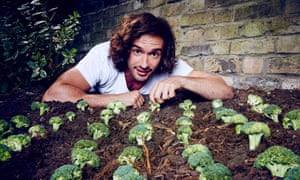
Behind the pretty public face of wellness is a far bigger beast. With the exception of fitness guru Joe Wicks, the overwhelming majority of wellness personalities are young women, and it is these women who rise to and eventually fall from grace in the public eye. And yet the machinery of these fads is constructed largely by a small group of men. These are the doctors – self-styled or otherwise – who spin questionable academic studies, patchworks of data and sometimes little more than fanciful anecdotes into best-selling diet industry manifestos.


With the exception of fitness guru Joe Wicks, the overwhelming majority of wellness personalities are young women.


With the exception of fitness guru Joe Wicks, the overwhelming majority of wellness personalities are young women. Photograph: Channel 4

In contrast to the wellness cooks on our TV screens, these men have credentials to lend weight to the claims they make. There is cardiologist William Davis, whose bestseller Wheat Belly set into motion the anti-grain brigade. There is also “renowned neurobiologist” David Perlmutter, a dull facsimile of Davis. His cynically samey Grain Brain, another low-carb polemic. In a touching display of tenderness, Dr Michael Greger named his 2016 diatribe against junk food How Not to Die. If the science behind wellness is suspect, the blame falls at the feet of these men.


That is not to say that wellness personalities are undeserving of the criticism they face. Those who peddle these nutritional myths ought to be held to account, no matter where in the food chain of bullshit they stand. But hitting out at the salespeople of this pseudoscience without looking to the producers is like buying stocks and shares in the wizard of Oz. It could be that these young women – all perky, pretty and privileged – are the easy targets of our lazy misogyny, or simply that it is easiest at which to level our ire at the most visible proponents of the wellness fad. Either way, it is clear that, unless it is hit at its core, the movement will trundle on, evolving into new and noxious forms of diet culture in different guises.


A share of the blame lies with publishers, too. At a time when money is rare in publishing, editors are digging deep to offer book deals to wellness gurus, no matter the credibility of their claims.


Teenage ballerina Saskia Gregson-Williams’s debut endorsed a needlessly restrictive diet.


Teenage ballerina Saskia Gregson-Williams’s debut endorsed a needlessly restrictive diet. Photograph: PR

In 2015, Ebury Press published Naturally Sassy by then 17-year-old ballerina and food blogger Saskia Gregson-Williams. The meat-, dairy- and wheat-free cookbook was her debut. She describes having found comfort by learning to cook when she was living away from home as a young teenager while studying at the Royal Ballet School. It was a route out of fixation on the low-fat, low-calorie diets that the other dancers espoused. There is no doubt that Gregson-Williams believes in the healing powers of clean eating. What is less clear is how the publishers were able to justify endorsing a needlessly restrictive diet, from a ballerina (a profession notorious for fostering eating disorders) and then marketing it to impressionable teenage girls.


There are many toxic layers to the wellness phenomenon. It is no coincidence that the faces of wellness are unfailingly young and thin, overwhelmingly white and all the talk of purity against that backdrop of privilege leaves a rather unsavoury taste in the mouth. Wellness is also the unprincipled driftings of the publishing houses with whatever currents lead them to a quick buck. It is the evangelism of wellness bloggers, picking up and shrugging off whatever label will give them the most page views. At its core, it is idea that food is medicine.


It all sounds silly when the fictions of wellness are brought together: gluten is poison; sugar is crack; acidity is cancer; terminal illnesses are no longer terminal. But these sensational claims reach us by insidious means, and those who suggest we ought to just use some common sense underestimate just how muddled the truth about food really is. So, many of us will, at some point or another, turn to the false prophets of the diet industry to cure the ills that our health service is too stretched and too underfunded to deal with. We might become evangelists for wheatgrass for a while, or sing the praises of some superfood that “cured” a dodgy knee. We might laugh these fads off, in time, just as the wellness personalities slip out of their skins and into the next big craze.


We have an obsession with diets. With fad diets. There is no miracle cure, but there is a way to push back: call them as you see them. Wellness is a fad diet. Clean eating is a fad diet. If it promises salvation on a plate, it is a fad diet. Hold the wellness gurus accountable, let them know that their diet is a diet. Make them eat their words.


Five wellness superfoods that aren’t actually that super (according to dietitian Helen Bond)


Coconut oil “One of the few plant oils that is loaded with saturated fat – it has more saturated fat than butter. While advocates argue that it doesn’t have the same detrimental impact on blood cholesterol levels, it still raises total and LDL (bad cholesterol) in our blood.”


Matcha powder “No health claims have been approved for matcha or green tea by the European Food Safety Authority, so it cannot be advertised as having any proven health benefits.”


Coconut water “A 200ml glass would provide the same amount of potassium as one medium banana. Tap water will hydrate you just the same and it is calorie, sugar and cost free.”


Goji berries “The antioxidants in goji berries don’t seem to arrive in our circulation in high enough quantities to have an effect. Plus, the berries are not as high in vitamin C as other fruits.”


Spirulina “This is a rich plant source of vitamin B12, usually only found in animal foods – but spirulina is only eaten in very small amounts, so it won’t contribute much to your overall vitamin B12 intake and it is not absorbed well by the body.”


In numbers


£627m The value of the free-from market in 2016, according to market research firm Mintel. Growth of 52% is predicted over the 2016-21 period, to see the market reach £952m.


27,595,369 The number of posts on Instagram with #cleaneating


£3tr Estimated value of the global wellness economy in 2015


495,191 Books sold by Ella Mills, AKA Deliciously Ella


219,158 Books sold by Amelia Freer, author of Eat. Nourish. Glow


186,477 Books sold by Jasmine and Melissa Hemsley, authors of The Art of Eating Well


122,123 Books sold by Madeleine Shaw, author of Get the Glow: Delicious and Easy Recipes that will nourish you from the Inside Out, and Ready, Steady, Glow; Fresh, Fast Food Designed for Life


100, 247 Books sold Natasha Corrett and Vicki Edgson, authors of Honestly Healthy: Eat with Your Body in Mind, the Alkaline Way


Bad fad – Ruby Tandoh on how clean eating turned toxic

13 Ekim 2016 Perşembe

Electric vehicles could go first at traffic lights under UK clean air zone plans

Drivers of electric vehicles could be allowed to use bus lanes in five UK cities and even go first at traffic lights, to tackle illegal levels of air pollution, the government has suggested.


Launching its consultation on clean air zones to be introduced in Birmingham, Leeds, Nottingham, Derby and Southampton, the environment department said air pollution killed 50,000 people each year at an annual cost to society of £27.5bn.


Electric vehicles, which emit no pollution directly, are seen as a key way for local authorities to bring down levels of nitrogen dioxide (NO2) in the five cities, which are in breach of EU limits.


Local authorities should consider incentives to encourage people to switch to electric vehicles, said the draft clean air zone framework, published on Thursday.


These could include cheaper parking and “allowing access to bus lanes, exemptions from other restrictions such as one way systems, and priority at traffic lights for Ulevs [ultra low-emission vehicles].” But local authorities will be encouraged to consult with residents on such ideas first, an environment department spokeswoman said.


The government said it wants each city to have a mandatory charge by 2020 for dirty buses, coaches, taxis and lorries, but not private cars. Birmingham and Leeds will tackle older vans too.


Next week the environment secretary, Andrea Leadsom, faces a legal challenge from environmental law group ClientEarth in the high court over the government’s NO2 clean-up plans.


The mayor of London, Sadiq Khan, this week called the capital’s toxic air a “health emergency” as he launched proposals for a bigger and earlier clean air zone than the one planned by his predecessor, Boris Johnson. Unlike the other schemes, London’s does cover cars.


The details and workings of the zones in the five other cities, chosen by the government last December because of their NO2 levels, will be published next year.


Environment minister Thérèse Coffey said: “We need to tackle air pollution and creating clean air zones will improve the quality of life for people who live and work in our towns and cities, both now and in the future.”


The Department for Transport also announced £35m on Thursday for more electric car charging points for taxi ranks and workplaces, and a scheme to encourage uptake of electric scooters.


“While any government action on pollution is welcome, it’s no coincidence that it comes just five days before ClientEarth returns to court because of the government’s inaction on this public health crisis,” said Alan Andrews, a lawyer at the firm.


“Requiring just five cities in the UK to introduce clean air zones doesn’t solve a national problem which causes thousands of premature deaths. Other local authorities won’t introduce voluntary clean air zones unless they are made to, or paid to.”


The environment department said other local authorities could introduce clean air zones if they wished.


But Friends of the Earth said the government should financially support the zones in other towns and cities blighted by illegal levels of NO2.


Jenny Bates, a campaigner at the green group, said: “Everyone, no matter where they live, should have the right to breathe clean air. Local authorities should be supported – including financially – to introduce clean air zones across the country.”


Table – NO2 exceedances at UK cities

Electric vehicles could go first at traffic lights under UK clean air zone plans

1 Ekim 2016 Cumartesi

Clean eating trend can be dangerous for young people, experts warn

Mental health experts are warning of the risks of the increasingly popular “clean eating” dietary trend, which is leaving a growing number of teenagers very thin and even at risk of dying when taken to extremes.


One nutritionist said she had been contacted by a girl as young as 12 and people had got in touch on social media saying they wanted to be healthier, giving details of their existing diets.


Rhiannon Lambert, a registered associate nutritionist in Harley Street, London, has encountered people who obsess over where food comes from and some clients who will not drink water from a tap, because they normally stick to a brand of bottled water.


“They develop particular habits, or won’t eat food when walking, because they think that food can only be processed when they’re sitting down,” she said. “All this interferes with general life and becomes an obsession.”


The extreme form of this is a psychological condition known as orthorexia nervosa, the Californian doctor Steven Bratman has said. Experts have described it as a “fixation with righteous eating”.


Clean eating is promoted by some food bloggers, who are increasingly felt by a number of medical experts to be having a negative impact on certain vulnerable young people.


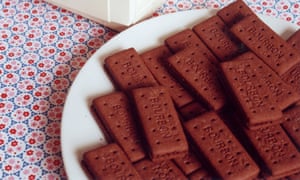
A plate of bourbon biscuits


Having strict rules can mean that some people ‘worry all day about eating a biscuit,’ one expert says. Photograph: Catherine Shaw for the Observer

“Young people lose sleep over this and cannot afford the lifestyle needed to maintain it,” Lambert said. “Health bloggers can be unqualified and offer dangerous advice. Not all of them want to impose their lifestyle on others, but lots of them do and they often give advice on clean eating with no scientific backing.


“The books come along, the products come along and these people are now role models whose every word will inspire impressionable young people. I have clients who think they have to be vegan to be successful.”


There are no official figures for the number of children and young people following a clean eating regime, because orthorexia is not recognised as a clinical diagnosis. But psychologists and nutritionists have reported a recent surge in the phenomenon among younger clients, especially girls, and believe that it is gaining in popularity.


The eating disorders charity Beat told the Guardian that it had recently seen a rise in the number of calls to its helpline from young people who have experienced problems as a result of following the trend.


Ursula Philpot, a dietitian at the British Dietetic Association, said a fixation with eating healthily had been a noticeable route into eating disorders for vulnerable individuals in the past couple of years.


She identified social media and the rise of healthy food trends and blogs as key drivers of the trend, but said it is difficult to blame them completely. “If it wasn’t health bloggers, then it could be something else that becomes the inroad, but it seems to be the route in now,” she said.


Orthorexia affects girls more than boys, although boys are much more affected than previously, she added.


The range of foods that people worry about eating has changed, Philpot said. “At the top of most people’s lists [of bad foods] is gluten and dairy. When you talk to young people more, you find out about their stringent rules – some will worry all day about eating a biscuit,” she said.


The condition starts out as an innocent attempt to eat more healthily, but those who experience it become fixated on food quality and purity, according to experts.


A Beat spokeswoman said: “We are concerned by the rising trend of ‘clean eating’ and the impact it could have on young people vulnerable to the development of an eating disorder. We are aware that contacts to our helpline are raising issues around orthorexia and clean eating.”


There may be several reasons for someone to take up clean eating, the spokeswoman said.


“Eating disorders are serious mental illnesses and their causes are many and complex. Research is telling us that they may be more biologically based than we previously thought, but social and environmental factors will also play a part in their development,” she said.


“Orthorexia does not have a clinical diagnosis and it would be for clinicians to determine whether it should, which may be helpful, because then it would have a clear clinical pathway of treatment.


“There is a view that it may be more closely connected to OCD due to the nature of the illness, although it does also share behavioural traits with anorexia. Anorexia has the highest mortality rate of any mental illness.”


Deanne Jade, the founder of the National Centre for Eating Disorders, a counselling network, has also seen an increase in orthorexia. “A lot of younger people don’t think they need therapy and that the solution to bulimia and anorexia is to eat clean, but this can become an obsession and there’s now more pressure than ever to be healthy.


“There are too many messages in the media and especially social media. What worries me is that a lot of people promoting these ideas have no knowledge of nutrition.


“I don’t know what the solution is, but a lot of the time getting people to recover from an eating disorder means getting them to relax their ideas about clean eating.”


Clean eating trend can be dangerous for young people, experts warn

I had heard clean eating made you feel better – but for me it went wrong

I got into clean eating with a friend around my AS levels, when I was 16. My friends only followed the diet for about two weeks but when they all stopped I continued. I got addicted to it and I lost loads of weight.


We all started the diet because we were really stressed and tired and had heard eating better made you feel better, but for me it went wrong.


I cut out snacking, I had smaller portions, and everything was a health food. I prepared all my meals myself from scratch.


I cut out dairy and any drinks that weren’t water. I was eating fruit and vegetables and no carbohydrates and no snacking. I was eating no processed food – I would have a handful of dried fruit if I had a snack. An average dinner would be just meat or fish and a small side of vegetables.


I obsessively watched Lean in 15 – a YouTube channel on healthy eating by Joe Wicks. I used to watch a lot of his videos and also followed loads of “transformation” accounts where people ate healthily to lose weight.


At first I did this all to feel better in myself and then it became about losing weight. I liked how it felt and people saying: “Oh you’ve lost weight and you look great.” I used to limit food groups and obsessively weighed my food. I had foods I was afraid to eat and would avoid, such as carbohydrates. This went on for two years, from 16 to 18, and eventually I was diagnosed with anorexia with orthorexic tendencies.


As well as losing weight, orthorexia made me feel exhausted. I couldn’t sleep because I was really hungry the whole time. I had depression and anxiety and I couldn’t focus on anything at all.


My parents noticed that something was wrong. I actually didn’t know what was happening – they took me to the doctor. I went to the Priory for diagnoses and was referred to Camhs (child and adolescent mental health services). I then got sent there on an outpatient basis and got cognitive behavioural therapy. That helped a lot.


Because of my eating disorder I have body dysmorphic disorder and have always feel more overweight than I am. CBT helped me realise that this was not logical. Medication also helped with my depression and gradually everything got better.


I feel more normal about food now. I am a student at Leeds and cook for myself. I eat out with friends. I still suffer guilt when I eat unhealthily but I can cope.


I think health food bloggers have a big influence on young people and they should make it clear that everything should be eaten in moderation. For example, it’s OK to have a biscuit every now and then – it’s not going to kill you. The expression clean eating makes it sound like other foods are dirty; it’s like making an enemy out of everyday food, making it something negative in people’s heads.


Healthy eating is supposed to make you feel better, but not if you develop orthorexia. Although some people need to be careful about what they eat, others can take this lifestyle to the extreme.


I had heard clean eating made you feel better – but for me it went wrong

17 Eylül 2016 Cumartesi

DIY Kiwi Smoothie to Clean Your Body From Harmful Toxins

It’s necessary to detox your body by removing the risk toxins, as the high levels of toxins can lead to many other diseases. There are also other great benefits of detoxing the body you can expect:


  • It boosts your energy

  • It makes your immune system stronger

  • It helps with weight loss

  • It gives you better breath

  • It improves your skin and hair health

  • It clears your mind

There are tons of detox program you can follow to detox the body. Here is an incredible kiwi smoothie you can try to enjoy its benefits, including clean your organism from toxins.


Kiwi Detox Smoothie Recipe


Ingredients:


  • 1 fresh kiwi

  • 50 ml of lemon juice

  • A small handful of walnuts

  • 1 medium banana

  • 1/2 bunch of parsley

  • a cup of water

It’s simple to make this super smoothie, blend all of these ingredients well. If you like, can add other fruits or vegetables as well, such as broccoli, spinach or mango.


Enjoy your delicious and healthy smoothie!


Kiwi is rich in fiber, which helps bind and move toxins from the body, and also prevents some intestinal problems, including constipation. This smoothie is also a good option for people who want to lose weight, as the high fiber content and low glycemic index of kiwi decrease the fat storing in the body.


Wonder to know more good reasons to eat kiwi fruit? You’ll find answers at here.


Sources: bembu.com/bestherbalhealth.com/whfoods.com


READ MORE BY AUTHOR


7 Natural Home Remedies for Canker Sores That Work Great


Fresh Chamomile-lavender Tea to Help You Get A Good Sleep


A Tasty Avocado Smoothies You Should Eat For Healthy Heart, Younger Skin, Ideal Weight and More


DIY Kiwi Smoothie to Clean Your Body From Harmful Toxins

24 Temmuz 2016 Pazar

2016 Dirty Dozen & Clean Fifteen- Most & Least Pesticide Contaminated Fruits & Vegetables

If you’re looking fresh fruit and vegetables for this season, it would be better to look at this year’s 2016 Dirty Dozen and Clean Fifteen – a list of Environmental Working Group (EWG’s). If you’re eating any fruit and vegetables, you may be ingesting 146 pesticides, according to a new report from the Environmental Working Group.


 2016 Dirty Dozen


Strawberries
Apples
Nectarines
Peaches
Celery
Grapes
Cherries
Spinach
Tomatoes
Sweet bell peppers
Cherry tomatoes
Cucumbers


2016 Dirty Dozen Key Findings-:


-More than 98% of strawberry, peaches, nectarines, and apples tested positive for at least one pesticide residue.
-The average potato had more pesticides by weight than any other produce.
-Single grape and a sweet bell pepper sample contained with 15 pesticides.
-Strawberries showed upto 17 different pesticides.


Health Risks of Pesticides


Pesticides are toxic and different pesticides have been linked to a variety disease, including hormone disruption, cancer and brain toxicity, respiratory problems, memory disorders, skin conditions, depression, birth defects and neurological conditions such as Parkinson’s disease.


EWG’s Clean Fifteen list of produce least likely to hold pesticide residues.


2016 Clean Fifteen:


Avocados
Sweet corn
Pineapples
Cabbage
Sweet peas
Onions
Asparagus
Mangoes
Papayas
Kiwi
Eggplant
Honeydew Melon
Grapefruit
Cantaloupe
Cauliflower


Clean Fifteen Key findings-:


-Avocados were the only 1% of avocado samples showed any pesticides.
-89% of pineapples, 81% of papayas, 78% of mangoes, 73% of kiwi and 62% of cantaloupes had no pesticides.
-No fruit from the Clean Fifteen tested positive for more than 4 types of pesticides.
-Multiple pesticide residues are extremely rare on Clean Fifteen.


Can Pesticides Be Washed Away?


No, not entirely. According to the National Pesticide Information Center, washing fruit and vegetables doesn’t completely remove pesticide. Also, although some pesticides are found on the surface of foods, other taken up through the roots and into the plant and cannot be removed. If pesticides are present on the surfaces of your fruits and vegetables, you can remove a substantial amount of those surface pesticides.


Sources:


–https://www.ewg.org/foodnews/summary.php


–https://draxe.com/2016-dirty-dozen/


–http://www.mindbodygreen.com/0-13571/12-fruits-veggies-with-the-most-pesticides-2014-dirty-dozen.html


Read More Articles:


2016 Dirty Dozen & Clean Fifteen- Most & Least Pesticide Contaminated Fruits & Vegetables

22 Temmuz 2014 Salı

In the 19th century it was clean consuming water, now its healthy behaviour | Sally Davies

Local government could act to limit the effects of alcohol, tobacco and fast food

Local government could act to restrict the results of alcohol, tobacco and quick foods by incorporating a overall health effect evaluation into the approval processes for preparing applications. Photograph: Matt Cardy/Getty Pictures


The first wave of public wellness action occurred in the wake of the industrial revolution. It was mainly aimed at bettering environmental problems: the provision of clean consuming water, enhanced sewage disposal and safer foods. There was also legislation to improve functioning problems and protect children.


It was throughout this period that John Snow identified the supply of the 1854 Soho cholera epidemic as the public water pump on Broad Street, following conversations with regional residents and clever linking of information. It was later identified that the public properly had been dug only 3 feet from an outdated cesspit. Snow’s review is regarded by a lot of as the founding event of the science of epidemiology and is an early demonstration of the value of very good public well being practice.


Defending people from these types of threats stays at the heart of our public health method. We continuously face new infectious disease threats, such as antimicrobial resistance. But public well being practice is evolutionary, driven by waves of well being challenges and continuous improvement in our understanding and information. Every new wave reflects major shifts in pondering about the nature of society and wellness.


The most latest wave – roughly from the 1960s to existing – has encompassed identifying effective interventions that prolong healthful existence, higher comprehending of the leads to of disease, action close to risk factors and life-style, and addressing social inequalities in overall health.


The greatest problems dealing with societies in the 21st century are the altering burden of disease and development of resistance of microbes to remedy. This indicates that men and women and society alike need to take more obligation for well being.


Three items will support to attain this: incentives for wholesome behaviour promotion of a healthier option as the default choice and tackling environments that advertise unhealthy behaviour.


Various groups in society are probably to contribute in diverse methods. Governments need to have to make certain that public wellness policy is informed by evidence, is rigorously assessed and coordinated successfully across Whitehall. My part as chief health-related officer is unique, as I am a civil servant but have a statutory duty to give independent advice to government. It is my job to make certain that public overall health and antimicrobial resistance is at the forefront of politicians’ minds.


Meanwhile, the wide remit of nearby government – which contains infrastructure organizing, waste and recycling, leisure and tourism, and social care – gives a number of possibilities to promote healthier environments. Action could consist of reduction of the density and spot of alcohol, tobacco and quickly-foods shops. This could be done by incorporating a wellness influence evaluation into approval processes for planning.


The private sector can also play a element as employers, as building- and land-owners, and by way of its affect on customers. In particular, market has a part in promoting the wellness of its workforce, along with a broader duty to society as a complete.


Attaining all this will imply a huge adjust in social norms. There is expanding evidence of the power that social networks exert on behaviour. For healthy behaviour to come as common, institutional, social and physical environments all want to help this shift in the collective mindset. It can only function as a holistic, collaborative hard work.


Several of these ideas are not new and there is sturdy evidence for their significance, emanating for illustration from the Ottawa Charter and the Planet Overall health Organisation’s Commission on the Social Determinants of Overall health. But we need to have a new wave of leaders, in households, social networks, organisations and wider society – collectively driving a adjust towards more healthy behaviour.


•The Guardian Society Professionals web site for people doing work in the public servies is revisiting Beveridge’s five giant evils of the welfare state. Lengthy-term and continual overall health situations are a modern social evil. Find out how social professionals are helping to increase care at theguardian.com/societyprofessionals


In the 19th century it was clean consuming water, now its healthy behaviour | Sally Davies