tackling etiketine sahip kayıtlar gösteriliyor. Tüm kayıtları göster

10 Mayıs 2017 Çarşamba

"Shattering stigma starts with simple conversations": tackling the child mental health crisis

Public concern around child and adolescent mental health is at an all-time high. The prime minister, Theresa May announced in January her intention to better identify and help the growing number of young people in schools who are at risk of developing mental health issues. Prince Harry and the Duke and Duchess of Cambridge, meanwhile, are using their profiles to convince the public that “shattering stigma on mental health starts with simple conversations”.


And yet, despite growing awareness of the issue, child and adolescent mental health services (Camhs) are under an increasing amount of pressure. Healthcare professionals bemoan a lack of resources and staff while the health secretary, Jeremy Hunt, has described Camhs as the “biggest single area of weakness of NHS provision”.


What are some of the issues facing children and young people today? What problems are services confronted with? What examples of best practice are there and how can the health, education and social care sectors provide better mental healthcare for children and young people? These were some of the questions addressed by experts in mental health at a roundtable discussion, chaired by the Guardian’s health policy editor Denis Campbell and supported by online counselling service XenZone.


“For children, there are so many messages about what to be, what to look like, how you should present yourself to the world. It’s 24/7 and social media judges most things,” said Anne Longfield OBE, children’s commissioner for England. “There’s anxiety around exams, schools and increasingly linear expectations. That all builds up.”


Sarah Hulyer, an activist from YoungMinds, the young people’s mental health charity, agreed that exams and stress are part of the problem. She also talked about the considerable effect of social media on young people’s mental health. “I think social media is negative in several ways in that your public life never ends. You’re always being watched,” she said.


Hulyer pointed out that social media can glamorise mental health problems and emphasised how important it is to start a conversation about mental health at a young age. “A lot of young people learn about mental health in the media, but often the only things talked about are anxiety and depression,” she said. “Young people don’t know [the range of] problems there are until they’ve had them explained to them.”


Attendees also discussed the problems facing services. Norman Lamb, Liberal Democrat MP and former mental health minister, said: “We’re faced with a dysfunctional system with awful access, which leads to people taking their own lives. We’re not going to solve the whole problem if we focus on the system giving treatment. It has to be about prevention and a fundamental shift of emphasis.”


Most agreed that there were significant problems facing the Camhs workforce. “We do not have an available workforce with sufficient morale to deal with the problem,” said Dr Bernadka Dubicka, consultant child and adolescent psychiatrist and chair-elect of the child and adolescent faculty, Royal College of Psychiatrists. She believes there are vast numbers of children and adolescents who could have been helped before they were referred to Camhs.


Sean Duggan, chief executive of the Mental Health Network at the NHS Confederation, claimed that the importance of child and adolescent mental health has not been properly recognised in the sustainability and transformation plans (STPs) that have been drafted to improve health and care in England. “STPs are here to stay and are a vehicle for setting priorities,” he said, adding that child and adolescent mental health is an urgent priority that needs to be addressed.


Although many around the table underlined the role that schools can play in reducing mental health problems among pupils, Malcolm Trobe CBE, general secretary for the Association of School and College Leaders, pointed out that there is a gap between what schools can deal with and their access to external support.


“Teachers have workload pressures – they just don’t have the time [to offer additional support],” he said. But he also asked where children with mental health problems were going to get that extra support: “We’ve got to move from talking about it to actually doing something. Health and education departments have got to work together so we have a strategic view of this.”


While the majority of those in attendance bemoaned the state of child and adolescent mental health services in the UK, Dr Matt Muijen, adviser in international mental health, painted a different picture. “There’s an unusual publicity about poor mental health in England. That creates demand,” he said.


“When you look at the supply side, you have remarkably good standards. There is no separate budget for child mental health but you’re the second highest funder of mental health services after the Netherlands. As a proportion of the health budget, you are by far the highest.” He went on to criticise local authorities for their inability to commission services, adding: “I always feel like health services in England are constantly changing, with a total lack of stability with no one quite knowing what they’re expected to do.”


Given the huge demand on services, attendees agreed that action was needed and floated possible solutions and examples of best practice. Elaine Bousfield, founder and chair of XenZone, suggested a digital approach could help, as long as it is tied into the wider health and social care system.


Bousfield spoke about XenZone’s online counselling and emotional wellbeing platform for children and young people. It’s used by them to talk to someone – generally for one to three sessions. “The beauty is they’re not then ruminating and adding to their anxiety,” she said. “Quite often young people don’t know what’s going on. They just feel terrible and they might not know why. They need a space where they can talk about that.”


Hulyer said a large part of the solution lies in the digital world, as that is how young people communicate. She said young people have a despondent view of Camhs and don’t believe that services will ever be there for them. She stressed the importance of learning about mental health at school and how it should be part of the curriculum. “You learn about physical health, so you should learn about resilience; how to deal with stress.” Hulyer also said that parents need support and talked about a helpline set up by YoungMinds that they can call for information and advice.


Dr Emma Blake, paediatric mental health consultant and chair of the Child Mental Health Committee at the Royal College of Paediatrics and Child Health, also highlighted MindEd, an online service for adults designed to provide help with, and information on, child and adolescent mental health.


Lamb and Duggan, meanwhile, cited some areas of the country where services are working well to tackle child and adolescent mental health. In Oxfordshire, mental health professionals go into schools every week and work with teachers to increase their understanding. Lamb said they had seen a drop in referrals to Camhs because they are intervening much earlier.


In Northamptonshire, a referral management centre was developed in 2015, which includes a consultation line open to young people and families, a texting service offered by school nurses, online chat for young people to talk to a mental health professional, self-referral, a children’s crisis home treatment team and two adolescent in-patient wards. Duggan also highlighted a new programme at Sussex Partnership NHS foundation trust – the Discovery College.


The concept is based on the existing recovery college, which involves free courses developed and delivered by health professionals. The discovery college applies the same principles for children and young people. It involves free courses for 13- to 20-year-olds, providing knowledge and skills to maintain and manage mental health.


Despite these positive schemes, there is still frustration over the lack of action relative to the tone of the conversation around child mental health.


During his time in government, Lamb produced a blueprint for mental health services, Future in Mind, which brought together a number of key proposals. Two years on, the government is now producing a green paper on the same subject. “This is an excuse to carry on talking rather than doing,” he said. “I’ve said to the health secretary to create incentives around the country to make urgent progress. The green paper can provide some value, but we need to do what we said we were going to do.”


At the table


Denis Campbell (Chair)
Health policy editor, the Guardian


Anne Longfield OBE
Children’s commissioner for England


Noman Lamb MP
Liberal Democrat health spokesman


Prof Miranda Wolpert MBE
Director, Evidence Based Practice Unit, UCL and Anna Freud Centre


Dr Emma Blake
Chair, Child Mental Health Committee, Royal College of Paediatrics and Child Health


Dr Bernadka Dubicka
Chair-elect, Child and Adolescent Faculty, Royal College of Psychiatrists


Sean Duggan
Chief executive, Mental Health Network, NHS Confederation


Elaine Bousfield
Founder and chair, XenZone


Sarah Hulyer
Activist, YoungMinds


Tony Hunter
Chief executive, Social Care Institute for Excellence


Dr Matt Muijen
Adviser in international mental health


Charlotte Ramsden
Chair, Health, Care and Additional Needs Policy Committee, ADCS


Prof Helen Stokes-Lampard
Chair, Royal College of General Practitioners


Malcolm Trobe CBE
General secretary (interim), Association of School and College Leaders


"Shattering stigma starts with simple conversations": tackling the child mental health crisis

24 Nisan 2017 Pazartesi

"Life improved when I left London": readers on tackling air pollution

About 40 million people in the UK are living with illegal air pollution levels, according to analysis commissioned by the Labour party.


Earlier this month the Guardian reported thousands of children across England and Wales are exposed to illegal levels of air pollution from diesel traffic, putting the health of young children at risk in the long term.


Under pressure to lower pollution levels and improve the quality of the country’s air, the government is facing criticism for a last-minute bid to delay the publication of its clean-air plan, which the high court had said must be produced by 24 April.


After a call-out asking readers for their experiences of air pollution, some of them tell us how they’re tackling the issue.


‘Despite being let down by our council we are determined to fight on’


A march attended by Aire Valley Against Incineration (AVAI) supporters


A march attended by Aire Valley Against Incineration (AVAI) supporters.

We currently have quite high levels of air pollution in the areas around Bradford and Leeds. Our council has given the go-ahead for a private company to build an incinerator in the bottom of the Aire Valley – near homes, schools and a sports facility. The incinerator is not for household waste, but for industrial waste that will be shipped in from all over the country by 70 HGVs a day. One of the roads that these lorries will use is Hard Ings Road, Keighley, which is already on the Greenpeace energy desk’s map as being over the legal pollution limits.


We are campaigning hard to stop the building of this incinerator. We are also very concerned about the location – at the bottom of a valley that experiences regular temperature inversions which will make it very difficult for the pollution to disperse. We have nearly 6,000 members on our Facebook group, more than 8,500 signatures on the online petition and more than 2,100 objections have been made on the council’s planning portal. A recent march that we organised was attended by over 600 local people. Despite the fact that our council has let us down, we are determined to fight on!


Rachel Shimbles, 47, from Keighley


‘I’d encourage people to seriously consider leaving London. My quality of life shot up when I did’


As an ex-Londoner, I know how bad air pollution can be in the capital. Kendal air is much cleaner – but we still have places where legal levels of pollution are being routinely breached. I campaign with 20’s Plenty for Kendal as a way to encourage people to walk and cycle more in our compact little town – to make Kendal less congested, safer, cleaner, quieter and even more attractive as a place to live and to visit.


I’d encourage anyone to seriously consider leaving our capital. My quality of life shot up when I moved up here – and clean air was definitely a part of that. But – and it’s a big but – no one should be under the illusion that everything is rosy outside our big cities. It isn’t.


Paul Holdsworth, 57, from Kendal


‘I have lobbied local politicians, Defra and my MP’


We live in a densely populated urban environment and have been badly affected by the smoke and particulate pollution from a neighbour’s wood burner coming into our home for months at a time. As a result and after investigating the associated pollution issues we have become acutely aware of the significant health risks and damage regularly breathing this pollution causes, its effect on our quality of life and the long-term health risk. However, after we complained to our local authority we have found our hands have been tied behind our backs with the council failing to act.


I am active on Twitter, have lobbied local politicians, Defra, our MP, and contacted Gary Fuller (the senior lecturer in air quality measurement at King’s College, London). Having grown up during the implementation of the Clean Air Act, we mistakenly believed it had put an end to the blight of air pollution. A new Clean Air Act for the 21st century is needed to impose proper balanced controls. Pollution is a choice, breathing is not.


cleanairforall2, 55, from London


‘I switch off air fresheners when I can’


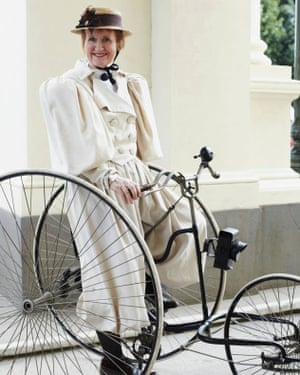
Cecilia taking part in a vintage bike parade


Cecilia taking part in a vintage bike parade. Photograph: Rita Platts

I set up a campaign called Gasp in 1980 (Group Against Smoking in Public). We achieved most of our goals but my intolerance to other forms of air pollution has caused me to run one-woman campaigns against other unwanted forms of air pollution. More recently I have campaigned against so-called “air fresheners” which pump out noxious fumes in an effort to cover everyday smells. They make me heady and nauseous. I often go into local shops and switch them off if I can find them hidden. I now won’t go to a hotel or get in a taxi that uses plug in air fresheners. I wish there was a national campaign to stop the sale and use of these things. I’m also a lifelong cyclist and have campaigned over many years on the benefits of cycling including the positive impact of cycling on air pollution.


Cecilia Farren, 67, from Bristol


‘We’re in the process of moving away to get away from the traffic’


The road on which we live has very high levels of traffic. It is a poor area, with many families renting their accommodation. My wife’s asthma has definitely worsened and the noise from the road is constant, as the traffic includes many HGVs and buses. Recently, the road was closed for a month to replace the mini-roundabout at one end with a traffic-light system.


The month was bliss for the residents, but once the road reopened the traffic worsened with a corresponding effect on the quality of air. We are now in the process of moving away to a location that is quiet, but one that we are not sure we can afford. Right now, we feel like the gamble is worth it to get away from this road.


Craig Hambling, 34, from Colchester


"Life improved when I left London": readers on tackling air pollution

20 Mart 2017 Pazartesi

"I thought cancer was a disease for the elderly": tackling Nigeria"s 80% mortality rate

After a long day’s work at a law firm in Nigeria’s capital, Abuja, 35-year-old Comfort Daniel returned to her apartment one cold evening in December 2014 and began to undress for a bath. She was halfway done when she felt a lump on her left breast. A pang of apprehension surged through her. She ran her hand over her breast and the lump became more visible.


But Daniel didn’t go to hospital for screening immediately. Instead she consulted a South African-based physician who visited her church after Sunday service. The physician gave her some drugs for 17,000 naira (£44) and told her that she would have a discharge from her nipple then she would be healed.


Trusting the physician’s assurance, Daniel didn’t visit the hospital for screening. Two weeks after the treatment, a brownish discharge came from her nipple, but she became more uncomfortable. Shortly afterwards she was watching TV when a health programme came on and a doctor advised women to go for screenings whenever they noticed any abnormalities on their breasts. “That was all I needed to go to a hospital in downtown Abuja,” she says.


After several months of travelling between a private clinic and the national hospital in Abuja, and after spending most of her savings on appointments, Daniel finally learned she had cancer in March 2015. “God forbid,” she recalls yelling at the doctors. “Nobody has cancer in my family.”


Daniel was astonished. “I thought cancer was a disease for elderly, more mature people,” she says. “But all of that changed after the doctors told me I had stage two breast cancer. In fact, they even said I’d had the lump on my breast for more than a year.”


Daniel underwent a mastectomy shortly after getting her diagnosis and is now having chemotherapy. She says the healthcare system was inadequate for her needs. “When I wanted to receive initial treatment, I had to visit many hospitals … doctors were either on strike or there was no electricity to power the machines, or they weren’t responding properly. This whole process can be frustrating.”


March against cancer in Nigeria, 2016 organised by Project Pink Blue


Project Pink Blue organised a march against cancer in Nigeria last year. Photograph: Wahabi Oluwafemi

Daniel’s experience of trying alternative treatments before approaching doctors is common in Nigeria. Professor Tajudeen Olasinde is a consultant radiation and clinical oncologist at the Ahmadu Bello University Teaching Hospital in Zaria. He says late presentation is a widespread problem. “Around 85% of cancer patients present at advanced stages of their diseases in Nigeria due to poor awareness.”


Even when people do seek treatment, the equipment and facilities needed to treat cancer are not available everywhere. “Most diagnostic and treatment equipment are available in only tertiary health institutions, which are far away from most rural dwellers,” Olasinde says. “Where only one or two radiation treatment mega-voltage machines are functioning optimally at any time, [this] is unacceptable and a national disgrace for a country of 180 million people. At least, the country needs 180 functioning machines.”


Nigeria has less than 40 trained radiation oncologists and most of the nine comprehensive cancer treatment centres in Nigeria are, according to Olasinde, either “obsolete or non-functional”.


While cancer is more prevalent in wealthier countries – rates actually rise with increasing levels of income – the mortality rate is much higher in poorer countries such as Nigeria. The World Health Organisation estimates that more than 100,000 Nigerians are diagnosed with cancer each year, and 80,000 die from the disease. In the UK, where more people develop cancer, the rate of survival is 50%.


Campaigners and politicians across Nigeria are pushing to promote the kind of cancer care seen in wealthier countries, with an emphasis on prevention, early diagnosis and screening and survivor support.


NGOs such as the Abuja-based Health and Psychological Trust Centre – known as Project Pink Blue – are bringing best practice in cancer care to the city.


Having built up an awareness-raising programme that travels to rural areas to explain the signs of cancer and tell people how to prevent it, the centre has just begun Nigeria’s first breast cancer support group, made up of nine cancer survivors.


“Until we begin to change the way our people think about cancer we cannot change late detection of cancer,” says Runcie Chidebe, executive director of the centre.


Chidebe says that many people are unaware of behavioural and dietary risks that trigger cancer, including high body mass index, low fruit and vegetable intake, lack of physical activity, tobacco use and alcohol intake.


“The only way we can change the narrative of cancer being a death sentence is to get strong voices against cancer,” he says. “Strong voices against cancer cannot even be the doctors, neither can they be me nor the media. Strong voices of cancer are strong champions – the cancer survivors themselves. We have nine survivors right now, and we are mobilising more.”


Besides awareness campaigns, the group supports cancer patients through fundraising. It was through one such fundraising event that the NGO raised around 5.5m naira (£14,000) in cash and 9m naira in drug support to enable Daniel to have her chemotherapy when her savings ran out.


“I used up all the money I saved for my schooling for treatment, and when it finished I stayed away from treatment for more than a year until Mr Runcie came to my rescue,” Daniel says.


Politicians want to capitalise on the growing understanding of how to treat cancer. Muhammadu Usman is a lawmaker in the lower chamber of Nigeria’s legislature. With colleagues, he is sponsoring a bill calling for the establishment of national agency on cancer control. The bill has passed first and second readings and is due for a public hearing soon.


“Until we establish an agency that will handle cancer there is no way Nigeria can make any process,” he says. “When you have an agency, you will able to appropriate money, you will be able to recruit staff, the agency will be given certain responsibilities on mobilisation, treatment and prevention or seek international support.”


Usman notes that none of the country’s hospitals are properly equipped to provide the necessary medication to cancer patients. Citing recommendations from the International Atomic Energy Agency, he says South Africa has 18 functional machines for cancer treatment, Japan has 611 and China has 453.


Nigeria is supposed to have around 800 machines to treat cancer, such as an external beam radiotherapy machine, but none are working properly.


For Comfort Daniel, the new ways of supporting cancer patients are as important as working machinery. “After I was diagnosed with cancer, for three days I was unable to sleep. This is why the Abuja breast cancer support group is important. Nobody can understand the pains of the patient like a survivor,” she says. “There was a day I visited the hospital and came across an elderly woman who had breast cancer and was looking so sad. She refused to eat. But after speaking to her, she cheered up and took her food. Nobody can understand the pains we pass through, not even doctors.”


Join our community of development professionals and humanitarians. Follow @GuardianGDP on Twitter.


"I thought cancer was a disease for the elderly": tackling Nigeria"s 80% mortality rate

2 Şubat 2017 Perşembe

Tackling loneliness cannot rest with volunteers alone | Janet Morrison

Barely a day goes by without one story or another highlighting the crisis in social care, and flagging the contribution failures in the health service are making to the problem. Added to this are the pressures of an ageing population in which many of the people living for longer are doing so with complex conditions.


The government argues it has taken short term steps to address the crisis, but as yet has offered no suggestion of how it might solve the problem long term.


Independent Age, along with many other charities in the care sector, have long been calling for a cross-party solution to address the crisis in health and social care. We can’t kick this issue into the long grass yet again. As a society we need to ask ourselves, what kind of care we want in later life and how much we are we prepared to pay for it. But the costs involved also beg the question of what role volunteers should have in helping to tackle these issues.


Through our network of volunteers across the UK we offer friendship services to older people who are lonely. Our volunteers provide regular phone calls and visits, enabling older people to feel more connected to their local community and, crucially, helping to reduce loneliness.


A great example of how our work can help is Ron, who is nearly 90. Ron’s wife died a number of years ago, and following a fall at home in which he broke his hip, he very rarely gets out. Ron would go for days on end without speaking to anyone. He now has regular visits from one of our volunteers, Alison, whose employers so value the work she does with Ron that they let her work flexibly so she can visit him.


Crucially, we understand that volunteering is not a one-way street: our volunteers tell us they get as much out of the relationship as the person they visit or call. That might be through the pleasure of a joint interest, or through sharing life stories and experiences. There is evidence that volunteering can bring health benefits for the volunteer too.


Volunteers from across the health and social care sectors are already providing essential services.


There are, however, firm boundaries to the volunteer relationship. We’re clear that it is not the role of our friendship volunteers to offer advice on issues like benefits or accessing care and support (we have an expert helpline for that). And their role mustn’t be confused with the provision of statutory services that are the legal duties of bodies like councils and the NHS.


It’s essential that the boundaries of any volunteering role are clearly understood by the organisation arranging the service, the volunteer providing it and the person receiving it.


That doesn’t mean that volunteers have no role in health and social care though. Many volunteers from across the sector are already providing other essential services: from volunteer-delivered “home from hospital” schemes to lunch clubs and shopping services, driving people to GP and hospital visits, or acting as quality assessors for their local Healthwatch. And let’s not forget the 1.3 million older people who are providing unpaid care [pdf] for their loved ones – recent estimates put the value of informal care provided by older people at £11.4bn a year [pdf].


Up and down the UK, local people are volunteering to provide essential support for health and social care provision. Their contribution must be applauded and recognised as they continue to assist those who need it, now and in the future.


Talk to us on Twitter via @Gdnvoluntary and join our community for your free fortnightly Guardian Voluntary Sector newsletter, with analysis and opinion sent direct to you on the first and third Thursday of the month.


Tackling loneliness cannot rest with volunteers alone | Janet Morrison

24 Ocak 2017 Salı

Tackling cancer treatment myths, from clean eating to cannabis

Cancer is a topic with high emotional resonance – there is hardly a family in the world that has not been touched by this complex family of diseases. Yet cancer is still widely misunderstood. Given the sheer volume of information available on the internet and elsewhere it is often difficult to separate fact from fiction.


This can leave patients, friends and family confused and vulnerable to dodgy information at best, and ready to undergo dangerous “treatments” and “cures” at worst. Just over three years ago, I tackled six common cancer myths; but as new myths arise and information moves on, it seemed a good idea to start the year off by debunking some new myths – as well as some that have refused to disappear.


Cancer can be beaten or avoided with certain special diets


The idea that one can directly influence cancer through something as simple as diet is an alluring one. After all, a cancer diagnosis can be extremely frightening, and the thought of being able to take some personal control is comforting. The promotion of “cancer-beating” diets has become especially prominent on social media in recent years.


The alkaline diet is one of the most popular “anti-cancer” diets. Proponents of the diets believe that an acid diet encourages cancer formation, and that an alkaline diet is therefore the solution.


The reason that acidity is seen as an issue is because while healthy cells get the majority of their energy from oxygen respiration, cancerous cells tend to inefficiently use glucose at a higher rate than healthy cells. This consumption of glucose (a process called glycolysis) results in acidic waste products, and consequently a higher acidity around cells which use this mechanism. This increased reliance of cancer cells on glucose even when there’s enough oxygen is known as the Warburg effect.


In 1924, Otto Warburg suggested this metabolic switch to glycolysis might drive cancer. Subsequent investigations showed that in fact the switch actually stems from the very mutations that give rise to cancer – basically, it’s a consequence of cancer rather than the cause.


This means that an alkaline diet can’t affect cancerous cells. Even if it could, there’s another wrong assumption here: that one can change tissue acidity or alkalinity through diet. Tissue acidity is tightly regulated by our blood and brains, and cannot be altered by anything we consume – almost the only acidity diet can influence is that of urine.


Deeply intertwined with this myth is the notion that certain foods “feed” cancer, with sugar typically listed as a culprit. However, while obesity is linked with cancer risk, the idea that sugar specifically fuels cancers is wrong. Glucose is a simple sugar, but one required by every cell in the body, cancerous or not. All carbohydrates, whether from vegetables or chocolate, are broken down to glucose, but there’s no preference for “sugary” carbs to gravitate towards cancer cells.


Related to this is the ketogenic diet for cancer, or the suggestion that cutting out carbohydrates can throttle glucose production and starve cancers. In fact, some advocates have even asserted that ketogenic diets eliminate the need for chemo and radiotherapy. This understandably sounds attractive, but there is no evidence for this claim. In fact, there’s an overall lack of credible of data to support claims made on the diet’s behalf, a subject explored in some depth by Professor David Gorski.


The bottom line is that while good nutrition is important in cancer (and indeed to health in general), the reality is that no diet can cure cancer – no matter how glossy the pictures might look in a diet book or on Pinterest.


Homeopathy, cannabis oil and natural remedies can treat cancer


Faced with the prospect of chemotherapy, many patients wonder if there is a more “natural” option. The hope is that cannabis, homeopathy or a herbal supplement will eradicate cancer whilst sparing the patient the potentially unpleasant treatment effects of chemo and radiotherapy. There’s also always the prospect that something “natural” might be more efficient that something manufactured by a drug company, who are surely only interested in profit (more on this later).


Cannabis and derivatives such as cannabis oil are pretty much top of the list when it comes to non-chemotherapy “treatment”. This is not surprising as cannabis has been used recreationally and medicinally for centuries. THC in cannabis has known anti-emetic properties, and for decades agents derived from it have been used in the clinical management of pain and nausea.


Beyond this, however, claims that cannabis has any efficacy as a cancer treatment are unsupported by evidence, as a wide-ranging US study recently concluded. As these extremely comprehensive reviews by the National Cancer Institute and Cancer Research UK also show, the weight of evidence to date simply doesn’t support the use of cannabis as a cancer treatment.


Cannabis may not have an impact on cancer, but at least THC has some helpful effects. Homeopathy, however, is a different story. In multiple studies, homeopathy has been shown to have no effect beyond placebo. In fact, its central tenets are completely at odds with known physics and are demonstrably wrong . Yet homeopathy remains popular. While the preparations might be in themselves biologically inert, there is a serious danger that patients will cling to the false hope offered by them and reject medical intervention that could be beneficial, which can have fatal consequences


Deodorants, artificial sweeteners and cell phones cause cancer


There are certain things we do know contribute to cancer. Smoking is perhaps the most well-known example, with about 90% of all lung cancers directly attributable to cigarette smoking. Yet cancer often arises in individuals with no obvious risk factors, giving it a seemingly capricious nature and leaving people struggling to find an explanation.


In lieu of a clear villain, suspicion can turn on all manner of common household chemicals. Deodorants, for example, are frequently an object of concern, given their proximity to sensitive areas of our skin. In particular, the idea that antiperspirants might cause breast cancer gained traction throughout the 1990s. Alarming as such rumours are, numerous studies have shown this supposed link to be entirely fictitious.


Artificial sweeteners too have a long history of being the target of dubious claims. A now infamous e-mail hoax falsely claimed they were neurotoxic poison, despite being debunked by the US Food and Drug Administration (FDA). Over a decade later, such rumours persist – sustained pressure by activists in 2015 even led Pepsi to remove aspartame from its products – a decision quietly reversed in 2016. Inevitably, it was only a matter of time before a link to cancer was alleged. However, numerous studies on sweeteners including saccharin, aspartame, acesulfame potassium, sucralose and neotame show no evidence of such a link.


The finger of blame is often pointed in the direction of powerlines, microwave ovens and cell phones . I’ve covered this in depth before, but essentially the concern that there might be of a link between household electromagnetic radiation and cancer is based on a misunderstanding of the term radiation and unfortunate conflation with radioactivity. And while high-energy electromagnetic radiation can damage DNA (a fact exploited in x-ray therapy for cancer), this isn’t the case for lower energy light. The microwave energy at which most domestic appliances operate completely lacks the ability to ionize DNA and damage cells, a fact confirmed by years of experiments and observations.


There is a cure for cancer, but it’s being suppressed for profit


Readers of my original article on cancer myths might notice this one was tackled there too, but the repetition here is not accidental. The idea that big pharmaceutical companies are secretly suppressing a cure for cancer is a zombie myth, refusing to die no matter how many times it is killed by the sheer force of evidence against it.


Firstly, cancer is not a single monolithic entity, but rather an entire family of diseases with wildly differing characteristics. Therefore the idea that there is a single “magic-bullet” cure is far-fetched in the extreme. Even if such a cure did exist, it seems highly unlikely that if profit is the motive that pharmaceutical companies would sit on such a goldmine rather than exploit it. After all, cancer would still exist – and a cure would still be needed by millions of patients.


Secondly, were a cancer cure conspiracy to exist, it would be massive, requiring collusion on a staggering scale. This is something I explored in a paper published in Plos One last year, which concluded that even if conspirators were amazingly skilled secret-keepers, the sheer number of people involved make such a conspiracy supremely unlikely to stand the test of time.


So why then does the cancer conspiracy theory refuse to die? The cynical answer is that it provides a useful get-out for those pushing alternative cures, supplements, seminars and diet plans. Crying conspiracy gives charlatans an easy way to either dismiss scientific evidence opposing their claims or to explain away a lack of supporting data.


In any case, there’s another reason why conspiracy theories are attractive. Psychological research suggests that belief in conspiracy theories is intricately linked to a human need for control. It’s therefore unsurprising that a disease feared by many would become a focus for conspiracy theories. What is shocking is the extent to which these views are held – an estimated 37% of Americans believe that the FDA are so beholden to drug companies that they are suppressing ‘natural cures’ for cancer.


At the end of the day, these myths centre on the idea that there is a simple cause or cure for cancer. The reality is that cancer is complex illness, and simple narratives should be treated with scepticism. It can be difficult to pick out accurate information, and the sheer density of bogus claims risks ensnaring even discerning individuals. But almost inevitably such claims either distort reality completely or worse, commercialise false hope. Cancer is frightening, but accurate information is of paramount importance – and organisations like Cancer Research UK have excellent and impartial patient guides.


Tackling cancer treatment myths, from clean eating to cannabis

Tackling mental health stigma will require more than just goodwill

The prime minister, Theresa May, has pledged to tackle mental health stigma as part of her vision for her “shared society”. May announced plans to transform the way mental illness is dealt with not in our hospitals but in classrooms, at work and in our communities. The initiative has been largely welcomed, although there is concern that this is yet another governmental policy that hinges on goodwill rather than identifiable resource.


Given the stakes, we cannot afford to be sceptical or dismissive about any initiative on stigma.


Just as mental illness is a common phenomenon, so is stigma. Mental health problems affect more than 450 million people worldwide, of whom more than three-quarters come from middle- and low-income countries. At least one in four people will experience a mental health problem at some point in their life and one in six adults has a mental health problem at any one time.


An Australian survey (pdf) found that three out of four patients with mental illness reported that they had experienced stigma. The same study also found that one in four members of the public thought depression was a sign of weakness and said they would not employ a person with depression; around a third would not vote for a politician who had depression, and one in five said if they had depression they would keep it to themselves.


Patients suffer a range of adversities as a result of stigma and discrimination, from distress to suicidal acts. A number of patients are put off seeing a mental health professional for fear that they will be looked down on if they venture anywhere near a psychiatric unit.


A substantial number of patients therefore remain untreated, and if they do seek treatment it is often when their illness has become so severe that there is little option for them or their relatives to obtain specialist help. Barriers preventing patients seeking help or adhering to treatment include a lack of positive experiences, poor knowledge of mental disorders and their treatment, reliance on faith based or religious healers, and specific taboos such as marital or child-bearing prospects.


Mental illness, and by implication stigma, has a profound impact on individuals, their families and the community as a whole.


The wider impact of such stigmatisation has not been studied in detail. However, there is good evidence that the carers and families of affected individuals can be similarly affected. Furthermore, it is not unusual for mental health professionals themselves to be looked down on by other health professionals.


The de-stigmatisation of mental illness requires a complete change in attitude by the medical and other professions. It is unethical to discriminate against any patient on any count, and in this regard mental illness is no different. The evidence is compelling that the best outcomes are achieved by ensuring any mental disorder is treated vigorously in patients who present with physical disease. It is entirely unacceptable that patients with severe mental illness should die 10 to 20 years earlier than the general population.


Patients with mental illness and a concomitant physical disease are also reluctant to seek medical advice, and have worse outcomes; the reverse is also true, that patients with a physical illness and concomitant mental illness also have worse outcomes than those without any mental disorder. The role of clinicians is crucial in providing that holistic approach to physical and mental care and treatment to ensure that such anomalies are eliminated.


There is compelling evidence that severe mental illness in most patients shows signs of emergence at an early age, sometimes as early as seven years. In the majority of cases, schools are well equipped to dealing with minor behavioural problems, but as more complex issues arise, expert help needs to be immediately accessible through child and adolescent mental health services. However, there are major issues – including recruitment, costs and availability of beds – that have to addressed urgently because the system is at breaking point in many areas.


In regards to employers, there will have to be a sea change in their attitudes. There is widespread discrimination of patients with mental illness; more often than not patients will make no declaration for fear that they will become unemployable. It remains to be seen how the government will tackle this.


Stigma of mental illness is a serious issue that requires a concerted and collaborative political, social, medical and media will to eradicate. The negative impact it has on patients and their families and carers must not be underestimated.


The prime minister may have bitten off more than she can chew, but there must be no doubt at all that her announcement gives us fresh impetus and thinking on how to tackle an issue that has blighted the lives of millions of people worldwide, and continues to do so. However, if she has the strength of her convictions than she must have no illusions; she can no longer rely on the overstretched goodwill of the staff, be they in education, healthcare or the voluntary sector. Without allocating resources, this is little more than motherhood and apple pie.


Join the Healthcare Professionals Network to read more pieces like this. And follow us on Twitter (@GdnHealthcare) to keep up with the latest healthcare news and views.


Tackling mental health stigma will require more than just goodwill

29 Ağustos 2016 Pazartesi

Mediterranean diet better than statins for tackling heart disease – study

Heart disease is better treated with a Mediterranean-style diet than cholesterol-lowering drugs, it has been claimed.


A study found those who had a diet rich in vegetables, nuts, fish and oils were a third less likely to die early, compared with those who ate larger quantities of red meat, such as beef, and butter.


Speaking at a global conference on heart disease in Rome, Italy, leading heart disease expert professor Giovanni de Gaetano said: “So far research has focused on the general population, which is mainly composed of healthy people.


“What happens to people who have already suffered from cardiovascular disease?


“Is the Mediterranean diet optimal for them too?”


The study followed 1,200 people with a history of heart attacks, strokes and blocked arteries over seven years. During that time, 208 patients died but the closer people were to an ideal Mediterranean diet the less likely they were to be among the fatalities.


The conference was told those who ate mainly along Mediterranean lines were 37% less likely to die during the study than those who were furthest from this dietary pattern, after adjusting for age, sex, class, exercise and other habits.


Previously, cholesterol-lowering drugs such as statins were believed to be the most effective method of combating heart disease, the leading cause of death in the UK.


Statins, which are among the world’s best-selling prescription drugs, are said to help reduce major heart problems by around 24%.


They are the most widely-prescribed drugs in the UK, with at least seven million users costing the NHS £285m a year.


According to the latest figures from the British Heart Foundation, cardiovascular disease causes more than a quarter (27%) of all deaths in the UK – around 155,000 deaths each year – an average of 425 people each day or one death every three minutes.


Sir David Nicholson, former chief executive of the NHS, entered the debate over statins in July when he said he had stopped taking them as part of his medication for diabetes. “If a lifestyle change works then why would you take the statin? The trouble is that they give you a statin straightaway, so you don’t know what is working,” he said.


Mediterranean diet better than statins for tackling heart disease – study

19 Ağustos 2016 Cuma

UK’s sad lack of ambition in tackling obesity | Letters

The food industry targets cheap junk food at children and adults and this has caused the wave of obesity in the UK (Experts condemn ‘watering down’ of obesity strategy, 18 August). The taxpayer pays for the consequences and this is eroding the NHS. This is a prime example of the “tragedy of the commons”, in which the exploitative activity of the few damages the interests of the many. The government intends to continue to protect the food industry and so is ignoring this tragedy of the commons. So much for the promise made by Theresa May when she became Tory leader to “unite our country … not for the privileged few but … for every one of us”.


She has fallen at the first hurdle. She is following Michael Gove’s pre-Brexit advice that “people in this country have had enough of experts”. She has not challenged the might of the food lobby.


Predictably the food lobby continues to complain about the nanny state, just as did the tobacco lobby. The government had to be nanny when it introduced anti-smoking laws, vaccination programmes, seatbelt laws, clean air acts and all those other laws that make life worthwhile.


The government eventually took on and defeated the smoking lobby. It will have to do the same with the food lobby. The food industry has a big advantage over tobacco in that people will still have to eat, so big food can carry on selling food and making profits, but it will be healthy food. Why are we waiting?
Ann and Neil Holmes
Bromsgrove, Worcestershire


The government’s obesity strategy published today was an opportunity to tackle childhood obesity and household food insecurity that has been missed. While welcoming some positive elements in the strategy, such as the targets for reducing sugar content in food and drink, and the commitment to the Healthy Start scheme, we are dismayed by the government’s lack of ambition.


We know from the significant bank of evidence that exists on childhood obesity that in order to tackle it we need limits on food marketing to children, continuation of vital public health schemes, and strong targets for the reduction of childhood obesity. Instead the government’s strategy relies on voluntarism, an approach that has so far failed to make any real inroad into childhood obesity.


We need a strategy that can stand up against the major spending power of the big food and drink brands. The seven biggest brands alone spend more than £300m a year on marketing, over 10 times the amount spent on the government’s flagship healthy eating initiative. But this strategy has failed to deliver.


It is time for the government to make a real statement on tackling childhood obesity in the UK. We simply can’t afford not to.
Geoff Tansey Chair, Fabian Commission on Food and Poverty
Jeanette Orrey Co-founder, Food for Life
John Middleton President, Faculty of Public Health


Expecting the food industry to police itself with regard to junk food is like waiting for the oil industry to tell people not to drive their cars or for arms sellers to advise gun owners not to shoot.


Is it too idealistic to hope for a more ethical form of capitalism whereby manufacturers have a moral responsibility to avoid – or at least limit – any harm caused through the production and sale of their goods? Given how unlikely this is in a world driven by economic growth and profit margins, we need a government that will exercise the necessary controls to protect citizens from the excesses of the corporate world.
Fiona Carnie
Bath


The UK faces a massive obesity crisis which Action on Sugar says could “bankrupt the NHS”. However, we need to think not just about reducing sugar consumption, but promoting physical activity too.


We have invested strategically, and successfully, in promoting Olympic cycling. Yet all over Britain, parents are deterred from allowing their children to cycle to school for fear of road danger.


The Dutch spend £24 per person annually on creating a cycle-friendly environment, and 49% of pupils there cycle to school. By contrast, the UK government proposes investment in its draft Cycling and Walking Investment Strategy (CWIS) of just £2 per person next year, falling to a paltry 72p by 2020. It’s hardly surprising that 1% of school trips in Britain are cycled, and our obesity rates are significantly higher.


As part of its obesity plan, shouldn’t the government use some of its sugar tax revenues for enabling non-athletes of all ages to cycle safely for day-to-day journeys? That would be a hugely cost-effective way not only to tackle obesity, but also congestion, air pollution and climate change. By creating people-friendly streets and communities, it would surely be a fantastic vote-winner too.
Roger Geffen
Policy director, Cycling UK


The government has started consulting on the introduction of a tax on sugary drinks. We are already seeing marketing for sugar-free drinks as being healthier than the originals, and they will now be cheaper. But there is no evidence that artificial sweeteners are healthier than sugar, so we can help the manufacturers with their marketing while doing nothing to improve children’s health.
Michael Peel
Winscombe, Somerset


Join the debate – email guardian.letters@theguardian.com


UK’s sad lack of ambition in tackling obesity | Letters

9 Temmuz 2014 Çarşamba

Tackling the mystery of Alzheimer"s, and consciousness itself | @guardianletters

Scan to detect Alzheimer

A scan to detect Alzeimer’s condition. Photograph: Alamy


The development of novel biomarkers to identify sufferers at higher danger of developing Alzheimer’s dementia is encouraging and will hopefully translate into exams that can be used clinically (Blood test breakthrough in search for Alzheimer’s remedy, 8 July). Nevertheless, the diagnosis and treatment of dementia is multifaceted and there are a number of locations that require urgent consideration now. Although there is no cure for dementia, recent therapies can slow the progression of the illness, even if only for six months. Clearly more study is needed to develop better therapies, but recent therapies are related with modest enhancements in cognition and perform that are invaluable to patients and their families. It is essential that as analysis progresses so also do our clinical providers, incorporating equitable access to drug therapies and professional input.


The care that patients with dementia require cuts across classic speciality boundaries. Efficient care calls for collaborative functioning between a number of disciplines like basic practice, geriatric medicine, psychiatry and social services. On the ground, a amount of alterations want to get place such as raising awareness of the issue among non-specialists, incorporating basic healthcare experience into psychiatric instruction and making certain patients’ information can be transferred between various care settings. Some of these modifications can be implemented comparatively rapidly and other folks will get longer. Even so, to be implemented effectively, capabilities and attitudes will want to change amongst care professionals and there will want to be political/monetary support. In these occasions of austerity it is crucial that the practicalities of caring for men and women with dementia are not misplaced. 
Dr KD Jethwa
Former academic clinical fellow in psychiatry, University of Warwick 


• The publication of study that could allow a check to predict the onset of Alzheimer’s far earlier than presently achievable is really welcome, particularly as the burden of the disease will rise across the globe in the potential. Nonetheless, there is even now a lot to be accomplished to increase the diagnosis of Alzheimer’s, specifically in the Uk, as entry to early and accurate diagnosis and treatment can vary significantly. A current worldwide survey, commissioned by GE Healthcare between physicians and sufferers, discovered that 50% of Alzheimer’s patients in the United kingdom have to wait for up to 3 months for an MRI scan, an vital component in the diagnosis of dementia. This compares with ten% in the US and 15% in Germany. For PET scans, more and more critical for diagnosing neurological issues, 44% of Uk sufferers wait a lot more than three months, compared with 6.5% in Germany and twelve% in France.


The survey located that up to twenty% of individuals with progressive neurological ailments, like dementia, face the probability of getting incorrect treatment method whilst waiting for their diagnosis. Meanwhile, their issue can carry on to deteriorate, and the patient is exposed to the pointless anxiousness and tension of not realizing. Two-thirds of people surveyed said it was worse not to know what problem they had than to acquire a confirmatory diagnosis.


Accessibility to early and correct diagnostic tools is vital with neurological illnesses, affording the prospective of both better clinical outcomes and an improved quality of life. With the prevalence of dementia on the increase, more powerful diagnosis and management is essential. We hope that the likely of this analysis can be constructed upon to create an effective check for Alzheimer’s.
Karl Blight
General manager, GE Healthcare Northern Europe


• Current advances in brain imaging have taught us a good deal about how the brain, rather than the thoughts, performs (Arguments more than brain simulation come to a head, 7 July). Philosophers have failed above the centuries to explain the connection in between brain and mind, and scientists have prevented obtaining concerned in such conjectures, resulting in the “new age phrenology” we now see. An IT undertaking purporting to simulate the exercise of an entire human brain is not only premature, on account of its naive assumptions about complexity, but, except if the simulation benefits in an emergent house such as self-determination, it is doomed to failure. And since no one particular can think about how this kind of a house could be programmed to emerge, any this kind of emergence would remain as much a mystery as that of consciousness itself: the very difficulty that the task is created to help remedy.
Dr Allan Dodds
Clinical neuropsychologist, Nottingham


Tackling the mystery of Alzheimer"s, and consciousness itself | @guardianletters

5 Mayıs 2014 Pazartesi

How councils can perform a crucial position in tackling UK"s growing diabetes crisis

Woman with fast food

If folks at risk of acquiring variety two diabetes can be encouraged to eat more healthily then they stand a good possibility of preventing it. Photograph: Murdo Macleod


The number of folks with diabetes has risen dramatically above the previous decade and a staggering three.2m people in the Uk now have the situation. If this rise continues then the amount of individuals with diabetes could reach 5m by 2025.


This has worrying implications for the two the nation’s wellness and its finances. At least £10bn was spent right on diabetes in excess of 2010-11 – a figure that is very likely to rise a excellent deal over coming decades.


How councils can assist fight increasing ranges of diabetes
Regional government wants to be at the forefront of diabetes treatment method and prevention if there is any possibility of managing this crisis.


The excellent news is that these rises are not inevitable. Type-two diabetes accounts for 90% of instances. By focusing on preventing it, we might be ready to end the issue in its tracks.


I was concerned with a report on the NHS Well being Check – a programme that checks absolutely everyone in England aged 40 to 74 for danger of kind-two diabetes. This scheme has huge potential since about 80% of instances of this sort of diabetes can be delayed or prevented however life-style modifications.


eing overweight is the largest danger issue. If people people recognized as getting at higher risk of sort-two diabetes can be alerted to their threat and encouraged to eat more healthily then they stand a great likelihood of delaying or avoiding diabetes.


Councils such as Leicester, Blackpool and Stockport have completed a great work of rolling out the NHS Health Check programme and there have also been some other fantastic innovations. In Wandsworth, for example, the public overall health team has commissioned pharmacies to supply the programme, making it more available for communities.


But overall the picture is less rosy. Just half the individuals in England who are supposed to be getting the Well being Verify are obtaining it. It really is essential that these identified as being at higher threat are consistently presented powerful interventions to make life style changes.


There are other methods to tackle this
Public wellness need to be at the forefront of the organizing process because having towns and cities in which it is effortless to stroll or cycle and lots of parks and open spaces can make a real variation to people’s activity levels, assisting reduce obesity.


There may possibly also be spot-specific action councils can consider – promoting neighborhood markets or contemplating the overall health implications of licensing schemes, for illustration.


Nearby authorities are often one of the biggest employers in their region so can make a huge distinction by promoting a healthy workforce. Ultimately, the causes for substantial weight problems rates are challenging and touch on various factors of our lives. So councils’ broad selection of responsibilities mean they have an crucial position in addressing variety-two diabetes, regardless of whether by way of the NHS Overall health Check out or obesity prevention.


Barbara Youthful is chief executive of Diabetes Uk.


Not presently a member? Join us now for much more comment, evaluation and the latest occupation opportunities in neighborhood government.


How councils can perform a crucial position in tackling UK"s growing diabetes crisis

4 Mayıs 2014 Pazar

Jeremy Hunt: compassionate carers and households important to tackling dementia


On the latter, I believe we are lastly commencing to make very good progress. This Government has doubled funding to discover a cure, challenged the NHS to improve shockingly reduced diagnosis rates, and is creating more money obtainable to enhance dementia services. In December last yr the Prime Minister brought with each other global leaders with scientists, researchers, charities and pharmaceutical businesses at the initial ever G8 Dementia Summit in London to mobilise global energy in tackling what he described as the ‘quiet crisis’.


Ronald Reagan when explained the 9 most terrifying words in the English language had been “I’m from the government and I’m here to support.” So we should be humble adequate to recognise that while there is a vital function for governments, they alone are not able to crack this – we need to tackle stigma and misunderstanding about dementia across society as a whole. Have you ever felt impatient with an older man or woman ahead of you in a queue fumbling for change? Or annoyed at an individual walking as well slowly as they try out to navigate round an underground station? I have – and if this can take place in what might be one particular of the politest and kindest countries in the globe, then we all want to get far better at recognising what could well be someone fighting a horrible battle to live with dementia.


In short, we need to rethink the social contract when it comes to older people. In Asian nations like China and Japan you nevertheless locate many much more older individuals living with their children, although in these spots as well this has come under pressure recently. Having Mum and Dad at residence will not constantly be the correct answer – but it is not immediately the incorrect 1 both. And even if they really do not live with you, we know that neural pathways in the brain are strengthened by standard make contact with with pals and family in a way that can slow the onset of dementia. In non-health care language, really like helps.


It’s also why the Alzheimer’s Society’s Dementia Friends programme is so crucial. This helps individuals to find out what it’s like to dwell with dementia – and then to flip that comprehending into action. A short session of significantly less than an hour, both encounter-to-encounter or on the internet, aids you realize how somebody with dementia sees the planet. That understanding assists bring out our individual empathy and compassion – and if enough individuals do it, society will gradually commence to adjust.


Socially responsible businesses like Marks &amp Spencer, Argos, Lloyds Bank and Lloyds Pharmacy have previously committed to rolling out the Dementia Pals programme amongst their employees, which is hugely welcome. A lot more than a quarter of a million individuals have pledged to grow to be Dementia Buddies – and we hope to have a million by 2015. On Wednesday, the next stage of the campaign will get started as celebrities and people living with dementia crew up to inspire more of us to turn out to be Dementia Close friends.


I not too long ago asked the manager of a care residence in London how she motivates staff working with residents whose dementia is so advanced they can’t talk. She told me that generating a resident smile, even if they won’t don’t forget that smile the subsequent day, sends her home with an even bigger smile on her encounter. So component of this campaign need to be to recognise the important role played by carers and households seeking following individuals with dementia.


An academic after stated that compassion “is not a essential component of healthcare.” What rubbish. Compassionate care should be difficult-wired into our health and care method, as we learnt from the tragedy of Mid Staffs. But not just in our hospitals and care houses – we need it all over the place when it comes to dementia. Only people power will do.


Jeremy Hunt: compassionate carers and households important to tackling dementia

28 Şubat 2014 Cuma

Natural Remedies for Tackling Coughs and Colds

Coughs and colds are usually belittled as mild illnesses but they can make carrying on with your day-to-day regimen quite hard. Every single time you get a cold, it is triggered by one particular of more than two hundred different viruses. It is no shock that we’ve by no means identified a genuine remedy!


With cold signs and symptoms ranging from a runny nose and sneezing via to muscle soreness and a headache, it is understandable that folks feel like they want anything to assist them battle by way of their day. But with worries about side results which can be broad ranging though rare, some choose to attain for a organic treatment to tackle the symptoms and help shorten the lifestyle-cycle of their cold.


Coughing can similarly cease your day in its tracks: interfering with your rest, it can be exhausting and prolonged poor coughs can be quite unpleasant. But, as the NHS Direct admits, it is debateable whether more than-the-counter cough medicines in fact perform and in accordance to a report by the Cardiff University’s Typical Cold Centre, their impact is most likely to be down to the placebo result:


In clinical trials on cough medicines, up to 85% of the reduction in coughs is linked with the placebo therapy and the energetic pharmacological element of the medication only contributes 15% of the reduction.


Understandably, several individuals seem for option remedies when hit with the signs and symptoms of a cough.


So which organic treatments for coughs and colds have proven to be effective? Beneath we seem at three remedies that have acquired reputation in excess of the many years and the science behind their effectiveness:


Echinacea


Echinacea items proceed to rank in the prime supplements sold to support the immune program and many individuals heavily endorse its use as a organic different to over-the-counter preparations. Supplements are broadly utilized to treat the widespread cold and a host of other infections, and some men and women find it is soothing for coughs when taken as a herbal tea. The Echinacea herb is considered to be an immunostimulator, which means that it stimulates your immune program to help fight infections and hold them at bay. Study into the supplement has shown that it is likely to decrease the duration and severity of cold signs at least by a modest sum, despite the fact that there is not enough evidence to say for definite whether it can avert a cold.


Zinc


Discovered in the body’s cells, Zinc is a trace component that helps your immune method to fight off invading viruses and bacteria. Analysis into the effectiveness of Zinc dietary supplements by the Cochrane Foundation in 2011 seems to be extremely favourable: a review that the NHS describes as ‘likely to be reliable’ showed that those that took Zinc inside of 24 hours of cold signs appearing saw a reduction in the duration and severity of their cold symptoms. The research also reviews that people taking the dietary supplements for at least five months have been significantly less likely to catch colds. Zinc supplements are for that reason likely to be valuable in not only fighting off coughs and colds, but trying to keep them at bay as well.


Steam


Inhaling steam is an age old remedy that is equally advantageous for coughs and colds. If you are struggling from a cold, this old trick can actually help to ease your drippy nose and congestion. If it is a cough that is creating your life miserable, it will aid flush out the mucus and moisturise dry, irritated air passageways.


Run boiling water into a pot, hold your head above it and breathe in by means of your nose for ten to fifteen minutes. Some individuals find placing a towel over their head can assist trap the steam, but really do not let the steam to intelligent or burn. Even though you can purchase a particular humidifier to help with this process, the steam will be just the same as that which you get from utilizing a bowl and they are almost certainly not well worth the added expense. Adding a couple of drops of eucalyptus oil can further increase the effectiveness of this remedy – the oil is deemed to be an effective respiratory decongestant.


A sizzling steamy bath or shower can also assist relieve congestion, as can a saline nasal spray. Guaranteeing that your space is humidified will also aid ease a cough, as dry air can be the result in of additional irritation.


Often consult your medical doctor or pharmacist if you are at all uncertain which cough or cold remedy is appropriate for you.


This write-up was written by Carly, a blogger who enjoys Zumba dancing, operating and organising her Filofax (yes, actually).  Carly writes on behalf of Nature’s Greatest, a firm that manufactures and exams foods dietary supplements in the Uk.


Wholesome Residing Site


Natural Remedies for Tackling Coughs and Colds

21 Ocak 2014 Salı

Football fans get FFIT through Scottish premiership scheme tackling weight problems | Rachel Pugh

Alastair Christie

Prison officer Alastair Christie at the summit of the Carn a’Gheoid munro in Scotland, soon after dropping 9 stone through the FFIT scheme. Photograph: Fraser Band


If 26-stone St Johnstone football fan Alastair Christie had been advised 4 many years ago that his passion for his Scottish Premiership team would electrical power him to shed nine stone and to conquer 37 of Scotland’s highest mountains, he would have responded with a option expression from the terraces.


But a scheme run by 13 clubs in the Scottish Specialist Football League has aided Christie and hundreds more overweight, middle-aged, football followers to get in form in accordance to study published this week in health care journal, the Lancet and BMC Public Overall health.


The analysis by Glasgow University on 747 men who went by means of the Football Fans in Training (FFIT) programme found that they lost nine instances as a lot weight as these not on it.


The randomised 12-month examine from June 2011 of a well being programme delivered in a football club setting (perhaps a world first) identified that as properly as losing bodyweight on the twelve-week programme, almost forty% of guys in the examine maintained a excess weight reduction of at least five% of their authentic physique fat a yr later on.


In accordance to the 2011 Scottish overall health survey, just below two-thirds (64.three%) of adults, aged sixteen and above, had been classed as obese or obese. With weight problems linked to heart disease, diabetes, stroke, cancer and other wellness issues, these benefits couldn’t come swiftly adequate for individuals operating in public well being. Guys are notoriously hard to engage in wellness programmes but one particular of the excellent successes of FFIT, in accordance to the analysis, was that it attracted guys from across the socio-economic spectrum.


The formula is basic – organise male-only sessions in Scottish premiership clubs and run it “just like going to the pub but with no the beer”, capitalising on the men’s devotion to their club.


“From what I was – a fantastic, big, heavy, strongman – to currently being able to climb mountains, and play football with my son Blair, is like evening and day,” says Christie, 43, a prison officer, who utilised to gasp climbing the stairs in Perth prison. He heard about the programme from a fellow fan. Club-primarily based recruitment was by way of web sites, in-stadium marketing, and FFIT recruitment staff approaching possibly eligible men on match days. Above the weeks, the 15-robust group at the Perth-primarily based St Johnstone FC turned up in their football shirts to discover about a very good diet plan and how to get fitter, with the help of a coach.


Powerful relationships have been formed that turned into walking groups, 5-a-side teams and Munro-bagging parties.


“For me, it was the banter in between everyone and the coaches that produced it feasible,” says Christie. “It produced coming to FFIT entertaining and not a chore. Performing the programme at McDiarmid Park most absolutely spurred me on to change to a more healthy way of life which I have continued.”


Professor Sally Wyke, a single of the two principal investigators from the University of Glasgow says: “We now have ‘gold standard’ evidence that the FFIT programme can assist men drop weight and preserve it off.” Study will now focus on the 60% who did not keep the bodyweight reduction at the 12-month adhere to-up.


Her team has secured a €6m (£5m) EU grant to produce a equivalent programme in Portugal, the Netherlands and clubs in the English Premier League.


Fellow researcher Cindy Gray is doing work with Sale Sharks, an English expert rugby union club, to see if FFIT can function in a rugby context. She is also exploring an equivalent for females.


The FFIT notion has gone into two Scottish prisons – Perth and Castle Huntly, close to Dundee – as a consequence of Christie’s good results. A PE instructor colleague spotted that the guy known as “Large Al” was approaching half his authentic size and he decided that Al’s secret might do some of the prisoners very good.


Kevin Fenton, national director of health and wellbeing at Public Well being England, is interested in FFIT’s achievement. A quarter of adults in England are obese. “There is expanding proof that physical exercise has a essential role in preventing cancer, coronary heart ailment, variety-2 diabetes and high blood stress as a result obtaining much more men physically lively is essential to enhancing the overall health of the population.”


A note of caution is sounded by professor Jason Holford, chairman elect of the Uk Association for the Study of Obesity, who says: “The football sector itself – and other sports like rugby – need to consider it a stage further and wean themselves off alcohol and junk meals sponsorship, as they did with smoking.”


Football fans get FFIT through Scottish premiership scheme tackling weight problems | Rachel Pugh

20 Ocak 2014 Pazartesi

Tackling malnutrition in India: the role of greater education

india nutrition

In India, medical students struggle to discover funding to study nutrition. Photograph: Deshakalyan Chowdhury/AFP/GETTYIMAGES


The abysmal issue of nutrition in India, each undernutrition and overnutrition, has crept into the worldwide improvement agenda not too long ago, with escalating concentrate from academics, policymakers and activists.


Data from advancement agencies have repeatedly highlighted the high prevalence of stunting, wasting and underweight amongst young children, poor problem of nutrition amongst women, large maternal mortality prices and substantial incidences of non-communicable illnesses in the nation.


The price of underweight children in India is among the highest in the planet, and is virtually double that of Sub-Saharan Africa, according to the Globe Financial institution. Unicef figures indicate twenty% of kids underneath 5 years of age endure from wasting due to acute undernutrition. With slight regional fluctuations, the above-all situation in the country presents an extremely gloomy picture and calls for urgent and instant action.


A powerful concentrate on nutrition inside public health policies must be recognised as essential to sustaining a healthier population. It aids in evolving a co-ordinated strategy across regions and guiding nutrition practice across the public overall health programs. But in spite of policymakers in India having begun to aknowledge the situation, with nutrition featuring in government five-year programs, there is a lack of clear ideas for placing relevent multisectoral policies and programmes in spot.


When a country fares badly in nutrition, one of the the essential questions that needs to be asked is: how far do its healthcare specialists – policymakers, practitioners or teachers – comprehend the scope and significance of nutrition, and to what extent do they reflect that in their function, either in policy or practice? One particular of the biggest, but broadly overlooked variables contributing to India’s nutrition problem is that people are not encouraged to research nutrition, so there is a lack of institutional knowledge and education offered to promote understanding.


A new examine analysing academic public health nutrition initiatives in India gave discouraging benefits. About 190 colleges in India offer one or much more nutrition programs at different levels but the academic discipline of pubic well being nutriution is pretty young. The quality and amount of nutrition information in science textbooks utilised in secondary schooling is also minimal and inconsistent, and very number of Indian schools offering the subject at the postgraduate degree . Though masters in nutrition is offered in 112 colleges and universities, public health nutrition at the postgraduate level is offered in only 13 institutions across India, within which it is largely confined to modules or postgraduate diploma programmes rather than as a entirely-fledged degrees. It is only presented as a master’s course in one particular university, Maharaja Sayajirao in Baroda.


An in-depth curricula examination of the nutrition programs in the country is underway, run by the Transform Nutrition capacity constructing crew, at the Public Well being Foundation of India. Preliminary proof from that work has uncovered a lack of consideration to research, policy, or social determinants and and an overemphasis on food science, clinical and therapeutic nutrition.


This is since nutritionists in Indian society are not generally observed to be health-related professionals, rather these that supply therapeutic advice. Even people who wish to pursue nutrition in a health-related capability struggle to locate funding for their positions, and as a result get absorbed in broader tasks with non-progressive roles.


This faultline in training has had a knock-on effect on mentorship and instruction. Interviews with academics and public health experts from investigation institutes, international organisations, healthcare institutions and public departments highlighted the bad high quality of coaching in public wellness nutrition, a lack of sound mentorship to inspire ideas and action and bad high quality of analysis to inform policies.


In buy to handle India’s acute nutrition difficulties, dedicated education and coaching programmes in nutrition will require to be place in place. Sources want to be invested in curriculum revisions, rigorous education and educating analysis abilities. To see meaningful and optimistic alterations in the country’s overall health profile, academic coaching and human resource generation wants to be complemented with political will, committed money, equity, and multi-sectoral well being promotion programmes.


Dr Tanusree Paul is research associate and Dr Shweta Khandelwal is study scientist at the Public Wellness Basis of India


This content material is brought to you by Guardian Expert. To get a lot more articles like this direct to your inbox, signal up free of charge to become a member of the International Advancement Experts Network.


Tackling malnutrition in India: the role of greater education