Diet etiketine sahip kayıtlar gösteriliyor. Tüm kayıtları göster

10 Mayıs 2017 Çarşamba

Gluten-free diet carries increased obesity risk, warn experts

Substituting everyday staples with gluten-free foods could increase the risk of obesity, experts have warned, after finding that such products often contain higher levels of fats than the food they aim to replace.


A gluten-free diet is essential to those with coeliac disease – an auto-immune condition that is thought to affect 1% of Europeans – while the regime is also proving increasingly popular among those without the disease. But while a host of gluten-free products are on the market, researchers have said they have a very different nutritional make-up to conventional staples.


“There is very little [consumers] can do about it,” said Joaquim Calvo Lerma of the Instituto de Investigación Sanitaria La Fe in Spain and co-author of the research. “Unfortunately consumers can [only] eat what is available on the market.”


Calvo Lerma’s warning comes after he and his and colleagues compared 655 conventional food products to 654 gluten-free alternatives across 14 food groups including breads, pasta, breakfast cereals, biscuits and even ready meals, covering a range of brands.


The results – presented at the annual meeting of the European Society for Paediatric Gastroenterology, Hepatology and Nutrition – reveal that, overall, gluten-free products were more energy-dense than their conventional counterparts.


The team found that, on average, gluten-free bread loaves had more than twice the fat of conventional loaves, while gluten-free breads in general had two to three times less protein than conventional products. Gluten-free biscuits were also found to be lower in protein but higher in fat, while gluten-free pasta had lower levels of sugar and just half of the protein of standard pasta.


Calvo Lerma warned that gluten-free foods could be contributing to an increased risk of obesity, particularly among children who are more likely to eat products like biscuits and breakfast cereals. He urged consumers to compare gluten-free products across brands to find those with the lowest fat content.


Calvo Lerma also called on manufacturers to innovate. “It is the responsibility of the food industry to produce these type of gluten-free products from other materials that are much healthier or have a [more] enhanced nutritional profile than the current raw materials being used, like cornflour or potato starch,” he said, pointing out that healthier products could be made, for example, using grains such as buckwheat or amaranth.


He added that manufacturers should also add more complete and clearer labels to products to highlight their nutritional content, including levels of vitamins and minerals.


Benjamin Lebwohl, from the coeliac disease centre at Columbia University, who was not involved in the research, said that the study backs up previous evidence that gluten-free foods are nutritionally suboptimal. But while a gluten-free diet is essential for coeliacs, it is not intrinsically healthy or unhealthy, he added. “It depends on the choices you make as part of the gluten-free diet,” he said.


Sarah Sleet, chief executive of Coeliac UK, said the latest findings tie in with the charity’s own research, adding that further development of lower-fat, gluten-free products would be welcomed.


David Sanders, professor of gastroenterology at the University of Sheffield, noted that other studies have found gluten-free and conventional foods to have similar nutritional value. “The jury is out,” he said.


But Sanders cautioned that there is no evidence a gluten-free diet has benefits for those without gluten sensitivity or coeliac disease. “Once you go into the territory of dietary restrictions without medical symptoms then you are running the gauntlet of missing out on various vitamins or minerals without realising it,” he said.


Gluten-free diet carries increased obesity risk, warn experts

23 Nisan 2017 Pazar

Diet has a vital role to play in dealing with the menopause | Letters

While I applaud publicising and myth-busting the menopause (“I just coped, as others do: breaking the silence about the menopause”, In Focus), I am sorry that nowhere in the article did you mention diet as a means of dealing with menopausal side-effects.


The beginning of my menopause was a nightly sheet-wringing affair and daily having to pull over in the car to urgently strip off before I melted. About that time, I exchanged meat and dairy products for tofu and soya milk alternatives. Soon afterwards, the sweats subsided, then stopped. I thought I was one of the lucky ones, but I then learned that an oriental diet, low in meat and dairy and high in soya, which contains phytoestrogens, was the more likely reason. Menopause is not an illness, it’s a fact of life, and the reaction to administer drugs to treat the symptoms is sad.


In the early days of my transition, I found that suddenly stripping off in public places for an impending hot flush was best dealt with an: “Excuse me, I’m having a menopausal!” and laughing. Since laughing is infectious, everyone laughed with me (albeit sometimes nervously).
Stephanie Fuger
Matlock, Derbyshire


Nazis knew the BBC’s power


There has never been much doubt about the integrity and quality of the BBC’s wartime broadcasts to Nazi Germany. Their significance for that nebulous entity, “the German people”, is less certain (“How the BBC’s truth offensive beat Hitler’s propaganda machine”, News).


Nazi propaganda succeeded in seducing huge sections of the German population, especially among the young, while a draconian law passed at the outbreak of the war imposed such heavy penalties on listeners to foreign broadcasts, including capital punishment for passing on such information, that it was likely to discourage all but the most intrepid anti-Nazi.


Its most consistent and attentive listener was Hitler’s minister of information, Joseph Goebbels, who, sensing the potential danger, refused even high-ranking Nazi colleagues permission to listen to the BBC. Nazi terror ensured that even in the last stages of a clearly lost war “the German people” would stage no uprisings against their moribund overlords.


The BBC’s German Service failed in its mission to enlighten the misguided “German people”. The listeners to this splendid service were people like my Nazi-hating mother, who took huge comfort from the knowledge that beyond the confines of their now so deadly country was another world that cared and would fight to overcome the evil that gripped Germany.
Carla Wartenberg
London NW3


Heavy weather, Nick


It seems that whatever Nick Cohen writes about, he has set himself the task of inserting at least one gratuitous swipe at the left wing of the Labour party. If he was asked to write the Observer’s weather forecast, he’d probably find a way of blaming them for every approaching thunderstorm.


Last week, for instance, writing about George Soros and the Hungarian government, he managed to contrive a reference to what he described as “the Labour left’s claim that Hitler was a Zionist”. That’s quite a sweeping, damaging accusation, apparently aimed at the whole of the Labour left. Yet the recent crude, insensitive and provocative suggestion by Ken Livingstone that Hitler “was supporting Zionism” was widely condemned by Jeremy Corbyn, John McDonnell and most of that very same “Labour left”.
John Marais
Cambridge


MacKenzie is his own nemesis


I agree with Barbara Ellen’s piece “Read all about it. MacKenzie is no man of the people” (Comment). However, I would go further as Kelvin MacKenzie displays the classic symptoms of addictive behaviour, whereby someone has compulsive patterns of behaviour and cannot help themselves.


MacKenzie has made a few of these ill-advised stands, making ridiculous pronouncements since his terrible stance on Hillsborough and one has to have some compassion for the man who is on a self-destruct mission. These desperate attempts to keep himself in the frame are another form of attention-seeking. Of course, the management of the Sun should have put themselves, any sub-editors, the editor and any journalists party to the piece before publication on gardening leave immediately, without waiting to see the reaction.
Martin Sandaver
Hay-on-Wye


Enough of this codswallop


Your business leader column on corporate speak reminded me that it is not only the corporate world that suffers from meaningless jargon intended to fool the listener/reader into believing that something meaningful has been uttered.


Corporate speak is spoken by those who wish to exclude from their conversations those who are not deemed suitable to be admitted to their heady heights. Nowhere is this more manifest than in the corridors of government and civil administration. They are all talking codswallop to each other, but no one has the cojones to be the first to admit that they do not understand what has been said.
Paul F Faupel
Somersham, Cambridgeshire


Diet has a vital role to play in dealing with the menopause | Letters

12 Nisan 2017 Çarşamba

Diet and Nutrition for Recovering Alcoholics

It’s always a hard decision when you decide to break a bad habit. When overcoming the struggle of alcohol, in particular, it can be extremely hard because of how dependent a person becomes on the alcohol. Generally, people think recovering only involves learning to stop drinking. But because the condition also has so many damaging physical effects, there is a period needed to relearn how to do basic things like eating. Getting the body healthy after a battle with alcoholism is not easy. Here are six helpful tips to help a recovering alcoholic get back on track with proper diet and nutrition.


Eat Balanced Meals


One of the main byproducts that the body pulls from alcohol is sugar. As such, when it’s time to remove the alcohol from your daily routine, your body will want a replacement for that sugary fix. Many people going through a detox program find that they have intense cravings for sweets. You’ll want to counter this with having a balanced daily diet that includes healthy amounts of vegetables and fruits. It might be hard to introduce the foods so start with small, proportional amounts to ensure you get the proper amounts of proteins and sugars.  If you choose to go to a detox center, make sure there is a nutrition option to better help you on your recovery.


Take Vitamins


During the time of alcohol abuse, your body was depleted of vital minerals and other nutrients needed to function properly. It’s very likely that your body is suffering from various mineral deficiencies. The foods commonly used to help with your detox will have B vitamins, which are responsible for giving you the energy to complete tasks throughout the day. B vitamin foods are eggs, milk, whole grains and nuts. But simply eating these food groups might not be enough. Along with B vitamins, have daily doses of vitamins D, A and E to help get your body back on track.


Aim for a Healthier Weight


Alcohol addiction will change how someone thinks and also leave visible signs on a person’s body. The eyes may be constantly red and bloodshot or dilated. Another key sign of a substance abuse problem is a significant and sudden drop or increase in weight. Part of recovery is finding the best weight goal for your body. This can be accomplished by either working with a nutritionist or closely monitoring your food intake.


Stay Hydrated


At the beginning stages of getting clean, when you stop giving your body alcohol, you will enter withdrawal. Symptoms include anxiety, depression, exhaustion and nausea, with or without vomiting. Vomiting is especially dangerous because it drains your body of necessary fluids. Being dehydrated can make the process seem even harder. To avoid this, make sure that you have a large supply of water nearby. Even if you don’t want to drink the water, you’ll need to in order to recover and flush the toxins out of your system.


Try a Liquid Diet


When your body is recovering, from illness or addiction, it is sometimes too difficult to eat and keep down solid foods. Heavy meals, while they may meet all your nutritional needs, may upset your stomach and be intolerable. This is especially true for the first 2-3 days of your detox program. You can combat this issue by choosing soups and other liquids, like protein shakes. When making the soups, be sure to include light protein sources like fish, beans or chicken. If you have trouble with soups, you can also try fruit or vegetable juices and teas.


Use Natural Remedies


When rebuilding your body’s natural strengths, it’s a good idea to try some natural remedies. The foods you eat can have a serious effect on positively impacting your efforts. Grapes, apples and celery will not only provide you with the natural sugars your body craves during alcohol addiction, but they can also help fight it altogether. Apples have been known to also assist in removing harmful toxins that build up in your body. Ginseng is another great option because it can not only pull the toxins from your body but slow the absorption of alcohol into your system. This means that it can be flushed out before having too damaging of an effect on your body.


Sources:


Sasha Brown

Sasha Brown is an avid health nut with a zeal for the natural things in life. To live and promote a healthier lifestyle, she has injected pure naturalism into her diet by eating purely organic foods. She loves to garden and is a mother to one child. Sasha is also the co-founder of Affordable Blogging. For tips on healthy living and alternative lifestyle, please visit her website.


Diet and Nutrition for Recovering Alcoholics

Include These 11 Herbs & Spices into Your Diet for Healthy Living

We all know that without our favorite herbs and spices, dishes like guacamole, meatballs, and casseroles wouldn’t taste half as good. But did you know that science found that herbs and spices also provide a wide range of health benefits? From treating infections to preventing cancer, there’s so much you can get from ingredients found in your kitchen cupboard. In case you were wondering which spices provide what health benefits, here are 11 examples you can include for a long and healthy life.


  1. Parsley

Parsley is one of the most widely used herbs today that is native to the Mediterranean region. The versatile herb is used by diabetics in Turkey to reduce blood sugar levels. To see if this practice has any basis in reality, researchers conducted a study on rats to see how parsley affected their blood sugar and liver functioning. The study in question was published in Phytotherapy Research and found that diabetic rats given parsley showed significant improvement in their blood glucose levels. The study also found improvements in liver health in rats fed parsley suggesting that the traditional use of this herb was legitimate.


  1. Turmeric

Turmeric is a golden spice with a long history of medical uses dating as far back as 4000 years ago. The plant has gained a lot of attention in the scientific community because the spice proved to fight a wide range of disease in clinical trials. Some of these health benefits include protection against cancer, cardiovascular disease, some types of arthritis, and diabetes. Turmeric was also found to especially benefit digestive health reducing the severity of symptoms in ulcerative colitis, Crohn’s disease, and many other inflammatory conditions. These benefits mostly come from curcumin, the yellow pigment found in turmeric.


  1. Ginger

Ginger has a spicy aroma and a peppery taste. Studies on this herb found that plant compounds in ginger work as powerful anti-inflammatories making ginger a great natural alternative to painkillers. Other than that, adding ginger to your stir fries or drinking it as tea can help with stomach problems. Ginger was found to relieve treat nausea, heartburn, flatulence, diarrhea, and to boost poor appetite.


  1. Sage

You’ve probably heard of sage tea being a great remedy for a sore throat. The bitter-tasting herb is a powerful antiseptic explaining this well-known benefit. But studies also show that Sage can help with many other conditions as well. A study published in Advances in Therapy found that sage helps with one of the most common symptoms of menopause – hot flashes. According to this study, sage eliminated hot flashes completely by the end of the 8-week trial.


  1. Chili powder

Although chili powder is added in tiny amounts in most dishes, the spice is still able to have a strong effect on your health and metabolism. Chili powder is mostly recognized as a great weight-loss aid. A study published in the American Journal of Clinical Nutrition found that chili lowers post-meal blood glucose levels and insulin release. Chili is also believed to function as a powerful appetite suppressant and metabolism enhancer making it a perfect choice for those struggling with excess weight.


  1. Garlic

According to an article published in the Avicenna Journal of Phytomedicine, garlic can reduce your risk of cardiovascular disease, fight infections, prevent cancer, and lower blood sugar. The bulbous plant known for its strong aroma was traditionally used to fight parasitic infections but today it is a popular candida remedy while some also say that eating it during the cold season prevents colds.


  1. Cinnamon

Cinnamon is the wonderfully aromatic spice that is popularly used in dessert making. The spice is rich in volatile oils and antioxidant compounds some of which are believed to protect against diseases such as atherosclerosis, diabetes, and cancer. As with most herbs and spices, the health-protecting benefits of cinnamon come mostly from the spice’s antioxidants. What makes cinnamon unique among the spices, however, is that it was found to even fight against neurological disorders like Parkinson’s and Alzheimer’s.


  1. Black pepper

There was a time when pepper was as expensive as gold. Luckily, those times are over and now everyone gets to enjoy the many health-promoting benefits of pepper. The main active ingredient in black pepper called piperine was found to help scavenge free radicals and thus protect against tumor progression. Other than that, pepper was found to enhance cognitive functioning, absorption of other nutrients, and improve digestion.


  1. Celery

The root and leaves of celery can both be eaten, and both help treats various diseases. An article published in Progress in Drug Research claims that celery reduces symptoms of arthritis, stomach ulcers and that it reduces microbe activity. Munching on a celery stalk could give you the same benefits as the stalk also contains the many antioxidants and phytochemicals found in other parts of this plant.


  1. Cloves

Cloves are often added to winter desserts and mulled wine. The aromatic spice is also an integral part of Moroccan cuisine. According to an entry in the Asian Pacific Journal of Tropical Biomedicine, the antioxidant and antimicrobial activity of cloves is much higher than in most fruits, vegetables, and other spices making this spice one of the most potent natural remedies out there.


  1. Cumin

If you suffer from frequent stomach problems, then adding cumin to your meals may help. However, be careful as the volatile oils in cumin seeds tend to exert a strong aroma which can completely take over your dishes. Cumin seeds were found to help with irritable bowel syndrome while cumin powder helps lower blood lipids.


Conclusion


The wide array of herbs and spices we have available today were also found to be beneficial for overall health. Most of them contain a range of plant compounds and antioxidants that scavenge free radicals or reduce inflammation. Some of them were even found to exert strong antimicrobial activity. Adding these spices to your meals or using them in treatment preparations can help you deal with a host of diseases.


annielizstan


Include These 11 Herbs & Spices into Your Diet for Healthy Living

17 Mart 2017 Cuma

Why you Should Add this Tastey Booster Food, Nutritional Yeast, to Your Diet

By Karen Brennan, MSW, NC, BCHN®, Herbalist


Nutritional Yeast: What is it?


Nutritional Yeast is not a plant nor animal food but rather a fungus like mushrooms.  It is a good addition to a vegan, vegetarian, paleo, gluten free and dairy free diet.


I have Candida, I am avoiding foods that contain yeast, can I eat nutritional yeast?


The yeast you find in breads and beer is a live and active yeast.  Nutritional yeast comes in a dried flake form and is not an active yeast.  This means you cannot use it to make bread or beer but more importantly it will not lead to overgrowth of yeast/candida in the body.  Therefore, because it has been deactivated it cannot cause or contribute to candida. You may read otherwise on the web but nutritional yeast is safe to it.


What causes overgrowth of candida (healthy people will always have some candida) is a diet high in sugary/processed foods and drinks, antibiotic use and birth control pills to name a few root causes.  To learn more about what candida is, what are more causes, symptoms and more importantly, how to address it read this article


What are the Benefits of Adding this Food into my Diet?


  • Beta Glucan fibers found in nutritional yeast help to maintain the body’s defense against pathogens (this was found in a study in which participants consumed a spoonful daily)

  • Another study in which participants consumed one half a spoonful found that mood states improved and they had significant boost in feelings of vigor.

  • It is a great addition to vegan and vegetarian diets due to its protein and B vitamin content. It also has a cheesy taste so many use it to replace cheese in their diet.

  • It contains all nine essential amino acids.

  • It is a rich source of 14 minerals and 17 vitamins

  • It has antiviral and antibacterial properties

  • It may be useful for candida, chronic acne, diarrhea, and immune system support.

  • Athletes use it for an energy boost

How Do I use it in My Recipes?


You can add nutritional yeast to many dishes that you make.  Add it at the end to hot and cooked dishes as high temperatures may destroy the nutritional benefits of the yeast.  For instance, add some to your cooked chicken curry dish or to your favorite pasta sauce.


  • Sprinkle it on your stove topped cooked popcorn

  • Add it into hummus, pesto, pasta sauces and cold soups

  • Sprinkle onto your salads and cooked vegetables

  • Use it as you would use grated cheese

  • Add to bean and rice or whole grain dishes.

Recipes with Nutritional Yeast


Will my local Grocery Store Carry Nutritional Yeast?


  • Your local traditional grocery store may not but many are adding healthier options. For instance, many Walmart and King Soopers now contain nutritional yeast products. Whole Foods and other local natural grocery stores and vitamin shops should carry nutritional yeast.

  • Otherwise order online from www.thrivemarket.com, amazon or many other healthy whole foods or vitamin websites.

  • Because I only use a small amount per day I store mine in a glass jar in the fridge to maintain freshness. Otherwise, store in your pantry or cupboard. It should keep for up to 2 years.

What You Need to Know


  • Those with Gout may want to keep the amount to ½ a teaspoon per day due to its purine content

  • You may have heard that some nutritional yeast products contain lead. These brands have no detectable lead in them-Bob’s Red Mill, NOW, Bragg’s, Dr. Fuhrman, and Red Star.  However, no matter what the brand, it is safe to consume 2 tablespoons per day.

  • Some nutritional yeast products contain B12 while others do not. Read the label. If you are a vegan or vegetarian and avoid meats, it is still best to supplement with B12 in a methylated form. It is a myth that B12 is naturally found in nutritional yeast-it must be added in.

  • It does NOT contain MSG as you may hear this rumor. Yeast is a natural source of the umami flavor or natural glutamic acid.  The glutamic acid is bound to other amino acids. The glutamic acid that is MSG is not bound.  When you consume glutamic acid from real foods, your body controls how much is absorbed.  Excess glutamic acid is passed off as waste not stored in your body.  MSG that is added to fast food and processed foods is an excitotoxin that overexcites your cells.

Sources


http://nutritionfacts.org/2017/02/14/benefits-of-nutritional-yeast-to-prevent-the-common-cold/?


Bauman, E. & Friedlander, J. (2014) Foundations in Nutrition.  CA: Bauman College


Wood, R. (2010) The New Whole Foods Encyclopedia.  NY: Penguin Books


As a nutrition professional, Karen Brennan of Tru Foods Nutrition Services LLC does not treat, cure or diagnose. This information is for educational purposes only.


Tru Foods Nutrition

I am a nutrition professional with a focus on mental health and gut health. I am also passionate about getting nutrition information out to the public so that others can take charge of their own health instead of living on meds. I help others who have tried the medical route and who are often are worse off because of it. Nutrition therapy has an individized approach and addresses root causes.


Why you Should Add this Tastey Booster Food, Nutritional Yeast, to Your Diet

12 Reasons to Add this Herb to Your Diet

by Karen Brennan, MSW, NC, BCHN, Herbalist


The underground portion of ginger is used.  The flesh of ginger may be white, yellow or red depending on the variety.  It has a light brownish skin. It has a aromatic, pungent and spicy smell and taste.


Ginger has been used for thousands of years as an herbal remedy.  Modern medicine and research has proven that ginger possesses several therapeutic properties.


Benefits to Using Ginger


  • Antioxidant Rich. And you only need a small amount to reap its benefits.  You want to consume a antioxidant rich diet to support overall health and prevent disease.

  • Reduces Pain from Osteoarthritis: Ginger Inhibits the formation of inflammatory compounds and has direct anti-inflammatory effects. This is due to compounds called gingerols.  It has been shown to reduce pain in those with arthritis and muscular discomfort.  In one study, those who took ginger extract 2 times per day had less pain and needed less pain killing meds than those who took the placebo.  The dose in one study was 250 mg. 4 times daily.

  • Provides Gastrointestinal Relief: Ginger is commonly used for an upset stomach, gas, diarrhea, and IBS.

  • Can Prevent Sea Sickness: It has been shown to be far superior to Dramamine, an OTC drug, used for motion sickness. It can reduce symptoms associated with motion sickness such as nausea, vomiting and cold sweat.  There is a reason that you see ginger candy in gift shops at boat docks to purchase!

  • Relief from Vomiting and Nausea Associated with Pregnancy: It can be useful even in the most severe form. And unlike anti-vomiting, drugs ginger is safe during pregnancy and only a small amount is required.  Pregnant women can safely take up to one gram.

  • Protective against Colorectal Cancer. Gingerols which is the main active component in ginger is also the one responsible for its distinctive flavor.  This component may also inhibit the growth of human colorectal cancer cells.

  • It can Induce Cell Death in Ovarian Cancer Cells. Again, this is thanks to the gingerols in ginger.  A pro-inflammatory state is thought to be important in the development of ovarian cancer. In the presence of ginger a few key indicators of inflammation were decreased in the ovarian cancer cells.

  • Immune Boosting Properties. Since it has anti-viral properties, ginger can be useful to consume when you have a cold or flu or other viral infection.

  • Lowers Cholesterol and improves lipid metabolism. Studies show that ginger can have a dramatic effect on cardiovascular health. Studies used 250 micrograms of ginger

  • Anti-diabetic effects. In several studies ginger has been shown to help reduce blood sugar levels, regulate insulin response and also reduced body weight.

  • Use it for Colds and Sore Throat. It is a natural remedy to soothe an irritated throat.  Regular intake of ginger stimulates the secretion of mucus which soothes and provides throat relief.  Natural oil in ginger acts as an expectorant and thus not only useful for colds but also for upper respiratory infections, coughs, asthma and bronchitis

  • Use for PMS cramp pain. A 2009 study found that 250 mg. 4 times a day was just as effective as ibuprofen for pain relief associated with a woman’s menstrual cycle.

Ways to Incorporate Ginger into Your Diet


You don’t need to use much ginger to reap its benefits.  Whenever possible opt for fresh over the dried spice.  The fresh ginger will contain higher levels of gingerol.  Most supermarkets carry the mature ginger which will have the skin that you need to peel. Young ginger is more often found in Asian markets and this ginger skin does not need to be peeled.  Fresh ginger can be stored in your fridge for up to 3 weeks if left unpeeled.  You can also store it in your freezer unpeeled for up to 6 months.


For cooking, if added in the beginning of the cooking process, it will add a subtle flavor while adding it at the end of cooking will lend the dish a more pungent taste.


  • For nausea: make ginger tea by steeping 1 or 2 ½ inch slices of ginger in a cup of hot water.

  • For arthritis: ¼ an inch (or more) cooked in food. (The more you use the quicker your relief may be)

  • Add it to rice dishes

  • Mix ginger with coconut aminos and garlic to make a sauce for stir fry

  • Add ginger to your oil and vinegar salad dressing

  • Add it to sautéed vegetable dishes.

  • Mince a teaspoon and add to your regular tea

  • Add to marinades, stews and soups

  • Add some to your morning smoothie

  • You can add in ginger supplementation in capsule form or in tincture form.

When to Use Caution


  • Don’t give to children under 2 years of age.

  • If you have a sensitive stomach, take ginger with some food in your belly.

  • In adults, do not take more than 4 grams per day

  • Pregnant women should only consume up to 1 gram per day.

  • Avoid ginger supplementation if you are on blood thinner

  • If you are on diabetic meds, ginger can reduce blood sugar levels.

  • If you are on blood pressure meds, it can reduce your blood pressure.

  • Always talk to your doctor if adding ginger in as a supplement to your diet since some meds can interact with herbs.

Food for Thought:


From reading some of the cautions above, it makes me wonder, wouldn’t it be better to use herbs to say lower blood pressure or blood sugar instead of a med that comes with side effects? What do you think?


Sources


http://www.whfoods.com/genpage/php?tname=foodspice&dbid=72


http://umm.edu/health/medical/altmed/herb/ginger


https://www.ncbi.nlm.nih.gov/books/NBK927775


https://www.ncbi.nlm.nih.gov/pmc/articles/PMC3665023/


https://www.ncbi.nlm.nih.gov/pubmed/15630214


https://www.ncbi.nlm.nih.gov/pmc/articles/PMC3016669/#!po=67.6471


http://www.greenmedinfo.com/blog/ibuprofen-kills-more-so-what-alternatives


https://www.ncbi.nlm.nih.gov/pubmed/18813412


https://www.ncbi.nlm.nih.gov/pmc/articles/PMC4277626/


If you need more support, contact me at trufoodsnutrition@yahoo.com http://www.trufoodsnutrition.com


Balch, P. ( 2012)   Prescription for Herbal Healing.  2nd Edition.  NY: Avery Publishing


Gaby, A.(2006) The Natural Pharmacy. Revised and updated 3rd edition.  NY: Three Rivers Press


Hoffman, D. Medical Herbalism. (2003) The science and practice of herbal medicine.  VT: Healing Arts


Press.


Mars, B. (2007) The Desktop Guide to Herbal Medicine.  CA: Basic Health Publications


Skenderi, G. (2003) Herbal Vade Mecum. NJ: Herbacy Press


As a nutrition professional, Karen does not treat, cure nor diagnose. This information is for educational purposes only.


Tru Foods Nutrition

I am a nutrition professional with a focus on mental health and gut health. I am also passionate about getting nutrition information out to the public so that others can take charge of their own health instead of living on meds. I help others who have tried the medical route and who are often are worse off because of it. Nutrition therapy has an individized approach and addresses root causes.


12 Reasons to Add this Herb to Your Diet

6 Mart 2017 Pazartesi

Mediterranean diet may reduce risk of form of breast cancer – study

Following a Mediterranean diet could help reduce the risk of contracting one of the worst types of breast cancer by 40%, according to a large study for the World Cancer Research Fund.


The Mediterranean diet, which is rich in olive oil, fish, fruit, nuts, vegetables and wholegrains, has well-publicised benefits, including reducing the risk of stroke and heart disease.


The study published in the International Journal of Cancer on Monday suggests it could also significantly reduce the chances of women getting oestrogen-receptor-negative (ER-negative) breast cancer, a postmenopausal form of the disease that cannot be treated with hormone therapy.


The study’s lead researcher, Prof Piet van den Brandt of Maastricht University in the Netherlands, said:“Our research can help to shine a light on how dietary patterns can affect our cancer risk.


“We found a strong link between the Mediterranean diet and reduced oestrogen-receptor-negative breast cancer risk among postmenopausal women, even in a non-Mediterranean population. This type of breast cancer usually has a worse prognosis than other types of breast cancer.”


The researchers examined 62,573 women aged 55 to 69 over two decades. They were all participants in the Netherlands Cohort Study examining diet and cancer, which began in 1986. Their diets were tracked to see how closely they followed the Mediterranean pattern, which also has a low intake of red meat, sweets and refined grains such as white bread or white rice.


Traditionally it includes moderate consumption of alcohol, but because alcohol is a known risk factor for breast cancer this was excluded from the study. Almost 12,000 cases of breast cancer could be prevented in the UK each year if nobody drank alcohol, previous research has suggested.


Of the women included in the study, 3,354 contracted breast cancer, but 1,033 of the cases were not included in the analysis because the women had a history of breast cancer and/or had incomplete or inconsistent dietary data. The analysis looked at the different components of the Mediterranean diet individually, concluding that nut intake was most strongly inversely associated with ER-negative breast cancer, followed by fruit and fish.


The researchers concluded that, assuming causality, if everyone ate the highest defined Mediterranean diet, around a third (32.4%) of ER-negative breast cancer cases and 2.3% of all breast cancer cases could be avoided.


They said their findings were confirmed in a meta-analysis of cohort studies.


Dr Panagiota Mitrou, director of research funding at the World Cancer Research Fund, said it was an important study. “With breast cancer being so common in the UK, prevention is key if we want to see a decrease in the number of women developing the disease,” he said. “We would welcome further research that helps us better understand the risk factors for the different breast cancer subtypes.”


Consultant studying a mammogram


Breast cancer is the most common cancer in women in the UK, with more than 53,000 new cases each year Photograph: Rui Vieira/PA

Breast cancer is the most common cancer in women in the UK, with more than 53,000 new cases each year. A small study published last year and presented at an American Society of Clinical Oncology meeting suggested eating a Mediterranean diet may help prevent breast cancer returning.


Emma Pennery, clinical director at Breast Cancer Care, described the latest research as “intriguing”. She said: “We know how devastating a diagnosis is and this study adds to evidence that a healthy diet, full of ‘good’ low-saturated fats, plays a part in lowering risk of the disease.


“However, it’s important to remember while lifestyle choices like eating a well-balanced diet and taking regular exercise can help reduce the risk of cancer, they don’t guarantee prevention. So it’s crucial women know the signs and symptoms of breast cancer, and contact their GP with any concerns.”


People who have heart disease are already recommended to follow a Mediterranean diet in the UK. Public Health England has said the Mediterranean diet is similar to the official UK advice, which recommends cutting back on sugary, fatty and salty food and drinks.


Mediterranean diet may reduce risk of form of breast cancer – study

28 Şubat 2017 Salı

The 10-a-day diet tested: "I feel like a sentient composter"

Like everyone else in the world, my blood ran cold when I heard that we are now expected to eat 10 portions of fruit and vegetables every day. That is double the previous recommended amount, and even that required too much effort for my liking. Oh, sure, the effects of 10 a day sound miraculous – researchers claim that it would decrease our chance of heart disease by 24%, stroke by 33% and cancer by 13% – but it sounds a bit much, doesn’t it?


Perhaps not. “We wanted to investigate how much fruit and vegetables you need to eat to gain the maximum protection against disease, and premature death. Our results suggest that although five portions of fruit and vegetables is good, 10 a day is even better,” said Imperial College’s Dr Dagfinn Aune, lead author of the research.


What does it mean exactly? It’s 10 servings of 80g portions – so three tablespoons of peas, or one pear, say, is a single portion. So, is it do-able?


A YouGov poll from 2012 reported that only one in five of us manage to hit five portions a day, let alone 10. Brave pioneer that I am, I decided to find out over the course of a long weekend, before Guardian cook Felicity Cloake judged my efforts and offered some suggestions of how better to hit my goal.


Friday
Breakfast


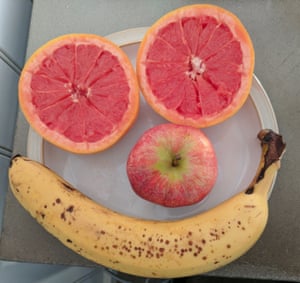
My breakfast usually consists of horrifyingly sugary cereal, to provide me with the artificial jolt of energy required to see me through the morning. Today, however, I eat a grapefruit, a banana and an apple. Better yet, a whole grapefruit counts as two portions. Still, it’s 7.30am, and I’ve already almost hit half of my daily quota. In your face, science. I’m going to live for ever.


Except I’m not, obviously, because as Harley Street dietitian and sports nutritionist Raquel Britzke points out, favouring fruit over vegetables has problems of its own. “Both give you carbohydrates, vitamins, minerals, and fibre,” she says. “But fruits tend to have more carbs, and consequently more sugar, than vegetables. If you have a slow metabolism or are trying to lose weight, I recommend eating seven portions of veggies and three portions of fruit.” Great.


A happy start to the experiment.


A happy start to the experiment. Photograph: Stuart Heritage

Lunch


G2 sends a photographer to my house, to show the world what I look like when I’m near some vegetables. Inadvertently, my lunch becomes all the things that the photographer tells me to put into my mouth. This ends up being an apple, a banana and two different carrots.


Dinner


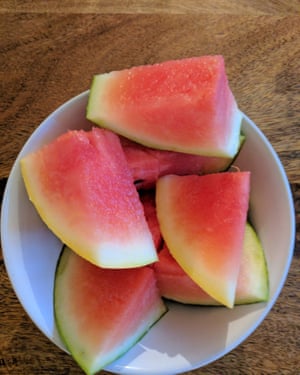
On a normal day, my meal of chicken and potatoes would have been entirely vegetable-free but, knowing that I now have a target to hit, I pile up a mound of cherry tomatoes on the side and work through those as well. It’s not quite the advice I was given by another nutritionist, Laura Thomas, who suggested that all meals should consist of at least 50% vegetables, but it’s a start. A bowl of watermelon for pudding and I’ve easily hit my 10.


Total intake: 10 portions.


Felicity’s verdict


Stuart has immediately discovered the easy part of fruit and veg consumption: the fruit bit. Australians are told fruit should make up just two of their recommended seven portions a day because of its effect on blood sugar – and he has got through 60g of sugar for breakfast alone. Although our own government seems to take the view that any fresh produce is better than the traditional British diet of Jammie Dodgers, it might be wise to swap some of this fruit for avocado on toast or a mushroom omelette occasionally, and save the sweet stuff for pudding later in the day.


Saturday
Breakfast


Now that I have a toddler who can shout the word “pancakes” in a vaguely threatening manner, Saturday breakfast is always a rigidly enforced stack of banana pancakes. The good news: one stack has a whole banana in it. The bad news: it also has eggs and flour in it, which fill me up much more than just a banana would. However, I still manage to heroically force down an apple and two satsumas as well. Four portions, done and dusted by 8am. I am the best.


Saturday breakfast: banana pancakes and fruit.


Saturday breakfast: banana pancakes and fruit. Photograph: Stuart Heritage

Except, wait. After checking the NHS website, I realise that a satsuma only counts as half a portion, which knocks me back down to three. Undaunted, I eat two more satsumas to boost me back up, which means that I’ve now eaten four satsumas in a row for breakfast. This is no way for a man to live.


Snack


I put my son down for a morning nap and, because of this stupid challenge, think: “What a perfect opportunity to eat an entire raw carrot.” It has been years since I last ate an entire raw carrot, and now I see why. Raw carrots are rubbish – all chew and no reward. The carrot takes a thousand years to eat. It takes so long that my son wakes up before I finish, and I have to put the rest of it in my pocket for later. All this work, trying to sneak in a vegetable whenever I have a moment of downtime, is starting to make me feel less like a person and more like a sentient composter.


Lunch


A bowl of chicken-and-vegetable soup (which counts as a portion, according to the label), and two portions of grapes. Two portions of grapes is 28 grapes, which I count out one by one like some sort of shivering Victorian waif. What have I become?


Later, while running errands, the wind begins. There is a good three-minute stretch where a brand-new fart pops out of my trousers with every step I take. This is new. So much for science; I worry that if everyone eats 10 portions of fruit and veg a day, we’ll all end up dead from methane inhalation.


Dinner


Meatballs and pasta and tomato sauce (homemade, so it counts) and another big bowl of watermelon. I’ve hit my 10 portions again, and I only had to accidentally fumigate one shop to do it.


Total intake: 10 portions.


Felicity’s verdict


Banana pancakes are a painless way to get fruit into children; top with berries to add an extra portion, and ring the changes with cheesy courgette or crispy carrot fritters occasionally. Equally, at this time of year, when salads feel a bit punishing, soup is a lifesaver: minestrone will happily absorb any old odds and ends you have in the fridge. You can also add finely chopped veg to meatballs and burgers (grated carrot or finely chopped spinach are good candidates) – and, of course, if Stuart ever finishes that sugary watermelon, he could always knock up a chocolate beetroot or parsnip-and-orange cake as an after-dinner treat.


A bountiful breakfast.


A bountiful breakfast. Photograph: Stuart Heritage

Sunday
Breakfast


The plan was to have a nice, big, healthy breakfast and then head out as a family to a fancy event in London. However, a combination of train cancellations, a sick wife and barely any sleep means that breakfast now consists of a chocolate chip cookie that I made with my son yesterday. The cookie has a glacé cherry on it. Glacé cherries apparently do not count towards your 10 a day. This feels like an oversight on the part of the NHS.


Lunch


Post-event, with my wife home unwell, my son and I find ourselves in the nightmarish epicentre of tourist hellscape London. Thomas’s advice for eating out is this: “Ordering vegetable sides is a good option, but you could also think about replacing one of your protein foods with beans – they can count as one portion per day. Trying to get more vegetarian meals in, too, will make it much easier, and this is consistent with the advice to cut back on red and processed meat.”


However, this is an emergency; I just want to survive today. Lunch ends up being something that can be eaten quickly at the nearest possible kid-friendly place: a burger and chips from Giraffe. (Chips don’t count as a portion, by the way. I checked.) I could have ordered vegetables but, after yesterday’s carrot debacle, I realise that I would still be there chewing on it now if I had. Knowing what a failure today has become, and remembering that Thomas said they count, I order a smoothie. At least that’s something.


On the train home, I distract my son and, when he isn’t looking, eat some of the snacks I bought for him. I manage six grapes and a third of a satsuma, which is about two-thirds of a portion in total. Still counts, though.


Basically watermelon is terrible for you.


Basically watermelon is terrible for you. Photograph: Stuart Heritage

Dinner


Poor marital communication means that we end up eating chips again in the evening. On the plus side, we also have baked beans. Half a can of baked beans equals one portion of vegetables, and for one beautiful moment I toy with the idea of getting back on track by gorging myself on a multipack. However, the NHS guidance points out that anything over half a can still only counts as one portion, because they “don’t give the same mixture of vitamins, minerals and other nutrients as fruit and vegetables”. This, it dawns on me, also applies to my doubled-up portions of grapefuit, apple and banana on Friday. I check the NHS’s five a day website and it explains that “to get the maximum benefits, you need to eat different types of fruit and vegetables”. Stupid NHS. This isn’t why I pay my taxes.


More watermelon for pudding, but this doesn’t really make up for anything, especially since Britzke has decided to single out watermelon as one of the worst fruits to eat, thanks to its high glycemic index. Nutritionally, today has been a disaster.


Total intake: 3.66 portions.


Felicity’s verdict


The problem with fruit and vegetables is that they tend to take more preparation than merely opening a packet (or, in Stuart’s case, the biscuit tin), so it’s a good idea to keep carrot sticks or broccoli florets handy for those moments when you don’t have time to faff about with cooking, ideally with a pot of something delicious to dip them into so you don’t lose the will to live and reach for the crisps instead. In fact, like many healthy eating regimes, fitting more fruit and veg into your diet is much easier with a bit of forward planning. Stock up on frozen veg, tins of beans and pulses, and jars of fruit to add to meals when the salad drawer is bare. Also remember that although the potato is cruelly classed, by the powers that be, as a starchy food rather than a vegetable by the powers that be, the sweet potato is not – and it makes seriously delicious chips. Just saying, Stuart.


MONDAY
Breakfast


Yesterday broke me. Carting a kid about for a day is stressful enough as it is, and fretting about hitting a seemingly arbitrary vegetable target just added another level of anxiety to proceedings. So, today, screw it. I’m just going to eat like normal. And, hey, if it kills me, it kills me. Breakfast is a leftover grapefruit. Happy now?


This only soups up the tally by one.


This only soups up the tally by one. Photograph: Stuart Heritage

Snack


An apple. If we’re being honest, it’s an apple and two Cadbury Creme Eggs. But we’re only counting the fruit and vegetables I eat, not any of my other disgusting dietary habits. Still, that’s two portions so far.


Lunch


More chicken-and-vegetable soup. That makes three portions of fruit and veg. If these were the bad old days, back when we were all gormless knuckle-draggers who only thought we needed to eat five portions a day to be healthy, I’d have been laughing. God, I miss the bad old days.


Dinner


I make shepherd’s pie. It contains two tins of tomatoes, two onions, two carrots, a leek that I had lying around and some frozen peas. If I’ve done my maths right, divided by five, I think this works out at three portions a person. Add in the requisite bowl of watermelon at the end and that’s four portions.


Total intake: seven portions.


Felicity’s verdict


In just four days, Stuart’s achieved fruit and veg enlightenment: the secret to eating more is to incorporate them into your ordinary diet, rather than hoping you’ll magically turn into the kind of person who enjoys snacking on raw kale. Adding extra portions to stews, curries, ragus and the like makes it feel a lot less like eating rabbit food than munching on a raw carrot – next time he could try mixing some celeriac into the mash on top of his shepherd’s pie, too. And don’t worry if some days are better than others: if beans on toast and an apple are the best you can manage, it’s still better than nothing. Even if you do have a Creme Egg on the side.


Total four-day intake: 30.66/40 portions


(If you let me have the doubled-up fruit and veg, which you shouldn’t, but hey.)


Without really trying, I’ve come tantalisingly close to the target. It hasn’t made me too farty. It hasn’t caused me any stress. So perhaps this is the secret here: you should just eat as many portions of fruit and vegetables as you can without letting it take over your life. If it goes belly-up for a day – which it will, because there is more to life than endlessly chewing on foliage – then that’s not a big deal. After all, what’s the point of living longer if it’s just going to make you uptight, unhappy and flatulent? Quit whining, science. I’m doing fine.


The 10-a-day diet tested: "I feel like a sentient composter"

22 Şubat 2017 Çarşamba

12 Most Effective Cholesterol Lowering Foods to Add To Your Diet

Probably you are familiar with a popular statement regarding the connection between cholesterol levels and heart health that says ‘in order to prevent heart disease you have to maintain high HDL (“good”) cholesterol and low LDL (“bad”) cholesterol levels.’


Studies have shown that having high cholesterol especially LDL cholesterol is associated with an increased risk of heart disease. In addition, having low HDL cholesterol and high triglycerides is also linked to increased risk. People with high blood triglycerides are usually found to have lower HDL cholesterol.


Oxidative Stress


When one has oxidative stress, in which antioxidants are lacking and more free radicals roaming around in your bloodstream and inside your cells, certain amounts of cholesterol in VLDL, IDL, LDL, and HDL become oxidized and converted into oxysterol.


There are many factors involve in oxidative stress, including smoking, psychological stress, unhealthy diet habits, high blood glucose, and physical inactivity.


Other factors less discussed include too many toxins in the body due to a prolonged impaired detox and drinking too much alcohol (ethanol from alcohol is converted to ethanal (an aldehyde), a strong oxidizer that can oxidize cholesterol).


Still, another factor thought to impair the lipid profile (triglyceride, total cholesterol, HDL, and LDL levels) is habitual uses of polyunsaturated vegetable oils, including soy oil, sunflower oil, and corn oil. When heated at 180 degrees Fahrenheit or more these oils turn into aldehydes, very potent oxidizing compounds which can oxidize cholesterol.


Other Oxidizers


Cholesterol is one of the cell membrane components. There are other components prone to get oxidized as well, including other types of lipids and proteins. When they are oxidized, you liver send out lots of LDL loaded with cholesterol to help strengthen the cell membrane structure.


Besides oxysterol, ethanal, and some other types of aldehydes (polyunsaturated vegetable oils) there are other oxidizers that can oxidize cell membrane components, including polycyclic aromatic hydrocarbon, polycyclic amines, and acrylamides. Other oxidizers include advanced glycation end-products, cadmium (in cigarette smoke), arsenic, lead, and mercury.


Once the cell membranes get attacked by any or a combination of these oxidizers, LDL cholesterol levels become higher as cholesterol is needed to repair/strengthen the cell membrane structures.


At the same time, HDL levels become lower because much is retained in the cell membrane.


Fortunately, there are foods you can consume to help lower and increase the LDL and HDL levels, respectively.


CHOLESTEROL-LOWERING FOODS


Fruits and Berries


Taking various types of fruits especially deep-colored ones can help lower cholesterol and improve heart health.


Studies have shown that soluble fiber contents in many types of fruits may help lower cholesterol levels. Insoluble fiber helps lower cholesterol levels by getting rid of cholesterol and preventing cholesterol production by the liver.


Pectin, a soluble fiber found in fruits, including grapes, citrus fruits, apples, and strawberries, has been shown to lower cholesterol by up to 10%.


Bioactive compounds in many types of fruits which comprise antioxidant and anti-inflammatory phytonutrients along with vitamin C can improve lipid profile which in turn may help prevent heart disease.


Berries and grapes are particularly rich sources of phytonutrients, including antioxidant and anti-inflammatory polyphenols and bioflavonoids, both of which can help increase HDL cholesterol and lower LDL cholesterol.


Vegetables


Fiber and antioxidant rich contents make vegetables an important part of a heart-healthy diet. In addition, their low calories are helpful for maintaining a healthy weight.


Some vegetables such eggplants, potatoes, okra, and carrots are rich in pectin, the same cholesterol-lowering soluble fiber found in citrus fruits and apple.


Vegetables also offer a range of plant compounds including carotenoids, polyphenols, bioflavonoids, lignins, and stilbenes, which are associated with many health benefits including protection against heart disease.


Carotenoids in dark leafy greens act as antioxidants to get rid of harmful free radicals that can lead to atherosclerosis.


Legumes


Legumes, alternatively known as pulses, are a group of plant foods that include beans, lentil, and peas.


Besides rich in fiber, they also contain minerals and good amounts of protein. Consuming them along with some unrefined grains can help lower your risk of heart disease.


A study involved a review of 26 randomized controlled studies found that eating half a cup (118 ml) of legumes per day is effective in lowering LDL cholesterol by an average of 6.6 mg/dl, as compared to not eating legumes.


Nuts, Especially Almonds and Walnuts


A study has demonstrated that’s eating nut-enriched diets have cholesterol lowering effects.  Another study involving subjects at high cardiovascular risk showed that regular nut consumption is associated with a 30% reduction in cardiovascular diseases.


Nuts, exceptionally nutrient-dense food, are very high in monounsaturated fats, a kind of fat similar to that of olive oil. In addition, walnuts also offer the plant variety of omega-3 fatty acids, a type of anti-inflammatory polyunsaturated fat that’s linked to heart health.


Besides particularly rich in L-arginine, an amino acid that helps make nitric oxide, nuts also contain phytosterols. These plant sterols are structurally similar to cholesterol which can help lower the body cholesterol by blocking its absorption in the intestines.


Magnesium, calcium, and potassium are also found in nuts, all of which are linked to reduced blood pressure and lower risk of heart disease.


A study that involved an analysis of 25 studies, eating two to three servings of nuts per day found to decrease LDL cholesterol by an average of 10.2 mg/dl


Fatty Fish


Fatty fish offers high levels of omega-3 fatty acids and have been linked to a decreased risk of heart disease and stroke.


Salmon and mackerel are the two fatty fish found to have excellent sources of long-chain omega-3 fatty acids, which have cholesterol-lowering effects and anti-inflammatory properties.


Fish is famously known as a major source of protein in the Mediterranean diet, which has been extensively studied for its benefits for heart health.


Avoid consuming fried fish as much as possible as it may actually increase the risk of heart disease and stroke. The healthiest ways to consume fish are baked, broiled, grilled, or raw.


Dark Chocolate and Cocoa


Dark chocolate and cocoa are rich in bioflavonoids that can help lower LDL cholesterol while raising HDL cholesterol. They also help lower blood pressure.


Another study has demonstrated that cocoa and dark chocolate may help protect the LDL cholesterol in your blood from oxidation, which is a key step in the pathway towards heart disease


As chocolate is often high in added sugar, which negatively affects lipid profile, therefore, you should use cocoa directly or choose dark chocolate with a cocoa content of 75–85% or higher.


Avocados


Avocados are an exceptionally excellent for lipid profile as they contain monounsaturated fatty acids and fiber, two heart-healthy and cholesterol-lowering nutrients.


Clinical studies have demonstrated that participants consuming one avocado daily had helped lowered LDL levels compared to those who didn’t eat avocados.


In addition, other studies have found that substituting avocados for other fats was associated with lower total cholesterol, LDL, and triglycerides.


Whole Grains, Especially Oats and Barley


Whole grains have all parts of the grain remain intact, which provides them with more vitamins, minerals, phytonutrients, and fiber compared to that of refined grains.


While studies have suggested that all whole grains may promote heart health, two grains are particularly worth noting: oats and barley.


Oats contain beta-glucan, a soluble fiber that helps lower cholesterol.  Consuming oats is associated with a decrease of 5% total cholesterol and 7% of LDL cholesterol.


Barley is also rich in beta-glucan that has also been found to help lower LDL cholesterol.


Garlic


Garlic has been used by people of diverse cultures the world over for centuries as an ingredient in cooking and as a medicine. It contains various potent phytonutrients, including allicin, which is the main active compound in garlic.


Studies have suggested that garlic may help lower total and LDL cholesterol, nonetheless, the effect is less strong.


Aged garlic is considered to contribute better results in improving lipid profile compared to normal garlic.


Soy Foods


Soy proteins and isoflavones (bioflavonoids) have been reported to exert beneficial effects on the lipid profile.


A recent analysis of 35 studies has suggested that consuming soy foods was linked to reductions in LDL and total cholesterol and increased HDL cholesterol.


Unfermented soy products such as soy milk and tofu are said to prevent the absorptions of important mineral such as iron. The best soy products to consume are fermented soy beans such as tempeh, miso, and brewed soy sauce.


Extra Virgin Olive Oil


Extra virgin olive oil is one of the most important foods in the heart-healthy Mediterranean diet.


Olive oil is loaded with monounsaturated fatty acids, carotenoids, polyphenols, and bioflavonoids that may help raise HDL cholesterol levels and lower LDL cholesterol. Its polyphenols, some of which have been shown to reduce the inflammation that can drive heart disease.


Tea


Two primary antioxidant phytonutrients in tea that deliver benefits are catechins and quercetin.


Catechins has been found to inhibit cholesterol synthesis and absorption and help prevent blood clots. Quercetin may help improve blood vessel function and lower inflammation.


Last but Not Least


There are many other antioxidant-rich foods, most of which you probably have already consumed them regularly to help improve your lipid profile, including thyme, rosemary, oregano, cinnamon, clove, ginger, turmeric, and jalapeno.


Kimchi and apple cider vinegar are also said to help improve lipid profile due to the increased bioavailability of the antioxidant phytonutrients.


12 Most Effective Cholesterol Lowering Foods to Add To Your Diet

21 Şubat 2017 Salı

A Controversial Way To Heal Type 2 Diabetes With A High-Carbohydrate Diet

If you’re looking for alternative methods to naturally heal your type 2 diabetes for life, then there’s a highly effective method for you to try.


The actual statistics for type 2 diabetes are shocking.


Worldwide there are now 347 million people who now have diabetes. (1)


Of these same people 90% of them suffer with type 2 diabetes. (1) The World Health Organisation projects that diabetes deaths will increase by two thirds between 2008 and 2030 (1).


In the United States, diabetes affects 25.8 million people of all ages which is 8.3% of the U.S. population (2).


Shocking as these figures are, it is also the other diseases and health issues that can affect many diabetics that is also a great cause for concern.


Did you know that diabetes is the leading cause of kidney failure, non-traumatic lower-limb amputations, and new cases of blindness among adults in the United States, as well as a major cause of heart disease and strokes. (2)


So what exactly is type 2 diabetes?


Type 2 diabetes or ‘adult diabetes’ as it used to be call (not so now as more and more children are now suffering from it) is a metabolic disorder where the body becomes insulin resistant and is characterized by a high level of glucose in the blood.


Put simply the hormone insulin, which is produced by the pancreas, is required to transport the sugars in our blood (that we get from what we eat) into your body’s cells where they can then be utilised.


The problem with type 2 diabetes happens when the body’s cells begin to literally ‘resist’ the insulin hormone which is transporting the sugars.


This means the sugar continues to circulate around the blood instead of going straight into the body’s cells and so the pancreas produces even more insulin in an effort to transport the sugar (glucose) out of the blood and into the cells of the body, thus stressing the pancreas.


Over a long period of time this will have a debilitating effect on the pancreas due to it being stressed by the over-production of insulin.


This will often result in less and less insulin being produced by the pancreas and so the need for more drugs/medical intervention.


The other type of diabetes (type 1) differs from type 2 in that the insulin producing cells of the pancreas are destroy by the body’s own immune system (known as autoimmune disease).


As yet, there is no known cure for the Type 1 diabetes, where patients need to take insulin via medication, though a healthy lifestyle, including diet, can certainly help you improve Type 1 diabetes.


Why do people get type 2 diabetes?


Within the mainstream medical profession, it is understood that there is no one single cause of type 2 diabetes and it is thought that a person’s chance of developing this disease is linked to several factors, which include:


  • An individual’s genetic predisposition

  • Environmental factors, such as exposure to endocrine disrupting chemicals

  • Lifestyle factors, such as being overweight/obese, lack of exercise and poor diet

No doubt factors, such as genetics and the others listed do play a part in ‘deciding’ what diseases may affect you personally.


Yet people with type 2 diabetes have completely healed their condition with the help of a high-carbohydrate, plant-based diet.


So what exactly has a standard diet got to do with type 2 diabetes?


Processed food, FAT and large amounts of it!


Many health professionals outside of the mainstream now advocate around 10% fat or less to be truly healthy such as Dr John McDougall, Dr Neal Barnard, and Dr Michael Klaper to name just a few.


And the reason is because they recognize that the modern western diet as it is now has way too much fat, including saturated animal fat, which is well known for its many negative health effects.


Insulin and high fat intake do not go together well!


Consuming too much fat (both animal and plant-based fat) and over loading the body with it can lead to also sorts of health issues.


One of these is when fat begins to interfere with the process of sugar metabolism and brings on the disease we know as type 2 diabetes.


With a sustained high fat intake the cells of the body begin to struggle with the delivery of the sugars via the transport medium we know as the hormone (insulin).


With the excess fat coating the cells and thus impairing this hugely important process the disease we know as type 2 diabetes begins.


Many studies have been conducted over the years that show a high carbohydrate, low fat, plant-based diet can make a huge positive impact on the health of people who are suffering with Type 2 diabetes.


For instance, studies carried out by the University of Kentucky Medical School reported that as many as two-thirds of diabetics were able to discontinue with the use of insulin and almost all of them stopped oral medication (3).


Another study found how a low fat vegan diet improves glycemic control in individuals with Type 2 diabetes. (4)


Studies tend to use low fat vegetarian diets to carry out their testing, but you can do even better than this diet and that is switching to a low fat vegan plan with lots of raw foods on the menu.


For example, several of our clients and followers have actually reversed their type 2 diabetes completely by switching to a fruit based raw or mostly raw food lifestyle.


Bibi Zambrano came off her diabetes medication within 2 weeks after switching to a high fruit mostly raw food diet and has been off it since. She’s also lost excess weight that she was carrying and healed many other health issues that she had.


She shares her story in this video:


[embedded content]


What can you do if you already have type 2 diabetes?


With the understanding that diet plays a crucial role in whether or not you get Type 2 diabetes, the need for a high carbohydrate, low fat and plant-based diet becomes self-evident.


As well as helping you balance Type 2 diabetes, it will also help you shed excess weight naturally, maintain a slim figure for life, have more energy and a much greater inner connection.


Making a transition to this way of eating doesn’t have to be hard either — you can simply begin to replace your old food with new and healthy alternatives.


Once you’ve started experiencing all these amazing changes, you’ll wonder how you ever lived without them!


About the author: Yulia Tarbath is a Certified Holistic Nutritionist at Rawsomehealthy, author, parent and international speaker with nearly 8 years of experience on a raw foods, vegan lifestyle. She’s passionate about supporting you in cleansing and healing your body the sweet way, as well as achieving the shape and health of your dreams.


Get started on a high-carbohydrate plant-based diet today by signing up to this FREE 5-day raw food menu plan! 


Bibliography:


  1. http://www.who.int/mediacentre/factsheets/fs312/en/

  2. http://diabetes.niddk.nih.gov/dm/pubs/statistics/

  3. Kiehm TG, Anderson JW, Ward K.  Beneficial effects of a high carbohydrate, high fiber diet on hyperglycemic diabetic men.  Am J Clin Nutr. 1976 Aug;29(8):895-9.

  4. http://care.diabetesjournals.org/content/29/8/1777


A Controversial Way To Heal Type 2 Diabetes With A High-Carbohydrate Diet