cancer etiketine sahip kayıtlar gösteriliyor. Tüm kayıtları göster

11 Mayıs 2017 Perşembe

NHS patients waiting months for vital bowel cancer tests, figures show

Patients with one of the most lethal forms of cancer are having to wait months to have vital diagnostic tests, in a new sign of the relentless pressure on NHS services.


People suspected of having bowel cancer are facing waits of three months for tests when they should have them within a maximum of six weeks, the latest NHS waiting time figures show.


In March almost half the patients referred for the disease to Mid Yorkshire Hospitals NHS Trust had to wait more than the six weeks set out in the NHS constitution. In all 144 (49.3%) of the 292 patients that month had to ensure waits of several months, and 39 of them were kept waiting for more than 13 weeks.


Campigners warned that patients could die as a result of the delays in patients undergoing either a colonoscopy or flexible sigmoidoscopy, the two tests used to detect bowel cancer.


Prof Colin Rees, vice-president of the British Society of Gastroenterology, said: “By testing the right people at the right time we can save lives and stop people dying needlessly.”


In March 24% of hospital trusts in England missed the six-week target for colonoscopy, which meant that 1,121 patients were kept waiting. In the same month, 18% of hospitals breached the six-week target for flexi-sigmoidoscopy.


Deborah Alsina, chief executive of Bowel Cancer UK, said the waiting times “present a worrying picture for patients”. She identified a lack of diagnotic staff as a key problem and lamented the latest of several delays in Health Education England publishing a plan, first promised in 2015, to boost the NHS cancer workforce.


About 41,000 people a year in the UK develop bowel cancer and around 16,000 die from it. It is Britain’s fourth most deadly cancer after lung, breast and prostate.


Meanwhile, NHS performance against its key waiting times targets is now the highest it has been for five years, NHS Englnd’s latest statistics show.


During 2015-16, 2.5 million people were not treated within four hours of arriving in A&E, and a total of 362,687 patients did not receive planned care in hospital – usually an operation – within 18 weeks.


Another 26,113 waited longer than 62 days for supposedly urgent cancer treatment after being referred by their GP, while 985,583 people with a life-threatening condition waited more than the maximum eight minutes for an ambulance to respond to an 999 call.


“These figures reveal the dismal human cost of the NHS crisis,” said Norman Lamb, the Liberal Democrat health spokesman. “Millions of patients are waiting in distress and anxiety, but Theresa may doesn’t care.”


Responding to the latest monthly statistics, a Conservative spokesman said: “These figures show A&E performance has improved a great deal since the equivalent time last year. Waiting times for an operation again got shorter in March, and crucially patient outcomes continue to improve. Breast cancer survival is at its highest ever level.”


The figures came as the Health Foundation warned that the care patients receive is under threat because of the NHS’s unprecedented financial squeeze.


In a report, the thinktank says: “It is difficult to see how the intense financial pressures on all NHS and social care services will not threaten the quality of care in the near future if nothing changes.


“As OECD analyses have shown, the UK’s performance on quality is middling when compared with other OECD countries, but then so are our funding levels.”


NHS patients waiting months for vital bowel cancer tests, figures show

28 Nisan 2017 Cuma

Thousands of cancer patients denied wish to die at home

Tens of thousands of people with cancer are dying in hospital every year even though they would rather spend their final days at home or in a hospice.


Although only 1% of cancer patients say they would prefer to die in hospital, 38% do, according to research by Macmillan Cancer Support, equating to 62,000 people a year across the UK.


A lack of health services outside hospitals, such as district nurses, to support people in their homes in their last days has been cited as a key reason behind the discovery.


But Macmillan said “a crisis of communication in the UK when it comes to death” and especially cancer patients’ reluctance to talk about their feelings, including their death, was preventing people achieving their own preferences. .


“There is a stark difference between a ‘good’ and a ‘bad’ death. We want everyone, where possible, to have a death that’s pain-free and in the place of their choosing. This is where the power of talking about death in advance is crucial,” said Adrienne Betteley, the charity’s head of health and social care.


Macmillan’s research, among 2,005 people who had been diagnosed with cancer, revealed that three in four had thought about the fact that they might die from the disease and one in five thought about it constantly or often.


However, 35% of those questioned had not spoken to anyone else about how they were feeling and just 8% had discussed matters with any of their health professionals.


Macmillan suggests people with cancer more readily relay how they are feeling, especially about where they want to die.


“The only certainty in life is that we will all die. What is less certain is where and what experience we will have when it happens. It’s only by talking about dying that we can agree what is really important to us, and put plans in place to make that happen,” said Lynda Thomas, Macmillan’s chief executive.


Amanda Cheesley, the Royal College of Nursing’s professional lead for long-term conditions and end-of-life care, said: “This country sadly still has serious work to do when it comes to end-of-life care. We must help patients to express their wishes, but we also need to make more options available in the first place. Declining numbers of community and district nurses and a lack of social care mean too many have to stay in hospital whether they want to or not.


“The nursing shortage is making a bad situation worse. With fewer nursing staff on wards, many are unable to facilitate discussions about death, and two-thirds of nurses say they don’t have the time to deliver the high-quality care that dying patients need.”


Thousands of cancer patients denied wish to die at home

25 Nisan 2017 Salı

Purple Cabbage Juice That Beats Hypertension, Cancer, Removes Toxins & Heals Gut Naturally

If you don’t like to juice green cabbage, try juicing the purple cabbage instead. Purple cabbage has a vibrant beautiful color when juiced and tastes quite sweet, unlike green cabbage which can be a tad more bitter. Cabbage is absolutely loaded with goodness. It contains powerful antioxidant and anti-inflammatory properties. It’s wonderful for heart health, helping to reduce cholesterol by binding bile acids in the intestine. The lactic acid in cabbage also acts as a potent colon cleanser.


This recipe is a master healer to the gut and digestive system, beats hypertension, prevent cancer and loaded with phytonutrients known to guard against cancer and cleanse your kidneys too.


Purple Cabbage Juice Recipe


INGREDIENTS:


3 plums
1/4 small purple cabbage
1 beetroot (beet)
2 sticks of celery
1 orange


DIRECTIONS:


Wash all produce well.
Remove the stones from the plums.
Chop the desired amount of cabbage; I used a small purple cabbage.
Peel the orange.
Juice ingredients.
Pour over ice and enjoy!


Why Are These Ingredients BENEFICIAL?


Plums

-Fight against infectious agents, counter inflammation and free radicals.
-Vitamin A found in plums is also known to protect from oral and cavity cancer.
-Eating three servings of this fruit daily can lower the risk of developing age-related macular degeneration.


Celery

-Beneficial to the digestive tract.
-Great sources of antioxidant and phytonutrients.
-Provides a fair amount of dietary fiber.


Purple Cabbage

-Purple cabbage is rich in these antioxidants which has also been found to make skin supple and clear.
-Purple cabbage is an alkalizing food. It helps regulate the pH in our system.
-Cabbage aids in digestion and elimination Cabbage can dramatically lower bad cholesterol and helps lower blood pressure.


Orange

-Rich in Vitamin C, B6, A, E, calcium, iron, magnesium, potassium, and zinc.
-Aids in digestion.
-Purify blood naturally.


Beets

-Super Antioxidant for a Long, Healthy, Pain-Free Life
-Beetroot ingestion can be one of the useful means to prevent lung and skin cancer.
-The betalains in beets have been used in certain treatments of depression.


Sources:


http://www.livestrong.com/article/410758-what-are-the-health-benefits-of-red-cabbage-vs-green-cabbage/


https://www.ncbi.nlm.nih.gov/pmc/articles/PMC1082903/


https://www.sciencedaily.com/releases/2008/03/080307081409.htm


https://www.ncbi.nlm.nih.gov/pubmed/7700983


Geary Andrew on Facebook

Geary Andrew

Bachelor of Science, Psychology, Minor in business and liberal arts. I’ve written about health for more than a decade. Veteran freelance writer with expertise in health, wellness, parenting and lifestyle issues. I am passionate about educating and empowering people to achieve and maintain optimal health and is committed to providing the highest quality health care.


Purple Cabbage Juice That Beats Hypertension, Cancer, Removes Toxins & Heals Gut Naturally

Cancer symptoms often missed by GPs in England, study suggests

Thousands of people diagnosed with cancer in A&E every year have visited their GP three times or more with symptoms, research has shown.


The study found that 71% of all patients diagnosed in accident and emergency departments had seen their GP at least once with symptoms that turned out to be cancer. The remainder had never visited their GP.


Of the group that did see their GP with symptoms, 41% had sought help three or more times while 59% had seen their GP once or twice.


Some of these had difficult-to-spot cancers, such as lung cancer or multiple myeloma, and tended to be younger or female.


But the group also included people with common cancers such as breast cancer. The study found that 31% of patients with breast cancer had visited their GP three or more times, 41% with bowel cancer had visited three or more times, and 37% with prostate cancer had visited three or more times.


People who are diagnosed with cancer as an emergency have a worse prognosis than those diagnosed at an earlier stage. The quicker a cancer patient can get a diagnosis, the better their options for treatment.


The study, said to be the most comprehensive to date, was published in the British Journal of General Practice. The authors, including from University College London, the University of Cambridge and Public Health England, analysed 2010 data from 4,637 people diagnosed in A&E.


They found those patients who had never been to their GP tended to be older, male and living in the most deprived regions of England.


Patients in A&E diagnosed with common cancers who had visited their GP three times or more may be presenting with atypical symptoms, the authors said.


A previous study, including by three of the same authors, found those patients who saw a GP three or more times before being referred for cancer tests were more likely to be dissatisfied with their overall care.


They also have less confidence in the doctors and nurses who go on to treat them, that study found.


Dr Georgios Lyratzopoulos, one of the lead researchers based at UCL, said: “These findings tell us that some patients diagnosed as an emergency might not be acting on ‘red flag’ symptoms which could have prompted them to visit their GP.


“There’s also a host of other factors that may be at play. For example, many elderly patients may find it difficult to get to the surgery or have other conditions which would prevent them from seeking an appointment, such as dementia.


“This highlights the need to explore all the reasons why cancers are diagnosed late, including what happens outside GP surgeries.


“It also shows that late diagnosis is more complex than it’s often presented to be, as there are multiple reasons why cancers are spotted late.”


Dr Julie Sharp of Cancer Research UK said: “Campaigns like Be Clear on Cancer have boosted the public’s awareness of cancer signs and symptoms. But this study shows that there are multiple reasons that affect how and when a cancer diagnosis is made.


“We need to continue to increase awareness of cancer signs and symptoms and help break down the barriers preventing people from seeing their GP earlier. GPs need better access to the right tests and referral routes if we want to see this number reduced.”


Judith Brodie, acting chief executive of the charity Beating Bowel Cancer, said: “It’s concerning that the study shows 41% of bowel cancer patients who are diagnosed as emergencies had previously sought help from their GP three or more times.


“A bowel cancer patient’s chance of being successfully treated drops dramatically if they are not diagnosed until a late stage so more must be done to ensure that the public is aware of the symptoms and how important it is to get them checked out as soon as possible.


“Knowledge of the disease will also give them the confidence to persevere with their GP if they feel their symptoms are not being taken seriously enough.”


Cancer symptoms often missed by GPs in England, study suggests

24 Nisan 2017 Pazartesi

Twelve essential oils that fight cancer and boost immunity

One-third of American’s are seeking alternative medicine for either their sole medical treatment or for complementary medical treatment.  People are often incorporating vitamins, fish oil, probiotics, melatonin, deep breathing, yoga, or chiropractic care into their natural health arsenal.  It appears that natural health care trends are only projected to keep growing. (1)


One-third of Americans are seeking alternative medicine


The organic food market is expected to grow 14 percent between the years of 2013-2018 and the global essential oil market is expected to reach 11.67 billion dollars by 2022. (2,3)


Essential oils have been utilized in numerous cultures for decades to help remedy disease.  Essentials oils may have gained their appeal through their pleasant scents but will maintain their longevity due to research and the growing demand for alternative medicine.


Different varieties of Frankincense oil found to kill bladder cancer, breast cancer and skin cancer cells


The University of Oklahoma Health Sciences found that different types of frankincense oils are effective at killing cancer cells.  Boswellia carteri has been found to target cancerous cells in bladder tumors, killing them and leaving healthy cells alone.  Boswellia sacramay is thought to be effective in breast cancer prevention as well as for advanced breast cancers.  Boswellia sacrais is an effective and non-invasive treatment for basal cell carcinoma. Boswellia carteri and Santalum album both kill cancer cells in different ways, when combined they form a strong alliance to annihilate cancer. (4)


Twelve essential oils that help fight cancer, boost immunity and improve health and well-being


Frankincense oil is not the only effective oil for cancer.  Consider adding the following 12 oils to your collection in order to boost your immune system and help your body fight infection and disease.


  1. Black Pepper: Use for asthma, sinus congestion, chronic indigestion, cold,  respiratory infections, obesity, improper metabolism, urinary problems, cholera, headache, intermittent fever, toxic remains in the system, and cancer. (5)

  2. Cinnamon: Eighty studies have investigated cinnamaldehyde’s ability to inhibit tumor cell death and cancer cell apoptosis. (6)

  3. Clove: Clove oil contains 30x more anti-oxidants than blueberries which helps reduce free radical damage. (7)

  4. Oregano: Oregano’s active ingredient, carvacrol, shown to have anti-tumor effects on metastatic breast cancer cells. (8)

  5. Cardamom:  Cardamom essential oil shows to have chemopreventative and anti-tumor effects. (9)

  6. Fennel: Fennel contains terpenoid anethole, which has both estrogenic and chemopreventive effects. (10)

  7. Frankincense: Kills bladder cancer, breast cancer, and skin cancer cells. (4)

  8. Clary Sage: Clary Sage contains sclareol which has anticancer effects against breast cancer cells. (11)

  9. Melaleuca (Tea Tree): Tea tree oil was found to fight non-melanoma skin cancer in mice. (12)

  10. Helichrysum: Studies show that helichrysum oil lowers inflammation, fights against free radical damage and has corticoid-like effects. (13)

  11. Rosemary: One study concluded that a 1 percent rosemary essential oil was able to deactivate more than 90 percent of ovarian and liver cancer cells. (14)

  12. Thyme:  A 2010 study found that thyme oil was effective against breast cancer, lung cancer,a nd prostate cancer cells. (14)

Seeking out a licensed aromatherapist or medical practitioner can help you better understand how to use essential oils, their purposes and how they can promote your own personal well-being.


Sources included:


(1) http://www.cnn.com/2015/02/11/health/feat-alternative-medicine-study/


(2) http://www.foodnavigator-usa.com/Markets/US-organic-food-market-to-grow-14-from-2013-18


(3) http://www.prnewswire.com/news-releases/essential-oil-market-size-to-reach-1167-billion-by-2022-grand-view-research-inc-531216151.html


(4) https://www.cancertutor.com/are-essential-oils-the-missing-link-to-cancer-prevention/


(5) http://ayurvedicoils.com/tag/health-benefits-of-black-pepper-essential-oil


(6) http://drericz.com/cinnamon-essential-oil-for-cancer-diabetes-and-more/


(7) http://draxe.com/clove-oil-uses-benefits/


(8) http://www.naturalnews.com/046004_oregano_oil_cancer_growth_norovirus.html#


(9) http://drericz.com/fight-cancer-and-nausea-with-cardamom-essential-oil/


(10) http://foodforbreastcancer.com/foods/fennel


(11) http://roberttisserand.com/2010/04/is-clary-sage-oil-estrogenic/


(12) http://www.mypureradiance.com/thousand-year-old-oil-beats-cancer/


(13) http://draxe.com/helichrysum-essential-oil/


(14)http://www.thealternativedaily.com/herbal-essential-oils-cancer-cells/


Lynn Griffith

Lynn is a licensed therapist who enjoys cooking, creativity and enjoys helping other’s learn how to care for their minds and bodies through healthy eating.  Lynn has wrote for The Raw Food World News and is currently in the process of building her own website focused on managing mental health through nutrition and wellness.


Twelve essential oils that fight cancer and boost immunity

23 Nisan 2017 Pazar

Obesity blamed for sharp rise in kidney cancer in UK

Obesity is to blame for a surge in kidney cancer in the UK, causing an extra 20,000 cases in the last 10 years, according to a leading charity.


Cancer Research UK says that new cases of kidney cancer have risen steeply, by 40% over the past decade.


Obesity and being overweight are implicated in about a quarter of kidney cancers, with smoking linked to another quarter, but while the numbers of people smoking has dropped, obesity continues to rise. The charity’s projections show kidney cancer cases climbing by a further 26% by 2035, which would make it one of the fastest growing types of cancer.


Kidney cancer kills half of those who develop it within 10 years. It is rare in people under the age of 50 and can be halted if caught early – usually by surgery to remove all or part of a kidney. It is often not picked up in time, however, because there may be no obvious symptoms early on.


There are about 11,900 cases of kidney cancer in the UK each year, 7,400 in men and 4,500 in women. About 4,300 people die from the disease each year.


Campaigners are concerned that few people realise obesity is a major factor in developing many types of cancer, including stomach, pancreatic and breast cancer.


“It’s concerning to see kidney cancer cases rising like this. Being overweight or obese is linked to 13 types of cancer, including kidney which is becoming more and more common,” said Dr Julie Sharp of Cancer Research UK.


“Similar to smoking, where damage to cells builds up over time and increases the risk of cancer, damage from carrying excess weight accumulates over a person’s lifetime.”


The symptoms of kidney cancer – when there are any – include blood in urine, a persistent pain below the ribs in the lower back or side, and a lump or swelling in the side. Kidney cancer is sometimes picked up during urine tests carried out for other reasons.


Sarah Toule of the World Cancer Research Fund said that maintaining a healthy weight was extremely important. “In fact, if everyone was a healthy weight, around 25,000 cancer cases could be prevented every year in the UK,” she said.


”There are simple ways people can help maintain a healthy weight, such as cutting out high-calorie food and drinks and doing at least 30 minutes of exercise every day.


“The government also plays a vital role in ensuring strong measures are in place to help the healthy choice be the easy choice. These include restricting junk food marketing to children and reducing the amount of sugar found in everyday products.”


Adam Freeman, a 46-year-old lawyer and father of four from south London, was diagnosed with kidney cancer in 2013. He had surgery to remove a kidney and is now cancer-free.


“When it comes to my lifestyle, I would say that the little devil on my one shoulder won over the angel on my other, so I ducked exercise and ate badly a bit too often.


“Now, since my diagnosis, I try to listen to the angel rather than the devil on my shoulder. I have tried to make things more habitual and rarely skip exercise or make bad food or drink choices. I regularly cycle to work to try and keep fit, and I have also started doing yoga.


“Of course it’s challenging to maintain a healthy lifestyle when you are juggling a career and family. I am only human. I’m a husband and father to our four children and my career can be demanding.


“But that’s why things have to be a habit so it becomes part of your daily life. We talk much more as a family about healthy choices, particularly trying to make the children aware of how much sugar is in drinks and breakfast cereals. We try and reduce the amount of temptations in the house.”


Obesity blamed for sharp rise in kidney cancer in UK

21 Nisan 2017 Cuma

Life with Cancer and the Steadfast Courage in the Face of Death

When I was first diagnosed ( Karen’s Journey ) I couldn’t help myself but to feel afraid, somehow I felt shame for feeling this emotion because I thought as a believer of God I had to be strong in every area of my life despite the challenges I may face. After all the word of God says in His perfect love there is no fear. Could it be then that I really didn’t know of His love? Or perhaps, I’m a normal human being with normal emotions? God gave us emotions right? Let me tell you… Yes!! It is normal to feel afraid!! Now, the question is… what do we do in the midst of that emotion? Do we allow it to paralyze us or do we move from it? So many questions and yet, the bible, pastors, therapists, family, relatives, friends, colleagues, will have their own very unique answer to this complex question. Would they all coincide that Steadfast Courage is a must?


Emotions?


You may be wondering why is this woman talking about emotions on this site? Very simple! Emotions play such a significant role in our everyday life consequently these emotions have a great impact in our over all health. I have personally found a great void in the medical community addressing this very important area of life. Somehow doctors have been trained to separate this vital component of health and detached it from patients healing practices and protocols.


My healing journey has embarked me into a journey of self discovery and I believe this is true for most cancer patients regardless of their treatment preference. Somehow we focus a great deal on our physical being, which of course must be addressed but how about our emotional health? It is known that our emotions have perhaps a greater impact on our health than what we eat. One of the doctors on my team whom I greatly admire once said “A negative thought can kill you faster than a bad germ. One of the main things to detoxify is your mind” (Dr. Antonio Jimenez, 2014).


I am not a doctor nor do I claim to know what is right or wrong for any cancer patient needing medical advice. However, as a cancer thriver myself I can say that I prefer to believe and hope that things can change for me in my reality. Believe I can heal and hope I will live a long life as it was intended by God the creator of the universe.


Settling?


Why should I settle for what the doctors say or what the medical reports reflect. We ALL have an expiration date on our lives and what matters is how we choose to live daily now. I reject fear as it drains my immune system and it puts me in an unnecessary anxiety mode. Think about it… Does fear change the medical report or the doctor’s opinion on your life? Of course not. But what if your positive thoughts and words you intentionally choose to speak over yourself are filled with Steadfast Courage? This choice alone will have an immediate impact over your situation. What if you choose to be vigilant in your emotional awareness just as you are with your diet, exercise, therapies, supplements, relationships, etc. What if you choose to face death with Steadfast Courage? What if you choose to overwhelm your circumstances with hope and faith vs fear? And even if things don’t change for you, would you spend your remaining days alive as an slave of fear?


YOU CHOOSE


You choose what will fill your mind and heart and allow it to take over you… Thankfulness, Peace, Hope, Love … No cancer can ever take that away from you. I don’t claim to be fearless but it is a daily choice I must make to live in gratitude, peace, joy, love and in hope. I have been told that I am an idealist and I don’t live in reality. To be honest if reality means to live in fear, anxiety, hopelessness, faithlessness, unhappiness, pressured with time and allowing life to happen instead of living life, well than yes I am an idealist. I choose to create this other reality for me filled with joy peace hope and love, I choose to believe I can heal. I believe you and I are powerful people and we must choose Steadfast Courage in the Face of Death.


Karen Berrios on BloggerKaren Berrios on Facebook

Karen Berrios

Blogger


After much thought I took the path less travelled, a path on which I strongly believe the Lord is walking right alongside of me.

I started my healing path in 2014 as a 41-year-old wife, mother of three and business owner. I’m still holding these titles as I travel on my new cancer journey. The C diagnoses has given me an invitation to live again, allowing me to learn so much about myself, health, relationships, lifestyle and of course this awful disease… cancer…


I decided to start a blog to share my experiences with you. Of course, many of you may ask why? Why would this woman make herself open and vulnerable to thousands of strangers on the internet? Simple! An amazing invitation was given to me, to embark myself into a healing journey, not only to bring back physical order but to heal my mind and soul, to develop and grow into a new season of change. Although I don’t have all the answers and I don’t have it all together, I want to share, ignite and declare the works of that healing light that dwells in all of us.


No, I cannot say that I am completely “cancer free.” But things are definitely moving in the right direction. Tumor has shrunk, and blood flow to it has been reduced. Looking at my blood work through the eyes of the (conventional) medical community, I can say that my immune system is stronger and my level of tumor markers is lower. I know in my heart that I’m on my way to discover, heal and fully live in thankfulness for every blessing I have, embracing the journey with joy and hope and intentionally loving people everyday of my life. I don’t know how it is all going to end but I know I can choose how I want to live today.


It is my hope and prayer that by sharing my journey, you and others can benefit from what I’ve learned and what I’m still going through. If you, too, are searching for answers, I want you to know that you are not alone, that I am right here with you. But most importantly I want you to know that the power to heal is within you.


Life with Cancer and the Steadfast Courage in the Face of Death

20 Nisan 2017 Perşembe

Graphic anti-drinking ad shows how alcohol causes cancer – video

An Australian ad showing alcohol being absorbed into the bloodstream, spreading and causing cancerous cell mutations in the liver, bowel and throat, has been named the world’s most effective at making people reconsider their alcohol intake. Researchers tested 83 English-language alcohol advertisements on 2,174 adults who regularly consume alcohol. According to the Cancer Council of Australia, more than 3,200 cases of cancer could be prevented each year nationally if people limited their alcohol consumption


Graphic anti-drinking ad shows how alcohol causes cancer – video

Ad linking alcohol to cancer most effective at curbing drinking, study finds

A graphic Australian advertisement that highlights the link between alcohol and cancer has been nominated by drinkers as the most effective in leading them to reconsider their alcohol intake.


The video advertisement, titled Spread, was developed and funded by the Western Australia government. It shows alcohol being absorbed into the bloodstream, spreading and causing cancerous cell mutations in the liver, bowel and throat.


Researchers led by renowned international behavioural scientist Professor Melanie Wakefield tested 83 English-language alcohol advertisements from around the world on 2,174 Australian adults who regularly consume alcohol.


Study participants ranked each advertisement on a five-point scale, with a score of “one” representing a low motivation to reduce drinking after viewing and “five” representing high motivation to reduce drinking after viewing.


Spread ranked the highest with an average score of 3.77 and was favoured across a range of groups including men, women, young and older adults, and low and high-risk drinkers.


Four out of the top 10 most effective advertisements were from Australia and of those, all were from Western Australia. The least motivating ad, from New Zealand, was titled Add Nothing, and encouraged drinking water instead of beer. The results were published on Thursday in the medical journal BMJ Open.


The McCusker Centre for Action on Alcohol and Youth gave input into the development of the highest-ranked ad. The centre’s executive officer, Julia Stafford, said Spread was successful because experts in the field had been approached for input.


“We are really pleased that the evidence base for these harm-reduction ads is building and that we are learning more about what works in designing and running them,” Stafford said.


“It is important that very careful, research-based approaches are being taken.”


According to the Cancer Council of Australia, more than 3,200 cases of cancer each year could be prevented nationally if people limited their alcohol consumption.


But the CEO of Cancel Council Victoria, Todd Harper, said the carcinogenic properties of alcohol were still widely unknown in the community.


“Our 2015 survey of Victorian men and women found that nearly half of the respondents either believed that alcohol made no difference or were not sure if it had any effect on a person’s risk of cancer,” Harper said.


“It’s worrying because alcohol is a group one carcinogen – the highest classification available. It means that there is strong evidence that alcohol causes cancer at some body sites in humans.”


He said that “every drink” increased the risk of mouth, throat, bowel, liver and female breast cancers.


This risk as well as other alcohol-related harms has prompted some public health experts and health professionals to call for plain packaging on alcohol products that warn people of their risk, similar to that used on tobacco products.


But Alcohol Beverages Australia executive director Fergus Taylor dismissed the Spread adas “off the mark” and “scaremongering”.


“The industry has long advocated for targeted measures to deal with specific areas of problem consumption and misuse, as opposed to broad-based, population-wide measures like ads that use cynical scare tactics to frighten responsible drinkers,” he said.


“These ads will just be dismissed as scaremongering by the vast majority of Australians who drink responsibly and are well aware that alcohol should be consumed in moderation.”


Taylor accused researchers of “simply demonising a product that has well-established health benefits when consumed at moderate and responsible levels”.


Evidence from the World Cancer Research Fund and American Institute for Cancer Research identifies a causal relationship between alcohol and cancer. While any level of drinking increases cancer risk, this risk increases in line with the level of consumption.


Ad linking alcohol to cancer most effective at curbing drinking, study finds

19 Nisan 2017 Çarşamba

Dandelion Tea Great For Detox and Preventing Cancer

Dandelion (Taraxacum officinale), is unfortunately usually known for being a pesky weed, which people commonly remove from their backyards (and often spray with herbicides). However, humans have been using dandelion in food and teas for its medicinal properties for most of the recorded history. Many people still underestimate the benefits of this plant.


When we talk about the dandelion tea, we are talking about two different teas: an infusion made from the leaves and the other made from the roots.


The best way to get all of the benefits is to put the dried root and leaves into a cup of boiling water (cover and let steep for 10 minutes or longer), strain and drink it as is. The more herb you use and the longer you let it steep, the stronger the brew.


In Chinese medicine, dandelion is used to support liver health, stimulate urinary function to promote cleansing, but also for bones and joint health.


Herbalists often use this plant’s root to cleanse the liver and gallbladder, and the leaves to aid in kidney function and also as a digestive aid.


Some people also use this super-weed to treat infections, skin problems like eczema, joint pain, and even cancer. It is also extensively employed and studied as a diuretic. It is also believed to help prevent age spots and breast cancer.


Dandelion is also beneficial for brain health and acts as a neuroprotective agent due to its high luteolin content.


You can also use dandelion greens in your salads since it is very rich in nutrients, vitamins (especially beta-carotene and vitamin K), minerals and antioxidants. Do not forget about the flowering part, which is especially rich in phytonutrients.


There are some great dandelion recipe books and ready-to-use dandelion products that you can use daily for your overall health. See my recommendations at the end of this article.


Let’s take a closer look at TOP 15 HEALTH BENEFITS and USES of DANDELION:


1. LIVER DETOX


Andrew Chevallier, in his book “Encyclopedia of Herbal Medicine” says that Dandelion aids to detoxify the liver and promote increased bile production.


The function of our liver is to produce bile, which helps to filter and detoxify our blood.


This medicinal weed enhances liver function by eliminating toxins and restoring hydration and electrolyte balance. Dandelion contains bitter compound taraxacin, which makes the gallbladder to contract to increase bile flow. Dandelion’s ability to increase the flow of bile helps detoxify the liver.


According to Bartram’s Encyclopedia of Herbal Medicine, for all liver disorders, most effective is dandelion and burdock (+ milk thistle).


One study on mice states that dandelion leaf promotes healthy lipid profiles, lessens insulin resistance, and suppresses fat accumulation in the livers. Moreover, this plant shows a protective effect against hepatoxicity due to its antioxidant properties.


It is used with success in conditions like jaundice and hepatitis, but also cirrhosis of the liver. However, it should not be taken if you have obstructive jaundice.


2. KIDNEY CLEANSING


Dandelion leaf is a diuretic that increases urination which contributes to removing toxins and waste from the kidneys. It helps them to clean out waste, salt, and excess water. It is a good source of potassium, which helps to flush excess sodium through the kidneys.


Dandelion as a diuretic increases the excretion of water from our bodies, so it is imperative to drink enough water to compensate for the water loss. Also keep a check on your potassium levels while taking dandelion (Although it is quite rich in potassium, so it usually replenishes the levels itself).


Moreover, various herbs may have a therapeutic role in preventing and treating kidney and bladder stone formation, and Taraxacum is one of them, says the researchers.


3. PURIFIES THE BLOOD AND REMOVES TOXINS


It helps to purify the blood, eliminate toxins and improves blood circulation. Dandelions may also aid with anemia as it increases the iron in your blood.


Dandelion is rich in vitamin K (one cup fo the Greens contains over 500% RD) which was proved in a study that it could reduce the risk of cardiovascular mortality significantly. One of the main benefits of vitamin K is its role in healthy blood clotting.


4. ANTI-CANCER


The leaves and flowers are particularly rich in antioxidants and phytonutrients which combat cancer. Due to the Dandelion’s free radical-fighting abilities, it was shown being effective in killing different cancers cells. Also, dandelion may slow cancer’s growth and prevent it from spreading. In addition, Herbal and folk medicine uses dandelion as a prevention for breast and prostate cancer.


As mentioned earlier, this plant is very high in vitamin K which significantly reduce the risk of cancer, according to a study. In fact, Vitamin K has been shown to be efficient as a natural cancer treatment.


Dandelion root has been lately studied for its cancer-fighting potential, and the results seem really encouraging. For example, a Canadian study from 2011 states that dandelion root extract induces melanoma cell death without affecting the healthy cells. Conlusioon of that study is : “dandelion root exhibits a potential non-toxic option to conventional leukemia treatment.”


Furthermore, this plant contains compound Luteolin, which is a potent flavonoid with potential for cancer prevention and therapy. In fact, it destroys vital components of cancer cells when it attaches to them, making them ineffective and unable to reproduce. (According to a prostate cancer study).


5. SKIN CONDITIONS AND INFECTIONS


Dandelion is also beneficial in several skin disorders. Topically, you can use it with success in several skin conditions, including acne.


The sap of dandelion stem helps fights skin infections as it is highly alkaline. The juice also aids in eczema and psoriasis, but also warts.


Excess toxins in our livers may be responsible for many skin and face problems, so drinking dandelion tea helps to clean out your skin as well.


6. DIGESTIVE AID AND WEIGHT LOSS


Dandelion improves digestion, may relieve heartburn and balances the beneficial bacteria in your intestines. In traditional medicine, it has been used for ages to improve appetite, ease minor digestive ailments, bloating, and relieve constipation, as it is a mild laxative.


Normal bile production supports healthy digestion. Due to its ability to increase the bile production, cholesterol and fats are broken down and eliminated from the body more efficiently. This improves the whole digestive process.


One study also shows the possible anti-obesity effects of dandelion (from a Korean study – says it could have similar effects on the body as the weight loss drug Orlistat).


7. IMMUNITY, ANTI-INFLAMMATORY, ANTIOXIDANT


This super-plant also strengthens the immune system. This weed contains plenty of antioxidants and phytonutrients that reduce inflammation and keep your immune system healthy. Several studies have shown potent anti-inflammatory and antioxidant effects of dandelion.


Vitamin A as a beta-carotene in dandelion provides immune support as well (just one cup of dandelion greens has over a 100% DV). It is also relatively high in vitamin C, which boosts your immunity.


Dandelion is high in antioxidants, therefore drinking Dandelion tea aids the body to avoid cell damage from free radicals.


In addition, studies suggest that dandelion can help fights off infections. In fact, a water extract of dandelion exhibits anti-influenza activity.


8. URINARY TRACT


Dandelion stimulate urinary function and inhibits microbial growth in the urinary system. This superweed’s roots and leaves may help prevent urinary tract infections as well as bladder disorders and kidney problems.


An especially effective combo is with another herb, uva ursi. This combination works because of potent anti-bacterial effects of uva ursi, and the increased urine flow associated with dandelion.


9. DIABETES HELP


Dandelion tea benefits people with diabetes by stimulating the production of insulin from the pancreas and regulating blood sugar levels. Keeping pancreas healthy, so it can produce proper amounts of insulin, is vital in the prevention of diabetes.


Modern mammal studies show that dandelion helps regulate blood sugar and insulin levels, mostly through its ability to control the lipid levels.


Also, thanks to its diuretic properties, Dandelion tea helps the body remove excess sugar stored in your body.


10. GALLBLADDER HEALTH


Dandelion raises bile production and lessens the inflammation to aid with gallbladder problems and blockages. It may also help prevent gallbladder stones (but you should not take it without medical supervision when you have active gallstones or any blockages).


For a stronger effect on your liver and gallbladder health, consider also taking artichoke, burdock root and milk thistle seed along with dandelion.


11. CHOLESTEROL AND HIGH BLOOD PRESSURE


Dandelion root is often used to increase bile production to break down fats and remove cholesterol from the body.


Studies done on rabbits have shown that dandelion reduces and controls cholesterol levels while improving cholesterol ratios by raising the good ‘HDL’. The study also says that Dandelion is beneficial in preventing hypercholesterolemic atherosclerosis and reducing risk factors for coronary artery disease.


This plant also assist in regulating blood pressure due to the fiber and potassium content and thanks to its diuretic properties.


12. BONE AND JOINT HEALTH


This plant is very rich in Vitamin K, which is a fat-soluble vitamin that plays a major role in bone and heart health. Your body needs it for controlling binding of calcium in the bones and other tissues. Nowadays, good calcium supplements already contains vitamin K, D, and magnesium.


Vitamin K, like calcium, is classified as a bone-enhancing nutrient. Studies suggest that vitamin K can improve bone health and reduce the risk of bone fractures. Humans deficient in vitamin K are at a greater risk. Vitamin K seems to build bones better than a calcium! Vitamin K deficiencies are quite common, as you can find it mostly in Green Leafy Vegetables, and most of us do not eat enough greens.


Dandelion also contains 10% of calcium per cup which protects your bones as well.


Furthermore, a recent study from 2015 says that Taraxasterol (a compound isolated from dandelion) may be a useful agent for prevention and treatment of Osteoarthritis, a chronic degenerative joint disease.


13. TONSILS AND SORE THROAT


Chinese herbal remedies are commonly used to treat a sore throat in China and are used globally by practitioners of traditional Chinese medicine.


Dandelion shows promise in Inflammation of the tonsils (Tonsillitis). An early study found that humans who had their tonsils removed recovered quicker if they ate soup bearing dandelion compared to those who ate soup without it. In fact, “Dandelion soup was more effective than sodium penicillin for acute purulent tonsillitis.”


14. BRAIN HEALTH, LUTEOLIN


Dandelion has a positive impact on your brain health as well. What makes dandelion useful as a natural nootropic is its large Luteolin content. Luteolin from dandelion is a natural nootropic that works directly within the brain.


“Tranquility Labs research has found that dandelion extract is one of the most potent sources of Luteolin in the world (almost 10 times stronger than artichoke).”


Luteolin is a flavonoid that can eradicate free radicals and act as an anti-inflammatory agent. This is crucial when it comes to brain function, memory, and cognition. It can lessen inflammation in the brain which is responsible for causing memory and cognitive dysfunction.


According to Dr. Johnson of the University of Illinois:


“Luteolin can be used to mitigate age-associated inflammation and therefore improve cognitive function and avoid some of the cognitive deficits that occur in aging.”


Furthermore, in a study, Luteolin has been shown to Reduce Alzheimer’s Disease Pathologies Induced by Traumatic Brain Injury.


15. DANDELION FLOWERS


Let’s not forget about dandelion flowering parts, which shows that:


  • have higher levels of polyphenols

  • have greater antioxidant properties

  • contains potent anti-inflammatory compounds

  • may act as chemopreventive agents

16. MORE POSSIBLE USES AND BENEFITS


  • excellent for fluid retention problems

  • may ease menopausal symptoms

  • reduces uric acid levels

  • improves the functioning of pancreas

  • helps with constipation (dandelion is a mild laxative), and contains fiber

  • muscular rheumatism (acording to Prescription for Nutritional Healing, Phyllis A. Balch, CNC)

  • may help with some hormone imbalances (especially oestrogen excess, according to Dr. Sarah Brewer)

  • hypoglycaemia

  • congestive heart failure: should be prescribed for every case of oedema of heart origin (according to Bartram’s Encyclopedia of Herbal Medicine)

  • Dandelion is also used as a bitter tonic in atonic dyspepsia

  • A water extract of the roots and leaves demonstrated antidepressant effects in an animal model

  • extract of the root has protective action against alcohol-induced toxicity in the liver

  • may aslo help with lung inflammation “(compound Taraxasterol inhibits cigarette smoke-induced lung inflammation)”

Safety:


Dandelion is usually safe in food and medicinal levels. However, as with any herb, some people may have an allergic reaction to it. If you are pregnant, nursing, or taking any prescription medications (especially with effect on the liver), you should talk to a health care professional before taking. Dandelion is a potent diuretic, so don’t overdo it and do not combine with other diuretics ! Also not recommended for people with active gallstones, biliary tract obstruction, and obstructive jaundice. When you add dandelion to your diet in any way, start small and monitor your body’s response.


Conclusion::


I hope I have convinced you enough to start eating / drinking dandelion on a regular basis :). Next time when you walk through your backyard, think twice if you want to get rid of the dandelions or eat them. Remember, You can dry all the parts and use them all year long.


One of the best things about dandelion is that it is easy to find and prepare. Before harvesting, make sure that they were not treated with any chemicals. Dandelion leaves, flowers, and roots are all edible. If you want to harvest the roots, dig deep and pull up the entire mass. You can dry it or use it fresh in salads; roots can also be roasted in an oven to make a popular coffee-like beverage.


Don’t forget that dandelion has a slightly bitter flavor, but you can minimize it by harvesting them in the spring and fall. Preferably, harvest young plants. When preparing the tea, if possible, use roots, leaves, but also the flowers and steep them for 10-30 minutes in a boiling water. If you sweeten, use raw organic honey.


If you plan to buy dandelion in any form, get it from a reputable organic brand. There is always a risk for any herb being treated with chemicals (mostly herbicides and pesticides in this case) and contaminated with heavy metals. You can buy teas, whole freeze-dried plants, liquid forms, herbal extracts, and even dandelion honey! See my recommended products link below which ones to buy and which I also take. If you read the whole article, please say so in the comments, I will congratulate you


Dandelion Tea Great For Detox and Preventing Cancer

18 Nisan 2017 Salı

Revealed: 100,000 wait more than two weeks to see cancer specialist

More than 100,000 patients a year are “having their worst fears dragged out” by having to wait longer than the stated maximum of two weeks to see a cancer specialist to find out if they have the disease, new NHS figures obtained by the Guardian reveal.


A total of 102,697 people in England did not get to see a consultant within 14 days of being urgently referred by their GP last year – a key patient right in the NHS constitution. Some 25,153 people had to wait more than the official target of 62 days to start their treatment.


Macmillan Cancer Support said growing delays to see a specialist, have a diagnostic test and start treatment meant that “thousands of people are being left in an appalling state of limbo”. The Royal College of Radiologists said it feared that long waits beyond the supposed maximums may also reduce patients’ chances of survival and risk some cancers becoming untreatable.


The findings are contained in an analysis of cancer waiting times performance in 2016 undertaken by the House of Commons Library at the request of the shadow health secretary, John Ashworth. “These statistics should be a badge of shame for Theresa May. It’s a national disgrace that this Tory government’s sustained failure to properly fund cancer services has left thousands of patients waiting longer than expected for treatment they urgently need,” he said.


Dr Nicola Strickland, the president of the Royal College of Radiologists, said: “Any delay in diagnosis or time to start therapy risks a growth in the cancer, potentially making it incurable. These delays increase the anxiety experienced by patients and their relatives at this difficult time.”


Diagnostic services’ difficulty in meeting demand means that 230,000 patients a year are also waiting more than a month for the results of X-rays and CT and MRI scans, she said. NHS cancer services are hobbled by chronic shortages of radiologists and clinical oncologists, she said.


The Commons research also breaks down the month-by-month performance by about 150 NHS hospital trusts and several private sector organisations which provide NHS-funded cancer services against the three main cancer targets. They specify that 93% of patients must see a specialist within 14 days of being referred for suspected cancer, 96% should have their first treatment inside 31 days and that 85% of those feared to have a new primary cancer should start treatment within 62 days.


“These targets exist for a reason. If cancers are caught early, survival rates improve. Behind every single one of these figures is a family having their worst fears dragged out for even longer,” said Dr Ann McMahon, the professional adviser to the Royal College of Nursing and Breast Care Nursing Forum.


The analysis shows that 25 out of 157 providers, almost one in six, failed to ensure that the required 93% of patients urgently referred by their GP last year saw a specialist within 14 days. The troubled Worcestershire Royal Acute Hospitals NHS trust recorded both the worst monthly performance – seeing just 39.4% of patients – and also the worst overall performance across the year against that standard, with only 74% of patients seen on time.


It provided 13,100 people with an appointment with a specialist within 14 days, but it failed to do so with 4,605 other patients, by far the largest number of any hospital trust or private firm. The Shrewsbury trust has been involved in controversy recently after two patients died in early January during the NHS’s worst winter crisis in years, reportedly after long waits on trolleys to get a bed. The Care Quality Commission said that month that safety standards were inadequate.


FEighty-six of of all 155 providers, or 55%, breached the 62-day target.


“A cancer diagnosis is a devastating, life-changing moment in many people’s lives. Every cancer patient should be given the comfort of knowing they were diagnosed and treated as quickly as possible, but as these data show, thousands of people are being left in an appalling state of limbo each year,” said Moira Fraser, Macmillan’s director of policy, public affairs and campaigns.


“Extended waits to start treatment can have a serious impact on someone’s mental wellbeing and we are concerned may ultimately harm someone’s long-term health outcomes.


“Unless you have been through it, it is impossible to imagine the stress and uncertainty of waiting for treatment, treatment you know could be the only chance for you or a loved one. We are seeing more and more referrals, which is to be welcomed, but investment in cancer services has not been keeping pace,” McMahon said.


A spokesman for the Department of Health said: “Cancer survival rates are actually now at a record high, and the NHS treated over 110,000 patients – 82% – within the target of 62 days last year, as the NHS rises to the challenge of an increase in urgent referrals for suspected cancer of over 90% compared to 2009/10.


“To build on this progress we have announced up to £300m a year to meet our new target for patients to be given a definitive diagnosis, or the all-clear, within 28 days of a GP referral‎.”


Revealed: 100,000 wait more than two weeks to see cancer specialist

15 Nisan 2017 Cumartesi

Black men must face the truth about prostate cancer | Linford Christie

This summer marks 25 years since one of the greatest moments of my career, winning Olympic gold in Barcelona. It often feels like the last 25 years have flown by as quickly as the 9.96 seconds it took to run the race!


A quarter of a century on and I’ve just turned 57. In my mind, I don’t feel any different to how I felt on that day in 1992. I still feel in good shape and to this day I spend more time at the track than I do in my house. However, as I’ve grown older, I’ve become much more mindful of the potential threats to my health than I ever was then.


I’ve recently started working with the men’s health charity Prostate Cancer UK and have learned some startling statistics. As a black man over 50, my risk of prostate cancer is double that of a white man the same age. One in four black men will be diagnosed with prostate cancer in their lifetime – the equivalent of one member of a 4×4 relay squad.


The prostate is an invisible gland; you can’t see it, you can’t feel it. In fact, 17% of men don’t even know they have a prostate.


If I’m being honest, until lately, I was one of the many thousands of men who knew next to nothing about the vital, walnut-size, reproductive gland inside me. More than 11,000 men die from prostate cancer every year in the UK, but over the next 10 years Prostate Cancer UK is ramping up its investment in research and has set a goal to transform the disease into one that the next generation will not fear.


Despite the odds being stacked against black men, just saying the word “prostate” within many black communities remains a massive taboo subject. Still, in 2017, the disease is simply not spoken about and, if it is, it’s in a “hush-hush, don’t tell anyone” type of way. How can it be that something that affects so many black fathers, uncles, sons and friends is continually swept under the carpet and ignored?


My health has always been important to me. When I was in the prime of my career, it was the most important thing. I was conscious of my diet and keeping myself in shape. I had to; other than a pair of running spikes, my physical and mental fitness was all I had – my career depended on it. Unbeatable; indestructible; that’s what I wanted to be, and I believed I was.


As I’ve grown older, my diet is still vital, but I’ve come to realise that no matter how well I eat or how fit I am, I am not indestructible – nobody is. But there are defence measures I can take and arming myself with knowledge is by far the most important.


If prostate cancer is caught early, more often than not, it can be successfully treated. The problem lies in the fact that when it’s in its early stages the disease is just as invisible as the gland itself – it has no symptoms.


This is why awareness of the potential threat, talking to your doctor and spreading the word among men is so important – it saves lives.


I’m currently fronting Prostate Cancer UK’s campaign, Stronger Knowing More, to get black men to face up to their risk of prostate cancer and take action. If you’re a black man, you’re not only more likely to get prostate cancer, you’re more likely to be diagnosed at a younger age.


This challenge is a marathon, not a sprint, and if we’re going to beat it we need to break down the taboos and start talking. It’s only by doing this that we can put a stop to the number of men who die from the disease every year. 


Comments will be opened later


Black men must face the truth about prostate cancer | Linford Christie

14 Nisan 2017 Cuma

Study: Frankincense Essential Oil Superior to Chemotherapy in Destroying Cancer Cells

What is frankincense?


Frankincense is a fragrant plant resin that comes from the Boswelllia sacra tree found across Africa and the Arabian peninsula. It’s been used for centuries as a folk medicine, largely because of its anti-inflammatory properties. The oil of frankincense has been used for thousands of years to treat and prevent disease-causing inflammation, boost immunity, and prevent dangerous infections.


Cancer Cells that Don’t Respond to Chemotherapy are Destroy by Frankincense Oil


In the latest research, scientists have demonstrated the ability of frankincense to combat cancer cells in late-stage cancer. The compound known as AKBA (acetyl-11-keto-beta-boswellic acid) is credited with many of the known benefits of the resin, including its positive effects on cancer elimination, including breast, colon, and prostate cancers. And the evidence suggests that frankincense isn’t just a supplemental treatment to go along with chemotherapy and radiation; in some cases, it may actually be preferential as a replacement.


After a year of studying the AKBA compound with ovarian cancer cell lines in vitro, we have been able to show it is effective at killing the cancer cells. Frankincense is taken by many people with no known side effects. This finding has enormous potential to be taken to a clinical trial in the future and developed into an additional treatment for ovarian cancer.


The reason for this is that frankincense shows demonstrable effectiveness in a few areas where chemotherapy isn’t all that effective, particularly with regards to ovarian cancer.


How to use Frankincense Essential Oil?


Frankincense essential oil can be diluted in a carrier oil such as jojoba oil or coconut oil, or add it to your favorite all-natural lotions or creams for topical application.


Other Benefits & Uses of Frankincense Essential Oil


-Stress Relieving Bath-Soak
-Natural Household Cleaner
-Anti-Aging & Wrinkle Fighter
-Relieve the symptoms of gout
-Stress and anxiety management
-Relieves Symptoms of Indigestion
-Natural Cold or Flu Medicine
-Reduce Swelling from Insect Bites
-Helps Relieve Inflammation and Pain
-Wound Healing and Infection Prevention
-Remove moles, skin tags, and warts


Additional Sources:


 https://thetruthaboutcancer.com/frankincense-and-cancer/


http://complete-health-and-happiness.com/frankincense-essential-oil-could-be-superior-to-chemotherapy-in-destroying-cancer-cells/?t=HHL


 https://draxe.com/frankincense-oil-cancer/


More Articles:


Prof. Hesin

I am herbalist and write on variety of topics from nutrition to natural health, herbal medicine, nutritional supplementation, mind/body medicine and i enjoys the challenge of providing my family with healthy food options that fit with their busy lifestyle.


Study: Frankincense Essential Oil Superior to Chemotherapy in Destroying Cancer Cells

Cancer Cells Die In 42 Days: Famous Austrian’s Juice Cured Over 45,000 People From Cancer

11 Nisan 2017 Salı

Michael Bublé"s wife says son Noah is recovering from cancer

Michael Bublé’s wife, Luisana Lopilato, has said their son is recovering and well in her first public comments since the couple announced last year that the three-year-old had cancer.


The Canadian singer and Lopilato, an Argentinian actor, have returned to her home country after Noah, their eldest son, had medical treatment in Los Angeles.


Speaking at a press conference in Buenos Aires for her latest film on Monday, Lopilato, 29, thanked those who had offered their support to the family.


She told reporters: “When things like those that happened to us occur, your take on life changes. It happened to us. Now I value life much more, the now and the today. Thank God, my son is well.”


She went on: “It’s difficult for me to speak about this. It’s very recent and I’m still a bit sensitive about the subject. But the love is daily, when people stop me in the street. It’s wonderful to know that you’re accompanied in life and that people love you.”


Bublé, 41, and Lopilato put their careers on hold following the diagnosis, but she said seeing Noah “grow and being happy” gave her the strength to finish her forthcoming film, Those Who Love, Hate.


Noah was diagnosed in November 2016. Earlier this year the couple released a statement on Facebook saying he was “progressing well” and doctors were optimistic about his future.


Michael Bublé"s wife says son Noah is recovering from cancer

Could a new approach to kill cancer at nanoscale work?

In a small laboratory, not far from southern California’s Pacific coastline, Dmitri Lapotko is using lasers to conduct on-demand explosions on a scale almost infinitely small. These explosions are carefully designed to obliterate cancer cells at a nanoscale, with a level of efficiency and safety which far outmatches the current treatments of choice. The technology, pioneered by the company Masimo, is about to undergo clinical trials for both the diagnosis and treatment of cancer in the next few years. But the story of how the idea was first conceived originates from one of most defining moments of the 20th century.


In the late 1980s, Lapotko was a laser weapons physicist for the Soviet Union, living and working in what is now Belarus. His particular expertise was in using airborn ultrasound to steer the laser beam of a weapon in the upper atmosphere, as the Soviets tried to match the threat of Ronald Reagan’s Strategic Defense Initiative, nicknamed ‘Star Wars.’


But with the end of the Berlin Wall and the subsequent disintegration of the Soviet Union, many weapons scientists found themselves left out in the cold, surplus to requirements and with few career prospects.


“This was a bitter time for many Soviet physicists,” Lapotko remembers. “We realised our work was not about science or the future, but politics.”


However just as many of the scientists involved in the Manhattan Project 40 years earlier subsequently turned to biomedical research, Lapotko decided to try and apply his knowledge of lasers to treat diseases at the cell level, and the biggest challenge of all, developing a novel means of detecting and treating cancer, initially in Belarus and then in the US.


“One of the biggest problems in cancer treatment is that we cannot detect micro tumours at the earliest stage and we often would not be able to remove them surgically without damaging nearby important cells and organs,” Lapotko says. “Currently, the minimal detectable tumours are already several millimetres big and by then the disease has developed.”


Nanoparticles: cancer cell surface


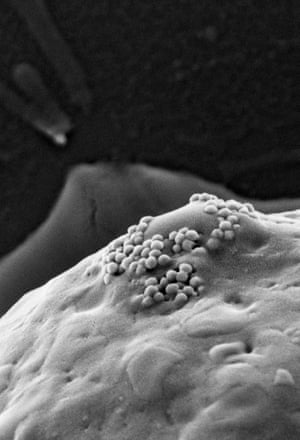
Nanoparticles: cancer cell surface. Photograph: Dmitri Lapotko

Chemotherapy and radiation therapy are not always effective because cancer cells continuously mutate and so rapidly develop resistance, requiring therapeutic doses which harm the patient in order to destroy them. “You can have an excellent drug today, but tomorrow it doesn’t work,” Lapotko says. “So I decided to base my approach on a way to detect and explode the cancer cell mechanically, something it cannot resist through its biological tricks. If you do this, there’s no biological way it can reassemble, revive or metastasise.”


Over the past two decades, researchers have sought to use nanoparticles, of sizes a thousand times smaller than a cancer cell, to deliver chemotherapy drugs specifically to the rogue cells themselves. This is done by exploiting some of the natural properties of tumours. Nanoparticles are injected into the bloodstream, attached with antibodies to recognise the cancer cell. Because aggressive cancer cells actively “eat” nanoparticles through the mechanism known as endocytosis, they end up self-assembling internal clusters of nanoparticles. This improves the toxicity problems of chemotherapy because large quantities of a drug can be delivered directly to the cancer without much harm to the surrounding healthy tissue. Gold nanoparticles are being used in this way in several ongoing clinical trials. However, even these therapeutic strategies still come up against the inevitable problem of cancers developing biological resistance to drugs.


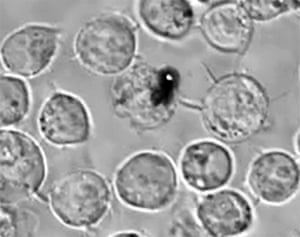
Instead, Lapotko’s idea has been to combine biology and physics in an entirely new way. Once gold nanoparticle clusters are inside a cancer cell, they are exposed to a short laser pulse which the nanoparticles convert to heat, forming a vapour bubble which expands and collapses in nanoseconds, called a ‘plasmonic nanobubble.’ The mechanical impact of this nanobubble tears the cancer cell apart in an instantaneous explosion.


“The nature of this explosion is intracellular so the surrounding healthy cells or important organs are not damaged,” Lapotko says. “A cell residue is left but this cannot reassemble into new cancer cells. It’s very safe as the energy of the laser pulse required is a million times lower than the laser energy used in some surgeries.”


Cancer cell explosion.


Cancer cell explosion. Photograph: Dmitri Lapotko

One of the common problems in cancer treatment is that when surgeons remove a tumour, they may leave residual tumours behind. “In many instances the cancer is in a part of the body where doctors are afraid to remove more than they think that have to,” says Masimo’s chief executive and founder Joe Kiani who is looking to bring Lapotko’s technology from academia to the clinic. “And when you leave some behind it metastasises. Recurrence and metastases are the main causes of death.”


But Lapotko’s technology can also be used to diagnose and eliminate before such remaining cells can grow into a far more dangerous and resistant recurrent tumour.


“We can administer nanoparticles one day prior to the surgery and after the surgeon removes the tumour, we apply the endoscope to the surgical bed,” Lapotko says. “If there are even single cancer cells left in the surgical margins, plasmonic nanobubbles are generated which produce a pressure pulse or acoustic pop which we can detect immediately in real-time with an ultrasound detector. And then we can use the mechanical impact of the same nanobubbles to destroy them.”


So far the technology has been tested on tumours in mice in a series of studies published by Nature Medicine and Nature Nanotechnology, with a dramatic improvement in survival rate and safety compared to existing treatments. The only limitation is for cancers deeper in the body where it is difficult to generate lethal plasmonic nanobubbles due to poor laser penetration into the deep tissue.


In these cases, Lapotko believes he can use the technology to improve the efficacy of the mainstream cancer therapy techniques. Radiotherapy works by disrupting the DNA helix in cancer cells, but by creating even small nanobubbles inside these cells beforehand, the DNA structure is already weakened, presensitising them so a far lower radiation dose can be administered to achieve the desired effect.


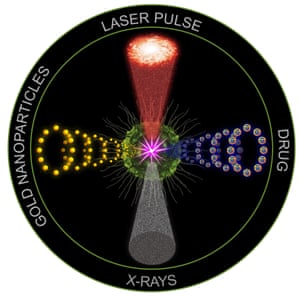
The first preclinical study of the anti-cancer technology ‘quadrapeutics’ found it to be 17 times more efficient than conventional chemoradiation therapy against aggressive, drug-resistant head and neck tumors.


The first preclinical study of the anti-cancer technology ‘quadrapeutics’ found it to be 17 times more efficient than conventional chemoradiation therapy against aggressive, drug-resistant head and neck tumors. Photograph: Dimitri Lapotko/Rice University

Lapotko is well aware of some of the disappointment among clinicians regarding nanomedicine after many years of promise, but still no broadly available treatments for patients. “There are two main reasons why not much has reached the clinic yet,” he says. “A lot of the time nanoparticles are initially developed for non-medical use, for example the energy industry or the oil industry and then people start thinking about medical applications. So perhaps they’re not so effective as they’re not initially designed with cancer in mind. And then within nanomedicine, the mainstream ideas aim to improve drugs, either by making nanoparticles which are drugs by themselves or making nanoparticles to carry drugs. So in cancer, nanomedicine did not replace chemotherapy, it has just created an additional chemotherapy, and because of that it faces the same regulatory challenges as any other drug.”


It typically takes 10-25 years and a lot of investment for anything to pass from academic research to drug use in the clinic, a passage referred to by scientists as the ‘Valley of Death.’ But with no pharmaceutical involved, Masimo are hoping to fast-track the process. They have obtained a grant from the National Institute of Health for further testing and intend to pursue phase I and II clinical trials within the next few years, likely to be held in Europe.


“A lot of the time what is done in the world of medicine on a mouse, doesn’t work on a monkey never mind a human but the early results look great,” Kiani says. “If it all works, we’re probably four years away from a product. But if it all works, it could be a game changer.”


Could a new approach to kill cancer at nanoscale work?

"Gamechanging" cancer drug rejected for use on NHS

A gamechanging immunotherapy drug that can extend the life of patients with advanced head and neck cancer has been turned down for use in the NHS because of its high cost.


Nivolumab is one of a new class of drug that stimulates the patient’s own immune system to fight the cancer. Immunotherapy drugs have had some spectacular successes in some patients with some cancers. But although nivolumab can give people with advanced head and neck cancers an extra three months of life – when survival expectancy at present is around six months – the National Institute for Health and Care Excellence (Nice) has rejected it.


“The committee heard that treatment options for patients in this area are limited, and it’s important to patients that treatment extends their life and improves the quality of life. But the additional costs of nivolumab were considered to be very high in relation to its benefit to be recommended for routine NHS use at present,” said Prof Carole Longson, director of the health technology evaluation centre at Nice.


Nice will not approve drugs that cost more than its threshold of £20,000 to £30,000 per year of quality life, except for an end-of-life treatment – as this drug is – in which case the threshold rises to £50,000. But Nice believes nivolumab would cost between £66,000 to £75,000 per year of quality life.


The Institute of Cancer Research (ICR), which led the UK arm of the final phase of trials before licensing, regretted the decision. “It is disappointing and frustrating that today’s decision means doctors will not be able to offer this gamechanging immunotherapy to patients with advanced head and neck cancer,” said Prof Kevin Harrington, consultant clinical oncologist at the Royal Marsden. “Once it has relapsed or spread, the disease is extremely difficult to treat and options, including surgery and radiotherapy, are very limited.


“Nivolumab is an expensive drug but it is also the only treatment shown in a phase-III trial to improve survival for this group of patients – and it did so without worsening patients’ quality of life, and with fewer side-effects than other options. It’s crucial that talks on the drug’s availability continue and ultimately that this decision is reversed, otherwise patients face missing out on a genuinely effective treatment simply because of cost.”


The ICR’s chief executive, Prof Paul Workman, said the price of cancer drugs was too high. “This decision denies patients a genuine breakthrough treatment that makes a real difference for people with relapsed or metastatic head and neck cancer. It is another example, and a particularly stark one, of an innovative cancer therapy not being made available on the NHS because of cost. I’d urge Nice and the manufacturer to work together to reach an agreement on price so that this decision can be overturned as soon as possible.


“We need pharmaceutical companies to bring down the cost of drug development through smaller, more targeted trials, and to do much more to pass on the savings to patients. Nice for its part must take much greater account of innovation in its appraisal processes to give exciting treatments like nivolumab a better chance of reaching patients.”


"Gamechanging" cancer drug rejected for use on NHS

10 Nisan 2017 Pazartesi

Papaya Seeds Detoxify Liver & Kidneys, fights Cancer and helps with Digestion

Papaya is one of the healthiest fruits with an exceptional nutritional profile. Papaya is well-known to be a potent digestive aid; it contains a digestive enzyme called papain, and most digestive enzymes formulas contain this papaya extract.


Most people just throw away the papaya seeds and some people dry the seeds and use them in their pepper grinder. However, only a few know about the amazing health benefits of these seeds.


The seeds are rich in flavonoid and phenolic compounds, protein, fat, calcium, phosphorus and magnesium. They present potent antioxidant, anti-inflammatory, antibacterial and antiparasitic effects. Furthermore, they contain compounds which also helps fight cancer and helps with liver and kidney health.


Let’s take a closer look at TOP 8 HEALTH BENEFITS and USES of PAPAYA SEEDS:


1. DIGESTIVE HEALTH


Papaya seeds contain a considerable percentage of the enzyme called papain which is extremely useful for protein digestion. This enzyme offers relief from indigestion and gastric problems. The seeds also help normalize the acidic environment in your intestinal tract, which is essential for a healthy digestive system.


The seeds exhibit potent anti-pathogen activities. Eating just one tablespoon of papaya seeds can keep your intestines free of harmful microorganisms, parasites and can even help with food poisoning due to its strong anti-bacterial properties.


2. ANTI-CANCER


Several studies have shown that papaya seeds and leaves are useful in fighting cancer and preventing it from appearing. The seeds can have potential anticancer effects against a wide range of tumors, including colon, lung, breast and prostate cancer.


Papaya seed is a valuable source of phytonutrient isothiocyanate, which exhibits anti-leukemia activity. The seeds contain phenolic and flavonoid compounds which offer antioxidant activities that slow the growth of tumor cells.


Another compound called Carpaine found in papaya seeds was reported by various authors to have an anti-cancer effect. In fact, At a dose of 0.1%, it is said to be effective against cancer of the blood.


3. LIVER DETOX


In Japan, people believe that taking a teaspoon of papaya seeds every day can defend the liver from disease. In Traditional Chinese Medicine, these astonishing seeds have been used for centuries to enhance vital functions of the liver by efficiently eliminating harmful toxins.
The seeds are not only useful in detoxifying the liver but are also beneficial for managing cirrhosis of the liver. Papaya seeds contain proteolytic enzymes that help decrease the digestive load on the liver.


”Studies revealed that treatment with papaya seed extract before drug-induced liver toxicity in animals protected the liver and allowed for it to function normally throughout the trial.”


4. KIDNEY CLEANSING


Papaya seeds possess strong anti-inflammatory and antibacterial properties which help protect and detoxify the kidneys. At the University of Karachi, they found that these seeds are helpful for managing kidney disease and preventing renal failure and that it is particularly useful for poisoning related kidney disease.


5. ANTI-INFLAMMATORY


Papaya seeds are also powerful anti-inflammatory agents, which makes them very useful in helping joint pain, arthritis, swelling, and redness.
In fact, two enzymes in papaya seeds – papain and chymopapain – are the key elements in lessening inflammation connected with conditions like arthritis, gout, joint pain, and asthma.


6. HIGH BLOOD PRESSURE


Research on mice shows promising improvements in cardiovascular health. A compound found in papaya called Carpaine was found to be efficient for lowering diastolic, systolic and mean arterial blood pressure.


7. ANTI-VIRAL, ANTI-BACTERIAL


Just a handful of papaya seeds also kill bacteria such as E. Coli, Staphylococcus, and Salmonella. They help in preventing bacteria from multiplying and staying in our body. They also work very well for food poisoning.


Furthermore, they are successful in fighting viral infections and helping with dengue fever, typhoid, and some other infections. Especially the leaves of the Papaya tree help with Dengue fever. Eating papaya seeds a few times per week can reduce the chance of getting Dengue fever. In fact, papaya seeds have already been utilized broadly in Costa Rica for Dengue Fever infections.


8. POTENT ANTI-PARASITIC


Papaya seeds have large levels of proteolytic enzymes – papain and carpaine. These enzymes aid the body in getting rid of parasites. Especially the anthelmintic alkaloid called carpaine can get rid your body of intestinal parasites.


A 2005 study published in the Journal of Medicinal Food reported that papaya seeds possess strong anti-parasitic activity:


Scientists tested the effect of papaya seeds on Nigerian children who had intestinal parasites in their stool samples. As a result, more than 75% of the children who were given a dose of air-dried papaya seeds were free of the parasites after a seven-day period.


Safety, Side Effects and Dosing:


Start slowly with eating no more than one tablespoon a day (or just a few seeds). If you can stomach it, you could eat up to two tablespoons a day without any adverse effects.


Papaya seeds act as Natural Contraceptive (studies shows that eating papaya seeds can significantly reduce sperm production without affecting the libido).


Pregnant and breastfeeding women should avoid eating papaya seeds. You should consult a doctor before giving them to younger children (due to its powerful anti-parasitic effects).


In addition, a compound found in papaya seeds called Benzyl isothiocyanate may induce toxicological damage in animals at high doses (it is not recognized if the same applies to humans). However, the levels of these composites in a standard serving of papaya seeds pose an insignificant health risk.


Conclusion:


Next time you eat your papaya fruit think twice before you throw away the seeds. As mentioned above, less is more, start slowly and monitor your body reaction. Keep in mind that these seeds have strong bitter pepper-like taste and can be overwhelming at first. Also, there are GMO papayas, and sprayed papayas so make sure to consume organic non-GMO papayas.


Sources:


  1. http://www.liversupport.com/papaya-seeds-for-liver-health/

  2. https://www.ncbi.nlm.nih.gov/pubmed/15864757

  3. https://www.ncbi.nlm.nih.gov/pubmed/17472487

  4. https://www.ncbi.nlm.nih.gov/pubmed/18711992

  5. https://www.ncbi.nlm.nih.gov/pubmed/14724345

  6. https://www.ncbi.nlm.nih.gov/pubmed/17469845

  7. http://juicing-for-health.com/how-to-eat-papaya-seeds

  8. http://www.top10homeremedies.com/news-facts/eat-papaya-seeds-better-health.html/

  9. https://www.researchgate.net/publication/22408531_Effect_of_carpaine_a_papaya_alkaloid_on_the_circulatory_function_in_the_rat


Martin Hajek

Natural Health Investigator at MAHAJEK

>>>CHECK HERE FOR RECOMMENDED PRODUCTS FROM MY ARTICLES<<<
Follow my work on FACEBOOK

I am into natural medicine and healthy lifestyle for more than 12 years. Writing about natural healthy lifestyle, longevity, herbs & supplements, nutrition, mental health, exercise, holistic medicine, healthy home, toxins&chemicals and much more..

”With natural medicine nothing is impossible, all diseases can be cured and prevented, with the right approach and ‘open eyes’ we can all live healthy and happy to 100+”


Papaya Seeds Detoxify Liver & Kidneys, fights Cancer and helps with Digestion