Black etiketine sahip kayıtlar gösteriliyor. Tüm kayıtları göster

19 Nisan 2017 Çarşamba

Nasal tampons, black alerts and Peppa Pig: junior doctors confess all

From as young as 23, junior doctors work in every department of a hospital, from the corridors of A&E to the operating theatres. A new Channel 4 series, Confessions of a Junior Doctor, explores the story of these NHS frontliners as they deal with unprecedented difficulties for public healthcare. Four of them, writing anonymously, describe these early years.


The junior paediatrician


“Doctor! There’s seven in the waiting room, a child upstairs has pulled his cannula out and A&E say you’ve got 20 minutes left to see that child with a burn,” the nurse in charge barks furiously. I’m interrupted by a screeching bleep. “Better answer that,” I say, with a thinly veiled whimper. “Doctor, we’ve got a 75-year-old epistaxis here, on warfarin. I can’t get it to stop, come now!” In plain English, that’s an elderly man who is about to die from an unstoppable nosebleed.


I sprint via children’s A&E to launch a rapid charm offensive and manage to buy time to see the burnt child later. Carnage meanwhile ensues as a hapless elderly gentleman is spraying blood from his nose and mouth. After 45 minutes of tinkering with various sprays, gauze and nasal packs, I manage to stop his bleeding. A nasal pack, by the way, is a tampon with a rough outer surface like a nail file. Imagine that being rammed into your nose at midnight; a necessary evil, I assure you. I bid a curtailed farewell and sprint back to paediatric A&E.
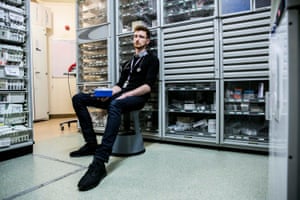


All worth it? A junior doctor takes five.


All worth it? Junior doctor Sam takes five. Photograph: Ryan Mcnamara/Channel 4

There, my heart sinks as three-year-old Oscar weeps in pain. He was victim to curiosity and managed to tip a hot coffee on himself. He breaks the ice by laughing and grabbing my head torch – apparently I’m a cartoon Minion! I give pain relief and fight to dress his wounds, and book him into a specialist clinic for tomorrow morning. We high-five and I send him home. A moment of light relief in an otherwise dreadful night.


I work for the next six hours to clear my waiting room of patients with their relatively minor ailments, sent from the out-of-hours GP. It’s 4am and I’m still getting an onslaught of referrals from all directions. The entire night I am needed in three places at once, firefighting as I go along. I’m not happy, the team isn’t happy and, most crucially, my patients aren’t happy. I’m despondent – we need increased staffing and a fresh change in attitude. It seems as though the current system is optimised for patient flow rather than patient care. As for the elderly chap with the nosebleed, thank God he arrived when my other patients were less urgent, and I got to him when I did.


The paediatric registrar


When asked why you want to do medicine, the stock medical student answer is often: “To help others.” While this is undoubtedly a rewarding bonus, a more realistic question for doctors in the current climate, all of whom have lives and families of their own, is rather: what are you prepared to sacrifice to succeed in medicine?


I’m a paediatric registrar. For me, nothing compares to the unique challenges of managing the care of children and their families. Having an unwell child is a frightening experience for parents and clinicians alike. Treating them, and seeing the majority do very well, is an incredibly rewarding privilege.


As a (now not so) new registrar, “the fear” briefly returned to me as I stepped up to this new level of seniority. My first out-of-hours shift as a new registrar came with an overwhelming sense of awareness that I was responsible for providing the emergency care and leading the junior team.


While I am a doctor to countless little boys and girls, I am also a mum to my own little boy. Settling into my role has therefore been a mixed journey. The shift-based, unpredictable nature of clinical work has made childcare a difficult balancing act – particularly with a surgeon husband whose hours can be as unreliable as mine. I remember seeing my son’s first scan and searching for abnormalities – the downside of knowing what can go wrong. I tucked him into bed before my first registrar night shift, hoping “mummy’s at work tonight” wouldn’t become one of his first phrases. The families I meet on those shifts remind me how precious he is, and he in turn helps me understand the angst that those parents must be experiencing. My son has undoubtedly made me a better doctor, a more insightful version of myself.
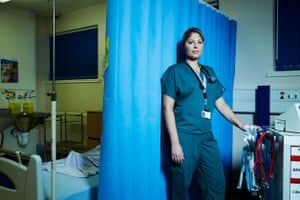


Doctor with her young charge.


Twinkle, twinkle little stars … One doctor with a young patient. Photograph: Jude Edginton/Channel 4

Who else gets to calm frightened patients by singing Twinkle, Twinkle Little Star, or gain their trust for a procedure through an encyclopaedic knowledge of Peppa Pig? Despite being around them at home and work 24/7, children are always full of surprises, and that is what keeps me motivated.


The junior doctor on the A&E ward


On-call shifts are usually going to be busy. I knew one night would be hectic when I arrived and there were 26 patients waiting to be seen. The medical team consisted of one other house officer and a registrar, and we were responsible for clerking new admissions, covering two assessment wards and carrying the cardiac arrest bleeps.


That night was particularly tough. It was during winter when the emergency care crisis was at its peak, and the hospital was full. With no beds on the wards, the patients stacked up in A&E and just kept coming. Not only was the volume of patients high, but many were very unwell with complex problems.


When work is that busy you tell yourself: “I can only do what I can do; I need to prioritise and go from there.” With experience, you learn to force yourself to grab something to eat and drink while doing paperwork, as there is no point waiting for a break that never comes. Without sustenance, a 13-hour shift becomes impossible. Sometimes, a kind nurse will make you a cup of tea.


Things get really stressful when several patients simultaneously become acutely unwell and prioritising is almost impossible. I once had five patients all deteriorating – fortunately, they were on the same ward, which helped logistically, but added to the danger that they would “merge into one” and mistakes could be made.


After a day or night like that, I often drive home going through my patient list worrying that I have forgotten something. Yet no matter how tough work has been, I always leave knowing that I have made a difference to patients and their families. That helps me get through the more challenging shifts, when it feels as though there is just not enough time.
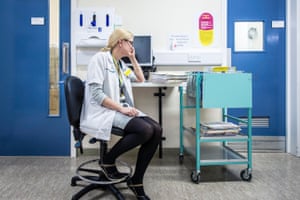


Emily from Confessions of a Junior Doctor.


Thirteen hours later… Emily from Confessions of a Junior Doctor. Photograph: Ryan Mcnamara/Channel 4

The junior doctor on the surgical ward


7.45am: One of the nursing staff tells me the hospital is on “black alert”; there are no beds available anywhere in the hospital. I already know it’s going to be a long day.


The on-call consultant has been up all night in an emergency operation, so ward round is delayed, which has a knock-on effect throughout the day. I get a call at 1pm from the bereavement office to complete a death certificate for a woman who passed away in the night.


My bleep goes. A young patient has become inexplicably confused. I assess and treat him to the best of my ability, but he needs a senior review; I feel helpless. It’s 2pm and I haven’t made it to the bereavement office – they have bleeped again. A nurse tells me a patient can return to her nursing home but transport has been arranged for 3pm. There is a hectic dash to complete all of the paperwork and order the necessary medicines.


It’s now past 3pm and I haven’t yet eaten, but as I collect my lunch, a consultant arrives to review his patients. This generates more jobs, including an urgent investigation for a patient heading to theatre first thing tomorrow morning. It takes more than an hour to request the investigation and find a technician able to perform it, but they are short staffed and cannot guarantee it will happen before the end of play today. My registrar calls; he has organised a scan for the young gentleman with confusion, to rule out stroke, and asks me to chase the results.


It’s gone 4.30pm and I still haven’t eaten. I need to chase test results, so sit in the doctor’s office and plan to eat while I work. However, one of the results shows a patient needs a blood transfusion. He requires a further blood test, so I take the sample and deliver it to the laboratory on the other side of the hospital. I go back to checking results. The report for the confused man identifies a stroke. I contact my registrar and organise an urgent review by the stroke team.


I look at the clock – it has gone 6pm. I should have finished at 5pm. Then I remember the death certificate. Too late. I am tired and hungry, and know I face it all again tomorrow.


Confessions of a Junior Doctor is on Channel 4 at 9pm


Nasal tampons, black alerts and Peppa Pig: junior doctors confess all

15 Nisan 2017 Cumartesi

Black men must face the truth about prostate cancer | Linford Christie

This summer marks 25 years since one of the greatest moments of my career, winning Olympic gold in Barcelona. It often feels like the last 25 years have flown by as quickly as the 9.96 seconds it took to run the race!


A quarter of a century on and I’ve just turned 57. In my mind, I don’t feel any different to how I felt on that day in 1992. I still feel in good shape and to this day I spend more time at the track than I do in my house. However, as I’ve grown older, I’ve become much more mindful of the potential threats to my health than I ever was then.


I’ve recently started working with the men’s health charity Prostate Cancer UK and have learned some startling statistics. As a black man over 50, my risk of prostate cancer is double that of a white man the same age. One in four black men will be diagnosed with prostate cancer in their lifetime – the equivalent of one member of a 4×4 relay squad.


The prostate is an invisible gland; you can’t see it, you can’t feel it. In fact, 17% of men don’t even know they have a prostate.


If I’m being honest, until lately, I was one of the many thousands of men who knew next to nothing about the vital, walnut-size, reproductive gland inside me. More than 11,000 men die from prostate cancer every year in the UK, but over the next 10 years Prostate Cancer UK is ramping up its investment in research and has set a goal to transform the disease into one that the next generation will not fear.


Despite the odds being stacked against black men, just saying the word “prostate” within many black communities remains a massive taboo subject. Still, in 2017, the disease is simply not spoken about and, if it is, it’s in a “hush-hush, don’t tell anyone” type of way. How can it be that something that affects so many black fathers, uncles, sons and friends is continually swept under the carpet and ignored?


My health has always been important to me. When I was in the prime of my career, it was the most important thing. I was conscious of my diet and keeping myself in shape. I had to; other than a pair of running spikes, my physical and mental fitness was all I had – my career depended on it. Unbeatable; indestructible; that’s what I wanted to be, and I believed I was.


As I’ve grown older, my diet is still vital, but I’ve come to realise that no matter how well I eat or how fit I am, I am not indestructible – nobody is. But there are defence measures I can take and arming myself with knowledge is by far the most important.


If prostate cancer is caught early, more often than not, it can be successfully treated. The problem lies in the fact that when it’s in its early stages the disease is just as invisible as the gland itself – it has no symptoms.


This is why awareness of the potential threat, talking to your doctor and spreading the word among men is so important – it saves lives.


I’m currently fronting Prostate Cancer UK’s campaign, Stronger Knowing More, to get black men to face up to their risk of prostate cancer and take action. If you’re a black man, you’re not only more likely to get prostate cancer, you’re more likely to be diagnosed at a younger age.


This challenge is a marathon, not a sprint, and if we’re going to beat it we need to break down the taboos and start talking. It’s only by doing this that we can put a stop to the number of men who die from the disease every year. 


Comments will be opened later


Black men must face the truth about prostate cancer | Linford Christie

17 Şubat 2017 Cuma

"Eating disorders are black women’s issues too" – video

In the second of our three-part Speak your Mind series, we meet Georgia, 22, who suffered from eating disorders through her teenage years. Thinspiration Tumblrs inspired her to lose weight but that spiralled to starvation and bulimia. Now recovered, she wonders why black women are rarely identified as having eating disorders


"Eating disorders are black women’s issues too" – video

16 Şubat 2017 Perşembe

Black bones, gangrene and weeping: the unwelcome return of scurvy

When doctors and patients realised that scurvy had reappeared, in separate outbreaks in Zimbabwe and Sydney recently, they were stunned. “I couldn’t believe it,” Penelope Jackson, one of the Sydney victims, recalled, “I thought, ‘Hang on a minute, scurvy hasn’t been around for centuries’.”


Shame followed, as it often does with scurvy. “Does scurvy just affect developing countries?” asked Newsweek 24 of the Bulawayo emergency in Zimbabwe. “I couldn’t believe you could be obese and malnourished,” said Jackson. “We have sent a team to attend to it,” the Bulawayo city council curtly announced, by way of a plenary reply to such questions about the disease.


We forget about scurvy – deliberately perhaps. And we seem to forget as well just how simple it is to cure and prevent. As Jenny Gunton, the clinician at the Westmead Institute in Sydney, pointed out, scurvy is prevented if we don’t boil vegetables to a paste, and as for the cure: “It’s so easily treated with one vitamin tablet a day” or by fresh vegetables and fruit. When the rules for eating properly are neglected by a significant sector of the population, and their forgetfulness is allied with government cutbacks for social services, the outlook for outbreaks gets a lot grimmer.


The recent sieges in Aleppo and Mount Sinjar have doubtless been accompanied by unreported scorbutic outbreaks. Over the last few years there have been a steady trickle of stories of individual cases in Europe and the US – an eight-year-old in Wales died of cardiac arrest brought on by severe scurvy in 2011, and a toddler in Michigan who couldn’t walk and was successively tested for Guillain-Barré syndrome, osteomyelitis and cancer until physicians finally diagnosed scurvy.


But now that multiple cases are appearing in a single place, it suggests that either bad choices of diet are becoming more common, or that institutional food programmes are failing. Or that both are occurring simultaneously.


Vitamin C – the life sustainer


Human beings have, in common with a few other species (apes, fish, fruit bats and guinea pigs), an inability to synthesise vitamin C out of their own bodies. Although it contributes nothing to body mass, vitamin C is vital to life: without it death is inevitable. For centuries this was not really a problem, but once the western powers started sailing the great oceans of the earth in search of riches and territory, scurvy became a serious issue for sailors such as Bligh and his mutinous crew on the Bounty. Commanders and administrators who understood the benefit of frequent stops for refreshment, especially oranges, lemons and limes, could alleviate it. But no one discovered the secret of an entirely reliable preventive at sea because it was hard to preserve juice without destroying the crucial vitamin it carried.


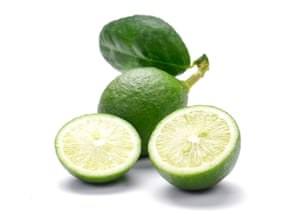
Limes


Commanders who understood the benefit of frequent stops for refreshment, especially oranges, lemons and limes, could alleviate scurvy. Photograph: Getty/iStockphoto

The illness itself is actually a fairly simple progression. Once the content of vitamin C in blood plasma falls from 40 micromoles to 10, as it did in among diabetics at the Sydney Westmead Clinic, then the body stops producing collagen, the protein that glues us together and ensures our hydraulic systems operate smoothly. Cartilage disappears, hair and teeth fall out, bones weaken, skin bruises as the capillaries rupture, and soon it ulcerates: old wounds and fractures unknit, tendons stiffen and artery walls collapse.


Mucus tissue begins to rot, and come away from bone that is blackened by leaking blood. At the same time brain function is compromised. Vitamin C is an extremely efficient antioxidant that is the first line of defence against potentially damaging waste products generated by normal metabolic activity. It has a number of further functions, such as supporting the production of neurotransmitters such as serotonin and dopamine, the chemical messengers of the brain. Without them, neuronal signalling – feeling and thinking – can be compromised. And so the deficit of the vitamin contributes to the powerful and obsessive fantasies of scorbutic patients (usually of food) that alternate with profound lassitude, likened by one specialist to “a falling down of the whole soul”.


The illness brought on odd effects in the imaginations of victims, as historical accounts show. Tears were very common, even among rugged old tars. The Scottish naval physician Thomas Trotter remarked: “In dreams they are tantalised by the favourite idea; and on waking, the mortifying disappointment is expressed with the utmost regret, with groans, and weeping, altogether childish.” (Observations on the Scurvy, 1792, 44).


This soul hath been/ Alone on a wide wide sea:/ So lonely ‘twas, that God himself/ Scarce seemed there to be


Coleridge’s ​The​ Rime of the Ancient Mariner


“Our mental sufferings were such as defy description,” wrote Thomas Beale, author of the Natural History of the Sperm Whale and a favourite of Herman Melville, “and nothing but being placed within the same situation could convince those who have not the power to imagine its monotonous dreariness.” The repulsion felt by the eyewitness and the abjection endured by the victim of scurvy combined to make even this narrow band of sympathy uninhabitable. The great ballad of scurvy, Coleridge’s Rime of the Ancient Mariner, explores the radical loneliness of the scorbutic seaman and the impossibility of its story ever being fully told: “O Wedding-Guest! This soul hath been/ Alone on a wide wide sea:/ So lonely ‘twas, that God himself/ Scarce seemed there to be.”


Outbreaks of scurvy on a ship were, according to Captain William Bligh, disgraceful, a sign of bad management, so when his surgeon diagnosed scurvy on the Bounty he promptly had it re-diagnosed as rheumatism. On his 3,000 mile journey from Tahiti to Kupang he could not bear to look at the sick among his crew, whose leaden pallor and sunken eyes made them look like the walking dead.


And when Robert Scott’s company became scorbutic in Antarctica on his first expedition, he was furious with Ernest Shackleton for getting it so badly, and was glad to pack him off home. On the second expedition, when scurvy re-appeared, he said: “The great thing is to pretend that there is nothing to be alarmed at.” He even thought of suppressing any mention of it in his log. On whaleships Herman Melville noticed that scorbutic sailors would hide their symptoms as long as they could, for “sickness at sea is so heartily detested”.


The cause, and the cure, eluded scientists for years. It didn’t help that scurvy was often innocently confused with other nutritional illnesses. The blindness sometimes ascribed to scurvy was owing to lack of vitamin A.


It was not until 1933 that ascorbic acid was finally isolated. Up until that point nobody had been absolutely sure what it was in food that prevented or cured scurvy. Before that date the theories fell into two schools: that scurvy was caused by toxic food, which was false but not possible to disprove; or that there was some virtue present in food independent of its nutrient value – a sap, latex, or nitrous salt – which was true but not provable.


James Lind’s magnificent feat of clinical observation in 1747, when he proved that citrus fruit cured scurvy, was hindered from a full application by his belief that tainted food was indeed the cause of scurvy, and therefore while oranges and lemons definitely operated as a remedy, they could not (according to him) prevent the onset.


This caused Trotter the frustration shared by many historians of this malady when hindsight offers them an unobstructed view of important people making mistakes about its origin and cure. In his Observations on the Scurvy (1792) he cited the paragraph in Lind’s postscript (“I am fully confirmed … that whatever weakens the constitution, and especially the organs of digestion, may serve without any other cause to introduce this disease … even among such as live on fresh vegetables, greens, or the most wholesome diet, and in the purest air”), and added, “This paragraph . . . is one of the most unaccountable that has ever crept into the records of medicine”.


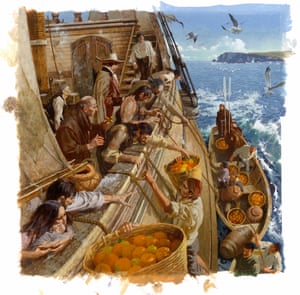
A painting depicting passengers and crew from Manila reaching for oranges and lemons, some antidotes to scurvy.


A painting depicting passengers and crew from Manila reaching for oranges and lemons, some antidotes to scurvy. Photograph: Robert E McGinnis/Getty/National Geographic Creative

But even though we have known how to prevent scurvy with absolute certainty for nearly a century, still it recurs and resurfaces because of the ever present trickery of the fact that, as Gunton puts it of November’s outbreak, “It highlights a danger that you can consume plenty of calories yet not receive enough nutrients.” If people feel full, then they believe they are well nourished. This was the very same mistake the brilliant medical men of the 17th century were trying to correct. Very simply; sufficient body mass and malnutrition can co-exist.


If people feel full, then they believe they are well nourished


And still, populations throughout the world are proclaiming their ignorance of this truth. A survey of North American students discovered that 14% of those tested had concentrations in the blood below the medically accepted minimum level for normal health. An average person needs to consume up to 300 milligrams of vitamin C a day to maintain maximal circulating levels and preserve the estimated whole body pool of 1,500mg.


The reality is that we can be scorbutic even before we get bruising and stiff legs. The brain survives longer than any other organ, owing to the additional protection afforded the transport of vitamin C into the cerebrospinal fluid in which it bathes and from which the major brain cells are supplied with the antioxidants they need. But even that citadel will succumb when the level of the vitamin falls low enough.


More work is being done now on conditions such as sepsis, chronic fatigue syndrome, and symptoms of diabetes. But this research pales in comparison with the rise in the consumption of sugar, especially by young people, and the enforcement of recent policies of austerity by western governments. Figures quoted in the Guardian at the same time as the Sydney outbreak revealed that diagnoses of malnutrition in Britain have increased by 44% in the five years to 2015. Ignorance about food among individuals and misguided state policies concerning diets of the young and the elderly: these are the nurseries of scurvy, and always have been.


Jonathan Lamb is Mellon Professor of the Humanities at Vanderbilt University and author of Scurvy, The Disease of Discovery.


With thanks to Professor James May and Professor Fiona Harrison, Vanderbilt University Medical Centre, who helped with the medical aspects of scurvy.


Join our community of development professionals and humanitarians. Follow @GuardianGDP on Twitter.


Black bones, gangrene and weeping: the unwelcome return of scurvy

7 Şubat 2017 Salı

IFS warns of steep cuts and tax rises to fill £40bn black hole

The government is on course to impose steep cuts in public spending from April and increase taxes by the end of the decade to their highest level as a share of national income since 1986–87 to combat the UK’s persistent budget deficit.


But slower economic growth following the Brexit vote will still leave the UK with one of the largest black holes in public spending in the developed world, meaning the next government must find £40bn to eliminate the budget deficit in the next parliament, according to the Institute for Fiscal Studies.


“For all the focus on Brexit the public finances in the next few years look set to be defined by the spending cuts announced by George Osborne,” said IFS director Paul Johnson.


“Cuts to day-to-day public service spending are due to accelerate while the tax burden continues to rise. Even so the new chancellor may not find it all that easy to meet his target of eliminating the budget deficit in the next parliament.


“Even on central forecasts that is going to require extending austerity towards the mid-2020s. If the economy does less well than hoped then we may see yet another set of fiscal rules consigned to the dustbin.”


The leading tax and spending thinktank said downgrades in GDP growth over the next four years will strain the public finances, which are already on course to be £13bn worse off in this financial year than forecast, after weak growth in tax receipts.


Highlighting the pressure on the chancellor, Philip Hammond, the IFS’s annual assessment of the public finances found that Britain’s ageing population and increasing demands on the NHS will blow a large hole in the government budget over the next two parliaments.


It said: “Demographic and non-demographic pressures are projected to put upward pressure of 1% of national income on health, social care and pension spending by 2025.


“Taking into account possible negative effects from lower growth, the government may need to enact further measures worth £40bn (in 2016–17 terms) in order to eliminate the deficit in the next parliament,” the report said.


Deep cuts in welfare benefits are due to take effect from April alongside cost cutting in Whitehall department budgets. Yet the government still plans to pay for large giveaways in the form of a higher income tax personal allowance at the basic and higher rate and was expected to maintain freezes on fuel duty that totalled £4.5bn a year.


The IFS said the promised spending and slower growth would force the government to implement tougher austerity, even though the chancellor has abandoned his predecessor’s pledge for a budget surplus by 2020.


It said: “Real levels of day-to-day public service spending have actually fallen very little overall in the last three years. The rate of reduction is set to speed up after this year, with cuts of nearly 4% due between 2016–17 and 2019– 20.


“In addition, tax is rising as a share of national income and by 2019–20 is due to reach its highest level since 1986–87.”


It said a deficit in 2016-17 of 3.5% of GDP, or £68.2bn, was £12.7bn higher than the Office for Budget Responsibility, the Treasury’s independent forecaster, had predicted in March 2016.


“This increase was not a result of a downgrade to the forecast for economic growth, but arose as a result of weak growth in tax receipts – in particular, income tax, National Insurance contributions (NICs) and stamp duty land tax – and faster growth in local authority spending,” it said.


Hammond said in the autumn statement last year that he plans to boost public investment spending beyond pre-crisis levels as a proportion of overall public spending, with much of the extra cash to be spent on transport infrastructure.


However, many departments will need to make further savings on day-to-day spending by the end of the parliament.


The IFS said: “Public spending, especially on health, pensions and overseas aid will be higher as a share of national income than in 2007–08, while spending on schools, defence and (in particular) public order and safety will be lower.”


IFS warns of steep cuts and tax rises to fill £40bn black hole

23 Aralık 2016 Cuma

My Black Farmer Christmas Day TV ad will shine a light on small charities

When I decided to fund a TV commercial on Christmas Day, I didn’t realise it would lead to the start of a campaign to ask large businesses to change their approach to charitable giving and support small charities.


Here’s how that came about.


After I was diagnosed with acute myeloid leukaemia, which left me in need of a gruelling stem cell transplant, I spent the best part of 2014 in hospital. While there I benefitted from the amazing work that charities do, so when I left hospital I wanted to give something back.


I not only wanted to give the gift of funding but of awareness. I settled on a Christmas Day TV advert to highlight the work of a specific charity, as well as advertising on product packs. But when I approached some of the UK’s leading charities, I was shocked to be made to feel as if I had to prove myself and my brand to earn their approbation. Sadly I was too small for them, and they were too big to care.


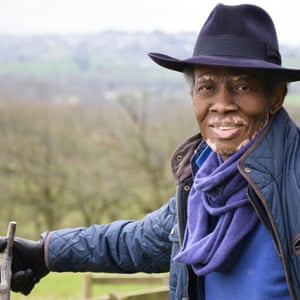
the Black Farmer, Wilfred Emmanuel-Jones


Wilfred Emmanuel-Jones. Photograph: The Black Farmer

The experience made me look beyond these big, well-known charities to the smaller ones doing extraordinary work on a shoestring. They are overlooked when it comes to big corporate giving but their work is just as important, if not more so. I vowed then and there to do something to help.


I have written and directed a two-minute TV commercial (with no mention of the products I sell) and have secured a prime time spot on Channel 4 on Christmas Day, timed to air just after the Queen’s Christmas broadcast. This is the advert I wantto use to shine a light on these small-time heroes.


I approached a small, Tetbury-based national charity called Hope For Tomorrow, which works tirelessly to provide mobile chemotherapy units to local NHS Trusts so patients don’t have to travel for hours for treatment. The charity leapt at the chance to work with me because such opportunities to raise awareness of their work don’t come their way often, and I was thrilled to be involved with such a great cause.


But I was shocked by the huge gap between big and small organisations in the charity sector. The larger charities get the lion’s share of corporate giving, leaving the smaller ones scrabbling for scraps.


This is a flaw in the charity sector, and much of the problem comes from an unbalanced relationship with business. Large organisations mainly work with large charities that already have a global level of awareness. It’s almost as though businesses are glory hunting when it comes to charity partnerships, to the detriment of smaller charities.


I have launched a campaign calling for large corporations to support small charities and shout about the ones they are already supporting. So whatever your cause, please sign my pledge and help to make a change this Christmas.


I have also dedicated a page on my Black Farmer website to help businesses and small charities find each other. As businesses, it’s important to show that we care for bigger things than just the products we sell.


Talk to us on Twitter via @Gdnvoluntary and join our community for your free Guardian Voluntary Sector monthly newsletter, with analysis and opinion sent direct to you on the first Thursday of the month.


My Black Farmer Christmas Day TV ad will shine a light on small charities

21 Kasım 2016 Pazartesi

Breast cancer awareness is not reaching black women like me. People are dying | Beverley McLaughlan

When I first discovered I had breast cancer, I felt shocked and afraid. I thought maybe there had been a mistake. I was 52, and didn’t have any symptoms: there were no lumps, just what I thought was a cyst under my armpit. I’d gone to hospital to get it checked, and had a mammogram and biopsy.


A week later I received several calls from the doctor, which I didn’t respond to until a voicemail asked me to come in. This was over the holiday period, and I went with a family member who herself had gone through a recent diagnosis and treatment for breast cancer and understood the process. That’s when they told me I had stage two cancer. I remember thinking that this couldn’t be right. I’m healthy and fit, and play a lot of sports.


I believe black women are less likely to go for screenings because the prevention work is not targeted at us


As a black woman, breast cancer wasn’t something I had received much information about. No one in my family had had it, and I don’t remember learning about it in school. When you pick up a breast cancer leaflet you tend to see a white woman staring back at you. I never saw it as an issue that specifically affected me.


But, of course, it does. In fact, new analysis shows that black women in England are twice as likely to be diagnosed with advanced breast cancer as white women. This is for many reasons, including possible differences in tumour biology, low awareness of symptoms and screening, and barriers to seeking help. In my community here in Leeds I know two women who have lost their lives to breast cancer, one of them only 49 years old.


I believe black women are less likely to go for screenings because the prevention work is not targeted at us. It would be great if larger charities made sure that their messaging reached women of colour.


There are charities working with black communities already, such as Black Health Initiative (BHI), but we need help spreading the message. BHI has a national cancer programme – BME Cancer – which launched in the House of Commons in 2014 and addresses the disparities within cancer among diverse communities. This kind of outreach and awareness cannot be time-limited; we need to keep going until it’s clear everyone is getting the message. After all, many from these communities support the national cancer fundraising drives, such as Stand Up To Cancer, Macmillian’s Coffee Mornings and Race For Life. Let’s be deliberately inclusive rather than accidentally exclusive when it comes to tackling inequalities. We have enough evidence to show it’s time for action.


My journey taught me to be more open and talk more. I had a mastectomy, reconstructive surgery, chemotherapy and three weeks of radio therapy. My treatment involves being on a drug for five years. I also have a mammogram every year. On being diagnosed, I felt a tinge of sadness, not knowing who to tell. But then I found some great support here in Leeds among other black women. It helped me get through some difficult days. It’s so comforting knowing that you’re not alone and that someone else is going through the same journey as you. We are able to share stories and talk, hold each other’s hands and raise awareness.


Only last week someone approached me, as they had to go for a mammogram and didn’t know what was going to happen. I gave them just a brief description of my experience, as I didn’t want to instil fear in them, but it was good to be candid and open. I hope I helped reassure them.


I just wish there was more awareness nationally. If the government, charities and those who hold the financial pot through fundraising do not recognise a need for inclusion when it comes to breast cancer awareness, then black women will continue to die at a higher rate. It’s as simple as that.


Breast cancer awareness is not reaching black women like me. People are dying | Beverley McLaughlan

16 Kasım 2016 Çarşamba

Black women and breast cancer: share your story

Black women in England are more likely to get advanced breast cancer than white women, new analysis by Cancer Research UK and Public Health England shows.


It was concluded that late-stage disease affected almost twice as many black women (22% of black African women and 22% of black Caribbean women) than white women (13%).


Experts say this is for many reasons, including possible differences in tumour biology, low awareness of symptoms and screening and barriers to seeking help.


While spotting the disease early is key, Heather Nelson of BME Cancer Voice, said in an interview with the BBC: “Women of colour are less likely to go for screening.


“You’ll get leaflets through your door and they will be predominantly of white, middle-class women. There’s no representation of South Asian, African descent et cetera.


“If you get information like that, you’re going to look and think, ‘That’s not about me.’”


One woman said to the BBC: “A lot of us black people bury our head in the sand: ‘Oh, me, well, I don’t need to go, there’s nothing wrong with me.’”


But lots of work has taken place around breast cancer prevention. In October, the international community celebrated Breast Cancer Awareness Month. The pink ribbon has become a symbol to express moral support for women with the disease.


So, why is this work not reaching everyone? If you’re a black survivor of breast cancer, we want to hear your thoughts. When did you find out you had cancer and what has your experience been? What do you think of the prevention messages available? Does it talk to a diverse range of communities? Why do you think that black women are less likely to go for screening?


Share your story with us.


Black women and breast cancer: share your story

18 Ekim 2016 Salı

7 Healthy Reasons to Eat Black Sesame Seeds

Black sesame seeds are known for its fabulous nutritional profile and they are rated as the world’s healthiest foods. Sesame seeds contain an important  phyto-nutrients such as omega-6 fatty acids, flavonoid, anti-oxidants, vitamins, and dietary fiber with potential anti-cancer as well as health promoting properties.


The black sesame seed may be small, but it is a powerful food. The nutrients found in sesame seeds may contribute to cardiovascular health, reduce inflammation, support respiratory health, protect against colon cancer and osteoporosis as well as other conditions.


7 Healthy Reasons to Eat Black Sesame Seeds


Relieves Arthritis

The high copper content in black sesame seeds helps in reducing pain and swelling associated with arthritis. In addition, this mineral keeps your bones and joints flexible and healthy.


Improves Eye Health

As per traditional Chinese medicine, eyes are closely related to liver healthy. When liver is affected the eyes become tired and dry and vision may become blurred. Black sesame seeds are a natural tonic for liver, which in turn is believed to nourish and support eyes’ function.


Prevent Cancer

Black sesame is the one that have the highest phytosterol content among all seeds, which is inevitable in the fight against severe disease such as: leukemia, multiple myeloma, colon cancer, lung cancer, beast cancer, etc.


Prevents Anaemia

One cup of black sesame seeds contains about 20 mg of iron, which is about 115% of your daily recommended intake of iron, the mineral that is essential for transporting oxygen around your body.


Prevent Osteoporosis

Eating black sesame seeds regularly, provides you with good intake of zinc and calcium, both minerals that are needed by the body for good bone health.


Reduce High Blood Pressure

Black sesame seeds have been proven to be an effective way to reduce blood pressure. They contain a high concentration of magnesium, a compound that can actively reduce hypertension.


Anti-diabetic

Black sesame seed is one such condiment which possesses anti-diabetic properties. As sesame seeds contain magnesium and other vital nutrients which improve the plasma glucose in hypersensitive diabetic patients.


Sources:


– http://www.hairbuddha.net/black-sesame-seeds-a-natural-remedy-for-grey-hair/


– http://www.stylecraze.com/articles/benefits-of-sesame-seeds-for-skin-hair-and-health/


Read More:


7 Healthy Reasons to Eat Black Sesame Seeds

10 Ekim 2016 Pazartesi

London’s black communities disproportionately exposed to air pollution – study

Black communities in London are disproportionately more likely to breathe illegal levels of air pollution than white and Asian ones, new research seen exclusively by the Guardian shows.


The study for the mayor of London shows black, African and Caribbean people account for 15.3% of all Londoners exposed to nitrogen dioxide (NO2) levels that breach EU limits, but they account for just 13.3% of the city’s population.


The proportion of white and Asian individuals exposed to the dangerous NO2 levels is lower than the fraction of the population they account for, said Aether, the consultancy which produced the report.


Southwark, Lambeth and Hackney were among the boroughs with an overlap of both a higher proportion of black residents and


other’ ethnic groups are more likely to be exposed to above EU NO2 limit value concentrations than those in areas with a high proportion of white people,” said the Aether study. “This effect is not seen for areas with a high proportion of Asian groups.”


pollution graphic

But because of the “very mixed ethnic geography of London”, the pattern is less strong between ethnicity and exposure than the one between deprivation and exposure, Aether found. In areas with poor air quality, 32% of people living there were from the most deprived groups, versus 7% from the least deprived.


“This research shows the disproportionate impact air pollution has on deprived communities in London,” said Aether’s director, Katie King.


“We have known for some time now that poor families end up living in cheaper housing which is often in close proximity to busy roads,” said a spokesman for the air quality unit at King’s College London.


However, he said the new study’s use of proportionate data was misleading, as in absolute terms there are more Asian and white people exposed to high NO2 levels.


Last month, the Black Lives Matter UK group linked ethnicity and environmental issues during a protest at London City airport – although the protestors were also criticised for their largely white membership.


The study compiled King’s data on NO2 concentrations in 2013 – the most recent available – census results, official statistics on deprivation and ethnic profiles of small areas in London. In total, 1.9 million people in London were exposed to NO2 concentrations above the EU’s annual average limit.


The work is an update of a report which the former mayor Boris Johnson was accused of burying when Khan took office. That earlier report showed 433 primary schools were exposed to NO2 above the limits in 2010, with that number falling to 360 by 2013 in today’s study, showing some areas have got cleaner.


Transport for London (TfL) published a consultation on Monday seeking Londoners’ views on Khan’s new measures to tackle the problem. They include whether to introduce a £10 emissions surcharge in October 2017, the so-called T-charge, which will mostly apply to pre-2005 diesel cars.


Khan and TfL are also consulting on whether to bring in an enlarged “ultra low emissions zone” (Ulez) in 2019 rather than 2020 as previously planned, charging owners of dirtier cars £12.50 to enter. Both charges will be in addition to the existing £11.50 congestion charge.


“Toxic air in London is a health emergency that requires bold action, including introducing charges for older polluting vehicles and expanding the Ulez,” said Khan.


Environmental groups and thinktanks welcomed the proposals, but Friends of the Earth said the mayor needed to go further.


“To bring down London’s air pollution as quickly as possible, Sadiq Khan must extend the Ulez for all vehicles across the whole of London; and create a plan for phasing out diesel on London’s roads altogether,” said Sophie Neuburg, a campaigner at the green group.


Next week the government faces a court case brought by environmental law firm ClientEarth over what it says is an inadequate plan to reduce NO2 pollution.


“Today’s announcement sends a clear message to the government that it needs to get a grip with this public health crisis. This is a national problem that needs a national solution. That is why we are taking them back to court next week,” said Alan Andrews, a ClientEarth lawyer.


London’s black communities disproportionately exposed to air pollution – study

5 Ekim 2016 Çarşamba

Whether to have a Down’s syndrome baby – it’s not black and white | Frances Ryan

There’s a scene in BBC2’s A World Without Down’s Syndrome?, which airs tonight, in which Sally Phillips, Bridget Jones’ Diary actor and mother of a son with Down’s, shows a video of a disabled girl competing at a gymnastics competition to a woman who chose to end her own pregnancy. The interaction isn’t designed to guilt the woman who made a different decision – Phillips is an empathetic presenter and describes herself as pro-choice – but it is a snapshot of how the conversation around disability and abortion is routinely set up: one woman’s choice versus another’s.


We see this in articles praising women who choose to have their child despite the fact a foetal abnormality has been detected, often asking other female readers: what would you do? Or the tone of news items in which women express doubts or fears about raising a disabled child. Katie Price was described as having “confessed”when she said she probably would have had an abortion if she’d known her son Harvey was going to be severely disabled, as if the thought, let alone the act, was a heinous crime.


On the other hand, I’ve seen women with disabled children – and disabled people themselves – be asked incredulously (often by complete strangers) why an abortion wasn’t chosen. Such attitudes are particularly alarming in a climate where disabled people are increasingly perceived as a costly burden to the state.


When it comes to disability and pregnancy, we are routinely stuck in this sort of black-and-white dichotomy: having a disabled child is said to be a tragedy or inconvenience that should always be avoided, while women who do choose to abort a foetus with abnormalities are vilified as “shallow” and “selfish”. Neither is accurate nor addresses the issues that really matter.


The truth is there is still considerable prejudice around disability. We live in a culture where disabled people’s lives are often said to be worth less, and difference is equated with failure or negativity. Even Paralympians are described in some media reports as “suffering” from their disability. It’s not alarmist to accept that the way as a society we understand disability can directly impact on how individuals feel about bringing up a disabled child.


Medical professionals – the very people pregnant women rely on – are not exempt from spreading such attitudes. Phillips has spoken of the way that, after her son was born with Down’s, her doctor broke the “bad news” and the nurse cried. (Her child’s disability wasn’t detected during pregnancy.)As the NHS looks set to introduce a more effective screening for Down’s syndrome, it’s a valid moment to question how we view disability as a society, and to accept that women, and of course men, deserve accurate information in order to make an informed decision.


But in doing so, we should be vigilant of how quickly this conversation can be derailed. It is an ongoing strategy of anti-choice groups to hijack disability, generally as a way to reduce women’s reproductive rights. This sort of faux concern tends to be less about disabled people’s equality and more about women’s inequality. (And though we’re often cut out from the discussion, disabled women can be the ones who are pregnant.) Days before Phillips’ documentary was even set to air, the Mail used it as an opportunity to run an article claiming women “are being pressured to abort babies” with Down’s.


And yet anti-choice campaigners and media organisations who purport to wish to “protect” disabled foetuses tend to be very quiet – or in the Mail’s case, very vocal – about the support disabled people should receive once they are out of the womb. Raising a child with a severe disability can be exhausting and difficult, as well as wonderful, and this is much harder when the state cuts play centres for disabled children, respite care and transport. Phillips herself admits she was lucky to be able to afford to hire a live-in nanny to help with her disabled child, an advantage women on low incomes struggling alone can only imagine.


And we need to talk about that too, if we are going to really have this discussion. We need to admit that things such as economic and gender inequality, as well as perceptions of disability, impact on our supposedly free choices. And we need to argue for positive change, such as more government support for disabled children (and adults), and more inclusion of disabled people in all parts of society.


As we all know, life, let alone disability or raising children, is not black and white but rather filled with multiple shades of grey. I hope Phillips’ documentary starts a long overdue and nuanced conversation. Both women and disabled people deserve better than simplistic judgments.


  • Comments on this article will be pre-moderated


Whether to have a Down’s syndrome baby – it’s not black and white | Frances Ryan

26 Eylül 2016 Pazartesi

Life, death and black humour: on duty with the London ambulance servic​e​

It’s 6.45am at Camden ambulance station in north London, and the day shift is just beginning. Andy Donovan, who will drive the ambulance I will accompany for the next nine hours, is making me a cup of tea. His more senior paramedic partner, Dean Lowes, is running a few minutes late. When he does arrive, Lowes looks very sorry for himself: he’s got an ear infection, picked up on a friend’s stag weekend in Budapest. Lowes is the ambulance’s first case of the day. They nip off to the nearby Royal Free hospital in Hampstead to get some ear drops. Paramedic, heal thyself.


All this delays us for more than an hour, and we’re not ready to “go green” – telling the London ambulance service’s call centre near Waterloo station that they are available for a job – until after 8.30am. Lowes, who along with Donovan is featured in the BBC’s new three-part series on London’s overstretched ambulance service, is suitably embarrassed. “This never happens to me,” he says. “I’m never ill.” But full marks for at least getting here. Crewing an ambulance is challenging at the best of times.


Soon after going green, our first assignment comes in, flashing up on a monitor at the front of the ambulance. It’s just about as unpleasant as it could be. One word: “HANGING”, and the location. It is a “Red One” – the top-priority call sign, meaning life-threatening. Lowes and Donovan’s speed of reaction is electrifying. One moment, Lowes had been playing a Kings of Leon track on his mobile and saying how much he liked the band; the next, the ambulance is tearing south towards King’s Cross.


The call comes through at 8.49, and we get to the scene five minutes later. My heart sinks when I realise it is student accommodation. Two policemen are arriving simultaneously, and we all head up two floors in the lift to a stuffy, antiseptic white corridor. I go up with the policemen, who are bemoaning the fact their car was the closest to the scene. “You had a feeling it was going to be a funny day,” one says to the other. “You said you had a feeling in your bones.” “Yeah,” says the other with a grim laugh, “I should shut the fuck up.” In situations like this, black humour is sometimes the only way out.


Lowes, as senior paramedic, is first into the little study-bedroom. He has to decide if the student, who appears to have hanged himself, is dead, or, in the official language they use, to declare “life extinct”. It takes him just moments to satisfy himself that he is. The student is pronounced dead at 8.57. I can’t bring myself to look at the body – the young man is fully clothed – for too long. What strikes me most is how peaceful he looks, and how red his hands are – the blood drains down to the hands and feet, a sign he has been dead for several hours.


Within minutes there are half a dozen police on the scene, taking a statement from the traumatised fellow student who discovered the body, talking to the staff in the hall of residence, looking through the young man’s possessions to establish his identity. It has ceased to be a medical emergency and become a police inquiry – and a personal tragedy for the family who do not yet know what has happened. It appears the young man, who was 23, was anxious about a dissertation he had failed to deliver. What a terrible, pointless waste.


This is a shocking beginning. A suicide by hanging is rare. It is the first Lowes has witnessed. “He looked like a wax dummy,” he says as we wait downstairs while he does the paperwork to certify the death. “It’s when you see his passport and the picture of how he looked when he was alive that it hits you. That humanises it.” Having been a body, he becomes a person. “I try not to look at a dead person’s effects too much,” says Lowes, “because you start to build a little story about them.” “You can’t go into it too deeply,” adds Donovan. “There’s a lot of stuff you lock in the box.”


A paramedic team leader turns up. He doesn’t say so, but Lowes and Donovan know he is there for their welfare – to make sure that having to deal with the young man’s death has not affected them too severely. “If you want to take a bit of a break, that’s fine,” the team leader tells them. They don’t particularly, although they do have a fag standing next to their ambulance. The morning is hot, and people stroll past the student block, laughing in the late-summer sunshine, not realising that inside a promising young life has been extinguished.


By 11am, they are ready to roll again. They go green, pressing the button that declares the ambulance available, and in a second – literally – their next assignment flashes up. It’s another Red One – a cardiac arrest in West Hampstead, a couple of miles to the north. The siren screams, I lurch around in the back of the ambulance feeling sick, and Donovan swears at the vehicles that block his way, costing him vital seconds that could mean the difference between life and death.


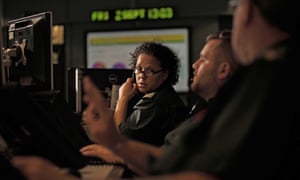
Call handlers at the emergency operations centre in Waterloo.


Call handlers at the emergency operations centre in Waterloo. Photograph: Glenn Dearing/BBC/Dragonfly

The job is undeniably exciting, or at least seems so to me. Horrible, of course – no one wants to discover dead bodies – but also fascinating because of its unpredictable nature. You have no idea where you will go next or what you will have to deal with. “That’s the beauty of it,” Donovan had told me earlier. “You never know what you’re going to from job to job.”


It’s like roulette, I suggest, and he tells me that is exactly what they call the last job of the day. If you go green with, say, half an hour left of your shift, the call centre will play “red roulette”. Instead of giving you a less urgent call (categorised from C1 to C4, depending on the degree of seriousness), they will give you something life-threatening. It seems mad, but the logic is that whatever you do is likely to take hours – every callout seems to generate a mountain of paperwork – so you may as well go to something that is worth your while. A practical, if heartless, way of looking at it. Paramedics often work 12-hour shifts, and I can’t imagine what it’s like to get a final Red One at the very end.


We get to West Hampstead in about six minutes. Another ambulance is already on the scene, as well as team leader April Barter, who has come by car. I bumped into her earlier at the ambulance station in Camden, and she was complaining about having nothing to do that morning. Now she has something to do. A man in his 60s has had a cardiac arrest – a heart attack in which his heart has stopped completely – and the struggle is on to save him.


The man is lucky. I hadn’t realised where we were when we arrived, but then it dawns on me – it’s a bridge club, and dozens of middle-aged and elderly card players are watching the paramedics’ attempts to revive their fellow participant. Even before the first crew arrived, some medically trained members of the club had starting giving him CPR (cardiopulmonary resuscitation), that pounding of the chest that aims to kick the heart back into action. Without their prompt action, he would be dead. The paramedics continue the CPR – by now his chest looks as if it has caved in, but apparently this is quite normal – and administer defibrillation, an electric shock designed to correct his heart rhythm.


After half an hour of attention, his heart is functioning again and he can be taken to hospital. He is still unconscious, but has a reasonable chance of surviving. His bridge partner, who tells me they had just played a very successful rubber, offers to go to hospital with him, while his wife is given the news at home. There is an impressive calm at the club as the man is carried out. Who knew bridge could be an extreme sport – or bridge players so unflappable?


A cardiac arrest involving two crews generates an especially large volume of paperwork, and we are stuck outside the Royal Free for more than an hour while all the forms are filled in. Soon after we deliver the man to the hospital’s heart centre, Barter tells me he has regained consciousness. “The fact he’s awake, his eyes are open, he’s moving around tells us his brain has more oxygen. Although potentially it has been starved of oxygen for a short period of time, that’s a really positive sign and it’s a potentially good outcome for him. That’s a massive lift for us. Good times.” She says she is “buzzing”. “If I can make a difference to one person in a day, then I go home happy,” Donovan told me earlier. It looks as if he and his colleagues have made that difference today.


It is that difference, rather than the material rewards of the job, that attracts Lowes and Donovan. “You don’t do this job if you want money,” says Lowes, who is 37 and comes from the north-east of England. “It has other benefits. You go home and you sleep at night. You don’t take any work home with you. You might take some kind of emotional stuff away at the end of the day but, as far as the working day is concerned, once you’re finished, you’re finished.”


Lowes, who is a fully qualified paramedic, tells me he earned £36,000 last year. Thirty-year-old Donovan, a friendly, buoyant east Londoner who is one rung below his partner in terms of clinical qualifications, says he earns £20,000 a year basic, which rises to about £28,000 with the inner-London allowance, rest-break compensation (they will typically work through their breaks) and overtime, lots of overtime. They are contracted to work 37-and-a-half hours a week, but can do up to 56. Without the overtime, they would struggle financially. The staff need the relentless pressure on the service to earn enough to live.


The upside, apart from the drama of the job and the satisfaction of saving lives and helping people at moments of crisis, is the flexibility. “There are a lot of other things out there that I wouldn’t want to do, sitting behind a desk being one of them,” says Donovan. “At least in this job you’ve got a little bit of freedom. Once you’re out on the road, you’re your own boss.”


While the paperwork for the cardiac arrest case is being done, I talk to Gary Nicholls, one of the paramedics in the first crew to arrive. He has clocked up almost 24 years on the job – Lowes and Donovan have each done seven. “You never know what the next call is going to be,” he says. “That’s what keeps us interested. But it doesn’t matter what comes down on the screen, we can always deal with it. The workload can be relentless, but your colleagues are there to get you through the shift.”


The London ambulance service was put into “special measures” last year because of a number of failings, including staff shortages, poor response times, lack of leadership and concern that the service was ill-prepared to deal with a major terrorist attack. The cynic in me thinks the BBC series – and my ride in the ambulance today – are part of the PR fightback, and maybe they are, but there is no doubting the commitment of the dozen or so paramedics and backup staff I meet. This is a service under pressure, but by no means one that has lost heart. Nicholls really does believe they can deal with anything, including his first job that day – chasing a naked man who it was feared was high on drugs across Hampstead Heath.


It is already well past 1pm. The complexity of the jobs, the paperwork and the fact that you need a bit of a breather mean crews will only do four or five callouts in a nine-hour shift, and six or eight in a 12-hour one. Just before 1.30pm, Donovan and Lowes go green again. This time it’s a Red Two – slightly less urgent but still potentially life-threatening, a woman in Kilburn with chest pains and breathing problems.


She is sitting on the stairs of her house when we arrive six minutes later. She looks remarkably well, and within about two minutes of arriving Lowes has diagnosed an anxiety attack. She had a heart bypass operation five years earlier, and clearly fears a heart attack. She has already been to hospital for a checkup that day, and now wants to go back, despite getting the all-clear earlier. It is unlikely there is a serious problem, but Lowes and Donovan can’t take any chances, so take her to the Royal Free. It’s not their most productive couple of hours, but they talk to her respectfully, calm her down, deliver her to A&E and fill in a fresh set of forms.


It’s now 3 o’clock, and we’re on our way back to Kilburn. This time they’ve received a less urgent C2 call, after an earlier Red One to another fatality was aborted. The monitor in the ambulance advises “man in his 70s with severe behavioural change”. When we get to the flat, we find an elderly man close to collapse – probably through dehydration – and his wife at the end of her tether. She thinks he has undiagnosed dementia, and there are suggestions he can be violent towards his family, though today he can barely raise himself from the sofa.


It is an example of the social work side of paramedics’ work. They check him over physically, but he is in reasonable shape apart from the dehydration. What he may need very soon is a place in a care home. That is the shadow that falls across the conversation Lowes has in the corridor with the man’s wife – the sad but all-too-common conclusion of a 50-year marriage – while Donovan talks to the man’s son about sport.


As their appearance in the BBC series shows, they are very good at being de facto social workers, counselling the anxious, the elderly, the confused, the demented. “When I first started this job, going into people’s homes took a bit of getting used to,” says Donovan, “but because you’re wearing a uniform, in the eyes of the public you’re a goodie. You’re welcomed into most situations, whether it’s for social reasons or for emergencies.”


Lowes calls the man’s GP, who promises to come round. For the moment, there is nothing more that can be done. More paperwork and another cigarette in the afternoon sun. The shift is drawing to a close, and the crew do not fancy any red roulette. There is a general callout for an ambulance, any ambulance, to go to Victoria station, where a girl has fainted. They decide it’s too far and head back to base. That’s enough excitement for the day.


As we drive back to Camden, their monitor is reporting that University College hospital has been temporarily closed, St Mary’s in Paddington is accordingly under severe pressure and the Royal Free is “breaching” – A&E is missing its waiting targets and patients are being left in ambulances longer than they should be. It’s going to be quite a night shift, and Lowes and Donovan are happy to be out of it. But tomorrow they will be back, and who knows where the spin of the roulette wheel will take them?


Ambulance starts on BBC1 at 9pm on 27 September.


In the UK, the Samaritans can be contacted on 116 123. In the US, the National Suicide Prevention Hotline is 1-800-273-8255. In Australia, the crisis support service Lifeline is on 13 11 14.


Life, death and black humour: on duty with the London ambulance servic​e​