Breast etiketine sahip kayıtlar gösteriliyor. Tüm kayıtları göster

28 Nisan 2017 Cuma

Ian Paterson: the "likable" breast surgeon who wounded his patients

When Ian Paterson first started working at the Heart of England NHS foundation trust in Birmingham in 1998, the organisation had significant waiting list problems. The only breast surgeon was struggling to deal with the increasing numbers of patients, and Paterson’s appointment was seen as “a significant blessing” by managers.


After he applied for the job, a senior manager at his previous employer, Good Hope hospital, telephoned one of the medical directors at the trust to tell him that Paterson had been the subject of an investigation and temporarily suspended in 1996 following an operation which had “exposed the patient to a significant risk of harm”. The trust hired him anyway.


“To be honest, when we heard he was coming … it was, you know: ‘What’s gone on then?’” one senior radiologist told Sir Ian Kennedy, in his 2013 report into Paterson’s practice. “His reputation was well-known as being difficult and having open rows with a colleague at Good Hope … It’s always a surprise to us why they took him on when they knew he was trouble.”


As early as 2003, Paterson’s colleagues started raising serious concerns that he was not removing enough breast tissue during lumpectomies and mastectomies, increasing the risk of cancer recurring. But it took four investigations, four reports and nine years before Paterson was suspended by the General Medical Council in October 2012.


The first of hundreds of civil claims against the trust came around 2010. So far, 256 cases have been settled, with 25 still outstanding. The trust has paid nearly £9.5m in compensation to date, with the highest single settlement being around £250,000. A criminal investigation into Paterson’s practice was launched in 2012 and criminal charges were brought in January 2016.


Paterson, who received his medical degree from the University of Bristol in 1981, was described by his patients as having a good bedside manner. Mike Diskin, who was treated by Paterson in 2006, described him as “an incredibly likable man, great bedside manner, very personable, a great listener”.


Jo Luton, a patient in 2007, said Paterson was well-spoken and empathetic. “He had a brilliant bedside manner and really seemed to know his stuff.”


Another patient said: “Even though he was a consultant, he spoke on your level.”


His colleagues were less complimentary. According to the Kennedy report, Paterson was “not a team player”, and was given to being “autocratic and high-handed to the point of being dismissive of colleagues”. The words “arrogant”, “aggressive” and “bully” were used by several staff members and two surgeons left the trust after run-ins with Paterson.


“He didn’t want anyone to get in his way,” said a surgeon who had trained and worked with Paterson. “Because of his personality he tended to be isolated and he quite liked that, so people would avoid him, go around him and not deal with him, so he never got questioned or hauled up.”


One of the explanations given in the Kennedy report for the inconsistent amount of breast tissue that Paterson was removing during surgery was the speed at which he worked. Dr Martin Lee, a surgeon who was asked to observe Paterson’s surgeries in 2008, likened his technique to a whirlwind.


“He would breeze into the theatre, a sort of constant impatience with things and just try and get on as quickly as possible and that is something I have not seen very often,” he said.


At the time, Paterson lived with his wife, Louise, a physiotherapist, and their three children in an eight-bedroom grade II-listed Georgian house in Edgbaston. The family sold the house for around £1.25m in 2013, after accusations of Paterson’s malpractice were first published in the press.


Former neighbours in Edgbaston described the Patersons as a lovely family. “She was nice and very gentle,” said one neighbour of Louise Paterson.


She said she rarely saw Ian Paterson, but was shocked when she saw police parked outside the family’s home. “They were a very nice family, with very nice children, and one morning I was going out early, about 8.15am, and there were all these policemen and police cars.”


In his report, Kennedy says Paterson saw himself as “a good patient advocate [...] pushing for a good cosmetic result from surgery as well as effective treatment”. He says other surgeons took the view that “curing the patient’s cancer is paramount”, with any cosmetic outcome being secondary.


Dr Misra Budhoo, who worked with Paterson for several years, summed up the difficulty of dealing with him: “[Paterson’s] personality is such that he lacks insight into what his problem is [...] The very first thing [needed] to change somebody is they have to understand that there is a problem. I do not know if Ian has actually accepted he has a problem anyway.”


Ian Paterson: the "likable" breast surgeon who wounded his patients

NHS pays out millions to patients of surgeon convicted of needless breast operations

The NHS has been forced to pay out almost £10m in compensation to more than 250 patients of a rogue surgeon found guilty of carrying out needless breast operations on patients who were left traumatised and scarred.


Consultant surgeon Ian Stuart Paterson, 59, was convicted on 20 counts of wounding with intent and unlawful wounding against nine women and one man on Friday. But he could have more than 1,000 more victims, among them hundreds of private patients who may never be compensated for botched and needless operations.


Paterson had denied the charges, which related to procedures he carried out between 1997 and 2011. The jury at Nottingham crown court had heard claims that the surgeon – who saw hundreds of patients a year – carried out the operations for “obscure motives”, which may have included a desire to “earn extra money”.


He denied misrepresenting patients’ test results to dupe insurers into paying for surgery, but other former patients have told the Guardian that the surgeon exaggerated or simply invented the risk of cancer and – in some cases – claimed payments for more expensive procedures that those he had carried out.


Paterson was employed by Heart of England NHS trust in 1998 – despite having been previously suspended from the Good Hope hospital in Birmingham – and also practised at privately run Spire Healthcare hospitals in the Midlands over a 13-year period.


The NHS has so far paid out around £9.5m, settling 256 cases, with 25 outstanding, the Guardian has learned. But hundreds of Paterson’s private patients may never see a penny after Paterson’s insurance company – the Medical Defence Union (MDU) – said their cover was “discretionary” and had been withdrawn. Paterson had a limited separate insurance policy of £10m, which solicitors say will not nearly cover the compensation and costs of all private patients.


Spire Healthcare, which runs the Parkway and Little Aston hospitals where Paterson treated private patients, have settled some cases but argue that as Paterson was not technically their employee, they are not responsible for his actions. The company would not divulge any details about compensation.


Sarah Jane Downing, who set up a petition, demanding compensation for Paterson’s private victims, said she had been left “shocked and appalled” at the lack of redress.


Sarah Jane Downing.


Sarah Jane Downing. Photograph: Teri Pengilley for the Guardian

“Many of these people chose private healthcare because they bought into those promises in the glossy brochures. And now we have realised that those promises are not worth the paper they are printed on. It’s utterly devastating.”


At a recent coffee morning for former Paterson patients, many described the consultant’s “brilliant” bedside manner. “He was so lovely, I thought I was so lucky – I thought I was being looked after,” said Elaine Diskin, who had eight operations by Paterson over as many years.


Her husband, Mike, also had a deep respect for the surgeon – so much so that when he had a pain in his chest, he went to him and did not hesitate when the surgeon said he suspected lipoma and that they “had to get it out”.


“Sinister was the word he used,” Diskin said. “I had no reason to doubt him because he was looking after Elaine so well.”


They trusted Paterson so much they also recommended his care to a friend, who went on to have a lump removed. “We used to joke that we’d paid for his skiing holidays,” said Elaine Diskin.


After the Diskins were recalled for a review of their treatment in 2012 they discovered that at least seven of the eight operations Paterson had done on Elaine – along with both performed on her husband and their friend – were unnecessary.


A civil case with seven “test” cases – which will determine to what extent Spire can be held liable for Paterson’s work in their hospitals – is scheduled to be heard in October, but looks likely to be delayed. The outcome will affect all the private patients who have brought civil claims – and who fear they may get nothing.


Solicitors familiar with the case say Spire has made a handful of payments – the largest about £150,000 – to former patients in the private sector which include unnecessary removal of lumps and the received“cleavage-sparing mastectomies”, a controversial operation that left breast tissue behind after the removal of cancerous cells.


Concerns about Paterson were raised as far back as 2003. But despite several internal and external investigations and complaints from patients, GPs and other surgeons he was only suspended by the General Medical Council in 2011. “In every profession you get rogue operators – but there are checks and balances to stop terrible things happening,” said Mike Diskin. “Why were there not in this case, or why were they ignored?”


Timeline


1998: Paterson is hired as a consultant surgeon at the Heart of England NHS trust, despite being previously suspended from the Good Hope hospital, and also sees private patients at Spire Healthcare hospitals Little Aston and Parkway.


2003: Paterson is investigated because of concerns about “cleavage-sparing mastectomies”. Recommendations are not followed through.


2007: Breast surgeon Hemant Ingle is appointed and with others raises concerns. Further investigations are carried out and Paterson is told to stop performing “cleavage-sparing mastectomies”. Mark Goldman, chief executive of the Heart of England NHS trust, informs Spire that the trust is investigating Paterson.


2008: Two GPs complain about Paterson’s treatment of a patient, saying he gave misleading information about pathology reports, over-treated patients and disregarded the multidisciplinary team meeting process. Another report is critical.


2009: A Spire Parkway patient makes a formal complaint about Paterson. No action is taken. Heart of England NHS trust recalls 12 patients who have had “cleavage-sparing mastectomies”. West Midlands Cancer Intelligence Unit submits two further reports.


2010: The General Medical Council (GMC) tells Spire Parkway executives about a complaint from an NHS patient. .


2011: Parkway were informed Paterson had carried out a “cleavage-sparing mastectomy” in 2009 after being told to stop in January 2008. A month later the GMC informed Spire about another patient complaint. A total recall of all Paterson’s patients begins.


Paterson is suspended by the NHS in May 2011 but continues to perform breast surgery for Spire until 31 May and general surgery until 8 June 2011. He is paid until November 2012.


NHS pays out millions to patients of surgeon convicted of needless breast operations

7 Mart 2017 Salı

Is Lymph Node Removal the Safest Choice for Breast Cancer?

If you have been diagnosed with breast cancer, your oncologist may suggest lymph node removal as part of the course of treatment. Whether to get this procedure done is a personal choice that each woman must make. It is important to know the risks—and your options– before you commit to this potentially-dangerous procedure, however.


Why is lymph node removal so common?


When a woman is diagnosed with breast cancer, often times “sentinel lymph nodes” around the affected area may be removed via biopsy before conventional treatment begins (other times they are removed during surgery). Conventional oncologists often suggest this based on the premise that cancer cells tend to spread first to “sentinel lymph nodes,” i.e. the lymph nodes closest to the tumor, before they spread to “auxiliary nodes” and the rest of the body.


Lymph node removal in breast cancer patients has been around since the early 1900’s; it is part of an old paradigm that focuses primarily on “getting all of the tumor out.”  As new ways of looking at cancer are come to the forefront, however, even researchers and doctors within the halls of conventional medicine are beginning to question whether the procedure is necessary for all women.


The field of breast cancer oncology was turned upside down in 2011 when a study out of John Wayne Cancer Center in Southern California announced that for roughly 20% of all U.S. breast cancer, lymph node removal did not make any difference whatsoever in their recovery. For approximately 40,000 women per year who have stage T1 or T2 cancer tumors that have not traveled elsewhere in the body, it did not improve their survival nor their metastasis rates in any way.


“I have a feeling we’ve been doing a lot of harm,” said Dr. Grant W. Carson, one of the authors of the report, in reflecting on the legacy of lymph node removal for breast cancer patients that has persisted until this point.


The Perils of Lymphedema


Lymph nodes are vital for the body for several reasons. They are one of the areas where white blood cells and Natural Killer Cells are produced. The lymphatic system is also the body’s second most important line of defense against harmful pathogens (besides the skin). It filters unwanted substances that may accumulate throughout the whole body to detoxification pathways so that they can be eliminated.


For those who have a Sentinel Lymph Node Biopsy (SLNB), an estimated 5-17% will develop lymphedema, according to the National Cancer Institute. For Auxiliary Lymph Node Dissection (ALND) surgery, the percentage jumps to between 20 to 53 percent. And a whopping 70% of those who elect to have all of their breast-area lymph nodes removed will develop the condition.


Lymphedema is a painful condition that happens when lymph fluid becomes clogged and collects under the skin’s surface—and edema and fibrosis can follow if it is not addressed. Fibrosis in particular stops the natural flow of oxygen and healthy substances through the lymph system and can lead to bacterial overgrowth and infection.


3 Easy Ways to Keep Your Lymph System Flowing…Naturally


If you have already had some or all of your breast area lymph nodes removed as part of a conventional breast cancer protocol (or are prone to lymphedema for other reasons), be sure to add these important practices to your overall health routine:


  • Move your body! This is perhaps the most important thing you can do to keep your lymph and detoxification pathways healthy. Remember that lymphatic fluid needs to flow and regular exercise can help that process. A 2011 review of 11 other studies published in the Journal of Cancer Survivorship found that “strong evidence is now available on the safety of resistance exercise” for breast cancer patients.” Resistance exercises for lymphedema would include gentle exercises that lightly use your muscles against an opposing force, such as a resistance band. Many experts also claim that “rebounding” (using a small trampoline) is also one of the most effective exercise modalities for both the lymph nodes and the immune system.

  • Consider ancient Ayurvedic lymphatic modalities such as dry skin brushing and traditional and as well as modern versions of lymphatic massage;

  • Finally, assist your detoxification process in general by staying hydrated with lots of fresh, filtered water and also by staying away from toxins that may come in contact with the skin, such as commercial deodorants which contain aluminum.

Research and evidence over the last few years tells us that conventional medicine may be veering away from lymph node removal as an instant protocol for all breast cancer patients. This is a very good thing. In the meantime, if you are considering it, just keep the risks in mind and, if at all possible, discover ways to work with your body, not against it, on your healing journey with breast cancer.


Is Lymph Node Removal the Safest Choice for Breast Cancer?

6 Mart 2017 Pazartesi

Mediterranean diet may reduce risk of form of breast cancer – study

Following a Mediterranean diet could help reduce the risk of contracting one of the worst types of breast cancer by 40%, according to a large study for the World Cancer Research Fund.


The Mediterranean diet, which is rich in olive oil, fish, fruit, nuts, vegetables and wholegrains, has well-publicised benefits, including reducing the risk of stroke and heart disease.


The study published in the International Journal of Cancer on Monday suggests it could also significantly reduce the chances of women getting oestrogen-receptor-negative (ER-negative) breast cancer, a postmenopausal form of the disease that cannot be treated with hormone therapy.


The study’s lead researcher, Prof Piet van den Brandt of Maastricht University in the Netherlands, said:“Our research can help to shine a light on how dietary patterns can affect our cancer risk.


“We found a strong link between the Mediterranean diet and reduced oestrogen-receptor-negative breast cancer risk among postmenopausal women, even in a non-Mediterranean population. This type of breast cancer usually has a worse prognosis than other types of breast cancer.”


The researchers examined 62,573 women aged 55 to 69 over two decades. They were all participants in the Netherlands Cohort Study examining diet and cancer, which began in 1986. Their diets were tracked to see how closely they followed the Mediterranean pattern, which also has a low intake of red meat, sweets and refined grains such as white bread or white rice.


Traditionally it includes moderate consumption of alcohol, but because alcohol is a known risk factor for breast cancer this was excluded from the study. Almost 12,000 cases of breast cancer could be prevented in the UK each year if nobody drank alcohol, previous research has suggested.


Of the women included in the study, 3,354 contracted breast cancer, but 1,033 of the cases were not included in the analysis because the women had a history of breast cancer and/or had incomplete or inconsistent dietary data. The analysis looked at the different components of the Mediterranean diet individually, concluding that nut intake was most strongly inversely associated with ER-negative breast cancer, followed by fruit and fish.


The researchers concluded that, assuming causality, if everyone ate the highest defined Mediterranean diet, around a third (32.4%) of ER-negative breast cancer cases and 2.3% of all breast cancer cases could be avoided.


They said their findings were confirmed in a meta-analysis of cohort studies.


Dr Panagiota Mitrou, director of research funding at the World Cancer Research Fund, said it was an important study. “With breast cancer being so common in the UK, prevention is key if we want to see a decrease in the number of women developing the disease,” he said. “We would welcome further research that helps us better understand the risk factors for the different breast cancer subtypes.”


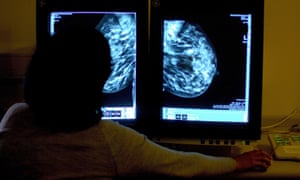
Consultant studying a mammogram


Breast cancer is the most common cancer in women in the UK, with more than 53,000 new cases each year Photograph: Rui Vieira/PA

Breast cancer is the most common cancer in women in the UK, with more than 53,000 new cases each year. A small study published last year and presented at an American Society of Clinical Oncology meeting suggested eating a Mediterranean diet may help prevent breast cancer returning.


Emma Pennery, clinical director at Breast Cancer Care, described the latest research as “intriguing”. She said: “We know how devastating a diagnosis is and this study adds to evidence that a healthy diet, full of ‘good’ low-saturated fats, plays a part in lowering risk of the disease.


“However, it’s important to remember while lifestyle choices like eating a well-balanced diet and taking regular exercise can help reduce the risk of cancer, they don’t guarantee prevention. So it’s crucial women know the signs and symptoms of breast cancer, and contact their GP with any concerns.”


People who have heart disease are already recommended to follow a Mediterranean diet in the UK. Public Health England has said the Mediterranean diet is similar to the official UK advice, which recommends cutting back on sugary, fatty and salty food and drinks.


Mediterranean diet may reduce risk of form of breast cancer – study

28 Ocak 2017 Cumartesi

How breast cancer and the BRCA gene brought us the sister we never knew

Like all sisters, Tamsin and Lorna Sargeant and Claire Pike are linked by their genes. But in their case, one gene has dominated their relationship; in fact, it was responsible for bringing them together for the very first time. In this picture of the three of them smiling in the sunshine they look happy and carefree – but the gene that brought them together has led to a huge amount of heartache, and desperately difficult decisions.


The story that united these sisters begins one day in spring 2009, when Tamsin, then 40, noticed a strange thickening under the skin of her chest, just below her collarbone. She went to her GP, who knew immediately it was serious. Sure enough, tests revealed a large tumour that had spread to her lymph nodes.


It was shocking and scary: but Tamsin knew she would get through. Her sister Lorna was a big support: the two had been raised by their mother, Jennie, and stepfather, Ralph, who had died a few months before her cancer came to light.


Tamsin had chemotherapy to shrink the tumour, followed by a lumpectomy and radiotherapy. She carried on with her job as a social worker as much as possible as well as caring for her then two-year-old daughter, Esmé, with her partner, Tom. By early 2010, it seemed she had put breast cancer behind her and moved on with her life.


But she hadn’t. At some point, her oncologist raised the possibility of whether Tamsin might be a carrier of one of the most common breast cancer genes, BRCA1 or BRCA2. “We had always been a bit worried about breast cancer in our family, on my mum’s side, because my grandmother and an aunt had it. But from the pattern of the disease in our family, the doctor said it was unlikely the BRCA gene was in our family.”


All the same, Tamsin agreed to take part in some medical research that meant being tested for BRCA. She was asked to fill in a detailed questionnaire about her family history, which meant contacting someone she had barely seen since she was a small child: her birth father, Clive, who had split up with her mother when she and Lorna were very young. “I hardly remembered Clive, and I’d always regarded Ralph as my dad,” says Tamsin. “But I had Clive’s email address, so I wrote to him to ask for information about anyone on his side of the family who had had breast cancer.”


Clive’s reply contained a bombshell. Not only had his sister and other members of his family had breast cancer, but he had another female relative to tell Tamsin about: a half-sister she had not known existed – Claire, the daughter of another relationship.


The news was exciting, and unexpected, and Tamsin hoped they might get to know one another. But first, she felt she needed to rule out the possibility, however unlikely her oncologist thought it was, that her family might be BRCA carriers. “I was very interested in Claire, and keen to meet her, but I felt it was my responsibility, for her and for Lorna, to make absolutely sure I didn’t have this gene,” says Tamsin. “I’d been through a horrible experience, and I thought the least I could do for them was make sure it wasn’t a big risk for them, too.”


The test results took a long time, but Tamsin wasn’t too worried. So when in March 2011 she went along to the Royal Marsden hospital to be told she was, after all, a carrier of BRCA1, the news was utterly devastating. “It was worse than being told I had cancer in the first place. By this stage, my hair had grown back and I felt my life was back to normal: now I was told I had a 50:50 chance of getting breast cancer again, and that I should consider the possibility of having a double mastectomy to reduce the risk.


“But on top of that, I now had to tell Claire and Lorna that they, too, might be carriers – and then they, too, would be at high risk of breast cancer.”


A BRCA gene mutation isn’t the most common cause of breast cancer. According to Martin Ledwick of Cancer Research UK, fewer than one in 10 cases of the disease are linked to it. But where the gene is identified, there’s a higher risk of getting breast cancer. “Up to 65% of women who carry the BRCA1 gene, and 45% of women who carry the BRCA2 gene will develop breast cancer by the age of 70,” he says. So while it doesn’t mean cancer is a given, it does mean it’s worth considering preventive surgery – a double mastectomy – to reduce the risk of breast cancer, and an oophorectomy, to reduce the risk of ovarian cancer, which is also higher in BRCA carriers.


Although she knows it wasn’t rational, and that she can’t possibly be held responsible for it, Tamsin says she felt the weight of responsibility of having to tell her sisters about the gene. “They had seen what I’d gone through, and I knew they would now be thinking, will I have all those horrible experiences ahead of me, too?” Like Tamsin, they had choices to make: and the first was whether to be tested for the gene.


“What’s interesting in a family is that different people react totally differently to the same piece of news,” says Tamsin. “It wasn’t just Lorna and Claire – there were others affected, relatives on Clive’s side of the family and my mum and her relatives. Some people wanted to have the test so they knew one way or the other; others preferred to wait and see; others wanted to have surveillance so any tumour would be discovered as early as possible.”


For Tamsin, there was a different dilemma. “I had to think about whether to have a double mastectomy. At first, I was completely opposed to that: I really wanted to keep my breasts, they felt like such an important part of me. Also, I’d had enough of hospitals and medical treatment.”


Eventually, though, she decided to have the operation. “I’ve got a young child, and I thought I owed it to her and Tom to do everything I could to reduce my risk of a further cancer,” she says.


When the operation took place, in February 2012, there was more bad news: Tamsin already had a second cancer in her other breast. More chemotherapy followed, as well as a failed reconstruction; and because the cancer had spread to her lymph nodes, these also had to be removed. “Things seemed to go from bad to worse – and all the time, I knew my sisters, as well as supporting me, were thinking this could be what lay ahead for them,” says Tamsin.


After her double mastectomy in 2012, she had her ovaries removed the following year. “But this is another operation you don’t just walk away from – there are big consequences to it. You go through an early menopause and it’s life-changing,” she says. “I like the fact that Angelina Jolie, who made the same choices as me, brought the BRCA gene to everyone’s attention, but I don’t think the suffering that goes with it has been fully appreciated.”


Meanwhile, first Claire, and then Lorna, had decided to be tested. For Claire, who is 37, it took a while for the enormity of the news that she might be affected by the BRCA gene to sink in. “I’d never met my birth father, Clive, but my mum had told me that somewhere out there I had two half-sisters,” she says. “And then one day Mum came round and said she needed to talk to me about something: Clive had contacted her about Tamsin having the gene. This was before Angelina Jolie, so I had no idea what it meant – but I was worried.


“My GP referred me to a geneticist, and after counselling I decided to have the test – I’ve got a young son, and felt I needed all the information I could get.” Six weeks later, she got the news that she, too, was a carrier. “By this stage, Tamsin had had her preventive surgery and found out she had cancer again – so I decided it was too much of a risk not to have the operation.” She had a double mastectomy and reconstruction in 2013, and has just had her ovaries removed.


Lorna, who is 45, was the last of the three sisters to be tested. “I’m the kind of person who’s happy trundling along, so I thought I didn’t want to know,” she says. “But after a couple of years I was worrying about every little bump and ailment and whether it was cancer.”


She decided to have the test in March 2014. “I’ve never told my sisters this, but I was worried that I might be the only one of us who didn’t have the gene. It sounds odd, but I thought I’d feel guilty having to tell them I was BRCA-free.” Sadly, she didn’t have to: she, too, tested positive.


“I’d already decided to have the surgery,” she says. “I didn’t want to live with this ticking time-bomb.”


For all three sisters, being brought together has been a silver lining to the dark cloud of BRCA – but they don’t want to minimise that cloud, or what it’s meant to their lives. “It’s been a very tough journey, and although it’s been wonderful to get to know Claire, the impact of the gene has coloured everything,” says Tamsin. “Apart from anything, there’s always been one or other or us going through major surgery.”


Claire says having two new sisters has been a brilliant boon to her life. “Lorna and I live quite near one another in Manchester and Cheshire, so it’s been great being able to meet up. When I was a teenager, I used to wonder about these sisters I knew nothing about, so it’s wonderful to have got to know them eventually. And given what we’ve had to face up to, it’s great that all of us know exactly what the others are going through – we’ve always had someone to talk to who understands.”


Lorna agrees: “We’ve had one another and been able to compare scars and nipples and lack of nipples,” she says. “My big hope now is that, at some point in the future, we can put BRCA into the box where it belongs, and just enjoy our lives together.”


Tamsin, Claire and Lorna are supporting Cancer Research UK’s Right Now campaign to beat cancer sooner. To support them, visit cruk.org


How breast cancer and the BRCA gene brought us the sister we never knew

27 Ocak 2017 Cuma

Substances in Cinnamon Affect Breast Cancer Cells

The Egyptians, the Chinese and ancient Europeans used to use the brown bark of the cinnamon tree for its anti-bacterial, anti-fungal, anti-inflammatory and even food preservation properties. Recent studies have shown how cinnamon can have a direct effect on many kinds of cancer, including breast cancer.


What is in cinnamon that makes it such a cancer healer?


Cinnamon contains an extraordinary amount of cancer-healing substances within it; cinnamaldehyde is probably the most studied substance within this warming herb. It has demonstrated its antiproliferative (anti-cancer) properties in quite a few studies, especially when it comes to lung and colon cancer. A 2015 study conducted by the University of Arizona found that cinnamaldehyde in Cassia cinnamon suppressed colorectal cancer metastasis through inhibiting inflammatory responses which help cancer cells to grow. Other studies have found cinnamaldehyde to have an effect on liver cancer cells. Studies have also shown that cinnamaldehyde prohibits the mechanisms of VEGF, or vascular endothelial growth factor, a major contributor to cancer cell growth.


In addition, cinnamon contains the phenylpropene, eugenol, which has proven its healing abilities on breast cancer cells. According to a 2013 study conducted by the King Faisal Specialist Hospital and Research Center in Saudi Arabia, the eugenol in cinnamon inhibited the substance Survivin in various kinds of breast cancer cell lines. Survivin is produced by cancer cells to help them avoid normally-occurring cellular death. Essential oils of clary sage, holy basil and clove also contain high levels of eugenol.


Finally, cinnamon contains the phytoestrogen coumarin, which may also have a positive effect on breast cancer growth and metastasis. Contrary to popular belief, naturally-occurring phytoestrogens do not need to be avoided when one is healing or wanting to prevent breast cancer. In fact, the phytoestrogens found in flax and pumpkin seeds, as well as in cinnamon, provide mild forms of estrogen which can help reduce estrogen-positive breast cancer tumors or prevent them from ever developing in the first place.


Phytoestrogens attach to cellular receptors within the mammary glands, replacing more “aggressive” xenoestrogens (or chemically-created estrogen “mimics”) with milder, naturally-sourced mimics.  Xenoestrogens are the main culprit in the vast majority of estrogen-positive breast cancers diagnosed each year.


Going along with cinnamaldehyde and eugenol’s cancer-culling effect are the detoxification properties of fiber, calcium and manganese that cinnamon provides. Fiber and key essential minerals can add to cancer prevention, especially from colon cancer.


Other Healing Properties of Cinnamon


 The properties found in cinnamon have other benefits too. As a super-antioxidant, cinnamaldehyde has the ability to chelate metals from the body. A comprehensive review conducted by the MD Anderson Cancer Center in Texas also found that the nutraceuticals in cinnamon were neuroprotectant and should be studied further for its benefits for Parkinson’s and Alzheimer’s patients


“Research over the last 10 years has indicated that nutraceuticals derived from such spices as turmeric, red pepper, black pepper, licorice, clove, ginger, garlic, coriander, and cinnamon target inflammatory pathways, thereby may prevent neurodegenerative diseases,” the report stated.


Finally, cinnamon is a known blood-glucose stabilizer, as demonstrated by several studies. Cinnamon supplementation is often recommended by natural health practitioners for help with Type 2 diabetes.


Cinnamon has been a healing herb in Asia and elsewhere for thousands of years and new scientific evidence is proving its cancer-healing and prevention power along several fronts. Now every time you sprinkle some on this delicious spice on a warm beverage or food, you will know that you are heading in the right direction and towards a healthy, vibrant, cancer-free life!


Dr. Veronique Desaulniers, better known as Dr. V, is the founder of  the 7 Essentials System ™, a step-by-step guide that teaches you exactly how to prevent and heal Breast Cancer naturally. To get your FREE 7-Day Mini e-Course and to receive her weekly action steps and inspiring articles on the power of Natural Medicine, visit her at BreastCancerConqueror.com


Substances in Cinnamon Affect Breast Cancer Cells

30 Aralık 2016 Cuma

Breast cancer warning over wine was worded poorly, says health chief

England’s chief medical officer has admitted she chose her words poorly when she told women they should “do as I do” and think about the risks of breast cancer every time they reach for a glass of wine.


Dame Sally Davies was accused of nanny state attitudes when she made the comments earlier this year to MPs at a science and technology select committee hearing.


Davies also set tough guidance which cut the recommended drinking limit to 14 units a week – the equivalent of seven glasses of wine – for men and women.


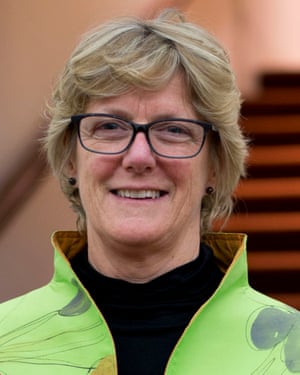
Dame Sally Davies.


Dame Sally Davies. Photograph: Yui Mok/PA

But she used her guest-editing slot on BBC Radio 4’s Today programme to talk about alcohol with the wine writer Jancis Robinson.


Addressing her controversial comments, Davies told the show: “Let me start by saying I could have framed that better, couldn’t I, when I was in front of the select committee?


“And everyone knows, who knows me well, that I enjoy a glass of wine too. What I was trying to get over is: what is the low-risk guidance for drinking?”


Davies said she would be enjoying a glass of champagne on New Year’s Eve like many others, but warned there was a “straight line” in the relationship between drinking and breast cancer.


National guidelines aim to slash the risk of harm to just 1%, and the stark warning was targeted at those who were drinking so much they were endangering themselves, Davies said.


“And I think my job is to tell them the evidence. It is not to be nanny and tell them they must, but they do need to think about it.”


Davies also accused critics who have dubbed her Britain’s nanny-in-chief of being sexist. She said: “I think it’s very sexist. I’m the first female chief medical officer, the 16th – the post has been there statutorily for 168 years.


“Would they have called my male predecessors nannies, let alone nanny-in-chief?”


Breast cancer warning over wine was worded poorly, says health chief

21 Kasım 2016 Pazartesi

Breast cancer awareness is not reaching black women like me. People are dying | Beverley McLaughlan

When I first discovered I had breast cancer, I felt shocked and afraid. I thought maybe there had been a mistake. I was 52, and didn’t have any symptoms: there were no lumps, just what I thought was a cyst under my armpit. I’d gone to hospital to get it checked, and had a mammogram and biopsy.


A week later I received several calls from the doctor, which I didn’t respond to until a voicemail asked me to come in. This was over the holiday period, and I went with a family member who herself had gone through a recent diagnosis and treatment for breast cancer and understood the process. That’s when they told me I had stage two cancer. I remember thinking that this couldn’t be right. I’m healthy and fit, and play a lot of sports.


I believe black women are less likely to go for screenings because the prevention work is not targeted at us


As a black woman, breast cancer wasn’t something I had received much information about. No one in my family had had it, and I don’t remember learning about it in school. When you pick up a breast cancer leaflet you tend to see a white woman staring back at you. I never saw it as an issue that specifically affected me.


But, of course, it does. In fact, new analysis shows that black women in England are twice as likely to be diagnosed with advanced breast cancer as white women. This is for many reasons, including possible differences in tumour biology, low awareness of symptoms and screening, and barriers to seeking help. In my community here in Leeds I know two women who have lost their lives to breast cancer, one of them only 49 years old.


I believe black women are less likely to go for screenings because the prevention work is not targeted at us. It would be great if larger charities made sure that their messaging reached women of colour.


There are charities working with black communities already, such as Black Health Initiative (BHI), but we need help spreading the message. BHI has a national cancer programme – BME Cancer – which launched in the House of Commons in 2014 and addresses the disparities within cancer among diverse communities. This kind of outreach and awareness cannot be time-limited; we need to keep going until it’s clear everyone is getting the message. After all, many from these communities support the national cancer fundraising drives, such as Stand Up To Cancer, Macmillian’s Coffee Mornings and Race For Life. Let’s be deliberately inclusive rather than accidentally exclusive when it comes to tackling inequalities. We have enough evidence to show it’s time for action.


My journey taught me to be more open and talk more. I had a mastectomy, reconstructive surgery, chemotherapy and three weeks of radio therapy. My treatment involves being on a drug for five years. I also have a mammogram every year. On being diagnosed, I felt a tinge of sadness, not knowing who to tell. But then I found some great support here in Leeds among other black women. It helped me get through some difficult days. It’s so comforting knowing that you’re not alone and that someone else is going through the same journey as you. We are able to share stories and talk, hold each other’s hands and raise awareness.


Only last week someone approached me, as they had to go for a mammogram and didn’t know what was going to happen. I gave them just a brief description of my experience, as I didn’t want to instil fear in them, but it was good to be candid and open. I hope I helped reassure them.


I just wish there was more awareness nationally. If the government, charities and those who hold the financial pot through fundraising do not recognise a need for inclusion when it comes to breast cancer awareness, then black women will continue to die at a higher rate. It’s as simple as that.


Breast cancer awareness is not reaching black women like me. People are dying | Beverley McLaughlan

17 Kasım 2016 Perşembe

Breast cancer drug approved for NHS use after price cut

A drug that can help shrink breast cancer tumours before patients undergo surgery to remove them has been approved for use in the NHS, after the manufacturer agreed a substantial discount on the list price.


Perjeta, the brand name of pertuzumab, could be helpful in the treatment of 1,400 women a year who develop a particularly aggressive form of breast cancer, but it was initially turned down by Nice, the National Institute for Healthcare Excellence, because of the high price set by the manufacturer, Roche.


Nice said it was also uncertain that the drug treatment would help prevent the cancer coming back.


Prof Carole Longson, director of the centre for health technology assessment at Nice, said there was only limited evidence of how well the drug worked because it had been quickly licensed on the back of promising but early trial data.


She said Nice was glad Roche had agreed to drop the price, though she would not reveal by how much.


“The price discount means that, even with the uncertainties in the evidence highlighted by the committee, pertuzumab represents a cost-effective use of NHS money,” Longson said.


The list price of pertuzumab is £2,395 per 420mg vial (excluding VAT). The total cost of four cycles of treatment with pertuzumab – the maximum Nice says should be used – would be £9,580 before the agreed discount.


The drug is used in combination with two others, trastuzumab (Herceptin) and docetaxel (a type of chemotherapy), to shrink tumours prior to surgery. If it works well, it may mean some tumours that were previously inoperable could be surgically removed.


Pertuzumab has been developed to help treat the 10-15% of breast cancers that are HER2-positive, which can be particularly aggressive.


Nice pointed out that the decision was the third green light for a cancer drug in as many weeks. It has been criticised for failing to approve cancer drugs, which often come on to the market at high prices.


Mia Rosenblatt, assistant director of policy and campaigns at Breast Cancer Now, said it was a huge leap forward. “Perjeta is the first addition to primary breast cancer treatment to be approved by Nice since 2006 and marks the introduction of a new type of breast cancer medicine, to be used before surgery,” she said.


“For the small number of women eligible, this drug could mean an enormous amount. It could help shrink their tumours to reduce the extent of the surgery they require or even make inoperable cancers operable.”


Samia al-Qadhi, the chief executive of Breast Cancer Care, said: “This is an exciting turning point. Women with certain aggressive types of breast cancer will have access to an extra drug before surgery that can boost the success of shrinking the tumour. Crucially this may mean people’s long-term survival improves.”


Breast cancer drug approved for NHS use after price cut

16 Kasım 2016 Çarşamba

Black women and breast cancer: share your story

Black women in England are more likely to get advanced breast cancer than white women, new analysis by Cancer Research UK and Public Health England shows.


It was concluded that late-stage disease affected almost twice as many black women (22% of black African women and 22% of black Caribbean women) than white women (13%).


Experts say this is for many reasons, including possible differences in tumour biology, low awareness of symptoms and screening and barriers to seeking help.


While spotting the disease early is key, Heather Nelson of BME Cancer Voice, said in an interview with the BBC: “Women of colour are less likely to go for screening.


“You’ll get leaflets through your door and they will be predominantly of white, middle-class women. There’s no representation of South Asian, African descent et cetera.


“If you get information like that, you’re going to look and think, ‘That’s not about me.’”


One woman said to the BBC: “A lot of us black people bury our head in the sand: ‘Oh, me, well, I don’t need to go, there’s nothing wrong with me.’”


But lots of work has taken place around breast cancer prevention. In October, the international community celebrated Breast Cancer Awareness Month. The pink ribbon has become a symbol to express moral support for women with the disease.


So, why is this work not reaching everyone? If you’re a black survivor of breast cancer, we want to hear your thoughts. When did you find out you had cancer and what has your experience been? What do you think of the prevention messages available? Does it talk to a diverse range of communities? Why do you think that black women are less likely to go for screening?


Share your story with us.


Black women and breast cancer: share your story

8 Kasım 2016 Salı

Lack of NHS radiologists "could cause delays to breast cancer diagnoses"

Women may suffer a delay in finding out that they have breast cancer because the NHS is struggling with a serious and worsening lack of radiologists and radiographers, according to health experts.


There are fears that the NHS’s breast cancer screening programme will not be able to cope with the growing numbers of women who will require mammograms in coming years when the age of eligibility is extended from 50-70 to 43-73.


Two reports reveal how hospitals are facing a chronic shortage of specialists to both carry out and analyse mammograms to see whether women have breast cancer.


The Royal College of Radiologists (RCR) said there was a “looming workforce crisis facing breast cancer screening and diagnostic services” in the NHS. Difficulty getting enough staff could have a severe impact, it said.


Staff shortages are so common that almost one in 10 (8%) consultant posts in NHS breast radiology services are unfilled and a quarter of breast cancer screening programme units operate with just two or one breast radiologists, according to RCR surveys.


“The skill of breast radiologists in interpreting mammograms and other complex scans is vital to the early detection and diagnosis of breast cancer, as well as in the delivery of cancer screening programmes. Without more breast radiologists to tackle this increasing demand we cannot hope to achieve the best possible health outcomes for patients,” said Dr Hilary Dobson, the chair of the British Society of Breast Radiology.


A separate report, by the breast cancer screening programme itself, found that15% of posts among radiographers in England who carry out mammograms were unfilled and that 65% of screening units had vacancies for such staff. The NHS needed another 70 whole-time-equivalent radiographers specialising in mammography on top of its existing 615, it said.


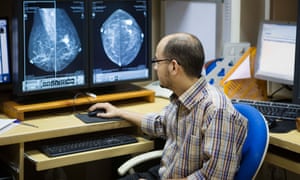
Almost one in 10 consultant posts in NHS breast radiology services are unfilled


Almost one in 10 consultant posts in NHS breast radiology services is unfilled. Photograph: Dominic Lipinski/PA

“These findings suggest that in the future these staff shortages could risk more women experiencing a delayed diagnosis,” said Danni Manzi, the head of policy and campaigns at Breast Cancer Care. “Any delay in diagnosing breast cancer could affect how successful treatment is because the sooner treatment starts, the more effective it’s likely to be. It’s vital any wait is kept to a minimum.”


About 2.1 million women a year in England go for breast cancer screening. That number is due to rise in the next few years as there will be 8% more women aged 50 to 70. A planned extension of the age limits to 47 to 73 could see the number of women across the UK covered by the early detection scheme rise by 28% from 8 million to 10.2 million.


The RCR claimed the NHS had too few clinical oncologists who delivered both radiotherapy and chemotherapy. Six of the 21 vacant consultant posts in the specialism had been unfilled for at least a year and one in five clinical oncologists were due to retire by 2021, it found.


“The clinical workforce is growing but not quickly enough and the trends identified by our census reveal an oncology service moving steadily towards crisis,” said Dr David Bloomfield, the RCR’s medical director for professional practice.


Delyth Morgan, the chief executive of Breast Cancer Now, said: “These findings are of tremendous concern. This workforce is the backbone of the screening programme and is critical to our ability to diagnose and treat women with breast cancer in England, and must now be urgently reinforced.


“If we are to ensure the success of the screening programme and that all patients with symptoms of breast cancer have access to the timely investigation they need, this crucial workforce must be properly resourced and sufficiently supported.”


Lady Morgan urged Health Education England, the NHS’s medical recruitment and training arm, to come up with an urgent plan to increase the supply of key staff in NHS cancer services.


The Department of Health said it was working hard to ensure NHS cancer services had enough staff. “We’re helping the NHS manage increased demand in cancer services by making staffing a priority, with 20% more clinical radiologists since 2010,” a spokesman said.


The NHS in England had 20% more clinical radiologists, including 20% more consultants, and almost 10% more doctors in training, than in May 2010, he said.


Lack of NHS radiologists "could cause delays to breast cancer diagnoses"

4 Kasım 2016 Cuma

Study- Vitamin D Can Prevent 90% Of Breast Cancer

Breast cancer is a malignant tumor, which is a group of cancerous cells that can grow and spread to his surrounding tissues. Many factors contribute to causing breast malignancy, though heredity is a major one. It is the second most common cancer among women in the United States. About 1 in 8 women will develop breast cancer in their lifetime. For women in the United States, breast cancer death rates are among the highest cancer death rates, second only to lung cancer.


Vitamin D for Breast Cancer Prevention


Many studies have shown that there is a link between vitamin D and breast cancer. Women who have breast cancer tend to have low levels of vitamin D. Vitamin D may play a role in controlling normal breast cell growth and may be able to stop breast cancer cells from growing.


The body’s main source of the vitamin is from the sun which is converted into the hormone calcitriol in several different body tissues, including breast tissue. It is also obtained from food – such as oily fish and eggs. Supplements are also available to boost vitamin D intake.


So How Does it Work?


According to Dr. Cedric F. Garland from the University of California’s San Diego Moores Cancer Center breast can be cure with Vitamin D. Without enough Vitamin D, the structure collapses and the cells multiply, leading to cancer in many cases.


Carole Baggerly, the founder of GrassrootsHealth.com believes that 90% of ordinary breast cancer is related to vitamin D deficiency — which is 100 percent preventable!


His team found that women who had high levels of 25-hydroxyvitamin D in their blood had around a 50% lower fatality rate, compared with women who had low levels of 25-hydroxyvitamin D in their blood.


Natural Sources of Vitamin D


-Sunlight spurs the body to make vitamin D


-Fatty fish can be a good source of vitamin D


-Mushrooms have the capacity to produce vitamin D when exposed to ultraviolet light


-Eggs are a convenient way to get vitamin D


-One tablespoon of cod liver oil contains about 1,300 IUs of vitamin D, which is more than twice the recommended dietary allowance of 600 IUs per day


Sources:


v


–http://www.cancer.org/cancer/breastcancer/detailedguide/breast-cancer-risk-factors


–https://www.ncbi.nlm.nih.gov/pmc/articles/PMC1470481/


–https://www.davidwolfe.com/vitamin-prevent-90-breast-cancer/


–http://www.prevention.com/food/food-remedies/foods-high-vitamin-d


Study- Vitamin D Can Prevent 90% Of Breast Cancer

3 Kasım 2016 Perşembe

McGrath Foundation breast care nurses to get $20.5m in new funding

The Turnbull government has announced $ 20.5m in new funding for the McGrath Foundation’s breast care nurses.


The four-year commitment will pay for up to 57 nurse positions in roughly 55 locations across the country, mostly in regional and rural areas. It will provide the funding from 2017-18.


The prime minister, Malcolm Turnbull, and the minister for health, Sussan Ley, announced the decision on Friday.


It came a day after they handed $ 20m in funding to the Zero Childhood Cancer program at the Children’s Cancer Institute at Sydney children’s hospital.


Breast cancer is estimated to be the third most commonly diagnosed cancer and the most common cancer for Australian women. It affects one in eight Australian women before the age of 85.


The McGrath Foundation’s breast care nurses provide physical, psychological and emotional support to people diagnosed with breast cancer, their families and carers.


More than 80% of the commonwealth-funded McGrath nurses are employed in rural and regional Australia.


The Turnbull government’s decision extends a funding commitment from the Rudd government’s 2013-14 budget, which provided $ 19.5m in funding over four years.


Since 2013, commonwealth-funded McGrath breast care nurses have supported about 15,000 Australians and their families.


McGrath Foundation breast care nurses to get $20.5m in new funding

UK regulator approves drug that could extend lives of breast cancer patients

Women with later-stage breast cancer may gain up to three months of extra life after health regulators gave the NHS the green light to prescribe the first new drug to treat the disease in almost a decade.


About 1,500 women a year in England who have locally advanced breast cancer, or whose disease has spread despite two rounds of chemotherapy, will be eligible to receive the life-extending drug. On average, they usually only have two years to live after they have been diagnosed.


The National Institute for Health and Care Excellence (Nice) reversed its previous refusal to approve eribulin because new evidence showed that it could result in “substantial” benefits.


Prof Carole Longson, director of Nice’s centre for health technology evaluation, said: “For this appraisal we’ve been able to consider updated results from the trial used in the original guidance that show women taking eribulin lived on average almost three months longer compared with women taking other treatments.”


“The life expectancy of people for whom eribulin is licensed is short, and quality of life is very important.”


Breast cancer charities said the decision to make the drug routinely available in England could make a big difference to women whose breast cancer had proved resistant to other treatments.


Delyth Morgan, chief executive of Breast Cancer Now, said: “This is immensely positive news. Eribulin is the first breast cancer drug in a decade to be approved and this represents real progress for certain patients in England.


“It offers a crucial life-extending alternative for patients whose breast cancer has become resistant to other therapies, and for those with triple negative disease, who desperately lack treatment options”.


Triple negative cancers are those that do not involve the three molecules that are used to classify breast cancers. About 225 of the potential 1,500 recipients have that form of cancer.


Eribulin is the first new drug to be approved for use in patients with metastatic breast cancer since Gemzar, also known as gemcitabine, was given the go-ahead in January 2007.


Danni Manzi, head of policy and campaigns at Breast Cancer Care, said: “This decision could be life-changing for many women living with incurable breast cancer. Access to this life-extending drug eribulin will offer patients precious extra time to spend with their loved ones. For these patients every day counts.”


She hoped that Nice’s decision will lead to other breast cancer drugs being approved. “With so few treatment options available, it is momentous to bring another medicine to the table,” she said.


Breast cancer in women whose disease has spread to other parts of the body is deemed to be incurable. In those women whose cancer has advanced locally, though, it is seen as still potentially curable.


About 4,000 breast cancer patients have already received eribulin, which is also known as Halaven, since it became available in England through the Cancer Drugs Fund, in March 2011. It is one of the medicines the fund has paid for the most often.


Patients in Wales should also be able to receive the drug as the Welsh NHS follows Nice’s rulings on which medicines represent value for money. Scotland’s equivalent, the Scottish Medicines Consortium, approved the drug in March this year.


Dr Mark Harries, a consultant medical oncologist working with the pharmaceutical company Eisai, who make the drug, said: “I am delighted that women in England with locally advanced or metastatic breast cancer will continue to be able to access eribulin and that the future of this treatment within the NHS is secure. Eribulin significantly improves overall survival in women with this disease and it is therefore an important option against breast cancer.”


Breast cancer is the most common form of cancer in women in England. There are about 45,000 new cases a year, with approximately 300 men contracting it. In 2014, some 9,500 women and 60 men died from the disease.


UK regulator approves drug that could extend lives of breast cancer patients

20 Ekim 2016 Perşembe

Facebook bans Swedish breast cancer awareness video for being offensive

Facebook has removed a video on breast cancer awareness posted in Sweden because it deemed the images “offensive”, the Swedish Cancer Society said on Thursday.


The video, displaying animated figures of women with circle-shaped breasts, was aimed at explaining to women how to check for suspicious lumps.


Sweden’s Cancerfonden said it has tried to contact Facebook without any response and has decided to appeal the decision to remove the video.


Facebook was not immediately available for comment.


“We find it incomprehensible and strange how one can perceive medical information as offensive,” Cancerfonden communications director Lena Biornstad told AFP.


“This is information that saves lives, which is important for us,” she said. “This prevents us from doing so.”


Facebook faced outrage in September for repeatedly deleting a historic Vietnam war photo included in a post by Norway’s prime minister, Erna Solberg.


It said the iconic photo of a naked Vietnamese girl fleeing a napalm bombing violated its rules but later backtracked on the decision.


Facebook bans Swedish breast cancer awareness video for being offensive

17 Ekim 2016 Pazartesi

Best Breast Cancer Prevention Tips

Breast cancer is a scary disease, and one that affects most of us somehow. It’s common enough that we know someone in our family or circle of friends who is or will soon be fighting it. It’s hardly surprising that most women are very concerned about breast cancer.


The great news is that we know so much more about breast cancer than we did in the past. Treatments are getting far more effective, and prevention is becoming more and more of the focus. Here are the best breast cancer prevention tips to keep in mind this October as we make our way through Worldwide Breast Cancer Awareness Month.


Keep it down


Maintaining a healthy weight is important for everyone, but for women it has special significance because of the connection between breast cancer and obesity. Being overweight increases your risk of breast cancer by 30 to 60 percent.


Stay active


Exercise helps you maintain a healthy weight, sure. But it is also independently linked to a lower risk of breast cancer, not to mention other forms of cancer. In fact, exercising regularly may lower your risk of breast cancer by up to 25 percent.


Eat your veggies


Your mom was right! A healthy diet, particularly one with lots of vegetables and fruits, can help reduce your risk of breast cancer. Cruciferous vegetables like broccoli and cauliflower are especially helpful in fighting cancer.


Cut down on alcohol


Consume alcohol at moderate levels, if at all. Moderate levels means one drink per day, or less. If you drink more than that, cut back. Women who consume three drinks per week have a 15 percent higher risk of breast cancer compared to women who don’t drink at all, and that risk goes up by 10 percent for each daily drink you add.


No tobacco


Smoking increases your risk of breast cancer, and at least a dozen other varieties of cancer, too. There’s no excuse! Cut out your tobacco habit.


Breastfeed if you can


Women who breastfeed for one year total (or longer) have a reduced risk of breast cancer. The amount of benefit you get from breastfeeding grows as the total number of years you breastfeed goes up, so if breastfeeding is an option for you, explore it.


Avoid unnecessary hormones


Birth control pills over the long haul have some risks, and increased chances of breast cancer is one of them. However, this risk goes away once you stop the pill. Additionally, taking the pill lowers your risk for other cancers such as colon cancer, ovarian cancer, and uterine cancer, so consult with your doctor to make an informed decision.


Post-menopausal hormones should not be a long-term health solution. If you need to take these kinds of hormones, make sure you take them for the shortest possible period of time.


Know your history


If breast cancer runs in your family, you may have a much higher risk. Sometimes even women who have other forms of cancer in their families like ovarian cancer or prostate cancer may be at increased risk for breast cancer. Make sure you know your family history, and consult with your doctor about it. A genetic counselor is also a great choice to help you understand what your family history means in terms of your risk for breast cancer.


Conclusion


This October, do more for yourself during Breast Cancer Awareness Month beyond wearing pink. Start making these best breast cancer prevention tips part of your life for good. Too many people love you and are counting on you for you to ignore the risks, so take these important steps now.


Best Breast Cancer Prevention Tips

1 Ekim 2016 Cumartesi

Patients over politics: Sudanese breast cancer clinic that beat sanctions

For many women living in Sudan, breast cancer means certain death. Treatment is too expensive or they simply feel too embarrassed to seek help.


But until recently, yet another obstacle was seriously hampering efforts to cut breast cancer deaths in Sudan. Since the early 1990s, the country has been on the US blacklist for state sponsors of terrorism – imposed for human rights violations and for harbouring Osama Bin Laden.


Even the Khartoum Breast Care Centre (KBCC), the Horn of Africa’s first and only dedicated breast cancer clinic, has been hit by the sanctions, with a ban on international money transfers and the restriction on imports of medical equipment and spare parts.


Founded by British-trained Sudanese radiologist Dr Hania Fadl, the KBCC offers hi-tech digital mammography screening for a fraction of the usual price elsewhere. Since it opened in 2010, it has treated more the 18,000 patients from across the region and has received widespread acclaim and international support.


Using private funds and a $ 14m donation from the charitable foundation run by her ex-husband, Sudanese-British businessman Mo Ibrahim, Fadl has managed its 11-year development from start to finish.


However, the US sanctions meant the centre was unable to buy and maintain crucial diagnostic machinery. In February 2014, it decided to begin a year-long application process for a US Office of Foreign Assets Control (Ofac) exemption, which would make it easier to maintain its General Electric digital mammography machine.


Dr David Lawis, medical director of KBCC.


Dr David Lawis, medical director of KBCC. Photograph: Yassir Bukhari/Elephant Media

During the application process the machine broke down. It ended up being out of action for 10 weeks. The clinic was paralysed, with doctors forced to use alternative screening methods. “The problem is the poor women. You do ultrasounds and biopsies but an ultrasound is not an internationally approved screening modality,” Fadl says. “There are patients and I have to do something, even if they’ll put me in jail. I can’t let them wait and risk that their cancers spread.”


After heavy campaigning and several trips to Washington by Fadl to meet members of Congress, Ofac eventually issued a blanket licence exempting all medical equipment in Sudan from sanctions.


Ignorance is rife and I really hope and pray that women will come to the centre at least for a simple check up


Fatma Abdelmajid, KBCC patient


The result was a welcome surprise to doctors at the KBCC, who say the move is a milestone for Sudanese healthcare in that it has put the needs of patients above international politics.


“All of our equipment in the clinic is from a US company, General Electric, as are the majority of advanced medical machines in Sudan. For there to be an exemption from sanctions, our lives as doctors will be much easier and the lives our patients will drastically change,” says Dr David Lawis, medical director of the KBCC.


Lawis says access to radiotherapy remains a huge issue, with just two machines in the country. One, in Khartoum a hospital, has been broken for about seven months. The second is in Madani hospital, two hours’ drive from Khartoum.


Anyone who can afford to pay for treatment abroad usually leaves Sudan to get radiotherapy, but the blanket Ofac licence has the potential to change this. “People won’t have to leave their country to get the treatment they deserve,” says Lawis.


Word of mouth


Other challenges remain, however, and Fadl says the battle to educate and inform women about self-examination and the local availability of affordable treatment is the next healthcare frontier.


“We did a little survey to ask the women how they heard about us. We found that the most effective, at 49%, was word of mouth. We are still a tribal community: we trust relatives, friends and neighbours who tell us ‘I went to that place and it is good’. We don’t have that culture of research on the internet,” says Fadl.


This was the case for 60-year-old Sudanese patient Fatma Abdelmajid, who regularly takes a six-hour bus from Atbara in north-east Sudan to Khartoum for treatment after a local doctor told her that “one of Atbara’s boys” worked at the KBCC clinic.


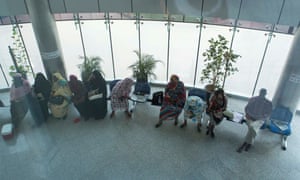
Women wait to be seen at the KBCC.


Women wait to be seen at the KBCC. Photograph: Yassir Bukhari/Elephant Media

“The mentality around breast cancer here is absolutely wrong. When you tell women in the village that you’ve been diagnosed, they are so disturbed as if you’re about to drop dead in front of them. It’s really sad,” says Abdelmajid.


“They tell you, go to a fakeeh [spiritual healer], who will give you herbs and spiritual remedies to treat you. Ignorance is rife and I really hope and pray that women will come to the centre at least for a simple checkup.”


While the Sudanese health ministry keeps no full records, Lawis says that breast cancer accounts for approximately 35% of all cancer cases among Sudanese women. An estimated 60% of the 2,000 women diagnosed with breast cancer who die each year could have survived if given proper care.


Fadl strongly believes that stories like Abdelmajid’s will help end the taboo that often stops women from seeking a diagnosis. “A woman who has the experience of being treated should tell her stories, to new patients here at the centre and women in their villages. The best thing is to have these examples and success stories,” she says.


Fadl, who lives above the centre in Khartoum, patrols the corridors every day, greeting patients. “If I just walk downstairs and see the patients, see their kindness and deep gratitude, I just can’t help but want to help them. Sudanese women deserve everything I do – really and truly. I can’t tell you enough.”


Patients over politics: Sudanese breast cancer clinic that beat sanctions