operations etiketine sahip kayıtlar gösteriliyor. Tüm kayıtları göster

28 Nisan 2017 Cuma

NHS pays out millions to patients of surgeon convicted of needless breast operations

The NHS has been forced to pay out almost £10m in compensation to more than 250 patients of a rogue surgeon found guilty of carrying out needless breast operations on patients who were left traumatised and scarred.


Consultant surgeon Ian Stuart Paterson, 59, was convicted on 20 counts of wounding with intent and unlawful wounding against nine women and one man on Friday. But he could have more than 1,000 more victims, among them hundreds of private patients who may never be compensated for botched and needless operations.


Paterson had denied the charges, which related to procedures he carried out between 1997 and 2011. The jury at Nottingham crown court had heard claims that the surgeon – who saw hundreds of patients a year – carried out the operations for “obscure motives”, which may have included a desire to “earn extra money”.


He denied misrepresenting patients’ test results to dupe insurers into paying for surgery, but other former patients have told the Guardian that the surgeon exaggerated or simply invented the risk of cancer and – in some cases – claimed payments for more expensive procedures that those he had carried out.


Paterson was employed by Heart of England NHS trust in 1998 – despite having been previously suspended from the Good Hope hospital in Birmingham – and also practised at privately run Spire Healthcare hospitals in the Midlands over a 13-year period.


The NHS has so far paid out around £9.5m, settling 256 cases, with 25 outstanding, the Guardian has learned. But hundreds of Paterson’s private patients may never see a penny after Paterson’s insurance company – the Medical Defence Union (MDU) – said their cover was “discretionary” and had been withdrawn. Paterson had a limited separate insurance policy of £10m, which solicitors say will not nearly cover the compensation and costs of all private patients.


Spire Healthcare, which runs the Parkway and Little Aston hospitals where Paterson treated private patients, have settled some cases but argue that as Paterson was not technically their employee, they are not responsible for his actions. The company would not divulge any details about compensation.


Sarah Jane Downing, who set up a petition, demanding compensation for Paterson’s private victims, said she had been left “shocked and appalled” at the lack of redress.



Sarah Jane Downing.


Sarah Jane Downing. Photograph: Teri Pengilley for the Guardian

“Many of these people chose private healthcare because they bought into those promises in the glossy brochures. And now we have realised that those promises are not worth the paper they are printed on. It’s utterly devastating.”


At a recent coffee morning for former Paterson patients, many described the consultant’s “brilliant” bedside manner. “He was so lovely, I thought I was so lucky – I thought I was being looked after,” said Elaine Diskin, who had eight operations by Paterson over as many years.


Her husband, Mike, also had a deep respect for the surgeon – so much so that when he had a pain in his chest, he went to him and did not hesitate when the surgeon said he suspected lipoma and that they “had to get it out”.


“Sinister was the word he used,” Diskin said. “I had no reason to doubt him because he was looking after Elaine so well.”


They trusted Paterson so much they also recommended his care to a friend, who went on to have a lump removed. “We used to joke that we’d paid for his skiing holidays,” said Elaine Diskin.


After the Diskins were recalled for a review of their treatment in 2012 they discovered that at least seven of the eight operations Paterson had done on Elaine – along with both performed on her husband and their friend – were unnecessary.


A civil case with seven “test” cases – which will determine to what extent Spire can be held liable for Paterson’s work in their hospitals – is scheduled to be heard in October, but looks likely to be delayed. The outcome will affect all the private patients who have brought civil claims – and who fear they may get nothing.


Solicitors familiar with the case say Spire has made a handful of payments – the largest about £150,000 – to former patients in the private sector which include unnecessary removal of lumps and the received“cleavage-sparing mastectomies”, a controversial operation that left breast tissue behind after the removal of cancerous cells.


Concerns about Paterson were raised as far back as 2003. But despite several internal and external investigations and complaints from patients, GPs and other surgeons he was only suspended by the General Medical Council in 2011. “In every profession you get rogue operators – but there are checks and balances to stop terrible things happening,” said Mike Diskin. “Why were there not in this case, or why were they ignored?”


Timeline


1998: Paterson is hired as a consultant surgeon at the Heart of England NHS trust, despite being previously suspended from the Good Hope hospital, and also sees private patients at Spire Healthcare hospitals Little Aston and Parkway.


2003: Paterson is investigated because of concerns about “cleavage-sparing mastectomies”. Recommendations are not followed through.


2007: Breast surgeon Hemant Ingle is appointed and with others raises concerns. Further investigations are carried out and Paterson is told to stop performing “cleavage-sparing mastectomies”. Mark Goldman, chief executive of the Heart of England NHS trust, informs Spire that the trust is investigating Paterson.


2008: Two GPs complain about Paterson’s treatment of a patient, saying he gave misleading information about pathology reports, over-treated patients and disregarded the multidisciplinary team meeting process. Another report is critical.


2009: A Spire Parkway patient makes a formal complaint about Paterson. No action is taken. Heart of England NHS trust recalls 12 patients who have had “cleavage-sparing mastectomies”. West Midlands Cancer Intelligence Unit submits two further reports.


2010: The General Medical Council (GMC) tells Spire Parkway executives about a complaint from an NHS patient. .


2011: Parkway were informed Paterson had carried out a “cleavage-sparing mastectomy” in 2009 after being told to stop in January 2008. A month later the GMC informed Spire about another patient complaint. A total recall of all Paterson’s patients begins.


Paterson is suspended by the NHS in May 2011 but continues to perform breast surgery for Spire until 31 May and general surgery until 8 June 2011. He is paid until November 2012.


NHS pays out millions to patients of surgeon convicted of needless breast operations

27 Ocak 2017 Cuma

Record number of urgent operations cancelled in England last year

Hospitals cancelled a record number of urgent operations last year as bed shortages left them struggling to cope with the growing number of patients needing surgery, NHS figures show.


Hospitals in England cancelled a total of 4,093 urgent procedures during 2016, which equates to 341 per month. That was 8% more than the 3,777 they had to put off in 2015 and 27% up on the 3,216 such operations they cancelled during 2014.


While some cancellations occur because of the patient’s health, the large majority are due to hospitals having too few beds, especially in intensive care or high-dependency units in which patients can recover afterwards, often because a more urgent case has arrived. A few involve staff shortages or a surgeon becoming unexpectedly unavailable.


The latest figures mean that in all 17,598 patients have had their urgent operation cancelled over the past five years, often at the last minute, despite their condition requiring surgery without delay.


Opposition parties claimed the figures, published on Friday by NHS England, showed that problems in the health service were deepening and that the government was not giving it sufficient money to keep up with the rising demand for treatment.


“Theresa May’s NHS crisis continues, and the problems are worse and more widespread than in previous years. By underfunding and overstretching the NHS, the Tories have pushed health services to the brink”, said Jonathan Ashworth, Labour’s health spokesman.


Norman Lamb, his counterpart for the Liberal Democrats, added: “The government’s stubborn refusal to give the NHS emergency funding means record numbers of operations are being cancelled as hospitals face weeks on end of intolerable pressure. This will inevitably have serious repercussions for patient care and the morale of NHS staff.”


The NHS England data shows that hospitals also cancelled 38,129 non-urgent elective operations between April and October – again, the largest-ever number for those six months.


Of those patients, 2,204 did not have their rescheduled surgery within 28 days, as the NHS Constitution says they should, in another sign of the huge pressures on the service.


However, NHS England’s latest winter situation reports data showed on Frida that hospitals came under slightly less strain last week than during the “winter crisis” that unfolded in the early weeks of January.


Overall 43 acute hospital trusts were forced to divert A&E patients to another emergency department because they could not cope with the large numbers of people needing care, down from 52 the week before. Similarly, 51 trusts declared some sort of alert during the week, down from 68 a week earlier.


A further Eleven people died from flu last week, bringing the total to 53 since the start of December, and 65 needed to be treated in an intensive care or high-dependency unit.


NHS England and Public Health England said the number of flu cases hospitalswere treating was worrying and linked to the particularly cold weather affecting much of England recently.


Record number of urgent operations cancelled in England last year

20 Ocak 2017 Cuma

Overweight patients less likely to die in hospital after heart operations

Patients who are overweight or obese are less likely to die in hospital after a heart operation than those who are a healthy weight, a study has found.


The results of the British Heart Foundation (BHF)-funded research suggest it is wrong to deny people surgery because they are overweight and that underweight patients could benefit from gaining weight prior to a heart operation.


A team at the University of Leicester collected data on about 400,000 adults in the UK and Ireland who underwent cardiac surgery between 2002 and 2013, categorising them into different weight categories, according to their BMI (body mass index).


Of those included, 11,511 patients died in hospital, including 4.4% of patients who were of healthy weight, compared with only 2.8% of those who were overweight and 2.7% in obese class I (with a BMI of 30 to 35). The study, published on Friday in the journal Circulation, found that 8.5% of patients who were underweight died in hospital.


Gavin Murphy, BHF professor of cardiac surgery at the University of Leicester, said: “We saw a 25% reduction in death by being overweight as opposed to being normal [healthy] weight. That’s a bigger effect on mortality than statins.


“It changes one of the most basic approaches behind surgery, which is that people need to lose weight before surgery. Obese patients are generally considered unfit for surgery. This study shows the very morbidly obese – with a BMI greater than 40 – did not have a greater risk. It shows that no patient should be rejected for surgery on the basis of body mass.”


The authors believe the study confirms the existence of the much-debated obesity paradox, whereby obesity can cause illnesses, such as heart disease or a heart attack but at the same time have certain protective effects.


Murphy said they found a linear association between increasing BMI and lower risk of acute heart failure or acute stroke but the relationship did not hold for all adverse outcomes post-surgery (infections, for example). How being overweight or obese protects patients who undergo surgery is unknown but the researchers plan to investigate this in future.


“If you imagine that having a heart operation is like climbing a mountain, you’re probably better doing that if you’re nutritionally nourished than if you’re under-nourished, if you’re having an energy surplus than having an energy deficit, although it’s probably a bit more complex than that,” said Murphy.


The researchers found that overweight or obese patients had greater protection regardless of age and even if they had experienced complications associated with obesity, such as hypertension, diabetes and coronary artery disease.


They also reviewed data from 557,720 further patients included in studies across Europe, the United States and Asia, finding similar results.


BHF’s associate medical director, Prof Jeremy Pearson, said: “We always recommend a healthy waistline, which significantly reduces lifetime risk of heart disease and therefore a person’s risk of needing cardiac surgery. However, this large study strongly suggests that being overweight can give patients added protection when facing major heart surgery, reducing their chance of complications or death before leaving hospital.”


A large number of NHS groups are believed to have placed restrictions on access to surgery for overweight people, although, in most cases this applies to elective procedures for non-life-threatening conditions such as hip and knee replacements.


Overweight patients less likely to die in hospital after heart operations

16 Aralık 2016 Cuma

Hospitals in England told to put operations on hold to free up beds

Hospitals in England have been told to put most operations on hold over Christmas to ensure enough beds are free for patients who need emergency treatment.


The health service regulator, NHS Improvement, has asked all hospitals that provide acute care to postpone most of their planned operations in a drive to make more beds available over the winter break.


In a letter to NHS Trusts, the regulator said surgery would have to be rescheduled if hospitals were to reduce their bed occupancy to 85% from 19 December to 16 January, when pressure on the health service is expected to be at its most intense. According to NHS England, hospital bed occupancy currently stands at about 95%.


Many hospitals take steps to wind down the number of operations they perform over the Christmas period, but the letter obtained by the Health Service Journal states that operations may need to be postponed “beyond any current plans”.


It says: “Given the level of risk facing the system, it is clear that having sufficient bed capacity going into Christmas is critical, and we know most organisations will already have this in hand as part of local planning arrangements.


“In preparing for managing winter pressures, it is recommended that all providers pace their elective work by introducing elective breaks where trusts cease most in-patient elective activity and focus on treating emergence activity and non-admitted patients.”


Admissions to hospital emergency departments tend to spike over the winter because of the cold weather and a rise in respiratory infections.


The NHS Providers chief executive, Chris Hopson, told the Health Service Journal that the guidance was “another classic example of how trusts are now caught between a rock and a hard place” of meeting surgical targets while coping with ever rising emergency demands. “Trust chiefs tell us it’s increasingly difficult to deliver both,” he said.


“This guidance does go further than before, for example in specifying a target bed occupancy level as the holiday period starts, but it is in line with the direction of travel over the last few years,” Hopson added.


The letter, dated 9 December, came to light as the Nuffield Trust warned that pressure on beds in NHS England hospitals had become so intense that on any given day last winter the equivalent of more than five extra hospitals’ worth of beds had to be brought into service.


On the busiest day last winter, 26 January, hospitals had to find a record 4,390 extra beds, the equivalent to the capacity of seven hospitals. With the pressure on beds so acute, the Nuffield report said hospital managers would find it harder to deal with emergency patients within four hours of their arrival in A&E departments as targets require.


Beds have come under increasing pressure in the past few years as more people are referred to hospital and medically fit patients are not discharged on time. Delays in discharging patients stand at a record high, up 27% on last year, as do trolley waits, up 54% in the year to October. John Appleby, the Nuffield Trust’s chief economist, said: “It’s a big sign the system isn’t working that efficiently.”


He said the call on hospitals to free up more beds over Christmas showed a “tinge of anxiety” over the levels of bed occupancy in the NHS. “It’s a bit invidious,” he said. “But clearly emergencies must take priority.”


Jon Ashworth, the shadow health secretary, said: “This leaked memo represents a damning indictment of Theresa May’s mismanagement of the NHS. The Tory failure to provide the NHS with the funding it needs means that hospitals are having to close operating theatres over Christmas just to get through the winter.


“This short-term fix is only going to store up problems for next year and leave more and more people stuck on waiting lists when already almost 4 million people are waiting for an operation. Starving the NHS and social care sector of the investment they need simply can’t be allowed to continue.”


A spokesperson for NHS Improvement said: “NHS providers will be doing all they can to make sure their patients are able to receive quality care during the busy Christmas period. A reduction of elective hospital activity in the run-up to Christmas is standard practice, and well rehearsed by NHS providers.


“Many hospital trusts also routinely wind down elective activities in the run-up to the Christmas and new year period, as patients do not wish to be in hospital over the festive period and those who are medically fit for discharge want to return home. This also frees additional capacity.


“Cancellations should be kept to an absolute minimum and, in trusts where elective work does need restricting, then the decisions should always be taken using appropriate clinical reviews to ensure patient needs are met.”


Hospitals in England told to put operations on hold to free up beds

26 Ekim 2016 Çarşamba

Will the closure of India"s sterilisation camps end botched operations?

It happened in a classroom, on the desks of the village school. It was dark, so the doctor operated on the women by torchlight. The procedure only took two minutes; many women did not even know that they had been permanently sterilised.


That Saturday night, in January 2012, 53 women from the village of Kaparfora in the northern Indian state of Bihar had tubectomies over a period of two hours, under the supervision of a local NGO. The school desks where the operations took place were never disinfected; the doctor never changed his gloves, and the medicines were past their use-by dates, violating a number of government guidelines. After the operations, the doctor left the school, ignoring the wails of the bleeding women in the classroom.


Devika Biswas, a health activist from the region, who visited Kaparfora a month after the event on a fact-finding mission, says she was “aghast” at the conditions she saw. “I was feeling so bad. I thought, is this my country? Not a single woman was screened to see if there would be any complications. One of the women who was sterilised was actually three months pregnant, and she ended up miscarrying her baby. I mean, they were just butchering women.”


Biswas recalls the words of one woman she met in the village. “She looked sad so I asked her to speak her mind. She said to me, ‘The government puts no value on our lives, so they can do anything to us.’”


Biswas filed a petition to the supreme court based on her findings. After a four-year legal battle with the government, this September the court ordered the government to shut down sterilisation camps across India within three years. Though women can still go to health clinics and request to have tubectomies, sterilisation camps run either by state government officials, or outsourced to local NGOs, in which doctors go out to villages and encourage women to have their tubes tied, will be illegal.


The supreme court’s verdict is a historic victory for women’s rights activists who have campaigned against sterilisation camps for decades. The ruling could mean that, for the first time, India moves away from family planning policies that focus on women rather than men and provide a wider range of contraception, particularly in rural clinics.


The judge told state governments to increase compensation payments to victims of botched surgeries. “It is time that women and men are treated with respect and dignity and not as mere statistics in the sterilisation programme,” wrote Justice Madan Lokur in the judgment.


The mother of 30-year-old Phoolbai, who died after she underwent surgery at a government mass sterilisation camp


The mother of 30-year-old Phoolbai, who died after she underwent surgery at a government mass sterilisation camp. Photograph: Alamy Stock Photo

India’s controversial sterilisation drives, funded by the World Bank, USAID, and other international organisations have been at the core of the country’s efforts to minimise population growth since the 1980s. Unlike China, where, until last year, a strict one-child policy has slowed population growth, India’s government offers cash incentives to women and men who choose permanent sterilisation in an attempt to bring down the national fertility rate.


Quotas for sterilisation and cash incentives to doctors and village health workers who bring women to camps have led to mass operations – sometimes even on very young women in their early twenties – increasing the risks of infection and poor care. The sterilisation camps became a national embarrassment when 15 women died after botched tubectomies in the northern state of Chhattisgarh.


The focus on permanent sterilisation comes from a long-rooted belief that overpopulation is at the heart of India’s major problems of hunger, poverty, poor education and poor healthcare. India has the world’s second biggest population after China, 1.25 billion people, roughly equivalent to the populations of Europe and North America combined.


While family planning clinics around the country offer free oral contraceptives, IUDs and condoms, these methods are unpopular and associated with promiscuity. Vasectomies, cheaper and easier sterilisation procedures for men, are available too, but the stigma of being unmanly, and the memory of former prime minister Indira Gandhi’s fertility control drives in the 1980s, in which millions of men were forcibly sterilised, have stuck.


India sterilises more women than any other country in the world. “The government’s strategy has always been female-focused,” explains Sarita Barpanda, from the Human Rights Law Network.


“All the programmes are targeted at them. Many women are coerced into having sterilisations. The fact that the government has given so much of the responsibility for sterilisations to private organisations suggests how valuable a woman’s life is.”


Barpanda has further stories of atrocities during the sterilisation drives around the country. “In Orissa, they used bicycle pumps in the operations because the doctors did not have up-to-date medical equipment,” she says. “In Himachal Pradesh, one doctor did five surgeries and then passed out drunk halfway through the sixth. In Malda, in West Bengal, they had no beds for the women, so they had to lie out on the ground, in the cold after the operations,” says Barpanda. “Almost every state was reporting violations of the government’s sterilisation guidelines.”


In 2007, the supreme court ruled that the national government was responsible for maintaining standards in sterilisation procedures. It also asked state governments to introduce quality control commissions to ensure high standards in family planning clinics and camps, but these bodies have not been established.


In a statement to the Guardian, a spokesperson from the Ministry of Health and Family Welfare said the botched sterilisations were “a one-off” and were the exception rather than the rule.


The ministry said it had made many attempts to improve standards at state-run sterilisation camps. “The government of India has formulated several manuals and regular updates for the guidance of the state governments and union territories to address all aspects of conducting sterilisation procedures. The government of India has also issued advisories to all the states and union territories to adhere to the standard operating procedures at all levels to prevent and pre-empt incidents that might adversely affect the health of clients due to sterilisation procedures. These have been extensively disseminated across states.”


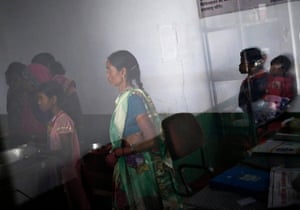
Women who underwent sterilisation surgery queue to receive food inside a hospital in the eastern Indian state of Chhattisgarh, in November 2014


Women who underwent sterilisation surgery queue to receive food inside a hospital in the eastern Indian state of Chhattisgarh, in November 2014. Photograph: Anindito Mukherjee/Reuters

The spokesperson said that the supreme court’s decision to phase out sterilisation camps was “in alignment with the government of India’s own endeavour in that direction over a period of three years”.


Contraceptives were being offered free of charge to any couples wanting them, added the spokesperson, and the government is increasing access to family planning.


But Biswas says she doubts the supreme court’s order will make much difference. “The government is responsible – they are perpetual violators of the rights of women in this country, but I just don’t think anything will change.”


Barpanda is more optimistic. “They’ve already stopped the camps in Orissa,” she says. “This was a really big thing for the supreme court to pass. But I don’t know if I would call it a victory because so many people have lost their lives.”


Will the closure of India"s sterilisation camps end botched operations?

22 Eylül 2016 Perşembe

Thousands more NHS operations cancelled than figures show, report claims

Tens of thousands more operations were cancelled at the last minute in English hospitals than official figures suggest, an investigation has claimed.


About half of English NHS trusts admitted in response to Freedom of Information requests that they had cancelled nearly 42,000 operations between one and three days before patients were admitted.


It comes after official figures in May showed the number of hospital operations in England cancelled at the last minute because of a lack of staff or beds rose to 74,086, its highest in 15 years. However, that statistic only records cancellations on the day of admission.


The BBC, which carried out the investigation, says the new figures give a picture more in line with official figures published in Scotland, Wales and Northern Ireland, where the definition of last-minute cancellations is wider and is taken over several days.


FoI requests were submitted to all 156 NHS trusts in England, asking them to provide figures for operations cancelled one to three days before patients were due to be admitted. Data from the 74 trusts which replied suggested they cancelled 41,474 operations within the period.


May’s official figures marked the worst record of cancellations for the NHS in England since 2001-02, when 81,743 patients had procedures cancelled on the day they were supposed to happen. Experts warned the data was a sign of the pressures on the health service.


At the time, Clare Marx, president of the Royal College of Surgeons, said pressures on A&E units, staff shortages, and bed shortages due to a lack of social care for discharged patients were contributing to the problem.


An NHS England spokesperson said: “The proportion of patients seeing their operations cancelled at the last minute remains under 1% in spite of record numbers of operations being scheduled.


“Our national data collection rightly requires trusts to focus on monitoring the number of last-minute cancellations, as this is where the most distress is caused for patients.


“Hospitals should continue to ensure that every effort is made to reschedule cancelled operations as soon as possible.”


Thousands more NHS operations cancelled than figures show, report claims

17 Ağustos 2016 Çarşamba

Hospitals trust put in special measures after botched operations

A number of occasions where surgeons operated on the wrong part of a patientwere among incidents flagged up by a damning watchdog report which recommended that a hospital trust should be put in special measures.


The four cases involving the surgeons in 2015 were among seven “never events” – serious incidents that are wholly preventable – according to a report by the Care Quality Commission (CQC) into Brighton and Sussex University hospitals NHS trust.


The report also highlighted problems with a culture of bullying and discrimination.


Other issues included patients being kept in surgical recovery rooms – usually just a temporary stop before being returned to a ward or intensive care unit – for up to three days. These areas were also used for emergency medical patients because of an overcrowded A&E and “to help meet the emergency department’s targets”.


The CQC inspectors said there had not been enough staff to ensure patients were receiving safe care and that the culture at Royal Sussex County hospital was one where poor performance in some areas was tolerated.


As well as the safety issues, the report highlighted a culture of bullying at the organisation, where people from black and minority ethnic backgrounds reported that “discrimination was rife”.


The CQC document highlights a 2015 NHS Workforce Race Equality Standard report which concluded: “Following job application, the relative likelihood of white staff being appointed was 1.26 times greater than for BME staff.” It added: “BME staff felt very undervalued and bullied.”


Some lesbian, gay, bisexual and transgender staff also told inspectors they did not feel they were treated equally and felt discriminated against.


Prof Edward Baker, the deputy chief inspector of hospitals for the CQC, said: “It is clear that the problems we have found on this inspection go right through Brighton and Sussex University hospitals NHS trust.


“It is a matter of some concern that we found there was a distinct disconnect between the trust board and staff working in clinical areas, with very little insight by the board into the main safety and risk issues, and seemingly little appetite to resolve them.


“For some time the trust has been failing to meet national standards on waiting and treatment times, there were high numbers of cancelled appointments and operations, and delays in providing diagnostic results. We found that the executive team had failed on multiple occasions to provide resources or support to clinical staff in critical care and there was no acknowledgement that they understood the problems staff identified.


Dr Gillian Fairfield, the trust’s interim chief executive, apologised for the failures identified by the CQC, which she described as “completely unacceptable”.


“The NHS as a whole is seeing growing demand for services and, like many other trusts across the country, this has caused us significant challenges which has affected the standard of the care we are providing our patients. These challenges have been made worse by the fact that our older buildings are not fit for purpose.


“It would be wrong for us to use these pressures and challenges as excuses, however, and we know we should and need to be doing better for our patients and staff.”


Hospitals trust put in special measures after botched operations

14 Temmuz 2014 Pazartesi

Sufferers denied vital operations by NHS bodies, surgeons report

Patients denied vital operations by NHS bodies, surgeons report

Shadow well being secretary Andy Burnham. Photograph: Stefan Rousseau/PA


Sufferers are getting denied accessibility to crucial surgery by NHS bodies, which are ignoring suggestions and choosing to ration some operations, according to an investigation by the Royal College of Surgeons.


The surgeon’s report mentioned that 73% of Clinical Commissioning Groups (CCGs) –the GP-led organisations concerned in the delivery of a variety of NHS solutions – do not adhere to guidelines set down by the National Institute for Wellness and Care Excellence and clinical advice on referral for hip replacements, or have no policy in place for this procedure.


It also located that much more than a third of CCGs (44%) need individuals to be in a variety of degrees of pain and immobility – with no consistency applied across the nation – or to get rid of bodyweight before surgery.


Clare Marx, president of the Royal College of Surgeons, said: “This report looks to demonstrate that local commissioners are imposing arbitrary rules governing access to some routine surgical procedure.


“The inspiration might not be monetary but it is clear that some CCGs do not commission providers making use of clinically accepted evidence-primarily based guidance.”


The report, Is Access to Surgical treatment A Postcode Lottery?, analysed details obtained under the Freedom of Data Act and looked at tonsillectomy, hip substitute, inguinal hernia restore and surgical remedy for glue ear (Otitis media with effusion). Only 27% of CCGs reviewed have been discovered to have had policies that complied with Nice or surgical guidance on inguinal hernia fix, whilst 58% have no policy at all. As a lot of as 15% essential evidence of a hernia escalating in size or a history of reoccurring problems, even if a patient is in debilitating pain.


Responding to the report, the physique representing CCGs explained that they were clinically led organisations that make clinically led selections centred on the needs of their individuals and local populations.


“To insinuate that their determination is purely economic is wrong,” mentioned Dr Steve Kell, co-chair of NHS Clinical Commissioners (NHSCC). “There have to be a stability between neighborhood determination generating and nationwide recommendations and NHSCC will be functioning with Great and other people to make sure that occurs. In my CCG, for example, we have developed greatest practice guides with the neighborhood consultants to improve primary and secondary care management which replaced the old method in which individuals essential prior authorisation. This type of locally designed perform is going on correct across the country.”


Dr Amanda Doyle, co-chair of NHSCC, extra “Making sure sufferers get the ideal possible care against a backdrop of increasingly squeezed finances is one particular of the biggest problems CCGs face, but we know that clinical commissioners are currently operating challenging to improve neighborhood providers by producing responsible, clinically led selections in partnership with GPs, individuals and companies.”


“Asking sufferers to shed weight just before having hip operations is about decreasing the clinical threat to the patient and bettering the possibility of a effective operations, it is not about money. Tonsillectomy, despite the fact that 1 of the most common procedures still carries risks to the patient – the observe and wait strategy indicates clinicians can assess the severity and frequency of attacks to guarantee the benefit of having an operation outweighs the risks to the patient.”


The report was seized on by the Labour get together, which sought to link its findings to the government’s NHS reorganisation.


Andy Burnham MP, Labour’s Shadow Wellness Secretary, mentioned: “Labour often warned that David Cameron’s re-organisation would be an assault on the ‘N’ in ‘NHS’ and lead to a postcode lottery operating riot. This is precisely what has occurred.”


“Sufferers should not be waiting in soreness and discomfort for operations that are freely offered elsewhere. Ministers promised to rule out arbitrary rationing and they can’t run from this guarantee any longer.”


The Royal College of Surgeons suggested that the Government and NHS England need to have to evaluation what even more action is essential to ensure the NHS is delivering equitable entry to substantial top quality surgical care.


Sufferers denied vital operations by NHS bodies, surgeons report

11 Temmuz 2014 Cuma

Diabetes United kingdom welcomes new NHS guidelines on fat loss operations - video

Diabetes United kingdom welcomes new NHS guidelines which seem to reduce the threshold for these in search of Bariatric, or stomach-minimizing, surgery. Barbara Young, Diabetes United kingdom chief executive, says Bariatric surgical treatment is a viable selection for those who are morbidly obese and endure from kind two diabetes, but must not be entered into lightly. She says the surgery can help individuals keep away from some of the more serious complications related with diabetes such as blindness, amputation and kidney failure


Diabetes United kingdom welcomes new NHS guidelines on fat loss operations - video

4 Temmuz 2014 Cuma

NHS spends hundreds of thousands on cosmetic surgery operations

Every single week there are 164 nose jobs, 37 liposuction procedures, 22 facelifts and 273 breast reshaping operations getting carried out by the NHS.


Wellness Secretary Jeremy Hunt stated not too long ago that the NHS need to only fund cosmetic surgical treatment when there is a clear clinical want and if someone’s physical and psychological wellness could be at threat without it.


Earlier this 12 months a survey discovered that a quarter of patients who have had cosmetic surgical treatment procedures had lied to safe funding. A lot of claimed to have minimal self-esteem or depression as a result of the way they looked, according to study by a firm of health-related negligence solicitors.


Figures obtained by the Mail present the NHS in 2012-13 carried out 1,137 facelifts – up 111 per cent in a decade. Facelifts expense in between £4,000 and £7,500 every single according to the NHS Alternatives web site, meaning that up to £8.five million was spent on the operations in 2012-13.


The variety of breast enlargements has soared by 145 per cent in a decade to 10,504, costing up to £52.five million.


Several of these will be reconstructions following cancer therapy but the increase far outstrips any rise in breast cancer diagnoses.


The obesity epidemic has also boosted the surgery bill with the amount of liposuction operations in 2012-13 standing at one,926 – up 40 per cent in ten many years.


The value in the most latest year will have been up to £9.six million according to NHS Choices which says the operation expenses in between £1,500 to £5000. There has also been a 39 per cent rise in the number undergoing eyelid surgical procedure to 4,966 – costing up to £19.9 million. This operation is supposed to be carried out when vision is impaired.


And eight,537 nose jobs were carried out in 2013-14 – up 4 per cent and costing £34.one million.


Jonathan Isaby of the TaxPayers’ Alliance, said: “It’s ludicrous that the NHS pays for procedures that are not based mostly on rigid healthcare requirements.”


The figures had been compiled by the Health and Social Care Data Centre for the Daily Mail. It showed that up to £20.three million was spent on breast reduction operations, £5.eight million on tummy tucks and £5.7 million on ear pinning.


NHS spends hundreds of thousands on cosmetic surgery operations

3 Temmuz 2014 Perşembe

NHS individuals waiting longer for program operations under coalition

David Cameron

David Cameron talks to employees at the A&ampE department of Salford Royal Hospital last year. NHS figures show his A&ampE claims at PMQs on Wednesday are wrong. Photograph: Getty Photos


Delays faced by sufferers for typical types of surgical treatment this kind of as hernia repairs and cataract removals have risen sharply underneath the coalition, despite David Cameron’s pledge to preserve waiting times lower, NHS statistics reveal.


Individuals are now waiting on common 15 days longer than in 2010 to have their tonsils taken out, 14 days more to have adenoids eliminated and 10 days longer for a hernia method.


The findings, in a Sufferers Association report published on Friday based on official NHS functionality data, come weeks following increasing unease in Downing Street about lengthening delays for therapy led to the Department of Well being (DoH) offering the NHS an added £400m to tackle the issue.


Information supplied by more than half of England’s 162 acute hospital trusts also shows that patients are facing a postcode lottery in how long they have to wait just before they get handled, with delays of as lengthy as 215 days in some locations. That is far much more than the greatest 18 weeks or 126 days that individuals are supposed to be taken care of inside of under the NHS constitution right after being referred by their GP beneath the Referral to Therapy scheme.


Katherine Murphy, chief executive of the Sufferers Association, branded the delays unacceptable. They mean that individuals are struggling in discomfort or discomfort and might encounter immobility and social isolation when they have to wait, she mentioned. Some are becoming so frustrated at not acquiring treated promptly that they are currently being forced to pay out personal well being companies to relieve their signs.


“Although we enjoy the financial squeeze in the NHS, it are not able to be at the expense of patient care and ought to not suggest that patients are suffering, as these figures propose that they are. It truly is unfair and unjust for individuals to have to suffer the consequences of unnecessary delays following they have been referred,” added Murphy, a former nurse and manager in the NHS.


Labour seized on the worsening delays as proof that the prime minister had broken his pledge in 2011 to make sure waiting times, which he said he knew “truly mattered”, remained low.


Coalition anxiousness more than NHS waiting times was compounded on Thursday when the Residence of Commons library contradicted Cameron’s declare at prime minister’s questions on Wednesday that common A&ampE waiting instances had fallen from 77 minutes beneath Labour to 30 minutes under the coalition. That was based on a “simplistic” reading of the information and was not appropriate, the library stated in a blogpost.


However, on Thursday evening the study was eliminated by the Property of Commons library simply because of inquiries in excess of its impartiality. A statement on its internet site read through: “”The website post ‘Have A&ampE waiting times fallen?’ has been eliminated by the Residence of Commons Library as it does not meet our expected standards of impartiality. A revised publish will be uploaded as soon as attainable”


Andy Burnham, the shadow health secretary, said: “This report [the Patients" Association research] exposes the growing gap in between the prime minister’s spin on NHS waiting occasions and the agonizing reality for thousands of patients.”


The complete amount of patients waiting to be treated topped 3 million final month for the very first time in 6 many years. Common waiting occasions for tonsillectomies have risen from 63.five days in 2010 to 78.6 days in 2013, for adenoid removals from 65.3 to 79.2 days and for hernia repairs from 70.four to 80.seven days, according to data supplied by the 92 trusts.


Similarly, typical waits for knee replacements have improved to 95 days (up six days because 2010), for cataract removals from 63.7 to 68.eight days – 5 days longer – whilst hip replacements are typically taking 91.2 days to happen – three.seven days more than in 2010.


It is unclear how numerous sufferers are now impacted by unusually prolonged delays. But all around a million sufferers a year have a single of the ten procedures. For instance, 337,000 alone have cataract surgery.


The longest delays uncovered by the hospitals’ responses have been 215 days at Barnet and Chase Farm hospitals in north London for knee replacements, 192 days for surgical treatment for carpal tunnel syndrome at West Hertfordshire hospitals and 191 days for hip replacements, also at Barnet and Chase Farm hospitals. By contrast other hospitals were performing the exact same three procedures on typical in 50, three and 47 days respectively.


Rob Webster, chief executive of the NHS Confederation, which represents hospitals, explained: “Delays can be distressing for individuals and commissioners and suppliers of NHS-funded care will be acutely aware of this and be undertaking all they can to deliver timely waits. The complete technique is below much more stress than ever, and what we are seeing in this report is that this can have a major influence on elective care, as measured by way of performance targets like 18 weeks,” he extra.


A DoH spokesman explained: “Beneath this government, the NHS has kept waiting times low and ended the scandal of 1000′s of individuals having to wait a lot more than a year for treatment.


“With an ageing population pressure on the NHS is inevitably rising so we are overseeing a a single-off programme to tackle the sharp rise in demand for elective surgical treatment.”


NHS individuals waiting longer for program operations under coalition

2 Temmuz 2014 Çarşamba

NHS "defies the law" to deny pensioners important operations, warns Royal School of Surgeons

It exposes a main postcode lottery in practice across the country – with a 37-fold variation in costs of surgery for breast cancer for ladies aged 65 and more than, based on in which they live. Hip replacements had been 10 times as common in some elements of the nation as other individuals, with a sixfold variation in prices of surgical treatment for bowel cancer in 2011-12, the figures display.


The RCS president, Prof Norman Williams, mentioned the scale of the distinctions was “extremely worrying,” raising suspicions that some elements of the NHS had been working covert blanket bans against procedures on age grounds.


Final October, the Government launched age discrimination laws which indicate sufferers ought to not be denied procedures on grounds of age. Physicians are supposed to assess sufferers based mostly on their fitness for an operation, and likely benefit from it.


But charities explained they have been concerned that the figures could imply that GPs were “writing off” pensioners, and not referring them to experts, although in other circumstances cost-cutting by NHS authorities was hitting older individuals hardest.


Specialists calculated the fee of surgical treatment per 10,000 folks in England’s 211 overall health authorities, known as clinical commissioning groups (CCGs) during 2011-12. They found that in some regions, amongst individuals aged 65 and above, there were 37 breast excision procedures to eliminate cancerous tumours. In other parts of the nation, complete numbers had been so minimal that they had been calculated as a fee of zero, that means that in total, fewer than five patients obtained the procedure in excess of the 12 months.


Seventeen CCGs had no individuals above the age of 75 receiving the surgery, even though some places had been providing operations for 27 females per 10,000 population.


Equivalent trends have been found in other common procedures.


Fourteen regions supplied no surgical procedure to get rid of gall bladders for these in excess of the age of 75. Twenty-9 places offered “zero surgery” for those aged 75 and over for a single of the six operations analysed.


Some CCGs supplied no surgical procedure to older patients for a range of procedures.


Bradford City supplied no breast excision surgery, gall bladder operations or knee replacement surgical treatment to these 75 and more than in the course of the period.


West Lancashire offered neither breast excision surgery or knee replacements for individuals 75 and more than, even though Corby did not offer any breast excision or gall bladder replacements for individuals of that age. Prof Williams suggested some components of the NHS could be working unofficial “age bans” on certain remedies.


He explained: “These are huge discrepancies – actually large. It is unattainable to demonstrate the motives behind all the variation but we have our suspicions and I fret about age discrimination.


“It is truly worrying when you look at something like colorectal cancer and there is a sixfold difference amongst various components of the nation after the age of 65 — when we know surgical treatment is the greatest type of treatment.”.


The Overall health Secretary mentioned: “We expect the NHS to make confident that all sufferers can access the treatment method they want – discrimination of any type is unacceptable.”


Tom Gentry, Age UK’s policy adviser and one of the report’s authors, mentioned there was no defence for charges of zero surgical treatment for frequent situations amongst the over 75s and that attempts to enhance the scenario needed to tackle a number of barriers, like making certain sufferers came forward with symptoms, and creating positive their medical doctors took them seriously.


He mentioned: “GPs have been recognized to write off symptoms in older age groups, dismissing troubles as aches and pains when in reality they are serious troubles.”


Mr Gentry said sometimes outdated understanding amid medical employees meant they assumed a patient had “had a excellent innings”, when with the right treatment, they could live at least a decade more.


Martin McShane, NHS England’s national clinical director for prolonged term problems, mentioned: “NHS England is committed to making certain older individuals have equal entry to remedy which need to often be primarily based on what is proper for each and every individual patient, on their informed preferences, not their age.”


A spokesman for Bradford City CCG stated all its decisions had been based mostly on clinical need to have and patient choice.


Meanwile, a main report has referred to as for towns and cities to be redesigned to make them match for an ageing population.


Outdoor health club tools for all ages, futuristic “urban pods” to transport individuals close to and even swings at bus stops could also aid folks get out and about more simply and combat loneliness.


The suggestions are contained in a report published jointly by the Global Longevity Centre and Age Uk.


NHS "defies the law" to deny pensioners important operations, warns Royal School of Surgeons

12 Haziran 2014 Perşembe

More than 50 elderly individuals killed by hip substitute operations after NHS ignored warnings cement was unsafe, former chief healthcare officer finds

Sir Liam, who was chief medical officer from 1990 to 2010, explained advice that advised monitoring the cardiac wellness of sufferers before hip operations was getting ignored.


“The orthopaedic surgery community seems to have concluded that the benefits of cement outweigh the hazards,” he stated.


“The NHS needs to look at when it is genuinely needed to use cement and when an operation may possibly be successful without having making use of it. In somecountries they don’t use it at all, it varies a whole lot across the world but in Britain it has usually been regular process.


“We want to see this entire question about the use of cement opened up once more and further research and evaluation of the dangers.”


In 2009, the now defunct Nationwide Patient Safety Company raised considerations about the use of cement during partial hip replacements for fractured femurs, and issued advice to the NHS on how to minimise the risks.


It discovered that 26 individuals had died and 6 suffered extreme harm as a consequence of “Bone Cement Implantation Syndrome”.


The Medicines and Healthcare Goods Regulatory Agency also obtained reviews of deaths and advised surgeons they ought to reduce hazards through “patient evaluation and revised anaesthetic and surgical techniques”.


But most of the deaths occurred right after 2009, suggesting that the implementation of recommendations was “suboptimal” the staff concluded in an post in the on the internet journal BMJ Open.


A spokesman for NHS England stated the NHS was functioning with patient safety groups and the Royal colleges to tackle the dilemma.


More than 50 elderly individuals killed by hip substitute operations after NHS ignored warnings cement was unsafe, former chief healthcare officer finds

2 Haziran 2014 Pazartesi

Surgical "robot hands" could execute operations on unborn infants with defects

Professor Sebastien Ourselin who is major the analysis stated: “Working on infants in the womb is not undertaken lightly and is reserved for just a handful of the most significant defects. Really few procedures can be done safely in the fetus making use of keyhole surgical treatment, and more complicated ones need opening the uterus, which puts both the mother and unborn child at chance. Less than one,000 procedures a yr have been attempted at various specialised clinics all around the globe.


“Our aim is to combine less invasive surgical technologies with stem cell and gene therapies to deal with a wide range of ailments in the womb, with significantly significantly less danger to both mother and infant.”


At present surgery in unborn infants can only be carried out when the foetus is 26 weeks previous. According to the Observer the task will aim to make it achievable to operate on foetuses at a significantly earlier stage of growth.


It is envisaged that the ‘robot hand’ will involve a thin, flexible probe that would be inserted into the womb. The probe’s head would have a single strand fitted with a small camera that would produce a 3D photograph within the womb. The photographs could then be utilized to guidebook the probe to its target.


In the case of a foetus with spina bifida, the probe’s other arms would be fitted with instruments which would carry a piece of gel or patch that would then be inserted in excess of the gap in the baby’s spine.


In addition to working on surgical imaging techniques, the analysis will create new instruments to increase surgical procedure on unborn babies, as properly as producing adaptations to the delivery of stem cell therapies to unborn infants.


Surgical "robot hands" could execute operations on unborn infants with defects

8 Mayıs 2014 Perşembe

Newcastle hospital"s £2m robot transforms medical operations

Staff using the Da Vinci robot at Freeman hospital

Employees use the Da Vinci robot to carry out surgical procedure at Freeman hospital. Photograph: ncjMedia Ltd


Beneath the glare of an operating theatre lamp, Paul Renforth at the Freeman hospital in Newcastle demonstrates the £2m Da Vinci robot that has transformed surgical treatment on individuals. The four-armed robot is operated by a surgeon from a booth utilizing two finger grips that move the arms and manage the instruments on the finish of every single.


All in, the robot is about two metres substantial and one.5m across. Its arms go inside the patient however modest incisions in the skin. Seeking via a 3D viewfinder hooked up to a camera on the robot, the surgeon can magnify, grasp, reduce and cauterise tissue inside.


The dexterity of the robot indicates surgeons can operate with far more precision. They can locate and get rid of cancerous tissue almost unattainable to attain otherwise.


The robot is previously utilised for heart bypass operations and to remove cancers throughout the entire body, which includes people in the lungs, throat, prostate, bladder, spleen and colon. The following specialty to adopt the robot surgeon will be gynaecology later on this year.


“You can rotate the instruments 360 degrees, so they are more dextrous than the human hand,” explained Renforth, Da Vinci co-ordinator at the hospital. “We are going into locations now that we could not get into just before.”


“We deal with laryngeal tumours at the back of the tongue, in which we can down and underneath and entry and cut away the tumours. Generally that would be carried out by splitting the decrease jaw and going in from the side,” he stated.


At the end of each and every operation the instruments on each and every arm are taken off, sterilised and autoclaved, and reused on the next patient. Most equipment can be utilised up to 10 occasions just before they are discarded.


It is early days for robotic surgical procedure, but at the Freeman cancer operations seem to be to be more productive, simply because surgeons can see tumours much better and take away tissue a lot more effortlessly. Surgeons find out to operate the robot by practising on cadavers.


Newcastle hospital"s £2m robot transforms medical operations

2 Şubat 2014 Pazar

Cosmetic surgery operations in Britain best 50,000 for the 1st time

Far more and much more Britons are turning to cosmetic surgery to boost their appearance, with the variety of procedures topping 50,000 a year for the initial time in 2013.


A total of 50,122 operations were carried out last yr, 17% much more than in 2012. Demand grew despite the scandal over potentially hazardous PIP breast implants and grew by amounts unseen because just before the economic downturn started in 2008.


Breast enlargement stays the most well-liked procedure, with eleven,135 augmentations carried out in 2013 – up 13% yr-on-12 months – according to figures collected by the British Association of Aesthetic Plastic Surgeons (BAAPS).


Anti-ageing treatment options had been the 2nd and third most popular, with 7,808 blepharoplasty (eyelid surgical treatment) operations carried out – a rise of 14% – and 6,380 face or neck lifts undertaken (up 13%).


In all 5,476 folks (up 13%) underwent breast reduction, although four,878 (up 17%) had a rhinoplasty to enhance the form of their nose. Even though the 10 most widespread surgeries all noticed double-digit rises, the greatest leap was in excess fat-getting rid of liposuction operations. A total of 4,326 individuals had the method, up 41% in a year, reflecting the relentless rise in weight problems amounts.


The market place for cosmetic procedures stays predominantly female. Ladies had 45,365 operations, in contrast with four,757 for men.


BAAPS president Rajiv Grover explained self confidence in cosmetic surgery had returned “with Britons choosing to commit on procedures with confirmed track information, this kind of as liposuction”.


He additional: “Whether or not it is breast augmentation or anti-ageing procedures like facelifting, the public are choosing experimented with and examined surgical methods rather than the magical-sounding quick fixes that fail to deliver outcomes.”


However, patient dissatisfaction is growing alongside increasing demand, warned Sally Taber, chair of Independent Healthcare Advisory Providers. She stated: “It is essential to measure patient fulfillment prices as well as numbers of operations carried out.


“Even though it could be that the bulk of procedures have been wholly satisfactory, the Independent Sector Complaints Adjudication Support (ISCAS), the physique accountable for adjudicating on complaints in the independent healthcare sector, has seen an increase in complaints from patients who have undergone cosmetic surgery throughout the exact same period. This needs more attention.”


Cosmetic surgery operations in Britain best 50,000 for the 1st time