Thousands etiketine sahip kayıtlar gösteriliyor. Tüm kayıtları göster

5 Mayıs 2017 Cuma

"Unnecessary" painkillers could leave thousands addicted, doctors warn

Powerful and potentially addictive opiate painkillers are being handed out too readily, leading doctors have warned after it emerged that the number of times the drugs are being prescribed in the UK has doubled in the past decade.


The Faculty of Pain Medicine and the Royal Pharmaceutical Society said they were worried about the high and growing use of opioid drugs such as codeine and tramadol – while other experts warn that hundreds of thousands of patients could be addicted to them.


Dr Barry Miller, dean of the Faculty of Pain Medicine, said that the increase in the prescription rates of painkillers in the UK should be “met with concern”, adding: “While some of the increase can be attributed to an improved understanding of the effectiveness of these medications by medical professionals, we are concerned by reports of unnecessary prescription.”


NHS Digital figures released last week showed that prescriptions of opioids have doubled in the past decade, with the number of prescriptions issued rising from 12m in 2006 to 24m in 2016. One of the highest increases in prescriptions was for oxycodone, which shot up from 387,591 to 1.5m – a 287% rise – over that period. There was a 236% increase in prescriptions for morphine sulphate and a 143% rise for fentanyl.


“Our greater understanding of these medications can improve the quality of life for tens of thousands of patients in the UK living with complex pain. However, all NHS staff prescribing these medications need to ensure they are not doing more harm than good,” said Miller, whose organisation represents anaesthetists who specialise in the relief of acute, chronic and cancer pain.


rising rates of pain killer prescriptions

Doctors have warned about the numbers of people in Britain who may be addicted to these drugs as a result, with recent estimates suggesting over 192,000 could be dependent, partly because some medics prescribe them too readily.


In the US, since 1999 the number of overdose deaths involving opioids such as oxycodone, hydrocodone and methadone has more than quadrupled. The number of prescriptions of these drugs rose dramatically – from 76m to 219m a year between 1991 and 2011. This comes despite the fact there has been no change in the amount of pain Americans report.


Harry Shapiro of the DrugWise information service warned of the growing risks of addiction in the UK and said the growing prescription of painkillers was leading to a “public health disaster hidden in plain sight”. He is calling for more dedicated specialist centres to help people with painkiller addiction and also to help track the scale of the problem.


“People are not staggering around the streets and buying dodgy drugs off dealers, they are getting painkillers. It’s a problem hidden in plain sight – a problem in every GP surgery and pain specialist clinic,” he said.


Martin Johnson, clinical lead for chronic pain at the Royal College of General Practitioners, raised concern about the number of people who may be on repeat prescriptions. He said those with other conditions such as diabetes were monitored while on medication, but it doesn’t always happen for people with chronic pain. He called for an annual review, potentially conducted by pharmacists, to check in on those given these drugs. “So many say painkillers don’t do anything, but they keep getting prescribed them,” he said.


Many patients also reportedly use these drugs recreationally, obtaining them non-prescriptively after being introduced to them by their doctors. In Britain, there is less recreational use and most people are given opioids by their doctor for chronic pain.


Opioids act on different parts the brain and nervous system, including the spinal cord. The latter receives sensations from the body before sending them to the brain. Opioids work on this area to decrease feelings of pain, even after injury. One of the risks with the drugs is that they are addictive, with users complaining of withdrawal symptoms when they stop taking them.


But doctors say that while medications such as codeine can be effective for cancer patients and for tissue damage, they do not always help the growing number of patients now taking them for long-term pain. These drugs also have side effects such as severe constipation and dangerous sedation.


Dr Jane Quinlan, consultant in anaesthesia and pain management at Oxford University Hospitals NHS foundation trust, said: “For the majority of patients with chronic pain opioids don’t reduce their pain, but the side effects can significantly worsen their quality of life. Over time opioids can actually make people more sensitive to pain, she added.


One former user, who asked to remain anonymous, said: “I was prescribed tramadol for about three years for my ongoing back condition. I was addicted to them after a few months, it got to the stage where it became part of my routine. I suffered awful withdrawal when I stopped taking them. Without them my pain was overwhelming.”


Yasir Abbasi, a psychiatrist with Mersey Care NHS trust, said: “Being dependent or addicted to prescribed painkillers can lead towards a slippery slope of illicit behaviour, which can pave the way for hardcore drugs. There are not enough non-pharmacological interventions available to reduce our reliance on opioid medication.”


Cathryn Kemp, 45, from Hastings: ‘I ended up in rehab after taking 60 fentanyl lozenges a day’
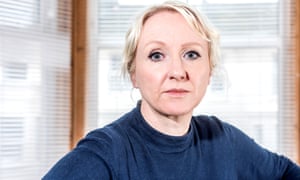


Cathryn Kemp


Cathryn Kemp: ‘In the morning I would wake up, crawl to the bathroom and take six lozenges.’ Photograph: Andrew Hasson for the Guardian

I was working as a journalist when, after a period of illness, I was finally diagnosed with a disorder of the sphincter. I had lots of scary procedures to make me better. I was very ill and eventually discharged with a repeat prescription for fentanyl lozenges. I’ve since been told that fentanyl is 100 times stronger than heroin.


At the time, I was told to take a maximum of eight lozenges a day. I was also on fentanyl transdermal patches – 100mg ones, the strongest. That shows the level of pain I was in. Then one day I took an extra lozenge and after that my use of the drug spiralled.


Two years later I ended up in rehab after taking 60 lozenges a day – all of them on prescription from my GP. I kept thinking I was in loads of pain and needed more.


I felt like I was taking control of things, which is completely insane. I hid the problem brilliantly from my family and friends. I used to hide lozenges around the cottage where I lived, putting them in tampon boxes so no one would know how many I was taking. Taking fentanyl would make me woozy and then about an hour or two between doses I would go to withdrawal – vomiting, shaking and hallucinating.


In the morning I would wake up, crawl to the bathroom and take six lozenges. This would stop me shaking. I would then be well enough to get a cup of tea and then have to take six more. This would go on all day. The tiny bit of me that was still myself at this point knew I was abusing drugs, but I was afraid to stop as I feared living in pain again.


At this stage I was dangerously dependent. My GP said he would write me my last fentanyl prescription and I was forced to borrow lots of money from my parents and sell my cottage in order to pay for private rehab. My GP applied for NHS detox for me, but I was told that I was refused it because I wasn’t homeless and I wasn’t offending.


By then I knew going to die if I carried on so I did whatever it took to get help. Coming off it I had to go through a pain barrier. The body stops producing endorphins, the body’s natural painkillers, because it is receiving opiates instead.


I lost everything. I had to leave work because I was so ill. I lost my relationship, my career and my home – I lost everything I had built up over my writing career. I nearly lost my life.


I now run a charity dedicated to helping people cope with painkiller addiction. I haven’t come across anyone who has had such a complete breakdown like me. But I hear from lots of people, mainly women, who say they have kids to sort out and they cannot stop to have a pain condition. They think they have to keep going and so become trapped by the drugs they are taking.


What I am really hearing is the fact in the medical community there is still no support for dealing with these cases – no specific or very few specific resources to refer people too, so many are left hanging. We really need to engage NHS England in accepting that we need proper treatment services to deal with chronic pain as well as the addiction side.


It’s heartbreaking because it’s everyday people who are affected. We look at America and are horrified that opioid deaths are higher than deaths caused by car crashes. We do have a different system here, but estimates suggest hundreds of thousands of patients in the UK today are addicted to prescribed painkillers.


"Unnecessary" painkillers could leave thousands addicted, doctors warn

28 Nisan 2017 Cuma

Thousands of cancer patients denied wish to die at home

Tens of thousands of people with cancer are dying in hospital every year even though they would rather spend their final days at home or in a hospice.


Although only 1% of cancer patients say they would prefer to die in hospital, 38% do, according to research by Macmillan Cancer Support, equating to 62,000 people a year across the UK.


A lack of health services outside hospitals, such as district nurses, to support people in their homes in their last days has been cited as a key reason behind the discovery.


But Macmillan said “a crisis of communication in the UK when it comes to death” and especially cancer patients’ reluctance to talk about their feelings, including their death, was preventing people achieving their own preferences. .


“There is a stark difference between a ‘good’ and a ‘bad’ death. We want everyone, where possible, to have a death that’s pain-free and in the place of their choosing. This is where the power of talking about death in advance is crucial,” said Adrienne Betteley, the charity’s head of health and social care.


Macmillan’s research, among 2,005 people who had been diagnosed with cancer, revealed that three in four had thought about the fact that they might die from the disease and one in five thought about it constantly or often.


However, 35% of those questioned had not spoken to anyone else about how they were feeling and just 8% had discussed matters with any of their health professionals.


Macmillan suggests people with cancer more readily relay how they are feeling, especially about where they want to die.


“The only certainty in life is that we will all die. What is less certain is where and what experience we will have when it happens. It’s only by talking about dying that we can agree what is really important to us, and put plans in place to make that happen,” said Lynda Thomas, Macmillan’s chief executive.


Amanda Cheesley, the Royal College of Nursing’s professional lead for long-term conditions and end-of-life care, said: “This country sadly still has serious work to do when it comes to end-of-life care. We must help patients to express their wishes, but we also need to make more options available in the first place. Declining numbers of community and district nurses and a lack of social care mean too many have to stay in hospital whether they want to or not.


“The nursing shortage is making a bad situation worse. With fewer nursing staff on wards, many are unable to facilitate discussions about death, and two-thirds of nurses say they don’t have the time to deliver the high-quality care that dying patients need.”


Thousands of cancer patients denied wish to die at home

2 Nisan 2017 Pazar

Paramedics taking tens of thousands of days a year off sick with stress

Paramedics are taking tens of thousands of days a year off sick with stress, as growing numbers of 999 calls add to the pressure on NHS ambulance services.


The number of days being lost to paramedics having time off work because they are struggling with stress, anxiety or other mental health conditions is rising, official figures show.


Statistics have revealed that paramedics working for seven of England’s 10 NHS regional services have been signed off sick with such ailments for 183,962 days in the last four years.


In all, 35,872 days were lost for that reason in 2013-14; that went up to 41,412 in 2015-16. Figures for the first nine months of 2016-17 suggest last year’s total will be even higher.


Paramedics and health unions claim staff shortages, pressure to meet 999 response targets, routinely long shifts lasting up to 15 hours and the emotional toll of dealing with sick patients and their families are behind the trend.


There is concern that stress leave is exacerbating the existing pressures on ambulance services’ ability to respond fast enough to the increasing number of emergency calls at a time when vacancies and early retirement are widespread.


“Paramedics provide life-saving care, often in stressful circumstances, but the blue lights flashing right now are for the ambulance service. It is unacceptable that such high levels of stress are now seen as part of normal life for ambulance staff,” said Tim Farron, the leader of the Liberal Democrats, who obtained the figures under freedom of information laws.


“The things paramedics see and have to deal with on a daily basis must keep people up at night. We need to do more to care for those who care for us”, he added.


The London ambulance service has lost the most paramedic days through stress. It lost 11,911 days to it in 2013-14 but that rose to 12,215 in 2015-16 and then again to 14,447 in the first nine months of 2016-17 alone.


The South-East Coast ambulance service’s figures rose from 5,659 to 6,366 figures, and the South West’s from 4,162 to 5,228, over the same period. Only the West Midlands service saw a significant fall in its numbers in that time.


“Ambulance services are haemorrhaging staff, and struggling to hire new recruits. That puts extra pressure on those left behind with crews having to work very long shifts,” said Alan Lofthouse, Unison’s national ambulance officer, who is a former paramedic.


“Rising demand on 999 services means patients wanting not just emergency treatment but also medical care as they can’t see their GPs. Overstretched A&E departments with long waits to hand over patients, abuse and threats of violence from motorists, relatives or under the influence casualties. It’s no wonder ambulance staff are having to take time off for stress.”


The true figures for England as a whole will be a lot higher as the North West, Yorkshire and South Central ambulance services did not provide any figures.


A survey of ambulance staff undertaken by the union Unite last year found that 89% of ambulance staff said that morale and motivation in their workplace was falling and 88% identified stress as the main reason for that. In the same poll 91% of the 362 ambulance crews questioned said their workloads were growing and 85% said they worked beyond their contracted hours.


Meanwhile, Labour claims NHS England’s plan to significantly relax the requirement on hospitals to treat 92% of patients waiting for an operation within 18 weeks may be illegal.


Labour has challenged the health secretary, Jeremy Hunt, to set out the legal basis for dropping a commitment on waiting times that is enshrined in the NHS constitution.


The move, announced on Friday, prompted widespread criticism from medical groups.


Paramedics taking tens of thousands of days a year off sick with stress

29 Mart 2017 Çarşamba

Thousands of pollution deaths worldwide linked to western consumers – study

Western consumers who buy cheap imported toys, clothes and mobile phones are indirectly contributing to tens of thousands of pollution-related deaths in the countries where the goods are produced, according to a landmark study.


Nearly 3.5 million people die prematurely each year due to air pollution, the research estimates, and about 22% of these deaths are associated with goods and services that were produced in one region for consumption in another.


The analysis provides the first detailed picture of the extent to which consumer demand in the US and western Europe contributes to pollution in developing countries, with profound health consequences.


“If the cost of imported products is lower because of less stringent air pollution controls in the regions where they are produced, then the consumer savings may come at the expense of lives lost elsewhere,” the authors conclude.


The study also reveals how emissions from industrial hotspots affect the health of people in neighbouring countries and, to a lesser extent, more distant regions, as pollutants circulate on global air currents. About 12% (411,100) of early deaths globally were related to air pollutants emitted in a different region of the world, the research found.


The study focused on the emission of fine particulate matter pollution (PM 2.5) from power stations, factories, aeroplanes and shipping in 13 regions, taking in data from 228 countries. Particulates are thought to account for more than 90% of the global mortality from outdoor air pollution, raising the number of deaths from heart disease, stroke, lung cancer and asthma.


The tiny particles can trigger asthma attacks in the lungs and can cross from the air sacs in the lung into the bloodstream, where they can cause inflammation, alter the way blood clots, and make blood vessels more permeable. Particulates have also been shown to migrate into other tissues, such as the liver, kidneys and brain, although it is less clear what the health consequences are in these organs, and the effects also depend on the chemical makeup of the particulates.


“In general, air pollution links to general ill health,” said Matthew Loxham, a toxicologist at Southampton University who was not involved in the study. “It’s a range of different conditions.”


The scientists used a combination of air pollution data, emissions measurements and models of global air currents to tally up where pollution was emitted and where it ended up in 2007. An economic model, based on data from the Global Trade Analysis Project, was then used to attribute air pollution to the demand of consumers for finished goods, although the results were not broken down by product type.


Chinese emissions caused more than twice the number of deaths worldwide than the emissions of any other region, followed by emissions produced in India and the rest of the Asia region. The scientists calculated that PM 2.5pollution produced in China is linked to more than 64,800 premature deaths in other regions, including more than 3,000 deaths in western Europe and the US.


However, this figure was significantly outweighed by the 108,600 premature deaths in China linked to consumption in western Europe and the US.


Steven Davis, a co-author based at the University of California, Irvine, said that the paper simply aimed to lay out the evidence for the benefit of policymakers. “It’s not really up to us to say what’s fair or not,” he said.


In a press briefing this week, his co-authors called for international action on the issue.


“For greenhouse gas emissions we have a global agreement. People can argue about whether its been effective or not – but at least we have a global framework,” said Dabo Guan, a professor in climate change economics at the University of East Anglia and the paper’s senior author. “People have thought air pollution was a local issue.”


Guan cites the example of mobile phones made in China, which might be sold for $ 200, around 70% of which goes to the company that designed the product and just $ 5-6 to the Chinese manufacturer.


“On average every six months we change our phone,” he said. “It has a health cost on the other side of the world.”


For countries like China, whose economies are dependent on exporting cheaply-made goods, improving environmental standards has to be balanced against potential negative economic impacts.


“Some other country would step up and say hey, we’re willing to let our people die to have that business,” said Davis.


Improving pollution control technologies in China, India and elsewhere in Asia would have a disproportionately large health benefit in those regions and worldwide, according to the analysis in the journal Nature.


Qiang Zhang, another author from Tsinghua University, Beijing, said that consumers in Europe and the US who buy cheap imported toys and clothes also bear a responsibility.


“We need to move our lifestyles away from cheap and wasteful,” he said.


Oliver Hayes, a pollution campaigner for Friends of the Earth air pollution, said: “No-one should be denied the right to breathe clean air, whether they live in Beijing or Barking. But air pollution doesn’t recognise borders, and it’s clear that the devastating impacts of polluters can be felt many miles from their activities.


Thousands of pollution deaths worldwide linked to western consumers – study

21 Mart 2017 Salı

NHS delays leave thousands facing long wait for wheelchairs

Thousands of disabled people face long delays to receive an NHS wheelchair, the first official figures on the subject show.


One in five children who need a wheelchair are being forced to wait beyond the supposed maximum 18 weeks, as are almost one in six adults. Campaigners say the figures reveal a “postcode lottery” in provision across England.


Some 7,200 people who received a wheelchair between October and December had waited at least 19 weeks, despite the NHS Constitution guaranteeing access to one within 18 weeks.


NHS England does not record how long over the 18-week threshold patients have waited for a wheelchair. But the charity Muscular Dystrophy UK says it knows of young adults who within the past year had waited more than eight months.


The NHS England figures obtained by the Health Service Journal (HSJ) show that those with the greatest need for the equipment can face the longest waits.


Nic Bungay, director of campaigns at Muscular Dystrophy UK, told HSJ that long waits for a wheelchair appropriate for their needs were stopping young people “going out independently … and accessing university, work and friends”.


An estimated one in 50 Britons is believed to use a wheelchair to go to work or school, get to the shops, look after their children or undertake other tasks. The Wheelchair Alliance, led by Paralympic champion Lady Grey-Thompson, claims “great variation in ability to access assessment and obtain service provision”, as well as delays in receiving equipment and having it repaired, were affecting too many people.


The campaign group is urging the NHS to ensure equality of access for everyone who needs a wheelchair, which “would prevent confusion and disadvantage when education needs mean a user moving to another area or changing their GP [and put] an end arbitrary age discrimination. This is especially the case where very young children may or may not be provided with chairs depending solely on where they live.”


Almost 40% of adults with high or specialist wheelchair needs, who are defined as “fully dependent on their wheelchair for all mobility needs”, wait more than nine weeks for the NHS to decide what kind of wheelchair they need. A further 37% wait more then nine weeks to then receive their equipment. Slightly smaller numbers of children with the same level of need have to wait the same lengths of time, the HSJ discovered.


The data also shows that waits for wheelchairs lengthened significantly between April and June and the last three months of 2016, especially for adults.


NHS England said it accepted that some local NHS clinical commissioning groups needed to get wheelchairs to those in need more quickly.


“While the majority of children and adults get their wheelchairs within a few weeks, there are parts of the country where local services are not sufficiently responsive and we fully agree that needs to change,” a spokesman said.


The organisation has pledged to halve the number of children waiting more than 18 weeks by April 2018 and eliminate overly long waits for anybody by April 2019.


NHS delays leave thousands facing long wait for wheelchairs

13 Mart 2017 Pazartesi

Thousands of vulnerable people held unlawfully in care homes – report

Tens of thousands of vulnerable people with dementia and learning disabilities are being detained unlawfully in hospitals and care homes across Britain, the Law Commission has said.


Replacing the “administrative and bureaucratic nightmare” system of deprivation of liberty safeguards (DoLS) would speed up checks and allow care workers to concentrate on those most at risk, the legal study recommends.


The report, laid before parliament on Monday, is an attempt to relieve pressure on the overburdened care system, which has been put under strain by the UK’s growing elderly population and a recent human rights court victory.


Individuals who lack sufficient mental capacity are subject to movement controls, usually for their own safety, which prevent them wandering off and getting into danger.


In 2014, a supreme court judgment dramatically expanded the definition of those who should be subject to DoLS checks beyond hospitals to care homes and other types of accommodation.


As a result, while there were 13,700 applications for deprivation of liberty in England in 2013-14 by 2015-16 that figure had risen to 195,840. The massive increase meant overburdened local authorities were unable to carry out checks within the period required or even at all.


The Law Commission, an independent body, was approached by the Department of Health to find a legal alternative. Its report cautions: “Local authorities are, in most cases, currently not issuing standard authorisations within anything like that timeframe, leaving people unlawfully deprived of their liberty and care homes exposed to civil liability.” A similar problem was found to exist in hospitals.


The DoLS system, if it worked, should enable patients and families to challenge any deprivation of freedom they believe is unjustified or excessively restrictive.


The commission proposes replacing DoLS with a liberty protection safeguards scheme. A draft bill implementing the legal changes is included in the report. It would allow previous assessments made in care plans to be relied on rather than requiring six sets of fresh assessments for each patient.


The report argues this would give “greater prominence” to individuals’ human rights at the initial stage at which care arrangements are being devised and reduce the number of costly applications to the court of Protection, which handles cases involving those deemed not to have mental capacity.


The liberty protection Safeguards scheme would cost about £236m a year, saving about £10m on current costs. The commission estimates, however, that if the DoLS system was working properly and every referral completed within time it would cost up to £2.2bn annually.


The commission found that in some cases vulnerable people were being deprived of liberty in their family home, although local authorities rarely have the capacity to carry out checks. In one case, door keys had been put into a safe and alarms rigged by the family to alert them if an elderly parent wandered out of the house.


Nicholas Paines QC, a law commissioner involved in drawing up the report, said: “It’s not right that people with dementia and learning disabilities are being denied their freedoms unlawfully. There are unnecessary costs and backlogs at every turn, and all too often family members are left without the support they need.


“The deprivation of liberty safeguards were designed at a time when considerably fewer people were considered deprived of their liberty. Now they are failing those they were set up to protect. The current system needs to be scrapped and replaced right away.


“We know there are enormous pressures on health and adult social care at the moment and our reforms will not only mean that everyone is given the protections they need, but could also deliver a saving to the taxpayer. That’s cash that can then be directly reinvested to support those most in need.”


A Department of Health spokesperson said: “This government is committed to protecting the rights of vulnerable people, that’s why we commissioned this review. We also gave local authorities £25m to help them manage pressures following the 2014 supreme court judgment.


“We thank the Law Commission for its detailed work and will be responding to these constructive recommendations in due course.”


Thousands of vulnerable people held unlawfully in care homes – report

26 Şubat 2017 Pazar

NHS accused of covering up huge data loss that put thousands at risk

Thousands of patients are feared to have been harmed after the NHS lost more than half a million pieces of confidential medical correspondence, including test results and treatment plans.


In one of the biggest losses of sensitive clinical information in the NHS’s 69-year history, more than 500,000 pieces of patient data sent between GPs and hospitals went undelivered over the five years from 2011 to 2016.


The mislaid documents, which range from screening results to blood tests to diagnoses, failed to reach their intended recipients because the company meant to ensure their delivery mistakenly stored them in a warehouse.


NHS England has quietly launched an inquiry to discover how many patients have been affected. So far 2,500 cases that require further investigation to discover potential for harm have been identified. The NHS is spending millions of pounds paying doctors to assess the scale of the medical impact.


It is also undertaking a clinical review of patients who have died since the loss of documents was discovered in March 2016 to examine whether delays in material reaching GPs played any part in any patient’s death.


The correspondence included the results of blood and urine tests, and of biopsies and screening tests for diseases including cancer. It also included letters containing details of patients’ visits to hospital, including to oncology clinics and information about what they had been diagnosed with after visiting A&E. Other paperwork that went astray included summaries of the care patients had received while in hospital. Some involved material related to cases of child protection.


In total, 708,000 pieces of correspondence were undelivered. However, 200,000 of these were not clinically relevant as they were temporary change of address forms.


NHS England secretly assembled a 50-strong team of administrators, based in Leeds, to clear up the mess created by NHS Shared Business Services (NHS SBS), who mislaid the documents. The private company, co-owned by the Department of Health and the French firm Sopra Steria, was working as a kind of internal postal service within the NHS in England until March last year.


The clear-up team is being led by Jill Matthews, the managing director of the primary-care support services arm of NHS England.


Documents detailing the team’s work, seen by the Guardian, reveal it has finally returned the lost material to 7,700 GP surgeries, and assessed how many potential incidents of harm may have occurred at each practice. They show that GP surgeries up and down England have been affected, with some facing a few dozen cases of potential harm arose from missing correspondence.


GPs have so far been paid £2.2m to examine returned correspondence and cross-check it with other material in patients’ medical records, although the internal documents show that some have said that they are too busy to do so and others have asked surgery administrators to do it.


The British Medical Association warned that some patients might have taken extra drugs unnecessarily or had the diagnosis of their illness delayed because of the blunder.


“This is a very serious incident, it should never have happened and it’s an example of what happens when the NHS tries to cut costs by inviting private companies to do work which they don’t do properly, the private company in this case being NHS Shared Business Services,” said Richard Vautrey, chair of the BMA’s GPs committee and a family doctor in Yorkshire.


He added: “Undoubtedly, there will be cases where patients have been seen by their home GP without [the GP having] the information from previous consultations or tests being their file – so they may not know whether antibiotics have been prescribed to a patient or whether tests and investigations have been done.


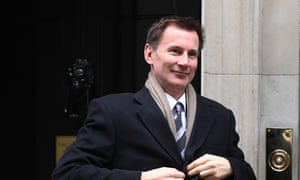
Jeremy Hunt, the health secretary


Jeremy Hunt, the health secretary, is being pushed to reveal what he knew of the paperwork, including items relating to child safety, that went astray. Photograph: Stefan Rousseau/PA

“That might mean repeat prescriptions, which would be unnecessary, as they have been taken before. And it might mean delay in diagnosis. If that happened it’s at best an inconvenience to the patient, and at worst there’s a risk of patient harm.”


Jonathan Ashworth, the shadow health secretary, said: “This is an absolute scandal. For a company partly owned by the Department of Health and a private company to fail to deliver half a million NHS letters, many of which contain information critical to patient care, is astonishing.


“Patient safety will have been put seriously at risk as a result of this staggering incompetence. The news is heartbreaking for the families involved and it will be scarcely believable for these hospitals and GPs who are doing their best to deliver services despite the neglect of the government.”


He said that Hunt’s statement to MPs last July was “perfunctory, complacent and evasive, failing to reveal any of the catastrophic detail of how 500,000 pieces of correspondence including test and screening results and pathways following hospital treatment, had failed to be delivered and were in fact languishing unopened in a warehouse”.


Ashworth added: “Instead, Mr Hunt gliby told parliament that ‘some correspondence in the mail redirection service has not reached the intended recipients’. For a secretary of state who supposedly has transparency as his watchword this looks like he has tried to hide the scandal from patients and the public. It’s totally unacceptable.”


Tim Farron, the leader of the Liberal Democrats, said: “This looks, to me, like a cover-up. Jeremy Hunt has serious questions to answer, especially his deliberately evasive statement to parliament. Jeremy Hunt often talks about an NHS more open about patient safety failings since the Mid Staffs scandal. His deeds don’t match his words.


“This is a staggering loss of personal and private data, this colossal loss of vital material that may have been absolutely crucial to a patient’s treatment. I worry that while all this correspondence, including test results, has gathered dust, patients had been put at risk. People could have died as a result of this.”


An NHS England spokeswoman said: “Some correspondence forwarded to SBS between 2011-2016 was not redirected or forwarded by them to GP surgeries or linked to the medical record when the sender sent correspondence to the wrong GP or the patient changed practice.


“A team including clinical experts has reviewed that old correspondence and it has now all been delivered wherever possible to the correct practice. SBS have expressed regret for this situation.”


The Department of Health refused to comment.


NHS accused of covering up huge data loss that put thousands at risk

24 Şubat 2017 Cuma

Revealed: thousands of children at London schools breathe toxic air

Tens of thousands of children at more than 800 schools, nurseries and colleges in London are being exposed to illegal levels of air pollution that risk causing lifelong health problems, the Guardian can disclose.


A study identifies 802 educational institutions where pupils as young as three are being exposed to levels of nitrogen dioxide that breach EU legal limits and which the government accepts are harmful to health.


The research, commissioned by the mayor of London, Sadiq Khan, suggests thousands more children and young people are at risk from toxic air than previously thought.


Khan said the results were devastating and warned that it was the capital’s poorest children who were bearing the brunt of the air pollution crisis.


“It is an outrage that more than 800 schools, nurseries and other educational institutions are in areas breaching legal air pollution limits,” he said.


“This is an environmental challenge, a public health challenge but also – and no one talks about this – it is fundamentally an issue of social justice. If you are a poor Londoner you are more likely to suffer from illegal air.”


Khan called for the government to introduce a clean air act and for a diesel scrappage scheme to take polluting cars off the road quickly.


Sadiq Khan, the mayor of London


Sadiq Khan: ‘We are evaluating the success of other cities … Nothing is off the table.’ Photograph: Dinendra Haria/Rex/Shutterstock

The results show nearly double the number of schools than previously thought are affected by illegal levels of toxic air. A report that was kept secret by former mayor Boris Johnson revealed last year 433 primaries were exposed to dangerous levels of air pollution.


The new data shows 802 out of 3261 nurseries, primary and secondary schools and higher education colleges, are within 150 metres of nitrogen dioxide pollution levels that exceed the EU legal limit of 40µg/m3 (40 micrograms per cubic metre of air).


A third of state nursery schools in the capital (27), nearly 20% of primaries (360) and 18% of secondary schools (79) are in areas where toxic levels of nitrogen dioxide threaten children’s health. Of the further education colleges in the capital, 43% (30) were in areas of illegally toxic levels of NO2.


Nurseries map

Traffic is a major contributor to air pollution and there is growing concern about emissions from diesel vehicles, which contribute through the production of particulate matter and nitrogen oxides (NOx).


Dr Francis Gilchrist, consultant respiratory paediatrician at Royal Stoke University hospital, said it was known that children were particularly sensitive to air pollution and that lung damage had lifelong consequences.


“If something is not done about air pollution these issues are going to get worse and worse. There is definitely concern that air pollution is affecting children’s lungs – in particular it exacerbates respiratory illness, like asthma, and it predisposes children who are healthy to having repeated chest infections,” he said.


“If you damage your lungs in childhood you are likely to see these effects right through into adulthood, so there is a lifelong impact.”


Khan hopes the introduction of what he says is the world’s first ultra-low emission zone will cut toxic NO2 emissions from diesel vehicles by 50%. He plans to extend the zone to the north and south circular roads in the capital and has brought its introduction forward a year to 2019.


Last week he announced that drivers ofolder, more polluting cars will have to pay a £10 charge to drive in central London from October.


But other cities – including Paris, Athens and Madrid – have announced more dramatic measures, introducing car-free days and bans on diesel cars from city boundaries.


Khan said he had not ruled anything out. “We are evaluating the success of other cities. We are looking at their plans and nothing is off the table. But at the moment we think our plans are the most effective.”


London is not alone in the UK in facing an air pollution crisis. Khan and the leaders of four other cities badly affected by poor air quality – Leeds, Birmingham, Derby and Nottingham – had written to the government calling on them to do more to tackle the problem across the UK.


“It must be the case that air quality in other cities is having a similar impact and that it is worse in the most deprived parts of those cities. It must impact on schools in the same way, but they do not have the information that is now available in London. The government must take action,” he said.


The new research on schools, nurseries and colleges was based on modelling of data from 2013 carried out by experts from the environmental research group at King’s College London and Aether, the environmental data analysts.


The modelling is more precise than the government’s measurements, which the high court has condemned as overoptimistic.


School NO2 table

Judges told ministers last November they must cut the illegal levels of NO2 in dozens of towns and cities in the shortest possible time after ruling their plans to improve air quality were so poor they were unlawful.


The government has until April to come up with proposals to bring before the court.


The study adds to the pressure on ministers to tackle air pollution amid growing evidence of a toxic air crisis in parts of the UK. London breached its annual air pollution limits just five days into 2017.


Last month Khan issued the first “very high” air pollution alert with warnings displayed at bus stops, train stations and road signs across the capital.


This year Khan gave £250,000 to fund 50 air quality audits at the worst affected primary schools. The money will allow schools to work with local councils to introduce measures to protect pupils from toxic air and could include banning the most polluting cars at drop-off and pick-up time, clean air routes for walking to school, green barriers and moving entrances away from busy roads.


Air pollution causes up to 50,000 early deaths – 9,000 of these in the capital – and costs the country £27.5bn each year, according to a government estimate. MPs have called it a public health emergency.


Khan is calling for ministers to introduce a comprehensive diesel scrappage scheme to compensate drivers who bought diesel cars after being told they were more environmentally friendly than petrol vehicles. He also wants the government to introduce a clean air act “fit for the 21st century”.


“Today people scratch their heads that 30 or 40 years ago we knew smoking was bad for your health but no action was taken,” he said. “I don’t want a situation now where in 20 or 30 years’ time our children or grandchildren say knew about air quality but no action was taken.


“I want London to be the envy of the world in relation to air quality, to be the greenest city in the world.”


‘Some days it makes me consider leaving London’


The playground at Tachbrook nursery school in Pimlico, west London, has lots to keep a three-year-old happy at breaktime.


But, like other schools highlighted in the report, it is very close to a busy main road. HGVs, cars, taxis and buses plough up and down the Embankment nearby, and so the school is subject to NO2 pollution levels above EU legal limits.


Headteacher Elizabeth Hillyard said she had signed a petition along with other headteachers in the capital urging more to be done about toxic air.


“Air pollution has bad effects on health and it needs to be addressed and all the heads in Westminster have signed the petition,” she said.


Like other schools, Tachbrook does what it can to protect children, including having a fence around the playground. Kate Lyons, a parent collecting her three-year-old son, said the issue was a concern.


“We are generally concerned about the air in this area,” Lyons said. “You can feel it and taste it. My little boy loves playing in the playground at school, and it does worry me.


“We live nearby and sleep with our windows closed because of the pollution. We used to live in Edinburgh and you can feel the difference living here in London and some days it is something that makes me consider leaving.”


Additional reporting by Caelainn Barr


Revealed: thousands of children at London schools breathe toxic air

23 Şubat 2017 Perşembe

Thousands of doctors trained in Europe "may quit UK after Brexit"

About 12,000 doctors trained in European countries could quit the UK because they feel less welcome following the Brexit vote, according to a survey of overseas medics.


About two in five doctors who qualified in European Economic Area countries are considering leaving the UK in light of the referendum result, research by the British Medical Association reveals.


The findings prompted alarm about an impending “disaster” in medical staffing and fears that an exodus of EEA doctors could exacerbate already significant personnel shortages in NHS hospitals.


The BMA’s findings are based on a survey it undertook of 1,193 EEA doctors working in the UK. When asked if they were thinking about leaving the UK following last year’s referendum vote, 500 (42%) said yes, 309 (26%) said no, 278 (23%) were unsure, while the other 106 did not answer.


“These are the people who staff our hospitals and GP surgeries, look after vulnerable patients in the community, and conduct vital medical research to help save lives. Many have dedicated years of service to healthcare in the UK, so it’s extremely concerning that so many are considering leaving,” said Dr Mark Porter, the BMA’s council chair.


“At a time when the NHS is already at breaking point and facing crippling staff shortages, this would be a disaster and threaten the delivery of high-quality patient care. But this isn’t just about numbers. The quality of patient care is improved where doctors have diverse experiences and expertise,” he added.


The EEA includes the 28 members of the European Union plus Norway, Iceland and Liechtenstein.


Figures from the General Medical Council, which regulates the medical profession, show that there are 280,932 doctors on the medical register. Of those, 177,912 (63%) were trained in the UK, 30,733 (11%) qualified in another EEA country and 72,287 (26%) are from elsewhere in the world.


“While thousands of overseas and EU doctors work across the UK to provide the best possible care for patients, many from the EU are left feeling unwelcome and uncertain about whether they and their families will have the right to live and work in the UK after Brexit,” said Porter.


European doctors feel significantly less appreciated by the UK government now than before the referendum. Their average rating on that score has fallen from seven out of ten before the vote to leave the EU to less than four out of ten now.


Similarly, they also feel a lot less committed to working in the UK since the Brexit vote. Their average rating on that question has fallen from nine out of ten before the referendum to six out of ten.


“Since the result of the EU referendum I feel increasingly uncertain about my future here, and am considering returning to Germany. It is unsettling that in a country that I have contributed to for 20 years and consider home, I am now seen as a foreigner and have to prove that I deserve to live and work here,” said Dr Birgit Woolley, a German-born GP who has worked in Britain for 20 years.


“I feel supported by my patients, with even those that voted leave telling me: ‘You can stay because you’re a doctor. We like you. We didn’t mean you.’ But the reality is that the government does not appreciate what EU nationals like me have contributed to the UK, and only sees us as bargaining chips.”


Luciana Berger, a Labour member of the Commons health select committee, said: “These extremely worrying BMA figures show the huge contribution made by doctors from the EU, and the severe risk that hundreds will leave the UK as a direct result of Brexit.”


A Department of Health spokesman said: “As the government has repeatedly made clear, overseas workers form a crucial part of our NHS and we value their contribution immensely.


“We want to see the outstanding work of doctors and nurses who are already trained overseas continue, but at the same time we have been very clear that we want to give more domestic students the chance to be doctors, given the enduring popularity of this as a career.”


Thousands of doctors trained in Europe "may quit UK after Brexit"

14 Şubat 2017 Salı

Tens of thousands of new mothers can"t reach a midwife, study finds

Tens of thousands of new mothers a year are seeking help at an A&E unit or GP surgery because they cannot reach a midwife to ask them for advice, a new study has found.


Mothers worried about a problem with their own or their baby’s health are adding to the strain on family doctors, emergency departments and walk-in centres because of midwife shortages and because they have “nowhere else to go”, says the parenting charity the NCT – which undertook the research.


“It’s completely unacceptable that new mums have to get themselves to already fit-to-burst A&E departments,” said Elizabeth Duff, the NCT’s senior policy adviser. “The first weeks are challenging enough for parents without the added stress of waiting around for hours in casualty with their babies.”


The NCT estimates that around 37,000 women every year in England and Wales resort to accessing these services because NHS care in the six weeks after a baby’s birth is so “patchy”.


The NCT’s findings are contained in a survey it conducted alongside the National Federation of Women’s Institutes of 2,500 women who gave birth between 2014 and mid-2016. While women were mostly positive about their experiences, postnatal care emerged as a major concern, including not seeing a midwife as often as they would like soon after their delivery.


Overall, 18% said they did not have the access they wanted to a midwife. Of those, 29% – around 37,000 of the 700,000 women a year who give birth in England and Wales – said they went to a GP, A&E or walk-in centre instead.


Their main concerns were their baby not feeding properly (64%), their own emotional or mental wellbeing (50%), the healing of stitches or sutures (35%) and the healing of the scar from a caesarean section (18%).


“If the NHS provided better postnatal support, new parents would not be adding to the pressure on overburdened A&E departments and GP surgeries,” Duff said.


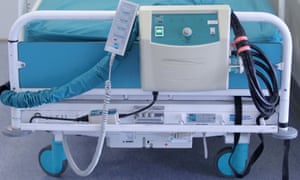
Hospital bed


Almost 37,000 women went to a GP, A&E or a walk-in centre because they didn’t have access to a midwife between 2014 and mid-2016. Photograph: Lynne Cameron/PA

It was worrying that the same proportion of women who could not see a midwife as often as they wanted to postnatally had not improved since the NCT carried out a previous survey four years ago, Duff said. A&E staff and GPs do their best to help women in such circumstances but are not properly trained to help with problems such as those that concerned new mothers typically present with, she added.


One woman told the NCT how she felt obliged to go to her local A&E after her midwife did not come out and see her at home when her legs and feet became swollen, even though they were potential signs of deep vein thrombosis, which her own mother had suffered from after giving birth to her. Another said she had gone to A&E when she and her baby son were discharged too quickly after his birth even though he was not breastfeeding and he soon became dehydrated.


Cathy Warwick, chief executive of the Royal College of Midwives, criticised the NHS’s failure to allocate proper resources to postnatal care as a short-term policy that stored up more problems and longer-term costs.


“Underfunding and under-resourcing postnatal care not only puts pressure on other parts of the NHS, it also fails mothers and babies who may not be getting the care, support and advice they need,” she said. “I am hearing increasing reports of babies requiring readmission to hospital because of lack of breastfeeding support.


“It is also widely acknowledged how critical it is to have early detection of women who are suffering from mental health problems postnatally. Early intervention can prevent very serious problems for the mother as well as separation of mother and baby.”


A series of reports in recent years into weaknesses in postnatal care led to NHS England’s maternity care taskforce and Better Births report last year recommending improvements, including that women can contact a midwife in the weeks after the birth. However, Warwick warned that pressure on hospital maternity units and serious shortages of midwives meant that some midwives are being taken away from home visits to help out there.


NHS England declined to respond directly to the findings, but insisted that it was making progress on implementing the recommendations contained in Better Births.


“It is safer than ever to give birth in this country and the vast majority of mothers report that they received great NHS care,” a spokesman said.


“We are now working to implement the recommendations made by Better Births across the NHS including providing better postnatal care and access to a small team of midwives for continuity throughout the pregnancy, birth and postnatally, ensuring all women receive the best possible care.”


Case study


When Leigh Jerzeyszek, 33, gave birth to her first son, Charlie, last October, the baby didn’t take to breastfeeding at first.


“I’m a new mum, I’d never breastfed before, so I didn’t know what was happening and what was normal,” she said. “He was just very, very gentle, so I thought, this is easy.”


She asked the nurses for some help with breastfeeding, but didn’t receive help before being discharged, the day after giving birth. “For three days, Charlie had barely anything to drink, and every time I tried to breastfeed him he was distressed, like I was trying to poison him,” Jerzeyszek said.


Leigh Jerzyszek and Charlie.


Leigh Jerzyszek and Charlie. Photograph: Leigh Jerzyszek

“I thought, this can’t be right … he’s going to dehydrate if I don’t give him something, so I tried him with formula. He couldn’t latch to my breast, and he couldn’t latch to the normal teat of a bottle, either.”


Unlike many of the mothers in the NCT study, Jerzeyszek did have a visit from a midwife the day after being discharged, and the following day a healthcare visitor, who said she should tickle Charlie to make him try to eat. But it wasn’t until three days after she left the hospital, and becoming increasingly anxious about Charlie’s inability to feed, that she saw an infant feeding specialist.


“As soon as she saw him, she said, ‘get him to A&E, because that’s not a normal cry’,” said Jerzeyszek. “It was really whimpery, just no energy. She looked at his tummy and it was quite sunken. We went back to the hospital in a panic. No one in A&E could feed him.”


Charlie was tested for meningitis and sepsis, and was given lumbar punctures.


Jerzeyszek was exhausted, awash with postnatal hormones and terrified. “I went into the toilet and cried,” she said. “I hadn’t slept, this tiny, innocent little baby’s not feeding, it’s just really surreal.”


Charlie spent three nights in hospital being fed on a tube, as an ear, nose and throat specialist and eventually a speech therapist tried to work out why he wouldn’t feed. He ended up needing special teats until he was four months old.


“I was discharged too soon … they just basically didn’t check that Charlie was feeding properly,” Jerzeyszek said. Although she received frequent visits, “they just didn’t identify the problem … I would have thought as an experienced care professional, rather than thinking he doesn’t want it or he’s lazy, he actually couldn’t feed”.


She remains angry at the impact it had on her family in their very first week. “I think because at the time it’s all a whirlwind … you just deal with it,” Jerzeyszek said.


“But now that he’s settled, sometimes I get upset about it. There was a lot of trauma to him that could have been prevented if they’d only checked [his feeding] in the first place.”


As told to Alice Ross


Tens of thousands of new mothers can"t reach a midwife, study finds

11 Ocak 2017 Çarşamba

Child "sugar scourge": thousands having teeth removed in hospital

More than 40,000 children and young people a year are having rotten teeth removed in hospital in further evidence of what doctors call the “costly scourge of sugar”.


New NHS figures obtained by the Local Government Association (LGA) show that 40,800 under-18s in England had at least one tooth taken out last year under general anaesthetic because of decay. Performing the procedures cost £35.6m.


The children involved had such advanced decay that they could not be treated by a dentist and had to go to hospital instead. NHS surgeons carried out 161 such operations each working day.


“These figures are a stark reminder of the damage excessive sugar consumption is doing to our children’s teeth,” said councillor Izzi Seccombe, chair of the LGA’s community wellbeing board.


“It is deeply worrying that the type of dental treatment required is beyond the capacity of a local dentist, due to the severity of the tooth decay, and as a result has to be done in hospital,” she added.


The 161 operations a day should serve as “a wake-up call” to ministers to introduce tougher curbs on sugar, not just the planned levy on sugary soft drinks, said Prof Nigel Hunt, the dean of the faculty of dental surgery at the Royal College of Surgeons.


“The awful impact sugar is having on our children’s teeth is brutally evident in the number of under-18s we are seeing daily that need more than one tooth extracted due to tooth decay. It is shameful that a problem which is 90% preventable continues to plague our children in this way,” Hunt said.


“Having teeth removed can be very traumatising for children and requires time away from school for them, as well as time away from work for their parents.


“The government’s sugar tax will go some way to cutting sugar consumption that leads to tooth decay, but it also needs to support public health campaigns that remind parents of good oral health,” Hunt added.


The LGA, which represents councils in England and Wales, wants ministers to let it help decide how proceeds from the sugar tax should be spent.


Child "sugar scourge": thousands having teeth removed in hospital

6 Ocak 2017 Cuma

French authorities gas thousands of ducks after bird flu outbreaks

Workers wearing masks and protective clothes have gassed thousands of ducks in south-west France, in a massive cull that was ordered in an attempt to prevent a spread of the H5N8 bird flu virus.


At one farm in the village of Latrille, in the heartland of duck and geese rearing country, 8,000 ducks were taken by hand and put in coloured metal containers where carbon dioxide was piped in to kill them, normally within seconds.


Workers clad in head-to-toe protective suits, face-visors and gas masks, finished the slaughter in the space of a few hours.


France, which has the largest poultry flock in the European Union, has reported 95 outbreaks of the virus.


Most of the cull is taking place in and around the Gers area of south-west France, where geese and ducks are reared in vast numbers to make foie gras.


About 800,000 birds out of a population of about 18m in the whole of the south-west are due to be killed in the coming week.


Workers carry ducks before placing them in a bin filled with carbon dioxide at a poultry farm in Latrille, south-west France.


Workers carry ducks before placing them in a bin filled with carbon dioxide at a poultry farm in Latrille, south-west France. Photograph: Bob Edme/AP


The operation is part of mass cull of poultry in France, which has reported 95 outbreaks of the H5N8 bird flu virus.


The operation is part of mass cull of poultry in France, which has reported 95 outbreaks of the H5N8 bird flu virus. Photograph: Bob Edme/AP


France, which has the largest poultry flock in the EU, has ordered the cull of ducks in its three most-affected regions.


France, which has the largest poultry flock in the EU, has ordered the cull of ducks in its three most-affected regions. Photograph: Regis Duvignau/Reuters


French authorities gas thousands of ducks after bird flu outbreaks

3 Kasım 2016 Perşembe

Toxic air is killing thousands of us – Theresa May must act fast | Emma Howard

The verdict is in and the government is guilty. In a landmark ruling, the high court has ruled that the plans to cut fatal air pollution are not only inadequate, but also illegal. To anyone who has seen these plans, the verdict is not surprising.


“If there was a toxin in our water system that we knew was killing thousands of people every year, the government would be coordinating Cobra meetings every day,” Matthew Pennycook, the Labour MP for Greenwich and chair of parliament’s cross-party group on air pollution, said after this morning’s ruling. But when it comes to the fatal toxins in our air, the government has not been coordinating any emergency meetings. It has been moving at a snail’s pace.


Air pollution is a known killer. The UK has been in breach of legal limits on nitrogen dioxide (NO2) for years. The government’s own reports show air pollution is causing 40-50,000 deaths every year, by exacerbating respiratory illnesses, heart disease and asthma. New evidence suggests it is not only finding its way into our lungs, but into our brains too, where it may bring about the premature onset of Alzheimer’s disease. In the words of MPs from all parties, we are facing a public health crisis.


Theresa May has pledged that she will fight the “burning injustices” that entrench social inequality and blight the life chances of children from working-class families. She says that many in Westminster “don’t know what it’s like to live like this and need to be told that what the government does isn’t a game”. But perhaps the prime minister is among them.


Children know that air pollution is not a game because they are substantially more vulnerable to toxins in the air, which permanently stunt the development of their lungs. So too are people from ethnic minority backgrounds, those living in areas of higher levels of deprivation, the elderly and those with chronic health conditions. In short, they are the most vulnerable people in our society.


Yet still, the apathy persists. It has now been more than a year since the Volkswagen scandal broke, when a major car manufacturer was revealed to have been covering up air pollution through criminal activity. In the US, VW has agreed to pay $ 15.3bn to compensate consumers and mitigate some of the damage it has done to the environment. In the UK the government has failed to take legal action or compensate consumers – all while lobbying at an EU level to water down regulations that would encourage the car industry to change. Indeed, the only reason the government has an air quality plan at all is because the supreme court ordered it to draw one up 18 months ago.


So what now? Speaking at prime minister’s questions today, May promised that the government did not “doubt the importance of the issue” and would look again at the proposals. She is right, it will – because it will have to. It now has one week to negotiate with the NGO ClientEarth, which emerged victorious from the high court this morning. It will be forced to scrap its current air quality plan, which called for clean air zones in just five cities, and backed the mayor’s plans in London, but did not mandate change in major cities such as Manchester and industrial hot spots such as Port Talbot.


Any new plan is likely to implement clean air zones in many more cities and could mean that diesel cars will face charges in many city centres. But the government should ensure local authorities have proper resources to implement the zones. It is also likely the government will have to redo the flawed modelling on which its current plans are based, which fail to properly take into account the vast discrepancy between tests in the laboratory and tests on the road.


But even this is likely to be inadequate. Road transport is the number one contributor to NO2 pollution and diesel is the main culprit. Yet we currently have a tax system that incentivises consumers to purchase diesel cars, which currently make up close to half of the nation’s fleet. Research published today suggests that for central London to become compliant, the proportion of diesel cars on the road would need to be as low as 5%. The sale of diesel cars must end and the government must reform a regulator that hauls in millions from the car industry itself.


But the car industry does not have to be the villain in this story. May has the opportunity to make it the hero and deliver a boost to the government’s shiny new industrial strategy to boot. Both Norway and the Netherlands understand this – they are striving for an emissions-free industry within the decade. China has announced a boost to its hybrid industry and even Germany, the nation that invented the car, is now mooting a federal proposal for a ban on petrol and diesel by 2030.


Electrics, hybrids and hydrogen are the future of the global car industry. If the UK doesn’t move fast by delivering the incentives and infrastructure required to clean it up, we will get left behind. If the prime minister realises this opportunity, perhaps then she might really start to play the game.


Toxic air is killing thousands of us – Theresa May must act fast | Emma Howard