Risk etiketine sahip kayıtlar gösteriliyor. Tüm kayıtları göster

10 Mayıs 2017 Çarşamba

Gluten-free diet carries increased obesity risk, warn experts

Substituting everyday staples with gluten-free foods could increase the risk of obesity, experts have warned, after finding that such products often contain higher levels of fats than the food they aim to replace.


A gluten-free diet is essential to those with coeliac disease – an auto-immune condition that is thought to affect 1% of Europeans – while the regime is also proving increasingly popular among those without the disease. But while a host of gluten-free products are on the market, researchers have said they have a very different nutritional make-up to conventional staples.


“There is very little [consumers] can do about it,” said Joaquim Calvo Lerma of the Instituto de Investigación Sanitaria La Fe in Spain and co-author of the research. “Unfortunately consumers can [only] eat what is available on the market.”


Calvo Lerma’s warning comes after he and his and colleagues compared 655 conventional food products to 654 gluten-free alternatives across 14 food groups including breads, pasta, breakfast cereals, biscuits and even ready meals, covering a range of brands.


The results – presented at the annual meeting of the European Society for Paediatric Gastroenterology, Hepatology and Nutrition – reveal that, overall, gluten-free products were more energy-dense than their conventional counterparts.


The team found that, on average, gluten-free bread loaves had more than twice the fat of conventional loaves, while gluten-free breads in general had two to three times less protein than conventional products. Gluten-free biscuits were also found to be lower in protein but higher in fat, while gluten-free pasta had lower levels of sugar and just half of the protein of standard pasta.


Calvo Lerma warned that gluten-free foods could be contributing to an increased risk of obesity, particularly among children who are more likely to eat products like biscuits and breakfast cereals. He urged consumers to compare gluten-free products across brands to find those with the lowest fat content.


Calvo Lerma also called on manufacturers to innovate. “It is the responsibility of the food industry to produce these type of gluten-free products from other materials that are much healthier or have a [more] enhanced nutritional profile than the current raw materials being used, like cornflour or potato starch,” he said, pointing out that healthier products could be made, for example, using grains such as buckwheat or amaranth.


He added that manufacturers should also add more complete and clearer labels to products to highlight their nutritional content, including levels of vitamins and minerals.


Benjamin Lebwohl, from the coeliac disease centre at Columbia University, who was not involved in the research, said that the study backs up previous evidence that gluten-free foods are nutritionally suboptimal. But while a gluten-free diet is essential for coeliacs, it is not intrinsically healthy or unhealthy, he added. “It depends on the choices you make as part of the gluten-free diet,” he said.


Sarah Sleet, chief executive of Coeliac UK, said the latest findings tie in with the charity’s own research, adding that further development of lower-fat, gluten-free products would be welcomed.


David Sanders, professor of gastroenterology at the University of Sheffield, noted that other studies have found gluten-free and conventional foods to have similar nutritional value. “The jury is out,” he said.


But Sanders cautioned that there is no evidence a gluten-free diet has benefits for those without gluten sensitivity or coeliac disease. “Once you go into the territory of dietary restrictions without medical symptoms then you are running the gauntlet of missing out on various vitamins or minerals without realising it,” he said.


Gluten-free diet carries increased obesity risk, warn experts

9 Mayıs 2017 Salı

Common painkillers may raise risk of heart attack by 100% – study

[unable to retrieve full-text content]


Risk of myocardial infarction is greatest in first month of taking NSAIDs such as ibuprofen if dose is high, say researchers


Commonly prescribed painkillers including ibuprofen increase the likelihood of having a heart attack within the first month of taking them if consumed in high doses, a study suggests.


All five nonsteroidal anti-inflammatory drugs (NSAIDs) examined could raise the risk as early as the first week of use, an international team of researchers found.


Related: Should I stop taking Ibuprofen?


Continue reading…


Common painkillers may raise risk of heart attack by 100% – study

1 Mayıs 2017 Pazartesi

Can your multivitamin increase the risk of Alzheimer’s disease?

Many of us want to improve our odds of getting into old age in the best of shapes by using multivitamins. I do it. You probably do it, too. But can your multivitamin increase the risk of Alzheimer’s disease? Recent research focuses on copper, a common ingredient of many multivitamins as a possible suspect in dementia.


“For some time it has been clear that copper toxicity plays a major role in Alzheimer’s disease,” says professor George Brewer, a researcher at University of Michigan.


It all started with Larry Spark’s rabbits. In his West Virginia laboratory Dr. Larry Sparks, a researcher investigating the effect of high cholesterol diet in Alzheimer’s disease (AD), developed an animal model of this disease. He and his team fed rabbits with high-fat diet until they developed AD-like disease (and you thought you had a depressing job!). When he moved his lab to Arizona, to his surprise he found that he no longer was able to induce dementia in his animals. What happened? He maintained the same conditions (same breed of rabbits, identical food etc.). The only change, he realized after some time, was that in West Virginia he used tap water, whereas in Arizona the water was distilled. After experimenting with different substances in water he narrowed it down to a difference in the levels of copper.


But keep in mind: this doesn’t make copper a villain. Copper remains an important trace element; its deficiency can cause as much trouble as its excess. It is a crucial component of many enzymes.


We get 75% of our copper from food such as shellfish, nuts, grains, many fruits and vegetables and chocolate.  It is so-called “organic copper” or copper-1. Over millennia our bodies figured out a safe way of handling it through processing it through liver, which works like a distribution center, sending it to whatever cells may need it.


Then, there is remaining 25%, inorganic copper or copper-2, which we get from water (leached from copper piping) and more recently from supplements.  It slightly differs from copper-1 in that it is unattached to any bigger molecules.  As a result, it shows up in our blood almost immediately after ingestion, as it bypasses the secure channels in liver. What’s more concerning, it can cross through the blood-brain barrier, an important mechanism, which decides which substances can cross safely into the brain.


We have evolved to handle copper-1 safely, but copper-2 is a different matter altogether. Excess of copper-2 in water is a new phenomenon and our organisms don’t have efficient pathways to handle the increased amount of this mineral. But we may be making matters worse by getting even more of copper-2 in our bodies by taking it in form of supplements (almost all copper in supplements and multivitamins is copper-2).


So how does copper affect the brain?  In a nutshell, it increases oxidative stress and beta amyloid plaque formation. Beta amyloid is a protein that forms the plaques, which are hallmark of Alzheimer’s disease.  It is possible that forming the beta amyloid clumps may be body’s way to cope with increased oxidative damage from metals like copper.  But after its role has been fulfilled, the body will try to eliminate excess of beta amyloid. If removal is unsuccessful, as a result beta amyloid will aggregate in plaques, gumming up the work of the neurons.


More recently researchers from University of Rochester found that adding small amounts of copper to water fed to mice has affected that cleanup mechanism.  The blood-brain barrier become leaky, admitting even more copper into the brain circulation.


There is another factor, which can make problems with inorganic copper even worse. You saw it in Larry Spark’s rabbits. It turns out that eating a diet high in red meat and trans fatty acids increases absorption of copper, enough to make a difference in cognition. Perhaps this is just how it works in rats, you wonder. Maybe it was one-off result? Fair point. Alas, no.


Look at the results of this study done on seniors in Chicago. In 2006, Morris and his colleagues published the results of 6 years follow up on over 3700 residents of Chicago, 65 and older. The researchers looked at dietary content of copper and fat and following patients’ memory with four different tests. There was a strong association of memory problems with high copper intake (mostly from vitamin supplements) and fatty diet. In fact, the risk of dementia in people whose copper intake was in the top 20%, was increased six fold (yes, you read that right – six fold!). Interestingly, there was no such correlation in people who avoided saturated and trans fats.


Could this be the key to the increased rate of dementia we have observed in the last 60 years? George Brewer, professor at University of Michigan, and one of the main researchers on copper and brain, thinks that it may be the case. He proposed that the high prevalence of Alzheimer’s disease (20% of those 70 and older and 30% of 80 and above) arose in context of increased affluence in US after WWII, which brought with it diet rich in meat and processed food and widespread use of copper plumbing.


Consider this: the rates of Alzheimer’s disease in undeveloped countries are only a fraction of what we see in US. For instance, in rural India its prevalence in people over 65 is only about 1%. In Nigeria it is even lower, at about 0.5%. Their diet contains much less saturated and trans fats. And there is much less infrastructure in terms of plumbing, copper or otherwise. Now, look at Japan, admittedly a developed country, but with low prevalence of dementia (8%). They have rejected copper plumbing because of concern about its toxicity. But, when Japanese migrate to Hawaii (where use of copper plumbing is as common as in continental US), their rates of Alzheimer’s disease increase to match the rest of the population.


Did you know that over 80% of US households use copper plumbing? Environmental Protection Agency set its “action level” for copper content in water at 1.3 mg/L. But the amount of copper in water that jumpstarted the dementia in Larry Sparks’ rats was less that tenth of that, at 0.12 mg/L. Should we be concerned?


Concerned – yes. Ripping out your copper plumbing? Probably overkill. As this is all rather new, the researchers don’t have enough data to make definite recommendations yet. Here is what I do, as we are all awaiting more conclusive figures:


  • I use copper-free multivitamin. Almost all copper in multivitamins is copper-2, potentially toxic to the brain.

  • I stopped using unlined copper cooking pots, as they may leach some inorganic copper into food, particularly in higher acidity. But here should be no problem with copper cookware lined with ceramic or stainless steel.

  • It seems that dietary copper (copper-1) is safe. I don’t go out of my way to avoid copper-rich foods. However, if concerned, cooking beans and grains will reduce the amount of copper by 50%.

  • I never use hot water tap for cooking. Heat increases corrosive properties of water and with that – copper leaching from the plumbing.

  • For drinking water – I let the faucet run for at least 30 sec. I haven’t been able to find and studies on that and to my knowledge and there is no consensus on how long is enough – I’ve seen numbers anywhere from 15 sec to 5 min. You could use the flush water for watering the plants, washing the dishes etc. to minimize the waste.

  • I use water filter for all drinking and cooking water. Reverse osmosis filter will eliminate 97-98% of copper-2. Activated carbon and ion exchange resins filters, like Brita will work, too.

  • If you have copper pipes, like I do, it may be worthwhile to test the water copper content. A single test (copper only) from local water testing company costs about $ 30.

  • Finally, if you worry about your memory, you may run it by your doctor, and ask to have your serum copper and zinc level tested. Calculate your copper/zinc ratio (divide copper over zinc; make sure they are reported in the same unit, usually μg/dL). Desirable copper/zinc ratio is 0.7-1, but it may increase with age and inflammatory diseases. Should your ratio be above 2, talk to your doctor about zinc supplementation. Don’t do it on your own – there may be some real, irreversible downsides to over supplementing zinc. Stay tuned – I will be writing about copper/zinc ratio as a biomarker of aging, cognition and inflammation soon.

Resources:


Brewer GJ. Copper-2 ingestion plus increased meat eating leading to increased copper absorption are major factors behind the current epidemic of Alzheimer’s Disease. Nutrients 2015;7:10053-64


Brewer GJ, Kaur S. Zinc deficiency and zinc therapy efficacy with reduction of serum free copper in Alzheimer’s Disease. Int J Alzeimers Dis. 2013; 2013:586365


Squitti et al. Low copper diet as a preventive strategy for Alzheimer’s Disease. Neurobiol Aging. 2014 Sep;35 Suppl 2:S40-50


Morris MC et al. Dietary copper and high saturated and trans fats intakes associated with cognitive decline. Arch Neurol 2006 Aug;63(8):1085-8


https://www.cdc.gov/healthywater/drinking/private/wells/disease/copper.html


Anna Lamnari, MD on Facebook

Anna Lamnari, MD

Dr. Anna Lamnari is an internist, geriatrician and integrative practitioner with almost 20 years of clinical practice. She is passionate about healthy, vibrant aging and natural ways of improving memory. Follow her on: www.aginglikeaboss.com.


Can your multivitamin increase the risk of Alzheimer’s disease?

25 Nisan 2017 Salı

Backlash after report claims saturated fats do not increase heart risk

Saturated fat does not increase the risk of a heart attack by clogging up arteries, three cardiologists have said in a challenge to medical thinking, sparking a furious backlash.


In an editorial published in the British Journal of Sports Medicine the cardiologists also write that relying on foodstuffs marketed as “low fat” or “proved to lower cholesterol” to avoid heart disease is “misguided”.


A key previous research study, they say, “showed no association between saturated fat consumption and all-cause mortality, coronary heart disease, CHD mortality, ischaemic stroke or type-2 diabetes in healthy adults”. Instead they say that a Mediterranean-style diet and 22 minutes of walking a day are the best ways to prevent heart problems.


The paper co-authored by Pascal Meier, a cardiologist at University College London and editor of the journal BMJ Open Heart; Rita Redberg, the editor of the American journal JAMA Internal Medicine; and Aseem Malhotra, a cardiologist at the NHS’s Lister hospital in Stevenage, has triggered furious criticism from a range of experts in cardiology and evidence-based medicine. Some said the views were not based on reliable evidence and would mislead consumers and further confuse the public over which foods they should eat and which they should avoid.


They also dismiss the potential for a smaller intake of saturated fats to help prevent heart disease. “There is no benefit from reduced fat, including saturated fat, on myocardial infarction [heart attacks], cardiovascular or all-cause mortality,” they say.


Instead of adopting a low-fat diet, people seeking to cut their risk of heart problems should instead follow “an energy-unrestricted Mediterranean diet (41%) fat supplemented with at least four tablespoons of extra virgin olive oil or a handful of nuts”.


But critics responded by accusing the co-authors of naiveté, ignoring evidence which contradicts their theories and simplifying a hugely complex issue.


Dr Amitava Banrejee, a senior clinical lecturer in clinical data science and honorary consultant cardiologist at UCL, said: “Unfortunately the authors have reported evidence simplistically and selectively. They failed to cite a rigorous Cochrane systematic review which concluded that cutting down dietary saturated fat was associated with a 17% reduction in cardiovascular events, including CHD, on the basis of 15 randomised trials.”


Dr Gavin Sandercock, director of research at Essex University, rejected the trio’s claims about the benefit of “replacing refined carbohydrates with healthy high fat foods” as not true and not based on any existing evidence. “We must continue to research the complex links between fat, cholesterol and heart disease but we must not replace one myth with another”, Sandercock said.


Christine Williams, professor of human nutrition at Reading University, said the cardiologists’ dietary advice was impractical, especially for poorer people. “The nature of their public health advice appears to be one of ‘let them eat nuts and olive oil’ with no consideration of how this might be successfully achieved in the UK general population and in people of different ages, socioeconomic backgrounds or dietary preferences,” she said.


However, some experts did back the authors. Dr Mary Hannon-Fletcher, head of the school of health sciences at Ulster University, hailed their views as “the best dietary and exercise advice I have read in recent years. Walking 22 minutes a day and eating real food. This is an excellent public health message.


“The modern idea of a healthy diet where we eat low-fat and low-calorie foods is simply not a healthy option. All of these foods have been so altered they are anything but healthy. So eating real foods in moderation and exercising daily is the answer to keeping fit and healthy; it’s just too simple a message for the public to take on board,” she said.


Gaynor Bussell, a dietitician and member of the British Dietetic Association, also offered the authors qualified support. “Many of us now feel that a predominantly Med-style diet can be healthy with slightly more fats and fewer carbs, provided the fats are ‘good’ – such as in olive oil, nuts or avocados,” she said.


However, saturated fats should comprise no more than 11% of anyone’s food intake, she said – far less than the 41% fat level backed by the co-authors.


While carbohydrates should still be part of every meal, people should routinely consume high fibre or wholegrain versions, Bussell said.


Williams also accused the BJSM of publishing opinions seeking to portray saturated fats as “innocent” in the causation of heart disease in order to generate headlines. “Some would argue the journals have a very credible business model based on attracting controversy in an area of great importance to public health where clarity, not confusion, is required,” she said.


Backlash after report claims saturated fats do not increase heart risk

20 Nisan 2017 Perşembe

Stroke and dementia risk linked to low-sugar drinks, study finds

Consuming a can a day of low- or no-sugar soft drink is associated with a much higher risk of having a stroke or developing dementia, researchers claim.


Their findings have prompted renewed questions about whether drinks flavoured with artificial sweeteners can increase the risk of serious illness, as heavily sugared drinks have already been shown to do.


“Drinking at least one artificially sweetened beverage daily was associated with almost three times the risk of developing stroke or dementia compared to those who drank artificially sweetened beverages less than once a week,” according to the American researchers who carried out a study published in Stroke, the journal of the American Heart Association.


“After adjustments for age, sex, education (for analysis of dementia), calorific intake, diet quality, physical activity and smoking, higher recent and higher cumulative intake of artificially sweetened soft drinks were associated with an increased risk of ischaemic stroke, all-cause dementia and Alzheimer’s disease dementia,” the co-authors write.


Those consuming at least a can of so-called diet drinks every day were 2.96 times more likely to suffer an ischaemic stroke and 2.89 times more likely to develop Alzheimer’s disease than those who drank them less than once a week, they found.


Ischaemic strokes occur when blood cannot get to the brain because of a blockage, often one caused by a blood clot forming in either an artery leading to the brain or inside a vein in the brain itself. They comprise the large majority of the 152,0000 strokes a year which occur.


Surprisingly, though, the research also contradicted previous studies by finding that sugared drinks did not raise the risk of either serious outcome. It is based on data for more than 4,300 participants in the Framingham Heart Study, a long-term medical research project in the United States.


“To our knowledge, our study is the first to report an association between daily intake of artificially sweetened soft drink and increased risk of both all-cause dementia and dementia because of Alzheimer’s disease,” the co-authors added.


However, they admitted that they cannot prove a causal link between intake of diet drinks and development of either medical condition because their study was merely observational and based on details people provided in questionnaires logging their food and drink habits.


Matthew Pase, a senior fellow in the department of neurology at Boston University’s school of medicine who was one of the co-authors, said that despite no evidence of a causal link, the apparent connection between sweetened drinks and the two conditions “does identify an intriguing trend that will need to be explored in other studies”.


This is not the first time that sweetened drinks have been implicated in the development of serious ill-health. The paper quotes the Northern Manhattan study as having found that “daily consumption of artificially sweetened soft drink was associated with a higher risk of combined vascular events but not stroke”. It also cites the conclusion of the Nurses Health study and Health Professionals follow-up study that “greater consumption of sugar and artificially sweetened soft drinks was each independently associated with a higher risk of incident stroke over 28 years of follow-up for women and 22 years of follow-up for men”.


Sales of diet versions of soft drinks have boomed in recent years as sales of fully sugared ones have declined sharply.


Defra’s Family Food Survey, published last month, found that sales of regular soft drinks fell by 34.6% between 2010 and 2014, while low-calorie drinks purchases increased by 35.8%. Now just 38% of all soft drinks consumed are fully sugared, it said.


However, experts and health charities warned against reading too much into the new findings reported in Stroke.


“This research does not show that artificially sweetened drinks cause dementia. But it does highlight a worrying association that requires further investigation,” said Dr James Pickett, head of research at Alzheimer’s Society.


Naveed Sattar, professor of metabolic medicine at Glasgow University, said: “This is an interesting paper, but I would strongly caution against the conclusion that artificially sweetened drinks may increase the risk of stroke and Alzheimer’s. There is little other strong evidence to support a link between artificially sweetened drinks and adverse health outcomes.”


The results could have been skewed by people who had already become ill switching to low- or no-sugar drinks, Sattar added.


Dr Mary Hannon-Fletcher, head of health sciences at Ulster University, said: “These data are sound as far as they go. However it is important to note ‘the associations between recent and higher cumulative intake of artificially sweetened soft drinks and dementia were no longer significant after additional adjustment for vascular risk factors and diabetes mellitus’ – as the editor also pointed out. So are the conclusions sound? Perhaps not.”


Gavin Partington, director general of the British Soft Drinks Association, said: “Despite their claims, the authors of this observational study admit they found no cause and effect and provide no science-based evidence whatsoever to support their theories.


“In fact, based on the evidence, Public Health England is actively encouraging food and drink companies to use low-calorie sweeteners as an alternative to sugar and help people manage their weight.”


However, Tam Fry, a spokesman for the National Obesity Forum, warned consumers not to see low- or no-sugar drinks as healthy. “Don’t be fooled by the use of the word diet. Diet drinks were dreamed up as a description by an industry wanting to lull you into believing that it was a healthy thirst-quencher. Whether you’re thin or fat and thirsty, and not near a good old-fashioned tap, buy yourself bottled water,” Fry said.


Stroke and dementia risk linked to low-sugar drinks, study finds

It"s good to hear cycling to work reduces your risk of dying. But that"s not why I do it | Laura Laker

It may not be a surprise to see another study suggesting that cycling to work can drastically reduce your chances of getting cancer and heart disease – those who ride bikes for transport already know how good it makes them feel. However, it’s perhaps yet another motivation for those who don’t, to dust off their bikes – and remember some other reasons cycling to work is so great.


In a five-year study of 263,450 UK commuters, published in the BMJ, researchers at Glasgow University found regular cycling cut the risk of death from any cause by 41%, and the incidence of cancer and heart disease by 45% and 46% respectively.


The cyclists in the study were riding an average of 30 miles per week; that’s three miles each way, five days per week. Cycling at a leisurely 10mph, that would take about 20 minutes each way – a manageable distance for most people.


At present only 3% of the UK population commute by bike, while 36% use a car. If we increased cycling in this country to German levels by 2025, we would save £1.8bn in health benefits and £284m thanks to less congestion.


Ask anyone who cycles to work why they do it, and they’ll have a story to tell, whether it’s about how good it makes them feel, how they saved money, lost weight, or won a battle with depression. Most people will tell you how enjoyable it is.


My commuting story began at university. I remember being astonished one morning when I realised my friend Szilvia had cycled from Finsbury Park in the rain. Getting on a bike and riding five miles in such conditions sounded miserable, but she looked happy and bright, and told me how great it was.


We lived fairly close to one another and she offered to ride with me one day. As I pedalled frantically to keep up with her through Regent’s Park, and Camden, it was like I’d grown wings. Before long, like her, nothing short of a gale force wind with pigeon-sized hailstones was going to stop me from experiencing this feeling every day.


For the first time in my life I started getting fit. I arrived at university feeling awake, alert, and generally in a good mood. I continued to cycle to various temp jobs around London after graduation, carrying my work clothes in a pannier and getting changed in the loos.


On crisp, sunny mornings, I’d cycle through the city feeling like it had rolled out the red carpet just for me. I’d levelled up on urban living: I’d whizz past the stationary traffic and queues for buses and try not to look too smug.


I’d chat to others at the traffic lights. Often I’d get to places quicker than public transport could carry me. Often it was the best part of the day.


Fitting exercise into your daily routine is infinitely easier than trying to carve out a slice of it to go to the gym. Without even trying, you get fitter if you cycle. It is no surprise that levels of physical activity are declining as fewer people cycle or walk to work.


In the cities of cycle friendly countries, such as the Netherlands and Denmark, up to 41% of people commute by bike because it’s easy to do and it feels safe. Decades of investment in cycling infrastructure have made it that way. These countries have learned that most people prefer protected, direct routes on main roads, and low-traffic neighbourhood streets. This means people of any age can cycle, from the very young to the elderly. In the Netherlands, for example, 20% of 80-84 year olds regularly cycle.


Imagine if the UK was like the Netherlands, where 20% of 80-84 year olds regularly cycle


Imagine if the UK was like the Netherlands, where 20% of 80-84 year olds regularly cycle. Photograph: Rory Buckland L/Alamy Stock Photo

In the UK, meanwhile, we’ve had decades of car-centric planning, and minuscule levels of funding for cycling. Even though cycling is statistically safe, it doesn’t always feel it, and this fear of sharing road space with motor traffic is the key reason people don’t cycle or stop after trying it.


The government knows that every £1 spent on cycling brings £5.50 of benefits, but at present it spends just 72p per person per year on cycling, compared with £86 per person per year for roads. There is huge potential for more journeys to be cycled if that were to change.


Increased levels of cycling can bring benefits for everyone, whether they cycle or not. Bicycles take up far less road space than cars and emit no toxic fumes. They’re good for our high streets: on New York streets where cycle lanes were introduced average trade rose by a quarter. What’s more, bicycles are great social levellers – according to research, mass cycling could increase mobility of the nation’s poorest families by 25%.


If a magic pill were invented that could generate all of these benefits, we would be falling over ourselves to buy it. As it is, no magic is required, just steady, long-term planning and investment, and a commitment to the humble bicycle, so that more of us can enjoy the simple, life-giving joy of cycling from A to B.


It"s good to hear cycling to work reduces your risk of dying. But that"s not why I do it | Laura Laker

12 Nisan 2017 Çarşamba

Lack of post-hospital care "leaving mental health patients at risk"

Thousands of vulnerable people are being left at increased risk of suicide because NHS mental health teams in England and Wales are not checking up on them within a week of their discharge from hospital.


At least 11,000 people a year who have recently been in mental health inpatient care are not followed up within a week of coming home, despite guidelines requiring the NHS to contact them.


People discharged after hospital treatment for a mental health crisis should receive a visit or phone call to assess their needs, the National Institute for Health and Care Excellence (Nice) says. But figures obtained under freedom of information laws by the charity Mind show that one in 10 such people are not contacted.


“Patients should only be discharged from specialist mental health services when there are ongoing care arrangements in place for them. Failure to do so can put the person at risk of harm, their condition can relapse and it can mean they are more likely to go going back into hospital,” said Dr Paul Lelliott, the Care Quality Commission’s deputy chief inspector of hospitals.


Mind discovered that the Nice guidelines were often breached after receiving information from 54 of England’s NHS 56 mental health trust and one of Wales’s seven health boards.


“If you don’t get the right care after you leave, if you’re left to cope alone, you end up in a revolving door, going straight back into hospital or being at risk of taking your own life,” said Sophie Corlett, Mind’s director of external relations.


The widespread lack of follow-up “is not good enough. It’s a tragedy so many people so very recently leaving the care of hospitals are losing their lives,” she added.


Separate research by Mind, among 850 patients about their experience of after-hospital care, found that those who were not followed up were twice as likely to attempt to take their own lives and a third more likely to harm themselves.


They are also more than twice as likely to end up back in A&E suffering another crisis, the survey found.


Natalie, 26, from Somerset, who ended up in hospital after trying to take her own life, said the crisis team did not visit her for a week afterwards.


“When you’re that unwell, it’s hard getting through each day. Each hour is tough, so just 24 hours can feel like such a long time. I needed someone to talk to, to help me understand my thoughts and feelings. To see someone only after a week, it’s not enough,” she said.


The CQC’s Lelliott said pressure on mental health services, including to discharge patients to free up beds, should not compromise the aftercare they received.


“We know that hospitals are under increasing pressure to discharge patients as soon as possible but providers must not compromise their ongoing care responsibilities to their patients. It is vital that when they discharge patients into community, it is done in a safe way that ensures people get the continuity of care they deserve and have every right to expect,” he stressed.


Nice guidelines say all such patients should be contacted within a week, and those thought to be at risk of suicide within 48 hours. Last year’s National Confidential Inquiry into Suicide and Homicide found that most suicides occurred on the third day after release.


“Patients leaving hospital can feel unsupported as they return to the problems that may have led to their admission. Those first few days are the time of greatest risk,” said Prof Louis Appleby, the director of the confidential inquiry.


Barbara Keeley, the shadow minister for mental health, said: “Mind’s research is yet more evidence of the gap between rhetoric and reality with this government. We are seeing people in some of the most vulnerable positions with their mental health being put at further risk.”


The Liberal Democrat MP Norman Lamb, who was the mental health minister in the coalition government, backed Mind’s call for all discharged patients to be contacted within 48 hours. “The moral case for this proposal is overwhelming. When we know that the risk of loss of life through suicide doubles if there is no timely follow up, the government and NHS England have an absolute duty to act. But this requires investment in community support which is so often lacking.”


Prof Mark Baker, director of the Nice Centre for Guidelines, said it was reviewing its recommendations to see if they needed to be updated in the light of Mind’s findings.


NHS England said: “Improved access to mental health support for people in the community where they live is part of our plans for the biggest expansion of mental health services in Europe.”


  • In the UK, the Samaritans can be contacted on 116 123. In the US, the National Suicide Prevention Hotline is 1-800-273-8255. In Australia, the crisis support service Lifeline is on 13 11 14. Hotlines in other countries can be found here.


Lack of post-hospital care "leaving mental health patients at risk"

10 Nisan 2017 Pazartesi

People at risk of HIV in Scotland to be given PrEP drug on NHS

People at risk of HIV in Scotland are to be given drugs on the NHS that will protect them from infection, it has been announced, in a move that Aids campaigners say will put pressure on the authorities in England to end delays in providing the same medication despite two major court rulings.


In a major victory for campaigners, the Scottish Medicines Consortium (SMC) said pre-exposure prophylaxis (PrEP) would be free on the NHS to those who need it because they are at risk – for instance, if they have a partner with HIV. Access to the drugs could begin within weeks.


NHS England resisted rolling out PrEP due to its cost, although it is a lot cheaper than a lifetime of HIV treatment which could cost £360,000. It lost to campaigners in the high court and then the court of appeal, but those who want to take PrEP have been told they must wait for a big new trial to answer “significant outstanding implementation questions”.


The National Aids Trust (NAT), which funded the court battle in England, said it was delighted PrEP would shortly be available in Scotland. “This game-changing prevention tool has the potential to massively reduce HIV rates and turn Scotland into a model internationally of how to do HIV prevention well. The speed and decisiveness of the Scottish process contrasts starkly with delays in the other three UK nations,” said Deborah Gold, NAT’s chief executive.


“Though we were jubilant when, following our two successful court cases, NHS England agreed steps to fund PrEP, we remain concerned that since that date, progress towards the ultimate goal of PrEP in England has been slow. It is difficult not to think of the possible thousands of HIV diagnoses that could have been prevented had the NHS in England not prevaricated, and we urge them to pursue the promised trial with appropriate urgency.”


The PrEP4Scotland Coalition (made up of HIV Scotland, Terrence Higgins Trust Scotland, Waverley Care and NAT) which has campaigned and negotiated with the Scottish authorities on the introduction of PrEP, said: “We applaud the SMC for taking this bold step to tackling HIV in Scotland. PrEP provides opportunities to reinvigorate how people at higher risk of HIV exposure engage with testing and prevention opportunities, and it is a vital opportunity to make a real reduction in the number of new HIV transmissions.”


Trials in several countries around the world including the UK have shown beyond doubt that PrEP works. The drug used is Truvada, which is one of a cocktail used to treat people infected with the virus and keep them well. PrEP has been hailed as one of the tools that could help end the Aids epidemic and efforts are being made to get it introduced into high-burden countries such as South Africa.


Every year about 5,000 people become infected with HIV in the UK and the rate among men who have sex with men is rising fastest. This was the group in whom the trials in the UK were done and where the evidence is strongest.


But NHS England dragged its feet because of the cost – estimated at potentially £20m a year to treat everyone who could benefit. It attempted to shift the bill to the local authorities, who are now responsible for public health, including HIV, obesity and smoking.


The local authorities said they could not afford to pay either. NAT sued NHS England in the high court and won last August. NHS England took its case to the court of appeal and lost again in November.


In December, NHS England said it would make the drugs available through a trial, which would enrol at least 10,000 people over the next three years.


NHS England said there were issues that needed addressing in a trial – which may include how consistently people take the daily tablets and how long they stay on the regime. But a trial also allows the NHS to obtain cheaper generic versions of the drug, rather than paying the market price to Gilead, the manufacturer and patent holder of Truvada. NHS England has already asked various companies to tender to supply the pills.


Prof Noel Gill, head of Public Health England’s HIV and STI department, said: “All the detailed work underpinning the clinical trial of PrEP is well under way and we expect it will commence by the summer 2017.”


Scotland’s decision to part with the NHS in England follows a huge community effort and years of campaigning, said HIV Scotland. “In 2016 HIV Scotland published a PrEP good practice guide, and administered Scotland’s expert group which produced prescribing criteria, cost assessments, and mapped information and training needs of workers and the community,” said its chief executive George Valiotis.


“Today, Scotland has made history in the fight against the HIV epidemic,” said
Robert McKay, national director for Terrence Higgins Trust Scotland. “PrEP can now be used as a vital tool – alongside condom use, regular testing and early treatment – to help bring an end to HIV transmission in Scotland.


“Not only will this make a life-changing difference to individuals by protecting them from a lifelong and stigmatised condition, but for every person who would have become HIV positive without PrEP, NHS Scotland will save £360,000 in lifetime treatment costs.”


People at risk of HIV in Scotland to be given PrEP drug on NHS

6 Nisan 2017 Perşembe

Antibiotics overuse could increase bowel cancer risk, study finds

The overuse of antibiotics could increase a person’s risk of developing bowel cancer, the findings of a US study suggest.


Research published in medical journal Gut found extended use of antibiotics significantly increased the chance of polyp formation in the colon, a precursor of bowel cancer.


The findings add weight to emerging evidence that the type and diversity of bacteria in the gut may have a key role in the development of cancer, according to the authors of the study.


An Australian bowel cancer expert, Associate Professor Graham Newstead, the head of the colorectal unit at the Prince of Wales private hospital and director of Bowel Cancer Australia, said the research had “credence”.


“We know already that if you take antibiotics you frequently get diarrhoea,” Newstead said.


This happened because the antibiotic killed some of the normal bacteria, leading to an overgrowth of the abnormal bacteria in the gut.


But Newstead said the study did not look at the effect of antibiotics on the colon and caution must be taken.


US researchers monitored the health of more than 120,000 nurses, aged between 30 and 55, who were part of the the Nurses Health Study launched in 1976.


Between 2004 and 2010, 1,194 abnormal growths in the colon and rectum were diagnosed.


Those who had taken antibiotics for two months or more between the ages of 20 and 39 were 36% more likely to be diagnosed with an adenoma, or polyp, compared with those who had not taken antibiotics for any extended period in their 20s and 30s.


Similarly, women who had taken antibiotics for two months or more during their 40s and 50s were 69% more likely to be diagnosed with an adenoma.


And those who had taken these drugs for 15 days or more between the ages of 20 and 39, and between the ages of 40 and 59, were 73% more likely to be diagnosed with an adenoma.


“It does seem to indicate that people who have too many antibiotics might be at more risk of of getting polyps than people who have less of them,” Newstead said.


“And, remembering that not all polyps turn to cancer but the cancer comes from the polyps. If you have more polyps or tendency to get polyps then maybe you are slightly more at risk of getting cancer.”


The message to be taken from the study was not to use antibiotics for a “tickle” in the throat or a cold, Newstead said.


Antibiotics overuse could increase bowel cancer risk, study finds

2 Nisan 2017 Pazar

Cancer patients have 55% greater risk of suicide, study finds

Cancer patients have a 55% greater risk of suicide than people without the potentially deadly disease, according to preliminary research findings.


Previous research has found suicide rates to be higher than in the general population but a paper being presented at this week’s European Congress of Psychiatry in Florence, Italy is an attempt to quantify the size of the increased risk.


Co-author Dr Raffaella Calati from the department of emergency psychiatry and post-acute care at Lapeyronie hospital, Montpellier, described the results, derived by pooling data from 15 studies, as “extremely preliminary” but nevertheless significant.


“The key message that remains is that in the majority of the studies there is an increased risk,” she said. “We are quite sure the risk would be higher, although I cannot say the exact number.”


The analysis, which also looked at suicide attempts and suicidal thoughts, included studies published between 1983 and 2015 from Australia, Canada, China, Norway, South Korea, Sweden, the UK and the US.


Patients with cancer were found to have a 55% higher suicide rate compared with people without the disease. But the analysis revealed no increased risk of suicide attempts ( 8,147,762 participants) or suicidal thoughts (42,700 participants) in patients with cancer.


The authors are currently seeking to add more studies into the mix and, in their initial analysis, did not seek to rule out other external factors that might influence the results, hence their emphasis on it being preliminary.


They say: “The assessment of suicide risk in patients with cancer is crucial. We suggest there is a need in cancer patients to be screened and cared not only for anxiety and depression, but also specifically for those people with suicidal thoughts and a lifetime history of suicide attempts, in particular during the period immediately subsequent to the diagnosis of cancer.”


A 2014 study by Cancer Research UK and the Scottish government found that three-quarters of cancer patients who also have clinical depression were not receiving any treatment for depression.


As the analysis is ongoing, it has not yet been submitted to a medical journal for publication but to be accepted for the European Congress of Psychiatry it had to undergo a peer review process set out by the European Psychiatric Association.


  • In the UK, the Samaritans can be contacted on 116 123. In the US, the National Suicide Prevention Hotline is 1-800-273-8255. In Australia, the crisis support service Lifeline is on 13 11 14. Hotlines in other countries can be found here


Cancer patients have 55% greater risk of suicide, study finds

22 Mart 2017 Çarşamba

Moderate drinking can lower risk of heart attack, says study

[unable to retrieve full-text content]


Drinking in moderation helps protect heart, with study finding it lowers risk of many conditions compared with not drinking


Moderate drinking can lower the risk of several heart conditions, according to a study that will further fuel the debate about the health implications of alcohol consumption.


The study of 1.93 million people in the UK aged over 30 found that drinking in moderation – defined as consuming no more than 14 units of alcohol a week – had a protective effect on the heart compared with not drinking.


Related: Life-saving alcohol services face devastating cuts


Continue reading…


Moderate drinking can lower risk of heart attack, says study

Womb cancer risk grows with extra waist weight, study suggests

Women who have a higher waist to hip ratio could have an increased risk of womb cancer, a study suggests.


Researchers writing in the British Medical Journal (BMJ) found that for every increase of 0.1 units in the ratio between waist and hip, the risk of developing the disease increased by 21%.


Experts from the World Cancer Research Fund (WCRF), which part-funded the study, said the results showed a strong relationship between cancer and carrying extra weight around the waist.


The waist to hip ratio is worked out by dividing waist circumference by hip measurement. For example, a person with a 28-inch (71cm) waist and 40-inch (102cm) hips would have a ratio of 0.7.


A woman with a ratio of 0.7 which then increased to 0.8 would have a 21% greater risk of developing womb cancer, the study suggests. For the person in the example above, this would be the equivalent of an increase from a 28-inch (71cm) waist to a 32-inch (81cm) waist, with the hip measurement remaining the same. Another 0.1 increase would raise that risk even further.


A ratio above 0.85 for women or 0.90 for men is a sign of obesity.


The WCRF estimates that about 25,000 cancer cases could be prevented every year in the UK if people were a healthy weight.


Prof Konstantinos Tsilidis, from Imperial College London, said: “These results demonstrate how important it is for women to make sure they maintain a healthy weight in order to reduce their cancer risk.”


Dr Panagiota Mitrou, director of research funding at the WCRF, said: “We know that extra weight around the waist increases the risk of a range of health conditions, such as diabetes, but this important study is helping us shine a light on how body fat around the waist could affect cancer risk.


“It is incredibly important that people are aware of the dangers of excess body fat, particularly around their waist. After not smoking, maintaining a healthy weight is the best thing people can do to help prevent cancer.”


The study also found associations between waist to hip ratio and bowel and pancreatic cancer, although these were not as strong.


Womb cancer risk grows with extra waist weight, study suggests

17 Mart 2017 Cuma

Male construction workers at greatest risk of suicide, study finds

Men working in the construction industry and women employed in culture, media and sport, healthcare and primary school teaching are at the highest risk of suicide, official figures for England suggest.


The research, commissioned by Public Health England (PHE), found people in roles as managers, directors and senior officials – the highest paid occupation group – had the lowest risk of suicide.


The Office for National Statistics (ONS) looked at all 18,998 deaths of people aged 20 to 64 – a rate of about 12 deaths for every 100,000 people per year – who killed themselves in England between 2011 and 2015. Of these records, 13,232 had information on the deceased’s occupation.


Suicide is the leading cause of death for men under 50 and about four in five (10,688) deaths included in the analysis were among men.


The ONS found low-skilled male construction workers had the greatest risk, at 3.7 times above the national average.


Building finishing trades, including plasterers, painters and decorators, had a risk twice the national average and the risk for low-skilled workers in process plant operations was 2.6 times higher. The agricultural sector also carried an elevated risk for men, more than 1.5 times above the average for both low-skilled and high-skilled workers.


For women, the risk was elevated among those working in culture, media and sport occupations, at 0.69 times higher than the national average, compared with 0.2 times higher for men.


The risk of suicide among female health professionals was about a quarter higher than the national average, largely driven by suicides among nurses, and it was 0.42 times higher for primary and nursery school teachers, although lower than average for the teaching and education profession as a whole.


The risk among male and female carers was almost twice the national average but among corporate managers and directors the risk was more than two-thirds lower for both sexes.


The ONS said previous studies suggested an occupation may have a high risk because of low pay and job security and/or access to or knowledge of methods of suicide.


The Samaritans chief executive, Ruth Sutherland, said: “We spend a third of our lives at work and one fifth of us experience suicidal thoughts, so these resources are much needed. We shouldn’t stop there though – it is up to us to create a culture in our workplaces where people feel safe enough to talk about their feelings and get support if they need it.”


PHE said the research, published on Friday, will help build a better understanding of factors that influence suicide and help identify where inequalities exist among different groups.


The PHE chief executive, Duncan Selbie, said: “People who die from suicide are usually not in contact with health services, and often push through in silence as their ability to cope deteriorates. With more than two-thirds of adults in employment, the workplace offers an opportunity to reach people who need extra support.


“I urge all employers, large or small, public or private sector to treat mental health as seriously as physical health. Early action can stop any employees reaching a desperate stage. Simple actions can make a huge difference – talking with a manager or colleague can help people get the support they need, and ultimately save lives.”


PHE, Business in the Community and the Samaritans have published toolkits to help employers prevent and respond to suicides.


The ONS limited its analysis to occupations where there were 50 suicides or more so that relative mortality rates could be estimated more precisely.


  • In the UK, the Samaritans can be contacted on 116 123. In the US, the National Suicide Prevention Hotline is 1-800-273-8255. In Australia, the crisis support service Lifeline is on 13 11 14. Hotlines in other countries can be found here


Male construction workers at greatest risk of suicide, study finds

16 Mart 2017 Perşembe

Calls for ibuprofen sale restrictions after study finds cardiac arrest risk

There have been fresh calls for restrictions on the sale of the painkiller ibuprofen after another study found it heightens the risk of cardiac arrest.


Taking the over-the-counter drug was associated with a 31% increased risk, researchers in Denmark found.


Other medicines from the same group of painkillers, known as non-steroidal anti-inflammatory drugs (NSAIDs), presented an even higher risk, according to the findings published on Wednesday in the European Heart Journal.


Diclofenac, available over the counter in the UK until 2015 and still taken on prescription, raised the risk by 50%.


Prof Gunnar Gislason of the University of Copenhagen, who led the study, called for tighter controls on the sale of ibuprofen and other NSAIDs. He said: “Allowing these drugs to be purchased without a prescription, and without any advice or restrictions, sends a message to the public that they must be safe.


“The findings are a stark reminder that NSAIDs are not harmless. Diclofenac and ibuprofen, both commonly used drugs, were associated with significantly increased risk of cardiac arrest.”


The findings are the latest to raise alarm about the use of NSAIDs. Last September a study in British Medical Journal found they were linked to an increased risk of heart failure. Previous studies have linked the drugs to abnormal heart rhythm – which can cause heart failure – and an increased risk of heart attack and stroke if taken regularly.


Gislason urged people with heart problems to avoid ibuprofen and other NSAIDs. “NSAIDs should be used with caution and for a valid indication. They should probably be avoided in patients with cardiovascular disease or many cardiovascular risk factors,” he said.


“I don’t think these drugs should be sold in supermarkets or petrol stations where there is no professional advice on how to use them.”


Gislason suggested they should only be taken after consulting a doctor. “Over-the-counter NSAIDs should only be available at pharmacies, in limited quantities and in low doses,” he said.


He added: “The current message being sent to the public about NSAIDs is wrong. If you can buy these drugs in a convenience store then you probably think: ‘They must be safe for me.’


“Our study adds to the evidence about the adverse cardiovascular effects of NSAIDs and confirms that they should be taken seriously and used only after consulting a healthcare professional.”


The Danish investigators studied data on almost 29,000 patients who suffered an out-of-hospital cardiac arrest recorded in Denmark between 2001 and 2010. They found that use of any NSAID raised the likelihood of cardiac arrest by 31%.


The researchers speculated that the results could be explained by the effect of the drugs on the cardiovascular system, as they influence platelet aggregation and the formation of blood clots. They may also cause arteries to constrict, increase fluid retention and raise blood pressure.


Gislason said people should not take more than 1,200mg of ibuprofen in one day.


The Proprietary Association of Great Britain, the trade body representing manufacturers of over-the-counter medicines said the study had “several limitations,” and insisted that NSAIDs are safe.


John Smith, its chief executive, said: “Information about daily dosage was only based on estimates rather than accurate data and didn’t account for over-the-counter use. Prescribed NSAIDs would normally contain a higher dosage than those medicines available over-the-counter and would typically be used for longer durations.”


He added: “NSAIDs available over-the-counter, such as ibuprofen, are an effective and appropriately safe way to provide short-term pain relief if used in accordance with the clear on-pack instructions and the patient information leaflet inside. NHS Choices recommends NSAIDs to help relieve pain, reduce inflammation, and bring down a temperature.


“It is important for people with a history of heart disease or other long term condition to speak to a pharmacist before taking any over the counter medicine to check for any potential drug interactions or health concerns.”


Calls for ibuprofen sale restrictions after study finds cardiac arrest risk

No cancer risk to using glyphosate weedkiller, says EU watchdog

A controversial chemical used in Monsanto’s Roundup weedkiller has been judged safe for public use by the European Chemical Agency (Echa).


Glyphosate has been the subject of a relicensing battle which split governments, regulators and scientists, with one arm of the World Health Organisation linking the substance to cancer, while another denied any risk.


Echa was asked to assess its toxicity after EU countries failed to agree on a reauthorisation for the best-selling herbicide last summer, despite a positive recommendation from the European Food Safety Authority.


Today, the agency decided that “the available scientific evidence did not meet the criteria to classify glyphosate as a carcinogen, as a mutagen or as toxic for reproduction”.


“This conclusion was based both on the human evidence and the weight of the evidence of all the animal studies reviewed,” Tim Bowmer, the chairman of Echa’s Committee for Risk Assessment, said in an online briefing.


A classification that glyphosate causes serious eye damage and is toxic to aquatic life will remain in place. The controversy over its health and environmental effects though, looks set to rumble on.


The new Echa opinion now faces an internal check before it is submitted to the European commission which will restart EU discussions so that a final decision can be reached by the end of the year.


“This is not the end of the process,” a commission spokesperson said.


The Echa team responsible for the study was itself accused of conflicts of interests by Greenpeace, as several of its members had either undertaken consultancy work for chemical firms, or worked for institutes that had.


Greenpeace EU’s food policy director, Franziska Achterberg, said: “Echa has gone to great lengths to sweep all evidence that glyphosate can cause cancer under the carpet. The data vastly exceeds what’s legally necessary for the EU to ban glyphosate, but Echa has looked the other way.”


Industry groups heartily welcomed the assessment. “Science prevailed,” said Graeme Taylor, of the European Crop Protection Agency. “Glyphosate is not carcinogenic. We expect the European commission to move swiftly with the registration process for the substance in the EU and grant a 15-year approval.”


Just hours before today’s ruling was announced, unsealed documents in a long-running US federal suit by non-Hodgkins lymphoma sufferers raised new questions about Monsanto’s relations with Environmental Protection Agency (EPA) regulators.


These suggested that the US agriculture giant was given a heads up by Jess Rowland, an EPA deputy division director, about an International Agency for Research on Cancer report linking glyphosate to cancer, allowing it to mount a pre-publication PR offensive. Rowland also allegedly told a Monsanto executive that he would try to prevent a separate government probe of glyphosate, saying: “If I can kill this, I should get a medal.”


In a statement in the New York Times, Monsanto said: “Glyphosate is not a carcinogen.” Monsanto also rebutted criticisms concerning the academic research it underwrites.


Other documents revealed in the US suit include an extraordinary letter from Marion Copley, an award-winning EPA scientist, who said it was “essentially certain” that glyphosate caused cancer.


Copley, who was herself dying of cancer, made several conflicts of interests allegations.


“I have cancer and I don’t want these serious issues in HED [health effects division] to go unaddressed before I go to my grave,” she wrote in her valedictory letter. “I have done my duty.”


Almost half a million people have signed a petition, started in February, calling for a European ban on glyphosate, regulatory reform and mandatory targets for reducing pesticides use.


If the number of signatories reaches a million, the European commission will have to consider a legislative proposal under its citizen initiative rules.


No cancer risk to using glyphosate weedkiller, says EU watchdog

13 Mart 2017 Pazartesi

Screentime linked to greater diabetes risk among children

Children who are allowed more than three hours of screentime a day are at greater risk of developing diabetes, new research suggests.


The study found that children who were glued to their screens for three or more hours a day scored higher on measures of body fat and had higher levels of resistance to the hormone insulin than their peers who spent an hour or less watching TV, videos or playing computer games.


But the authors cautioned that the research does not show that increased screentime itself results in raised levels of risk factors for the disease.


“Screentime could be capturing something about your behaviours – how much sedentary time you have and how much you break that up [or] what your dietary habits [are], potentially,” said Claire Nightingale, a medical statistician at St George’s, University of London and co-author of the research.


Writing in the journal Archives of Disease in Childhood, Nightingale and colleagues described how they sought to probe whether for children, as is known for adults, screentime is linked to an increase in risk factors for type 2 diabetes. To do so, they analysed data from the Child Heart and Health Study in England – a survey carried out between 2004 and 2007 of almost 4,500 children, aged between nine and 10, from primary schools in three UK cities: London, Birmingham and Leicester.


Among the questions asked, data was collected on the length of time the children spent watching TV, video games or playing computer games. A host of physical measurements were also taken including measures of the children’s body fat and resistance to insulin – a hormone that controls blood glucose levels. In addition, levels of physical activity were monitored for 2,031 of the children.


The results revealed that while 37% of children reported that they spent an hour or less watching TV or playing computer games a day, 18% reported spending three or more hours in front of a screen.


Comparing the groups, researchers found the children who reported three or more hours of screentime scored higher on various measures of body fat. What’s more, these children had 10.7% higher levels of insulin after fasting, 10.5% higher levels of estimated insulin resistance and 9.3% higher levels of leptin – a hormone involved in controlling appetite – all of which are risk factors for type 2 diabetes.


The associations held even when factors such as socioeconomic status and levels of physical activity were taken into account.However the study did not not follow up on the children to see whether they actually went on to develop diabetes.


While the data was collected a decade ago, before electronic devices such as smartphones became ubiquitous, the team believe the link between screentime and diabetes risk is likely to remain. But Nightingale said it is difficult to offer advice to parents. “Potential decreases in screentime could be beneficial, but we can’t really say a cut-off point,” she said.


Dan Howarth, head of care at Diabetes UK said that the study highlights a worrying trend.


“The rising number of type 2 diabetes in children is an alarming statistic and addressing the nation’s childhood obesity issues should be the responsibility of us all,” he said.


“Encouraging physical activity over a sedentary lifestyle, such as that relating to screen time, and a healthy balanced diet clearly plays a significant part.”


Screentime linked to greater diabetes risk among children

6 Mart 2017 Pazartesi

Mediterranean diet may reduce risk of form of breast cancer – study

Following a Mediterranean diet could help reduce the risk of contracting one of the worst types of breast cancer by 40%, according to a large study for the World Cancer Research Fund.


The Mediterranean diet, which is rich in olive oil, fish, fruit, nuts, vegetables and wholegrains, has well-publicised benefits, including reducing the risk of stroke and heart disease.


The study published in the International Journal of Cancer on Monday suggests it could also significantly reduce the chances of women getting oestrogen-receptor-negative (ER-negative) breast cancer, a postmenopausal form of the disease that cannot be treated with hormone therapy.


The study’s lead researcher, Prof Piet van den Brandt of Maastricht University in the Netherlands, said:“Our research can help to shine a light on how dietary patterns can affect our cancer risk.


“We found a strong link between the Mediterranean diet and reduced oestrogen-receptor-negative breast cancer risk among postmenopausal women, even in a non-Mediterranean population. This type of breast cancer usually has a worse prognosis than other types of breast cancer.”


The researchers examined 62,573 women aged 55 to 69 over two decades. They were all participants in the Netherlands Cohort Study examining diet and cancer, which began in 1986. Their diets were tracked to see how closely they followed the Mediterranean pattern, which also has a low intake of red meat, sweets and refined grains such as white bread or white rice.


Traditionally it includes moderate consumption of alcohol, but because alcohol is a known risk factor for breast cancer this was excluded from the study. Almost 12,000 cases of breast cancer could be prevented in the UK each year if nobody drank alcohol, previous research has suggested.


Of the women included in the study, 3,354 contracted breast cancer, but 1,033 of the cases were not included in the analysis because the women had a history of breast cancer and/or had incomplete or inconsistent dietary data. The analysis looked at the different components of the Mediterranean diet individually, concluding that nut intake was most strongly inversely associated with ER-negative breast cancer, followed by fruit and fish.


The researchers concluded that, assuming causality, if everyone ate the highest defined Mediterranean diet, around a third (32.4%) of ER-negative breast cancer cases and 2.3% of all breast cancer cases could be avoided.


They said their findings were confirmed in a meta-analysis of cohort studies.


Dr Panagiota Mitrou, director of research funding at the World Cancer Research Fund, said it was an important study. “With breast cancer being so common in the UK, prevention is key if we want to see a decrease in the number of women developing the disease,” he said. “We would welcome further research that helps us better understand the risk factors for the different breast cancer subtypes.”


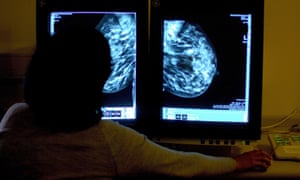
Consultant studying a mammogram


Breast cancer is the most common cancer in women in the UK, with more than 53,000 new cases each year Photograph: Rui Vieira/PA

Breast cancer is the most common cancer in women in the UK, with more than 53,000 new cases each year. A small study published last year and presented at an American Society of Clinical Oncology meeting suggested eating a Mediterranean diet may help prevent breast cancer returning.


Emma Pennery, clinical director at Breast Cancer Care, described the latest research as “intriguing”. She said: “We know how devastating a diagnosis is and this study adds to evidence that a healthy diet, full of ‘good’ low-saturated fats, plays a part in lowering risk of the disease.


“However, it’s important to remember while lifestyle choices like eating a well-balanced diet and taking regular exercise can help reduce the risk of cancer, they don’t guarantee prevention. So it’s crucial women know the signs and symptoms of breast cancer, and contact their GP with any concerns.”


People who have heart disease are already recommended to follow a Mediterranean diet in the UK. Public Health England has said the Mediterranean diet is similar to the official UK advice, which recommends cutting back on sugary, fatty and salty food and drinks.


Mediterranean diet may reduce risk of form of breast cancer – study

3 Mart 2017 Cuma

CQC warns online doctor services may pose risk to public

Patients could be at risk from online companies offering doctors’ services, the Care Quality Commission has said.


The warning comes after investigators found two firms were putting patients at risk by failing to examine their medical history before prescribing medicines. There were also questions over whether clinicians had the relevant skills or qualifications to prescribe or diagnose illnesses.


The inspectors found there were no processes for contacting a patient’s GP, including when medication was prescribed that required monitoring or a follow-up. The medics failed to check patient identity before prescribing online and there was no way of checking if people lacked the capacity to consent to treatments.


The two online firms were MD Direct (which had traded through the website assetchemist.co.uk) and HR Healthcare Ltd (treated.com). The CQC said its inspection of HR Healthcare was influenced by an investigation by BBC Radio 5 Live, which looked at the site’s online sale of antibiotics.


Following this, the CQC suspended the registration of HR Healthcare Ltd. MD Direct voluntarily cancelled its registration; the site assetchemist.co.uk now uses a different online GP provider for its prescription service.


As well as these two inspections, a review of all 43 online services registered with the CQC revealed others were potentially posing a risk to patients.


The CQC has now brought forward a programme of inspections. It is particularly concerned about sites where patients can choose their own drug and select their symptoms or diagnosis from a drop-down menu. The prescription is then reviewed by a medic and passed to a pharmacist who processes it.


Steve Field, the chief inspector of general practice at the CQC, said: “The growth in online technology presents a real opportunity to improve people’s access to medical advice and treatment. It is important that healthcare services continue to innovate. However, in some cases we have found websites which in effect allow people to select their own medication, including medicines restricted as prescription-only, with little or limited clinical oversight.


“Patients can go online, self-diagnose their condition, order their own medicine and obtain a prescription from the online doctor service, with minimal checks on [their identity] and whether the medication is safe or appropriate for them, often within a matter of seconds. We know there are often inadequate identity checks, no checks on patient history or suitability, no checks with patients’ GPs and no follow-ups or monitoring.


“Following our review of all online services registered with CQC, we will now visit each provider, working closely in partnership with the relevant regulators and checking that providers are following the appropriate professional guidance. We will take action to cancel or suspend the registration of providers who are putting their patients at risk.”


Field said that, as with conventional GP surgeries, online companies and pharmacies were required to provide safe, high-quality and compassionate care. “They must not cut corners,” he said.


A further joint statement from four regulatory bodies – the CQC, the General Medical Council, the General Pharmaceutical Council and the Medicines and Healthcare products Regulatory Agency (MHRA) – reminds firms and their medics that they must provide safe and effective care, and follow professional guidelines.


Lord O’Shaughnessy, the health minister, said: “We have empowered the CQC to run a tough and comprehensive inspection regime and commend their work to uncover failings in digital care provision. Online providers can be a convenient option, but patient safety must always be the priority and we urge the public to follow CQC’s advice when buying medicines online.”


Gerald Heddell, the director of inspection, enforcement and standards at the MHRA, said: “Prescription-only medicines are prescription only for a reason and should only be taken under the supervision of a healthcare professional. A proper consultation with a medical professional is essential to ensure that an appropriate diagnosis of your condition can be made, your medical history can be reviewed, your recovery can be monitored and any adverse reactions can be dealt with.”


CQC warns online doctor services may pose risk to public

28 Şubat 2017 Salı

Increased risk of 11 types of cancer linked to being overweight, researchers warn

Being overweight could increase the risk of a host of cancers, including those of the colon, breast, pancreas and ovary, researchers have warned following a wide review of more than 200 studies.


According to previous figures from two leading charities, almost three quarters of people are expected to be overweight by 2035, with 700,000 new cases of obesity-related cancer expected over the next 20 years.


The new study by an international team adds weight to the warning, revealing that there is currently strong evidence for a link between excess body fat and an increased risk of 11 cancers: colon, rectum, endometrium, breast, ovary, kidney, pancreas, gastric cardia, biliary tract system and certain cancers of the oesophagus and bone marrow.


“I think now the public and physicians really need to pay attention to obesity with respect to cancer,” said Marc Gunter, a co-author of the research from the International Agency for Research on Cancer. “Telling people to avoid being overweight not only reduces their risk of, say, diabetes and cardiovascular disease, it also reduces their risk of many different cancers.”


Published in the British Medical Journal, the study examined evidence from 204 previously published studies which each looked at combined results from multiple pieces of research probing the link between body fat and the development of particular cancers.


Of the 95 studies which looked at obesity measures on a continuous scale such as body mass index, 12 were found to offer strong evidence of an association, encompassing a total of nine different cancers.


Analysis of these studies revealed that as BMI (weight divided by height squared) increased, so too did the risk of developing certain cancers. For men, for every 5kg/m2 increase in BMI, the risk of developing colorectal cancer rose by 9%, while among women forgoing HRT, the risk of developing postmenopausal breast cancer increased by 11%. The figures were even higher for cancer of the biliary tract system, with risk increasing by 56% for every 5kg/m2 increase in BMI.


The authors note the remaining 83 such studies were of mixed quality. While 18% were deemed “highly suggestive” of a link between excess body fat and cancer, 20% had only weak evidence while 25% had no evidence for a link.


When studies that looked at other measures of obesity were included in the analysis, the total number of cancers for which there was strong evidence of a link to body fat came to 11.


While the new study does not shed light on how excess body weight is linked to an increased risk of various cancers, a number of explanations have previously been proposed. “We know that if you are overweight it causes lots of disruption of hormonal and metabolic pathways,” said Gunter, noting that excess fat has been linked to higher oestrogen levels, higher insulin levels and increased inflammation – all of which can affect cell division.


Dr Rachel Orritt, Cancer Research UK’s health information officer, said: “This research uses very strict criteria to evaluate the evidence and confirms that obesity increases the risk of cancer, linking many of the same cancer types that have been linked before.”


Being overweight, Orritt adds, is second only to smoking as the biggest preventable cause of cancer. “Whether it’s taking the stairs or switching to sugar-free versions of your favourite drinks, small changes can make a real difference, helping you keep a healthy weight and reducing your risk of cancer,” she said.


Dr Alison Tedstone, chief nutritionist at Public Health England, added that awareness was key. “Less than half the population realise that being obese increases the risk of cancer and, with almost two-thirds of adults carrying excess weight, this is worrying,” she said.


Paul Aveyard, professor of behavioural Mmedicine at the University of Oxford, agreed that the study highlighted the need for society to take steps to reverse the rise of obesity. “It is one more reason for people to be concerned about the excess body weight that they carry,” he said. “This risk isn’t confined just to people who are really overweight. All of us who carry excess fat, and that is most of us in this country, are at some degree of risk.”


Increased risk of 11 types of cancer linked to being overweight, researchers warn

26 Şubat 2017 Pazar

NHS accused of covering up huge data loss that put thousands at risk

Thousands of patients are feared to have been harmed after the NHS lost more than half a million pieces of confidential medical correspondence, including test results and treatment plans.


In one of the biggest losses of sensitive clinical information in the NHS’s 69-year history, more than 500,000 pieces of patient data sent between GPs and hospitals went undelivered over the five years from 2011 to 2016.


The mislaid documents, which range from screening results to blood tests to diagnoses, failed to reach their intended recipients because the company meant to ensure their delivery mistakenly stored them in a warehouse.


NHS England has quietly launched an inquiry to discover how many patients have been affected. So far 2,500 cases that require further investigation to discover potential for harm have been identified. The NHS is spending millions of pounds paying doctors to assess the scale of the medical impact.


It is also undertaking a clinical review of patients who have died since the loss of documents was discovered in March 2016 to examine whether delays in material reaching GPs played any part in any patient’s death.


The correspondence included the results of blood and urine tests, and of biopsies and screening tests for diseases including cancer. It also included letters containing details of patients’ visits to hospital, including to oncology clinics and information about what they had been diagnosed with after visiting A&E. Other paperwork that went astray included summaries of the care patients had received while in hospital. Some involved material related to cases of child protection.


In total, 708,000 pieces of correspondence were undelivered. However, 200,000 of these were not clinically relevant as they were temporary change of address forms.


NHS England secretly assembled a 50-strong team of administrators, based in Leeds, to clear up the mess created by NHS Shared Business Services (NHS SBS), who mislaid the documents. The private company, co-owned by the Department of Health and the French firm Sopra Steria, was working as a kind of internal postal service within the NHS in England until March last year.


The clear-up team is being led by Jill Matthews, the managing director of the primary-care support services arm of NHS England.


Documents detailing the team’s work, seen by the Guardian, reveal it has finally returned the lost material to 7,700 GP surgeries, and assessed how many potential incidents of harm may have occurred at each practice. They show that GP surgeries up and down England have been affected, with some facing a few dozen cases of potential harm arose from missing correspondence.


GPs have so far been paid £2.2m to examine returned correspondence and cross-check it with other material in patients’ medical records, although the internal documents show that some have said that they are too busy to do so and others have asked surgery administrators to do it.


The British Medical Association warned that some patients might have taken extra drugs unnecessarily or had the diagnosis of their illness delayed because of the blunder.


“This is a very serious incident, it should never have happened and it’s an example of what happens when the NHS tries to cut costs by inviting private companies to do work which they don’t do properly, the private company in this case being NHS Shared Business Services,” said Richard Vautrey, chair of the BMA’s GPs committee and a family doctor in Yorkshire.


He added: “Undoubtedly, there will be cases where patients have been seen by their home GP without [the GP having] the information from previous consultations or tests being their file – so they may not know whether antibiotics have been prescribed to a patient or whether tests and investigations have been done.


Jeremy Hunt, the health secretary


Jeremy Hunt, the health secretary, is being pushed to reveal what he knew of the paperwork, including items relating to child safety, that went astray. Photograph: Stefan Rousseau/PA

“That might mean repeat prescriptions, which would be unnecessary, as they have been taken before. And it might mean delay in diagnosis. If that happened it’s at best an inconvenience to the patient, and at worst there’s a risk of patient harm.”


Jonathan Ashworth, the shadow health secretary, said: “This is an absolute scandal. For a company partly owned by the Department of Health and a private company to fail to deliver half a million NHS letters, many of which contain information critical to patient care, is astonishing.


“Patient safety will have been put seriously at risk as a result of this staggering incompetence. The news is heartbreaking for the families involved and it will be scarcely believable for these hospitals and GPs who are doing their best to deliver services despite the neglect of the government.”


He said that Hunt’s statement to MPs last July was “perfunctory, complacent and evasive, failing to reveal any of the catastrophic detail of how 500,000 pieces of correspondence including test and screening results and pathways following hospital treatment, had failed to be delivered and were in fact languishing unopened in a warehouse”.


Ashworth added: “Instead, Mr Hunt gliby told parliament that ‘some correspondence in the mail redirection service has not reached the intended recipients’. For a secretary of state who supposedly has transparency as his watchword this looks like he has tried to hide the scandal from patients and the public. It’s totally unacceptable.”


Tim Farron, the leader of the Liberal Democrats, said: “This looks, to me, like a cover-up. Jeremy Hunt has serious questions to answer, especially his deliberately evasive statement to parliament. Jeremy Hunt often talks about an NHS more open about patient safety failings since the Mid Staffs scandal. His deeds don’t match his words.


“This is a staggering loss of personal and private data, this colossal loss of vital material that may have been absolutely crucial to a patient’s treatment. I worry that while all this correspondence, including test results, has gathered dust, patients had been put at risk. People could have died as a result of this.”


An NHS England spokeswoman said: “Some correspondence forwarded to SBS between 2011-2016 was not redirected or forwarded by them to GP surgeries or linked to the medical record when the sender sent correspondence to the wrong GP or the patient changed practice.


“A team including clinical experts has reviewed that old correspondence and it has now all been delivered wherever possible to the correct practice. SBS have expressed regret for this situation.”


The Department of Health refused to comment.


NHS accused of covering up huge data loss that put thousands at risk