leave etiketine sahip kayıtlar gösteriliyor. Tüm kayıtları göster

5 Mayıs 2017 Cuma

"Unnecessary" painkillers could leave thousands addicted, doctors warn

Powerful and potentially addictive opiate painkillers are being handed out too readily, leading doctors have warned after it emerged that the number of times the drugs are being prescribed in the UK has doubled in the past decade.


The Faculty of Pain Medicine and the Royal Pharmaceutical Society said they were worried about the high and growing use of opioid drugs such as codeine and tramadol – while other experts warn that hundreds of thousands of patients could be addicted to them.


Dr Barry Miller, dean of the Faculty of Pain Medicine, said that the increase in the prescription rates of painkillers in the UK should be “met with concern”, adding: “While some of the increase can be attributed to an improved understanding of the effectiveness of these medications by medical professionals, we are concerned by reports of unnecessary prescription.”


NHS Digital figures released last week showed that prescriptions of opioids have doubled in the past decade, with the number of prescriptions issued rising from 12m in 2006 to 24m in 2016. One of the highest increases in prescriptions was for oxycodone, which shot up from 387,591 to 1.5m – a 287% rise – over that period. There was a 236% increase in prescriptions for morphine sulphate and a 143% rise for fentanyl.


“Our greater understanding of these medications can improve the quality of life for tens of thousands of patients in the UK living with complex pain. However, all NHS staff prescribing these medications need to ensure they are not doing more harm than good,” said Miller, whose organisation represents anaesthetists who specialise in the relief of acute, chronic and cancer pain.


rising rates of pain killer prescriptions

Doctors have warned about the numbers of people in Britain who may be addicted to these drugs as a result, with recent estimates suggesting over 192,000 could be dependent, partly because some medics prescribe them too readily.


In the US, since 1999 the number of overdose deaths involving opioids such as oxycodone, hydrocodone and methadone has more than quadrupled. The number of prescriptions of these drugs rose dramatically – from 76m to 219m a year between 1991 and 2011. This comes despite the fact there has been no change in the amount of pain Americans report.


Harry Shapiro of the DrugWise information service warned of the growing risks of addiction in the UK and said the growing prescription of painkillers was leading to a “public health disaster hidden in plain sight”. He is calling for more dedicated specialist centres to help people with painkiller addiction and also to help track the scale of the problem.


“People are not staggering around the streets and buying dodgy drugs off dealers, they are getting painkillers. It’s a problem hidden in plain sight – a problem in every GP surgery and pain specialist clinic,” he said.


Martin Johnson, clinical lead for chronic pain at the Royal College of General Practitioners, raised concern about the number of people who may be on repeat prescriptions. He said those with other conditions such as diabetes were monitored while on medication, but it doesn’t always happen for people with chronic pain. He called for an annual review, potentially conducted by pharmacists, to check in on those given these drugs. “So many say painkillers don’t do anything, but they keep getting prescribed them,” he said.


Many patients also reportedly use these drugs recreationally, obtaining them non-prescriptively after being introduced to them by their doctors. In Britain, there is less recreational use and most people are given opioids by their doctor for chronic pain.


Opioids act on different parts the brain and nervous system, including the spinal cord. The latter receives sensations from the body before sending them to the brain. Opioids work on this area to decrease feelings of pain, even after injury. One of the risks with the drugs is that they are addictive, with users complaining of withdrawal symptoms when they stop taking them.


But doctors say that while medications such as codeine can be effective for cancer patients and for tissue damage, they do not always help the growing number of patients now taking them for long-term pain. These drugs also have side effects such as severe constipation and dangerous sedation.


Dr Jane Quinlan, consultant in anaesthesia and pain management at Oxford University Hospitals NHS foundation trust, said: “For the majority of patients with chronic pain opioids don’t reduce their pain, but the side effects can significantly worsen their quality of life. Over time opioids can actually make people more sensitive to pain, she added.


One former user, who asked to remain anonymous, said: “I was prescribed tramadol for about three years for my ongoing back condition. I was addicted to them after a few months, it got to the stage where it became part of my routine. I suffered awful withdrawal when I stopped taking them. Without them my pain was overwhelming.”


Yasir Abbasi, a psychiatrist with Mersey Care NHS trust, said: “Being dependent or addicted to prescribed painkillers can lead towards a slippery slope of illicit behaviour, which can pave the way for hardcore drugs. There are not enough non-pharmacological interventions available to reduce our reliance on opioid medication.”


Cathryn Kemp, 45, from Hastings: ‘I ended up in rehab after taking 60 fentanyl lozenges a day’
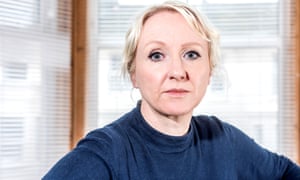


Cathryn Kemp


Cathryn Kemp: ‘In the morning I would wake up, crawl to the bathroom and take six lozenges.’ Photograph: Andrew Hasson for the Guardian

I was working as a journalist when, after a period of illness, I was finally diagnosed with a disorder of the sphincter. I had lots of scary procedures to make me better. I was very ill and eventually discharged with a repeat prescription for fentanyl lozenges. I’ve since been told that fentanyl is 100 times stronger than heroin.


At the time, I was told to take a maximum of eight lozenges a day. I was also on fentanyl transdermal patches – 100mg ones, the strongest. That shows the level of pain I was in. Then one day I took an extra lozenge and after that my use of the drug spiralled.


Two years later I ended up in rehab after taking 60 lozenges a day – all of them on prescription from my GP. I kept thinking I was in loads of pain and needed more.


I felt like I was taking control of things, which is completely insane. I hid the problem brilliantly from my family and friends. I used to hide lozenges around the cottage where I lived, putting them in tampon boxes so no one would know how many I was taking. Taking fentanyl would make me woozy and then about an hour or two between doses I would go to withdrawal – vomiting, shaking and hallucinating.


In the morning I would wake up, crawl to the bathroom and take six lozenges. This would stop me shaking. I would then be well enough to get a cup of tea and then have to take six more. This would go on all day. The tiny bit of me that was still myself at this point knew I was abusing drugs, but I was afraid to stop as I feared living in pain again.


At this stage I was dangerously dependent. My GP said he would write me my last fentanyl prescription and I was forced to borrow lots of money from my parents and sell my cottage in order to pay for private rehab. My GP applied for NHS detox for me, but I was told that I was refused it because I wasn’t homeless and I wasn’t offending.


By then I knew going to die if I carried on so I did whatever it took to get help. Coming off it I had to go through a pain barrier. The body stops producing endorphins, the body’s natural painkillers, because it is receiving opiates instead.


I lost everything. I had to leave work because I was so ill. I lost my relationship, my career and my home – I lost everything I had built up over my writing career. I nearly lost my life.


I now run a charity dedicated to helping people cope with painkiller addiction. I haven’t come across anyone who has had such a complete breakdown like me. But I hear from lots of people, mainly women, who say they have kids to sort out and they cannot stop to have a pain condition. They think they have to keep going and so become trapped by the drugs they are taking.


What I am really hearing is the fact in the medical community there is still no support for dealing with these cases – no specific or very few specific resources to refer people too, so many are left hanging. We really need to engage NHS England in accepting that we need proper treatment services to deal with chronic pain as well as the addiction side.


It’s heartbreaking because it’s everyday people who are affected. We look at America and are horrified that opioid deaths are higher than deaths caused by car crashes. We do have a different system here, but estimates suggest hundreds of thousands of patients in the UK today are addicted to prescribed painkillers.


"Unnecessary" painkillers could leave thousands addicted, doctors warn

31 Mart 2017 Cuma

NHS to fast-track nurses as record EU staff leave service after Brexit vote

NHS England is to launch a new nursing training programme to help plug the gap created by the record number of Europeans leaving the service in the wake of Britain’s vote to leave the European Union.


Simon Stevens, the chief executive of NHS England, acknowledged that the service relies on international staff, including more than 12,000 nurses who are EU nationals out of the 315,000 nurses on its payroll.


Speaking on the BBC Radio 4’s Today programme before the launch of a five-year plan for the NHS, he announced a training programme to “grow the workforce from within this country”.


The moves comes after new figures revealed that a record 17,197 EU nationals, including doctors and nurses, left the NHS last year.


Asked if he was worried about the impact of Brexit, Stevens said: “The NHS has always relied on international staff as well as staff from this country. It is about 4% of our nurses who come from the rest of the European Union. We are grateful for the work that they do.”


But he suggested newly trained British nurses could help fill the gap left by EU nationals once Britain leaves the bloc.


Stevens said: “We have got a curious situation where many more people in this country would like to train to be nurses than we have nurse training places. So we want to expand the number of nurse training places and the routes into nursing so that we can grow the work force from within this country as well.”


He said the new training programme would be modelled on an initiative to recruit more teachers.


“We are announcing a new programme called Nurse First, which is the equivalent of the Teach First programme, whereby new graduates can fast-track into nursing alongside other apprenticeship routes … so that we can expand the number of nurses we have.”


The programme will boost the number of newly qualified nurses by up to 2,200 more a year in 2019 when the UK is due to leave the EU.


In a wide-ranging interview, Stevens denied he was abandoning the 18-week waiting time target for non-urgent operations by relaxing the deadline for hospitals to meet the deadline.


He said: “Fifteen years ago you might be waiting 18 months for your hip or your knee operation, now for nine out of 10 people it’s 18 weeks. The average wait for an operation is 10 weeks. Over the next couple of years we want to have more funded operations on the NHS, but we recognise that the rate of growth is probably going to have to be a little bit slower than it has at points in the past, because we also want to make big improvements in cancer care, in GP services and in mental health services as well.”


The Royal College of Surgeons said the new guidelines amounted to “waving the white flag on the 18-week target”.


Asked if the target had been jettisoned, Stevens said: “It hasn’t. The reality is that there are pressures right across the health service. Under those circumstances we have to make a start on sorting out particularly those pressures in A&E departments which we have seen over the course of the last winter. But over the course of the next several years we want to continue to expand the amount of surgery that is being done, so that waiting times stay low.”


He also announced that all major A&E hospital departments will have to provide GP services to help emergency medics focus on the sickest patients. Steven said: “You can find about 60 hospitals right now that have got this arrangement. This is going to be rolled out to all major A&Es.”


Stevens confirmed that the NHS wanted to stamp out an estimated £4m spent on homeopathic medicine. He dismissed homeopathy as a “placebo at best” and said it was a “classic example of what we want to see less of”.


NHS to fast-track nurses as record EU staff leave service after Brexit vote

21 Mart 2017 Salı

NHS delays leave thousands facing long wait for wheelchairs

Thousands of disabled people face long delays to receive an NHS wheelchair, the first official figures on the subject show.


One in five children who need a wheelchair are being forced to wait beyond the supposed maximum 18 weeks, as are almost one in six adults. Campaigners say the figures reveal a “postcode lottery” in provision across England.


Some 7,200 people who received a wheelchair between October and December had waited at least 19 weeks, despite the NHS Constitution guaranteeing access to one within 18 weeks.


NHS England does not record how long over the 18-week threshold patients have waited for a wheelchair. But the charity Muscular Dystrophy UK says it knows of young adults who within the past year had waited more than eight months.


The NHS England figures obtained by the Health Service Journal (HSJ) show that those with the greatest need for the equipment can face the longest waits.


Nic Bungay, director of campaigns at Muscular Dystrophy UK, told HSJ that long waits for a wheelchair appropriate for their needs were stopping young people “going out independently … and accessing university, work and friends”.


An estimated one in 50 Britons is believed to use a wheelchair to go to work or school, get to the shops, look after their children or undertake other tasks. The Wheelchair Alliance, led by Paralympic champion Lady Grey-Thompson, claims “great variation in ability to access assessment and obtain service provision”, as well as delays in receiving equipment and having it repaired, were affecting too many people.


The campaign group is urging the NHS to ensure equality of access for everyone who needs a wheelchair, which “would prevent confusion and disadvantage when education needs mean a user moving to another area or changing their GP [and put] an end arbitrary age discrimination. This is especially the case where very young children may or may not be provided with chairs depending solely on where they live.”


Almost 40% of adults with high or specialist wheelchair needs, who are defined as “fully dependent on their wheelchair for all mobility needs”, wait more than nine weeks for the NHS to decide what kind of wheelchair they need. A further 37% wait more then nine weeks to then receive their equipment. Slightly smaller numbers of children with the same level of need have to wait the same lengths of time, the HSJ discovered.


The data also shows that waits for wheelchairs lengthened significantly between April and June and the last three months of 2016, especially for adults.


NHS England said it accepted that some local NHS clinical commissioning groups needed to get wheelchairs to those in need more quickly.


“While the majority of children and adults get their wheelchairs within a few weeks, there are parts of the country where local services are not sufficiently responsive and we fully agree that needs to change,” a spokesman said.


The organisation has pledged to halve the number of children waiting more than 18 weeks by April 2018 and eliminate overly long waits for anybody by April 2019.


NHS delays leave thousands facing long wait for wheelchairs

6 Şubat 2017 Pazartesi

Woman, 89, trapped in hospital for six months despite being fit to leave

An NHS trust has launched a formal inquiry after an 89-year-old woman who was medically fit to leave hospital was trapped on a ward for six months, costing the NHS more than £80,000.


Iris Sibley and her family were left feeling “distressed and let down” after she was kept isolated on a hospital ward at Bristol Royal infirmary because the community healthcare provider failed to find her a suitable nursing home place.


The situation put a huge strain on the family and left her 90-year-old husband deeply unhappy, said her son John Sibley. “It’s pretty scandalous,” he said. “It’s not until you get caught up in it that you realise how serious the situation is. I decided to speak out about it because I wanted to stand up for ordinary people like my mum.”


In a case which highlights the deepening social care crisis in the UK, Iris was taken into hospital last June after a fall in her residential home. She was assessed by Bristol Community Health (BCH) on behalf of the South Gloucestershire clinical commissioning group, the NHS body responsible for local healthcare services.


On 11 August, BCH said she needed 24-hour nursing care, which would be covered by the NHS – but a place in a suitable nursing home was only found on 4 January this year, a few weeks after the agencies involved had been contacted by the Guardian for comment about the case.


Her son John Sibley said: “It’s pretty scandalous. It’s not until you get caught up in it that you realise how serious the situation is. I decided to speak out about it because I wanted to stand up for ordinary people like my mum.”


Sibley said the staff who looked after his mother were amazing. “They just don’t stop, they are always working – nothing is too much trouble for them. I call them angels and they are – but they shouldn’t have to do it,” he said.


The family were offered two places, one on 13 September and the other on 4 October, but both were too far for Iris’s husband to visit. The first was also a very poor choice, said Sibley. “I read the CQC report and it was appalling, and when I visited it I thought I wouldn’t put a sick dog in there let alone my mum. It smelt of urine, the paper was peeling off the wall in the room they wanted to put her in. It was disgusting.”


To make matters worse, Iris was diagnosed as being a carrier of C diff, a bacterium that can cause diarrhoea, so spent much of her time alone in a side room. Sibley said the family constantly had to chase for information about her future. According to BCH, the ongoing health team “actively communicated” with the family on nine occasions.


Iris’s physical and mental health deteriorated significantly, Sibley said. “She was mixing with other people [in the residential home], it stretched her mind a bit,” he said. “But in the hospital there is nothing. They are wonderful people, they do the best they can – but my mum was in a hospital, not in a place where she could call home.”


Ambulances wait outside Bristol Royal infirmary


Ambulances wait outside Bristol Royal infirmary. Photograph: Matt Cardy/Getty Images

That was very common in older people whose discharge from hospital was delayed, said Caroline Abrahams, the charity director at Age UK. “People in hospital lose confidence, they lose muscle mass. Their families can see their situation deteriorating before their eyes and that is very distressing,” she said.


Robert Woolley, the chief executive of University Hospitals Bristol NHS foundation trust, said it had launched a formal investigation into the case.


Iris’s protracted hospitalisation – which her family described as “traumatic for all concerned” – cost the NHS £450 a night, approximately £81,000 in total.


Although her experience is extreme, it is not unusual. In a typical week in January, 60 patients at Bristol Royal infirmary were “green to go”, waiting for an assessment or care package for about three weeks. Patients who could not be discharged could result in medical patients occupying surgical beds and surgeries cancelled, said Woolley.


“I’m very sorry for what happened to Mrs Sibley and apologise to her family for the massive frustration that all of us have caused,” Woolley said. “There is a critical interdependency between social care and the NHS and, if we get the capacity wrong in social care, it’s the NHS that bears the consequences, that is plain for all to see.


“We are doing everything we can to deal with a constant and growing demand. I think it is very difficult and we are having to look at more and more radical ways to cope with the pressure.”


BCH, which was charged with finding Iris a nursing home place, said it had contacted 24 homes “sometimes multiple times”. Of these, 11 had no vacancies, 11 were not able to meet Iris’s needs and two were too far away. All were privately run.


Iris’s case was unusual, said chief executive Julia Clarke, BCH’s chief executive. “In Mrs Sibley’s case, we are really sorry she was in hospital for that length of time – it is not what we were working towards,” she said. After an internal investigation, BCH was reviewing its communication with patients and had changed its processes so individual cases were flagged to senior leaders after a few weeks.


Anne Morris, the director of nursing at South Gloucestershire CCG, said Iris’s case was under review and it was “extremely sorry when any patient is kept in hospital any longer than they need to be”.


The Department of Health said it had published guidelines to improve coordination between the NHS and councils and was working with all agencies to improve the transfer of patients from hospitals. A spokesperson said: “We are supporting councils with up to £7.6bn of dedicated funding for social care over the course of this parliament.”


If this is how bad it is now, what is it going to be like in another 20 year​s’ time?


John Sibley


Iris has since been reassessed and her family has been told she no longer qualifies for complete NHS funding. Her care will be funded by the council, but the family – who are appealing against the decision – may face top-up payments.


According to a joint King’s Fund and Nuffield Trust report published in September, about four in 10 people pay for their own social care, with 300,000 fewer people receiving council-funded help than four years ago. According to Age UK, 1.2 million people do not get the social care they need, up 48% since 2010.


The Local Government Association (LGA) estimates the social care funding gap will be about £4bn by the end of the decade, leaving council short by a thirdCllr Izzi Seccombe, who chairs the LGA’s community wellbeing board, said: “The scale of underfunding is placing the care provider market under huge pressure, making it more difficult to discharge people from hospital into care.”


More than 100 care home businesses have collapsed since 2010, and more are struggling after councils’ social care budgets were slashed by up to 50% as the government pressed on with austerity measures.


People who pay for their own care pay more than a local authority for an identical care home placement, which, said Sibley, was leaving people like his mother at the bottom of the pile. “As result, my dear old mum who I love to bits was stuck in a hospital for six months with her dementia getting worse and worse,” he said.


“I don’t want to make this political, but this is a problem that has been waiting to happen for 25 years. Government after government have put their head in the sand. But now we have to make a decision: if this is how bad it is now, what is it going to be like in another 20 years’ time?”


Woman, 89, trapped in hospital for six months despite being fit to leave

28 Ocak 2017 Cumartesi

Quitting EU regulator "would leave UK waiting longer" for new drugs

Ministers are coming under growing pressure to scrap plans to quit Europe’s medicines regulator as part of Brexit, with drug firms saying doing so could force Britons to wait a year longer than patients in the EU to access new drugs.


Labour and leaders of the UK’s pharmaceutical industry fear that patients and the NHS will lose out if Britain gives up its membership of the European Medicines Agency (EMA). The health secretary, Jeremy Hunt, told MPs last week that he did not expect the UK to continue as a member once it left the EU.


Several EU states, including the Netherlands and the Republic of Ireland, have already expressed interest in hosting the EMA’s headquarters if and when it relocates from London with its 890 medical, scientific and managerial staff. Hunt said it was likely the EMA would move as a result of Brexit.


The shadow health secretary, Jonathan Ashworth, has written to Hunt branding departure from the EMA “reckless and unbelievable” and highlighting the “damaging loss of jobs and wealth from our shores” it would involve.


He said that British people would face “longer waiting periods to access life-saving treatments”. He added: “If we leave the EMA we could, like Canada and Australia, have to wait for many months before being able to buy drugs already available in bigger markets like the EU and the United States.”


The Association of the British Pharmaceutical Industry (ABPI), which represents drug firms employing about 220,000 people in the UK, voiced similar concerns. Dr Virginia Acha, its executive director for research, medical and innovation, said that Britain being outside the EMA could lead to patients waiting six to 12 months longer than the rest of Europe to receive newly developed medicines because the UK would be a small market rather than part of a large EU-wide one.


“While there is opportunity in creating a bespoke regulatory framework for the UK, if this operates outside of the EMA, the added time, cost and burden of having to seek additional regulatory approval in a separate system is likely to mean British patients’ access to medicines will face even greater delay,” Acha said.


The EMA currently licenses all medicines that manufacturers want to sell in the 28 EU states and some other countries in the European Economic Area. Its resident population of 500 million people represents 25% of the world’s total drug market. If Britain left the EMA and made its own arrangements to regulate drugs, it would be of much less priority to pharmaceutical firms because it would be as little as 3% of the global market, Acha added.


The prime minister, Theresa May, was non-committal on how drugs regulation would work after Brexit when Philippa Whitford, the Scottish Nationalist MP and an NHS doctor, raised it at last week’s prime minister’s questions.


“Leaving the EMA would be bad for patients and bad for the NHS. We should be doing our damnedest to stay inside the EMA, maybe through some form of associate membership,” Whitford said.


The ABPI is lobbying several Whitehall ministries, including Hunt’s Department of Health and David Davis’s Department of Exiting the European Union, to try to ensure the UK retains some form of membership of the EMA. Britain already has its own drugs regulator, the Medicines and Healthcare products Regulator Agency (MHRA), which is part of an EMA-led pan-European network of 36,000 national regulators and scientists.


The MHRA already plays a disproportionately large role in the EMA’s work, assessing about 20% of all the drugs the EMA evaluates every year. But it would have to increase hugely in size if it became responsible for approving all new drugs aimed at the British market.


Ashworth has asked Hunt to spell out how much it would cost Britain to have a dedicated national drugs regulator and also said that “regulatory divergence between a post-Brexit Britain and the EU” could lead to job losses in the life sciences industry, a sector May has highlighted as central to the UK’s economic prospects after departure form the EU.


Quitting EU regulator "would leave UK waiting longer" for new drugs

13 Ocak 2017 Cuma

Politics and protocol leave Indian teen"s life in the balance pending TB drug ruling | Amrit Dhillon

Shreya Tripathi sleeps most of the day. At night, she lies awake. Only 18, she has been fighting tuberculosis for five years. Her voice on the telephone from her home in Patna, eastern India, is a whisper. If she speaks for more than a few minutes, she becomes breathless.


Though exhausted, Shreya is also fighting another battle – in the Delhi high court – to demand a new TB drug. Every other medication she has tried has failed to beat the disease.


Shreya has a form of TB caused by bacteria resistant to treatment even with the most powerful drugs. She wants the Indian government to give her bedaquiline, the first new TB drug to be registered in more than 50 years. Its use is tightly controlled. Only six government hospitals are allowed to administer it, and even then only as a last resort.


India has one of the highest levels of drug-resistant tuberculosis in the world. To preserve bedaquiline’s effectiveness – if the bacteria mutate to resist it, there is nothing else available – the Indian government is strict on who can have it and how they are monitored. The National Institute of Tuberculosis and Respiratory Diseases in New Delhi, one of the authorised six centres, has refused to give Shreya the drug.


Shreya was diagnosed with TB in 2012, when she was 13. Doctors in Patna started her on a TB regimen but she proved resistant to the first and second lines of treatment. She and her father, Kaushal, a civil servant, are tired of running around hospitals getting nowhere, while Shreya’s condition worsens.


Two years ago, she had to drop out of school because she was so weak. She needs a wheelchair to get around. Swimming and badminton – her favourite sports – have become distant memories.


Shreya is a category five patient, which means she needs treatment for “extreme” drug resistant tuberculosis, or XDR-TB.


The family only became aware of bedaquiline in October, after a visit to Dr Zarir Udwadia, a consultant chest physician at Hinduja hospital in Mumbai. “It gave us hope. I was desperate by then because nothing had worked for my daughter,” says Kaushal.


Udwadia knew the exact combination of drugs that Shreya needed to take with bedaquiline, which does not work on its own. However, government protocol concerning the drug prevents him, as a private doctor, from accessing it. He told the family to get the drugs from the national institute in New Delhi, but they were refused because Shreya was not a resident.


“We argued and fought with them,” says Kaushal. “They agreed to take a sputum sample from Shreya in November for a drug susceptibility test to see which drugs she is resistant to, but they already knew she was drug resistant from earlier such tests. They wasted precious time.”


They kept calling the hospital for the result. Two months later, they were told the sample had been contaminated. On 28 December, Shreya provided a fresh sample and was told to wait four to six weeks for the culture.


“It was then I told Papa to go to court. Even if it’s too late for me, at least other patients will benefit from it. Just imagine how hard it must be for really poor people to get this drug,” says Shreya.


The case has been heard in Delhi high court this week.Saket Sikri, counsel for the national institute, says that the hospital cannot prescribe the other drugs that must be administered with bedaquiline until it gets the culture report.


“A wrong combination can kill and, since this drug is her last hope, we have to get it right. We are being humane, not bureaucratic, and are following World Health Organisation guidelines,” says Sikri. “The institute cannot choose which parts of the WHO protocol to follow and which to ignore.


“I think the judge’s final decision will hinge on whether he thinks my client is following WHO’s guidance on the use of [bedaquiline]. The judge can’t decide which doctor or which line of treatment is correct but he can judge if the guidelines are being followed and, in that respect, the institute is justified in waiting for the drug susceptibility test report to come.”


However, TB experts have said the culture the institute is awaiting is unnecessary, since it is already known that Shreya is drug resistant.


Anand Grover, a senior lawyer with the Lawyers Collective, which represents Shreya, says that the government has failed to update its own protocol to reflect the latest WHO guidance on bedaquiline, under which several XDR-TB patients have been put on drug regimens similar to the one prescribed by Udwadia. “There is evidence from other countries, including South Africa, showing that this combination has been successful in treating XDR-TB,” says Grover.


Grover has told the court that the prospect of Shreya losing her life without access to bedaquiline should outweigh concerns about any possible resistance that might occur. He has also told the court that the government is following the WHO protocol dating from 2013, when there was limited data on the efficacy and safety of the new drug.


Backing Shreya’s team is testimony from Dr Jennifer F Furin, from the Department of Global Health and Social Medicine at Harvard Medical School, who said Shreya should have been started on a bedaquiline-containing regimen in October.


“Additional delays … threaten her life and the effectiveness of this agent. It is unfortunate that there have already been so many significant delays in providing [bedaquiline] to Ms Tripathi,” said Dr Furin in her written testimony.


Dr Furin has previously criticised India for its slow rollout of the drug. In her Delhi high court testimony she said that scientific publications have set a benchmark that between 30% and 45% of patients with multi-drug resistant TB in a country should be able to access bedaquiline.


“In India, this means a minimum of 30,000 persons per year, based on 2016 estimates. As of 1 December 2016, only 164 individuals had been reported … to be receiving [bedaquiline]. This slow rollout … was noted as a problem by the WHO,” said Dr Furin.


There will be a further hearing on 18 January. “I don’t think the court will give it to me,” says Shreya. “But because of Papa’s efforts, at least other patients may get it later.”


Politics and protocol leave Indian teen"s life in the balance pending TB drug ruling | Amrit Dhillon

15 Aralık 2016 Perşembe

Babies born in London hospital "could leave with wrong mother"

The biggest hospital in Europe has been ordered to improve security on its maternity ward after inspectors found that mothers “might leave the unit with the wrong baby”. Some babies born at the Royal London hospital had no name tags – which could lead to them going home with the wrong families or even being given medication meant for another baby, according to the Care Quality Commission (CQC).


Inspectors said there was a “lax” approach to checking babies’ name bands. Even the head of midwifery at the hospital, in Whitechapel, east London, was unaware of a baby abduction policy, the regulator said. Inspectors found there were not enough midwives on the delivery suite to provide safe cover, and midwives said they had been ordered by managers not to raise concerns about low staff numbers.


There was a “mixed” view about how caring staff were: one mother told inspectors she was treated as “childish” because she was upset that her baby had been taken into special care.


Inspectors who visited the hospital in July this year said they also observed some “intracultural issues and some bullying behaviour” between groups of midwives, and between midwives and patients. Doctors and midwives on the postnatal ward referred to patients by their bed numbers rather than by name, according to the CQC.


Last year 4,645 babies were born at the Royal London, which is the largest stand-alone acute hospital in Europe.


The CQC has ordered the Barts health NHS trust, which runs the hospital, to improve security in maternity “urgently” after rating the service inadequate. The trust said it had already taken steps to address baby safety concerns, including the introduction of new baby ID tags. Overall the hospital was rated “requires improvement”.


Some of the other issues highlighted in the report include:


  • A two-week backlog of outpatient appointments waiting to be booked and some patients waiting for over a year for follow-up appointments.

  • The nutrition and hydration needs of patients were met, though in some busy departments this was enabled by patients’ relatives.

  • Nine “never” events were reported at the hospital between August 2015 and July 2016 – wholly preventable errors. These blunders included a surgeon leaving an object inside a patient after finishing an operation, the extraction of a wrong tooth, “wrong-site implants” and incorrect medication being given to a patient.

  • During the inspection, some patients in A&E had to wait an hour and 20 minutes for an initial assessment from a medic, though national guidance suggests the majority of people should be assessed by a clinician within 15 minutes.

  • Some medics had to complete mandatory training in their own time or during their holiday leave.

Professor Sir Mike Richards, chief inspector of hospitals at the CQC, said: “We were most concerned about the standard of care around maternity and gynaecology services. Staffing on maternity wards was sometimes inadequately covered. But most worrying of all was the lack of a safe and secure environment for newborn babies. At the time of our inspection we raised this with the Royal London hospital as a matter for their urgent attention.”


A spokeswoman for the trust said: “We acted immediately to improve the security of babies at the Royal London hospital. It’s important to stress that these reports are based on observations from five months ago. Since then we have subjected our processes and procedures to forensic scrutiny.


“As a result, we’ve introduced new baby ID tags, we’ve reviewed our procedure for locking down the hospital, and refreshed our policy. We have recirculated our policy to all staff and now test it every single month. Women should be assured our services are safe and we will review our processes regularly to ensure they remain safe.”


Babies born in London hospital "could leave with wrong mother"

30 Kasım 2016 Çarşamba

Antibiotics leave children "more likely to contract drug-resistant infections"

Children are at substantially increased risk of contracting drug-resistant infections in the months after taking a course of antibiotics, a leading public health official has warned.


Paul Cosford, medical director at Public Health England, told MPs on Wednesday that children are 12 times more likely to contract drug-resistant infections in the three months after being prescribed antibiotics, suggesting that their unnecessary use poses a direct risk to individual patients as well as a broader threat to society as a whole.


“We’ve got good evidence that if you or I have a course of antibiotics now, within three months our risk is three times to get a resistant infection of some sort because we’ve had the antibiotics affecting all the organisms in our bodies,” he told the Science and Technology Select Committee. “If you’re a child you’re 12 times more likely to get a resistant infection in the three months after a course of antibiotics.”


He said the figures, based on two major reviews, highlighted the need to continue driving down our reliance on the drugs. “There is a growing body of evidence that taking antibiotics makes it more likely that your next infection will be a resistant one, so prudent use of these life-saving medicines is essential,” he told the Guardian.


The study cited by Cosford, in fact found that children who had urinary tract infections (cystitis) were 13.23 times as likely to have contracted drug-resistant strains if they had been given antibiotics in the previous six months.


In a previous survey, 90% of GPs said they come under pressure from patients to hand out the antibacterial medication, and 45% said they had done so knowing it would not help.


Mark Woolhouse, professor of infectious disease at the University of Edinburgh, said that the figures matched his qualitative experience from the clinic. “In hospitals you definitely do get patients who will get a string of different drug-resistant infections,” he said.


Antibiotics pose a risk of subsequent illness, he said, because the drugs do not uniquely target the infection, but also eradicate useful bacteria in the gut. “They change the ecology of the gut, a bit like using a pesticide in a rich woodland,” he said. In the ecological niche that opens up after a course of antibiotics, opportunistic infections can spring up.


“This comes with the proviso that people should follow their doctor’s advice,” he added. “Antibiotics are a good thing when prescribed correctly, but they can have longer-term disadvantages of all kinds.”


The committee heard that that overall Britain had made progress on reducing the use of antibiotics since the government asked the economist Jim O’Neill to produce a report on antimicrobial resistance two years ago.


Prescriptions of antibiotics fell by 7.3% in the financial year 2015-16 compared with the previous year, Cosford told the committee.


Farms are also on track to meet a Defra target for 2018 of reducing average antibiotic use on farms to 50mg of drug per 1kg of meat produced (56mg this year, compared to 62mg in 2014). The target is designed to combat the blanket use of antibiotics as a way of boosting the growth of livestock – particularly poultry and pigs.


Certain strains of drug resistant infections are decreasing, the committee heard, with only 800 cases of MRSA bloodstream infections last year, compared to 7,000 in 2003. “When we focus on specific infections that are causing a problem then we can be extremely successful,” said Cosford. However, a more worrying trend was the rise in drug resistant E coli strains, he said, mostly linked to urinary tract infections.


O’Neill said that the current government appeared “less passionate” about the issue than the previous administration. “There is interest, perhaps not with the same passion as with David Cameron,” he said. “The prime minister himself and the chancellor played an active role in international engagement on the issue. I have not seen this government talk about it anything like as much as the previous leadership did.”


He added that it was crucial for policy-makers to make international efforts now rather than waiting for the “scary outbreak of a crisis”.


“We need to stop treating these things like sweets,” O’Neill said. “We all need to be re-educated that these things aren’t a magical solution for as many things as people think.”


Antibiotics leave children "more likely to contract drug-resistant infections"

3 Kasım 2016 Perşembe

Don’t leave translator out of sexy threesome | Brief letters

Really interesting article about this new French book (A global history of sex, Family, 29 October). I am dismayed at the fact (and this happens all the time) that you do not mention the translator, without whom this book would not be available in Britain. Why is it so difficult to recognise that the translator is as important as the two authors? So thank you, Will McMorran, for your translation of The Story of Sex. Signed: A fellow translator who will not give up!
Catherine Roux
Hillend, Fife


Of course doctors don’t infallibly know best (Letters, 3 November), but I’ve found that my usual question to doctors – “What would you do if it was you?” – has always met with a useful and, I think, honest answer.
Brian Smith
Berlin


I remember my teenage daughters mocking a teacher at school for wearing jeans “at her age” (G2, 3 November). When I met her she was 24 or 25! Now they are all in their 50s and I am 83 and still wearing them. They haven’t mocked me, in my hearing, yet, but then I do help them out with their gardens from time to time when needed.
Lizzie Hill
Guildford, Surrey


Now that Theresa May has condemned Fifa for opposing players wearing red poppies by players on Armistice Day (Report, 2 November) I hope she will encourage them if they wish to wear the white (peace) poppy.
Denis Cobell
Chair, Right to Refuse to Kill


Not being au fait with Mexican restaurants, is “Wahaca” the noise one makes having dined at this chain, now suffering from a suspected norovirus outbreak? (Report, 3 November, theguardian.com)
Annie Wharton
Kelso, Scotland


Odd to think that the Earth started with a big bang but may end with a Trump (As polling day looms, Clinton urges America to step back from the brink, 3 November).
Paul Dibden


Eastleigh, Hampshire


Join the debate – email guardian.letters@theguardian.com


Don’t leave translator out of sexy threesome | Brief letters

24 Ekim 2016 Pazartesi

MPs urge chancellor to honour leave campaign"s £350m NHS promise

Dozens of MPs have signed a joint letter, organised by a group that aims to hold leave campaigners to their pre-referendum promises, which calls on the government to uphold the most infamous Brexit promise of all – £350m more a week to be spent on the NHS.


The letter, signed by 41 MPs, mainly from Labour but also some Liberal Democrats and Caroline Lucas of the Greens, demands that the chancellor, Philip Hammond, make the pledge in his autumn statement a month from now.


The £350m pledge was a key element of the Vote Leave campaign’s promise to voters, billed as money that would be saved after leaving the EU which could instead go to health spending.


In the wake of the 23 June referendum many leading pro-Brexit figures began to distance themselves from the idea, a process highlighted in a new Vote Leave Watch video to accompany the letter.


Last month it emerged that a successor group to Vote Leave, Change Britain, had not included the pledge among its aims.


The letter, addressed to Hammond, noted that the chancellor’s speech to the Conservative party conference earlier this month said that “the message of the referendum result had been ‘received, loud and clear’ by the government”.


The letter continued: “We accept the verdict of the British people. Yet it is clear that, if this mandate is to mean anything, it must include the single most visible promise of the leave campaign – spending £350m more a week on the NHS.


“In just under a month you will present your first autumn statement. We are calling on you to commit to increase national NHS spending by £350m a week – that is £18.2bn a year – as soon as this money becomes available by leaving the European Union. This additional funding must be over and above the amount that is currently planned to be spent on the National Health Service.


“Anything else will be a betrayal of the wishes of the British people. We challenge you, when you stand up in the House of Commons on 23 November, to show us the money and commit to Vote Leave’s promise; or explain why you cannot, and why your cabinet colleagues so cynically misled the British people.”


Chuka Umunna, the Labour MP who chairs Vote Leave Watch, said the message to Hammond was that “this Brexit government will not be able to run away from the promises of Brexit campaigners”.


Umunna said: “He has a month to work out how the government are going to find the money to keep this promise. If he can’t his pro-leave colleagues will have to explain why they misled voters during the campaign and are now breaking their promises.”


The full letter and signatories


Dear Chancellor,


We believe in a Britain with an excellent, well-funded public sector that provides a world-class service to the British people, pays its hard-working staff well and treats them with respect.


This was the vision of Britain promised by your cabinet colleagues who campaigned for a leave vote in the EU referendum. Vote Leave promised that, if Britain left the EU, £350m a week extra would be spent on the NHS. They travelled the country in a bus which said: “We send the EU £350m a week, let’s fund our NHS instead.” In the press conference suite at their London headquarters, a large sign read: “Let’s give our NHS the £350m the EU takes every week.”


The foreign secretary, the secretary of state for international trade, the secretary of state for the environment, the secretary of state for transport and the secretary of state for international development all appeared in photo opportunities featuring these messages. They made a very clear promise to the British people, and it is clear that a very large number of people believed this promise.


In your speech to Conservative party conference earlier this month, you said that the message of the referendum result had been “received, loud and clear” by the government. Members of the government talk of the “mandate” from the voters for Brexit.


We accept the verdict of the British people. Yet it is clear that, if this mandate is to mean anything, it must include the single most visible promise of the leave campaign – spending £350m more a week on the NHS.


Chuka Ummuna, the Labour MP who chairs Vote Leave Watch:


Chuka Ummuna, the Labour MP who chairs Vote Leave Watch: ‘this Brexit government will not be able to run away from the promises of Brexit campaigners.’ Photograph: Jack Taylor/Getty Images

In just under a month, you will present your first autumn statement. We are calling on you to commit to increase national NHS spending by £350m a week – that is £18.2bn a year – as soon as this money becomes available by leaving the European Union. This additional funding must be over and above the amount that is currently planned to be spent on the National Health Service.


Anything else will be a betrayal of the wishes of the British people. We challenge you, when you stand up in the House of Commons on 23 November, to show us the money and commit to Vote Leave’s promise; or explain why you cannot, and why your cabinet colleagues so cynically misled the British people.


Yours sincerely,


Chuka Umunna, Chair of Vote Leave Watch


Tom Brake, Patron of Vote Leave Watch


Norman Lamb, Patron of Vote Leave Watch


Emma Reynolds, Patron of Vote Leave Watch


Rushanara Ali


Ian Austin


Adrian Bailey


Kevin Baron


Tom Blenkinsop


Ben Bradshaw


Dawn Butler


Vernon Coaker


Mary Creagh


Stella Creasy


Julie Elliott


Chris Evans


Mike Gapes


Lilian Greenwood


David Hanson


Carolyn Harris


Tristram Hunt


Graham Jones


Stephen Kinnock


Peter Kyle


Caroline Lucas


Holly Lynch


Seema Malhotra


Conor McGinn


Alison McGovern


Ian Murray


Melanie Onn


Toby Perkins


Bridget Philipson


Rachel Reeves


Gavin Shuker


Ruth Smeeth


Angela Smith


Owen Smith


Wes Streeting


Anna Turley


Phil Wilson


John Woodcock


MPs urge chancellor to honour leave campaign"s £350m NHS promise

10 Ekim 2016 Pazartesi

‘I had to leave the job I loved’: dealing with mental health problems at work

‘I was hundreds of miles from my family with no income’


The majority of my experiences have been positive. However, one stands out. When I started, I didn’t tell this employer about my conditions. As usual, my anxiety began to make me sick. I took more and more sick days as I tried to struggle through, and it was eventually noticed. I ended up telling them about my mental health conditions. They nodded along politely, but basically gave me an ultimatum. They would not do anything to help, I would have to effectively “man up” or be fired. I tried, but the anxiety and depression were far too strong. I ended up back in the meeting room with my manager, and was told that I had not passed the probation period. I was left living in London, hundreds of miles from my nearest family, with no income.


Ryan Ashton, 30, software developer


‘Telling my manager went better than I thought it would’


I suffer from depression and anxiety, so it took me a while to get out there and start my career. When I did it was extremely hard. Many sick days were taken to avoid having to face people and the fear of needing to perform well. A little after a year into my job I decided to take the dreaded leap. I told my manager about my mental health, and it went better than I thought it would! Luckily where I work hours are flexible and working from home is permitted. I now work from home every Friday, which has made a massive difference.


Amy Shelley, 20, business and administration apprentice


‘I had to leave the profession I loved’


I write having had to leave the profession I loved because I became mentally ill. I had been a head teacher for more than 12 years but began to suffer serious anxiety and panic after a negative inspection report. I felt bullied by both the governing body and the local authority, and when I finally cracked and had to take time off I had no support from them. When I tried to return they refused to make any allowances. Eventually I found that I couldn’t work because I was too ill. Despite a successful career, popularity with parents and children, and demonstrably improving school results over many years, they never once tried to work with me to help me return to being the effective leader I once was.


Anonymous, head teacher


‘It’s hard to explain what it can be like to deal with on a daily basis’


I joined the Civil Service in 2013 and have had three or four major depressive episodes since then. Each line manager I have had, barring one, has been incredibly supportive. One in particular stands out as being exemplary in assisting me back to work, having gone through similar events themselves. It is difficult to explain to someone who has never experienced poor mental health what it can be like to deal with on a daily basis. Everyone has bad days, but to explain how it can feel almost impossible to get out of bed to someone who just doesn’t get it can leave you exposed and invalidated.


Anonymous, civil servant


‘As a teacher, the targets and relentless pressure take their toll’


I had a complete breakdown this time last year. I was suicidal, very low and my confidence was sapped away. I am now back at work and living life again. Things are different and my school has a good understanding of mental health and is trying to address the issues. Unfortunately the profession that I am in means that the targets and relentless pressure take their toll. We have had an external company help the school which is really encouraging.


Anonymous, teacher


‘The stigma remains’


I am currently suffering the after effects of a bereavement which brought about major issues, some of which I have shared with my line manager. Each instance is met with the briefest acknowledgement (at best) before it’s on with the agenda. Every day I struggle to keep going. I’m paying for my own counselling, none being available elsewhere, despite attending three separate NHS referrals. An issue in itself but this pales into insignificance when compared with the “lip service” paid to the issue within my own organisation. The stigma remains. And the (almost) silent suffering continues.


Anonymous, quality assurance


‘I’m a doctor and I worry for my future and that of my colleagues’


My job (and it is probably the same for every NHS worker in the country) is becoming more stressful with increases in workload and bureaucracy, increases in inspections and assessment and decreases in quality time spent with patients and colleagues. I feel my mental health is fine at the moment but I worry for my future and that of my colleagues. Workers in the NHS and elsewhere are being presented with support in the form of mindfulness courses and resources and talk of resilience. This is all well and good, but if the work is changing in a way that is negatively impacting on staff’s mental health, this is no better than paying lip service to the mental health of a workforce.


Anonymous, GP


Living wages, permanent contracts and flexible working are vital


I have a ten year employment history with health and wellbeing charities. In my experience employers and employees are incredibly receptive [to mental health awareness training], but it is meaningless if the basic conditions conducive to positive wellbeing in the workplace are not met. It is one thing being aware of the signs and symptoms of stress and anxiety, but entirely useless if an employer is not in a position to offer living wages, permanent contracts or flexible working hours. This is a particular problem within the charity sector, where a move towards short-term, results-led project funding has seen HR departments vanish, training resources depleted, part-time, short-term contracts and pressure for project staff to get measurable results in absurdly short time frames.


Sam Whyte, 30, social media manager


‘I had to leave the job I loved’: dealing with mental health problems at work

6 Ekim 2016 Perşembe

4 Reasons You Should Never Leave Your Toenail Fungus Untreated

For most people, hearing the names of big ailments like diabetes or cancer scare the crap out of them. On the contrary, most of us ignore a simple infection like the toenail fungus. This is not surprising as it seems pretty unimportant compared to other chronic health challenges. Toenail conditions are hardly painful which also explain why it easily gets ignored by most people. Some even see it as a cosmetic problem. However, bear in mind that an untreated toenail fungus could degenerate into other serious health issues. Therefore, treating toenail fungus is necessary because the aftermath could be catastrophic. In this article, we would explore some complications that come with an untreated toenail fungus.


Gradual loss of the Nail


A toenail infected by fungus will make it hard and brittle. The brittleness makes it easy to crack, chip and break. By ignoring the infection one could risk the loss of toenails altogether. This nail loss could also be permanent. Likewise, the growth of fungus could separate the nail from the nail bed, resulting from the infection. This could cause the nail to fall off and you might have to remove it surgically to prevent further damage.


Foot Pain


An ignored toenail infected with fungus could become deformed and thick. At the onset, it might be painless but with time, pain could set in. The condition could degenerate with time and pose difficulty walking with foot wears. It is thus necessary to get the toenail treated to avoid inconvenience and pain.


Spreading of fungus


An untreated fungal infection could spread to other skin areas, particularly areas surrounding the toenail fungus. This could lead to athlete’s foot – a serious foot infection. A red, cracked and itchy skin are symptoms of athlete’s foot. Wearing shoes and socks all day with an untreated toenail fungus could influence its spread to the skin. Not treating the toenail fungus could even result in worse conditions.


Spreading of infection


This particularly applies more to people with chronic medical illnesses like diabetes. The weakness of the hormone system can result in a lot of other health problems. Should the toenail fungus infection spread to the skin, it will cause skin crack. This crack could allow bacteria into the skin, causing cellulite, a condition resulting in a swollen and tender skin. Antibiotics should be used to treat the condition. A further degeneration could cause the infection to enter the bloodstream and result in further health complications. However, you can save yourself all this by treating the onset of toenail fungus infection on time.


Treating Toenail Fungus


Without a doubt, an untreated toenail fungus could have a serious adverse effect. Thus, being equipped with ideas to treat the condition is important. It is advisable to see a doctor as soon as possible. However, a number of home remedies could be helpful as well. Tea tree oil, baking soda or the apple cider vinegar etc could be used to effectively treat the infection.


Consulting a doctor, however, will bring peace of mind. A new or recent infection could simply be monitored as advised by the doctor.


A doctor’s opinion will prevent the condition from getting out of hand.


References


https://www.ncbi.nlm.nih.gov/pmc/articles/PMC1882105/


http://feetremedies.com/toenail-fungus/
http://www.mayoclinic.org/diseases-conditions/nail-fungus/basics/complications/con-20019319


http://well.blogs.nytimes.com/2013/10/11/ask-well-leaving-nail-fungus-untreated/?_r=0


4 Reasons You Should Never Leave Your Toenail Fungus Untreated

22 Ağustos 2016 Pazartesi

I fail patients in my job as a psychiatric nurse and leave them feeling worse

It’s 5am. An hour ago the bed manager called me and asked me to ask a suicidal woman, who had already been in a busy London A&E department for 11 hours, if she would agree to being admitted to a hospital in Manchester.


I didn’t think it appropriate to wake someone at such a time in the morning but allowing her to sleep was not an option because we need the bed space. I approach the patient; she’s already awake. “I haven’t slept all night, it’s so noisy here” she tells me. “I feel awful; can’t I just go home?” I apologise and explain that the only available psychiatric bed is in Manchester. “No, it’s too far from my family”. I tell her I understand. She starts to cry; I want to cry with her. She feels depressed and worthless and I haven’t been able to help. How am I, as a psychiatric nurse, caring for her and helping lift her out of the awful dark place she finds herself in? I think about people who are in physical pain and ask myself whether we would expect them to wait without any treatment for over 11 hours.


Related: Working in mental health is not like fixing broken legs


I remember a recent patient who had been in the department over 24 hours waiting for a psychiatric bed. He was socially isolated and was hearing voices telling him to end his life. We moved him to a noisy cubicle which made the voices worse. He was in distress, I tried to reassure him. He told me: “I just want to go home, it is making me worse being here”.


I was told later that he had left the department. I frantically called him and fortunately he answered to tell me he had returned home. He said he was frightened but that it was worse in the hospital. I felt immense guilt – this isn’t why I became a nurse. What if he becomes ill again in the future? He will feel reluctant to return to A&E, the place that his community mental health team tell him to go to be safe.


A young man with autism, who has been in our mental health assessment room over 24 hours, is suffering from psychosis. The walls are bare, the air conditioning has broken, the lights, which are movement sensitive and without a switch, remain on throughout day and night making rest impossible. He is covered in sweat and he is terrified. The long wait and his surroundings make him increasingly more distressed. He is eventually sedated – not for the treatment of his condition but rather to alleviate the stress we have caused him.


I tell both him and his mother that the nearest psychiatric bed is 200 miles away. His mother starts to cry; due to the nature of his condition, he finds change very difficult.


Some of the other nurses have children and start to cry themselves. The treatment and care we offer is not of the standard we would expect for our own family and loved ones. The patient’s mother tells us she doesn’t want to leave his side. We talk to senior management, but there is nothing that can be done.


Related: Working as a mental health nurse in today’s NHS drained me of compassion


I watch as the young man is separated from his mother and forced into secure transport – a cage in the back of a vehicle, with a narrow sideways facing seat, and without adequate leg room; it’s hardly fit for a brief journey, let alone one of four hours. I feel ashamed. We have failed this young man and his family.


We take a referral for a patient who wants to end their life. My heart sinks because the bed manager has told us there are no beds. I have to look the patient and their family in the eye and apologise over and over again. I see patients who are acutely disturbed, suffering because of our inability to provide them with appropriate care. We try our best, but there are only two of us on duty – sometimes we have four people waiting for an inpatient bed and 10 patients waiting to be seen. We have to rely on security, who try but are not trained in mental healthcare and sometimes add to the patient’s distress.


I witness human suffering every day and am often amazed by patients’ own resilience in the face of such adversity. Hospital staff are their family, their voice and if we don’t raise this issue for them, it will continue because it is those who speak the loudest in the NHS that are often heard. Our patients already feel worthless and as though they are a burden; if we continue to reinforce that, rates of mental illness and suicide will continue to increase.


In the UK, the Samaritans can be contacted on 116 123. In the US, the National Suicide Prevention Hotline is 1-800-273-8255. In Australia, the crisis support service Lifeline is on 13 11 14. Hotlines in other countries can be found here.


If you would like to write a blogpost for Views from the NHS frontline, read our guidelines and get in touch by emailing sarah.johnson@theguardian.com.


Do you work in the NHS? Please take our survey and tell us whether bullying is a problem and how it affects your work


Join the Healthcare Professionals Network to read more pieces like this. And follow us on Twitter (@GdnHealthcare) to keep up with the latest healthcare news and views.


I fail patients in my job as a psychiatric nurse and leave them feeling worse

14 Ağustos 2016 Pazar

Leave the useless husband out of it | Brief letters

Kenneth Clarke in Laura Kuenssberg’s documentary on Brexit (Last night’s TV, G2, 9 August) commented that “the referendum result was not simply about Europe”. Exactly so. It occurs to me that the success of the leave campaign’s bus message (“We send the EU £350m a week – let’s fund our NHS instead”) had little to do with Europe but indicates the high priority the electorate gives to more spending on the NHS. Our government might do well to recognise this.
Derek Gambell
Bromley, Kent


No suggestions for an affordable holiday in the UK (Any answers?, Money, 13 August) but a question. Would you have published the sentence “if your useless husband had failed to book anything …” if the words had been “useless wife”? What does the style guide say?
Jennifer Henley
London


Can it be true that one of the founders of this restaurant, where queueing is the norm, is named Wai Ting? Or is Marina O’Loughlin having us on (Weekend, 13 August)?
John Pilsbury
Wrexham


There’s no need to go abroad to taste weird-flavoured ice-cream (Cheesy ice-cream takes Czech town by storm, 10 August). I tried a Blue Vinney cone overlooking Chesil Beach in Dorset a few years ago. I love blue cheese; I adore proper ice-cream; but one mouthful of this disgusting concoction was quite enough. Still, it helped me get my own back on the thieving seagull race. A hungry bird swallowed it whole and I swear there was a look of surprise on its face for a full two minutes. The Lighthouse Keeper’s Lunch, eh?
Caroline Thomas
London


Ian Watson (Letters, 13 August) is fully entitled to his controversial views on the quality of my singing but, just in case anyone is wondering, I would like to make clear that I am not the Mike Pender who was lead singer with the Searchers in the 60s.
Mike Pender
Cardiff


Join the debate – email guardian.letters@theguardian.com


Leave the useless husband out of it | Brief letters

16 Ağustos 2015 Pazar

Leave it out: are food intolerances truth or fad?

You know the scenario: you invite some close friends more than for dinner and they graciously accept. But then the caveats commence: “Elspeth is gluten- and dairy-intolerant, and I really do not consume meat, fish or eggs.”


Bread, milk, butter, cheese – the nation seems to have turn into intolerant of the food items that utilized to be home staples. Entire supermarket aisles are now devoted to “free-from” merchandise, with the British market place for gluten-free alone anticipated to increase to £561m by 2017. No matter whether it is due to a real rise in foods allergy symptoms, or basically since of a perception that “free from” is healthier, the trend for dairy- and gluten-free seems right here to stay.


Nevertheless humans have been eating wheat and dairy items for millennia, apparently without having harm. Has one thing altered, or are the “free-from” advocates taking us for an costly – and rather joyless – trip? Part of the confusion stems from a muddling of the distinction among meals allergy and intolerance. Foods allergy symptoms do seem to be on the rise, but these are distinct from intolerances, for which there is no powerful proof of an increase – and in some circumstances, no specific medical explanation for their cause. A 2008 study published in the journal Allergy unveiled that despite the fact that 34% of parents reported meals allergic reactions in their children, only 5% of youngsters had been discovered to have a genuine allergy.


Relevant: Gluten-free of charge: well being fad or existence-saving diet program?


So what is the distinction? Allergic reactions, such as reactions to specific proteins in wheat or milk, involve the immune program, and can be life-threatening. Signs typically kick in within minutes of eating a problem meals, and can include vomiting, lip swelling, a rash, wheeze, and a blocked or runny nose. They are also relatively uncommon – at least amongst adults. In accordance to an Australian review, wheat allergy affects close to .two% of adults, while cow’s milk allergy influences .one-.5% of adults. For young children, study suggests two-3% of infants are affected in their first yr of existence.


Then there’s coeliac condition, which has an effect on 1% of the population, and is an autoimmune situation that causes serious harm if sufferers eat even little amounts of gluten-containing meals. Antibodies are generated against the gluten, but these also assault cells lining the gut, resulting in malnutrition.


Around 13% of adults declare to react when they eat gluten food items: only .eight% of these have coeliac ailment


Foods intolerances, on the other hand, have a tendency to generate signs and symptoms such as bloating or abdominal discomfort, and these set in far more gradually – often many days after eating a issue foods. They also are not imagined to involve the immune method. “Although a great deal of the symptoms can be extremely unpleasant, they generally are not daily life-threatening and really don’t do any lasting harm,” says Maureen Jenkins, clinical director of the charity Allergy UK.


Among the most commonly reported intolerances are individuals relating to dairy and gluten, but precise numbers are difficult to obtain because studies often depend on people self-reporting sensitivities to these meals. And whilst reliable diagnostic exams exist for food allergy symptoms and coeliac disease, there are no reliable exams for meals intolerances (with the exception of that for lactose). That is not to cease them getting marketed, even though. The tennis player Novak Djokovic, for instance, was diagnosed with gluten intolerance employing a strategy referred to as utilized kinesiology. Here, the person undergoing testing holds a meals substance in his or her hand or mouth, while the practitioner seems for indicators of muscle weakness. The American School of Allergy, Asthma and Immunology has stated that there is “no evidence of diagnostic validity” for the strategy.


Dairy intolerant
Photograph: Getty Photographs

Other exams may possibly sound a lot more scientific, but they are not always any much more trustworthy. Take IgG (immunoglobulin G) testing, which looks for antibodies against meals substances in the blood. Unlike IgE antibodies that mediate allergic reactions, IgG antibodies are made by most of us in reaction to the food items we eat. But, “there is no evidence that foods-certain IgG antibodies are involved in any ailment processes,” says Stuart Jones, principal biochemist at King George hospital, London. The European Academy of Allergy and Clinical Immunology similarly states that IgG testing “does not indicate foods allergy or intolerance”. And Tariq el-Shanawany, advisor clinical immunologist at Cardiff and Vale NHS Trust, says: “For the patients I’ve witnessed who have had it done, it hasn’t given them the response that indicates their signs and symptoms go away.”


That is not to say that intolerance to foods substances this kind of as gluten doesn’t exist. Around 13% of British adults claim to experience symptoms when they eat gluten-containing foods, in accordance to one recent research – however only .eight% of the population have been formally diagnosed with coeliac disease. “There are non-coeliac individuals who are reporting signs when they consume gluten. If you look at their gut tissue employing a substantial-magnification microscope, you can see the tiny bowel is having a extremely speedy response to it,” says David Sanders, advisor gastroenterologist at Sheffield Educating Hospitals NHS Basis Trust. “This is not an allergy or coeliac condition, but anything is taking place to them.”


But is it in fact the gluten that they are reacting to? Peter Gibson of the Alfred Hospital and Monash University in Melbourne carried out the world’s very first randomised-managed trial of gluten in non-coeliacs with gut signs and symptoms, which discovered they felt better when they went gluten-free. Even so, subsequent research have convinced him that it’s not the gluten they are reacting to, but a set of sugars dubbed Fodmaps (fermentable oligo-, di-, mono-saccharides and polyols). These sugars entice water and feed gas-generating bacteria in the little intestine, resulting in bloating, flatulence and loose stools. Men and women with sensitive bowels appear to have worse symptoms. “There’s no doubt that wheat is a significant trigger of bloating and abdominal difficulties. The difficulties is that wheat has a lot more than just gluten in it,” says Gibson. Although there may possibly be a tiny subset of non-coeliacs who react to gluten by means of some as nevertheless undiscovered pathway, he believes that for the huge majority, decreasing the fodmap articles of their diet regime could go a prolonged way to easing their symptoms.


But this doesn’t imply they have to reduce out all wheat, barley and rye, as individuals with coeliac illness do. “You can probably still have a schnitzel with breadcrumbs on it, but you couldn’t have a bowl of pasta,” says Gibson. And fodmaps are located in other food items, also: notably onions. Eliminating all fodmap-containing food items would be the initial stage, but these could steadily be reintroduced till you discover the degree that triggers your symptoms.


Girl holding up spaghetti covered, messily, in sauce, with her hands
Spaghetti sauce? A gluten-intolerant individual may tolerate a garnish of breadcrumbs, but not a plate of pasta. Photograph: Alamy

Many of these opting to buy gluten-totally free items are not performing it due to the fact of abdominal symptoms, nevertheless. A recent survey of one hundred British gluten-totally free buyers identified that 28% had been doing it to enhance their energy ranges and 24% to lose excess weight nevertheless there’s no very good proof to assistance these purported wellness benefits. “A gluten-totally free diet plan is not more healthy than any other diet,” Sanders says.


Starch is the main supply of calories in grains this kind of as wheat, but the starch content of wheat is related to that of other carbohydrates, such as rice or potatoes. “I think the notion that wheat or gluten is related with bodyweight obtain has genuinely come from the opposite angle if you commence to cut these goods from your diet, then you begin to drop fat,” adds Gary Frost, chair in nutrition and dietetics at Imperial School London. This is specifically true of large-calorie foods such as cakes, biscuits, or cheeseburgers.


Apart from rubbing dinner party hosts up the wrong way, giving up gluten is unlikely to cause you significantly harm – offered you are not solely reliant on produced gluten-cost-free products, which can be high in salt or sugar. The identical can not automatically be said about avoiding milk and dairy items, nevertheless. These offer all around a quarter of our daily protein necessity and up to 60% of other essential nutrients such as calcium and phosphorus. “My biggest be concerned about the recent trend for ditching cow’s milk relates to bone growth in youngsters and adolescents, and its long-term effect on bone strength in postmenopausal ladies,” says Ian Givens, professor of meals chain nutrition at the University of Reading through. Dairy intolerance is at least a condition for which there’s an established mechanism: approximately 65% of the world’s population carries a genetic variant that implies they are unable to digest the lactose in milk. Instead, this sugar passes into the little intestine in which it feeds bacteria that produce gas and bloating. But lactose intolerance between Brits is less common, affecting roughly five% of the population. Short-term lactose intolerance can also produce as a result of gastroenteritis and other illnesses, or after repeated programs of antibiotics. Even if you are lactose intolerant, scientific studies suggest that you might be in a position to drink up to close to 250 millilitres of milk in one particular sitting with no signs, and potentially twice this amount spread through the day if consumed with meals.


Related: Is gluten undesirable for your health?


So why are so many folks ditching cow’s milk in favour of plant-based mostly choices this kind of as soy or almond milk? “I believe a good deal of men and women are buying merchandise because they believe it is fashionable, or they presume individuals varieties of alternative milks are superior goods,” says Sioned Quirke, a dietitian and a spokeswoman for the British Dietetic Association. “They are not a superior item in any way, shape or type.” With the exception of soy milk, plant-primarily based milks are far reduced in protein than cow’s milk. And unless they have been fortified, they are also poor sources of calcium and vitamin D. There’s also emerging evidence that people who eat massive quantities of milk and dairy products are at reduced threat of diabetes, cardiovascular ailment, and colorectal cancer, possibly due to the fact of the calcium in milk. Yet another possibility is that widespread publicity about foods intolerance is prompting many people with unexplained signs such as bloating or abdomen cramps to self-diagnose dairy intolerance. A latest survey by Allergy United kingdom exposed that 44% of people who class themselves as dairy intolerant have not been diagnosed as such by a medical professional instead, they have utilised online information or undergone non-typical tests. Seventy two per cent have removed all dairy from their diets, even although yoghurt and difficult cheese contain really little lactose and are unlikely to trigger symptoms.


Why then, are so several of us apparently eager to blame frequent meals for our ailments? “It’s a good point that people are more conscious of circumstances like irritable bowel syndrome and lactose intolerance, but I consider it tends to make men and women jump to conclusions when they’ve absolutely nothing wrong with them,” says Quirk. “Our bowels are really delicate organs. If we have been unwell, or if we’re stressed or run down, we frequently will have some type of bowel symptom.”


Meanwhile, leaping on the food-intolerance bandwagon, when you’d really just prefer not to eat gluten or dairy, can make it more difficult for folks with real meals-connected sickness. “If a person goes into a catering outlet and claims that they have a dairy allergy, but then says ‘Well truly, I can eat some sorts of dairy but I cannot eat other individuals,’ it may possibly give caterers the impression that meals allergy symptoms really do not need to be taken significantly,” says Moira Austin, helpline and info manager at the Anaphylaxis Campaign. “It can give men and women with accurate foods allergies a bad title.”


If you do suspect you have a foods intolerance, a key very first stage is to pay a visit to your GP. This is particularly essential if you think your symptoms are currently being triggered by gluten the coeliac condition test for coeliac ailment only performs if you’ve been consuming the stuff daily for at least 6 weeks.


Assuming that meals allergies and coeliac disease are ruled out, getting rid of suspect meals from your diet regime is the logical subsequent phase. “If your signs and symptoms enhance and you then reintroduce the foods and they come back, then that proves you are intolerant,” says Jenkins. And however several individuals who attempt this kind of elimination diet programs aren’t undertaking them appropriately, she cautions: “Often individuals really do not exclude for lengthy adequate you require to do it for about a month. And if it doesn’t make a variation, you need to have to reintroduce that meals into your diet program. Most men and women really don’t have sufficient dietary expertise to change [foods] with other things to get the crucial nutrients they need to have.”


If you can hold up your hands and say you have been through these steps and you’re specific that gluten or dairy is the supply of your issues, you’re most likely appropriate: food intolerance is a true problem that deserves to be taken seriously. And, as a bonus, if you receive a correct diagnosis you may find your sceptical friends abruptly turn out to be a lot much more tolerant of your intolerance.


Leave it out: are food intolerances truth or fad?