So far, we know of 54 babies whose parents say wouldn’t be alive today if it wasn’t for The Chokeables, St John Ambulance’s first aid film teaching people how to save a choking baby in just 40 seconds.
We’re delighted our film has won charity film of the year, announced at Bafta on 15 March. So what’s the secret of its success?
Before making the film, we carried out research that revealed parents are the people most interested in first aid and what they worry about most is their baby choking. Over 40% of parents had seen it happen, 58% said it was a serious concern and yet 79% didn’t know what to do.
Our previous campaigns had been aimed at getting people to take first aid seriously but our audiences just weren’t taking the next step and learning it.
We realised we needed to teach directly – beam the advice into parents’ lives in a way they couldn’t ignore. And the tone needed to be spot on. Parents don’t want to be browbeaten and made to feel guilty. It’s hard enough being a parent. What we needed was an upbeat, engaging, shareable lesson.
Enter the geniuses at Bartle Bogle Hegarty. They realised that the lesson would come across best if taught by common household items that could potentially choke babies – the kind of things most parents would find under their sofas, like a toy or a pen lid. They crafted a script around the idea that these characters were so fed up with babies choking on them that they have decided to teach parents what to do.
We used animation to make the topic less scary, and pulled in the big guns with David Walliams and Johnny Vegas voicing the characters.
[embedded content]
This was all quite a feat considering the film needed to be 40 seconds long. Our tip with charity films is the shorter the better, to get as many people as possible watching to the end, but also to air it on TV in a cost-effective way.
I wanted a name for the campaign to help parents connect with the characters, and identify the campaign easily so it could trend on social media. Heaps of chocolate and one brainstorm later, The Chokeables was born.
When it came to sharing and promoting the film, we developed close relationships with key media to help create a buzz before we released the video. We focused in particular on those who could help us reach a high proportion of parents, such as ITV’s Good Morning Britain and Mumsnet, as well as nationals like MailOnline and the Mail on Sunday. Facebook was crucial as mums use it to share parenting tips, and we also worked with the mums who’d saved their babies so that even more parents could find out what to do.
Social media was key and we created a Thunderclap so people could mass share the video, flashmob style, as well as social media competitions to increase further engagement, such as a messy baby photo competition with first aid kit prizes. We also produced a whole suite of baby first aid advice videos to inspire further learning.
We entered The Chokeables into the inaugural Charity Film Awards, when entries opened in 2015. The awards have been set up to recognise the best videos created by or on behalf of UK charities, whether for raising awareness, changing attitudes and behaviours or fundraising.
Over 375 charities entered for the first round of public voting. More than 43,000 people voted and the resulting shortlist went to a panel of judges. They whittled it down to the finalists, including household names such as the RSPCA, Barnardo’s, the RNLI, Alzheimer’s Society and Great Ormond Street children’s hospital.
A second round of public voting for the people’s choice award has seen more than 66,000 people vote for the winner – the Soi Dog Foundation’s film about Cola the dog, who was given custom-made prosthetics after his front legs were amputated.
To win the overall award for film of the year for The Chokeables is just incredible. We’d put everything into this and hoped it would make an impact, but the success has knocked us sideways. Not only have we taught millions of people how to help a choking baby but it’s helped people feel that St John Ambulance is relevant to their lives.
The video continues to receive millions of views whenever it’s re-posted on social media. I love these stats but nothing beats getting a message from a mum who has saved their baby thanks to our video. There’s no greater reward than knowing we’ve reassured parents and helped all those babies.
Emma Sheppard is head of communications, St John Ambulance. The Chokeables won film of the year at the 2016 Charity Film Awards.
Talk to us on Twitter via @Gdnvoluntary and join our community for your free Guardian Voluntary Sector monthly newsletter, with analysis and opinion sent direct to you on the first Thursday of the month.
Children who are born very prematurely are at greater risk of developing mental health and social problems that can persist well into adulthood, according to one of the largest reviews of evidence.
Those with an extremely low birth weight, at less than a kilogram, are more likely to have attention disorders and social difficulties as children, and feel more shyness, anxiety and depression as adults, than those born a healthy weight.
The review draws on findings from 41 published studies over the past 26 years and highlights the need for doctors to follow closely how children born very prematurely fare as they become teenagers and adults.
“It is important that families and doctors be aware of the potential for these early-emerging mental health problems in children born at extremely low birth weight, since at least some of them endure into adulthood,” said Karen Mathewson, a psychologist at McMaster University in Ontario.
Improvements in neonatal care in the past two decades mean that more children who are born very prematurely now survive. In a healthy pregnancy, a baby can reach 1kg (a little more than 2lbs) within 27 weeks, or the end of the second trimester.
The study, which involves data from 13,000 children in 12 different countries, follows previous research that found a greater tendency for very low birth weight children to have lower IQs and autism and more trouble with relationships and careers as they reach adulthood and venture into the world.
It is unclear how a very premature birth, known as a preterm, affects brain development, but children who survive the difficult start are consistently found to be more introverted and risk averse. These factors may drive the more positive tendency to become less prone to drink, smoke and take drugs as adults. The increased risk of mental health problems was seen in very preterm children regardless of where they were born.
Children who were delivered extremely early and weighed less than a kilogram at birth were about four times as likely as those born at term to have attention deficit hyperactivity disorder (ADHD), and significant emotional problems. Those who reached adolescence were twice at risk of these. Adult survivors reported more mental health and social problems, but Mathewson said there are far fewer studies on these individuals.
“This does not mean that, in general, infants born extremely preterm will ultimately develop mental health problems, only that the risk of developing such problems is higher in this group than in those born at full term,” she stresses in the journal, Psychological Bulletin.
Daniel Smith, professor of psychiatry at the University of Glasgow, said the findings were important because mental health issues that occur in childhood are a strong predictor of psychiatric disorders in adulthood.
“There is a strong case for assessing, on a regular basis, the mental health status of these children, so that early intervention approaches might be implemented sooner rather than later, with a view to minimising future mental health problems,” he said. “It is my understanding that children who are born with an extremely low birth weight are routinely assessed for physical health problems in childhood but not currently for mental health problems. This paper suggests that this situation should change.”
Dieter Wolke, a psychology professor at the University of Warwick, said children who weigh less than a kilogram at birth have a “distinct profile” of mental health difficulties in childhood and adolescence. But it was important to note that a third to a half of the children will grow up without any of these mental health problems, he added.
“This study further underlines that extremely low birth weight children and their families need more support to deal with, or to reduce, the adverse effects of ADHD, anxiety and social problems that affect their schooling, being part of their peer group, and being socially integrated. Our own findings indicate that these mental health problems affect wellbeing, wealth and finding a partner and friends who are supportive into adulthood,” Wolke said.
A new EU research programme, coordinated by the University of Warwick, will explore what helps very preterm children overcome the problems they face. Better support for parents and schools, where teachers can learn about the children’s special needs and how to handle their difficulties with attention and making friends, can all help, studies show. “What has been repeatedly noted is that after they leave hospital, they require better liaison of services in the community and with educational services to improve their lives,” Wolke said.
Comfortably seated in the fertility clinic with Vivaldi playing softly in the background, you and your partner are brought coffee and a folder. Inside the folder is an embryo menu. Each embryo has a description, something like this:
Embryo 78 – male • No serious early onset diseases, but a carrier for phenylketonuria (a metabolic malfunction that can cause behavioural and mental disorders. Carriers just have one copy of the gene, so don’t get the condition themselves). • Higher than average risk of type 2 diabetes and colon cancer. • Lower than average risk of asthma and autism. • Dark eyes, light brown hair, male pattern baldness. • 40% chance of coming in the top half in SAT tests.
There are 200 of these embryos to choose from, all made by in vitro fertilisation (IVF) from you and your partner’s eggs and sperm. So, over to you. Which will you choose?
If there’s any kind of future for “designer babies”, it might look something like this. It’s a long way from the image conjured up when artificial conception, and perhaps even artificial gestation, were first mooted as a serious scientific possibility. Inspired by predictions about the future of reproductive technology by the biologists JBS Haldane and Julian Huxley in the 1920s, Huxley’s brother Aldous wrote a satirical novel about it.
That book was, of course, Brave New World, published in 1932. Set in the year 2540, it describes a society whose population is grown in vats in an impersonal central hatchery, graded into five tiers of different intelligence by chemical treatment of the embryos. There are no parents as such – families are considered obscene. Instead, the gestating fetuses and babies are tended by workers in white overalls, “their hands gloved with a pale corpse‑coloured rubber”, under white, dead lights.
Brave New World has become the inevitable reference point for all media discussion of new advances in reproductive technology. Whether it’s Newsweek reporting in 1978 on the birth of Louise Brown, the first “test-tube baby” (the inaccurate phrase speaks volumes) as a “cry round the brave new world”, or the New York Times announcing “The brave new world of three-parent IVF” in 2014, the message is that we are heading towards Huxley’s hatchery with its racks of tailor-made babies in their “numbered test tubes”.
The spectre of a harsh, impersonal and authoritarian dystopia always looms in these discussions of reproductive control and selection. Novelist Kazuo Ishiguro, whose 2005 novel, Never Let Me Go, described children produced and reared as organ donors, last month warned that thanks to advances in gene editing, “we’re coming close to the point where we can, objectively in some sense, create people who are superior to others”.
But the prospect of genetic portraits of IVF embryos paints a rather different picture. If it happens at all, the aim will be not to engineer societies but to attract consumers. Should we allow that? Even if we do, would a list of dozens or even hundreds of embryos with diverse yet sketchy genetic endowments be of any use to anyone?
I don’t think we are going to see superman or a split in the species any time soon, because we just don’t know enough
The shadow of Frankenstein’s monster haunted the fraught discussion of IVF in the 1970s and 80s, and the misleading term “three-parent baby” to refer to embryos made by the technique of mitochondrial transfer – moving healthy versions of the energy-generating cell compartments called mitochondria from a donor cell to an egg with faulty, potentially fatal versions – insinuates that there must be something “unnatural” about the procedure.
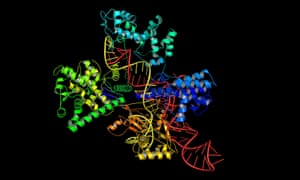
Every new advance puts a fresh spark of life into Huxley’s monstrous vision. Ishiguro’s dire forecast was spurred by the gene-editing method called Crispr-Cas9, developed in 2012, which uses natural enzymes to target and snip genes with pinpoint accuracy. Thanks to Crispr-Cas9, it seems likely that gene therapies – eliminating mutant genes that cause some severe, mostly very rare diseases – might finally bear fruit, if they can be shown to be safe for human use. Clinical trials are now under way.
But modified babies? Crispr-Cas9 has already been used to genetically modify (nonviable) human embryos in China, to see if it is possible in principle – the results were mixed. And Kathy Niakan of the Francis Crick Institute in the UK has been granted a licence by the Human Fertilisation and Embryology Authority (HFEA) to use Crispr-Cas9 on embryos a few days old to find out more about problems in these early stages of development that can lead to miscarriage and other reproductive problems.
Most countries have not yet legislated on genetic modification in human reproduction, but of those that have, all have banned it. The idea of using Crispr-Cas9 for human reproduction is largely rejected in principle by the medical research community. A team of scientists warned in Nature less than two years ago that genetic manipulation of the germ line (sperm and egg cells) by methods like Crispr-Cas9, even if focused initially on improving health, “could start us down a path towards non-therapeutic genetic enhancement”.
Besides, there seems to be little need for gene editing in reproduction. It would be a difficult, expensive and uncertain way to achieve what can mostly be achieved already in other ways, particularly by just selecting an embryo that has or lacks the gene in question. “Almost everything you can accomplish by gene editing, you can accomplish by embryo selection,” says bioethicist Henry Greely of Stanford University in California.
Because of unknown health risks and widespread public distrust of gene editing, bioethicist Ronald Green of Dartmouth College in New Hampshire says he does not foresee widespread use of Crispr-Cas9 in the next two decades, even for the prevention of genetic disease, let alone for designer babies. However, Green does see gene editing appearing on the menu eventually, and perhaps not just for medical therapies. “It is unavoidably in our future,” he says, “and I believe that it will become one of the central foci of our social debates later in this century and in the century beyond.” He warns that this might be accompanied by “serious errors and health problems as unknown genetic side effects in ‘edited’ children and populations begin to manifest themselves”.
For now, though, if there’s going to be anything even vaguely resembling the popular designer-baby fantasy, Greely says it will come from embryo selection, not genetic manipulation. Embryos produced by IVF will be genetically screened – parts or all of their DNA will be read to deduce which gene variants they carry – and the prospective parents will be able to choose which embryos to implant in the hope of achieving a pregnancy. Greely foresees that new methods of harvesting or producing human eggs, along with advances in preimplantation genetic diagnosis (PGD) of IVF embryos, will make selection much more viable and appealing, and thus more common, in 20 years’ time.
PGD is already used by couples who know that they carry genes for specific inherited diseases so that they can identify embryos that do not have those genes. The testing, generally on three- to five-day-old embryos, is conducted in around 5% of IVF cycles in the US. In the UK it is performed under licence from the HFEA, which permits screening for around 250 diseases including thalassemia, early-onset Alzheimer’s and cystic fibrosis.
As a way of “designing” your baby, PGD is currently unattractive. “Egg harvesting is unpleasant and risky and doesn’t give you that many eggs,” says Greely, and the success rate for implanted embryos is still typically about one in three. But that will change, he says, thanks to developments that will make human eggs much more abundant and conveniently available, coupled to the possibility of screening their genomes quickly and cheaply.
Carey Mulligan, Keira Knightley and Andrew Garfield in the 2010 film adaptation of Kazuo Ishiguro’s Never Let Me Go, in which clones are produced to provide spare organs for their originals. Photograph: 20th Century Fox/Everett/Rex
Advances in methods for reading the genetic code recorded in our chromosomes are going to make it a routine possibility for every one of us – certainly, every newborn child – to have our genes sequenced. “In the next 10 years or so, the chances are that many people in rich countries will have large chunks of their genetic information in their electronic medical records,” says Greely.
But using genetic data to predict what kind of person an embryo would become is far more complicated than is often implied. Seeking to justify unquestionably important research on the genetic basis of human health, researchers haven’t done much to dispel simplistic ideas about how genes make us. Talk of “IQ genes”, “gay genes” and “musical genes” has led to a widespread perception that there is a straightforward one-to-one relationship between our genes and our traits. In general, it’s anything but.
There are thousands of mostly rare and nasty genetic diseases that can be pinpointed to a specific gene mutation. Most more common diseases or medical predispositions – for example, diabetes, heart disease or certain types of cancer – are linked to several or even many genes, can’t be predicted with any certainty, and depend also on environmental factors such as diet.
When it comes to more complex things like personality and intelligence, we know very little. Even if they are strongly inheritable – it’s estimated that up to 80% of intelligence, as measured by IQ, is inherited – we don’t know much at all about which genes are involved, and not for want of looking.
At best, Greely says, PGD might tell a prospective parent things like “there’s a 60% chance of this child getting in the top half at school, or a 13% chance of being in the top 10%”. That’s not much use.
We might do better for “cosmetic” traits such as hair or eye colour. Even these “turn out to be more complicated than a lot of people thought,” Greely says, but as the number of people whose genomes have been sequenced increases, the predictive ability will improve substantially.
Ewan Birney, director of the European Bioinformatics Institute near Cambridge, points out that, even if other countries don’t choose to constrain and regulate PGD in the way the HFEA does in the UK, it will be very far from a crystal ball.
Nearly anything you can measure for humans, he says, can be studied through genetics, and analysing the statistics for huge numbers of people often reveals some genetic component. But that information “is not very predictive on an individual basis,” says Birney. “I’ve had my genome sequenced on the cheap, and it doesn’t tell me very much. We’ve got to get away from the idea that your DNA is your destiny.”
If the genetic basis of attributes like intelligence and musicality is too thinly spread and unclear to make selection practical, then tweaking by genetic manipulation certainly seems off the menu too. “I don’t think we are going to see superman or a split in the species any time soon,” says Greely, “because we just don’t know enough and are unlikely to for a long time – or maybe for ever.”
If this is all “designer babies” could mean even in principle – freedom from some specific but rare diseases, knowledge of rather trivial aspects of appearance, but only vague, probabilistic information about more general traits like health, attractiveness and intelligence – will people go for it in large enough numbers to sustain an industry?
Greely suspects, even if it is used at first only to avoid serious genetic diseases, we need to start thinking hard about the options we might be faced with. “Choices will be made,” he says, “and if informed people do not participate in making those choices, ignorant people will make them.”
The Crispr/Cas9 system uses a molecular structure to edit genomes. Photograph: Alamy
Green thinks that technological advances could make “design” increasingly versatile. In the next 40-50 years, he says, “we’ll start seeing the use of gene editing and reproductive technologies for enhancement: blond hair and blue eyes, improved athletic abilities, enhanced reading skills or numeracy, and so on.”
He’s less optimistic about the consequences, saying that we will then see social tensions “as the well-to-do exploit technologies that make them even better off”, increasing the relatively worsened health status of the world’s poor. As Greely points out, a perfectly feasible 10-20% improvement in health via PGD, added to the comparable advantage that wealth already brings, could lead to a widening of the health gap between rich and poor, both within a society and between nations.
Others doubt that there will be any great demand for embryo selection, especially if genetic forecasts remain sketchy about the most desirable traits. “Where there is a serious problem, such as a deadly condition, or an existing obstacle, such as infertility, I would not be surprised to see people take advantage of technologies such as embryo selection,” says law professor and bioethicist R Alta Charo of the University of Wisconsin. “But we already have evidence that people do not flock to technologies when they can conceive without assistance.”
The poor take-up of sperm banks offering “superior” sperm, she says, already shows that. For most women, “the emotional significance of reproduction outweighs any notion of ‘optimisation’”. Charo feels that “our ability to love one another with all our imperfections and foibles outweighs any notion of ‘improving’ our children through genetics”.
All the same, societies are going to face tough choices about how to regulate an industry that offers PGD with an ever-widening scope. “Technologies are very amoral,” says Birney. “Societies have to decide how to use them” – and different societies will make different choices.
One of the easiest things to screen for is sex. Gender-specific abortion is formally forbidden in most countries, although it still happens in places such as China and India where there has been a strong cultural preference for boys. But prohibiting selection by gender is another matter. How could it even be implemented and policed? By creating some kind of quota system?
And what would selection against genetic disabilities do to those people who have them? “They have a lot to be worried about here,” says Greely. “In terms of whether society thinks I should have been born, but also in terms of how much medical research there is into diseases, how well understood it is for practitioners and how much social support there is.”
Once selection beyond avoidance of genetic disease becomes an option – and it does seem likely – the ethical and legal aspects are a minefield. When is it proper for governments to coerce people into, or prohibit them from, particular choices, such as not selecting for a disability? How can one balance individual freedoms and social consequences?
“The most important consideration for me,” says Charo, “is to be clear about the distinct roles of personal morality, by which individuals decide whether to seek out technological assistance, versus the role of government, which can prohibit, regulate or promote technology.”
She adds: “Too often we discuss these technologies as if personal morality or particular religious views are a sufficient basis for governmental action. But one must ground government action in a stronger set of concerns about promoting the wellbeing of all individuals while permitting the widest range of personal liberty of conscience and choice.”
“For better or worse, human beings will not forgo the opportunity to take their evolution into their own hands,” says Green. “Will that make our lives happier and better? I’m far from sure.”
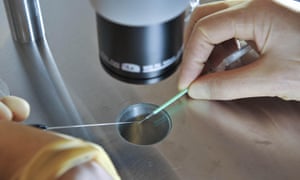
A scientist at work during an IVF process. Photograph: Ben Birchall/PA
Easy pickings: the future of designer babies
The simplest and surest way to “design” a baby is not to construct its genome by pick’n’mix gene editing but to produce a huge number of embryos and read their genomes to find the one that most closely matches your desires.
Two technological advances are needed for this to happen, says bioethicist Henry Greely of Stanford University in California. The production of embryos for IVF must become easier, more abundant and less unpleasant. And gene sequencing must be fast and cheap enough to reveal the traits an embryo will have. Put them together and you have “Easy PGD” (preimplantation genetic diagnosis): a cheap and painless way of generating large numbers of human embryos and then screening their entire genomes for desired characteristics.
“To get much broader use of PGD, you need a better way to get eggs,” Greely says. “The more eggs you can get, the more attractive PGD becomes.” One possibility is a one-off medical intervention that extracts a slice of a woman’s ovary and freezes it for future ripening and harvesting of eggs. It sounds drastic, but would not be much worse than current egg-extraction and embryo-implantation methods. And it could give access to thousands of eggs for future use.
An even more dramatic approach would be to grow eggs from stem cells – the cells from which all other tissue types can be derived. Some stem cells are present in umbilical blood, which could be harvested at a person’s birth and frozen for later use to grow organs – or eggs.
Even mature cells that have advanced beyond the stem-cell stage and become specific tissue types can be returned to a stem-cell-like state by treating them with biological molecules called growth factors. Last October, a team in Japan reported that they had made mouse eggs this way from skin cells, and fertilised them to create apparently healthy and fertile mouse pups.
Thanks to technological advances, the cost of human whole-genome sequencing has plummeted. In 2009 it cost around $ 50,000; today it is most like $ 1,500, which is why several private companies can now offer this service. In a few decades it could cost just a few dollars per genome. Then it becomes feasible to think of PGD for hundreds of embryos at a time.
“The science for safe and effective Easy PGD is likely to exist some time in the next 20 to 40 years,” says Greely. He thinks it will then become common for children to be conceived through IVF using selected genomes. He forecasts that this will lead to “the coming obsolescence of sex” for procreation.
Most babies should start eating peanut-containing foods well before their first birthday, according to new guidelines that aim to protect high-risk tots and other youngsters, too, from developing the dangerous food allergy.
The guidelines from the US National Institutes of Health mark a shift in dietary advice, based on landmark research that found early exposure dramatically lowers a baby’s chances of becoming allergic.
The recommendations released on Thursday spell out exactly how to introduce infants to peanut-based foods and when – for some, as early as four to six months of age – depending on whether they’re at high, moderate or low risk of developing one of the most troublesome food allergies.
“We’re on the cusp of hopefully being able to prevent a large number of cases of peanut allergy,” said Dr Matthew Greenhawt of the American College of Allergy, Asthma and Immunology, a member of the NIH-appointed panel that wrote the guidelines.
Babies at high risk – because they have a severe form of the skin rash eczema or egg allergies – need a checkup before any peanut exposure, and might get their first taste in the doctor’s office.
For other children, most parents can start adding peanut-containing foods to the diet much like they already introduced oatmeal or mushed peas.
Instead of whole peanuts, which are choking hazards, the guidelines suggest options like watered-down peanut butter or easy-to-gum peanut-flavored “puff” snacks.
“It’s an important step forward,” said Dr Anthony Fauci, director of NIH’s National Institute of Allergy and Infectious Diseases, which appointed experts to turn the research findings into user-friendly guidelines. “When you do desensitize them from an early age, you have a very positive effect.”
Peanut allergy is a growing problem, affecting about 2% of US children who must avoid the wide array of peanut-containing foods or risk severe, even life-threatening, reactions.
For years, pediatricians advised avoiding peanuts until age three for children thought to be at risk. But the delay didn’t help, and that recommendation was dropped in 2008 – although parent wariness of peanuts persists.
“It’s old news, wrong old news, to wait,” said Dr Scott Sicherer, who represented the American Academy of Pediatrics on the guidelines panel.
Thursday’s guidelines make that clear, urging parents and doctors to proactively introduce peanut-based foods early.
“Just because your uncle, aunt and sibling have an allergy, that’s even more reason to give your baby the food now” – even if they’re already older than six months, added Sicherer, a pediatric allergist at Mount Sinai Hospital in New York.
In Columbus, Ohio, one doctor told Carrie Stevenson to avoid peanuts after her daughter was diagnosed with egg allergy. Then Stevenson found an allergy specialist who insisted that was the wrong advice – and offered baby Estelle a taste test of peanut butter in his office when she was seven months old.
“I was really nervous,” Stevenson recalled, unsure which doctor to believe. But, “we didn’t want her to have any more allergies”.
Now 18 months old, Estelle has eaten peanut butter or peanut-flavored puffs at least three times a week since then and so far seems healthy. Stevenson, pregnant again, plans early exposure for her next child, too.
The guidelines recommend:
All babies should try other solid foods before peanut-containing ones, to be sure they’re developmentally ready.
High-risk babies should have peanut-containing foods introduced as early as four to six months after a checkup to tell if they should have the first taste in the doctor’s office, or if it’s OK to try at home with a parent watching for any reactions.
Moderate-risk babies have milder eczema, typically treated with over-the-counter creams. They should start peanut-based foods around six months, at home.
Most babies are low-risk, and parents can introduce peanut-based foods along with other solids, usually around six months.
Building tolerance requires making peanut-based foods part of the regular diet, about three times a week.
Researchers noticed a tenfold higher rate of peanut allergy among Jewish children in Britain, who aren’t fed peanut products during infancy, compared to those in Israel where peanut-based foods are common starting around age seven months.
Then in 2015, an NIH-funded study of 600 babies put that theory to the test, assigning them either to avoid or regularly eat age-appropriate peanut products. By age five, only 2% of peanut eaters – and 11% of those at highest risk – had become allergic. Among peanut avoiders, 14% had become allergic, and 35% of those at highest risk.
Whether the dietary change will spur a drop in US peanut allergies depends on how many parents heed the new advice – and if a parent seems skeptical, the guidelines urge doctors to follow up.
One in four babies born in the UK are not receiving mandatory checkups from health visitors during the first two years of their life.
A fifth of babies do not receive the recommended reviews after they turn one, and one in four miss out at the age of two, according to the government’s commission on social mobility.
Health visitors, responsible for assessing a child’s early years development, are supposed to carry out checks straight after birth, at six to eight weeks, at one year and then at between two and two-and-a-half years.
However, the commission found that one in five children had not received the mandatory 12-month check by the time they reached 15 months old.
London children were the least likely to receive the right number of health visits, the report found, with fewer than half receiving the final two checkups.
A survey of parents found that the vast majority wanted the health visits to continue, with just 5% saying they did not feel they required advice during their first six months as a parent.
“Despite the conventional wisdom that parents fear interference from the ‘nanny state’, in reality many say that they welcome advice in the early years of their child’s life,” the commission said.
It said it was concerning that one in four two-year-olds did not have their health and education needs reviewed by a professional. “Despite this being a crucial period for families, there is still too little support for parents in the earliest stage of their child’s life. With the socioeconomic gap in outcomes emerging early, providing support to parents at this point could reap dividends for social mobility later on in life.”
The Conservative party’s 2010 manifesto included a key pledge to increase the number of health visitors. NHS Digital figures show the number of full-time or equivalent health visitors in England fell by almost 1,000 between October 2015 and August 2016.
In December a survey of health visitors by the Institute of Health Visiting found that 85% of respondents felt their workload had increased in the last two years. Some were having to look after between 500 and 1,000 children, when the maximum recommended is 250.
Labour said the commission’s figures showed the government was failing to invest in early years support. Emma Lewell-Buck, the shadow minister for children and families, said: “Becoming a parent for the first time is an exciting but scary time and it is shocking that not all parents are getting the support they need.
“The Tories promised more health visitors by taking away money from Sure Start Centres. Six years later we have lost over 700 centres and we are still waiting for the health visitors. The Tories have completely failed to invest these crucial early years.”
A spokesperson for Public Health England said: “Ensuring every child has the best start in life is one of our key priorities. We are supporting local authorities in commissioning services that support families and provide early help when needed.
“We are also working with councils to give health visitors professional guidance and leadership, as well as evidence of what works, to help them meet their public health responsibilities.”
The commission also said parents were finding it more difficult to access local children’s centre services, citing a 2015 survey which found more than 60% of children’s centre managers said they were cutting back on services to meet their budgets.
Government figures in December revealed that 156 Sure Start children’s centres had closed in England in 2015, almost double the number in the previous year.
The biggest hospital in Europe has been ordered to improve security on its maternity ward after inspectors found that mothers “might leave the unit with the wrong baby”. Some babies born at the Royal London hospital had no name tags – which could lead to them going home with the wrong families or even being given medication meant for another baby, according to the Care Quality Commission (CQC).
Inspectors said there was a “lax” approach to checking babies’ name bands. Even the head of midwifery at the hospital, in Whitechapel, east London, was unaware of a baby abduction policy, the regulator said. Inspectors found there were not enough midwives on the delivery suite to provide safe cover, and midwives said they had been ordered by managers not to raise concerns about low staff numbers.
There was a “mixed” view about how caring staff were: one mother told inspectors she was treated as “childish” because she was upset that her baby had been taken into special care.
Inspectors who visited the hospital in July this year said they also observed some “intracultural issues and some bullying behaviour” between groups of midwives, and between midwives and patients. Doctors and midwives on the postnatal ward referred to patients by their bed numbers rather than by name, according to the CQC.
Last year 4,645 babies were born at the Royal London, which is the largest stand-alone acute hospital in Europe.
The CQC has ordered the Barts health NHS trust, which runs the hospital, to improve security in maternity “urgently” after rating the service inadequate. The trust said it had already taken steps to address baby safety concerns, including the introduction of new baby ID tags. Overall the hospital was rated “requires improvement”.
Some of the other issues highlighted in the report include:
A two-week backlog of outpatient appointments waiting to be booked and some patients waiting for over a year for follow-up appointments.
The nutrition and hydration needs of patients were met, though in some busy departments this was enabled by patients’ relatives.
Nine “never” events were reported at the hospital between August 2015 and July 2016 – wholly preventable errors. These blunders included a surgeon leaving an object inside a patient after finishing an operation, the extraction of a wrong tooth, “wrong-site implants” and incorrect medication being given to a patient.
During the inspection, some patients in A&E had to wait an hour and 20 minutes for an initial assessment from a medic, though national guidance suggests the majority of people should be assessed by a clinician within 15 minutes.
Some medics had to complete mandatory training in their own time or during their holiday leave.
Professor Sir Mike Richards, chief inspector of hospitals at the CQC, said: “We were most concerned about the standard of care around maternity and gynaecology services. Staffing on maternity wards was sometimes inadequately covered. But most worrying of all was the lack of a safe and secure environment for newborn babies. At the time of our inspection we raised this with the Royal London hospital as a matter for their urgent attention.”
A spokeswoman for the trust said: “We acted immediately to improve the security of babies at the Royal London hospital. It’s important to stress that these reports are based on observations from five months ago. Since then we have subjected our processes and procedures to forensic scrutiny.
“As a result, we’ve introduced new baby ID tags, we’ve reviewed our procedure for locking down the hospital, and refreshed our policy. We have recirculated our policy to all staff and now test it every single month. Women should be assured our services are safe and we will review our processes regularly to ensure they remain safe.”
Premature babies who were breastfed exclusively and kept warm through continuous skin-to-skin contact have become young adults with larger brains, higher salaries and less stressful lives than babies who received conventional incubator care, according to a study published this week.
The research (pdf), in the journal Pediatrics, compared 18- to 20-year-olds who, as premature and low birth-weight infants, were randomised at birth in Colombia to receive either traditional incubator care or kangaroo mother care (KMC) – a technique whereby parents or caregivers become a baby’s incubator and its main source of food and stimulation – until they could maintain their own body temperature.
The kangaroo method involves the baby nestling in a “kangaroo” position on the caregiver’s chest as soon as possible after birth, accompanied by exclusive breastfeeding. Parent and child leave the hospital together as soon as possible after birth, after which there is rigorous monitoring of baby and mother for one year after the infant’s original due date (rather than the actual birth date).
Researchers investigated 264 of the KMC participants who weighed less than 1.8kg at birth, and found that the technique offered significant protection against early death. The mortality rate among incubator-treated babies was 7.7%, more than double that of those in the KMC group (3.5%). Almost every other area investigated revealed further advantages: average hourly wages of the KMC group were nearly 53% higher than their counterparts; cerebral development was significantly higher; family life was found to be more nurturing and protective; and children spent more time in school and were less aggressive, hyperactive and stressed.
“This study indicates that kangaroo mother care has significant, long-lasting social and behavioural protective effects 20 years after the intervention,” said lead researcher Dr Nathalie Charpak, of the Kangaroo Foundation in Bogotá.
“We firmly believe that this is a powerful, efficient, scientifically based healthcare intervention that can be used in all settings, from those with very restricted to unrestricted access to healthcare.”
According to the World Health Organisation, nearly one in 10 babies worldwide is born preterm (before 37 completed weeks of gestation), with resulting birth complications the leading cause of death among children under five. Preterm birth rates are rising globally every year, yet more premature babies are born in low-income countries (9%) – where they face a greater risk of complications – than high-income countries (12%). In Malawi, for example, 18 in every 100 births are preterm.
Many survivors face a lifetime of disability – including learning disabilities and visual and hearing problems – and require extra care to avoid illness and death from secondary, preventable complications including hypothermia. In developing countries, where incubators are often scarce and unreliable, kangaroo mother care could save lives, said Dr Peter Singer, chief executive officer of Grand Challenges Canada, which supported the research.
“A premature infant is born somewhere in the world every two seconds,” he said. “This study shows that kangaroo mother care gives premature and low birth-weight babies a better chance of thriving. Kangaroo mother care saves brains and makes premature and low birth-weight babies healthier and wealthier.”
While the technique does not replace modern science or neonatology, it is an excellent complement, said Charpak. Hospitals in Scandinavia, among them the NICU in Uppsala, Sweden, are using KMC to stabilise preterm babies. Grand Challenges Canada is funding two “centres of excellence” and 10 treatment centres to deliver kangaroo care across Cameroon and Mali, where preterm birth rates are among the highest in the world.
The study’s positive findings are impossible to attribute to one reason alone, said Charpak. Rather, they result from a multidisciplinary approach involving regular skin-to-skin contact, breastfeeding, education of the mother and family, and support over a 12-month follow-up period.
“One of our hypotheses is that, by placing the infant in the mother, father or caregiver’s chest, the infant’s brain is in a less stressful environment,” said Charpak. “KMC also creates a climate in which the parents become progressively more aware of the child and more prone to sensitive caring.”
In contrast, said Charpak, a preterm baby born at 30 weeks could spend seven weeks in an incubator, where it is separated from its mother and faces a steady stream of light and noise. “It is easy to understand why this may not be the place for the baby’s immature brain to grow correctly,” she added.
Although a Cochrane review of 21 randomised control trials concluded that kangaroo mother care significantly reduces mortality among preterm babies and is a safe and effective alternative to conventional care, global use of the technique remains low. The Every Newborn action plan, endorsed by the World Health Organisation in 2014, set a target to reach at least 50% of the world’s low birth-weight infants with kangaroo mother care by 2020.
Charpak is hopeful that research efforts like the Colombia study will change attitudes to the care of preterm babies, not least among health workers.
“There are barriers related to the implementation of KMC programmes, particularly from health staff,” she said. “We believe long-term results will help convince the doubtful about the benefits of implementing KMC.”
Doctors have long warned parents to delay introducing certain foods to babies to decrease the risk of a potential allergic reaction, but a new study suggests that strategy probably doesn’t help.
sponsored stories
trending now
By Serena Gordon HealthDay Reporter WEDNESDAY, May 18, 2016 (HealthDay News) — Doctors have long warned parents to delay introducing certain foods to babies to decrease the risk of a potential allergic reaction, but a new study suggests that strategy probably doesn’t help. The study of about 1,400 children found that when babies were given peanuts, eggs or cow’s milk during their first year, they were less likely to become “sensitized” to those common allergy-causing foods. Being sensitized to a food means a child tests positive on a skin test. “That doesn’t necessarily mean a food allergy as such, but it indicates the child is on that pathway,” said the study’s senior author, Dr. Malcolm Sears. The goal is to reduce the risk of sensitization, which also reduces the risk of allergy, said Sears, a professor in the division of respirology at McMaster University in Hamilton, Ontario, Canada. The study’s lead author, Maxwell Tran, said this study, along with other research, “supports the paradigm shift that parents should not hesitate to introduce allergenic foods, especially cow’s milk, peanuts and eggs. This will reduce the likelihood of sensitization.” Tran is a health sciences student at McMaster. Sears reiterated: “Earlier is better. Don’t be afraid to introduce these foods.” But he added that even early introduction of a food doesn’t guarantee a child won’t eventually develop a food allergy. Tran is scheduled to present the study’s findings Wednesday at the American Thoracic Society meeting in San Francisco. Findings presented at meetings are generally viewed as preliminary until published in a peer-reviewed journal. According to Tran, previous guidelines recommended waiting a year before introducing cow’s milk and cow’s milk products, such as cheese, yogurt or ice cream. Doctors recommended delaying eggs until age 2 years, and peanut-containing products until age 3. Since other studies have hinted that earlier introduction of these foods might be beneficial instead of harmful, the researchers behind the new study looked at a sample of children already involved in a large Canadian child development trial. Sears noted that this was not a group of children that would be considered at high risk for allergies. Just over 1,400 youngsters from that study had their skin tested for allergen sensitization at 1 year. Nutrition questionnaires were completed by parents when the kids were 3, 6, 12, 18 and 24 months old, the researchers said. The researchers found that almost half the babies had consumed cow’s milk by 6 months, and the other half had milk by 12 months. Just 4 percent didn’t have milk until they were 1 year old, the study revealed. Only 6 percent of the babies had eggs by 6 months, while 76 percent had them before 12 months. And about 19 percent first had eggs after their first birthday, the study showed. Parents were much more likely to delay peanuts. Only 1 percent of the children had peanuts by 6 months, and 41 percent had peanuts introduced in their diet between 7 and 12 months. Fifty-eight percent of the children were over 1 year of age when they first had peanuts, the study found. The researchers found that early introduction of any of the allergic foods was linked to a lower risk of sensitization for that food. Giving a child egg before age 1 also reduced the odds of sensitization to any of the three tested foods, the study found. Dr. Jennifer Appleyard is chief of allergy and immunology at St. John Hospital and Medical Center in Detroit. She said, “The old train of thought was that the immune system is in flux for the first three years of life, and if exposed during that vulnerable period, food allergies might develop. But some of the old thoughts on how allergies develop and how best to treat them are changing.” She said that parents who followed that advice and waited to give their child these foods didn’t cause any allergies. “So many different things influence allergies… Things we do may affect a health outcome in some way, but it doesn’t completely control how allergies develop,” she said. There’s still a lot of research looking into the development of allergies, Appleyard noted, adding for now, early introduction of foods seems okay. If you come from an allergic family, particularly one with food allergies, Appleyard said it’s best to talk with your doctor about the introduction of common allergy-causing foods.More information Learn more about food allergy from the American College of Allergy, Asthma and Immunology.
More than a quarter of a million UK babies have been born as a result of IVF.
The 250,000th IVF baby was born in February last year, according to figures released by the Human Fertilisation and Embryology Authority (HFEA).
The British Fertility Society welcomed the milestone, saying it was great news for patients and their families. The figures show a sharp rise in the number of IVF and other assisted-reproduction treatments over the 25 years since the HFEA was established.
In 1991, 6,146 women received 6,609 IVF treatments, resulting in 1,226 live births. By 2013 this had risen to 52,288 women receiving 67,708 cycles of IVF, from which 15,283 babies were born.
The success rate for IVF has risen from 14% in 1991 to 26.5% in 2014, according to the figures, released during national fertility awareness week.
“When the HFEA was set up in 1991 we could never have imagined that over 250,000 babies would be born just 25 years later through assisted reproduction,” said the HFEA’s chair, Sally Cheshire. “These babies are among the 5 million [IVF produced children] born worldwide and I am delighted that so many people have been able to have their much-longed-for family.”
Prof Adam Balen, chairman of the British Fertility Society, said: “Over the years IVF success rates have improved and more people have access to treatment. However, as a society we are still extremely concerned about some CCGs [clinical commissioning groups] limiting access to treatment and going against the current National Institute for Health and Care Excellence guidance.”
Susan Seenan, chief executive of leading patient charity Infertility Network UK, said: “It is heart-warming and reassuring to hear … that a quarter of a million IVF babies have now been born in the UK. However, it is important to remember that IVF cannot help everyone.
“Our recent UK survey shows that if you do need IVF you must face a series of emotional, social and financial hurdles. These include often having to pay crippling amounts of money for your own medical treatment, not receiving appropriate medical information from your GP, a lack of affordable, accessible counselling and emotional support, a paucity of workplace support and the deterioration of core relationships. Far more needs to be done to help individuals through the far-reaching devastation that fertility issues wreak.”
Health visitors don’t always get good press at the school gates or toddler groups. Among my fellow nursing friends, the standing joke is that I spend my day simply weighing babies. I guess as a result it’s not hard to see why in some areas the value placed on health visiting has fallen so far that the service will be cut completely.
At the moment most councils are reviewing the funding for health visiting amid drastic cuts to public health budgets. Cumbria and Staffordshire are planning on cutting health visiting posts and a number of other NHS trusts have job freezes and have discussed redundancies. NHS Digital reported this year that the number of health visitors dropped in UK by 433 posts.
While perhaps there may be some truth in the comments I so often hear, the reality of health visiting feels very different.
It’s hard to describe a typical day because the one predictable thing is that it is completely unpredictable. I’m never quite sure when I stand at a front door what is going to be behind it. I have a bag full of leaflets and a mental checklist of the topics I’m expected to discuss. As the door opens, I may be greeted with a smile or an offer of a cup of tea, other times by indifference and occasionally with suspicion. Then there are the times when I’m not greeted at all, when I stand on the doorstep trying to find a pen, my diary and a free slot later in the week to return.
As I take a seat on the sofa, I’m aware of the balance I need to strike between raising topics and listening to what families need and want to ask. I don’t always get this right; I feel the pressure of sharing key messages about safe sleeping, coping with crying and infant brain development resulting at times in me talking too much and listening too little.
Within an hour of taking that seat I’m asking personal questions related to health, relationships and parenting. I explain that I ask these questions to everyone, issues such as mental illness and domestic violence are common and do not discriminate. But I won’t pretend that it doesn’t sometimes feel intrusive. I’m hoping that in that brief time I’ve built up enough of a rapport to make these questions powerful because when necessary it’s incredible how much someone can share with a stranger.
Sometimes as I look around the room the poverty and health inequality is obvious. Young children living in damp, mouldy, overcrowded houses. Sparsely decorated front rooms and kitchens lacking basic items many of us take for granted. At other times it’s more subtle. I see families struggling to feed their children during the school holidays because they have had to pay for extra childcare while they work; families having their benefits stopped because of an administration error; families where the main source of income is a zero-hours contract and if the phone rings at 6.30am, then there’ll be work. If it doesn’t there won’t and so today is another day of emergency electricity.
Within an hour of taking a seat I’m asking personal questions. I won’t pretend that it doesn’t sometimes feel intrusive
As I reach into my bag to find the food bank vouchers, the number for Citizens Advice or to make notes on the letter I’ll write to support a family’s application for being rehoused, I try to block out the thoughts that this isn’t enough. As I explain that my letter may not make any difference, that the waiting lists for social housing are so long most children will have grown up by the time they make it to the top, I try not to feel despondent that there is little I can do. As I reassure a mum that none of us are perfect, but she is good enough and explain that I can offer a listening ear and opportunity to access specialist support, it often feels like all I’m doing is putting a sticking plaster on a great gaping wound.
Before I leave, I explain how families can contact me, no question is too small. I’m there until their child goes to school, but unless there’s an extra need, I won’t visit again. I explain that I’ll be at a baby clinic at the local children’s centre every week. I don’t mention how the staff there are unsure about whether they’ll have jobs this time next year, and how the support they’re able to offer diminishes each week as cost savings are made to “streamline services”.
And as I close the door on my way out, I hope that I’ve not missed anything. I hope that the positive and upbeat mum wasn’t putting on a show because she’s scared of what may happen if she tells me how hard she’s finding life. I hope that I won’t get a phone call from social care in few weeks’ time about what’s happening behind that front door. Then I take a deep breath and get ready for the next doorstep.
If you would like to write a blogpost for Views from the NHS frontline, read our guidelines and get in touch by emailing sarah.johnson@theguardian.com.
Join the Healthcare Professionals Network to read more pieces like this. And follow us on Twitter (@GdnHealthcare) to keep up with the latest healthcare news and views.
A midwife in Jérémie, Grand’Anse, one of the worst-hit towns in Haiti during Hurricane Matthew, has told how she delivered six babies, two boys and four girls, in a blackout during the night of the storm.
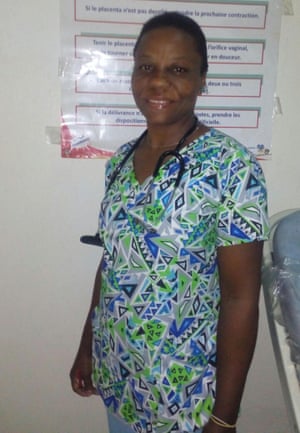
Marie-Lyrette Casimir, a midwife at St Antoine hospital, worked by flashlight as the fiercest Caribbean storm in almost a decade ripped though the south-west tip of the country, killing more than 500 people and causing widespread devastation.
Casimir, who was trapped in the hospital with her patients for hours after the storm, due to rising floodwater, said: “During the deliveries, the mothers were saying: ‘Miss Casimir, please save us. You’re going to save us.’ I was worried a lot, but I tried to calm them down, to be reassuring. I said to them: ‘Even in this desperate situation, you have to play your role, in the interests of the baby.’”
In a town where 80% of the buildings have reportedly been destroyed, St Antoine’s maternity unit, housed in one of three buildings that make up the hospital, emerged relatively unscathed. One of the hospital’s adjacent buildings was flattened by winds of up to 145mph, the other suffered extensive damage.
Casimir, who works for the United Nations Population Fund (UNFPA), described how windows were shattered and doors wrenched off their hinges during the storm and, amid fears the building itself would collapse, mothers were screaming and crying. There were two nurses in the ward that night, but she was the only midwife, she told the Guardian.
“I was very sad and worried … At first, the wind wasn’t very strong but the hurricane became really strong around midnight.”
When a power cut plunged the hospital into total darkness, she carried on using a rechargeable lamp and a flashlight, she said. “I was afraid, there was a lot of noise and I was worried I could be injured. But I had to stay – my work was to help women give life.”
Casimir, 46, said that by dawn the floodwater in the hospital had reached her knees. At one point she had to raise the bed in the delivery room, which was becoming contaminated with floodwater.
But her fears that falling debris or, worse, the collapse of the building, could risk all their lives, went unrealised. “I’m very proud of what I achieved that night. There were no deaths. The deliveries went well and none of the babies needed to go to paediatric care. Everything was great.”
Casimir’s story emerged after an assessment by the UNFPA and Haiti’s ministry of women’s affairs revealed the scale of devastation in Grand’Anse and Nippes, two of the country’s hardest-hit departments. It found most of the population affected were living in appalling conditions, with 176,000 in temporary shelters. Almost 100% of crops were destroyed in what is one of this impoverished country’s most fertile areas.
Up to 1.4 million people, 40% of them children, are in need of humanitarian assistance, according to a report (pdf) by the Office for the Coordination of Humanitarian Affairs (Ocha), with 806,000 people being at what it described as at “extreme-impact level” of food security (near-famine conditions), mainly in Grand’Anse and Sud. A further million people were at a “very high” or “high” level, it said.
Marie-Lyrette Casimir, a midwife at St Antoine hospital. Photograph: Courtesy UNFPA
Maternal health facilities were badly hit, particularly St Antoine and the City Med hospital in Beaumont. All seven of the main health facilities in the area were flooded and remain without power, water, equipment and short of staff. The directorate of civil protection of the Haitian government has reported 11 of the 33 hospitals in Grand’Anse, Nippes and Sud were damaged.
Along with the unmet basic needs of food and shelter for thousands, an estimated 13,650 women – among the most affected people – are due to give birth in the next three months, according to Ocha.
Vavita Leblanc, reproductive health programme manager of UNFPA in Haiti, said the agency has sent two teams of six midwives into the affected areas.
“In Grand’Anse, we found none of the health facilities have power [or] water, and all are flooded,” said Leblanc. “They have problems with medical supplies. Human resources have also been affected as nurses and doctors are facing their own problems, with their houses and with food.”
Leblanc said the devastation caused by the hurricane would severely affect the country’s maternal mortality rate – it is already the worst in the Americas but had been falling due to more hospital births.
“People will now stay in their communities to give birth,” said Leblanc. “It will set us back a decade.”
Two-thirds of babies in Haiti are delivered without qualified help. The country’s maternal mortality rate stands at 359 per 100,000 births in 2105. Cuba has a maternal mortality rate of 39 per 100,000.
Amid warnings by aid agencies of the risk of a fresh cholera outbreak, the storm also damaged most of the cholera treatment centres of Grand’Anse, according to the Ocha report. The country’s cholera epidemic began in 2010, when UN peacekeepers unwittingly introduced the disease shortly after a devastating 7.0 magnitude earthquake. The disease, previously unknown in the country, went on to kill more than 9,000 people.
This week, a UN official said he was concerned the scale of the cholera outbreak may be under-reported because remote areas are cut off. He also warned that protests, by desperate people angry about the slow pace and uneven distribution of aid, were impeding progress.
A spokesman for the World Food Programme’s Haiti operation told the Guardian it had so far managed to get food assistance to just 10% of the 800,000 estimated to urgently need it. “Initially, the response took time,” the WFP spokesman said. “We started distributing on 8 October and so far, 80,000 people have received assistance.”
He said the damage to infrastructure and roads delayed trucks going to the peninsula until 7 October, four days after the hurricane. It is now sending out between two and four trucks a day to the hardest-hit areas, as well as helicopters, he said. They plan to use boats to get out to the coastal areas.
There have been a few security issues, he said, but they represent a small proportion of the response. “People are really suffering, they are desperate and hungry, but we expect safe passage so that we can get to the communities that need it.”
To support the government-led response, the humanitarian community in Haiti launched an appeal for $ 120m, only $ 15.1m of which, according to the latest Ocha report, has been raised.
Paul Brockman, MSF head of mission in Haiti, speaking from Baradères, around 50km from Jérémie, said that while cholera is not as bad as they feared, significant risks remain. Brockman said: “There is a great need for shelter and drinkable water everywhere. Cholera could be a very substantial risk. It’s important to remember, that, as a small country, Haiti was very affected by the rain in the hurricane, even in the areas where the wind did not devastate – and with cholera still present everywhere, it increases the risk when treatment centres [have been] flooded.
“In every coastal area we’ve been in, there has been partial or total destruction of the cholera treatment centres.”
A growing number of babies worldwide are at risk of brain damage or having a stroke, heart attack or asthma in adulthood because their mother was obese, health experts have warned.
Leading doctors said dangerously overweight mothers were passing on obesity to their children as the result of “a vicious cycle” in which excess weight can seriously affect the health of parents and their offspring.
Four studies published in the Lancet Diabetes and Endocrinology make clear that the risks of maternal obesity include stillbirth, dangerously high blood pressure in pregnant women, diabetes in the mother or child, and complications during childbirth.
The scale of obesity in women of childbearing age and the consequent dangers to health were so great that urgent action was needed to ensure women were a normal weight before they conceived, the authors say.
Mothers being very heavily overweight could lead to their children having autism or attention deficit hyperactivity disorder or developing cancer in later life, the researchers say.
British women have the highest rates of obesity in Europe. One in five women in the UK who became pregnant were already obese, while in England, 26% of 35- to 44-year-old women were obese in 2013, as were 18% of those aged 24-35.
UK obesity rates
Rates are even higher elsewhere. In the United States, 32% of women of peak childbearing age, between 20 and 39, were obese in 2011-12, and 60% of American women were either overweight or obese when they conceived, according to one study.
Prof Lesley Regan, the president of the Royal College of Obstetricians and Gynaecologists, which represents 14,000 doctors working in Britain and worldwide who specialise in childbirth and women’s health, said: “Obesity has reached pandemic proportions globally and its origins start in the womb. In the UK, the prevalence of obesity is over 25% in both women and men. Around one in five pregnant women are obese, increasing their risk of miscarriage, stillbirth and neonatal death as well as gestational diabetes, blood clots, pre-eclampsia, more complicated labours and severe bleeding after the birth.”
The international team of experts behind the studies said they feared that the problem, which is worst in developed countries, would escalate further because one in five (21%) women in the world are projected to be dangerously overweight by 2025.
One of the research papers, which have reviewed hundreds of previous obesity studies, warned: “The long-term effects of maternal obesity could have profound public health implications.” Another concluded that maternal obesity was spreading so fast, especially in western countries, that governments should start treating it as a global public health priority.
One of the research reviews, led by Prof Keith Godfrey of Southampton University, detailed the range of serious health problems that excess maternal weight could have on a child and pointed out that fathers’ weight could also increase the risks.
“Increasing evidence implicates maternal obesity as a major determinant of offspring health during childhood and later adult life,” the review states, adding that it heightened the child’s risk of obesity, coronary heart disease, stroke, type 2 diabetes and asthma. Maternal obesity could also lead to poorer cognitive performance and increased risk of neurodevelopmental disorders, including cerebral palsy.
An unborn child’s brain could be damaged because “obesity in pregnancy is associated with complex neuroendocrine, metabolic, immune and inflammatory changes, which probably affect foetal hormonal exposure and nutrient supply,” Godfrey’s paper explains.
The key lies in “eipgenetic processes by which aspects of parental (both mother’s and father’s) lifestyle can affect the way the baby’s genes operate during development. These can change the person’s responses to the challenges of, for example, living in an ‘obesogenic’ environment,” it adds.
The National Institute for Health and Care Excellence advises women who may become pregnant to eat healthily, exercise for at least 30 minutes a day and try to maintain a healthy weight.
Each obese woman who gave birth in Britain cost the NHS £500 to £1,000 more than a mother of a normal weight, said Prof Rebecca Reynolds, of Edinburgh University.
However, the authors drew few firm conclusions in their search for ways to address and prevent maternal obesity and found limited evidence that specific interventions were effective.
“We know that there are going to be more and more obese people in years to come, so there will be passage of obesity from one generation to the next, even though no parent who is obese wants their child to suffer from it too,” said Prof Mark Hanson, of Southampton University, another co-author.
He recommended that overweight women be given more information and guidance from health professionals before they conceived or after they had given birth to help them lose weight, especially before they had any more children.
Bariatric surgery undertaken before an obese woman conceived could benefit both her and her baby’s health, the authors found, though anyone who has the operation should wait for up to 18 months afterwards before giving birth.
“Women who are overweight when entering pregnancy or who gain excess weight during pregnancy may well establish an inter-generational amplification of the obesity epidemic,” said Dr Tim Lobstein, director of policy at the World Obesity Federation.
“There is international agreement at United Nations level to halt the rising prevalence of obesity and diabetes across the globe. However, turning an ambitious target into practical action is proving elusive.
“There are well-recognised but well-embedded systemic problems to resolve, such as the increasingly commercialised food supply, the dominance of motorised transport, the development of dense and hazardous urban environments, or the enticements of sedentary screen-watching,” he said.