problems etiketine sahip kayıtlar gösteriliyor. Tüm kayıtları göster

13 Nisan 2017 Perşembe

One in four young women in UK report mental health problems, study shows

A quarter of young women in the UK have suffered from anxiety and depression, according to a new survey released by the Office for National Statistics (ONS).


The figures were collected as part of a wide-ranging survey gauging the wellbeing of people aged between 16 and 24. They show that, despite an increase in the number of those who said their quality of life had improved since 2009, one in four young women said they had faced symptoms linked to poor mental wellbeing in 2014-15.


The report said that young women were “significantly more likely” than their male counterparts to recognise and admit being anxious or depressed, with less than one in six young men reporting similar symptoms.


The ONS report used data taken from surveys that focused on a person’s overall happiness – shown by their attitudes to issues such as relationships, work, education and finances – to create a nationwide picture.


The results show that while more than a third of young people aged between 16 and 19 who were questioned said they had a “very high” level of life satisfaction, this dropped to just a quarter among people aged between 20 and 24.


The study also reveals that in the four years from 2009-10 to 2013-14, the number of young people saying their mental health had “deteriorated” rose from 18% to 21%.


Tom Madders, campaign director at the mental health charity YoungMinds, said: “There is still a huge amount of misunderstanding about mental health conditions, making people less likely to open up to others if they are struggling to cope. This is particularly difficult for young people who face pressure, including stress at school, college or university and body image issues.”


He said that an environment of 24-hour access to social media led to some young people feeling they needed to “keep up the pretence of having a perfect life”.


Other figures from the study show that the number of young people who believe they are financially comfortable has increased since 2009-10. Seven years ago, 15% said they were struggling to get by, while by 2014-15 the number reporting financial hardship was 7% – and a significantly higher percentage (45%) said they were satisfied with their household income, up from about 30% in 2009-10.


The report added that levels of “general health satisfaction” had risen, with 56% saying they were “mostly or completely happy” in 2014-15, compared with about 52% the year before.


However, the figures also show a rise in households deemed to be living in poverty, based on families who earn less than 60% of the average UK income. One in four said they lived in a household at such a level, compared with 20% in 2008.


YoungMinds recently called on teachers, parents and carers to sign an open letter to the prime minister, Theresa May, urging her to place an increased emphasis in schools and colleges on improving young people’s mental health, and to recognise the pressures caused by exam stress, cyberbullying and fears over employment when they leave education.


Madders said: “A good quality of life includes having positive mental health and wellbeing, so it’s crucial that the problems which young people report are taken seriously and supported to prevent them escalating and going into crises.”


One in four young women in UK report mental health problems, study shows

31 Mart 2017 Cuma

How mental health problems affect relationships: "They"re scared that this time you might die"

Anonymous
Last night I had a dream about my eldest son who’s just turned 11. Because of my mental illness, I have not been able to speak to or see my three boys for eight months now. In the dream I’m hangin’ with my eldest, shooting the breeze as we’ve done many a time, but this time I notice a difference; his voice has broken, and with this realisation my heart broke, too.


This dream is analogous of all those golden moments of childhood I have missed in their lives, that can never be relived, moments that seem even more precious when it comes to my eldest, as he rapidly approaches adolescence. The dream also feels analogous of everything I’ve lost as a result of mental illness; my marriage, career, liberty (sectioned twice), self-respect and societal approval.


What really frightens me about my mental illness is the way it suddenly grabs me and leads me to do things that I, when feeling stable, just would never want to do. Like right now I love my boys and mum so much I cannot believe I’d want to never see them again and devastate them through taking my own life. Yet out of the corner of my eye, I can see the omnipresent scar on my left wrist that is a constant reminder of how my mental health can construct a vast distance between me and my values.


Anonymous, 21
I have bipolar disorder, a highly stigmatised diagnosis. One of the hardest things to deal with is knowing you’re hurting people around you. After taking an overdose, lying in A&E with someone who loves you and feeling the guilt and horror of what you’ve done. They’re scared that this time you might die, but the urge was so strong you couldn’t stop yourself from doing it. Even when you know you are loved, you still wish to die. I have an illness. I wrote this poem in art therapy.


Today you are possible of great things,


Things of beauty, of purpose and of wonder.


Your voice is of importance, your body is of splendour.


Today you are tasked with only being fair to yourself and your soul, and to be fair to yourself and your soul is to be kind.


Kindness is all that you deserve.


Today you are you, and that is a magical thing, no one else will ever be you.


You are strong, you are mesmerising, you are intelligent, you are divine.


Today you are loved, as you should be, and as you always will be.


Anonymous
Go me: a poem about mental health, from a mother’s perspective


I am the world’s greatest mum


My teenage daughter is perfect


Good grades, no shouting, no drinking, no boys, no worries


I’m expert at giving lifts, coordinating activities, supporting vegetarianism, saying no to piercings, organising cultural excursions and understanding UCAS points


I’ve got this covered. Go me!


I am the world’s most understanding mum


I can support this exam stress


Distant, withdrawn, eating less, sleeping more, staying in


I am an expert at finding French tutors, arranging extra physics, breathing exercises, pep talks and staying positive


One of life’s challenges. Go me!


I am the world’s most bewildered mum


I don’t know why this is happening


School dropout, counselling, anger, a handful of pills, some minor cuts


I am expert at managing panic attacks, investigating colleges, negotiating the NHS and weird piercings


But I’m up for this. Go me!


I am the world’s most exhausted mum


I love her to death


Major overdose, psychiatrist, cardiac ward, cutting, minor overdose, more cutting


I am expert at bandaging cuts, hiding razor blades, 999 calls, police statements, social services, riding in ambulances, fighting for support, staying up all night, dispensing pills


But we’re still here and stronger. So go us


Helen, Manchester, 35
Fourteen years ago, I found my flatmate (and close friend) almost unconscious, with an empty bottle of pills next to her bed. I got her to the hospital. I stayed all night, until she was released in the morning. It was horrible. What came next was worse. At the hospital I asked the doctor what I should do the next day. He drew a blank. My other flatmate and I had no idea how to react. We were angry, we blamed her, we thought she was selfish. We treated her like a stranger. I went to my GP, who suggested we focus on ourselves because finals were coming up. Within a week, we just left her – went to our respective homes to study, claiming that we needed peace and quiet away from university.


I’ve never forgiven myself for that response, or forgotten how awful it was when she quietly confronted me about lying to her. In the end we both apologised, cried a lot, and made peace. It took me a few years, though, to fully accept that she wasn’t selfish or to blame. I hope that today’s 21-year-olds already know that, and that their doctors are giving better advice. By removing the stigma around mental health, and by educating people in how to support their friends and family, perhaps we can prevent other people being judged and abandoned.


Anonymous, early 40s


A poem dedicated to friends past, hopefully to return.


A poem dedicated to old friends, hopefully to return.

In the UK, the Samaritans can be contacted on 116 123.
In the US, the National Suicide Prevention Hotline is 1-800-273-8255.
In Australia, the crisis support service Lifeline is on 13 11 14.


How mental health problems affect relationships: "They"re scared that this time you might die"

Ways to solve our growing weight problems | Letters

The government must do everything in its power to combat obesity (Supermarkets must stop discounting unhealthy foods to tackle childhood obesity, say MPs, 27 March). Obesity is a public health disaster inextricably enmeshed with cardiovascular disease, obstructive sleep apnoea, gout, type 2 diabetes, hypertension, stroke, gallstones, cancers, osteoarthritis, breathing problems, dental decay and gum disease. The obesity statistics are staggering. The Lancet reported this year that around 700,000 new cancers caused by overweight are predicted by 2035 and that the number of those afflicted with diabetes in the UK alone has topped 4 million. The costs to the NHS are projected to reach £9.7bn by 2050.


Obesity is a vivid example of the link between general and oral health. Sugar is the main culprit in the unabated increase in obesity and dental decay. A holistic, comprehensive and sustainable approach is needed that transcends medicine and dentistry, challenging the avoidable consequences of modern lifestyles.
Dr Munjed Farid Al Qutob
London


People in this country are consuming too many calories, many of them from sugar, which is contributing to unacceptably high levels of obesity. The government has published sugar reduction guidelines for certain types of food to bring overall sugar levels down, while still allowing people to enjoy their favourite foods. This is an important step and must form part of a broader range of initiatives to help individuals and families towards better diets and healthier lifestyles. To play their part, responsible food and drink manufacturers, retailers, restaurants, cafes and takeaways will adapt recipes and take action to encourage consumers towards low- and no-sugar options. In some foods, portion-size reductions will be necessary. Producers will keep consumer tastes and preferences at the heart of this work.


Health charities and professional bodies will support this ambitious agenda by providing clear advice, backed by robust science, and helping to combat often confused messaging around nutrition and health. As well as pushing for full and continuing industry engagement, these groups can also help to create an environment where recognition is given to companies’ efforts, challenges and achievements. This will encourage the sustained industry engagement that is needed.
Ian Wright
Food and Drink Federation
Tam Fry
National Obesity Forum


The Commons health select committee has released a report admonishing the government’s plans to fight obesity, claiming that proposed measures do not go far enough to tackle the crisis. The committee argues that ministers had ignored recommendations from health bodies to regulate price promotions of unhealthy food and drinks aimed at children. Research from Oliver Wyman shows that 81% of UK shoppers have noticed that sugary products are more often on promotion in their supermarket than healthy options – and 60% of consumers say it is their supermarket’s responsibility to help them be healthier.


Rather than waiting for the regulatory hammer to fall, supermarkets in the UK should redefine themselves as health and wellbeing brands, by simplifying choices and building customer loyalty through healthy living programmes. By showing customers how their activity and shopping habits feed into their health outcomes and helping them make informed decisions and trade-offs, supermarkets can influence habits in a way that is positive for their business while also delivering health benefits.
Duncan Brewer
Oliver Wyman Consulting


New NHS statistics show that one in four adults are inactive and levels of obesity have more than tripled since the 1990s (One in four adults take less than 30 minutes of exercise every week, 31 March). An easy solution to our sedentary lifestyle is getting more people walking their short, everyday journeys and yet the report shows that one in four adults aren’t even walking for half an hour a week. Getting off the bus a stop earlier, going for a lunchtime walk or choosing to park further away and walk the rest of the way are all easy ways to get moving more and can make a big difference to our health and happiness.


The report also shows that more than a third of children are overweight by the time they leave primary school. Creating safe walking routes and encouraging more children to walk to school will help the whole family get more active and ensure children develop healthy habits for life. This is vital if we’re going to protect the future of our health service. It’s Living Streets’ National Walking Month in May and we’re encouraging people to fit 20 minutes of walking into their day. We know from people who took part last year that it’s an achievable way to get active and stay healthy.
Jenni Wiggle
Living Streets


Join the debate – email guardian.letters@theguardian.com


Read more Guardian letters – click here to visit gu.com/letters


Ways to solve our growing weight problems | Letters

29 Mart 2017 Çarşamba

‘Communities provide the best solutions to their own problems’ | Rachel Pugh

Rachel Pugh


A year since Greater Manchester became the first region in England to take control of its £6bn health and social care budget, Jon Rouse is pleased at the progress already made, pointing to figures showing that 62-day cancer waits for Greater Manchester were among the best in the country, referrals to treatment targets are better than the England average and access to mental health services exceeds that of the north and of England as a whole. “I am proud,” he says. “In our first year, we have set up more than 20 programmes – and we are performing better overall in these areas than other parts of the country. It is quite an achievement. The key is to make sure the programmes deliver what we intend.”


As chief officer of the Greater Manchester Health and Social Care Partnership, Rouse is responsible for all the region’s health and social care that previously came under Greater Manchester’s 10 local authorities, 15 NHS trusts and foundation trusts, and 12 clinical commissioning groups. The 37 organisations are pooling their budgets to jointly organise, buy and provide health, care and support services for 2.8 million people across the region.


“Technically what we have in Greater Manchester is delegation,” says Rouse. “But what really matters is what we do. Devolution allows more flexibility on how the budget is allocated.”


Rouse has big ambitions for 2017. He wants to see further reductions in the number of unnecessary hospital admissions, GPs providing quality care to those who really need it through a new focused care programme aimed at the most deprived populations – and he wants to beat national standards on mental health.


But improving the basics are also vital, he says. “Devolution does not, however, mean that poor performance will be tolerated.” Greater Manchester has not met the 95% target for patients to be seen within four hours in A&E over the past 17 months, despite rigorous planning, including reducing hospital occupancies in the run-up to Christmas. The average in England is 85.1%, but Greater Manchester’s worst performing area, Stockport, only reached 70.5% and none of the others even reached the England average, except for Central Manchester (88.9%).


Rouse believes proposals announced this week to reform how urgent care is delivered will change all that. “We need to improve the routine GP service and out-of-hours care, but in return we need the public not to turn up to A&E when they do not need to,” he says. “For that to happen, we need to make it as easy as possible for them to know what the alternatives are. In the past we have not done that.” The plans include an app to inform the public which services are open and how busy they are – and a centralised operational hub in south Manchester, which will coordinate how hospitals respond to demand for urgent care across the region. “We are not downgrading any of our A&Es,” says Rouse. “However, we have designated four of our A&Es as higher acuity hubs.” These, which would treat the sickest patients, are Royal Oldham, Central Manchester, Stockport and Salford Royal.


An acute clinical services strategy is also under way, which aims to standardise and consolidate clinical services. Rouse says all hospitals will continue to provide general services, but would also have specialist roles for particular services. “We want to make sure that each hospital has a distinctive role, playing to its strengths. For example, at present Wigan is renowned for orthopaedics and south Manchester for coronary care,” he says.


Rouse points to the Greater Manchester cancer plan as one of devolution’s top achievements. With the exception of the Christie and Central Manchester University NHS foundation trusts, all the hospitals in Greater Manchester exceeded the 85% standard for patients to receive their first treatment within 62 days.


He admits that delayed discharges from hospital are more problematic, with 312 patients across Greater Manchester clocking up 6,729 days for January 2017 alone. “At the moment we are scrambling and it is not sustainable,” says Rouse. “Every day of every week we are being as creative as possible to find more community capacity.”


With the cumulative social care funding gap in the region predicted to reach £2bn by 2021, what can Rouse do practically to reduce this? He speaks with passion about the region’s new social care plan, launched in February, which aims to provide more support for carers, improve care home standards and encourage more people into social care through a new apprentice scheme. At least 70,000 people across the region are carers for more than 50 hours a week. If even 5% withdrew their support, it would leave an additional 3,500 people suddenly in need of the provision of full-time care from the state.


But in the end it is down to money, he says. “Integration is not the panacea. We need a new settlement in return for the way that social care is administered.” Whether Greater Manchester’s share of the £2bn extra funding announced this month is enough remains to be seen.


What about those who say “Devo Manc” is undemocratic and centralising? Rouse agrees that there was no referendum to introduce it, but he insists that there are benefits: “When something goes wrong in one part of the system, it is owned collectively. We treat it as one NHS and social care.


“Our strongest assets are our communities,” he continues. “Communities have the strength and provide the best solutions to their own problems. You have to facilitate that. I want an end to paternalism and talking shops, and to see the release of the power of the community.” It all sounds a bit Pollyannaish. What does he worry about? “There is the danger that the plans and discussions become disconnected and do not translate into changes at ground level,” Rouse admits. “My measure of success will be what people’s experience of healthcare is and whether it has improved. Devolution is not magic dust.”


Additional reporting by Anna Bawden and Pamela Duncan


CV


Age: 48.


Lives: Altrincham.


Family: Married, two daughters.


Education: Latimer Comprehensive school, Kettering; University of Manchester: law degree; London Metropolitan University: MA urban policy; University of Nottingham: MBA.


Career: 2016 to present: chief officer, Greater Manchester Health and Social Care Partnership; 2013-2016: director general, social care, local government and care partnerships, Department of Health; 2007-2013: chief executive, London Borough of Croydon; 2004-2007: chief executive, the Housing Corporation; 2000-2004: chief executive, Commission for Architecture and the Built Environment; 1998–99: secretary, the government’s Urban Task Force; 1995–98: policy and communications manager, English Partnerships; 1994–95: private secretary to housing minister; 1993–94: policy analyst, Energy Saving Trust;


1992–93: principal policy officer, Ealing borough council.


Interests: Playing clarinet, watching Queens Park Rangers FC away and Altrincham FC at home, family life and planning great holidays.


‘Communities provide the best solutions to their own problems’ | Rachel Pugh

27 Mart 2017 Pazartesi

What are your experiences of getting help for gynaecological problems? | Sarah Marsh

GPs are failing to treat women with common gynecological complaints, according to MPs. A report by the all-party parliamentary group on women’s health (WHAPPG) said female issues are not being treated with dignity or respect. They discovered that many women were left feeling they were “going mad” after being turned away by doctors despite painful symptoms.


A survey of 2,600 women found that 40% of those with endometriosis, when the womb tissue grows outside the uterus, had to visit their GP 10 or more times before getting treatment. This is a condition that affects about 2 million women, with symptoms including stomach aches and painful bleeding.


As a result, women were left doing their own research to understand the illness. The WHAPPG recommended more training for GPs, calling for more information for women in surgeries.


What are your experiences with your GP? Were you turned away or did you get really good care? Did you eventually get the help you need? Share your stories with us in the form below.


What are your experiences of getting help for gynaecological problems? | Sarah Marsh

24 Mart 2017 Cuma

Beyond Gluten Free – Still having digestive problems and migraines?

For those of you who’ve been diagnosed with Celiac Disease, you’re inundated with a wide variety of packaged gluten free food products in the grocery stores. Initially, this sounds like a good idea. But when you look a bit closer, you realize that the vast majority of these products are loaded with bad ingredients.


Various studies have been done that have found significant numbers of people continue to have digestive and other Celiac symptoms even after they’ve switched to the standard gluten free diet.


  • Varying Sensitivity


The exact sensitivity to gluten varies, with some people being triggered with as little as 3 parts per million (ppm), which is much lower than the 20 ppm the FDA standards set as the limit to label a product Gluten Free. Because of this, many of you will still be getting gluten in your diet.


  • Other Food Allergies and Sensitivities


Many people are sensitive, allergic or unable to properly digest a variety of other common foods. These will also cause many of the same or related symptoms. Some of them include:


» Cereal grains (oats, corn, rice, etc.)


» Soy (oil, flour, food additives made from soy, etc.)


» Processed vegetable oils (canola, safflower, sunflower, corn, soy, etc.)


» Sugar (all processed forms)


» Dairy


  • Thyroid Disorders


Celiac sufferers also have a much higher rate of thyroid problems. These can be much harder to diagnose and to treat. The key to solve these issues, once you’ve tried to resolve your problems with a variety of diet changes, is to find a doctor or practitioner that actually has experience successfully treating these conditions. This is actually much harder to treat than you’d expect. Very few doctors know how to do anything other than the old fashioned thyroid treatments, such as killing the thyroid and putting you on medication the rest of your life. They just don’t know anything about the more extreme diet changes that are needed to put these kinds of issues into remission. The Functional Medicine field is starting to gain more traction in spreading the word about the successful protocols they’re creating and customizing for patients.


  • Other Triggering Substances


The vast majority of food additives come with varying degrees of side effects. Since the sheer number of food additives makes it virtually impossible to test them individually to see which of them causes you the worst problems, it really is wise to simply eliminate them all. This may seem daunting, but there are a number of food plans available that do a very good job of eliminating these toxins. The Paleo diet is an example. If you make a point of avoiding buying all the packaged foods that are becoming more popular for Paleo (and any other food plan), and stick to making your own food, these can go a very long way to setting you on the right path.


Almost all of the 3,000 + food additives have side effects of varying degrees, so when you have any sort of health problem, it just makes sense to remove them from your diet. Most of these additives are highly processed, and derived from unnatural ingredients, or ingredients that have been so highly processed and stripped and chemically manipulated, that they don’t behave in the body like normal food. The sheer volume of information out there on how bad some of these substances are for humans, and the fact that nothing is done to remove these substances from the food supply, raises a red flag about the entire industry. Though the main stream media does not cover this topic, it doesn’t change the fact that the evidence is overwhelming, when you look for it, and that these substances are bad for us.


The Functional Medicine field is also starting to really gain some momentum in documenting success with patients via diet changes. These diet changes involve cleaning up the diet, getting the toxins out, and then customizing a diet plan just for you. For those who are eating a gluten free diet, this field of medicine can really help root out some hidden gluten, as well as knowing the other substances that are common, and not so common, that need to be removed from your diet. Some of them have the experience on how to fine tune what should be added, and how to customize a treatment plan for the stubborn cases where you just can’t find all the problems yourself.


When you first start eating Gluten Free, or make any other major diet change, it does take a bit of an adjustment to get used to planning out what to eat. At first it can seem very daunting. But with practice, it does become much easier, and will eventually become second nature. I’ve been eating a restricted diet for over 15 years, and it truly has become automatic. I’m an avid label reader, but even that has become automatic; I just look at the label, and know if it has bad food additives in it.


It can be easier, when you start, to create a menu for yourself. Then, once you’ve got a list of recipes you know are gluten free, you can build your shopping list from that. That way you’re not wandering around the grocery store trying to figure out what’s for dinner; that’s where it becomes overwhelming. This can work whether you create an entire weeks worth of recipes, or just a couple of days at a time. If you know you’re going to have days you’re not prepared for, then preplan out a couple of fallback recipes. You can either make sure you always have those ingredients on hand, or keep a couple recipe cards in your purse or wallet. Then you know you’ll have something good to eat, even if you didn’t have time to properly plan.


My favorite fallback recipe is chicken soup. I just throw in a whole chicken, water, salt, pepper and whatever vegetables I have on hand. Since it actually contains a chicken, I don’t even need flavoring (which is a No-No when trying to clean up your diet). The “power” flavor vegetables for chicken soup are fresh onions, fresh garlic, and fresh celery. Then throw in whatever other fresh veggies you want, and your favorite fresh herbs. You can either freeze the soup to eat later, or if you like to eat the same thing for a few days, then keep it in the fridge.


As you build the new habits, and start to make progress on your digestive issues, it really does motivate you to stick to it. And don’t worry too much if you make a slip up. Take it as a lesson learned, and remind yourself later on, when you want to do it again, how bad you felt. Use it as a motivator to find some other recipes for things you like, that don’t make you feel bad.


We often get in the routine of buying our groceries at the same places. Adding some new places to buy from, and different kinds of places that you may not have normally thought of, can help bring some variety to your diet. When you’re on a restrictive diet, it can sometimes feel like there’s nothing left to eat. Bringing in some new flavors, and new foods, can help overcome this feeling. If you ask the clerks in these new stores, especially the smaller ones, you’ll be pleasantly surprised that many will know a lot about special diets.


Taking control of your health can seem like a big task at first. I’d suggest just getting started, with the goal of making progress. There won’t likely be instant success. Sometimes it can take a while to figure out what you need to cut out. Every person is different, every person is unique.


Start by making yourself a plan, and know that the plan is not set in stone. It will be a moving plan, with changing goals, and shifting priorities. Try to avoid letting people tell you there is only one path, one solution. Some of the diet plans out there, especially those really heavy into the promotion of their plan, and their products, will try to sell you on their “magic,” one size fits all solution, or their magic powder, or magic pills. There is no magic solution. It’s a plan you will build, and mold, and shape, in the years to come.


I’d like you to know that you’re not alone. There are a lot of us out there who’ve cleared the path for you, and can help you on your food journey, on your recovery journey.


Further Details to Help You Build New Habits – from Thora Toft’s Site – Feast for Freedom


Gluten Free “Eat Real” Quick Start Guide with Membership – FREE
https://feast-for-freedom.com


Changing Habits for Transformation – Article
https://feast-for-freedom.com/plan/grocery/item/37-change-routine/57-changing-habits-for-transformation


Finding New Places to Buy Food – Article
https://feast-for-freedom.com/plan/grocery/item/36-find-stores/51-finding-new-places-to-buy-food


Research and Sources


Do You Still Have Symptoms, Even Though You’re Gluten-Free?


I’m Eating Gluten-Free, But I Still Have Symptoms. What’s Going On?


Dr. Tom O’Bryan – information about autoimmune diseases and gluten-related disorders


New Glutens Discovered to be Harmful To Health


Gluten Sensitivity Genes and the Flaws of Lab Testing


Leaky Gut & Gluten Interview – with Karen Brimeyer & Dr. Peter Osborne


Dr. Izabella Wentz, Pharm. D.


Gut Microbiota for Health


Data gaps in toxicity testing of chemicals allowed in food in the United States


Food Forensics – The Hidden Toxins Lurking in Your Food and How You Can Avoid Them for Lifelong Health


The #1 Reason You Must Read Ingredient Lists: The FDA Admits They Can’t Do Their Job


Toxic Chemicals Deemed Safe Due to ‘Chemical Safety’ Loopholes


Thora Toft on Email

Thora Toft

Thora shares her insights on eating gluten free while also eating “Real” via her website – Feast for Freedom. Thora has overcome chronic migraines and digestive problems by eating gluten free and removing all the toxic chemicals that have invaded the modern food supply. She combines her lifetime love of cooking with the concept of eating real, clean food. Get the FREE “Gluten Free Eat Real Quick Start Guide”.


Beyond Gluten Free – Still having digestive problems and migraines?

1 Mart 2017 Çarşamba

Prisoners with serious mental health problems face urgent treatment delays

Almost 75% of prisoners are facing delays in being transferred to NHS hospitals to receive urgent treatment for serious mental health problems.


Prisoners in England who need to spend time as an inpatient in a mental health unit are meant to be taken there within 14 days of doctors admitting them. But new official figures show that barely one in four of the prisoners who received such care last year were transferred within the supposed maximum two weeks.


Labour MP Luciana Berger, who obtained the figures through a parliamentary question, warned that the already fragile mental health of prisoners needing hospital care could be badly affected by them being denied speedy care.


“In the outside world we would never expect someone to wait as long as two weeks to get appropriate care, and we know that prisoners are at much higher risk,” she said. “With every day that goes by their condition is likely to worsen, so the delay will have a hugely detrimental impact on their mental health.”


Figures released by the Department of Health show that 412 prisoners were transferred to hospital from jails in England within 14 days during 2015-16, or 26.5% of the total. However, far more – 1,141 (73.5%) – had to endure delays of longer than that, health minister Nicola Blackwood confirmed.


“This ubiquitous failure would never be tolerated in the outside world,”, Berger will tell MPs on Wednesday, in a Commons debate she has secured on suicide and self-harm in English jails.


Berger, the president of the Labour Campaign for Mental Health, said she did not know if there was a causal link between the delays and the record number of suicides – 119 – that occurred in English prisons during 2016. “It is likely to be a contributing factor, but it is just another issue, among many, which paints a very bleak picture of the inadequate support provided to people experiencing mental illness in our prisons,” she said.


2016 also saw a record number of incidents of self-harm in jail – 37,784 in all, up from 7,000 on the previous year.


In community settings, detentions under the Mental Health Act often take just a few hours. But the process takes longer with prisoners. Those who are due to be transferred wait temporarily in their jail’s hospital wing but, Berger added, those units are not equipped to give prisoners with serious mental health problems the proper care they need.


Berger will use the debate to accuse ministers of presiding over a “shocking and shameful rise in suicide and self-harm” in jails. “Most prison psychiatrists don’t feel able to deliver a basic level of care,” she will say. “Mental health services in prisons are at breaking point.”


The Ministry of Justice declined to comment directly on the figures. A government spokeswoman said: “We are committed to making prisons places of safety and reform and giving prisoners the support and treatment they need to help turn their lives around.


“All prisons have established procedures in place to identify, manage and help prisoners with mental health issues. Increased support is now available to those at risk of self-harm or suicide, especially in the first 24 hours, and we have invested in mental health awareness training for staff.”


Prisoners with serious mental health problems face urgent treatment delays

21 Şubat 2017 Salı

Diabetes and Oral Health Problems

Overview


During the past ten years, much research has been undertaken on the link between periodontal disease and diabetes. The periodontal disease is the sixth leading complication of diabetes and if you have been diagnosed with it, then you are three to four times more likely to develop it. You are at a higher risk for more severe levels of gum infection and bone loss.


The more severe form of gum disease is called as periodontitis. When you reach this stage, the gums start to pull away from your teeth. The pockets form between the gums and teeth and these will fill with pus and germs and deepen. When this happens, you;ll need the gum surgery in order to save your teeth. If nothing is done, then the infection will destroy the bone around the teeth. The teeth will then start to move or begin to loose. Then the teeth may fall out or need to be pulled.


Is There an Association Between Gum Disease and Diabetes?


Nearly 30 million Americans have diabetes and most of them may be surprised to learn about the unexpected complicated related with it. As per research, there is an increased prevalence of the gum disease among those with diabetes. It also add serious gum disease to the list of other associated complications such as stroke, heart disease and kidney disease.


Is There a Two-Way Street?


The emerging research suggests that the relation between serious gum disease and diabetes is a two way street. People with diabetes are more susceptible to serious gum diseases that have the potential to affect the blood glucose control and contribute to the progression of diabetes. The research also suggests that people with diabetes are at higher risk for oral health problems such as gingivitis which is an early stage of gum disease and periodontitis which is a serious gum disease.


The reason why people with diabetes are at higher risk for serious gum disease is that they are more susceptible to the bacterial infection and have a decreased ability to fight the bacteria which invades the gum. The Surgeon General’s Report on Oral Health states that the good oral health is an integral part to the general health. Ensure to brush and floss properly and visit your dentist for regular checkups.


If I Have Diabetes, am I at Risk for Dental Problems?


If your blood glucose levels are poorly controlled then you are more likely to develop serious gum diseases and lose more teeth than the non-diabetics. Unlike all the infections, serious gum disease may be a factor causing the blood sugar level to rise and make harder to control the diabetes. Other oral health problems related to diabetes are: dry mouth which can cause soreness, ulcers, thrush, an infection caused by fungus which grows in the mouth, infections and cavities.


How Can I Help Prevent Dental Problems Associated with Diabetes?


Control your blood glucose level. Take good care of the teeth and gums, along with a regular checkup every six months. Maintain good diabetic control to control fungal infection and thrush. Avoid smoking. Remove and clean dentures daily if you wear them. Good blood glucose control helps to prevent or relieve the dry mouth caused by diabetes.


What Can I Expect at My Checkup? Should I Tell My Dental Professional About My Diabetes?


 Dentists and hygienist are equipped to meet the special needs of people with diabetes. Keep your dentists and hygienist informed about any changes in your condition. If your blood sugar level is not in good control then postpone any non-emergency dental procedures.


 Source:


http://www.artipot.com/articles/1917325/how-weight-loss-surgery-helps-type-2-diabetes.htm


https://health-care-treatment.quora.com/What-Is-the-Link-Between-Type-2-Diabetes-and-Oral-Health


http://www.empowher.com/community/share/why-you-should-get-oral-health-advice-expert-dentist


Diabetes and Oral Health Problems

13 Şubat 2017 Pazartesi

Very premature babies at risk of mental health problems – research

Children who are born very prematurely are at greater risk of developing mental health and social problems that can persist well into adulthood, according to one of the largest reviews of evidence.


Those with an extremely low birth weight, at less than a kilogram, are more likely to have attention disorders and social difficulties as children, and feel more shyness, anxiety and depression as adults, than those born a healthy weight.


The review draws on findings from 41 published studies over the past 26 years and highlights the need for doctors to follow closely how children born very prematurely fare as they become teenagers and adults.


“It is important that families and doctors be aware of the potential for these early-emerging mental health problems in children born at extremely low birth weight, since at least some of them endure into adulthood,” said Karen Mathewson, a psychologist at McMaster University in Ontario.


Improvements in neonatal care in the past two decades mean that more children who are born very prematurely now survive. In a healthy pregnancy, a baby can reach 1kg (a little more than 2lbs) within 27 weeks, or the end of the second trimester.


The study, which involves data from 13,000 children in 12 different countries, follows previous research that found a greater tendency for very low birth weight children to have lower IQs and autism and more trouble with relationships and careers as they reach adulthood and venture into the world.


It is unclear how a very premature birth, known as a preterm, affects brain development, but children who survive the difficult start are consistently found to be more introverted and risk averse. These factors may drive the more positive tendency to become less prone to drink, smoke and take drugs as adults. The increased risk of mental health problems was seen in very preterm children regardless of where they were born.


Children who were delivered extremely early and weighed less than a kilogram at birth were about four times as likely as those born at term to have attention deficit hyperactivity disorder (ADHD), and significant emotional problems. Those who reached adolescence were twice at risk of these. Adult survivors reported more mental health and social problems, but Mathewson said there are far fewer studies on these individuals.


“This does not mean that, in general, infants born extremely preterm will ultimately develop mental health problems, only that the risk of developing such problems is higher in this group than in those born at full term,” she stresses in the journal, Psychological Bulletin.


Daniel Smith, professor of psychiatry at the University of Glasgow, said the findings were important because mental health issues that occur in childhood are a strong predictor of psychiatric disorders in adulthood.


“There is a strong case for assessing, on a regular basis, the mental health status of these children, so that early intervention approaches might be implemented sooner rather than later, with a view to minimising future mental health problems,” he said. “It is my understanding that children who are born with an extremely low birth weight are routinely assessed for physical health problems in childhood but not currently for mental health problems. This paper suggests that this situation should change.”


Dieter Wolke, a psychology professor at the University of Warwick, said children who weigh less than a kilogram at birth have a “distinct profile” of mental health difficulties in childhood and adolescence. But it was important to note that a third to a half of the children will grow up without any of these mental health problems, he added.


“This study further underlines that extremely low birth weight children and their families need more support to deal with, or to reduce, the adverse effects of ADHD, anxiety and social problems that affect their schooling, being part of their peer group, and being socially integrated. Our own findings indicate that these mental health problems affect wellbeing, wealth and finding a partner and friends who are supportive into adulthood,” Wolke said.


A new EU research programme, coordinated by the University of Warwick, will explore what helps very preterm children overcome the problems they face. Better support for parents and schools, where teachers can learn about the children’s special needs and how to handle their difficulties with attention and making friends, can all help, studies show. “What has been repeatedly noted is that after they leave hospital, they require better liaison of services in the community and with educational services to improve their lives,” Wolke said.


Very premature babies at risk of mental health problems – research

Wild sea swimming in my 60s: "it erases problems, it"s being a child again" – video

A workaholic with grown-up children, Julia found herself lonely and facing retirement without a plan. Living in Italy, she visited England to see her daughter living in Plymouth and decided to stay, but her first winter saw her hibernating from the cold and she put on 20kg. But now the 66 year old says the sea has become a symbol for her re-invigorated life, after she took up daily cold water swimming at Porthcurno beach, near Penzance – ‘it’s freedom, joy, pleasure’


Wild swimming in the UK: 10 top spots


Wild sea swimming in my 60s: "it erases problems, it"s being a child again" – video

10 Şubat 2017 Cuma

Jeremy Hunt: NHS problems completely unacceptable

Jeremy Hunt has said that performance in some parts of the NHS is “completely unacceptable”.


The health secretary said there was “no excuse” for some of the problems being seen in the health service and that some of the care being offered was not what anyone would want for their family.


His remarks, in an interview with the BBC, came after official figures for December and leaked January statistics for waiting times in England showed consecutive months of the worst delays in A&E since a four-hour target was introduced 13 years ago.


Earlier, one of his key advisers, Patrick Carter, had said that hospitals were under such extreme pressure that they were in a state of war.


On Thursday figures emerged showing that the number of A&E patients seen within the target of four hours fell to a record low of 86% in England in December, while those waiting longer than 12 hours to be admitted to a hospital bed doubled to more than 2,500 in 2016. The leaked January figures suggested a worse performance on A&E waiting times, with NHS England meeting its four hour target in 82% of cases.


The number of people waiting more than two months to start cancer treatment after an urgent referral was at a record high of 25,157 in 2016, and the proportion of patients receiving hospital treatment within 18 weeks fell below 90% for the first time since 2011.


Hunt said there was already a “big transformation programme” under way in the NHS with the aim of treating more people at home or in the community to ease burdens on hospitals.


But he said the changes would take time and said progress had been “disappointingly slow” in some areas.


“It is incredibly frustrating for me,” said the health secretary. “I am doing this job because I want NHS care to be the safest and best in the world. That kind of care is completely unacceptable. No one would want it for members of their own family.”


He said there were no excuses for cases such as that of 89-year-old Iris Sibley, who was stuck on a hospital ward at Bristol Royal Infirmary for more than six months because a nursing home place could not be found for her.


“It is terrible for Mrs Sibley but it is also very bad for the NHS,” Hunt said.
He insisted the government was addressing problems in the social care system which are preventing many elderly and frail patients from being discharged from hospital – so-called “bed-blocking”.


Hunt added: “The prime minister has been very clear: we recognise the pressure’s there. We recognise there is a problem about the sustainability of the social care system. That has to be addressed and we are going to do that.”


Barrister Sir Robert Francis, whose 2013 report uncovered poor care in Mid Staffordshire, said the NHS was facing an “existential crisis” which made a further similar scandal inevitable.


Francis, a non-executive director at the Care Quality Commission, told the Health Service Journal there was an “increasing disconnect” between what is said nationally about the NHS and “what people on the ground feel or see is going on”.


“Let’s make no bones about it, the NHS is facing an existential crisis,” he said. “The service is running faster and faster to try and keep up and is failing, manifestly failing.


“The danger is that we reach a tipping point; we haven’t reached it yet, but there will come a point where public confidence in the service dissipates.”


Jeremy Hunt: NHS problems completely unacceptable

7 Şubat 2017 Salı

Health tourism claims are a distraction from NHS’s real problems | Letters

We know of no good evidence that “health tourism” – individuals travelling to England solely to access NHS services – is a significant burden on the NHS (Hospitals to check patients’ right to care, 6 February). Such patients are seen very rarely, if at all, in clinical practice.


Assurances that individuals with infectious diseases and those requiring “emergency treatment” will not be turned away fundamentally misunderstand how healthcare is delivered. People present with symptoms, not diagnoses. Unless people can access routine investigations, communicable diseases and life-threatening conditions will go undiagnosed. Case studies show that, even under the existing charging regulations, individuals are coming to harm.


The NHS in England sees around a 650,000 patients every 24 hours. The administrative costs involved in accurately assessing whether each patient is “lawfully resident” would be substantial. Everyone would be inconvenienced by the requirement to carry means of identification. As Nye Bevan wrote, “if the sheep are to be separated from the goats both must be classified. What began as an attempt to keep the Health Service for ourselves would end by being a nuisance to everybody.”


It is not naive to suggest that the NHS should offer treatment to everyone regardless of immigration status and that the task of policing our borders be left to the immigration authorities. This is the approach taken in Scotland, in Wales, and in a number of other European countries. The media noise about health tourism is a distraction. The primary reason the NHS is struggling is that we choose to spend a much lower proportion of gross domestic product on healthcare than other high-income countries.
Dr Tom Yates CT1 doctor in acute medicine, London, Ibrahim Abubakar Professor of infectious disease epidemiology, University College London, Dr Rob Aldridge ST5 doctor in public health, University College London, Dr Alex Armitage Paediatric registrar, Lewisham Hospital, London, Dr Peter Baker Public health speciality registrar (ST4), Imperial College London, Dr David Barr Specialist registrar in infectious diseases, Glasgow, Dr Sunil Bhopal Wellcome Trust research training fellow, London School of Hygiene & Tropical Medicine, Dr David Biles GP Trainee, London, Dr David Blane Academic GP, Maryhill Health Centre, Glasgow, Dr Mike Brown Consultant, Hospital for Tropical Diseases, University College Hospital, London, Dr James Chan ST2 doctor in emergency medicine, West Yorkshire, Dr Jim Cole General practitioner, Tower Hamlets, London, Dr Rosie Crane Paediatric registrar, Oxford, Dr Jonny Currie GP and public health specialty registrar, Liverpool, Dr Angharad Davis Neurology registrar, National Hospital for Neurology and Neurosurgery, London, Dr Delan Devakumar ST5 doctor in public health, University College London, Dr Chris Dugan Specialist registrar in infectious diseases, London, Dr Chi Eziefula Consultant in Infection, Brighton and Sussex University Hospitals, Dr Catherine Isitt CT1 Doctor in Haematology, London, Dr Søren Kudsk-Iversen LAS senior house officer in anaesthetics, Reading, Dr Michael Marks Infectious diseases registrar, Guy’s Hospital and St Thomas’ Hospital, London, Dr Lizzie Moore ST2 doctor in public health, Oxford, Dr Miriam Orcutt Research associate, Institute for Global Health, University College London, Dr Tom Parks ST3 registrar in general medicine and infectious diseases, University College Hospital, London, Dr Erica Pool Academic clinical fellow (CT3) in HIV/genitourinary medicine, Brighton, Dr Helen Preston ST4 doctor in obstetrics and gynaecology, North West Deanery, Dr Carl Reynolds Specialist registrar in respiratory medicine, Imperial College Healthcare NHS Trust, London, Dr Jenny Riches ST2 doctor in obstetrics and gynaecology, North West Deanery, Dr Rafi Rogans-Watson Specialist registrar in geriatrics, London, Dr Partho Roy ST3 doctor in public health, Croydon, Dr Adam Sandell General practitioner, Cumbria, Dr Deepa Shah General Practitioner, London, Dr Catherine Sikorski ST3 doctor in paediatrics, London, Dr Vasundhara Verma GP trainee (ST2), Brighton, Dr Stephanie Wilmore Specialist registrar in microbiology, London, Dr Christopher Wood Consultant HIV physician, North Middlesex University hospital, London, John S Yudkin Emeritus professor of medicine, University College London


The proposal detailed in your report adds “action to recoup treatment costs from overseas visitors” to an already expanding list of government “responses” to the current healthcare crisis. This now includes: sundry restructurings; experiments with private/public partnerships; periodic “efficiency” drives; reallocating existing limited funds between cash-strapped services; increasing calls upon the voluntary sector; and blaming health workers and managers for their ineffectiveness, patients for their lifestyles and obesity, and relatives for failing to observe their in-family care responsibilities. Indeed, it includes anything but the establishment of a properly weighted, fully progressive system of taxation that can alone provide the fundamental human and material resources needed to solve the problem, and expand much-needed services, jobs, incomes and purchasing power among the poor and needy in deprived areas.


As the vast majority of us have made clear our willingness to contribute appropriately to this, it is difficult to see how the government can avoid the obvious conclusion; except for the fact that it would (at last) involve people like themselves and their wealthy friends making a full and proper contribution to society’s needs. As things get increasingly desperate, either we increase public pressure to an extent necessary to force them to take effective action and give a true moral lead, or we replace them with people more morally and humanly inclined.
Bernard Cummings
London


We can all see that the government’s proposal to make foreign nationals show proof of ability to pay before receiving NHS treatment is monstrous; but have they realised it is also misplaced? If the problem is that too many travellers to Britain fail to acquire adequate health insurance before departing, surely the fault is not with our hospitals but the airlines? If the carriers were to be made liable for the NHS costs for any uninsured passenger that boarded one of their planes, they would take steps to ensure no one flew to Britain without insurance; which would mean no proof of payment at the hospital entrance would be necessary and also that the problem would be addressed before rather than after the passenger fell ill. Problem solved.
Ian Mackillop
Ilminster, Somerset


The harrowing case of Iris Sibley and her family, reported on your front page (Six-month hospital ordeal exposes crisis in social care, 6 February), highlights the complexities and confusion that exist in relation to the long-term care of vulnerable elderly people, which no doubt adds to any stress and strain experienced by those caught up in the system.


In this case it was the lack of appropriate healthcare sector resources, not of those in social care, that created the so-called bed-blocking scenario, given that Mrs Sibley was assessed initially as needing continuous professional healthcare in a nursing home rather than in a residential care home. Most nursing home care of this type, ie continous healthcare provision, is not subject to financial assessment, while residential – ie social – care is subject to means testing and financial contributions from residents. There are also a variety of in-between “hybrid” options, as reported in your story, that can create further uncertainty and distress at very difficult times in people’s lives.


The mantra from ministers for greater integration of health and social care continues to ring hollow when, in addition to the problem of massive under-funding, the two systems are funded and resourced, commissioned, provided and managed so differently. Until these issues are addressed in their totality, the cracks in the creaking systems will just get bigger, adding to the current lamentable situation. I see no evidence of any coherent strategy, let alone the political will from this government to tackle these fundamental structural problems – time now for a royal commission, maybe?
Colin Biggins
Dedham, Essex


Few people deny that the NHS and social care are underfunded. As a Conservative MP has pointed out, recent increases in funding have been less generous than ministers claimed. In the recent autumn statement, the chancellor declined to allocate more money for the adequate provision of social care for frail or lonely people leaving hospital.


It is not well enough realised that a major loss of funds from the health service arose in 1991 when the then government resolved to manage it as though it were a market, with “providers”, eg hospitals, “selling” their services to “purchasers”, eg health authorities.


For the market to work, tenders, contracts, invoices and payments from one part of the service to another were necessary, causing huge increases in administrative costs. Before the market, these costs were about 5% of the NHS budget. By 1997 they had risen to 12% of the budget, and by 2010 to 14%.


With the market comes competition, which many politicians thought would improve performance. Complex medical care needs cooperation, not competition. With a commercialised market hospital, managers have to consider the hospital’s income from a treatment, as well as what treatment the patient needs.


Parliament is soon to debate the NHS reinstatement bill, one of whose aims is to get rid of the expensive competitive market. All voters should write to their MP urging support for this bill. This is not a political matter because all political parties in government have supported this market, though individual MPs have not. MPs may change their minds, and their votes, when they consider the evidence and the views of their constituents.
Dr Richard Gunstone
Rugby, Warwickshire


Join the debate – email guardian.letters@theguardian.com


Read more Guardian letters – click here to visit gu.com/letters


Health tourism claims are a distraction from NHS’s real problems | Letters

2 Şubat 2017 Perşembe

Probiotics for Digestive Problems

Digestion is the first thing to look at regarding one’s health.  If your digestion isn’t working well, then you cannot expect everything else to be functioning optimally.


Digestion is so important because although some may say “you are what you eat” others, more correctly will say “you are what you absorb”.  You may be eating a very healthy diet, but if you are not absorbing nutrients, then it doesn’t matter what you are eating.


SYMPTOMS OF BAD DIGESTION


If you feel bloated, have too much gas (either belching or flatulence), are uncomfortable after eating, or if you have diarrhea or constipation or both, then you may benefit from some of the things I am going to suggest a little later in this article.


A lot of people have digestive problems because of past antibiotic use.  In my opinion doctors should tell patients they prescribe antibiotics to that they need to replenish their friendly gut bacteria after a course of antibiotics.  Antibiotic literally  means anti life and they kill ALL the bacteria in your gut, not just the bad stuff.  So it is imperative that one replaces the good bacteria.  There are several things one can do to relieve digestive issues and relieve constipation naturally.  In my own personal experience I used a probiotic for 3 months and they helped incredibly.   Now I know this can be quite expensive, however, a good quality probiotic can work wonders.  A friend of mine was having problems with IBS (irritable bowel syndrome) and I suggested they take a particular probiotic.  About two months later I had not heard from them, so I called to find out how they were feeling.  They told me that is was a miracle, all the symptoms were gone and they felt great!  So please do not disregard the power of a high quality probiotic.  If you cannot afford to take them for three months, then try for a month and then move on to probiotic foods.  There are many different types of probiotics on the market. There should be at least 50 billion or more in the one you choose.


PROBIOTIC FOODS


Sauerkraut is a great probiotic food, however, there are many more.  Kefir is a popular one, it is similar to yogurt and is usually made with milk, however, some people would rather not use dairy and you can make a coconut kefir probiotic with a starter that can either be bought at your local health food store or online.  You can also buy yogurt starters and make your own yogurt.  If you buy yogurt please make sure there is no sugar in the one you buy.  Yogurts with fruits and flavourings have sugar added and are not beneficial, use only plain and it is always better to make it yourself.  Miso is another one, use a miso paste not a powder.  Rejuvelac is fermented grain drink and a fabulous probiotic and can be made easily, see below.  I have made Rejuvelac many times and always get great results.


REJUVELAC


2 cup wheat berries (you can also use brown rice, quinoa, rye or buckwheat)


6 cups water


Place the wheat berries or whatever grain you are using into a large mason jar with a screen or cheesecloth over the top.  Fill with water and soak the grains for 24 hours.  Rinse and leave them to sprout. Rinse them twice a day until sprouts begin to form.  Once they are obviously sprouting, rinse once more and then leave them in the mason jar with 6 cups of water.  Leave them for two days. Then it will be ready to drink.  It should look a little cloudy, possibly with some bubbles and have a slightly sour lemony flavour.  Strain off the rejuvelac into another container and keep in the fridge with a lid on, (it should stay good for between 5 days to a week). Then add water again to the grain and you can make more rejuvelac, the second batch only takes 1 day.   Make sure that it smells and tastes fresh, it is very refreshing and really aids digestion.


Bibliography


www.rawmazing.com


Digestive Wellness by Elizabeth Lipski Random House 2012


www.growyouthful.com


Probiotics for Digestive Problems

18 Aralık 2016 Pazar

Do not wash your hands of NHS and social care problems, MPs told

The devolution of power to local authorities and mayors should not be used as an excuse by central government to wash its hands of responsibility of key services such as the NHS and social care, a cross-party committee of MPs has said.


The public accounts committee has also stipulated that the government must ensure taxpayers’ money is well spent by devolved administrations in England. It highlighted a continued failure of central government to define its objectives.


The committee added that the Department for Communities and Local Government (DCLG) must do more to demonstrate the link between devolution and economic growth, as repeatedly trumpeted by the former chancellor George Osborne.


The MPs particularly warn in their report published on Sunday that central government must not “absolve itself of its responsibility to ensure that devolved areas receive adequate funding for sustainable services”.


Sajid Javid, the communities and local government secretary, was forced last week by an outcry over a crisis in social care funding to announce a £240m “adult social care support grant” to be divided by local authorities based on need.


The public accounts committee’s report says: “Ultimately, central government should not devolve problems to local areas without the resources required to manage them. The devolution of health has potentially significant implications for the NHS and local government, and presents both opportunities and risks for clinicians.


“We have heard in our devolution discussions how those in support of the move consider that it will enable local areas to reshape health and social care according to the needs of local people. However, at a time of severe financial pressure on the health service, devolution of health may not offer the answers the department believes it can deliver in the timeframe needed.


“Unless government addresses the rising demand, spiralling costs, the structural issues and ensures that public health is delivering on reducing demand, the NHS will continue to face impossible financial pressures.”


Labour MP Meg Hillier, who chairs the public accounts committee, said her colleagues had repeatedly warned that central government must take responsibility for local services.


She said: “Central government must take responsibility for ensuring devolved areas receive adequate funding to maintain services.


“The point is well-illustrated by the devolution of health and social care. Time and again, our committee has raised concerns about the sustainability of NHS finances. Devolution is not a miracle cure and central government cannot expect to wash its hands of problems to which it has no solutions.”


Do not wash your hands of NHS and social care problems, MPs told

12 Aralık 2016 Pazartesi

The problems of broadcasting mental illness

If you deal with mental health issues of any sort, talking about them is often a struggle, especially with all the stigma around them. It turns out, putting them out there for the world to hear is even more tricky. Nonetheless, after years of producing podcasts that stretched idiocy to previously unchartered territories, I recently did precisely this and released my first semi-serious project, all about discussing and sharing personal experiences of dealing with mental health problems.


Three days after it was released, I’d still not listened to the completed series myself. Despite being the presenter and producer, I’d slightly bottled it.


Those closest to me will tell you that I was battling a real anxiety in the lead-up to releasing the full series of The Mental Podcast, and that I’d already made my excuses to them. Every time somebody said they were looking forward to it I told them not to, and my initial promotional tweets had a cautionary, apologetic feel of “you may like this, you may not”. For the record, I’ve never had any issues talking about mental health stuff, always more than happy to casually drop it into an interview or real-life conversation, but with this new series, as the release date loomed closer, I started to get worried about it.


On a purely business level, I was concerned that it wouldn’t make its money back. Over the last 12 months or so I’ve financed my independent stuff up front and then, with a reward incentivised (not a word) donations drive at the end of the series, attempted to recoup the cost. It’s a very high risk/utterly idiotic business model as podcast listeners have “getting stuff free” in their DNA, but so far I’ve fluked a decent, if modest, return. The last two series of podcasts were called The ParaPod and consisted of me lambasting a ghost-believing-buffoon with the simple tools of logic and facts, a pretty easy concept to get on board with and you don’t need to be worrying that it will potentially take you to the darkest depths of depression (although the commitment of an adult to such a ludicrous supernatural premise should at least waver your faith in human intelligence).


The Mental Podcast,however, was going to be a very different beast, as mental illness – unlike ghosts – is a real and serious thing, so how entertaining could this be, and by extension would this be the sort of thing that listeners would be persuaded to fund?


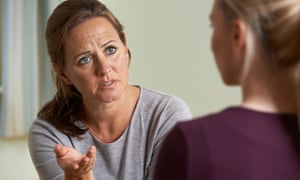
Mature Woman Discussing Problems With Counselor


Talking things out is usually helpful for most things, and this can include mental health issues. Photograph: Highwaystarz-Photography/Getty Images/iStockphoto

My main apprehension about the release though, was that I became increasingly concerned that I’d followed a bad idea through. People are often very reluctant to talk about mental illness, often with what (to them at least) are legitimate reasons. Even if you do talk about it, there are many different takes on how you should do so. Was going further and actually broadcasting it, so anyone in the world could listen, something that could spectacularly backfire?


This concern was compounded when a major interviewee was pulled from the show by their management with a week to go, citing “marketing reasons”. While a perfectly legitimate reason, this showed just how sensitive the issue can be. Also, as this person was, like me, a comedian, a little panic started that I had become blinded by the project and was now committed to doing something vulnerable and revealing yet utterly stupid. Was I wrong to be defiantly charging ahead, waving my own mental health issues about? I’d done six months of work on it that could very well have distracted me from the fact that it was basically crap. I’d done a few interviews with people, interspersed with my own take on it, and dissections of darker parts of my life, and after initially feeling rather liberated by that unapologetic display, was now feeling like I wanted to hide.


It very nearly didn’t get released. Even as I was waiting for iTunes to approve it I was thinking I could make this all go away with a delete button and solitary explanatory tweet.


I managed not to do either.


Dog breed Griffon Bruxellois sits near the laptop headphonesDY75TX Dog breed Griffon Bruxellois sits near the laptop headphones


It’s difficult to find relevant images for a discussion about intangible issues in a purely-audio medium, so here’s a picture of what looks like a dog trying to do a podcast. Photograph: Alamy

Now, some weeks later, I’m being told often that I should be proud of it, but to be honest, I’m still enjoying being simply relieved. It had a decent top five showing in the podcast chart, and a large, positive reaction on social media. Nobody seems arsed that it’s not comedy (although Johnny Vegas’ interview certainly has its moments), and there’s a wave of gratitude for saying some of that stuff out loud.


I honestly never set out to make something that helped people, I didn’t really know what it was when I was making it, but I knew it had to be something that spoke about mental health and wellbeing issues in a relatable and human way, with candour and honesty. A by-product of that has been that it has helped people, and plenty have informed me that being able to relate to myself and the interviewees was kind of educational too, that it has validified (not a word) things that were previously a source of embarrassment or anxiety.


For myself, lest this become a giant metaphorical praise-retweet (you can go to @thementalpod for A LOT of that), there has also been a strong educational element to it; that those apprehensions and concerns that I had, that were inadvertently fed subliminally by whatever assumptions my insecurities were predicting, came very close to persuading me not to release it at all. The fears of perception, of creative or financial failure, of rendering myself either a figure of fun or an untouchable, very nearly silenced the discussion before it had started, and with what I know now, having seen the responses to my most recent work, I’m certain that wouldn’t have been a good thing.


I’m rarely one for being concerned about something damaging whatever I pass off as a career, I’m certainly not cursed with ambition or lust for power, so I’m sort of annoyed with myself for ever worrying about The Mental Podcast in that regard, but what I shall take away from it at this stage, with regards to mental health, is that there’s little valid argument for silence to be taken or encouraged as an option.


Ian Boldsworth is a comedian, writer, podcaster and radio presenter.


The problems of broadcasting mental illness

26 Kasım 2016 Cumartesi

NHS to create specialist centres for childbirth mental health problems

The NHS is set to overhaul services for women who develop mental health problems around childbirth in a bid to ease the suffering caused by postnatal depression and reduce the number of new mothers who kill themselves or their baby.


NHS England is putting £40m into new specialist treatment centres for the one in five women whose pregnancy, birth or experience afterwards triggers serious psychological problems, including anxiety, depression and psychosis.


Claire Murdoch, its national mental health director, said these centres would end a “postcode lottery” in which two in three women currently affected missed out on vital help. While 14,000 new mothers each year received specialised support, the planned expansion of care would enable another 30,000 to do so by March 2021, said Murdoch, a former mental health nurse who also runs the Central and North West London NHS foundation trust in London.


“It’s self-evidently true that the current provision of these services is inadequate. There is a big postcode lottery. Some areas just do not have specialist community perinatal services available,” she added.


The money will be put into new community mental health units solely for women with perinatal mental health problems in 20 parts of England. They will be staffed by consultant psychiatrists specialising in such conditions, nurses with experience in the field, occupational therapists, psychologists and nursery nurses. Each will also run a buddying service in which women who have already experienced childbirth-related mental health problems will support those going through that or at risk of that.


Childbirth-related mental health conditions are estimated to cost the UK £8.1bn a year, or about £10,000 per birth.


Prof Lesley Regan, the president of the Royal College of Obstetricians and Gynaecologists, said: “Around one in five women develop a mental illness during pregnancy or in the first year after delivering their baby, and one quarter of all maternal deaths between six weeks and a year after childbirth are related to mental health problems.


“Despite these alarming figures, in almost half of the UK, pregnant women and new mothers have no access to specialist maternal mental health services and only 3% of [NHS] clinical commissioning groups [in England] have a maternal mental health service strategy,” she added.


The Royal College of Midwives backed the move but said that every maternity unit needed to have a specialist maternal mental health midwife on staff to help women in sometimes desperate need.


“We cannot continue to read the constant reports of the number of women killing themselves because they were not identified earlier and treated or because of the lack of trained staff or as a result of lack of services. It’s heartbreaking and we can do better as a country,” said Janet Fyle, the college’s professional policy advisor.


The NCT, the parenting charity, welcomed the NHS’s “positive plan” but warned that even if all 20 units were set up by 2021 as promised, there will still be “a long way to go” before all mothers who need help get it, said Elizabeth Duff, its senior policy adviser.


“There are nearly 300,000 women in the UK who suffer from mental health problems postnatally or when pregnant each year and the funding aims to reach 30,000 women in 20 areas, so there’s still a long way to go,” she added.


NHS England is also pledging to spend another £120m putting psychiatrists and specialist nurses into A&E units so that patients undergoing a mental health crisis when they turn up at an emergency department get better help.


NHS England plans to introduce new waiting-time standards to ensure that any such patient is seen by a mental health specialist within an hour of their arrival in A&E and also given a plan for their care within four hours.


NHS to create specialist centres for childbirth mental health problems