'risks etiketine sahip kayıtlar gösteriliyor. Tüm kayıtları göster

12 Ekim 2016 Çarşamba

More babies face health risks due to obese parents, experts warn

A growing number of babies worldwide are at risk of brain damage or having a stroke, heart attack or asthma in adulthood because their mother was obese, health experts have warned.


Leading doctors said dangerously overweight mothers were passing on obesity to their children as the result of “a vicious cycle” in which excess weight can seriously affect the health of parents and their offspring.


Four studies published in the Lancet Diabetes and Endocrinology make clear that the risks of maternal obesity include stillbirth, dangerously high blood pressure in pregnant women, diabetes in the mother or child, and complications during childbirth.


The scale of obesity in women of childbearing age and the consequent dangers to health were so great that urgent action was needed to ensure women were a normal weight before they conceived, the authors say.


Mothers being very heavily overweight could lead to their children having autism or attention deficit hyperactivity disorder or developing cancer in later life, the researchers say.


British women have the highest rates of obesity in Europe. One in five women in the UK who became pregnant were already obese, while in England, 26% of 35- to 44-year-old women were obese in 2013, as were 18% of those aged 24-35.


UK obesity rates

Rates are even higher elsewhere. In the United States, 32% of women of peak childbearing age, between 20 and 39, were obese in 2011-12, and 60% of American women were either overweight or obese when they conceived, according to one study.


Prof Lesley Regan, the president of the Royal College of Obstetricians and Gynaecologists, which represents 14,000 doctors working in Britain and worldwide who specialise in childbirth and women’s health, said: “Obesity has reached pandemic proportions globally and its origins start in the womb. In the UK, the prevalence of obesity is over 25% in both women and men. Around one in five pregnant women are obese, increasing their risk of miscarriage, stillbirth and neonatal death as well as gestational diabetes, blood clots, pre-eclampsia, more complicated labours and severe bleeding after the birth.”


The international team of experts behind the studies said they feared that the problem, which is worst in developed countries, would escalate further because one in five (21%) women in the world are projected to be dangerously overweight by 2025.


One of the research papers, which have reviewed hundreds of previous obesity studies, warned: “The long-term effects of maternal obesity could have profound public health implications.” Another concluded that maternal obesity was spreading so fast, especially in western countries, that governments should start treating it as a global public health priority.


One of the research reviews, led by Prof Keith Godfrey of Southampton University, detailed the range of serious health problems that excess maternal weight could have on a child and pointed out that fathers’ weight could also increase the risks.


“Increasing evidence implicates maternal obesity as a major determinant of offspring health during childhood and later adult life,” the review states, adding that it heightened the child’s risk of obesity, coronary heart disease, stroke, type 2 diabetes and asthma. Maternal obesity could also lead to poorer cognitive performance and increased risk of neurodevelopmental disorders, including cerebral palsy.


An unborn child’s brain could be damaged because “obesity in pregnancy is associated with complex neuroendocrine, metabolic, immune and inflammatory changes, which probably affect foetal hormonal exposure and nutrient supply,” Godfrey’s paper explains.


The key lies in “eipgenetic processes by which aspects of parental (both mother’s and father’s) lifestyle can affect the way the baby’s genes operate during development. These can change the person’s responses to the challenges of, for example, living in an ‘obesogenic’ environment,” it adds.


The National Institute for Health and Care Excellence advises women who may become pregnant to eat healthily, exercise for at least 30 minutes a day and try to maintain a healthy weight.


Each obese woman who gave birth in Britain cost the NHS £500 to £1,000 more than a mother of a normal weight, said Prof Rebecca Reynolds, of Edinburgh University.


However, the authors drew few firm conclusions in their search for ways to address and prevent maternal obesity and found limited evidence that specific interventions were effective.


“We know that there are going to be more and more obese people in years to come, so there will be passage of obesity from one generation to the next, even though no parent who is obese wants their child to suffer from it too,” said Prof Mark Hanson, of Southampton University, another co-author.


He recommended that overweight women be given more information and guidance from health professionals before they conceived or after they had given birth to help them lose weight, especially before they had any more children.


Bariatric surgery undertaken before an obese woman conceived could benefit both her and her baby’s health, the authors found, though anyone who has the operation should wait for up to 18 months afterwards before giving birth.


“Women who are overweight when entering pregnancy or who gain excess weight during pregnancy may well establish an inter-generational amplification of the obesity epidemic,” said Dr Tim Lobstein, director of policy at the World Obesity Federation.


“There is international agreement at United Nations level to halt the rising prevalence of obesity and diabetes across the globe. However, turning an ambitious target into practical action is proving elusive.


“There are well-recognised but well-embedded systemic problems to resolve, such as the increasingly commercialised food supply, the dominance of motorised transport, the development of dense and hazardous urban environments, or the enticements of sedentary screen-watching,” he said.


More babies face health risks due to obese parents, experts warn

28 Eylül 2016 Çarşamba

Births led by midwives rather than doctors linked to greater risks – NZ study

The health outcomes for babies born in New Zealand where primary care is led by midwives are significantly worse when compared with care led by doctors, a major new study has found.


New Zealand and the Netherlands are the only two western countries to operate under a midwife-led birthing system. Midwives are the dominant care-giver for four out of five births in New Zealand – from pregnancy through to delivery and post-natal care.


However a new study released today by The University of Otago has found health outcomes for babies cared for by a midwife rather than a GP or obstetrician are significantly worse. The ministry of health said in a statement the results of the study were “unexpected” and required further investigation.


The study examined 244,000 births in New Zealand between the years 2008 to 2012, and found an “unexplained excess of adverse events in midwife-led deliveries in New Zealand where midwives practice autonomously”.


The study found that mothers who had medical-led care had a 55% less chance of the baby suffering oxygen deprivation during the delivery, a 39% less chance of neonatal encephalopath (a condition that can result in brain injury) and a 48% lower chance of having a low Apgar score, which is a measure of infant wellbeing immediately post-delivery, with a low score being indicative of an unwell baby.


Lead researcher Ellie Wernham – a former midwife who is studying to be a doctor – said further study into the reasons for the discrepancies needed to be conducted immediately, and a detailed review should be led by the ministry of health.


“Contributing factors could include high-risk mothers receiving midwife care inappropriately, staffing issues, collaboration issues, the level of training midwives receive and delays in mothers being referred to a medical professional,” she said.


Sweeping health reforms in the early 1990s transitioned New Zealand mothers from medical-led births to midwife-led births. Wernham said the changes were designed to empower women and give them greater autonomy and be subject to less frequent medical intervention, but the “significant changes” had yet to be analytically studied, and a review was overdue.


However, Karen Guilliland, chief executive of The New Zealand College of Midwives, criticised the study, saying it lacked “high evidence” and did not take into account the added challenges midwives often faced with their patients.


“Essentially the study has compared midwife care with obstetrician care. And studies have found midwives are more likely to look after poorer, sicker patients, who may register later, smoke or are Maori or Pacific. If you can afford to have an obstetrician you are not in that demographic.” said Guilliland.


“Most of our maternity hospitals are understaffed and often struggle to provide immediate response when midwives request medical input. This means that often women in labour have to wait to see a specialist causing unacceptable delays for them and their babies. None of our main maternity hospitals have an obstetric consultant on site after hours or weekends which are when the majority of births occur.”


The ministry of health said in a statement that adverse outcomes for births in New Zealand are low, and comparable to countries like Australia and Britain. The statement said the ministry had referred the study to the national maternity monitoring group for advice.


It also said the study did not explore the reasons why higher adverse outcomes were recorder for midwife-led births, but contributing factors could include that women under the care of midwives were more likely to be “younger, overweight, non-European, to have higher deprivation and to smoke”.


Births led by midwives rather than doctors linked to greater risks – NZ study

6 Eylül 2016 Salı

E-cigarette ads may cause children to underestimate smoking risks – study

E-cigarette advertising may be leading children to believe occasional tobacco smoking is not harmful, and is potentially prompting more young people to experiment with smoking, a study has claimed.


Researchers from the University of Cambridge and the University of North Carolina recruited more than 400 English children for the study.


Aged 11 to 16, they had never smoked or vaped before and were randomly allocated to one of three groups. One group was shown 10 adverts that depicted e-cigarettes as glamorous, a second group was shown 10 adverts that portrayed them as healthy, and a third control group was shown no adverts.


The children were then asked a series of questions aimed at determining their attitudes towards smoking and vaping.


Children shown the adverts were no more or less likely than the control group to perceive tobacco smoking as appealing and all three groups understood that smoking more than 10 cigarettes a day was harmful.


However, the groups exposed to the e-cigarette adverts, both healthy and glamorous, were less likely to believe smoking one or two tobacco cigarettes occasionally was harmful.


There is concern that the increasing exposure of children to e-cigarette adverts could be contributing to high rates of experimentation.


In the US, adolescents’ exposure to e-cigarette adverts on TV more than trebled between 2011 and 2013, researchers said.


They added that estimates suggest that, among children who try smoking, between a third and a half of them were likely to become regular smokers within two to three years.


Dr Milica Vasiljevic, from the department of public health and primary care at the University of Cambridge, said: “While we can be optimistic that the adverts don’t seem to make tobacco smoking more appealing to young people, they do appear to make occasional smoking seem less harmful.


“This is worrying, as we know that even occasional tobacco smoking is bad for your health, and young people who smoke occasionally believe they are somehow immune to its effects and do not feel the need to quit.”


The children who were shown adverts depicting e-cigarettes as glamorous also believed vaping to be more prevalent than did the other two groups.


Researchers also highlighted a 2014 study that showed more children aged 11 to 15 experimented with e-cigarettes than tobacco (22% compared with 18%).


Prof Theresa Marteau, director of the behaviour and health research unit and a fellow of Christ’s College at University of Cambridge, said: “E-cigarette marketing across Europe is regulated under the new EU Tobacco Products Directive, which came into effect on 20 May.


“The directive limits the exposure of children to TV and newspaper e-cigarette adverts. However, it does not cover advertising in the form of posters, leaflets, and adverts at point of sale, nor does it cover the content of marketing materials depicting e-cigarettes as glamorous or healthy.


“The findings from our study suggest these omissions could present a threat to the health of children.”


The research, funded by the Department of Health, was published in the journal Tobacco Control.


Deborah Arnott, chief executive of pressure group Action on Smoking and Health (Ash), said: “The most recent survey found the lowest recorded smoking rates among children ever: only 18% of 11- to 15-year-olds had tried smoking in 2014 compared with 42% in 2003.


“It doesn’t look like e-cigarette advertising has had an impact on smoking uptake so far, and from May this year all TV, radio and newspaper advertising has been banned anyway.”


E-cigarette ads may cause children to underestimate smoking risks – study

30 Ağustos 2016 Salı

When it comes to menopausal hormone therapy, women are left guessing at the risks | Margaret McCartney

As a freshly minted doctor in the early 1990s, I attended lectures describing hormone replacement therapy – which is now known, in this context, as MHT, menopausal hormone therapy – as close to a miracle cure-all. Women shouldn’t worry their pretty little heads, it was implied at the time, because doctors knew best – and this treatment would not only make them feel fantastically sexy, but prevent cardiovascular disease and strokes. Promotion, back then, went beyond recommending it for menopausal symptoms. It was the elixir of life, preventing future illness and making women look younger.


Let’s sidestep the sexist and ageist undertones of that era, and fast forward to the publication of the Women’s Health Initiative study in 2002, which found that the treatment increased the risk of breast cancer. For every 10,000 person-years of combination menopausal hormone therapy use (oestrogen plus progesterone), there were seven more heart attacks, eight more strokes, eight more blood clots on the lungs, and eight more invasive breast cancers. In the ensuing years, the amount of menopausal hormone replacement being prescribed fell by half.


In November 2015, the National Institute for Health and Care Excellence (Nice) published new guidance on treating the menopause. In a press release, it suggested that menopausal hormonal treatment was being underprescribed, and GPs needed to prescribe it more. “For the last decade, some GPs have been worried about prescribing HRT, and women worried about taking it …” it wrote. “For health professionals, the guideline should boost their confidence in prescribing HRT, having fully discussed the woman’s individual circumstances with her.”


That seemed pretty clear, but now a new UK study apparently shows that the risks of breast cancer have been underestimated and “nearly tripled” when women were taking hormone treatment for menopause.


So should I still feel confident about prescribing it? Is this a high or a low risk? Is it a risk worth taking? Well, that depends on the patient. There will be women who regard the risks as reasonable because they experience such enormous benefits. Then there are other women who would consider a much smaller risk of serious harm unacceptable. Autonomy rules, and there is no “correct” answer (although I suspect the General Medical Council would be quick to hold doctors to account for what was viewed as reckless prescribing). But to make that autonomy meaningful, we have to be able to make a rational, informed choice. That needs quality data. So what does the latest study tell us?


It’s a prospective, cohort study, which specifically looked for hormone use and age at menopause, which many other studies have not. Just over 39,000 women had their age at menopause documented, and 775 of these developed breast cancer. They found that the women who used combination MHT were more likely to develop breast cancer by a factor of 2.7; this risk dissipated when the women stopped the MHT, but rose the longer it continued.


The NHS offers detailed decision aids for treatments for everything from arthritis to angina – but none on the menopause


We need to put this into context: 2.7 times a small number is still a small number, so you need to know what your risk was to start with. For a woman aged between 50-70, the risk of breast cancer is about 5%. Is an increase to about 13% for the years a woman is taking the hormones worth it? I don’t know. But I am also concerned as to whether this cohort are truly representative of the population at large, because the women who volunteered for this study were not asked to participate randomly, but were recruited through newsletters sent out by a breast cancer charity. They may, therefore, have been more likely to have a family member with breast cancer, or share the same environmental risks as friends with breast cancer, and so faced a higher risk to start with.


I also don’t reliably know how much the change in breast cancer risk is per woman: as one of the authors, Dr Michael Jones, told me: “Our results are internally consistent and we can talk about relative changes, but we cannot make external extrapolations in absolute risk to the whole UK.” In other words, care is needed – and we will need this data to be replicated in other data sets before we can be confident that it applies equally to other women.


Uncertainty is a hallmark of medical decision making. If a woman develops breast cancer while taking MHT, no one can be sure whether it would have happened in any case. We need context. We can’t control our genes, but what other risk factors can we at least partially control? Cancer Research UK says that 9% of breast cancers are linked to obesity, 6% to excess alcohol, and 3% to insufficient physical activity. In context, MHT is linked to 3% of all breast cancers. If this has been underestimated, as the new study claims, by up to 60%, that means that up to 5% of all breast cancers could be linked to MHT. But there are so many ongoing uncertainties that I think pinning it down to the last percentage point makes this look more accurate than it is.


So what do we do in the meantime? GPs are under enormous pressure anyway – each of our appointments is just 10-12 minutes long, with an average of 2.5 problems being discussed, so there’s barely time to make a safe diagnosis, never mind discuss most of the side effects for each possible treatment. There has been a quiet revolution in medicine in the last decade, a realisation that making choices is often hard to do well. There are now a wealth of “shared decision aids” online, based on high-quality evidence and with the emphasis on assisting patients, not dictating “choice”. They work in different ways; some are online or DVD-based, and they usually try and lay out the pros and cons of treatments in a logical way, giving the person enough time and information to make high-quality decsions.


These have been shown to help people make better decisions about treatment choices – and using them before or after GP appointments is a useful way of making oneself surer of healthcare choices.


The NHS has a website devoted to detailed decision aids for treatments for everything from arthritis to angina – but none, so far, on the menopause. Nice does have an information section on its website about the pros and cons of hormone treatment for menopause, but doesn’t provide any numbers about the risks – or define what they mean by “low-risk”, in common with other US decision aids – and while that might be enough information for some women, it’s unlikely to be detailed enough for others.


We need better quality information that doesn’t offer more certainty than we actually have: we are in a new era of medicine, and honesty about the knowns and unknowns, and the limitations of our knowledge is essential. I will continue to prescribe MHT, but when it comes to discussing risks and benefits, I suspect I will be answering many questions with an honest “I don’t know”.


When it comes to menopausal hormone therapy, women are left guessing at the risks | Margaret McCartney

17 Ağustos 2016 Çarşamba

How to think about the risks of mobile phones and Wi-Fi

The US Green party presidential candidate Jill Stein has come under fire for supposedly ‘anti-science’ statements relating to the risks of vaccines, genetically modified crops and electromagnetic fields from Wi-Fi. She said that there were ‘real questions’ about the dangers of vaccines, that GM foods have ‘not been proven safe’ and that ‘more more research is needed’ on the risks of electromagnetic fields.


For many American liberals, who have often feel that science is on their side in an increasingly polarised political war, her statements seem like a betrayal. While she is hardly endorsing a conspiracy, Stein is a Harvard-trained doctor and she is expected to know that these things are pretty safe.


As with climate change, it is tempting to claim that the science is certain, the evidence is clear and the debate should move on. Things are rarely so black-and-white. In politics, the facts don’t speak for themselves, so it falls to experts to make sense of the shades of grey.


Experts have been having a tough time recently. Among the casualties of the Brexit campaign was the status of experts and their hard-won evidence. Michael Gove’s response to elite institutions’ predictions of economic calamity was that ‘we’ve had enough of experts’. Much to the frustration of the Remain camp, the Leavers showed little interest in who knows what. For them, it was about who was in control. In the US, Donald Trump’s ascendancy has led some to conclude that we are now in an era of ‘post-truth’ politics. (We shouldn’t ignore the irony that many fans of conspiracy theories label themselves ‘Truthers’).


So what should experts do? How can governments make good decisions when any scientific claim is likely to be torn to shreds?


Take electromagnetic fields (EMFs). We are surrounded by them. They are invisibly emitted across a range of frequencies by overhead power lines, microwave ovens and mobile phones as well as Wi-Fi routers. Scientists have known for decades that high-frequency EMFs like ultraviolet light can cause cancer. And they also know that powerful, low-frequency EMFs can cause health problems by heating up wet body tissue, which is how microwaves cook food. These well-known mechanisms provide the basis both for the regulation of new technologies and for advice that we should wear sun cream to prevent skin cancer and limit our exposure to X-rays. However, there are also some unknowns, some hints that long-term exposure to low-power EMFs may cause trouble. When these uncertainties are aired in public, scientists and campaigners have in the past been accused of scaremongering. Earlier this year, the Australian broadcaster ABC was seen by some as irresponsible for its broadcasting of a clumsy documentary on EMF risk called ‘Wi-Fried’.


In 2000, however, scientific uncertainty was seen as sufficiently troubling to justify a new approach to the regulation of mobile phones in the UK. In a new paper, I revisit the controversy over mobile phone risks and conclude that it provides a useful model for how experts should deal with complex issues.


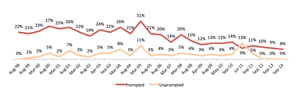
Some readers may remember that, around the turn of millennium, the health scare over mobile phone EMFs was front-page news. More than a decade later, worries have largely abated. A YouGov survey in 2013 measured public concern about mobiles among the population at 9%, down from 27% in 2000. Over the same period, mobile phone ownership went up from 50% of the population to almost 100%.


Percentage mentioning handsets/masts as a concern


Base: All GB adults (2,164) P10Q1: What, if any, health-related dangers concern you most nowadays? Please type in the box below. P15Q1: And which other health-related dangers are you also seriously concerned about?


Base: All GB adults (2,164) P10Q1: What, if any, health-related dangers concern you most nowadays? Please type in the box below. P15Q1: And which other health-related dangers are you also seriously concerned about?

The science of mobile phone risks has not advanced substantially. New studies continue to raise questions. Advisory bodies continue to draw attention to troubling epidemiological data, criticising industry bodies for their ‘inertia’. In 2011, the International Agency for Research on Cancer classified mobile phone EMFs as a ‘possible human carcinogen’ (placing them alongside bacon and almost every other enjoyable food). Officially, the jury is still out of the risks of EMFs, and most of us seem to be OK with that.


In 1999, an expert committee was established to deal with a rash of headlines about mobile phone dangers. A few people had blamed their brain tumours on their new mobile phones. Some who claimed to be ‘electrosensitive’ argued that mobile phones were making them dizzy or ill (an extreme version of this is the subject of this brilliant Guardian film). Local communities were becoming more vociferous in their opposition to mobile phone masts that were springing up around them. Licences for third generation mobile phone bandwidth had just been auctioned, giving the Government a £22 billion windfall.


The response to public concerns had until this point been to reassure people that all technologies complied with guidelines that were based on the scientific fact of the heating effects of microwaves. As long as phones and phone masts were legal, they were therefore safe. As one regulatory spokesperson put it, “If it doesn’t heat you, then it doesn’t harm you”. End of conversation. Many concerned citizens were not satisfied by this response. They asked why the regulators appeared to be ignoring suggestions of so-called ‘non-thermal effects. They asked why long-term exposures hadn’t been investigated. They asked whether some groups may be less safe than others.


Experts were no longer answering the questions that were being asked of them. The Independent Expert Group on Mobile Phones was created to fill the credibility gap. It was chaired by Professor Sir William Stewart, who had been the government’s Chief Scientific Adviser at the tail end of the Mad Cow Disease (BSE) outbreak. This crisis had shaped Stewart’s response to the mobile phones controversy. He told a parliamentary committee that, after BSE, ‘Never again will any scientific committee say that there is no risk.’ His group took seriously the uncertainties surrounding mobile phone risks and saw people’s concerns as legitimate ones. He recommended that children should be advised not to use mobile phones, that phones should carry labels with their Specific Absorption Rates (a measure of how much energy is absorbed by body tissue over a certain time) and that mobile phone networks should be more careful with how they place their masts. He demanded that industry and government fund more research to fill gaps in knowledge on things like electrosensitivity. Following the Stewart report in 2000, the UK officially became more uncertain about the risks of EMFs.


Expert groups are often relied upon by politicians to tidy up the facts on contentious issues. It rarely works. People don’t like being patronised with easy answers where there are none to find. With mobile phones, a group of experts took a different approach. They instead admitted that there are uncertainties and trusted in citizens’ ability to navigate them. When it comes to climate change, Wi-Fi, GM crops, vaccines and mobile phones, there will always be scientific grey areas. If experts want to regain their credibility, they urgently need to find ways to talk about them.


This post is based on a new paper, ‘Scientific Advice on the Move’, published as part of a special issue of Palgrave Communications.


How to think about the risks of mobile phones and Wi-Fi

28 Ocak 2015 Çarşamba

Overall health risks of contraceptive pill raised at inquest into DVT death of Petra Zele

A West Australian coroner has raised considerations about the chance posed by some oral contraceptives in an inquest into the death of a 28-12 months-old lady who collapsed with a blood clot at Fremantle hospital in 2010.


The coroner Sarah Linton discovered it was likely the pill, combined with an obvious genetic predisposition to deep vein thrombosis (DVT), put Petra Zele at increased chance of having the pulmonary embolism that killed her.


Zele died on 1 June 2010, four days right after collapsing in the hospital’s emergency department. She had been taking the contraceptive pill Yasmin given that the prior November.


The doctor who attended Zele when she 1st went to the emergency department of Fremantle hospital, on 9 May, did not know she was taking the pill.


In findings handed down this month, Linton said the box on Zele’s triage type listing any medications she was taking was marked “nil”, and neither the nurses who attended Zele nor the emergency department medical doctor exclusively asked her if she was on the contraceptive pill.


“Simply taking the oral contraceptive pill elevated the deceased’s chance of building venous thrombosis,” Linton explained.


Studies linking oral contraceptive pills containing drospirenone to a higher chance of DVT prompted the Therapeutic Products Administration to situation an advisory on 6 July 2011.


The only contraceptive pills containing drospirenone offered in Australia are Yasmin and Yaz.


The inquest heard that women taking Yasmin have been six.3 times a lot more likely to create a pulmonary embolism than girls not on any kind of medicine. Contraceptives using a distinct type of progesterone improved the threat of DVT by three.6 instances.


“For the ordinary youthful girl with no chance aspects other than becoming prescribed the oral contraceptive pill, that risk is usually deemed to be quite reduced,” Linton explained.


But for females like Zele, who took the contraceptive pill and had a genetic predisposition to DVT, the threat was 30 instances better.


Linton said the emergency department also appeared to have either misplaced or failed to appropriately label the transfer of an echocardiogram taken of Zele on 9 Might.


Alternatively Zele was diagnosed with muscle discomfort and offered some ibuprofen.


The notes of Dr Susan Hinsley, the emergency department doctor who noticed Zele on that day, said “No PE risks”. Hinsley advised the inquest that meant no pulmonary embolism hazards.


Hinsley has since been taken prior to the Australian Overall health Practitioner Regulation Company and found to have provided an “unsatisfactory specialist performance” in this situation, but no disciplinary action was taken.


On 27 May possibly Zele went to her GP complaining of chest pains and shortness of breath. The subsequent day her father drove her to Fremantle hospital soon after she suffered from chest pains so extreme she struggled to breathe. She collapsed on the way to hospital and was revived soon after 58 minutes of CPR, just before becoming transferred to the intensive care unit.


On 31 Could medical doctors declared her brain dead and the up coming day her ventilator was switched off, at her family’s request.


Linton said that had the proper diagnosis been manufactured when Zele 1st went to the hospital, she would not have collapsed 3 weeks later.


She advised all GPs must advise sufferers every time they filled a new script for the contraceptive pill that they ought to declare it when asked if they were taking any medicine or asked to supply a healthcare historical past.


Overall health risks of contraceptive pill raised at inquest into DVT death of Petra Zele

10 Haziran 2014 Salı

New NHS statins guidance "risks harming patients"

Good will publish its final suggestions following month, soon after a public consultation. In February it announced its plans to cut the “risk threshold” for statins in half — which means that the vast majority of men aged above 50 and most girls over the age of 60 are most likely to be advised to get the drugs to guard towards strokes and heart illness.


Experts mentioned the adjustments would suggest that the quantity of sufferers advised to take cholesterol-lowering medication was likely to rise from seven million to 12 million, leaving 1 in 4 grownups on the medicine.


Good says the advice will prevent several individuals from getting to be ill and dying prematurely.


By contrast, current academic papers have questioned the widespread use of statins, claiming that they lead to hazardous side effects and do not cut death rates — even though the authors of two such articles or blog posts in the British Health-related Journal have given that withdrawn statements right after some figures they cited were located to be incorrect.


In their letter to Mr Hunt and Good, 9 physicians and academics warn that the tips will consequence in the “medicalisation of five million wholesome individuals”.


They phone on Great to shelve the proposals until finally independent specialists have been permitted to examine the information on which they have been based mostly.


“The potential consequences of not undertaking so are worrying: harm to several sufferers over numerous many years, and the loss of public and expert faith in Nice as an independent assessor,” they write.


“Public interests want often to be place prior to other interests, notably pharma.”


The physicians and academics highlight a series of concerns that they say need to consequence in publication of the guidance getting delayed.


Led by Sir Richard Thompson, the president of the Royal School of Doctors, they accuse Nice of relying on “hidden data” to reach its conclusions, arguing that crucial research have not been open to scrutiny. Almost all the investigation was funded by pharmaceutical companies and must be “open to examination by a third get together with appropriate expertise”, they compose. The physicians, who also include Prof Clare Gerada, a former chairman of the Royal School of General Practitioners, and Prof David Haslam, the chairman of the Nationwide Weight problems Forum, additional that they were “seriously concerned” that eight members of the Guideline Advancement Group had “direct fiscal ties to the pharmaceutical organizations that manufacture statins”.


The eight members highlighted by the signatories incorporated Dr Anthony Wierzbicki, the chairman of the panel, who declared involvement in a amount of business clinical trials of new cholesterol-reducing drugs. The medical professionals also drew attention to Emma McGowan, a expert heart nurse who held a post sponsored by AstraZeneca for a yr and has been paid by Amgen, one more firm, to operate on studies. Dr Dermot Neely, the head of the clinical biochemistry department at Newcastle University and another member of the panel, has received funding from Roche Pharma, Genzyme, Aegerion, Amgen and Sanofi for taking element in “one-off advisory boards”. All of the back links to pharmaceutical firms have been declared to Wonderful at the time that the panel was getting ready guidance. The watchdog mentioned in every case the involvement was “judged not to be distinct enough to warrant withdrawal”.


A spokesman for Nice stated: “The conflicts of interest declared by committee members involved in generating this guideline have been managed appropriately. They have not influenced in any way the draft suggestions on the use of statins.”


Responding to the letter, Prof Mark Baker, the director of the centre for clinical practice at Good, said: “The independent committee of authorities found that if a patient and their medical professional measure the danger and choose statins are the proper option, the proof clearly exhibits there is no credible argument towards their safety and clinical effectiveness.”


New NHS statins guidance "risks harming patients"

13 Nisan 2014 Pazar

Staying slim for the duration of pregnancy "risks obese children"


Ladies who really do not put on adequate weight whilst they are pregnant could boost their odds of raising an obese child, a review has recommended.


The US examine identified that a child whose mother’s fat in pregnancy was either above or below the advisable degree was at biggest chance of weight problems.


Researchers who examined the health-related information of mothers and young children in California identified that amid all ladies who gained more than the suggested excess weight throughout pregnancy, twenty.4 per cent of their kids were obese or obese, compared with 19.5 per cent among ladies who gained less than recommended excess weight.


For females who acquired weight within the suggestions, the figure was 14.five per cent in in accordance to the findings published in the American Journal of Obstetrics and Gynecology.


In Britain, there is no officially advisable bodyweight gain, but the NHS says a mom can expect to put on 22lb-26lb.


Senior investigator Medical doctor Monique Hedderson, of Kaiser Permanente Division of Study in California, mentioned: “The association we found amongst typical weight females who acquired too considerably or too minor bodyweight for the duration of pregnancy suggests that this may possibly have an influence on the youngster independent of genetic elements.”


The study’s lead writer Sneha Sridhar, said: “Gaining both too small or as well significantly excess weight in pregnancy may completely impact mechanisms that control vitality stability and metabolism.


“This could have extended-term effects on the child’s growth and fat.”


Staying slim for the duration of pregnancy "risks obese children"

8 Nisan 2014 Salı

Gay males warned on risks of "chemsex" | Denis Campbell

‘There has been a change in gay cultural, social and sexual networks.’ Photograph: Dosfotos/PYMCA/Rex


Gay men are struggling serious harm and are in danger of spreading HIV by having unprotected sex whilst underneath the influence of unlawful drugs, the 1st British examine into the expanding popularity of “chemsex” has uncovered.


Guys who use substances this kind of as crystal meth whilst getting intercourse are at threat of overdosing, being hospitalised, shedding consciousness, possessing panic attacks or convulsions, serious psychological wellness issues and sexual assault, according to analysis performed between 1 of the country’s biggest gay populations.


3-quarters of people interviewed had participated in reckless sexual behaviour although higher on medication, which ran the risk of fuelling the presently rising rates of HIV and sexually transmitted infections (STIs) amid guys who have sex with men (MSM).


The worrying findings are contained in the Chemsex report, commissioned from the London College of Hygiene and Tropical Medicine (LSHTM) by the south London boroughs of Lambeth, Southwark and Lewisham.


Though the research involved in-depth interviews with just 30 males concerned in chemsex, the fact that three out of 4 of them had engaged in sex with a high threat of passing on HIV or an additional STI has caused concern. 3 had been sexually assaulted right after passing out, and two other folks had noticed that happening or heard of it happening from pals.


Paul Steinberg, Lambeth’s HIV prevention and sexual wellness commissioning manager, mentioned that the trend in direction of chemsex is getting facilitated by a “best storm” of cheap, very easily available drugs, a burgeoning number of social and sexual networking apps and websites that enable guys to organize to meet for intercourse at private parties.


“There has been a change in gay cultural, social and sexual networks. In the 1980s and 1990s gay males would meet in vehicles, clubs and neighborhood centres. But with the rise of the web and social media apps, there has been a shift towards a technology- and home-primarily based cultural scene”, says Steinberg.


Adam Bourne, the LSHTM academic who led the investigation, says: “A vulnerable section of society is making use of new drugs in new ways that are putting them at critical danger.”


The report identified that the 3 most typically used medicines in chemsex were crystal methamphetamine, GHB/GBL and mephedrone, although some utilized cocaine and ketamine as well.


“They let you to have sex for considerably longer, which may imply you select to have sex with a lot more folks in that time. From an HIV transmission and STI transmission point of see, getting sex for longer and with far more partners signifies there’s a larger likelihood of transmission, since of skin harm on and about the sexual organs, notably if it’s condomless sex, which is typically a function of chemsex”, explains Bourne.


Far more than a quarter of individuals interviewed, all of whom had been among the 13 participants who were HIV good, had made the decision to have unprotected sex with men they believed were the same status. Worryingly, the report added: “Nearly a third of guys located it difficult to control their behaviour although underneath the influence of medication and engaged in HIV/STI transmission chance behaviour, which they subsequently regretted. These had been typically males who had pre-existing problems negotiating safer intercourse, which have been exacerbated by the presence of medication.”


In 2012, the three councils commissioned the community providers arm of nearby Guy’s and St Thomas’s NHS believe in to set up a wholesome gay enterprise and local community initiative. It includes an inspection regime for the 15 gay clubs and three saunas in the boroughs – a voluntary code of carry out, in impact. Council licensing officers, GPs, hospital medical doctors and gay men’s sexual overall health charities are involved, as is Public Wellness England (PHE). The subsequent stage is to begin talking to individuals behind the apps and websites promoting casual intercourse. But no one pretends there are easy solutions.


“Specialised sexual overall health solutions are the ideal location to help males who have sex with men and other people who are often taking these substantial hazards,” says Jan Clarke, the president of the British Association for Sexual Overall health and HIV.


The new Chemsex report is helping to shape two forthcoming essential paperwork: the three boroughs’ HIV and sexual health technique 2014-17 for their 25,000-thirty,000 gay residents, and PHE’s nationwide framework for enhancing the well being of MSM.


Gay males warned on risks of "chemsex" | Denis Campbell

22 Şubat 2014 Cumartesi

"Hacking" might reveal personalized well being risks


The science could mean that highly private data, such as a person’s risk of creating Parkinson’s, Alzheimer’s or muscular dystrophy could be identified, even if they do not know it themselves.


In 2012, David Cameron announced that a hundred,000 individuals in England would have their genome sequenced, in the 1st stage of a public health programme which, the Government hopes, could revolutionise treatment options.


But there have been expanding considerations that databases could be hacked and data made public, breaching privacy and even harming employability and insurability.


Earlier this week, the roll-out of an NHS care database was halted for six months following chance analysts stated it could undermine patient confidentiality.


Yaniv Erlich, a geneticist and former hacker, identified that it was possible to find a person’s surname by hunting at their genome and evaluating it with on the internet genealogy databases.


But he does not believe his benefits must dissuade people from allowing their genetic data to be utilized.


“Genetic information is very important for biomedical investigation. We cannot provide the guarantee of personalised medication without processing such info,” he said. “We want to communicate the benefits and the hazards of genetic analysis to participants in a transparent way.”


"Hacking" might reveal personalized well being risks