Starting your day with lukewarm lemon water is one of the best things you can do for your body. Lemons are loaded with vitamin C, B, calcium, iron, magnesium, potassium, enzymes, antioxidants, and fibers. Next to adding a host of healthy nutrients, it also kick-starts digestion, boosts the immune system, fights inflammation, and hydrates and energizes the body.
For more info, read: 15 Reasons You Should Be Drinking Lemon Water Every Morning
To make this healthy morning habit even better, I recently started to add turmeric too. In addition to getting the amazing benefits of lukewarm lemon water, turmeric will turn it into a nutrient-dense, cleansing energy bomb to fly through your day.
What turmeric-lemon water can do for you:
Boost anti-inflammatory properties of lemon water. Curcumin, or turmeric’s active compound, is a potent anti-inflammatory compound which matches the effectiveness of many over-the-counter anti-inflammatory drugs.
Improve brain power. Lemons are an excellent source of brain-boosting potassium and magnesium, while turmeric has been found to reduce the risk of cognitive disorders such as dementia and Alzheimer’s.
Antioxidant activity. Both lemon and turmeric possess strong antioxidant activity to keep your skin in perfect condition and keep tumors at bay.
Improve digestion. Eating or drinking turmeric on a daily basis stimulates the gallbladder, reduces bloating and gas, and prevents inflammation of the digestive tract, while lemon juice helps to loosen and flush out toxins from the digestive system.
Heart-friendly. Curcumin reduces LDL (or bad) cholesterol, prevents blood clotting, and removes plaque build-ups in the arteries.
Weight-loss aid. Lemons stoke the metabolic fire, which helps you to burn more calories from the food you eat.
Cleansing properties. Lemons and turmeric stimulate your liver to produce more enzymes. It enables the liver to work more efficiently in eliminating toxins and waste materials.
Turmeric-lemon water recipe
1 glass lukewarm water (nut milk works too)
¼ teaspoon turmeric powder
Juice of ½ lemon (or 1 lime)
Pinch of black pepper (to increases turmeric’s bioavailability)
Honey or maple syrup to taste (optional)
A pinch of cinnamon (optional: for extra anti-diabetic effect)
Add lemon juice, black pepper, turmeric, honey, and cinnamon to a glass of lukewarm water. Drink first thing in the morning on an empty stomach for the best energizing effect. Stir constantly while drinking to avoid all turmeric to sink to the bottom of the glass.
If you enjoyed reading this post, don’t forget to connect with me on Facebook or Google+ or download my FREE Book “Amy’s Home Kitchen”, packed with my family’s favorite healthy, clean and delicious recipes.
Looking for a way to live a healthy lifestyle while eating delicious, colorful meals and losing or maintaining weight the healthy way? Click here for more info
Amy is a life and food lover, certified biologist, and holistic health coach. She is the founder of the healthy lifestyle website www.Body-in-Balance.org and creator of the online program, www.ThinForever.me. After successfully changing her family’s health and happiness, she’s on a mission to help other people achieve the life and body they want. You can find here on Facebook or Google+ or get her free clean, whole food recipe eBook here: http://www.body-in-balance.org/amys-home-kitchen-recipe-book/
Maybe it’s not your favorite food, but celery is one of the healthiest vegetables. If you didn’t eat it often because of its taste, start eating it by combining with other vegetables, it will become more pleasant for eating, and you will get tons of health benefits from this green vegetable.
Eat a stalk of celery everyday, you will notice the difference:
1. You’ll find out that losing weight is not so hard
Celery is a valuable food that is super low in calories, high in fiber and packed with vital nutrients to boost your metabolism and aid in weight loss.
2. Your digestion is also improved
Celery has a great benefit to the digestive tract. It contains a good amount of fiber, cleans the gastrointestinal tract and also prevents constipation.
3. Say goodbye to the inflammatory diseases
Inflammation results in many chronic diseases such as arthritis, heart disease, and even cancer. Celery is rich in antioxidants and polysaccharides that have anti-inflammatory properties to lower inflammation.
4. An alkaline environment makes you healthier
Celery helps balance acid in your body to prevent diseases. Know More About Why You Should Be Alkalinized and Top 50 Alkaline Foods to Balance Your Body Naturally
5. You’ll have lower risk of high blood pressure
Phthalides in celery have been proven to lower high blood pressure by relaxing the muscles around the arteries. The seeds of celery also have anti-hypertensive properties that help moderate blood pressure.
6. A fact that you should know is: two stalks of celery per day will reduce the bad cholesterol by up to 7%
This property of celery makes it a good vegetable to maintain and improve heart health.
7. Your eyes are under protection
The high amounts of vitamin A make celery good at improve your eye health and prevent age-related eye disease.
8. Without stress, you’ll sleep better
A cup of celery juice before bedtime helps you sleep well as celery has a calming effect on the nervous system. While you have to take it on a daily basis over some days to see the result.
9. Less chances you’ll get cancer
Celery has anti-cancer properties as it contains chemo-protective compounds called polyacetylenes, which help fight against the cancer formation, such as intestinal and breast cancer.
10. You’ll have stronger bones
A good amount of calcium and phosphorus in celery are important for building strong bones.
11. It keeps bad breath at bay
Both celery and celery seeds contain compounds that kill bacteria that cause bad breath. Celery also contains other antibacterial agents that help prevent infections.
In the mass of protesters thronging the National Mall in Washington DC on Saturday, one sign stood out to me. It was a wire close hanger mounted on cardboard, held by a young woman of color in pigtails. “Never again,” it read.
As it turns out, for poor women overseas, never was only as far away as Monday.
Donald Trump used his first full day as president to reinstate a Reagan-era executive order that will have a devastating impact on those with the fewest resources: women and girls in impoverished parts of the word. The order, best known as the “global gag rule,” will strip funding from any international NGO that provides abortions services, or even discusses abortion with patients seeking educational materials or referrals.
Study upon study has shown eliminating access to abortion services doesn’t eliminate abortions, it just forces women underground into dangerous situations.
What is the ‘global gag rule’, and why does Trump support it?
For a guy who has been billed as a populist, it’s perhaps surprising that having roughly half a million people – three times the number that attended his inauguration – flood the streets of Washington has done nothing to alter his policy.
It did, however, do something else: it hurt the president’s feelings.
Trump’s defining qualities as a child, according to multiple biographers I spoke with, is that of a schoolyard bully. And it’s the rare thing about him that hasn’t changed. That’s why the fact that he dedicated one of his first acts in office to undermining the rights of women seems to me like something close to tit for tat.
Because Trump has been outspoken with regard to the other executive orders he signed off on Monday – instituting a federal hiring freeze, and withdrawing from the Trans-Pacific Partnership. But he hasn’t made a point of talking about abortion access unless asked. While it’s true executive’s implementation of the “global gag rule” has historically been reversed as soon as the opposite party takes over the White House, previous proponents – Ronald Reagan and George W Bush – ran on platforms of social conservatism. Trump was less easy to pin down. As he told Howard Stern of his stance on abortion in 2013: “it’s never been my big issue.”
Trump seemed to have outsourced the question to his running mate Mike Pence, a staunch anti-abortion advocate whose selection by Trump was widely seen as a peace offering to evangelical voters alienated by Trump’s lifestyle. The peace offering worked and Trump won evangelicals in a landslide.
But illusions Trump would, as he put it in a fleeting election night gesture, “be the president of everybody,” just went out the window. “The president, it’s no secret, has made it very clear he’s a pro-life president,” his spokesman Sean Spicer said in the first White House press briefing. “He wants to stand up for all Americans including the unborn.”
It’s quite the way to describe the gutting of a policy that’s spared an estimated 289,000 women from pregnancy- or childbirth-related deaths, according to the World Health Organization.
And it’s not just about abortion. Service providers denied funding under the gag rule could be stripped of the ability to carry out even the most basic women’s healthcare, as global family planning group Population Action International (PAI) has previously reported, resulting in the collapse of entire healthcare networks. WHO estimates 21 million unsafe abortions are performed globally each year, resulting in nearly 13% of all maternal deaths globally. And Marie Stopes International, a major global family planning advocacy group, estimates the loss of its services alone could mean 6.5 million unintended pregnancies, 2.1 million unsafe abortions, and 21,700 maternal deaths in Trump’s first term alone.
PAI puts it even starker terms: “The only goal the policy will achieve is to punish women in already challenging circumstances by blocking access to essential care.”
If Trump’s desire to “punish” women sounds familiar, that’s because, well, it should. In March of last year he said those seeking abortions should endure “some form of punishment” for doing so. And while yes, he walked back his tone-deaf statement in the explosive political aftermath, his actions Monday spoke louder than words.
Comfortably seated in the fertility clinic with Vivaldi playing softly in the background, you and your partner are brought coffee and a folder. Inside the folder is an embryo menu. Each embryo has a description, something like this:
Embryo 78 – male • No serious early onset diseases, but a carrier for phenylketonuria (a metabolic malfunction that can cause behavioural and mental disorders. Carriers just have one copy of the gene, so don’t get the condition themselves). • Higher than average risk of type 2 diabetes and colon cancer. • Lower than average risk of asthma and autism. • Dark eyes, light brown hair, male pattern baldness. • 40% chance of coming in the top half in SAT tests.
There are 200 of these embryos to choose from, all made by in vitro fertilisation (IVF) from you and your partner’s eggs and sperm. So, over to you. Which will you choose?
If there’s any kind of future for “designer babies”, it might look something like this. It’s a long way from the image conjured up when artificial conception, and perhaps even artificial gestation, were first mooted as a serious scientific possibility. Inspired by predictions about the future of reproductive technology by the biologists JBS Haldane and Julian Huxley in the 1920s, Huxley’s brother Aldous wrote a satirical novel about it.
That book was, of course, Brave New World, published in 1932. Set in the year 2540, it describes a society whose population is grown in vats in an impersonal central hatchery, graded into five tiers of different intelligence by chemical treatment of the embryos. There are no parents as such – families are considered obscene. Instead, the gestating fetuses and babies are tended by workers in white overalls, “their hands gloved with a pale corpse‑coloured rubber”, under white, dead lights.
Brave New World has become the inevitable reference point for all media discussion of new advances in reproductive technology. Whether it’s Newsweek reporting in 1978 on the birth of Louise Brown, the first “test-tube baby” (the inaccurate phrase speaks volumes) as a “cry round the brave new world”, or the New York Times announcing “The brave new world of three-parent IVF” in 2014, the message is that we are heading towards Huxley’s hatchery with its racks of tailor-made babies in their “numbered test tubes”.
The spectre of a harsh, impersonal and authoritarian dystopia always looms in these discussions of reproductive control and selection. Novelist Kazuo Ishiguro, whose 2005 novel, Never Let Me Go, described children produced and reared as organ donors, last month warned that thanks to advances in gene editing, “we’re coming close to the point where we can, objectively in some sense, create people who are superior to others”.
But the prospect of genetic portraits of IVF embryos paints a rather different picture. If it happens at all, the aim will be not to engineer societies but to attract consumers. Should we allow that? Even if we do, would a list of dozens or even hundreds of embryos with diverse yet sketchy genetic endowments be of any use to anyone?
I don’t think we are going to see superman or a split in the species any time soon, because we just don’t know enough
The shadow of Frankenstein’s monster haunted the fraught discussion of IVF in the 1970s and 80s, and the misleading term “three-parent baby” to refer to embryos made by the technique of mitochondrial transfer – moving healthy versions of the energy-generating cell compartments called mitochondria from a donor cell to an egg with faulty, potentially fatal versions – insinuates that there must be something “unnatural” about the procedure.
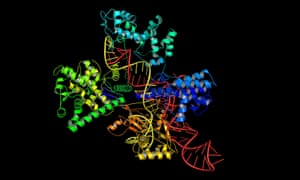
Every new advance puts a fresh spark of life into Huxley’s monstrous vision. Ishiguro’s dire forecast was spurred by the gene-editing method called Crispr-Cas9, developed in 2012, which uses natural enzymes to target and snip genes with pinpoint accuracy. Thanks to Crispr-Cas9, it seems likely that gene therapies – eliminating mutant genes that cause some severe, mostly very rare diseases – might finally bear fruit, if they can be shown to be safe for human use. Clinical trials are now under way.
But modified babies? Crispr-Cas9 has already been used to genetically modify (nonviable) human embryos in China, to see if it is possible in principle – the results were mixed. And Kathy Niakan of the Francis Crick Institute in the UK has been granted a licence by the Human Fertilisation and Embryology Authority (HFEA) to use Crispr-Cas9 on embryos a few days old to find out more about problems in these early stages of development that can lead to miscarriage and other reproductive problems.
Most countries have not yet legislated on genetic modification in human reproduction, but of those that have, all have banned it. The idea of using Crispr-Cas9 for human reproduction is largely rejected in principle by the medical research community. A team of scientists warned in Nature less than two years ago that genetic manipulation of the germ line (sperm and egg cells) by methods like Crispr-Cas9, even if focused initially on improving health, “could start us down a path towards non-therapeutic genetic enhancement”.
Besides, there seems to be little need for gene editing in reproduction. It would be a difficult, expensive and uncertain way to achieve what can mostly be achieved already in other ways, particularly by just selecting an embryo that has or lacks the gene in question. “Almost everything you can accomplish by gene editing, you can accomplish by embryo selection,” says bioethicist Henry Greely of Stanford University in California.
Because of unknown health risks and widespread public distrust of gene editing, bioethicist Ronald Green of Dartmouth College in New Hampshire says he does not foresee widespread use of Crispr-Cas9 in the next two decades, even for the prevention of genetic disease, let alone for designer babies. However, Green does see gene editing appearing on the menu eventually, and perhaps not just for medical therapies. “It is unavoidably in our future,” he says, “and I believe that it will become one of the central foci of our social debates later in this century and in the century beyond.” He warns that this might be accompanied by “serious errors and health problems as unknown genetic side effects in ‘edited’ children and populations begin to manifest themselves”.
For now, though, if there’s going to be anything even vaguely resembling the popular designer-baby fantasy, Greely says it will come from embryo selection, not genetic manipulation. Embryos produced by IVF will be genetically screened – parts or all of their DNA will be read to deduce which gene variants they carry – and the prospective parents will be able to choose which embryos to implant in the hope of achieving a pregnancy. Greely foresees that new methods of harvesting or producing human eggs, along with advances in preimplantation genetic diagnosis (PGD) of IVF embryos, will make selection much more viable and appealing, and thus more common, in 20 years’ time.
PGD is already used by couples who know that they carry genes for specific inherited diseases so that they can identify embryos that do not have those genes. The testing, generally on three- to five-day-old embryos, is conducted in around 5% of IVF cycles in the US. In the UK it is performed under licence from the HFEA, which permits screening for around 250 diseases including thalassemia, early-onset Alzheimer’s and cystic fibrosis.
As a way of “designing” your baby, PGD is currently unattractive. “Egg harvesting is unpleasant and risky and doesn’t give you that many eggs,” says Greely, and the success rate for implanted embryos is still typically about one in three. But that will change, he says, thanks to developments that will make human eggs much more abundant and conveniently available, coupled to the possibility of screening their genomes quickly and cheaply.
Carey Mulligan, Keira Knightley and Andrew Garfield in the 2010 film adaptation of Kazuo Ishiguro’s Never Let Me Go, in which clones are produced to provide spare organs for their originals. Photograph: 20th Century Fox/Everett/Rex
Advances in methods for reading the genetic code recorded in our chromosomes are going to make it a routine possibility for every one of us – certainly, every newborn child – to have our genes sequenced. “In the next 10 years or so, the chances are that many people in rich countries will have large chunks of their genetic information in their electronic medical records,” says Greely.
But using genetic data to predict what kind of person an embryo would become is far more complicated than is often implied. Seeking to justify unquestionably important research on the genetic basis of human health, researchers haven’t done much to dispel simplistic ideas about how genes make us. Talk of “IQ genes”, “gay genes” and “musical genes” has led to a widespread perception that there is a straightforward one-to-one relationship between our genes and our traits. In general, it’s anything but.
There are thousands of mostly rare and nasty genetic diseases that can be pinpointed to a specific gene mutation. Most more common diseases or medical predispositions – for example, diabetes, heart disease or certain types of cancer – are linked to several or even many genes, can’t be predicted with any certainty, and depend also on environmental factors such as diet.
When it comes to more complex things like personality and intelligence, we know very little. Even if they are strongly inheritable – it’s estimated that up to 80% of intelligence, as measured by IQ, is inherited – we don’t know much at all about which genes are involved, and not for want of looking.
At best, Greely says, PGD might tell a prospective parent things like “there’s a 60% chance of this child getting in the top half at school, or a 13% chance of being in the top 10%”. That’s not much use.
We might do better for “cosmetic” traits such as hair or eye colour. Even these “turn out to be more complicated than a lot of people thought,” Greely says, but as the number of people whose genomes have been sequenced increases, the predictive ability will improve substantially.
Ewan Birney, director of the European Bioinformatics Institute near Cambridge, points out that, even if other countries don’t choose to constrain and regulate PGD in the way the HFEA does in the UK, it will be very far from a crystal ball.
Nearly anything you can measure for humans, he says, can be studied through genetics, and analysing the statistics for huge numbers of people often reveals some genetic component. But that information “is not very predictive on an individual basis,” says Birney. “I’ve had my genome sequenced on the cheap, and it doesn’t tell me very much. We’ve got to get away from the idea that your DNA is your destiny.”
If the genetic basis of attributes like intelligence and musicality is too thinly spread and unclear to make selection practical, then tweaking by genetic manipulation certainly seems off the menu too. “I don’t think we are going to see superman or a split in the species any time soon,” says Greely, “because we just don’t know enough and are unlikely to for a long time – or maybe for ever.”
If this is all “designer babies” could mean even in principle – freedom from some specific but rare diseases, knowledge of rather trivial aspects of appearance, but only vague, probabilistic information about more general traits like health, attractiveness and intelligence – will people go for it in large enough numbers to sustain an industry?
Greely suspects, even if it is used at first only to avoid serious genetic diseases, we need to start thinking hard about the options we might be faced with. “Choices will be made,” he says, “and if informed people do not participate in making those choices, ignorant people will make them.”
The Crispr/Cas9 system uses a molecular structure to edit genomes. Photograph: Alamy
Green thinks that technological advances could make “design” increasingly versatile. In the next 40-50 years, he says, “we’ll start seeing the use of gene editing and reproductive technologies for enhancement: blond hair and blue eyes, improved athletic abilities, enhanced reading skills or numeracy, and so on.”
He’s less optimistic about the consequences, saying that we will then see social tensions “as the well-to-do exploit technologies that make them even better off”, increasing the relatively worsened health status of the world’s poor. As Greely points out, a perfectly feasible 10-20% improvement in health via PGD, added to the comparable advantage that wealth already brings, could lead to a widening of the health gap between rich and poor, both within a society and between nations.
Others doubt that there will be any great demand for embryo selection, especially if genetic forecasts remain sketchy about the most desirable traits. “Where there is a serious problem, such as a deadly condition, or an existing obstacle, such as infertility, I would not be surprised to see people take advantage of technologies such as embryo selection,” says law professor and bioethicist R Alta Charo of the University of Wisconsin. “But we already have evidence that people do not flock to technologies when they can conceive without assistance.”
The poor take-up of sperm banks offering “superior” sperm, she says, already shows that. For most women, “the emotional significance of reproduction outweighs any notion of ‘optimisation’”. Charo feels that “our ability to love one another with all our imperfections and foibles outweighs any notion of ‘improving’ our children through genetics”.
All the same, societies are going to face tough choices about how to regulate an industry that offers PGD with an ever-widening scope. “Technologies are very amoral,” says Birney. “Societies have to decide how to use them” – and different societies will make different choices.
One of the easiest things to screen for is sex. Gender-specific abortion is formally forbidden in most countries, although it still happens in places such as China and India where there has been a strong cultural preference for boys. But prohibiting selection by gender is another matter. How could it even be implemented and policed? By creating some kind of quota system?
And what would selection against genetic disabilities do to those people who have them? “They have a lot to be worried about here,” says Greely. “In terms of whether society thinks I should have been born, but also in terms of how much medical research there is into diseases, how well understood it is for practitioners and how much social support there is.”
Once selection beyond avoidance of genetic disease becomes an option – and it does seem likely – the ethical and legal aspects are a minefield. When is it proper for governments to coerce people into, or prohibit them from, particular choices, such as not selecting for a disability? How can one balance individual freedoms and social consequences?
“The most important consideration for me,” says Charo, “is to be clear about the distinct roles of personal morality, by which individuals decide whether to seek out technological assistance, versus the role of government, which can prohibit, regulate or promote technology.”
She adds: “Too often we discuss these technologies as if personal morality or particular religious views are a sufficient basis for governmental action. But one must ground government action in a stronger set of concerns about promoting the wellbeing of all individuals while permitting the widest range of personal liberty of conscience and choice.”
“For better or worse, human beings will not forgo the opportunity to take their evolution into their own hands,” says Green. “Will that make our lives happier and better? I’m far from sure.”
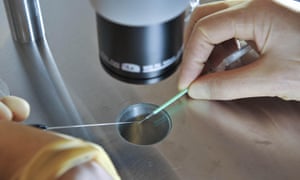
A scientist at work during an IVF process. Photograph: Ben Birchall/PA
Easy pickings: the future of designer babies
The simplest and surest way to “design” a baby is not to construct its genome by pick’n’mix gene editing but to produce a huge number of embryos and read their genomes to find the one that most closely matches your desires.
Two technological advances are needed for this to happen, says bioethicist Henry Greely of Stanford University in California. The production of embryos for IVF must become easier, more abundant and less unpleasant. And gene sequencing must be fast and cheap enough to reveal the traits an embryo will have. Put them together and you have “Easy PGD” (preimplantation genetic diagnosis): a cheap and painless way of generating large numbers of human embryos and then screening their entire genomes for desired characteristics.
“To get much broader use of PGD, you need a better way to get eggs,” Greely says. “The more eggs you can get, the more attractive PGD becomes.” One possibility is a one-off medical intervention that extracts a slice of a woman’s ovary and freezes it for future ripening and harvesting of eggs. It sounds drastic, but would not be much worse than current egg-extraction and embryo-implantation methods. And it could give access to thousands of eggs for future use.
An even more dramatic approach would be to grow eggs from stem cells – the cells from which all other tissue types can be derived. Some stem cells are present in umbilical blood, which could be harvested at a person’s birth and frozen for later use to grow organs – or eggs.
Even mature cells that have advanced beyond the stem-cell stage and become specific tissue types can be returned to a stem-cell-like state by treating them with biological molecules called growth factors. Last October, a team in Japan reported that they had made mouse eggs this way from skin cells, and fertilised them to create apparently healthy and fertile mouse pups.
Thanks to technological advances, the cost of human whole-genome sequencing has plummeted. In 2009 it cost around $ 50,000; today it is most like $ 1,500, which is why several private companies can now offer this service. In a few decades it could cost just a few dollars per genome. Then it becomes feasible to think of PGD for hundreds of embryos at a time.
“The science for safe and effective Easy PGD is likely to exist some time in the next 20 to 40 years,” says Greely. He thinks it will then become common for children to be conceived through IVF using selected genomes. He forecasts that this will lead to “the coming obsolescence of sex” for procreation.
Diet sodas are carbonated beverages. Diet Coke was the second best selling soft drink in the US last year but sales have actually dropped since more people have become aware of it’s apparent health risks. Instead of sugar, they are sweetened with artificial sweeteners like aspartame, cyclamate, saccharin and sucralose. A diet soda beverage is probably one drink every dieter feels good about drinking. Studies conducted around the country, at places like Harvard and Stanford, have linked diet soda to a host of health problems, including high cholesterol, kidney failure and, yes, weight gain.
What Happens When You Drinking Too Much Diet Soda
Cause Headaches
The synthetic sweetener aspartame that is present in many diet drinks has been found to cause headaches. Many diet drink lovers notice that the number of headaches they are forced to suffer through is in direct correlation to the number of diet drinks they consume.
Allergic Reactions
Chemicals in diet soda have been linked to allergic reactions and to exacerbating allergies in people already prone to them. You may break out in hives, become at higher risk for developing asthma or even feel a slight irritation around your eyes if you drink diet.
Heart Attack
A study over for two decades found that those who had about a can of soda a day had a 20% higher risk of having a heart attack or dying from a heart attack than those who rarely consumed sugary drinks.
Type 2 Diabetes
Many studies link soda consumption with type 2 diabetes, as this disease affecting about 300 million people worldwide. Drinking too much soda drink will decrease the insulin level hence insulin resistance.
Risk of Obesity
Drinking diet sodas are low in calories and part of many a dieter’s reduced calorie plans. Yet, studies have shown drinking just two diet sodas a day can increase the waistline by 500%. Why? Because diet sodas contain article sweeteners which disrupt the body’s natural ability to regulate caloric intake based on the sweetness of foods.
Depression
Drinking more than four cans a day of soda is linked to a 30 percent higher risk of depression. On the flip side, drinking four cups of coffee a day seemed to offer protective effects, lowering depression risk 10 percent. The risk appeared to be greater for people who drank diet soda compared to regular soda.
Kidney Damage
Harvard researchers found long-term diet soda drinking causes a 30 percent greater reduction in kidney function. The study looked at people who regularly consumed diet soda over 20 years.
Anxiety Symptoms
Stress and anxiety are conditions that a large percentage of Americans face. The symptoms of stress and anxiety are worsened when one consumes caffeine, which is present in many diet sodas. Caffeine is a stimulant with addictive properties, and it has been shown to activate stress hormones in the body to trigger stress and anxiety.
Causing Metabolic Syndrome
According to a 2008 study at the University of Minnesota, having just one diet soda a day can cause havoc with one’s metabolism by causing metabolic syndrome. This increases cholesterol and can put one at risk for heart disease.
Homemade Healthy Soda Recipes
Ingredients:
Combine ½ cup hibiscus flowers ¾ cup coconut crystals ¼ cup ginger root juice from ½ fresh lemon pinch of salt
Directions:
Put one cup filtered water in small saucepan. Bring to a boil, stir until all sugar is dissolved, strain into a glass jar, discard the flowers and root, and then mix 3 tablespoons of the resulting syrup with 8 ounces of carbonated water. Store in the refrigerator and enjoy!
Are you one of those people who presses snooze for an hour every morning before you’re able to stumble out of bed? Maybe you set your alarm for 7 a.m. and don’t end up actually dragging yourself to the kitchen for your first cup of coffee until 8 a.m.
Even if you’re not hitting snooze, you might also be one of those people who goes to bed at a reasonable hour every night and gets a solid eight hours of sleep, yet you still don’t feel ready to get out of the bed in the morning. Instead of feeling refreshed, you might feel like you’re barely able to put your feet on the floor, despite the fact that you logically know you got plenty of sleep.
One reason you might not be getting the best sleep you can, or you have difficulty waking up in the morning? It could be because you’re using an alarm clock.
You’re probably wondering if not using an alarm clock is even an option, after all, how would you ever get up without it?
For many people, they’ve discovered it’s better for them to learn to wake up naturally, based on their bodies rhythms, rather than struggling and repeatedly hitting snooze.
To begin, the following are some health and lifestyle advantages to being someone who wakes up naturally.
You can get into a more restful, deep sleep when you’re not always staring at the alarm clock or feeling anxiety as to when it’s going to start going off.
Your body is designed to wake up in a particular state of sleep, and that’s not during REM, which is the fifth stage. Instead, your body is programmed to perform optimally when you wake up during the light sleep stages, which are usually stages one and two. An alarm clock doesn’t differentiate between light and deep sleep, so you might be waking up when it’s harder for your body to start functioning, which can be why you’re so groggy even if you had eight solid hours of sleep the night before.
If you are awoken during deep sleep, rather than naturally, it can impact everything from short-term memory to cognitive ability according to a study published in the Journal of the American Medical Association.
So what are the steps you should take to get a better night’s sleep and over time train yourself to wake up in a more gentle, healthy and natural way?
Know How Much Sleep You Need
One of the first things to do before you ever start trying to wake up with an alarm clock is to get an understanding of how much sleep your body needs. Most people require between seven and nine hours, but this can vary.
Most people are only getting around six hours of sleep a night, and that’s a big part of many of the health problems we face.
To find out what you need, try to give yourself some time on vacation or during a weekend to sleep as much as your body wants. Wake up completely naturally and count about how long you slept. That will give you a good baseline, and you can then start adjusting your bedtime accordingly.
Create a Bedtime Routine
Waking up naturally is all about retraining your body to work the way it’s supposed to, and that includes having a bedtime routine.
Once you know the optimal time for you to go to bed, create a plan for how you’ll fall asleep more quickly and comfortably at that time each night. Maybe it’s a little stretching or certain music you listen to. Whatever it is, it needs to be part of what you do each and every night.
Use a Programmable Thermostat
Is there anything smart home technology can’t do, including making it easier for you to wake up naturally?
If you have a programmable thermostat, consider setting it to start gradually warming up in your house around the time you need to wake up. The reason our bodies like to fall asleep when it’s cooler is because that indicates it’s evening and time to sleep.
Then, as it starts to warm, our bodies begin to sense the daytime is starting, therefore making it more natural for us to get out of bed.
Make Use of Light
If you’re someone who sleeps in a room with heavy curtains, you might consider leaving them cracked so you can see the natural morning light as the sun starts to rise.
Another choice, if leaving your curtains cracked would like street or car lights in during the night, is to use a wake-up light.
Wake up lights can be placed beside your bed, and they’re designed to help your body follow its natural circadian rhythm, which can be off balance from stress and other triggers common in our daily lives. When you’re exposed to light in the morning that’s similar to natural light, it tells your body to start waking up, and it can also support your hormones and balance your melatonin.
Once you’ve got all the above in place, it will take time to get your routine where you need it to be, so be patient. When you’re first working on developing more natural sleep patterns, you can set a backup alarm, but if you stick with your routine you should not only be able to ditch the alarm, but also feel better about waking up.
They are packed with lots of healthy nutrients and has been widely used to treat various ailments since long time. They’re rich in iron and the content is only less than garlic of all plant foods; they’re also good sources of iodine, that is the second to kale.
Yes, they’re beets. You know they’re healthy, while there are many facts you may not know about this dark red food.
Health Benefits and Risks of Eating Beets
Health Benefits-
Beets are high in fiber, which helps combat constipation and promote a better digestion.
The greens of beets contain rich lutein, which helps boost eye health by preventing your eyes from age-related macular degeneration.
Folate and betaine in beets help lower the blood levels of homocysteine, thus lowering the risk of heart disease. What’s more, betaine also helps your mental health, this compound is common used in some treatments of depression.
Thanks to their anti-inflammatory properties and rich in antioxidants, beets fight some types of cancer. Besides, they contain betacyanins, which inhibits the growth of cancer cells effectively.
Beets help improve the circulation as they’re rich in nitrates, which will convert to nitric oxide in the body, a compound that has ability to relax and dilate blood vessels, this will lower the blood pressure in a manner.
The process of nitric oxide relaxing and dilating your blood vessels will also increase blood flow to your brain, means it will boost your brain function as well.
As a high-antioxidant vegetable, beets are loaded with the essential nutrients that are necessary for cleaning and detoxifying your organs, such as betaine, pectin and betalains, all of which can remove toxins out of your body.
Betalains in beets also fight against the inflammation-related chronic diseases, including heart disease and even cancer.
Beets are low in calories, add them in your salads or smoothies if you want to lose more pounds.
Health Risk-
There are some side effects of eating too much beets, as they contain a high amount of oxalates, which may contribute to the development of kidney stones.
Also because of the high amount of oxalates, eat beets too much may result in gout.
The nutritional value of beets is kept well both raw and cooked, here are some good ways to include them into your daily diet:
It’s well known for the delightful taste, jackfruit is also packed with a lot of nutritional value which are important for our health.
There are many reasons that you should eat this fruit more often:
A cup of jackfruit provides 155 calories with only 4 calories from fat;
It’s a good source of several essential minerals and vitamins, including niacin, folate, thiamine, potassium, iron, magnesium, manganese, calcium, zinc, copper, vitamin C, vitamin A, vitamin E and vitamin K;
It provides healthy simple sugars for your health;
It has a good amount of fiber, eat a cup of this super fruit to get more than 11% of the daily fiber allowance;
This fruit is also widely used as a remedy for eliminating the effects of alcohol.
The healing benefits of jackfruit don’t just stop here, keep reading to find out more reasons you should eat more jackfruit.
1. A strong immune system
Jackfruit is rich in vitamin C as well as antioxidants, which play an important role in strengthening your immune system to protect you against many diseases, such as cold, flu and cough.
2. A healthy blood pressure level
Jackfruit has a good amount of potassium which helps to maintain the fluid level to balance electrolyte, thus reducing high blood pressure.
3. Aids digestion and prevents constipation
A high amount of fiber in jackfruit cures digestive disorders, prevents constipation and also helps in smooth bowel movements. What’s more, this fruit also has anti-ulcer properties which help treat ulcers and some digestive problems.
4. A healthy vision
Jackfruit promotes healthy vision due to the vitamin A in it, which is well known to help prevent vision-related issues – night blindness and macular degeneration.
5. Healthy skin and hair
Both the fruit and the seeds of jackfruit contain a good amount of vitamin A, so it’s also good for your skin and hair. Jackfruit seeds are normally used as a natural remedy to improve skin condition, the solution of dip jackfruit seeds in cold milk helps reduce wrinkles effectively. Grind the mixture well and use it on your face, keep applying for 6 weeks, you’ll notice the changes.
6. Prevents cancer
Jackfruit is considered as one of the most powerful foods to prevent cancer, it helps cancer prevention in several ways.
Loaded with antioxidants, jackfruit protects you from free radicals, thus preventing the production of cancer cell.
The compounds in jackfruit such as isoflavones, phytonutrients, lignans and saponins are with powerful anti-cancer benefits:
Phytonutrients prevent the initial stage of cancer cell formation;
Saponins has been shown with colon cancer preventative properties;
Studies found that lignans and isoflavones help in decreasing the risk of endometrial cancer.
7. A healthy bone
Calcium strengthens healthy bones and a good amount of potassium in jackfruit can decrease the loss of calcium through kidney and increase the bone density.
8. A healthy blood sugar level
Manganese deficiency is a common reason for high blood sugar level, jackfruit is a good source of manganese to help regulate blood sugar levels in your body.
9. Prevents anemia
Jackfruit contains a good amount of iron, which is an vital mineral to prevent anemia and help in proper blood circulation in the body.
Most of us know the health benefits of papaya fruit, but less people consider of the leaves of papaya. Papaya leaf has even more medicinal benefits than the fruit, based on studies.
Papaya leaf juice, the juice extracted from the leaves of papaya, becomes more and more popular thanks to its healing properties. It contains a higher concentration of vitamin C than in the fruit, and also provides many other important nutrients, minerals and vitamins:
Calcium
Potassium
Sodium
Magnesium
Iron
Manganese
Vitamin A and Vitamin E
Flavonols
Niacin
Tannins
Beta-carotene
And Papain, an enzyme that aids in digesting proteins, thus easing the indigestion symptoms, such as bloating, gas and other digestive disorders.
How to Make and Consume Papaya Juice
Ingredients:
A handful of papaya leaves
2 liters of water
Directions:
Wash the papaya leaves thoroughly, cut them and put into a saucepan.
Add water and bring them to the boil. Simmer 10-15 minutes, then strain the liquid and save in a glass container.
How to Use:
Because of the bitter taste, start with 1-2 tablespoon a day and work up to 50 ml, 3 times a day.
Top Health Benefits of Consuming Papaya Juice
There are several good reasons that you should take papaya leaf juice, see what will happen to your body if you consume the juice regularly.
You will have less chances to suffer from indigestion
This is due to the papain, amylase enzymes and protease enzymes in the leaves, which will help to prevent acid reflux, prevent heartburn as well as other digestive issues.
Your chronic fatigue will be improved
Papaya juice has good effect for cleansing and healing, so consume it daily help boost your energy levels, and it will be helpful for improving the condition of chronic fatigue.
It lowers your blood sugar levels naturally
Papaya leaf juice helps regulate blood sugar levels by improving insulin sensitivity.
You will also get benefits for treatment of cancer
Papaya leaf juice has been proven to have positive effect on preventing and killing cancer cells. It’s effective for different types of cancers, including prostate, liver, lung and breast cancers. It’s widely used in herbal remedies by people as an cancer cure agent.
You will have a stronger immune system
Papaya leaf contains acerogenin that prevents many diseases and supports the immune system. This will fight bacterial and viral invaders in the body, thus preventing many risk diseases.
You will own a healthy and glowing skin
Papaya leaf juice helps your skin in several ways.
The high content of vitamin A and vitamin C promote skin health; It clears your skin and remove the toxins;
It is effective in treating eczema;
It helps in healing wounds;
It also makes the hardened skin softer.
There are many more benefits from papaya leaf juice:
Increases appetite
Increases platelet count
Treats hair problems including dandruff and balding
Turmeric – one of the most popular and healthiest spices in the world;
Honey – one of the oldest and healthiest sweeteners on earth;
Lemon water – a super healthy drink that will help your health in many ways. The benefits of drinking lemon water in the morning seemingly endless, here are top 7 reasons why you should build this habit.
There is no doubt that these ingredients are healthy, but do you know what things will happen if you drink the mixture of these super ingredients? Firstly, let’s see how to make a drink with turmeric, honey and lemon.
Things you’ll need:
1/2 teaspoon of turmeric
Half of a medium lemon
A teaspoon of honey
A cup of warm water
Make juice from the lemon into a glass jar, then add turmeric and water. Stir well and lastly add honey.
Drink a cup of this turmeric water in the morning, there are good reasons for you to keep doing that.
Health Benefits of Turmeric Water
1. Prevents cancer
Cancers are dangerous, while there are ingredients in our kitchen can actually prevent them, turmeric is one of them, that owns anti-cancerous properties due to curcumin. Curcumin in turmeric has been proven to be able to kill cancer cells and also prevent the growth.
It’s recommended to drink a cup of the turmeric water a day to prevent some cancers, such as lung, colon, stomach, breast and prostate cancers.
2. Aids in digestion
Turmeric stimulates bile production, thus helping in digestion. If you have any of these indigestion problems, such as heartburn, gas or bloating, turmeric water will help you ease the symptoms.
3. Treats arthritis
Turmeric is an effective remedy for easing joint pains and arthritis, as it has great anti-inflammatory property.
4. Lowers the risk of Parkinson’s disease
A study found that curcumin in turmeric can prevent clumping of a protein that leads to Parkinson’s disease.
5. Lowers cholesterol level
A high cholesterol level can result in many serious health issues, especially heart problems such as strokes, heart attacks and atherosclerosis. Drink turmeric water or simply added turmeric to your food lowers the “bad” cholesterol level, this will prevent several diseases.
6. Promotes weight loss
Turmeric is a powerful agent to fight against obesity as it helps burn fat by boosting your metabolism rate. If you want to lose weight or treat other obesity related problems, you can benefit from drinking a cup of turmeric water with every meal.
7. Detoxifies your liver
Turmeric is a natural liver detoxifier, the intake of turmeric supports liver function in several ways: it stimulates the enzyme production, which helps remove the toxic substances from the blood; it also repairs the damaged cells of liver; it has been proven to fight against some liver problems such as cirrhosis, jaundice and hepatitis.
Have a cup of this turmeric water in the morning to enjoy its numerous health benefits, this is one of the best things you can do for your health!
Over the years, there has been a never-ending debate of whether wine is healthy or not. But now we have studies to prove what some have been saying for years.
But realize red wine is only healthy if consumed in moderation. Excessive intake can ruin your health. Frequent wine drinkers should avoid taking more than 2 glasses a day. In fact, you can get all the benefits listed below by simply drinking a glass of red wine a day.
Your heart health will improve
Research shows that wine has more health benefits than any other alcoholic beverage out there. According to studies folks who drink a glass of wine a day have a 32 percent lower risk of heart disease than non-drinkers. But as this study shows, excessive intake actually increases risk of heart disease.
Improved insulin sensitivity
Factors like high sugar intake have contributed to the big problem of insulin resistance. Well, one study found that drinking 2 glasses of wine each day for a month, reduces insulin resistance. Other ways to improve insulin sensitivity include, reducing sugar intake, increasing intake of omega 3s, drinking green tea and more cinnamon.
You’ll have less risk of cancer
According to the American cancer society, an antioxidant called quercetin, which is found in red wine fights cancer cells. In fact, studies show that red wine reduces risk of different kinds of cancer like, prostate, colon, basal cell, and ovary.
Lower risk of type 2 diabetes
One of the major causes of diabetes is excess consumption of alcohol. But you can lower risk of this disease by drinking a glass of red wine. A study by University of Amsterdam found that there was a 30 percent less risk of diabetes in red wine drinkers than non-drinkers. Another study also found that red wine reduced risk of type 2 diabetes in women.
You might lose weight
A recent study made headlines when it concluded that drinking red wine has the same benefits as one hour in the gym. This study showed that resveratrol, a compound found in wine has the same benefits as exercise. It showed benefits like, improved physical performance, muscle strength and better health.
But frankly, wine can’t completely replace exercise. Make time for exercise at least 3 times a week.
Your memory will be intact
This was demonstrated in a study where researchers gave quizzes to red wine drinkers and non-drinker, all in their 70s, they found that those who drank a glass a day or more had better scores than those who drunk less or didn’t drink. Red wine has also shown ability to reduce risk or memory related diseases like dementia and Alzheimer’s.
You’re less likely to be depressed
One study, conducted on middle aged and elderly women found that those who drank 2-7 glasses of wine per week had less chances of being depressed.
For more information on eating healthy and staying fit, download your FREE Flat Belly Guide to help you improve your health and physique. Like us on FACEBOOK