night etiketine sahip kayıtlar gösteriliyor. Tüm kayıtları göster

20 Nisan 2017 Perşembe

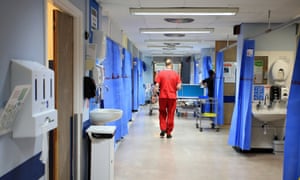
The harrowing hospital night shift nothing could have prepared me for

The most important part of every night shift is matching your scrub top to your bottoms. Odd shades, bad luck. Match for the best chance of success.


I’m full of superstition because fate doesn’t follow conventional rules. I sit, cross-legged comparing until I’m satisfied with my choice. I pull my clothes off and my blue scrubs on. Stethoscope, badge and water bottle. Downstairs, grab phone and rush to handover, hoping I’ve remembered my pen.


Back of house, but this is no theatre production. A list of jobs to mop up from the day. Twelve wards, the nurse practitioner and me, “Let’s hope they all behave tonight”.


First up, fluids. Ward 50 needs a cannula, or two, or three – while I’m there. A couple of bags of normal saline go up and it’s time for me to go down to ward 20 where a lovely woman has slipped off the commode. She’s ever so embarrassed. A check from head to toe, some reassuring words and an offer of a gingernut. Then back to the desk to scribble down the story.


The phone rings, again and again, sore foot, chest pain – blood pressures through the floor and in the clouds. A woman sobers up and wants to leave – listening, persuading, assessing and eventually letting her sign the papers to walk out the door, no doubt next week we’ll meet again for the same dance.


A warm hand on my shoulder and cup of tea beside my hand. “Do you want some cake doc?” – I want nothing more. The 3am slump is here and sugar is my drug of choice. I sit, and chat – and melt into the ward for a few minutes.


An unfamiliar sound from round my neck – I answer, crash call. I drop everything and run. Down two flights of stairs, along the corridor. Turn right. I see a set of anaesthetic greens in front of me. “Bay four, bed six” a voice shouts, we pile in.


A man lies on the floor, breathing hard. Oxygen on. Pulse felt. No response to voice, grumbling to pain. Eyes deviating to the left. I grab the notes and start piecing together the history. Mild upper body weakness, query stroke, a head scan showed nothing much. Back to airway, gurgling noises from his throat. A tube down the nose to help get air into the lungs. We take an arm each, one for arterial blood and one for venous. My hands don’t shake.


Stabilised, we need imaging and fast. I ring the radiologist, ready to plead my case. “Send him down” she says. The ease of the phonecall doesn’t fill me with hope. My senior house officer grabs the emergency drugs from the crash trolley and a fresh faced nurse clutches the oxygen ready to transport. They follow him down. The ward becomes quiet.


I flick through a thin set of notes to try and build a picture. Lives with a loving wife. Walks his dog every day. Gave up smoking years ago – drinks a couple of pints on a Friday. Not too bad for a man in his 70s. Children and grandchildren.


A bed slides through the doors and he returns, the report is back. Large bleed. Blood pushing the brain against the skull. Neurosurgical opinion advised. My registrar arrives, talking fast to someone. I hear “grave”, I hear “imminent”. The bleed is too big and his brain is crushed. There is nothing we can do. Keep him conscious, keep him comfortable, next of kin.


The newly qualified nurse goes white. The notes are in my hand. “I’ll call,” the words leave my mouth before my lips move. A 4am phonecall to a telephone number. A quiet voice answers. She only left at 11pm, the nurses say. “I’m calling from the ward, about your husband, things have changed and I think you need to be here”. She’ll be here as soon as she can. Panic seeps through the phone and into my hand. “Will I make it?” her voice cracks. “Will I see him before he dies?”.


“Call me as soon as she arrives” my registrar says. I nod. She leaves. I stay, breathe in, walk around the corner, shut myself in the clean utility and put two hands up to my wet face. These aren’t my tears to cry but they still come. I push them all back in. Professional.


Years of training do not prepare you for this. Nothing prepares you for your role in someone else’s tragedy. I will leave the hospital in four hours and his wife will still be clinging to his hand. I will come back in 16 hours and they will both be gone. A new name earmarked for his bed. Another story that might end a different way.


The phone rings, and someone needs something. A temperature, a catheter and some laxatives. I glance down at my trousers. They were a perfect match.


Some details have been changed to protect patient confidentiality.


If you would like to contribute to our Blood, sweat and tears series about memorable moments in a healthcare career, read our guidelines and get in touch by emailing sarah.johnson@theguardian.com.


Join the Healthcare Professionals Network to read more pieces like this. And follow us on Twitter (@GdnHealthcare) to keep up with the latest healthcare news and views.


The harrowing hospital night shift nothing could have prepared me for

14 Nisan 2017 Cuma

"Night cover is almost always short-staffed. It’s terrifying": doctors on rota gaps

The Guardian has discovered that dozens of hospitals are struggling to recruit doctors to fill gaps in their rota. They are sending out urgent emails and text messages, often hours before a shift needs covering, asking for medics to come in. They are also offering increased hourly rates – of up to £95 an hour – in an attempt to encourage staff to cover.


But, despite this, doctors say many shifts are going unfilled, putting patient safety at risk. Doctors are being spread too thinly, they say, often having to leave other departments to offer help where its needed. They are also missing out on training due to staff shortages and being asked to work long hours back to back as a result.


We heard from dozens of NHS doctors about this. Here are a selection of responses.


Michael, a trainee surgeon: ‘We often have to cancel our emergency clinic because of a lack of staff’


We’ve had a rota gap for well over half a year now in my department. It has a knock-on effect. First, it means that my colleagues and I are constantly asked to cover extra 12-hour on-call shifts, despite already working long hours. Second, it affects services. We often have to cancel our emergency clinic because of lack of staff. But most importantly as a trainee surgeon in the past, I have not been able to attend theatre sessions to get training. This is worrying because when I am asked to perform certain life-saving procedure I may not be confident doing them on my own.


All junior doctors needs training to progress. When there are long-term rota gaps, this falls by the wayside and covering the services become the priority. Without adequate training, the service we provide will inevitably get worse as years go on.


It’s terrifying: you’re the most junior doctor in the hospital and you’re responsible for so many people


Brian


Jack, A&E locum: ‘One hospital had just two doctors for their A&E department – they called an emergency meeting’


I am working as a junior doctor in A&E. Since the tax rule changes (known as IR35) the gaps in A&E rotas in hospitals in the Midlands have got bigger. They were present before but not as visible.


One hospital I was in had only two doctors for a large A&E department overnight. They had to call emergency meetings and take doctors from other areas of the hospital. It meant patients needing treatment had to wait longer. Doctors stayed on for hours to try to bridge the gap. I stayed for as long as I could but in the end I was so tired I wasn’t safe. On the drive home I rolled the windows down and played music loudly just to try and stay on the road.


I work in three hospitals across the Midlands and the majority of the time there is not a full rota of doctors. When I arrive in the morning for handover, I have been told someone needs to go home and come back for the night shift as there isn’t enough cover. One consultant who was on call for 72 hours was in the hospital for the majority of that time trying to see patients and find more staff. A&E is the worst hit. This is because it has the lowest percentage of filled posts in training schemes and is most heavily reliant on locums. Its training schemes are underfilled because it has difficult hours, difficult time pressures, and it is one of only two ways into the NHS system. The GPs close, but the emergency department never closes so it’s always on the frontline.


Brian, a foundation doctor: ‘It’s terrifying when staffing gaps leave you responsible for loads of people’


Night cover is almost permanently short-staffed. It’s terrifying: you’re the most junior doctor in the hospital and you’re responsible for so many people. I am also seeing the effects on the more senior members of the team. They are sometimes expected to be in two or three places at once (somehow simultaneously covering the ward and clinic). I don’t understand how the problem seems to be taken so lightly. It’s a threat to patient safety.


Tensions run high as ridiculous last-minute rota changes result in people getting angry that a staff member they were planning on using has now been seconded elsewhere. The government capped rates for locums, the doctors who cover when staff members are ill or on holiday. Given that we sometimes already do 70-hour weeks (yes, that’s legal too somehow) our free time is very precious. The extra work is heavy enough as it’s short staffed, so the pain and risk just isn’t worth what we’re being offered.


Mandy, middle grade doctor: ‘Remaining staff take up the slack – teaching falls away and morale drops as a result’


Every rota has rota gaps. Obstetrics and gynaecology requires seven registrars; we have 1.8 doctors at our hospital. In intensive care, they are at least six registrars short. Every day we receive messages requesting staff to work extra shifts. Today working on renal the issue wasn’t a rota gap with doctors but with nurses: patients who needed dialysis couldn’t receive it due to not enough nurses to care for them on it.


The issue is the remaining staff take up the slack and go above and beyond every day to ensure patients remain safe. This makes our lives fairly miserable: teaching falls away, morale drops and tensions rise.


NHS doctor


‘Rota gaps are ubiquitous, a daily occurrence. As a junior doctor you become desensitised to them.’ Photograph: Peter Byrne/PA

Al, a core medical trainee: ‘Not a day goes by where we don’t get emailed about a need for cover’


Rota gaps are ubiquitous, a daily occurrence. As a junior doctor, you become desensitised to them, which is a scary thing to say. Not a day goes by where we don’t get emailed about a need for cover. Sometimes phone calls are made to all the employed staff asking of they can work an evening shift or a weekend shift.


You become desensitised to gaps in the rota, which is a scary thing to say


Al


If this fails, then the vacancy is put out to the preferred locum agency dealing with the hospital who then have thousands of doctors at hand. Often these medics have not worked at the hospital before and although they agree to step in, they are nowhere near as efficient or diligent as the staff doctors.


My trust are also employing long-term locums to fill these gaps in the rota. This a positive step as these doctors become well acquainted with the hospital policies and procedures


Iman, consultant physician: ‘Highly-skilled surgeons are sometimes pulled out of theatre’


I have been given the thankless task of coordinating the junior doctor rota, a role which no one wants, but is almost forced on you. The reason people are reluctant to take it on is the almost daily severe shortage of staff which means that you are firefighting all the time.


I have rota gaps more often than not. The number of junior doctors allocated to the hospital by deanery is less than what we are supposed to have. We try to cover the rest by recruiting locums, which is often unsuccessful partly due to locum pay caps.


The remaining juniors are often under a lot of stress due to manpower shortages and consequently the sickness rates are high. On several occasions some of the wards have no juniors at all, which then requires senior staff to act down. This is a waste of resources as it means a highly-skilled surgeons or physicians are pulled out of the operating theatre or clinic to do these jobs.


On several occasions some of the wards have no juniors at all, which then requires senior staff to act down.


Iman


It’s hugely concerning. I have raised these repeatedly with the trust board, but they are powerless to do anything. We do not have enough junior doctors full stop. Deanery cannot recruit enough in specialities such as medicine and A&E due to onerous on-calls. The 1% pay caps have eroded pay and the imposition of contract has resulted in many juniors leaving the country, depleting the pool further.


Tom, general surgery registrar: ‘Increasing rota gaps is one of the factors driving doctors out of the profession’


Most hospital doctors are extremely worried about the impact of rota gaps on patient care. Clearly, having doctors who have stayed on for up to an additional 12 hours beyond a normal 12-hour shift means they are far too tired to make reliable clinical decisions, especially for the sickest emergency patients. Beyond fatigue, the routine reassignment of doctors from their ward duties to the emergency department leaves vast numbers of patients with too few doctors to look after them. It is often the most junior doctors who are left caring for large numbers of vulnerable post-operative and/or elderly patients without quick recourse to or support from more experienced colleagues.


In the 10 years since I qualified, I have seen nothing but a relentless increase in the demands put upon hospital staff. Increasing rota gaps have compounded the pressure on staff and is one of the factors driving doctors out of the profession and into mental health problems.


  • All names have been changed.


"Night cover is almost always short-staffed. It’s terrifying": doctors on rota gaps

2 Şubat 2017 Perşembe

Why Your Night Time Joint Pain Gets Worse

Increased night time joint pain is more than just a cruel joke that nature plays on us, although it often feels that way. Your pain is keeping you awake and you have a full day ahead of you. The more you try to sleep the more frustrated you become. It’s going to be a hard morning. If only you could find a solution and get some sleep.


Part of the irony of your painful night is that it is often brought on by adrenal exhaustion. You are literally so tired that your body begins to break down, particularly in your joints. Adrenal exhaustion, however isn’t the same as doing a half day of yard work, it is exhaustion brought on by stress. And when you are stressed your adrenal glands release cortisol, leading to more insomnia. Your adrenal glands are also part of your body’s natural anti-inflammatory response, leading to increased inflammation (and pain) in your already painful joints.


When chronic night time joint pain robs you of your sleep, it affects your mood and your brain’s ability to deal with pain. Hitting the sheets at night isn’t a welcome respite to your day but instead another chore you need to do well. It seems ridiculous to have performance anxiety when it comes to getting enough sleep but that’s exactly what happens when joint pain robs you of sleep’s regenerative potential.


Enough of the “why,” here is what you can do about that night time joint pain


The above is just a few pieces of the pain puzzle. However, if you think your situation is ironic, wait until you hear the solution.


Step one to reducing your joint pain at night is to get more quality sleep. (Thanks)


There are however, some steps you should right now to take to make this more possible.


If you are falling into the same uncomfortable bed that you failed to make this morning you are probably setting yourself up for another sleepless night. Make sure you have comfortable sheets and pillows. Also make sure your room is the right temperature. Find the right position to get your best sleep. For most people that would be sleeping on your side. Sleeping on your back is usually not a good idea.


Sleep is also much more than being unconscious. Your various sleep cycles determine how rested you will feel in the morning. If you spend your entire night in stage 1 non-REM sleep, you will face the morning feeling like you just ran a marathon. You will be sore and still stressed. Experts all agree, 25% or more REM sleep per night is critical to reaping the benefits of restorative sleep.


Drugs aren’t the best answer


The problem with medicating your pain is that most drugs and especially alcohol affect your body’s ability to achieve REM. Yet the pain is keeping you from getting sleep in the first place. Medications can be very tempting, especially if the pain is severe but they don’t make a good long-term solution. That vicious circle at this point is becoming downright brutal unless you can find a solution.


In my practice, helping patients deal with night time joint pain and sleepless nights is one of the most important things I do. To put it mildly, I find that a pain-free restful sleep is one of the best medicines available. Helping my patients achieve this “Nirvana” without drugs makes all the difference in their lives.


There are actually many solutions to your pain and sleepless nights that don’t involve medications. Anti-inflammatory foods can give you the relief you never thought possible and still help you get a good night’s sleep. Many alternative treatments such as Chiropractic care, hypnotherapy, bio feedback, yoga, and even acupuncture can help your body deal with pain without negatively affecting your ability to get the sleep you need.


But, if you really want to get immediate relief from night time joint pains for less than a $ 1.00 a day, you should check this out https://betterthandrugs.co/pain-relief.


Why Your Night Time Joint Pain Gets Worse

27 Ocak 2017 Cuma

A moment that changed me: last night a Polish DJ saved my life | Rae Earl

The world is full of interesting phobias. Consecotaleophobia, for example, is the terror of chopsticks. Aulophobiacs are scared of flutes. But the irrational fear of my youth – “fear of dying in Peterborough” – has yet to be recognised.


As a teenager, Peterborough was the furthest I could usually make it in the world. It was 15 minutes from my home and I knew I would die there. Nuclear war. Heart attack. Burst appendix. The cause changed but the fear didn’t. I could list a million ways to kick the bucket. All intricately thought out and very, very real. Platform 5 of Peterborough station was the sum of all fears.


Chronic anxiety made me mainly housebound. I tried to move on. I lasted five days at Essex University. They had a special freshers’ week showing of Women on the Verge of a Nervous Breakdown. That was a portent of doom. I couldn’t cope. I wore the same clothes for nearly a week and took the world’s most half-arsed overdose – four co-codamol. I didn’t want to live. I didn’t want to die either.


I returned home a failure. I did some work, but not much. While my mates were raving in Ko Samui my daily routine was based around watching This Morning.


Then my best friend Mort told me that Unesco wanted people to go and teach in summer schools in eastern Europe. Would I like to go with her? I said yes. I was terrified, but at least I’d be terrified with my best mate. I knew I had to do something with my unexpected “year off” so we went to Świdnica in south-west Poland.


The Rocky Horror Picture Show: ‘I got out of bed and taught the Poles the Hokey Cokey and the Time Warp.’


The Rocky Horror Picture Show: ‘I got out of bed and taught the Poles the Hokey Cokey and the Time Warp.’
Photograph: Allstar/20TH CENTURY FOX/Sportsphoto Ltd./Allstar

There are places in the world where we just fit and our skill set is appreciated. For me that was Poland in 1991. It had just emerged from behind the iron curtain. British pop was revered. I taught English by showing tapes of the BBC series The Rock ‘n’ Roll Years. MTV Europe was pumped in. One girl, transfixed by Paula Abdul’s hit Rush Rush, would dance vigorously, intensely, to it every night. This was a place I could understand. One student asked me to transcribe the song Why? by Bronski Beat. I did it word for word. I was useful. I was having a great time. We partied every night. We had Polish vodka with a buffalo label and a piece of long grass in it. I got drunk. I got very drunk.


I hit my head. I blacked out. I started to die. Yeah, the joke was on me. Finally I’d found a place I could vaguely cope with (there had been panic attacks that Mort had fended off) and now I was definitely dying.


An ambulance that resembled a converted Volvo estate came to pick me up. I made my verbal will, told Mort she could have my vinyl, and went to hospital.


There wasn’t much of a wait at Polish casualty. There were three other people and some bats fluttering merrily in the corner. I don’t think the bats were there for treatment. I remember thinking they probably had rabies though. If brain damage didn’t get me, incurable diseases would. A doctor who looked like a cross between Clark Gable and Gomez from The Addams Family appeared with perfect English. He was snarky yet sweet – an adorable combination. He examined me thoroughly, suggested possible mild concussion, told me to lay off the booze and prescribed bed rest for a few days. I went back to the school to die. I knew he was wrong.


As every minute passed and I remained conscious, a strange, new concept entered my mind. Perhaps I wasn’t going to die and my brain was wrong. Perhaps the next time my head did decide to go into red-alert mode I could remind it of this moment – of the moment I didn’t die in Poland.


‘Back home in Britain, Bryan Adams was still No1, but the world had changed entirely. I had not died.’


‘Back home in Britain, Bryan Adams was still No1, but the world had changed entirely. I had not died.’ Photograph: Sinead Lynch/AFP

I got out of bed and taught the Poles the Hokey Cokey and the Time Warp. They taught me exquisite folk dances. Eventually it was time to leave. One of my students gave me a one zloty coin. At the time there were 18,600 zlotys to the pound. It literally had no economic worth but she told me it was lucky and she wouldn’t forget what I’d taught her (mainly song lyrics).


Back home in Britain, Bryan Adams was still No1, but the world had changed entirely. I had not died. I had managed to do something good. For the first time ever, anxiety had not won. I walked to Morrisons in bare feet. I hadn’t spoken to my mum in weeks. You had to book an international phone call in Poland in those days. My mum looked almost pleased to see me. Things would definitely never be the same again.


Nearly 26 years later there is a one Zloty 1990 coin on a bracelet that is permanently around my wrist. It reminds me of three things – of a best friend who has always understood, of the kindness of strangers who saw me at my worst and tried to help and of the first time I truly told my brain it was talking utter bollocks.


• Rae Earl’s latest book, #Help: My Cat’s a Vlogging Superstar, is published in March


A moment that changed me: last night a Polish DJ saved my life | Rae Earl

21 Aralık 2016 Çarşamba

How to Avoid Accidents When Driving at Night

The night is the most dangerous time to drive. When it’s dark, gloomy, and full of shadows, that’s when it gets extra hard to focus on the road. This makes just about any driver even more at risk of car accidents.


According to a research by National Safety Council, the risk of fatal car crashes is 3 times greater at night than any other time of the day. There might even be instances that drivers die from these accidents. What happens to these personal injury suits when a person dies? When dealing with the aftermath of car accidents, it is advisable to hire the services of attorneys that can help you in these driving cases. You can search a few excellent lawyers in personal injury attorneys. But, of course, it is most ideal to avoid this situation than to deal with it.


Safety precautions to take when driving at night


In nighttime driving, the dangers are much larger, but there are basic safety and precautionary measures to reduce the risks.


  1. Get at least 8 hours of sleep every night.

One of the biggest causes of nighttime car accidents is the driver’s lack of sleep. Get the recommended amount of sleep, at least 8 hours, every night to reduce sleepiness when driving on the road.


  1. Avoid driving if you have been awake for 24+ hours.

Your eyes need time to shut down. It can hardly function well when it has been awake for long hours.


  1. Stop every hour or two to rest.

During long night road trips, pull over every hour or two to rest. You can take a nap, stretch your body, or simply get some fresher air to breathe. This will keep you re-energized and more awake.


  1. If you’re sleepy, pull over and take a nap.

You don’t really need to stick to the “every-hour” pull over time. If you feel drowsy, pull over and take a quick, satisfying nap. Just make sure you stop over at a safe and traffic-wise place.


  1. Travel during times when you’re normally awake.

You’re probably normally more awake during the day than the night, yet may still end up traveling during the night. If you’re planning on traveling during the night, sleep in the morning to make for your lack of sleep during the night of your trip.


  1. Aim your headlights right.

The most challenging part about driving during the night is the darkness. At night, headlights from the cars around get wild. Headlights may temporarily blind drivers. Knowing this pretty well as a driver yourself, it’s important that you become responsible enough in aiming your headlights correctly.


  1. Look away from approaching headlights.

Knowing the struggles of being temporarily blinded by the headlights, make sure you shun your eyes as soon as you can see an approaching car with glaring headlights. Just remember to immediately look back again to the road after.


  1. Reduce your driving speed.

The most obvious way to avoid car accidents when driving at night is to reduce the driving speed. It’s better to drive slowly than treacherously.


  1. Avoid distractions.

Keep your eyes open and focused on the road. As much as possible, don’t eat, drink, or use your phone when driving.


    10. Stay alert.


No matter how sleepy, tired, or bored you are, always stay alert from every corner. If you stay alert, you stay alive.


In times of accidents, you can stay safe with the protection of the law as well as with a competent group of attorneys such as theWestga lawyers.  It’s important to have the best, most trustworthy lawyers by your side during discussions of the accident to help you in such crucial times.


Author bio: The article on personal injury suits and personal injury attorneys has been written by Ignacio D. Pena who is a very active blogger and loves to write in the legal niche.


How to Avoid Accidents When Driving at Night

26 Ekim 2016 Çarşamba

Three-quarters of labour wards lack consultant cover at night – survey

About three in four labour wards do not have on-site overnight cover from consultants, figures suggest.


A survey of 165 maternity units found that in 2014-15 about 27% of labour wards had consultants physically present overnight on weekdays, falling to 15% at the weekend.


The census by the Royal College of Obstetricians and Gynaecologists (RCOG) also found the number of consultants may have reduced since figures were first recorded in 2013 and some recommendations on early pregnancy care had not been implemented.


Edward Morris, the vice-president of clinical quality at the body, said: “The RCOG recommends that trusts should ensure the adequate provision of consultant cover to deliver high quality, safe care to women. It is important to highlight that all consultant-led maternity units currently have 24-hour access to consultant obstetricians on call, some with resident working where needed.


“Ultimately, local trusts need to look carefully at the mix of their patient load, risk profile and staffing to decide whether their particular unit needs more frequent consultant presence.”


The RCOG said slightly fewer units had provided responses to the latest census, so the data had to be interpreted with caution.


The number of consultants had reduced since the survey was first carried out. However, the body said this was likely to be a reflection of a fall in the number of responses.


However, it found recommendations to increase the low number of weekend early pregnancy services had not been put into effect. “It is not clear why this remains the case as in the interest of patient care this would be considered one of the first services that could be provided seven days a week,” the RCOG said.


Some studies have suggested that round-the-clock cover by consultants is only necessary on the busiest labour wards.


An NHS England spokeswoman said: “Having a baby is now safer than it has ever been and the vast majority of mothers report that they get great NHS maternity care.


“Researchers at Oxford University have shown that overnight consultant obstetrician presence isn’t proven to improve care, and a national diktat to that effect would mean the closure of many smaller units, which is another reason why it wouldn’t necessarily be a good idea.”


Three-quarters of labour wards lack consultant cover at night – survey

20 Ekim 2016 Perşembe

The night shift in A&E: a hellish blur where my best is never enough

It’s the start of my night shift in the district general hospital as the medical registrar. I’m on my own and I know it.


Like every night shift, I have no idea how I’m going to function effectively and people’s lives are in my hands. These thoughts are not new – I expect them – but each time they feel painfully new and unwelcome. I push down feelings of panic and remind myself that I have experience and training. I have done this, I can do this.


There is a long line of people waiting in A&E. They must experience only one thing: reassurance. It isn’t a convenient time to feel the anxiety that threatens to overwhelm me, so I ignore it. These people are sick and worried, and they deserve the best.


After putting on scrubs, I sit down with the team of doctors and nurses who’ve been on the day shift and listen to their handover. Half them haven’t eaten that day. It’s been a busy one. Things started to go wrong after 5pm so at least 10 people have not yet seen a doctor and two of them are so ill they are being monitored in resuscitation. Someone jokes: “It’s OK though, A&E is closed now”. If only.


I need to prioritise but there are distractions. A family member is kicking off on the acute medical ward about their mother not getting appropriate feeding time that evening. Important but not life threatening, they will have to wait.


The surgical team wants the medical team to take over a patient who, they’ve found, “doesn’t have appendicitis”. This patient, too, is de-prioritised – I have two adults about to die in the resuscitation bay. It’s 10pm and we have already spent far too long talking about the patients from the day – I need to crack on.


I’m told there are no critical care beds available, so if one of my patients needs intensive care, we’ll need to send a patient in an ambulance to another hospital to create space. This is not a new scenario. I tell the bed managers this is “exactly what I want to hear”. Another joke. Without this attitude, we wouldn’t be able to get through the night.


A lot of people will be unhappy with how long they’ve spent waiting by the time I get to see them. Although I won’t rest, it will never be enough. I thank the stars for the nurses. They are masters of everything and seem to be everywhere in the hospital at night, roaming the wards, expertly identifying sick patients. They can put in cannulas blindfolded, and support you with tea and banter.


All six beds in resuscitation are full. Two patients require machines to breathe: one is alert, the other is already anaesthetised. Anyone who can’t talk, as a general rule, needs to be seen immediately. However, these sick people cannot be moved from their temporary beds in A&E – there are no beds free in the hospital.


It’s going to be a long night. I see the exasperated paramedics in a queue; they can’t drop patients off. My juniors, just two of them for 150 patients, get to work, but it is hard. There is nowhere private to see people. They are reduced to clerking patients on trolleys and chairs – it’s not dignified. The unsung heroes of A&E – the technicians – efficiently take blood and perform basic but critical investigations such as urine dipstick and electrical heart traces.


In a moment of clarity, at 1am after I have barely stopped to breathe and an elderly lady has died in my arms, I ask myself: “Is this not supposed to be a developed country? Do we not care for our people? Do we really accept that this is the way it needs to be? Doesn’t anyone out there care that there are no beds?”


The night starts to blur. At 4am I anticipate a huge drop in my performance as my mind sleeps while my eyes remain open. I attempt and fail to get 20 minutes’ sleep – the bleeper doesn’t stop. But before I know it the porters, domestics and secretaries start turning up in the corridors, usually the earliest to start, and I know that this hellish night shift is almost done.


I hand over my patients to the day team and the consultants. I get changed. I leave. For a moment it feels like I am a kid again, carefree, outside, letting a warm downpour wash over me, soaking my clothes, removing the things that happened overnight. Relief.


I have a brief, pointless cry in the driver’s seat. And then it’s forgotten. It has to be, because in in a few hours, I’ll do it all over again.


If you would like to contribute to our Blood, sweat and tears series which is about memorable moments in a healthcare career, please read our guidelines and get in touch by emailing sarah.johnson@theguardian.com.


Join the Healthcare Professionals Network to read more pieces like this. And follow us on Twitter (@GdnHealthcare) to keep up with the latest healthcare news and views.


The night shift in A&E: a hellish blur where my best is never enough

6 Ekim 2016 Perşembe

Running at Night – the Why and the How

Night is not exactly the time when most people have fitness on their mind. However, when the cheery crowds visit bars and clubs, the night owls descend from their nests, looking for one particular type of prey: a night sweat fest. They are eager to give it their all and live a healthy life on a different kind of schedule. Indeed, running at night is quite a special experience every time you hit the pavement. Apart from that, there are many surprising benefits waiting to be reaped in the hours of darkness.


Fitness night club


At the end of a long workday, watching TV seems like a more inviting activity than breaking a sweat. It is not easy to sacrifice your social life, but the reward comes in the pristine joy of immersing in nocturnal adventures. Also, for a bulk of people with day jobs, it is easier to fit in a jog during the night. Hence, during the evening and night, they decide to hit a special kind of club in the evening, the health and fitness one.


Now, I count myself among those who have more energy during the night. The crack of dawn is not the time I feel like a morning lark. Besides, when the night falls, the streets and roads are empty, and serve as a solitary witness to your endeavors. You can avoid the peak morning rush and the daily hustle and bustle that way. And if you prefer the treadmill, there will be fewer people waiting in line, if any.


Also, there is this anything-goes vibe of the night many people adore. All cats are gray at night, you know, and this freedom is something that drives more and more people to outdoor fitness. Running is one of the best activities to melt the stress away and let go of frustrations accumulated during a tough day. Furthermore, one can steer clear of scorching sun rays, and run much more comfortably after the heat starts to vanish.


Safety concerns


Alas, that is also the reason why caution is prescribed. You have to suit up well and stay aware of your surroundings at all times. It is a good idea to start with a shorter trail, familiarize yourself with the terrain, and then go an extra mile. When it is black as a skillet, you are better off carrying a torch with you. Dimly lit trails can be dangerous, but if you take precautions such as having a phone around, you should be fine.


One other thing you need to note is that although traffic is not as busy as during the day, limited visibility can prove to be perilous. Fortunately, wearing reflective clothing tape and bright clothing helps drivers notice runners, allowing them to stay on the safe side. In any event, it would not be wise to explore uncharted territory or go through problematic neighborhoods alone.


Dream on


You might have heard that late exercise gives rise to insomnia and other sleeping problems. The body releases endorphins and other stimulants that prevent the body from feeling sleepy. Well, for some people this makes sense, but many studies have confirmed that night exercise increases sleeping times as well as the quality of sleep.  Namely, it turns out that night running catalyzes deep sleep, reducing the number of times you wake up at night.


Furthermore, there are some other amazing benefits of nighttime workouts. First off, research has found that muscular functions and strength go up as the sun climbs down the horizon. What is more, rich evidence suggests that oxygen uptake and utilization is enhanced in the evening. All in all, you are better warmed up, supplied with essential nutrients, and in the best shape to run. Just bear in mind that it is advisable to keep an eye on the watch, and leave some time between jogging and bedtime.


Under the veil of darkness


When the sun goes down, the stage is set for one peculiar type of people, the night running birds that do not have to fight the crowd and cope with traffic or heat. So, do not hesitate to join them, embrace the darkness, rewind, and de-stress. After that, you will be able to drift away to dreamland seamlessly and wake up bustling with energy. If the morning mojo works to your advantage, you should keep it going, but otherwise, give nighttime running a try and run like a dashing wind.


Running at Night – the Why and the How

12 Eylül 2016 Pazartesi

I used to fear working NHS night shifts would kill me

A patient came to see me at my GP practice the other day. “I know you from the hospital,” he said. “It was you I saw on the night I went to A&E.” He paused, and then added: “You seemed tired”.


I couldn’t recall the event – it occurred during the A&E rotation of my GP training in 2014. At the time I felt that night work was killing me slowly. Driving home in the mornings I used to fear it might kill me quite suddenly. In that particular job I was obliged to alternate so frequently and jarringly between day and night work that after three months my life had blurred into a homogeneous grey fog in which I took pills to go to sleep and pills to wake up again. Driving was hazardous but working wasn’t straightforward either. On one occasion I fell asleep while phoning a patient’s relative in the middle of the afternoon. After three months I was struggling, my heart was skipping beats and I was so depressed that I started to think that maybe crashing my car wouldn’t be such a bad idea.


A&E was dreadful, but the doctors working there have one important benefit; they are generally guaranteed a break, of some sort. By contrast, the doctors working unsupported on the wards manage their own time and only take breaks if they reach the end of their jobs list. All too often that doesn’t happen, the bleep doesn’t stop bleeping.


The system is presently unsafe for doctors, I’d argue that it is unsafe for patients as well. A doctor who isn’t safe to drive isn’t safe to work. It’s hazardous, it has been for years but it’s a necessary evil and the prevailing attitude appears to be that we have to accept the risk.


There are plenty of factors maintaining the status quo, the availability of resources, both financial and human, and the expectations of other staff members, and patients to name a few. I would suggest there is another important but unspoken element to this that shouldn’t be overlooked. It involves the doctors themselves.


Doctors are a mixed bunch but there are common threads discernable in their psychological makeup. They are generally competitive high-achievers who are sensitive to social pressure. They often strive tirelessly to achieve the best outcomes for their patients, or to invert that subtly, to be the best doctor they can be.


This ideal best doctor character is a tower of strength, indefatigable and endlessly resourceful, no challenge too great, no demands too exhausting. It’s the ideal that society looks up to and praises, it is one that the average doctor is happy to embody. Unfortunately best doctor is indispensible, doesn’t need sleep and doesn’t leave work unfinished for colleagues to sweep up. Best doctor stands nobly in a proud tradition of colleagues who have undergone the same trials, nay, worse ones, as our forebears are ever eager to remind us.


Best doctor doesn’t moan about hardships, they are battle scars, a source of pride, evidence to show that this doctor stands shoulder to shoulder with the best of them.


The flawed diurnal human pulling the levers behind the facade is just going to have to cope. If they are too tired to drive their car and have to drink alcohol to make it all go away, well, that’s just the price that has to be paid.


Making night shifts safer would require substantial system changes to moderate demand, but alongside them an obligatory level of self-care for doctors. Anything less stringent will simply be ignored.


Unfortunately our chances of witnessing such changes are laughably remote. The current political will, with Health Secretary Jeremy Hunt as its hapless mouthpiece, is more geared towards exploiting these convenient character traits than compensating for them. As the system is placed under increasing strain I expect that the situation will only get worse.


If you would like to write a blogpost for Views from the NHS frontline, read our guidelines and get in touch by emailing sarah.johnson@theguardian.com.


Do you work in the NHS? Please take our survey and tell us whether bullying is a problem and how it affects your work


Join the Healthcare Professionals Network to read more pieces like this. And follow us on Twitter (@GdnHealthcare) to keep up with the latest healthcare news and views.


I used to fear working NHS night shifts would kill me

10 Ağustos 2016 Çarşamba

"I crashed my car after a night shift and now have post-traumatic stress disorder"

Last month, the Guardian Healthcare Professionals Network published an article about the dangers of doctors driving home after working nights. Two in five UK doctors (41%) have fallen asleep at the wheel after a night shift, according to an online survey of 1,135 doctors from Doctors.net.uk.


Within hours of publication, the network was flooded with emails, tweets and comments below the line and on Facebook from various healthcare professionals who wanted to share their thoughts and experiences. Here are some of them:


I crashed my car after a night shift and now have post-traumatic stress disorder


Back in 2005, I was an FY2 doctor in orthopaedics. Like most junior doctors even today, we would do seven night shifts in a row. Sleeping during nights (even if you had a chance) was frowned upon. When I started foundation training, there was a doctors’ office which had a bed but it was removed by the management in front of us. They insisted that junior doctors should never sleep during their night shifts and if they did have a free moment they should be doing discharge summaries etc.


One Wednesday morning after I had worked five, 12-hour night shifts and had two more to go, I managed to get home and caught a few hours’ sleep. I woke up at around 12pm and decided to drive to the shops. Once on the main road, I quickly began to feel very tired and disorientated. I turned around to head home, but at a major roundabout suddenly crashed into a car. I am convinced that more than 60 hours of night work were behind the accident that day and still feel incredibly lucky that I did not kill anyone that day or get killed myself.


The NHS is destroying its staff, sometimes literally by the accidents from driving home so tired.


As a result, I have post-traumatic stress disorder related to driving. I am so terrified of driving post-nights that I only live within walking distance of hospitals and walk home after every shift. I dare not apply for jobs that involve a commute of any kind and hence I am stuck in non-training jobs.


I fully understand that night shifts and night work is an integral part of my job but it does not have to be so hard or so difficult to provide us with on-call rooms or a reduced number of shifts. I will be 37 soon and I am still doing blocks of three or four very intense nights shifts. My body, my spirit and my life are feeling the pain.


Dr Hunniya Waseem, senior clinical fellow, emergency medicine, Bury St Edmunds


Nurses are not allowed to sleep on their breaks – it is a sackable offence


I have fallen asleep at the wheel after working a night shift. I have been a nurse for 10 years and this has happened to me on quite a few occasions.


Nurses are not allowed to sleep on their breaks – it is a sackable offence if they are caught. I spent almost five years working in emergency medicine and the shifts are tough. We often go without food and drink for the entire shift.


I once worked a shift where I had three patients suffer a cardiac arrest in one night. The first was an elderly gentleman; I hadn’t even been told his name before he arrested. He survived. The second was a man in his late 70s who we expected to pass away. The third was the toughest; it was a man in his 30s who had alcoholic liver disease. He arrested at 6.55am, just before the day staff came on. I was working with an agency nurse because we were short staffed. We worked on him for 90 minutes. I left the hospital at 9am after starting at 7pm the evening before.


That morning there had been two major accidents on the roads. It took me two hours to do a 20-minute journey. The traffic was going at a snail’s pace and I fell asleep multiple times that morning in the car. It was midday by the time I got home, showered, reflected on my horrific shift in order to rest properly and crawled into bed. My alarm went off five hours later to do it all again.


Anonymous


Sometimes I wonder how I’m still alive – who looks after NHS employees?


I am a mental health nurse who has worked within the NHS since 2003. Sometimes I wonder how I’m still alive.


In the morning, at about 5am when I’m about to finish my shift, I find it very difficult to keep my eyes open or concentrate enough to even have a conversation with my colleagues.


My concern is when you finish at 5pm, and then get a call immediately from A&E. We cover a big area and I have to go out and assess the patient within four hours. Then you get another call from another A&E, and then another. Sometimes I’m almost home by midnight and get another call.


Something really needs to be done about this. It’s dangerous for anyone to drive while tired, and I know some people would say, park and rest. At that time of the night/morning, where does one park and rest?


The NHS is destroying its staff, sometimes literally by the accidents from driving home so tired. Who looks after NHS employees, because the NHS certainly doesn’t?


Mental health nurse, West Yorkshire


Related: ‘Don’t be a smart arse’ – a junior doctor’s survival guide


I fell asleep at the wheel and was woken up by the car running out of petrol


I fell asleep at the wheel once as a student nurse coming home from a particularly difficult night shift at my placement hospital 30 miles from home. I was lucky as it could only have been for a minute before I got shaken awake by the car running out of petrol as I’d not been able to afford to fill it up on my way in. I sat on the hard shoulder and cried for a good hour until the police came along and knocked on my window. Luckily for me one of the kindest policemen I’ve ever met went and bought me a fiver’s worth of petrol and then followed me home to make sure I got there safely.


Anonymous nurse


It’s not fair for the doctors or their patients


Some hospitals still let you rest but some are militant against any sleeping (often the nurses get it worse than us). As a more experienced junior doctor now, I know my decisions around clinical care and my safety on the journey home require me to have some sleep. Even if that’s just 20 minutes, the difference is vital.


I have been a qualified doctor for three years. Last year my commute was 10 miles down winding country lanes and after a series of seven consecutive night shifts (totalling a 90-hour week) I crashed my car into a brick wall outside my house. Fortunately the damage was only material.


My hospital didn’t provide rest facilities after a night shift so when I finished my medical shifts at 10-11 am I would have to decide whether to risk driving home or sleep in our communal staff room where my day-time colleagues would be taking their breaks. There is no dignity in this. It is not safe and it is not fair to the doctors forced to make these decisions or to the patients they are treating half an hour earlier.


We are doctors, we are humans and our first priority is all too often our patients. Sometimes we need an advocate to protect our interests and safety and this is sadly lacking.


Jenny Worrall, doctor


Join the Healthcare Professionals Network to read more pieces like this. And follow us on Twitter (@GdnHealthcare) to keep up with the latest healthcare news and views.


"I crashed my car after a night shift and now have post-traumatic stress disorder"

6 Ağustos 2016 Cumartesi

THIS Will Happen If You Drink A Glass of Red Wine Every Night

Over the years, there has been a never-ending debate of whether wine is healthy or not. But now we have studies to prove what some have been saying for years.


But realize red wine is only healthy if consumed in moderation. Excessive intake can ruin your health. Frequent wine drinkers should avoid taking more than 2 glasses a day. In fact, you can get all the benefits listed below by simply drinking a glass of red wine a day.


Your heart health will improve


Research shows that wine has more health benefits than any other alcoholic beverage out there. According to studies folks who drink a glass of wine a day have a 32 percent lower risk of heart disease than non-drinkers. But as this study shows, excessive intake actually increases risk of heart disease.


Improved insulin sensitivity


Factors like high sugar intake have contributed to the big problem of insulin resistance. Well, one study found that drinking 2 glasses of wine each day for a month, reduces insulin resistance. Other ways to improve insulin sensitivity include, reducing sugar intake, increasing intake of omega 3s, drinking green tea and more cinnamon.


You’ll have less risk of cancer


According to the American cancer society, an antioxidant called quercetin, which is found in red wine fights cancer cells. In fact, studies show that red wine reduces risk of different kinds of cancer like, prostate, colon, basal cell, and ovary.


Lower risk of type 2 diabetes


One of the major causes of diabetes is excess consumption of alcohol. But you can lower risk of this disease by drinking a glass of red wine. A study by University of Amsterdam found that there was a 30 percent less risk of diabetes in red wine drinkers than non-drinkers. Another study also found that red wine reduced risk of type 2 diabetes in women.


You might lose weight


A recent study made headlines when it concluded that drinking red wine has the same benefits as one hour in the gym. This study showed that resveratrol, a compound found in wine has the same benefits as exercise. It showed benefits like, improved physical performance, muscle strength and better health.


But frankly, wine can’t completely replace exercise. Make time for exercise at least 3 times a week.


Your memory will be intact  


This was demonstrated in a study where researchers gave quizzes to red wine drinkers and non-drinker, all in their 70s, they found that those who drank a glass a day or more had better scores than those who drunk less or didn’t drink. Red wine has also shown ability to reduce risk or memory related diseases like dementia and Alzheimer’s.


You’re less likely to be depressed


One study, conducted on middle aged and elderly women found that those who drank 2-7 glasses of wine per week had less chances of being depressed.


For more information on eating healthy and staying fit, download your FREE Flat Belly Guide to help you improve your health and physique. Like us on FACEBOOK


THIS Will Happen If You Drink A Glass of Red Wine Every Night

11 Temmuz 2014 Cuma

Get a very good night of uninterrupted sleep, consume an apple to boost your sex daily life and drink less alcohol

But it was not all excellent information in the examine published in the Journal of Men’s Overall health. Scientists suggested middle-aged guys must be mindful about how a lot time they devote on their bikes due to the fact cycling for as small as half an hour each day doubles the risk of becoming diagnosed with prostate cancer in the over 50s.


2. Healthy pensioners can dwell as prolonged as those ten years’ younger who smoke and drink


We are often told that staying match and healthy will mean we lead a better and longer existence. But now a new study proves that healthful pensioners are as probably to survive the next ten years as people ten years’ younger who smoke and drink.


Academics at the University of Zurich in Switzerland have developed a calculator for 75-year-olds which can predict their probability to make it to 85. The odds of producing it for yet another decade is based on alcohol consumption, degree of physical exercise, smoking habits and how much fruit you consume. If men and women keep a wholesome and lively life-style, they can stave off continual illnesses, therefore escalating their odds of living longer.


For instance, alcohol consumption was classed as high if women reported drinking at least two units of alcohol a day (175ml wine) and if guys drank at least four units (less than two pints of lager) a day. Unsurprisingly, smoking had the best effect on existence expectancy, escalating the threat of premature death by 57 per cent.


3. Why disrupted rest is as bad as obtaining none at all


Parents probably do not want to be advised this a single, but researchers have found that currently being woken up in the night is as detrimental as getting just 4 hrs of rest. Professor Avi Sadeh and a team of researchers from Tel Aviv University’s School of Psychological Sciences discovered that waking up since of a disruption of some kind – no matter whether that be a crying infant or the telephone going off in the middle of the evening – has the same impact as currently being severely rest-deprived.


Being disrupted throughout slumber causes the very same confusion, depression and fatigue, the academics discovered in the research published in journal Sleep Medication. They studied 61 grownups who have been monitored at residence using wrist-view like units which detected when they had been asleep and when awake.


four. Eating an apple isn’t going to just preserve the physician away – it helps your sex existence as well


Scientists feel consuming an apple daily can enhance sexual pleasure in females and they believe the purpose is since of phloridzin. The compound, discovered in apples, is comparable to the female sex hormone, estradiol, whichs plays a huge part in sexual arousal.


Apples includes polyphenols and antioxidants that can stimulate blood flow to the genitalia, which helps with arousal. The academics think the much more apples girls eat, the increased the degree of lubrication and sexual function – a measure which requires into account all round satisfaction with sex.


The research, published in Archives of Gynecology and Obstetrics, analysed 731 Italian girls aged 18 to 43.


five. Light drinkers could nonetheless be raising their chance of heart ailment


Six glasses of wine a week may possibly not sound like it is too much but according to one particular research, it still raises the threat of heart ailment. The new study counters claims that reasonable drinking, of 12 to 25 units of alcohol a week, can carry cardiovascular overall health benefits.


A reduction in alcohol consumption, even for light to reasonable drinkers, was linked to a decreased chance of coronary heart ailment, decrease entire body mass index and decrease blood stress, according to the paper published in The BMJ.


Researchers at the London School of Hygiene &amp Tropical Medication reviewed far more than 50 scientific studies into the consuming habits and cardiovascular health of more than 260,000 folks.


Get a very good night of uninterrupted sleep, consume an apple to boost your sex daily life and drink less alcohol

19 Haziran 2014 Perşembe

The EYE: Glow-In-The-Dark Night Riders


You know who you are, you fixed-gear supporters, lovers of maneuverable (and effortlessly repairable) stripped-down simplicity. If you weren’t a fixie before, these sleek, solar-activated, glow-in-the-dark bikes just might adjust your mind ahead of you modify your gear. The lit-rim Hotel model ($ 399 purefixcycles.com) comes with Pure Fix’s head-turning track-inspired styling but offers an choice to the nonpurist: a flip-flop rear hub that converts the bike into a single-velocity. Talk about a vivid notion.


To view the complete EYE, click on the gallery under:


Observe the video for a first appear at ForbesLife.com, coming in September.


The EYE: Glow-In-The-Dark Night Riders

27 Nisan 2014 Pazar

Henning Mankell: A negative night just before my cancer test final results

I slept badly throughout the night of 23 March. I was concerned about what was in shop the subsequent day. The following morning, I had x-rays and blood exams at the Sahlgrenska Hospital in Gothenburg. At about 11 o’clock I had an appointment with Dr Bengt Bergman at the lung clinic. It was the third time I had met him. I was to be informed regardless of whether or not the intense chemotherapy I had undergone had been effective. I shall return to that shortly.


I had begun to regard him as “my” physician. Needless to say, I had attended clinics with other medical doctors, but they all maintained that cancer treatment was conducted by a team that included nurses, well being care assistants and doctors. And that is correct, of course. The treatment and diagnosis of cancer is incredibly complicated. Each patient’s situations are distinctive. Nonetheless, it was critical for me to meet the same physician when it was time for an evaluation of how the chemotherapy had progressed. One of the recurrent crucial remarks about the Swedish wellness support is that individuals are continuously meeting different medical doctors. I can recognize this criticism. New medical doctors indicate that a patient has to begin once again from square a single in conducting a dialogue with an unknown person. I had no need to have to do that with Bergman. By the time of our third meeting we had been on the very same wavelength. He knew how I imagined and expressed myself, and I knew how he stated what he had to say.


We met in his office following he had assessed the exams and x-rays I had been subjected to earlier that morning. I had now undergone half the fundamental chemotherapy. Obviously, my fear the preceding night had been concern that the treatment method had proved to be ineffective – what would come about following in that situation?


Bergman chose his phrases very carefully. He desired to be precise. Not to say also much, nor too little. But the x-rays had been clear: the tumour in my left lung had stopped developing, at least for the minute, and may possibly even have diminished somewhat in dimension. The indications that there was cancerous harm in components of my lymphatic glands had disappeared.


So the chemotherapy had been successful. There was no reason not to proceed with the therapy.


Bergman passed a deemed judgment: “We can regard this as a breathing room,” he mentioned.


I understood quickly what he meant. The situation was positive, but we necessary to steer clear of counting chickens just before they have been hatched. I was still critically sick. Quite seriously ill. But the chemotherapy had succeeded in halting the progress of the aggressive cancerous cells.


Naturally, when I left the hospital I felt relieved. A breathing space was surely not to be sneezed at.


That very same evening my wife, Eva, advised me about something she had heard on the radio. A medical doctor had been speaking about the artwork of health-related treatment method. “Nobody talks about ‘the art of health-related treatment’ presently,” she said. “But that’s what it all boils down to, even so.”


She is proper, of course. When you have lived for virtually 70 many years, as I have, you have really a wide expertise of medical doctors met in excess of the years. Physicians in different scenarios, in different nations. I do not believe I have ever come across an absolute dud, someone I have run a mile to get away from. Clearly, some have been far more capable than others some have been impatient or preoccupied other people have seemed to have unlimited time available.


But the medical doctors I remember most plainly are people who have displayed what can be described, undoubtedly by me, as the innermost subtleties of the art of healthcare therapy. Alleviation, consolation, maybe even cure, often includes a dialogue in which the patient and medical doctor learn how to talk to one particular an additional, and if possible generate a continuity. Medication and other remedies are never ever adequate in themselves. If the patient doesn’t recognize what the medical doctor is saying, or if the doctor is unwilling or unable to interpret the inquiries and worries of the patient, the dialogue that is at the very heart of health care treatment method will never ever materialise.


Bengt Bergman chooses his words carefully. That is the essence of confidence based on reality, and not on illusion.


Now, as I compose this, virtually 3 weeks have passed because that restless evening on 23 March. Tomorrow I shall start the fourth and last session of chemotherapy in this first phase of remedy. I really feel in pretty great form, regardless of the reality that for a although my blood test levels have been such that I necessary a transfusion. But one particular of the main motives why I felt in excellent form was that I truly feel secure and secure in the care of Bergman and his team.


Is there anything more crucial for a cancer patient than a conviction that 1 is being informed the reality and can believe the phrases that a single hears?


I genuinely don’t know what that would be.


• Translated from the Swedish by Laurie Thompson


Henning Mankell: A negative night just before my cancer test final results

11 Nisan 2014 Cuma

Pet subjects: where does my cat go at night?

A: Puppy aggression like this can occur for a variety of motives and it can be challenging to work out with out a comprehensive evaluation of the precise events leading up to it. Dread can perform a position: if canines are not utilised to young children, they can be frightened of them, and so they are aggressive in an work to make the youngster go away. Resource guarding is another chance: the dog may possibly have not desired to share your business with the little one. You can not danger this taking place once again so the only reply is to function with a behavioural professional to carry out a forensic evaluation of the incident, and then to follow the specialist’s tips on what to do to stop it recurring in the potential. Request your local vet for a recommendation, or go to apbc.org.uk to find an skilled and experienced pet behaviour counsellor in your region.


Q: My two indoor cats share a tray and constantly use it but sometimes they spill their waste in excess of the edge, generating a mess. It occurs all around when a fortnight and can be at any time: when the tray has just been transformed, or at other occasions as well.


MH, London


A: The excellent answer in any numerous cat home is to have one litter tray per cat, plus a single extra. Cats are territorial (even if they seem to be to be receiving on well) and they normally desire to use their own litter tray. Also, some cats like to pass urine and faeces in various places, so an added tray makes it possible for for this. If this does not solve your difficulty, it may be well worth attempting bigger and deeper plastic trays, such as the type sold for seedlings in backyard centres, rather than the regular ones sold in pet shops. There’s more space inside them for cats to flip about and the deeper sides indicate that litter is less likely to spill over the edges. Go to icatcare.org (Global Cat Care — formerly the Feline Advisory Bureau) for much more guidelines on litter tray difficulties.


Q: I purchased a Bearded Dragon two months in the past, and the tip of his long tail has turned black. It appears as if it has died off: it is shrunken and hard. Do I need to do anything at all, or will this settle down naturally. I know that lizards can often regenerate their personal tails.


FL, Preston


A: It sounds as if the lizard has tail tip necrosis, which is most frequently induced by trauma of some sort (such as getting his tail stuck someplace or, in a several-lizard atmosphere, currently being bitten by a single of the other individuals.) There are other achievable leads to including bad husbandry and bacterial or fungal infections. Bearded Dragons can’t regenerate their very own tails, and he may need an x-ray followed by amputation of the tail tip to end the necrosis from spreading. You need to get him to a vet with a specific curiosity in lizards: you can discover a single by going to the Find-A-Vet segment of the internet site of the Royal School of Veterinary Surgeons (findavet.rcvs.org.united kingdom).


Puppy lungworm is spreading northwards


Proof from the Royal Veterinary School has confirmed that the lungworm parasite (Angiostrongylus vasorum) has spread across the United kingdom from its conventional habitat in the south of England and Wales. It’s now widespread in Central England and reaching northern regions and Scotland, with one in 5 vet practices nationwide reporting at least one confirmed situation of the parasite. A recent survey showed that 85 per cent of Uk dogs remain unprotected towards lungworm, a potentially fatal parasite. Ask your nearby vet if this is a issue in your spot, and if so, what preventive action you should get.


Rescue pet of the week


Bobby is an adult tabby cat who needs a property. Contact 0845 3714218 or go to northayrshire.cats.org


*Send pet troubles to pete.wedderburn@telegraph.co.uk. All sick animals ought to, of program, be taken to a vet


*To find out the outcomes of the rescued pets featured in this column, see ukpetsubjectsrescue.petethevet.com


Pet subjects: where does my cat go at night?

26 Mart 2014 Çarşamba

A Humorous Late Night Search Back At Obamacare

With the March 31st deadline approaching to enroll in health insurance by way of the Patient Safety and Inexpensive Care Act (or, to the rest of us, Obamacare), several of you could have missed some of the enjoyable, concern, truth, and fiction surrounding this controversial system.  With Cronkite, Murrow, and Brinkley no longer all around, we turned to modern sages of late night comedy to aid us stroll down memory lane.


Obamacare Rollout


“Loser, the Obamacare site, which had technical troubles all week because of as well significantly internet visitors.  You can not campaign on the fact that millions really do not have overall health care and then be stunned that millions don’t have wellness care.  How could you not be prepared?  That’s like one-800-Flowers getting caught off guard by Valentine’s Day.”
- Cecily Powerful, SNL’s Weekend Update


“Many scam artists are making an attempt to take advantage of the problems with the Obamacare web site.  Specialists say you can tell it is a scam web site if you enter your data and it swiftly and efficiently signs you up for healthcare.”
- Conan O’Brien


“Today, there have been a lot more troubles with the Obamacare website.  It looks when you kind in your age, it’s confusing because it’s not clear if they want the age you are right now, or the age you’ll be when you finally log in.”
- Jay Leno


“Obama said they’ve had some glitches with the Affordable Care site.  I’ll inform you some thing.  If you buy a pair of pants on the web and they send you the incorrect colour, that is a glitch.  This is like a Carnival cruise, for God’s sake!”
- David Letterman


“The White Property announced that it is bringing in the ideal and brightest tech experts to fix the glitches on the Obamacare web site, which is a wonderful strategy.  You know what would have been a better program? Hiring the ideal and brightest tech professionals to make the Obamacare site in the 1st place.”
- Jimmy Fallon


“You can also enroll above the cellphone.  The contact goes like this: ‘Hello and welcome to Healthcare.gov, the place exactly where you can discover about signing up for reasonably priced healthcare.  Appropriate now, there are eight million individuals ahead of you in line.  Your estimated wait time is forever.’  It would be ironic to die while waiting on hold for well being insurance, correct?”
- Jimmy Kimmel


Pete Souza [Public domain], via Wikimedia Commons

President Obama and Jay Leno take pleasure in a laugh back stage.  (Photo Credit score: Pete Souza via Wikipedia)


Obamacare in General


“President Obama said he is sorry that some Americans have lost their existing well being coverage due to Obamacare.  I believe he’s receiving a little desperate. These days, he stated if you like your complete lack of coverage, you can hold your complete lack of coverage.”
- Jay Leno


“The Obama administration asks Hollywood to function optimistic mentions of Obamacare into its Television demonstrates and videos.  So AMC’s new zombie drama is titled: “The Strolling Dead but not Due to Pre-present Circumstances.”
- Conan O’Brien


“President Obama’s approval rating is down to 39 percent.  And Toronto Mayor Rob Ford, who admitted to smoking crack cocaine, went up to 49 %.  How does this make Obama really feel?  He’d be better off smoking crack than passing Obamacare.”
- Jay Leno


“Obamacare demands the premiums of more healthy folks to cover the fees of sicker individuals.  It is a devious con that can only be described as insurance.”
- Stephen Colbert


“The Republicans in Congress voted to repeal Obamacare for a fortieth time right now.  It’s actually now much less a governing philosophy it’s more like Charlie Manson applying for parole.”
- Bill Maher


“President Obama delivered his inaugural address, which set a more liberal tone for his second term, especially the part where he showered the crowd with birth handle pills.”
- Seth Meyers, SNL’s Weekend Update


A Humorous Late Night Search Back At Obamacare

8 Mart 2014 Cumartesi

Why You Cannot Rest at Night

In the occasion that you or your family members members have problems with sleeplessness, you are seldom in a position to say the obligatory wishes of great morning to people and in fact imply it. Sleeplessness is reaching epidemic numbers and far more and a lot more people are wondering why it is that they cannot rest. Our ever growing, substantial-demand, very tense, large velocity existence-types usually do not permit us to get a blissful eight hrs of slumber. For most of individuals who are suffering from sleepless nights, the effects can become incapacitating, if not life threatening.


The way to finding a remedy that operates for you is by empowering your self using the reality about sleeplessness. The amount of hrs a individual needs to rest at night alterations based on the individual, and it also alterations by how you come to feel right after sleeping. Sleeplessness is about the top quality of your slumber and is not simply based mostly on the hrs of sack time that you get. You might even consider you’re receiving sufficient rest but nevertheless wake up feeling lethargic and worn out.


Leads to of Your Sleepless Nights


The conventional perpetrators of a person’s inability to get some high quality sleep frequently incorporate: plenty of pressure in your life, psychological injuries, jet-lag, shift-work, noisy sleep surroundings, negative sleep temperatures, well being difficulties, drug or alcohol withdrawal, maternity, a partner that keeps you up at evening with their snoring, or probably changes in elevation. All of these and far more could be why you might be struggling with sleeplessness.


The troubles that can consequence in persistent sleeplessness (continues more than a number of weeks) may well incorporate nervousness, depression, be concerned or some psychological issues. The bodily triggers variety from circadian rhythm ailments, interrupted rest practices, or they might begin with a sickness. These may comprise factors like inherited ailments, persistent pain syndromes, RLS, chronic fatigue syndrome, congestive heart failure, back or torso soreness, heartburn, nocturnal asthma, or sleep apnea.


It’s no shock that so couple of individuals are acquiring up feeling energized. These groggy, rest disadvantaged peoples are impaired in a lot of manners as they strive to get through yet an additional sleepy day. It’s also challenging to convey your ideas and emotions appropriately when you are exhausted.


Sadly, most individuals get over the counter or prescription medicines to deal with their sleeping problems. Prescription treatments are large-enterprise with Americans,  with much more than 5 billion per year being invested on tablets to help people rest. Whats so undesirable about this is that a lot of of these drugs can lead to a good deal of other troubles with your overall health, amid other side effects.


All-natural Sleep Aids


Fortunately, there are numerous secure and natural choices which could function as a genuine treatment as an alternative of only covering up the signs. A couple herbs that have acquired reputation due to their effectiveness for sleeplessness are valerian root and passion flower.


Valerian is an herbaceous plant with reasonable sedative effects. Research reveal that it enriches your whole high quality of slumber, helps you fall asleep faster, and improves hefty slumber. You can study far more about the herb’s advantages here.


Passion flower performs nicely by calming the body to help you put together for sleep. Numerous folks like to enjoy a cup of passion flower tea before bed to reap its rewards  (of which, there are a number of). Passion flower also operates great to assist you chill out from a stressful day.


By taking your sleepless nights seriously and figuring out WHY you aren’t sleeping, you can grow to be greater outfitted to dealing with the concern. In the meantime, the above two herbs, valerian root and passion flower, each perform effectively to support as a normal, secure way to increase your good quality of rest and aid you fall asleep faster.


If you’d like to read through a lot more natural overall health content articles by Joshua Rogers, you can do so by visiting NaturalAlternativeRemedy.com. You can also adhere to him on Google+ and on Facebook.


Why You Cannot Rest at Night