drugs etiketine sahip kayıtlar gösteriliyor. Tüm kayıtları göster

10 Mayıs 2017 Çarşamba

Universities must do more to tackle use of smart drugs, say experts

Universities must do more to tackle the growing number of students turning to “smart drugs” to cope with exam stress, leading academics have said.


UK institutions are being called on to consider measures such as drug testing to stem the rise of cognitive enhancement drugs being used by young people to improve their academic performance.


As hundreds of thousands of students across the UK prepare to sit their summer exams in coming weeks, Thomas Lancaster, an associate dean at Staffordshire University, said we were entering a “dangerous world” where students have access to the “study drugs”. He called on universities to have “frank discussions” with students and to develop policies around their use.


“Universities need to seriously consider how to react to the influx of smart drugs on campus. Educating students about smart drugs and seeing if they view this as cheating is important here. If the trend continues, universities may need to think about drug testing to ensure the integrity of the examination process,” Lancaster said.


Smart drugs, also known as nootropics, are a group of prescription drugs used to improve concentration, memory and mental stamina during periods of study. The most commonly used ones are Modafinil, Ritalin and Adderall. These substances are normally used to treat disorders such as narcolepsy and attention deficit hyperactivity disorder.


Larissa Maier, a research associate at the University of Zurich, called for more education about the risks associated with the substances. Her concerns were echoed by Prof Tim Hales, the head of neuroscience at Dundee University. He said: “In the short term some of these drugs may not be harmful, but we don’t know about their potentially harmful cumulative effects. Different students will respond differently, particularly when taking other medications, alcohol or recreational drugs at the same time.”


The growth of smart drugs over the past five years has been well documented, especially in top institutions such as Oxford University. In May 2016 the Oxford student newspaper, the Cherwell, published a survey that showed 15.6% of students knowingly took Modafinil or another such drug without prescription.


Oxford has introduced workshops to educate young people about smart drugs.


A recent European study co-authored by Robert Dempsey, a lecturer in psychology at Staffordshire University, found that the majority of university students believe it is normal to use such drugs to enhance academic performance.


Maier said current estimates indicate about 10% to 15% of students have tried to enhance their cognitive performance with prescription drugs, alcohol or illegal drugs at least once. With a UK student population of 2.3 million, this works out at about 230,000 people.



Students at Oxford


Students at Oxford. Photograph: Pete Lusabia/Alamy Stock Photo

Oxford University said it had not seen evidence of a widespread problem, but added that students were strongly advised not to take any unprescribed drugs. “Students who are struggling to cope personally or academically will find a range of support at Oxford. They should talk to their tutors, their college welfare officers, Oxford University Student Union, their GP, or the university counselling service.”


The health risks that the drugs could pose are still unclear, but using them without a prescription is illegal and can lead to unwanted side-effects, such as increased anxiety and heart rate.


Maier said the number of students using the drugs could increase due to increased availability both at universities and online.


Dr Dominique Thompson, the director of the students’ health service at Bristol University, said she sees a handful of students a year who come in suffering the side-effects of the medications, such as insomnia. She put the rise in use down to increased competition and pressure on young people.


Thompson said: “There is a huge pressure to do well and excel and be different to everyone else as well as financial pressure now. That may be another factor as to why students feel they need to use any means to do well.”


The Guardian heard from several students who claimed to have faked ADHD symptoms in order to be prescribed Ritalin or Adderall. One student, from UCL, said: “I obtained the drugs from a friend who wanted Ritalin to use as a smart drug. She memorised the symptoms of attention deficit hyperactivity disorder and convinced a GP to prescribe it.”


Non-prescription sale of Noopept, a fine white powder that its makers claim enhances cognitive ability, was banned in the UK last year under the Psychoactive Substances Act. However, several British websites appear to be actively selling this substance.


Modup, a website selling Modafinil, told the Guardian that during exam time the volume of Modafinil shipped to the UK doubles. It claimed the campuses it mainly sent stock to were Oxford and Cambridge, followed by the London institutions Imperial and the London School of Economics.


One second-year student from Cambridge University, who asked to remain anonymous, said: “I know quite a few people who have used study drugs, including several of my housemates and friends. They all tend to take Modafinil rather than either Ritalin or Adderall … given the sheer volume and quality of work expected of people here, I would be unsurprised if my college is representative of the university as a whole.”


Another student from Leeds said they had been taking Modafinil or some variant for essays and exams since the middle of second year. “My own work rate has always been fairly pathetic without it so it’s been vital for me in completing my dissertation and other big projects at uni. I do know people who work very hard anyway, but take it for the non-stop work they have to do for degrees like medicine.”


Universities do not appear to have a plan in place for tackling the problem. Dr Cathy Montgomery, a reader in psychopharmacology at Liverpool John Moores University, said: “Many universities don’t have specific policies regarding use of cognitive enhancers as this is a new area. Most universities do, however, have a drug policy, stating that the use of drugs is prohibited on campus, but this does not necessarily extend to medicines.”


But she said that before policies were put in place, more research should be done: “We need a large-scale epidemiological study looking at use of enhancers across the UK.”


Neal Patel, a spokesman for the Royal Pharmaceutical Society, said: “Unfortunately, prescription-only medicines are available to just about anyone with some spare cash willing to buy them from unscrupulous online providers. You may or may not get what you pay for.


“Unrealistic expectations of the benefits of these powerful medicines, coupled with peer pressure to use them, is an unhealthy mix for students. Our advice remains for people to steer clear of prescription medicines unless they are being prescribed under the supervision of a health professional.”


Universities must do more to tackle use of smart drugs, say experts

24 Nisan 2017 Pazartesi

Drugs didn’t work for my brother. Electroconvulsive therapy did | Andrew Mayers

The death certificate said heart attack. But anyone familiar with what my brother had been through over the last decade of his life knew the real cause of death: depression. A self-depleting torment that knew no rock bottom; a psychological tumour that consumed his personality.


Now, looking back after several months on an end that Stephen had said was all he prayed for, I think there was something missing on the certificate: not a cause of death, but a “cause of hope”. That cause was a procedure once derided as the Frankenstein treatment: ECT, or electroconvulsive therapy. Last week it was reported that ECT is on the rise again, with more than 22,000 individual treatments carried out in England in 2015-16.


For some people, this new research will have reawoken old fears of the therapy, and it has certainly brought forth a welter of images of Randle McMurphy, Jack Nicholson’s character in One Flew Over the Cuckoo’s Nest, who was laid impossibly low by the treatment. It’s a context in which my brother’s story needs to be heard.


My brother’s case of depression may well have been “severe”, or “psychotic” or “neurochemical”, or any of the labels used in the struggle to understand his condition. But for me the definitive label was “treatment-resistant”.


Antidepressants, tranqs, sleepers, hypnotics, anxiety meds, CBT, visualisation strategies, talking therapies – my brother, bless him, tried every regime, and stuck to them doggedly even as his symptoms escalated. The efforts of the NHS doctors to find the magic formula, the right balance of millilitres and microgrammes, could not be faulted.


Stephen Mayers, front, a month before he died, with brother Andrew, niece Lola, daughter Sienna and wife Yasmin.


Stephen Mayers, front, a month before he died, with brother Andrew, niece Lola, daughter Sienna and wife Yasmin. Photograph: Andrew Mayers

With every regimen change there would be new flickerings of hope. Patience, the psychiatrists always cautioned – there is never a quick fix. If these drugs do work, it might be weeks, months, before the first inkling. But the lesson of the passing years was that the drugs didn’t work. The darkness engulfing Stephen became a tomb. And it engulfed us all – his wife, his daughters, his brothers, his parents.


So it seemed little short of a miracle when a “last resort” treatment penetrated that malign murk – indeed, blew it away. According to data collected by the Guardian, about 2,000 patients were given ECT in 2011. Thank God Stephen was one of them. A life that had been little more than an extended stupor, enlivened only by the gobbling of stodge, was transformed. The principled, generous, engaged soul re-emerged, as if from hibernation.


The addiction to discomfort eating, which brought only self-hatred, was ousted by a renewed passion for cycling. The old Stephen was reborn. As the writer and professor of clinical psychology Andrew Solomon has sagely noted, the opposite of depression is not happiness, but vitality.


My brother ended up getting four amazing, unexpected years of vitality: not a bad result from a seizure lasting less than a minute, triggered by an electrical current applied for up to eight seconds. All under general anaesthetic. No thrashing, no writhing. Perhaps a little toe-curling.


So if there is anything “crude and controversial” about ECT it’s the reaction, from some corners, to the revelation that these treatments are on the rise again. The portrayals that put this procedure on a par with lobotomy belong to a wholly different mental health era. We all know what happened to McMurphy at the hands of Nurse Ratched, but that was a fictional depiction, decades ago. When the Ramones sang Gimme Gimme Shock Treatment they made it sound like something only the truly twisted would consider. The experiences of Sylvia Plath – who described ECT as “a great jolt [that] drubbed me till I thought my bones would break and the sap fly out of me like a split plant” – or Janet Frame, the New Zealand poet incarcerated in asylums and subjected to 200 treatments by sadistic nurses, are brutal. But if anything they demonstrate how far mental healthcare has come.


steve mayers


‘At his funeral one of his fellow cyclists gave an oration. ‘Steve Mayers, what a guy. Steve Mayers, what a guy. Steve Mayers what a guy.’’ Photograph: Yasmin Mayers

Last week the mental health charity Mind warned that the side-effects of ECT could include memory loss, difficulty concentrating and dizziness. In my brother’s case, these were the side-effects of not having ECT. But I still suspect that the ultimate side-effect of not having the procedure was his death last October.


The procedure had given him four precious years of vitality. In the middle of a cycle ride from Land’s End to John O’Groats – to raise money for the Maudsley hospital, in south London, where his treatment was carried out – his illness returned. The doctors knew – we all knew – that his best chance, perhaps his only chance, was another ECT course. But good medical practice meant that first they had to go through the rigmarole of drug regimes they knew would probably fail.


ECT time came agonisingly closer. His depression raged out of control – worse he said, than ever. And on top of this, even grimmer news: a persistent tremor was incipient Parkinson’s. The catastrophic thinking that was the hallmark of his depression now played a terminal role: the ECT miracle, those four years of vitality? A fluke, a trick, a story. Go under general anaesthetic? What happens if it leaves me conscious but paralysed? And anyway, what’s the point in being liberated from depression into a life ravaged by Parkinson’s?


The years of vitality were not to be repeated. But without ECT they would not have happened. At his funeral one of his fellow cyclists gave an oration. “Steve Mayers, what a guy. Steve Mayers, what a guy. Steve Mayers what a guy,” he intoned in broad Wolverhampton.


At the same time pictures flashed up on a big screen of Stephen on a bike. Forget Jack Nicholson, I thought. My big brother’s the positive face of ECT.


Drugs didn’t work for my brother. Electroconvulsive therapy did | Andrew Mayers

13 Nisan 2017 Perşembe

As a music therapist I can do something no drugs can do

I first encountered music therapy at a day centre for older adults in Hackney, east London. I was shadowing a music therapist for the afternoon and helping her run a group for older adults with severe dementia.


Each person’s dementia was different. One woman spoke and sang every spiritual song known to her; she was on her journey to meet her maker, she kept saying. Another woman was quiet and polite; it was difficult to know if she knew what was happening around her. There was one man in the group. He was nodding off but every now and again would startle himself, say something and then close his eyes. There was another woman in the group whose eyes sparkled when we looked at each other. She tried to speak – she opened and closed her mouth but no words came out.


As the therapist initiated the beginning of the session, taking her lead from the lady singing spiritual songs, I watched something miraculous happen. All four of the adults began to come alive – vacant gazes transformed into laser-sharp eye contact and they began to say hello to each other.


The music was lively and invigorating, yet at times it was reflective, poignant and sincere. It brought them to life and enabled them to connect with themselves and others.


As the session went on, the music picked up pace. People were getting up on their feet, dancing and singing. The woman with sparkling eyes couldn’t stand unaided. She reached out her hand to me and before I knew it, we were dancing together with everyone else. As I leaned into her and thought I heard her sing a little. As the singing and dancing continued, her voice grew stronger and her gentle “la la la” started to become beginnings of other words. She was beaming the biggest smile at me as the song came to an end. After the music had stopped, she held my hand and said a few words to me. I felt she was trying to thank me.


Later, the music therapist told me that was the first time anyone had heard her say anything in years. It was also the moment that I knew I wanted to train as a music therapist. Playing a role in this profound experience changed my understanding and relationship with music. Six years later, I am still working as a music therapist with people of all ages who have a diverse range of needs. From adults with severe and enduring mental health conditions, to young children with profound and multiple learning disabilities.


I can’t cure the children I work with of their autism, or reverse their congenital condition or learning disability. Not even drugs can do that. But I can do something drugs can’t do, which is help them communicate and, in turn, support their quality of life, relationships with their families and their experience and understanding of the world around them.


When a parent tells me that they have given up hope after receiving a diagnosis for their child and feel their world has caved in, I know that music therapy can have a role to play.


I finished working with a boy at the end of last summer. He had been referred to music therapy for emotional issues. The first time we met, when I tried to play music with him, he simply said no and wouldn’t let me play a note. His grandmother looked anxious and alarmed, worried that the music therapy wouldn’t work. No means no surely?


After six weeks, when it came to our last session together, he sang for 30 minutes about what his music meant to him: “It’s my music time, it’s all about the music, the music, it’s all about the music.” Offering time each week for this little boy to play and explore enabled him to express himself. He had found his voice. At the end of the session, his tearful grandmother wrapped her arms around him and said, “I love you”.


Music really does have the power to transform lives.


If you would like to contribute to our Blood, sweat and tears series about memorable moments in a healthcare career, read our guidelines and get in touch by emailing sarah.johnson@theguardian.com.


Join the Healthcare Professionals Network to read more pieces like this. And follow us on Twitter (@GdnHealthcare) to keep up with the latest healthcare news and views.


As a music therapist I can do something no drugs can do

16 Mart 2017 Perşembe

NHS patients could face wait to access life-saving drugs

Patients could face delays accessing drugs on the NHS after health bosses agreed that the most expensive treatments can be stalled.


Even when a drug has been approved by the National Institute for Health and Care Excellence (Nice) – which already has strict rules on affordability – bosses at NHS England can now slow down its delivery to patients.


The move applies to any drugs that are expected to cost £20m or more in any of the first three years of their rollout across the NHS.


This could apply to cheaper drugs that will be used by hundreds of thousands of people or very expensive drugs used by a small number of people. Drugs used to treat a range of conditions, including diabetes or cancer, could be affected.


Under the move, NHS England can ask Nice to extend the amount of time the NHS has to bring the drug in for all patients – in some cases for three years. At present, the NHS has 90 days to make Nice-approved drugs available.


The new system also means NHS England and drug firms will have more time to discuss potentially lowering the cost of the drugs.


Charities have objected to the move and also worry that NHS England will try to restrict access to certain groups of patients.


Sarah Woolnough, Cancer Research UK’s executive director of policy and information, said: “If Nice thinks a cancer treatment is clinically effective and represents value for money, then patients should receive it without delay.


“A system that could add up to a three-year delay before patients can access treatments deemed clinically and cost effective is unacceptable.


“Cancer patients may lose their lives while they wait. We need to decide whether we want a world-class health system in the UK, and if so we need to pay for it.


“Manufacturers should be encouraged to price drugs responsibly, but we hope the government will reconsider the introduction of this new test, otherwise it will be patients, their families and carers who could pay the heaviest price.”


Mike Thompson, chief executive of the Association of the British Pharmaceutical Industry, said: “Today’s proposals from Nice/NHS England break the Conservative party’s 2015 manifesto promise to speed up the introduction of cost-effective medicines into the NHS.


“Thousands of patients will wait longer for treatment for conditions like heart disease, cancers and diabetes while medicines which stand to benefit the most people are caught up in the system.


“Use of new medicines in the UK is already poor, with patients seven times more likely to get a newly launched medicine in places like Germany or France.”


Sir Andrew Dillon, the Nice chief executive, said: “We hope, and we think it is perfectly possible, that for some treatments which exceed the £20m budget impact in their first three years, there will be commercial agreements between companies and NHS England which will at least minimise and in some cases avoid completely the need for any delay for access for patients.


“Even where there is a delay beyond the standard 90 days, NHS England has committed to ensuring that there is some funding available to provide access throughout the phased implementation period.”


He said the move would be reviewed in three years to see what impact it is having on allowing access to new drugs.


NHS England’s acting director for specialised commissioning, John Stewart, said it was “committed to working closely with companies that are willing to price their products responsibly”.


He said the “new flexibility will help us develop innovative win/win/win agreements – good for patients, good for taxpayers and good for those companies that are willing to price responsibly”.


Other changes agreed by the Nice board include the introduction of a new fast-track option for treatments which cost less than £10,000 per year of good quality of life to patients.


The upper end of Nice’s standard threshold range is £20-30,000 per year. The new fast-tracking will mean cheaper treatments go through the appraisal process in six months rather than nine.


NHS patients could face wait to access life-saving drugs

20 Şubat 2017 Pazartesi

New weapon in the global fight against fake malaria drugs: a cheap scanner

A new device that uses similar infrared light to TV remotes can accurately detect fake antimalarial drugs, according to a scientific paper published Monday.


The researchers revealed how they were able to use an optical scanner purchased online for $ 250 to distinguish perfectly between life-saving malaria drugs and deadly counterfeits.


Dozens of public health scientists declared in 2015 that a global crisis of fake drugs was undermining the fight against malaria, tuberculosis and HIV/Aids, particularly in the developing world.


The World Health Organization estimates that falsified medicines represent more than 50% of the pharmaceutical market in several African countries. Ineffective antimalarial drugs alone killed over 120,000 preschool children in Africa in 2013, according to research from the Center for Disease Dynamics.


“We’ve talked to several NGOs and government agencies who would like to do drug quality screening but can’t because they don’t have effective tools,” said Ben Wilson, a research scientist at Global Good, a collaboration between Bill Gates and the technology company Intellectual Ventures.


Wilson’s team, together with researchers at the London School of Hygiene and Tropical Medicine (LSHTM), set out to design an easy-to-use, portable scanner that almost any charity or rural pharmacy could afford.


Many fake drugs are almost indistinguishable from the genuine products, even down to convincing anti-counterfeiting holograms on their packaging. Testing the drugs currently requires laboratory tests with machines costing many thousands of dollars, operated by skilled technicians.


One testing process – spectroscopy – involves shining a light on a material, then analysing the light that comes back. Precise, powerful lasers allow researchers to identify every chemical in a pill, so they can determine which ones contain sufficient artemisinin – the active ingredient in most modern antimalarials.


But Wilson opted for a more rudimentary approach. He bought a spectrometer called Scio from the Israeli startup Consumer Physics, which had crowdfunded the production of the handheld device on Kickstarter. Instead of a laser, Scio uses a cheaper LED light – essentially a souped-up version of the infrared LED in a TV remote.


While infrared spectroscopy cannot pick out the individual drugs that make up a pill, it can capture a medicine’s overall spectral fingerprint. Wilson’s team scanned genuine drugs with sensitive lab equipment, then used machine learning to extract a unique algorithm for each.


Scio is used here in another capacity: to analyze food content.


Scio is used here in another capacity: to analyze food content. Photograph: Robyn Beck/AFP/Getty Images

Scio connects to a smartphone app that compares those fingerprints to a sample in front of it.


A paper published in the American Journal of Tropical Medicine and Hygiene described lab tests of over 900 samples of antimalarial drugs purchased in Equatorial Guinea and Ghana, in which Global Good’s system detected every single fake.


Global Good and LSHTM want to get handheld scanners like Scio out to workers in the field, where they would connect with a smartphone app the organisation has also developed. Anyone from customs officials to aid workers would be able to scan a drug in seconds, getting an instant readout from the phone whether a medicine is genuine or not.


“Everything is hosted on the phone itself,” said Wilson. “This has to work in remote locations in India or Africa where there is no data service.”


Muhammad Zaman, professor of biomedical engineering and international health at Boston University, agreed that cheap, reliable scanning is essential. However, he argued that substandard drugs, whether the result of poor quality manufacturing or expired supplies, are as much a concern as counterfeit drugs.


“People envisage a mafia working in shadows but the problem is more complicated than that,” he said. “Sometimes good manufacturers make bad drugs because there is no regulation or quality oversight.”


Zaman is developing his own system, called PharmaChk, that squeezes an entire chemical lab into a suitcase. Unlike Global Good’s spectrometer, it destroys the pills it tests, requires a supply of chemicals to operate, and is likely to cost $ 5,000 or more. “But we can tell exactly how much artemisinin is in a sample,” he said.


Global Good’s system has trouble spotting some substandard antimalarials because they still carry the fingerprint of a reputable manufacturer. However, the organisation is already working with a more sophisticated scanner that should be better at identifying poor quality drugs and can even scan pills through a blister pack. If a trial of the new scanner in Laos goes well, Global Good and LSHTM hope to interest a large funding agency in rolling out the technology.


The US Food and Drug Administration is also developing its own handheld scanner to detect counterfeit medicines, and one Chinese company is even building infrared spectroscopy into an Android smartphone.


Ultimately, everyone could one day have the technology to check medicines in the palm of their hands. “The big effort is collecting the data,” Wilson said. “The way our system works, there’s no limit to how many drugs you can scan.”


The Guardian receives funding from the Bill and Melinda Gates Foundation for its Global Development site and homelessness project Outside in America. This news story is unrelated to either of those initiatives.


New weapon in the global fight against fake malaria drugs: a cheap scanner

16 Şubat 2017 Perşembe

Britons spending more on food and leisure than booze, smoking and drugs

Britons are spending less on cigarettes, drugs and alcohol and more on eating out and hotels, according to the latest official snapshot of family spending.


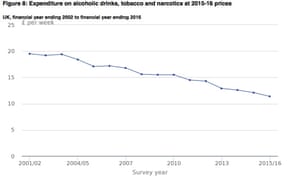
Weekly spending on booze, fags and narcotics fell below £12 for the first time since the survey began, partly reflecting the decline in the number of people who smoke.


On the other hand, households spent more than £45 a week on restaurants and hotels for the first time in five years, the Office for National Statistics said. The figures are for the year ending March 2016.


Jo Bulman, ONS statistician, said: “While overall household spending didn’t change much in real terms since the previous year, we did see some interesting shifts in the types of things people are spending their money on.”


Spending on alcohol, cigarettes and drugs has fallen below £12 a week


Spending on alcohol, cigarettes and drugs has fallen below £12 a week.

The report showed that households have still not fully recovered from the financial crisis, with family spending still below the levels seen before 2007.


Average total spending – adjusted for inflation – was unchanged from a year earlier at £528.90 a week. Low income families continued to spend a higher proportion of their spending on food and energy compared with people on higher incomes.


Transport was the biggest costs for households over the year, averaging £72.70 a week or 14% of spending. It was closely followed by housing – excluding mortgage interest payments and council tax – fuel and power, which averaged at £72.50 a week.


Average weekly family spending in the year ending March 2016


  • Transport: £72.70

  • Housing, fuel and power: £72.50

  • Recreation and culture: £68

  • Food and non-alcoholic drinks: 56.80

  • Restaurants and hotels: £45.10

  • Miscellaneous goods and services: £39.70

  • Household goods and services: £35.50

  • Clothing and footwear: £23.50

  • Communication: £16

  • Alcoholic drinks, tobacco and narcotics: £11.40

  • Health: £7.20

  • Education: £7


Britons spending more on food and leisure than booze, smoking and drugs

14 Şubat 2017 Salı

Half of GPs unaware of drug"s use in cancer prevention – study

A “worrying” number of family doctors are not offering at-risk patients a preventive breast cancer drug, a charity has said.


A study found that only half of GPs were aware the drug tamoxifen could be used to reduce the risk of breast cancer.


In 2013 the National Institute for Health and Care Excellence (Nice) recommended that women deemed to be at moderate or high risk of breast cancer should be offered chemoprevention drugs including tamoxifen.


But the new research found that just over half of GPs knew the medication could be used in this way. The study, published in the British Journal of General Practice, also found that three-quarters of GPs were not aware of the Nice guidelines.


Delyth Morgan, chief executive of the charity Breast Cancer Now, said: “It is extremely concerning that many women at an increased risk of breast cancer are still not being offered the choice of taking tamoxifen to reduce their risk. Given the current debate on the increasing patient demand on the NHS, it is essential that we make the most of low-cost preventive measures such as tamoxifen.


“This study highlights that greater support needs to be offered to GPs in prescribing off-patent drugs in new uses. Ultimately, while not all women will want to take tamoxifen as it has side-effects as well as benefits, it’s imperative that they are offered the choice and given all the information they need to make an informed decision.”


The study involved online responses from 928 family doctors from England, Northern Ireland and Wales. The researchers presented respondents with a series of scenarios in which a healthy patient was seeking a tamoxifen prescription. They found 51% of the GPs knew the drug could reduce breast cancer risk, and 24% said they were aware of the relevant professional advice.


They found GPs were more comfortable discussing and more willing to prescribe or recommend these drugs if supported by hospital doctors. Cancer Research UK (CRUK) called for better support for GPs.


The tamoxifen study formed part of a CRUK report that also looks at other cancer-preventing drugs. The report says 73% of GPs know that aspirin could reduce the risk of bowel cancer in people who are at high risk.


Among GPs who had heard of the Lynch syndrome – a genetic condition that can increase a person’s risk of bowel cancer, cancer of the womb and some other cancers – just under half knew that aspirin could reduce the risk of cancers linked to the syndrome.


The report makes a number of recommendations to ensure cancer-preventing drugs are routinely discussed with and offered to patients who may benefit.


Its author, Dr Samuel Smith, a CRUK fellow at the University of Leeds, said: “Our report helps us to understand GP attitudes towards the use of cancer-preventing drugs. It’s clear that more needs to be done to promote the evidence and guidance associated with these drugs, particularly as research reveals GPs are lacking the support to discuss effectively the risks and benefits of preventive therapy.”


Prof Arnie Purushotham, CRUK’s senior clinical adviser, said: “Cancer-preventing drugs have the potential to have a huge impact by reducing the risk of cancer developing in the first place. This report reveals that it’s vital that GPs are given the right support and information so they are confident to explore the value of these drugs with those who would benefit from them, wherever they are in the UK.


“While this study focuses on reducing cancer risk, chemoprevention can also be used to reduce the risk of some cancers returning or spreading. It’s essential that the NHS provides a clear steer to doctors to ensure all patients have equal access to treatments that could benefit them.”


NHS Digital data shows there were 662,264 prescriptions dispensed for tamoxifen in 2015.


Prof Helen Stokes-Lampard, chair of the Royal College of GPs, said: “The benefits of using long-term medication to lower the risk of developing cancer are becoming clearer as new research findings become available, and it’s important that this informs official clinical guidelines and that GPs and our teams are aware of them.


“But with clinical guidelines rightly being updated so frequently and given the incredibly broad spectrum of knowledge GPs need to have, it’s understandable that family doctors often take cues from our specialist colleagues in hospitals, so improved communication channels between primary and secondary care would certainly be helpful.”


Half of GPs unaware of drug"s use in cancer prevention – study

28 Ocak 2017 Cumartesi

Quitting EU regulator "would leave UK waiting longer" for new drugs

Ministers are coming under growing pressure to scrap plans to quit Europe’s medicines regulator as part of Brexit, with drug firms saying doing so could force Britons to wait a year longer than patients in the EU to access new drugs.


Labour and leaders of the UK’s pharmaceutical industry fear that patients and the NHS will lose out if Britain gives up its membership of the European Medicines Agency (EMA). The health secretary, Jeremy Hunt, told MPs last week that he did not expect the UK to continue as a member once it left the EU.


Several EU states, including the Netherlands and the Republic of Ireland, have already expressed interest in hosting the EMA’s headquarters if and when it relocates from London with its 890 medical, scientific and managerial staff. Hunt said it was likely the EMA would move as a result of Brexit.


The shadow health secretary, Jonathan Ashworth, has written to Hunt branding departure from the EMA “reckless and unbelievable” and highlighting the “damaging loss of jobs and wealth from our shores” it would involve.


He said that British people would face “longer waiting periods to access life-saving treatments”. He added: “If we leave the EMA we could, like Canada and Australia, have to wait for many months before being able to buy drugs already available in bigger markets like the EU and the United States.”


The Association of the British Pharmaceutical Industry (ABPI), which represents drug firms employing about 220,000 people in the UK, voiced similar concerns. Dr Virginia Acha, its executive director for research, medical and innovation, said that Britain being outside the EMA could lead to patients waiting six to 12 months longer than the rest of Europe to receive newly developed medicines because the UK would be a small market rather than part of a large EU-wide one.


“While there is opportunity in creating a bespoke regulatory framework for the UK, if this operates outside of the EMA, the added time, cost and burden of having to seek additional regulatory approval in a separate system is likely to mean British patients’ access to medicines will face even greater delay,” Acha said.


The EMA currently licenses all medicines that manufacturers want to sell in the 28 EU states and some other countries in the European Economic Area. Its resident population of 500 million people represents 25% of the world’s total drug market. If Britain left the EMA and made its own arrangements to regulate drugs, it would be of much less priority to pharmaceutical firms because it would be as little as 3% of the global market, Acha added.


The prime minister, Theresa May, was non-committal on how drugs regulation would work after Brexit when Philippa Whitford, the Scottish Nationalist MP and an NHS doctor, raised it at last week’s prime minister’s questions.


“Leaving the EMA would be bad for patients and bad for the NHS. We should be doing our damnedest to stay inside the EMA, maybe through some form of associate membership,” Whitford said.


The ABPI is lobbying several Whitehall ministries, including Hunt’s Department of Health and David Davis’s Department of Exiting the European Union, to try to ensure the UK retains some form of membership of the EMA. Britain already has its own drugs regulator, the Medicines and Healthcare products Regulator Agency (MHRA), which is part of an EMA-led pan-European network of 36,000 national regulators and scientists.


The MHRA already plays a disproportionately large role in the EMA’s work, assessing about 20% of all the drugs the EMA evaluates every year. But it would have to increase hugely in size if it became responsible for approving all new drugs aimed at the British market.


Ashworth has asked Hunt to spell out how much it would cost Britain to have a dedicated national drugs regulator and also said that “regulatory divergence between a post-Brexit Britain and the EU” could lead to job losses in the life sciences industry, a sector May has highlighted as central to the UK’s economic prospects after departure form the EU.


Quitting EU regulator "would leave UK waiting longer" for new drugs

25 Ocak 2017 Çarşamba

Trial finds combination of pancreatic cancer drugs extends survival

Cancer campaigners are hailing a “monumental leap forward” in pancreatic cancer treatment after a new drug trial significantly extended survival from what is the most lethal form of the disease.


The clinical trial found that 29% of patients given a combination of two chemotherapy drugs lived for at least five years compared with 16% who received the one chemotherapy drug that is still the NHS’s standard treatment.


The results are important because they could lead to an improvement in the prospects for people who develop pancreatic cancer, which has the lowest survival rates among the 21 most common forms of the disease and kills 8,800 Britons a year. Only one in 100 people survive for 10 or more years after their diagnosis.


“These results are a monumental leap forward in pancreatic cancer treatment. We believe this could herald a true step change in the treatment of this tough cancer, offering substantially more patients who have had surgery the chance to live for longer and, crucially, without significant added side-effects,” said Leanne Reynolds, head of research at the charity Pancreatic Cancer UK.


About 10,000 people are diagnosed with pancreatic cancer each year in the UK. However, the apparent breakthrough may only benefit the 800 who have surgery. The cancer is too advanced in most of the other 9,200 cases for surgery to be worthwhile.


Four in five patients are only diagnosed when the cancer has reached an advanced stage, and in 46% of cases only after they have presented as an emergency at an A&E unit. Survival rates have barely improved for 40 years, in contrast to some other forms of the disease. It is the fifth most common cause of cancer death in the UK.


The ESPAC-4 (European study group for pancreatic cancer) trial involved 732 patients from 92 hospitals in England, Scotland, Wales, Germany, France and Sweden. Of those given both gemcitabine and capecitabine, 28.8% survived for at least five years, compared with just 16.3% who received only gemcitabine.


Pancreatic Cancer UK and the researchers behind the findings are now urging the NHS to replace gemcitabine with the combination as the standard treatment for the one in 12 sufferers of the disease who undergo a resection of their pancreas.


“This is one of the biggest ever breakthroughs prolonging survival for pancreatic cancer patients,” said Prof John Neoptolemos of Liverpool University, who lead the team of researchers.


“When this combination becomes the new standard of care it will give many patients living with the disease valuable months and even years.” The two drugs taken together extend median overall survival from 25 and a half months for those on gemcitabine alone to 28 months, according to the study, which has been published in the Lancet.


Cancer survival rates in England and Wales

“The difference in short-term survival may seem modest, but improvement in long-term survival is substantial for this type of cancer,” added Neoptolemos.


Meanwhile, separate research has also brought good news about lung cancer, which has the second worst survival rates among the commonest forms of cancer.


The number of people surviving for at least a year after diagnosis rose from 31% to 38% between 2010-2015, according to the NHS’s latest audit of the quality of care patients receive. Experts in the disease welcomed the increase, which is mainly the result of earlier diagnosis.


Ian Woolhouse, the audit’s senior clinical lead, said it was “very encouraging” that one-year survival had improved in what is the UK’s second most common form of cancer after breast cancer.


His team noted other progress too in how the NHS treats patients, including the fact that 60% of patients now receive some for of anti-cancer treatment. They analysed the records of 43,000 people diagnosed with lung cancer in 2015.


However, they voiced concern about the persistent “wide and unacceptable variation in standards of care” provided by NHS trusts and boards across England, Wales, Scotland and Guernsey. Only 57% of patients are seen by a specialist lung cancer nurse, for example, even though the target for that is 90%.


Dr Jesme Fox, medical director of the Roy Castle Lung Cancer Foundation, said: “We are pleased to see this encouraging increase in patient survival. However, there is much still to do to ensure that lung cancer patients are diagnosed as early as possible and are able to access best practice treatment and care.”


Trial finds combination of pancreatic cancer drugs extends survival

16 Kasım 2016 Çarşamba

Long-lasting pill that releases drugs for two weeks a "game-changer"

A pill that releases its medicine for two weeks after being swallowed is being hailed as a potential game-changer in drug treatment.


In future, similar forms of longterm oral drug delivery could put an end to regimens requiring numerous repeat doses, which may be missed or found too inconvenient.


The prototype capsule was tested with a malaria drug called ivermectin. Used in mass treatment campaigns, it could aid eventual elimination of the disease, say experts.


Long-acting pills could be especially helpful for elderly patients or those with mental conditions who often fail to follow prescription instructions.


Prof Robert Langer, a member of the Massachusetts Institute of Technology (MIT) team that developed the pill in the US, said: “Until now, oral drugs would almost never last for more than a day. This really opens the door to ultra-long-lasting oral systems, which could have an effect on all kinds of diseases, such as Alzheimer’s, or mental health disorders.”


The pill has a star-shaped structure with six arms that can be folded inwards and encased in a smooth capsule. Drug molecules are loaded into the arms. After the capsule is swallowed, stomach acid dissolves its outer layer, allowing the arms to unfold and release their payload.


Once expanded, the “star” is large enough to stay in the stomach and resist being pushed further down the digestive tract. However, it is not so large that there is a risk of blockage. Eventually, the arms break off and the pieces are expelled naturally.


Tests in pigs showed that the pill could keep releasing its medicine in the stomach for two weeks. Future versions of the capsule are expected to provide even longer-lasting drug delivery, spanning a month or more.


Co-author Dr Giovanni Traverso, from Harvard Medical School, said: “We want to make it as easy as possible for people to take their medications over a sustained period of time. When patients have to remember to take a drug every day or multiple times a day, we start to see less and less adherence to the regimen. Being able to swallow a capsule once a week or once a month could change the way we think about delivering medications.”


A new US company spun off the research, Lyndra, is now developing the technology with a view to focusing on neuropsychiatric disorders, HIV, diabetes and epilepsy.


Dr Andrew Billinger, chief scientific officer at Lyndra, said longterm delivery of ivermectin using the pill could assist malaria elimination campaigns based on treating whole populations. “Getting patients to take medicine day after day after day is really challenging,” he added.


Andrew Boaden, senior policy officer at the Alzheimer’s Society, said: “Seven in 10 people with dementia have at least one other health condition such as diabetes or heart disease, which often means they are taking a cocktail of different drugs throughout the day.


“Innovations that allow treatments to be taken less frequently have the potential to help people with dementia avoid missing their medication and falling sick.


“It’s important to note that we don’t yet know whether this method could be used for specific medications and dementia treatments – this would require further testing.”


The research is reported in the journal Science Translational Medicine.


Long-lasting pill that releases drugs for two weeks a "game-changer"

15 Kasım 2016 Salı

New Hope For Our Veterans-Natural Effective Treatments Without Drugs

Thank you to all our Veterans. For far too long– gratitude for service, understanding the depth of emotional wounds, and lack of timely, compassionate care for the physical—have plagued our VA system.


It’s time our Veterans become educated and empowered about new and highly effective treatments for wounds both visible, and deeply hidden.


Along with the election, came the legalization of marijuana in several states. Make no mistake—we have a long way to go. This is not “pot smoking” like so many believe it to be. This is Cannabis—one of the oldest, most effective medicinal plants—showing up in government PubMed published studies with the potential to help more than a hundred ailments. New treatments from an old favorite are showing promise for everything from cancer and Alzheimer’s—to depression, diabetic neuropathy, fibromyalgia, Parkinson’s, epilepsy, MS, and pain.
Herbalists and Naturopaths are rejoicing. Even allopathic physicians and caring responsible oncologists can no longer deny the science-based evidence. Why does cannabis work on so many seemingly different ailments? It has to do with the nervous system.
Endocannabinoids are a group of molecules that affect neurons and their specific receptors in the brain. They have been studied extensively and found to play a part in the way the body processes appetite, pain sensation, mood and memory.


Endocannabinoids are part of the ECS (endocannabinoid system) already within us. This system maintains normal cerebral and physiological function. Any type of neurodegenerative disease will be helped by taking in exocannabinoids in the proper form to correct deficiency due to genetic issues or lifestyle choices. Endo are in us but not in the plant–exo are in the plant and when we consume Cannabis (one of the oldest medicinal plants)–we fortify our inner ECS system for good or bad depending upon which cannabis compounds we consume. The terpenes for example, inhibit amyloid plaque (anti-Alzheimer’s). Some are potent hallucinogens. So cannabis can potentiate or diminish, and negatively or positively interact with the human ECS. Responsible scientists are cultivating cannabis for the betterment of mankind—while there will always be those who exploit the plant for personal gain. Patented drugs like Marisol manipulate the natural plant extract components, which then lose the ability to work with the body to restore function. Patented drugs have side effects (in this case possible seizures) that nature does not.


Another one of my favorite innovations from Jorg C. Gerlach of the McGown Inst. For Regenerative Medicine, is the Skin Gun. This allows severe burn patients to use their own skin stem cells to heal in merely days; helps avoid infection, and painful, grafting procedures. Healing the physical wounds in a timely and minimally painful way is important for beginning the process of inner emotional healing.


Companies utilizing 3D printers to make prosthetics that are both realistic looking and fully functioning should be available to all Veterans– along with the physical therapy to fully restore activities of daily living. Integrating back into a meaningful life purpose prevents isolation and depression.


Evox Therapy is another cutting edge treatment for healing the mind. Every physical ailment begins as a perception of an event filtered by the mind. You must address the emotional component to heal the physical. This is not accomplished with drugs. Drugs suppress this process, not heal it. Evox therapy is a perception reframing therapy using the frequency of your voice to release negative energy. Biofeedback allows patients to receive helpful frequencies based upon their targeted vocal recognition to unblock and release toxic stressors and reframe perceptions with healing positive energy. (Links in resources)


There is a privately funded, non-profit healing center in Bluemont, Virginia where natural healing therapies are successfully treating PTSD.  The “Warrior Path” program is 18 months long and teaches people how to leave the past behind and find a new center for personal growth. Natural effective therapies include things like hiking, fishing, culinary skills, bonfires, music, and even a Labyrinth. (Links below)


This Veteran’s Day, let’s honor our heroes by empowering them back from helplessness and despair to health beyond danger —body, mind, and Spirit.


Resources:


Cannabis—one study
http://medical-cannabis-declaration.org/jahan-marcu/


Skin Gun
http://channel.nationalgeographic.com/explorer/videos/the-skin-gun/


3D Printers


https://www.youtube.com/watch?v=oEx5lmbCKtY


Evox Therapy


https://www.zyto.com/products/evox/


http://www.wholehealthamerica.com/designs/bp.php?idnum=7&zt=user&zn=3


Boulder Crest Retreat


http://www.bouldercrestretreat.org/


http://www.wusa9.com/news/local/healing-ptsd-at-boulder-crest-retreat-/351185178 


New Hope For Our Veterans-Natural Effective Treatments Without Drugs

13 Kasım 2016 Pazar

Increase in serious IVF complications raises concerns over use of fertility drugs

Increased numbers of women suffered from a serious complication of IVF last year, according to official figures that raise concerns about the use of powerful fertility drugs.


In 2015, 60 women were admitted to hospital with severe ovarian hyperstimulation syndrome (OHSS), a 40% increase on the previous year. The condition, which is triggered when the ovaries swell up and leak fluid, is potentially life-threatening. Symptoms include abdominal swelling and pain, nausea, dehydration and blood clots in the legs.


Leading fertility doctors warned that the trend could be driven by doctors giving women stronger drugs to harvest more of their eggs, with a view to boosting the chances of a successful pregnancy.


Professor Geeta Nargund, a senior consultant at St George’s Hospital in London and medical director of Create Fertility, said: “OHSS is a preventable condition. The number should never go up, it should always go down in modern fertility practice.”


In the past decade the numbers of OHSS cases have been steadily falling as clinics have shifted towards milder treatments, but the latest figures suggest a reversal of this trend.


Nick Macklon, professor of obstetrics and gynaecology at the University of Southampton, believes the increase could be linked to recent improvements in embryo and egg freezing technology.


In theory, the ability to freeze eggs and delay transferring embryos until the ovaries have settled down should help avoid serious cases of OHSS, which can be worsened by pregnancy. However, it also provides a greater incentive for clinicians to obtain as many eggs as possible to maximise a couple’s chances of success, he said.


“This escape route may have encouraged clinicians to return to harder stimulation regimens,” said Macklon, adding that recent Human Fertilisation and Embryology Authority (HFEA) figures showing higher pregnancy rates when around 15 eggs are obtained may also have played a role.


During IVF, a woman is typically given injections of drugs designed to stimulate the ovaries into releasing eggs, which are then harvested, fertilised and either transferred back to the patient or frozen for future use. Some women are more sensitive to the drugs, however, and their ovaries are sent into overdrive, causing them to enlarge and release chemicals into the bloodstream.


Fluid from the blood vessels leaks into the abdomen, and in severe cases, into the space around the heart and lungs. Mild OHSS is common, affecting about one in three women, but the condition can result in serious health problems and -extremely rarely – women have died.


Blood tests are now used by clinics to predict who is at risk of OHSS, based on their natural levels of a hormone called AMH. “We might reasonably expect that the trend in incidence should therefore be down rather than up, so I think there is likely to be a real cause rather than statistical artefact behind the rise,” said Macklon. “The overall numbers remain very low compared with the past, but I think there is a message in these data to remain vigilant about preventing OHSS by avoiding high dose stimulation where possible.”


According to HFEA data, in 2014, 42 cases of severe OHSS were recorded, compared to 46 the previous year, but last year the figure rose to 60 cases.


The regulator classifies severe OHSS as a grade B adverse incident, one level below the most serious category, which includes the death of a patient or an embryo being transferred to the wrong woman.


Professor Adam Balen, chairman of the British Fertility Society and a spokesman for the Royal College of Obstetricians and Gynaecologists, said: “OHSS is a potentially serious complication of fertility treatment, particularly IVF. Most women will recover with pain relief; however, for severe cases, women may need to be admitted to hospital and given treatment to reduce their risk of developing blood clots, which is a serious complication of the condition.”


HFEA figures show a steady upward trend in the number of IVF cycles carried out annually, rising from 68,000 in 2014 to around 72,000 in 2015 (roughly a 6% increase), which might explain part of the increase in adverse incidents last year.


“I said ‘call my mum,’ and then ‘no, call an ambulance.’”


Lee Cowden, who suffered a heart attack as a result of OHSS.


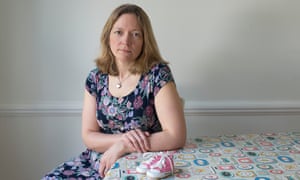
Lee Cowden, who suffered a heart attack as a result of OHSS. Photograph: Sophia Evans for the Observer

A decade ago, Lee Cowden, a primary school teacher from Surrey, was newly married and lying in bed with her husband, Iain, after a weekend away in Norfolk. “I remember sitting up in bed gasping and saying to my husband ‘I can’t breathe.’” she said. “We hadn’t been married that long and I said ‘call my mum,’ and then ‘no, call an ambulance.’”


Lee later discovered she had suffered a heart attack as a result of OHSS.


At 25 she had decided to start trying for a baby, because her diagnosis of polycystic ovary syndrome meant she would need fertility treatment. She had been prescribed stimulation drugs to induce ovulation, but when it hadn’t worked the clinic had doubled the dose.


The first sign that she was suffering OHSS was abdominal pains, but the clinic told her this was probably due to a benign ovarian cyst. In fact, her ovaries had become severely over-stimulated and this eventually led to a blood clot forming that travelled to her heart.


“I felt a stabbing pain between my shoulder blades, which I knew was a sign of a heart attack, but I thought: don’t be ridiculous, you’re 25,” she recalls.


Since then, she said, she has met many others who have suffered from milder forms of OHSS. “So many women … think overstimulation is part and parcel of treatment,” she said. “It’s not acceptable.”


Lee, now 37, made a good recovery – although she will take daily heart medication for the rest of her life – and went on to have IVF treatment using milder drugs. She conceived her daughter, Molly, who is now nearly ten. Two years later, she conceived naturally, and her second daughter, Ruby, is eight.


Increase in serious IVF complications raises concerns over use of fertility drugs

3 Kasım 2016 Perşembe

Hard Brexit would mean patients waiting years for new drugs – report

A hard Brexit would lead to the loss of scientific funding for the UK drug industry and would mean patients waiting much longer for life-changing medicines, a thinktank has warned.


The report by the Public Policy Projects notes that patients, taxpayers and drugmakers benefit from a shared clinical trials and drug approvals process between the UK and the EU. This would be lost under a hard Brexit, which could mean years of delays before vital new drugs come on to the UK market – and £144bn of lost sales for the UK life sciences industry by 2020. A hard Brexit would mean the UK having no access to the single market.


Stephen Dorrell, a former Tory health secretary who heads the thinktank, said the government must be equally focused on Brexit’s implications for the pharmaceutical and biotech industries as it was on banking and the car industry. Life sciences contribute £60bn a year to the UK economy and employ 220,000 people.


Dorrell, who also chairs the NHS Confederation, warned that a hard Brexit would “take ourselves out of the scientific mainstream and thereby undermine the vitality of the British life sciences”. The UK life sciences, which David Cameron described as a “jewel in the crown”, risked being demoted to a “second-tier player”, Dorrell added.


The report, backed by healthcare consulting firm QuintilesIMS, argues that access to the single market is vital for drugmakers, ensuring free movement of scientists and preventing a brain drain. It says students should be taken out of the migration count.


Theresa May’s government has promised to make good the loss of the €8.8bn (£7.9bn) in scientific funding the UK received from the EU last year. But Dorrell said it was just as important to ensure that UK science remained at the heart of the European scientific community.


Luke Tryl, author of the report, said: “If we were to put [UK research and development] at risk, that would be highly reckless.”


The pro-EU group Scientists for EU says it knows of 41 foreign researchers who have refused to take UK posts or are thinking of refusing because of the Brexit vote, and of 100 who have already left or are planning to leave Britain. There have also been incidents of British scientists being dropped from EU projects owing to funding concerns.


The report highlights the importance of regulatory alignment. Tryl said if UK drugmakers were forced to choose between launching medicines in the UK and the EU, they would choose the latter market with its 500 million consumers rather than the former with its 60 million. The report points to Switzerland, noting that the Swiss authorisation agency works closely with the European Medicines Agency under mutual recognition agreements.


Another blow would come from pharmaceutical companies relocating. Japan’s drugmakers – at least 18 have R&D operations in the UK – have already warned they would move to wherever the EMA, currently based in London, relocates.


But UK companies GlaxoSmithKline and AstraZeneca are pushing ahead with investment plans despite the Brexit vote, and US biotech firm Alnylam said in September that it would base its European drug development team in Berkshire.


Hard Brexit would mean patients waiting years for new drugs – report

1 Kasım 2016 Salı

Shire shares fall after reporting drop in sales of haemophilia drugs

The pharmaceutical company Shire has reported a drop in sales of haemophilia drugs, its biggest source of revenue since the $ 32bn acquisition of US firm Baxalta was completed in June.


The London-listed company’s third-quarter results disappointed the City. Shire shares closed down 2.6% at £45.28, the second day of falls, as investors also worried about the future pricing of haemophilia drugs in the US.


On Monday, Express Scripts, the largest manager of prescription drug plans for US companies, said it was looking at ways to manage the rising cost of haemophilia medicines.


Hillary Clinton is expected to tackle drug pricing if she wins the US presidential election. The Democratic candidate has repeatedly lambasted high pricing – describing that of EpiPen, drug firm Mylan’s emergency treatment of anaphylaxis, as “outrageous” and accusing entrepreneur Martin Shkreli of “price gouging” vital medicines.


Shire’s chief executive, Flemming Ørnskov, admitted that firms that managed prescription US drug plans wanted to “manage a number of categories more tightly” including haemophilia.


“We live in an environment, certainly during a presidential campaign, where price is in high focus,” he said.


“We can expect for all our categories, not just haemophilia, tighter management, but we have the programmes in place to make sure this does not affect our patients and has limited impact on our overall business. I remain incredibly confident about the outlook for haemophilia.”


Ørnskov said existing patients would not be forced to switch haemophilia medications as this would be considered too risky.


The Danish businessman was upbeat about Shire’s new drug for dry eye disease. Launched in August, Xiidra has already taken a 16% market share in the US. The eye drop is expected to generate annual sales of more than $ 1bn by 2020.


Shire said its integration of Illinois-based Baxalta, which specialises in treatments for rare blood conditions, cancer and immune system disorders, was ahead of schedule.


Sales of haemophilia medicines, also acquired from Baxalta, fell by 6% to $ 884m in the three months to 30 September, which Shire blamed on the timing of some large orders.


Overall, sales more than doubled to $ 3.3bn after the acquisition, but this was slightly lower than analysts had expected. Excluding Baxalta, revenues rose 12%.


Costs related to the takeover were also higher than Shire expected, partly because it has accelerated some factory closures in the US.


Shire is based in Dublin for tax purposes and run from Boston. As announced in the spring, it is pushing ahead with the closure of its Basingstoke office, where 270 people work.


The company wants to open an office in the Paddington, London, as its UK commercial base, so it can be “closer to the heart of life science communities”. There has been speculation that some staff may be moved to Dublin.


Shire shares fall after reporting drop in sales of haemophilia drugs

23 Ekim 2016 Pazar

NHS access to innovative drugs could be cut by four years, says review

Patients could get drugs and treatment sooner under an “ambitious” plan, according to a new report.


The UK has been known to be slower than other countries when it comes to providing life-changing treatments as soon as they are available, officials said. Making the newest treatments available more quickly is among the recommendations in the Accelerated Access Review.


The report, commissioned by the government, suggests patients could have medications four years sooner than at present if NHS processes were streamlined. Officials said the report will help the UK “embrace new opportunities” as it prepares to leave the European Union.


The review said patients and medical staff become frustrated as they wait for much-needed treatments and said innovators have to “navigate multiple processes” to get their products to the market.


Chair of the Accelerated Access Review, Sir Hugh Taylor, said: “This ambitious plan will prepare the health system for an exciting era in medical innovation. We’ve listened to the views of the NHS, patients, clinicians, the life sciences industries and academia – and it is clear we need to act now to make the most of the tidal wave of new drugs and technologies that are being developed.”


NHS England chief executive, Simon Stevens, said the review could help create opportunities as Brexit approaches. “Across the NHS we’re going to create headroom for faster and wider uptake of important new patient treatments. In doing so we’re going to create new opportunities in the run-up to Brexit for our globally successful UK life sciences sector. If we get this right there are huge gains within our grasp, for patients across the NHS and for the wider success of our country.”


Health charities have welcomed the recommendations. Cancer Research UK’s chief executive, Harpal Kumar, said: “The voices of patients have been crucial to this review. They have a critical role in advising how research priorities should be set and how they would like to be involved in developing new treatments to meet their needs.”


Hilary Evans, chief executive of Alzheimer’s Research UK, said the review has come at a “crucial” time for thousands of dementia patients awaiting the results of trials of a number of potential new treatments. “If these are shown to be positive then the recommendations in this report, including the creation of a new strategic commercial unit, could help these treatments get to patients more rapidly, while ensuring that appropriate reimbursement to innovators is balanced against good value to the NHS.”


NHS access to innovative drugs could be cut by four years, says review

BMA calls for helpline for people addicted to prescription drugs


The British Medical Association (BMA) has called for a 24-hour helpline to be introduced for patients who are addicted to prescription drugs.


The group believes it could help to tackle problems created when strong tranquillisers prescribed for short-term use, to treat issues such as anxiety and insomnia, are issued for longer periods.


Dr Andrew Green, the BMA’s GP clinical and prescribing policy lead, described dependence on the powerful prescription drugs as a widespread problem that sometimes involves patients who are upset at having been harmed by treatments they hoped would help them.


Dr Green said services need to be specifically designed for this group of people as they may feel out of place if they are referred to existing services, which are aimed at cocaine or methadone users.


He told BBC Breakfast: “The situation has been made worse because they have come to the NHS for help and they have found that the services are not available for them.


“We have even had some patients say they feel they are being blamed for the situation that they find themselves in.”


Benzodiazepines – taken for severe anxiety, insomnia and sometimes pain relief – are a particular concern. Disturbed sleep, personality changes, blunted emotions and people feeling they are struggling to manage their lives are among the potential side-effects of the drugs.


BMA calls for helpline for people addicted to prescription drugs

15 Eylül 2016 Perşembe

PrEP HIV drugs: court hears NHS England appeal

A legal battle is being fought out in the court of appeal over who pays the bill for a service to block HIV infection.


The high court ruled that NHS England has the power to commission PrEP, which has been described as a “game-changer” in the fight against HIV/Aids.


NHS England is appealing on the grounds that local authorities have the legal responsibility to arrange services to “prevent” the spread of HIV, while its own responsibilities are limited to treating those already assumed to be infected.


PrEP, short for “pre-exposure prophylaxis”, is a prevention strategy that involves people who are HIV-negative but at high risk of infection taking the anti-retroviral drug Truvada to reach optimal levels of protection.


The anticipated cost of providing PrEP services is £10m-£20m a year.


When taken consistently, it has been shown to reduce the risk of HIV infection in people who are at high risk by more than 90%.


The legal battle is important and urgent because of its potential impact on the provision of other services, including hearing implants for children with deficient or missing auditory nerves, prosthetics for lower limb loss, and a drug for treating certain mutations in children aged two to five with cystic fibrosis.


Nine new treatments and services NHS England had planned to make available to patients have been put on hold pending the outcome of the appeal.


In May this year NHS England’s specialist services commissioning committee decided not to commission PrEP, saying it lacked power to do so under NHS legislation and regulations.


But Mr Justice Green, sitting in London’s high court, ruled on 2 August that it did have the power under the NHS Act 2006 and under regulations made in 2012 which came into effect in April 2013. The ruling was a victory for the National Aids Trust (NAT), a charity, with backing from the Local Government Association (LGA).


Jonathan Swift QC, appearing for NHS England, is asking the appeal judges – Lord Justice Longmore, Lord Justice Underhill and Lady Justice King – to rule the high court decision wrong in law and to conclude that provision of PrEP services does indeed fall outside NHS England’s legal powers.


Swift said the case was a matter of general public importance because it involved the balancing of the division of health responsibilities between NHS England, the health secretary and local authorities. The QC drew a distinction between “PrEP” and “PEP”. He said NHS England has provided PEP – the post-exposure prophylactic service – since 2013.


He described PEP as an emergency service provided in cases where there was “an assumption” that the person being treated was HIV-infected at the time of treatment – in contrast to PrEP, which was for people not infected.


Mr Swift argued the 2012 regulations only required NHS England to provide services, for patients already believed to be infected. Responsibility for funding PrEP fell to local authorities since they were under an express obligation to make arrangements for services to prevent the spread of sexually transmitted infections, including HIV.


The high court judgment which is being challenged said the case was about “the allocation of budgetary responsibility in the health field”.


Mr Justice Green said: “No one doubts that preventative medicine makes powerful sense. But one governmental body says it has no power to provide the service and local authorities say they have no money.


“The claimant is caught between the two and the potential victims of this disagreement are those who will contract HIV/Aids but who would not were the preventative policy to be fully implemented.


“In my judgment the answer to this conundrum is that NHS England has erred in deciding that it has no power to commission the preventative drugs in issue.”


Alternatively, said the judge, NHS England has “mischaracterised the PrEP treatment as preventative when in law it is capable of amounting to treatment for a person with infection”. In any event NHS England had the power to commission preventative treatments because that facilitated, or was incidental to, “the discharge of its broader statutory functions”.


NHS England is asking the appeal court to rule the high court wrong on all counts. Campaigners have said that while the majority of gay men use condoms to prevent being infected with HIV, there is also an “ethical duty” to provide PrEP to those who do not. And they say the drug would provide an additional defence against HIV, and would not be used simply as an alternative to safe sex.


PrEP HIV drugs: court hears NHS England appeal