These etiketine sahip kayıtlar gösteriliyor. Tüm kayıtları göster

12 Nisan 2017 Çarşamba

Include These 11 Herbs & Spices into Your Diet for Healthy Living

We all know that without our favorite herbs and spices, dishes like guacamole, meatballs, and casseroles wouldn’t taste half as good. But did you know that science found that herbs and spices also provide a wide range of health benefits? From treating infections to preventing cancer, there’s so much you can get from ingredients found in your kitchen cupboard. In case you were wondering which spices provide what health benefits, here are 11 examples you can include for a long and healthy life.


  1. Parsley

Parsley is one of the most widely used herbs today that is native to the Mediterranean region. The versatile herb is used by diabetics in Turkey to reduce blood sugar levels. To see if this practice has any basis in reality, researchers conducted a study on rats to see how parsley affected their blood sugar and liver functioning. The study in question was published in Phytotherapy Research and found that diabetic rats given parsley showed significant improvement in their blood glucose levels. The study also found improvements in liver health in rats fed parsley suggesting that the traditional use of this herb was legitimate.


  1. Turmeric

Turmeric is a golden spice with a long history of medical uses dating as far back as 4000 years ago. The plant has gained a lot of attention in the scientific community because the spice proved to fight a wide range of disease in clinical trials. Some of these health benefits include protection against cancer, cardiovascular disease, some types of arthritis, and diabetes. Turmeric was also found to especially benefit digestive health reducing the severity of symptoms in ulcerative colitis, Crohn’s disease, and many other inflammatory conditions. These benefits mostly come from curcumin, the yellow pigment found in turmeric.


  1. Ginger

Ginger has a spicy aroma and a peppery taste. Studies on this herb found that plant compounds in ginger work as powerful anti-inflammatories making ginger a great natural alternative to painkillers. Other than that, adding ginger to your stir fries or drinking it as tea can help with stomach problems. Ginger was found to relieve treat nausea, heartburn, flatulence, diarrhea, and to boost poor appetite.


  1. Sage

You’ve probably heard of sage tea being a great remedy for a sore throat. The bitter-tasting herb is a powerful antiseptic explaining this well-known benefit. But studies also show that Sage can help with many other conditions as well. A study published in Advances in Therapy found that sage helps with one of the most common symptoms of menopause – hot flashes. According to this study, sage eliminated hot flashes completely by the end of the 8-week trial.


  1. Chili powder

Although chili powder is added in tiny amounts in most dishes, the spice is still able to have a strong effect on your health and metabolism. Chili powder is mostly recognized as a great weight-loss aid. A study published in the American Journal of Clinical Nutrition found that chili lowers post-meal blood glucose levels and insulin release. Chili is also believed to function as a powerful appetite suppressant and metabolism enhancer making it a perfect choice for those struggling with excess weight.


  1. Garlic

According to an article published in the Avicenna Journal of Phytomedicine, garlic can reduce your risk of cardiovascular disease, fight infections, prevent cancer, and lower blood sugar. The bulbous plant known for its strong aroma was traditionally used to fight parasitic infections but today it is a popular candida remedy while some also say that eating it during the cold season prevents colds.


  1. Cinnamon

Cinnamon is the wonderfully aromatic spice that is popularly used in dessert making. The spice is rich in volatile oils and antioxidant compounds some of which are believed to protect against diseases such as atherosclerosis, diabetes, and cancer. As with most herbs and spices, the health-protecting benefits of cinnamon come mostly from the spice’s antioxidants. What makes cinnamon unique among the spices, however, is that it was found to even fight against neurological disorders like Parkinson’s and Alzheimer’s.


  1. Black pepper

There was a time when pepper was as expensive as gold. Luckily, those times are over and now everyone gets to enjoy the many health-promoting benefits of pepper. The main active ingredient in black pepper called piperine was found to help scavenge free radicals and thus protect against tumor progression. Other than that, pepper was found to enhance cognitive functioning, absorption of other nutrients, and improve digestion.


  1. Celery

The root and leaves of celery can both be eaten, and both help treats various diseases. An article published in Progress in Drug Research claims that celery reduces symptoms of arthritis, stomach ulcers and that it reduces microbe activity. Munching on a celery stalk could give you the same benefits as the stalk also contains the many antioxidants and phytochemicals found in other parts of this plant.


  1. Cloves

Cloves are often added to winter desserts and mulled wine. The aromatic spice is also an integral part of Moroccan cuisine. According to an entry in the Asian Pacific Journal of Tropical Biomedicine, the antioxidant and antimicrobial activity of cloves is much higher than in most fruits, vegetables, and other spices making this spice one of the most potent natural remedies out there.


  1. Cumin

If you suffer from frequent stomach problems, then adding cumin to your meals may help. However, be careful as the volatile oils in cumin seeds tend to exert a strong aroma which can completely take over your dishes. Cumin seeds were found to help with irritable bowel syndrome while cumin powder helps lower blood lipids.


Conclusion


The wide array of herbs and spices we have available today were also found to be beneficial for overall health. Most of them contain a range of plant compounds and antioxidants that scavenge free radicals or reduce inflammation. Some of them were even found to exert strong antimicrobial activity. Adding these spices to your meals or using them in treatment preparations can help you deal with a host of diseases.


annielizstan


Include These 11 Herbs & Spices into Your Diet for Healthy Living

28 Mart 2017 Salı

Is the US facing an epidemic of "deaths of despair"? These researchers say yes

In 2015, the Princeton economists Anne Case and Angus Deaton’s groundbreaking paper in the National Academy of Science’s magazine reported that mortality rates among a section of Americans were suddenly surging – something unheard of in previous decades. Mortality was only rising in a certain group: middle-aged non-Hispanic whites without a college degree.


Case and Deaton have returned with a new paper published last week by the Brookings Institute. It paints a grim picture of two Americas, in which one has recovered from the 2008 economic crisis and the other hasn’t. The latter, once called “blue-collar aristocrats”, consists of families who were previously able to get by with jobs not requiring college degrees. The disappearance of those jobs has been accompanied by an alarming rate of suicides, overdoses, and diseases caused by drugs and alcohol.


Case and Deaton call these “deaths of despair” – and argue they have recently reached disturbing levels. While opioids account for many of the deaths, drug abuse may only be a symptom of a larger, unseen epidemic of despair.


Dr Anne Case answered questions over email.


Could you briefly describe your original research and what this new follow-up paper adds to it?


Our 2015 paper documented a set of facts: that after a century of almost uninterrupted progress on mortality, US white non-Hispanics (WNH) in midlife were experiencing a sustained period in which mortality rates stopped falling and rose instead. This stands in contrast to the continued declines in midlife mortality in other rich countries, and to progress being made in the US by black non-Hispanics, and Hispanics, who are on average poorer than whites.


Our 2015 paper highlighted the role played by suicide, alcohol-related liver mortality, and accidental drug overdoses in pushing mortality rates higher for WNH Americans. Our latest paper allowed us to take a deeper dive, looking at mortality and morbidity in much broader perspective. We found the mortality increases are in sync with the distress midlife WNHs face in many dimensions: poorer health and mental health, social isolation, obesity, marriage (or lack of marriage), poorer labor market opportunities, and weaker attachment to the labor market.


Two additional findings stand out: using these outcomes as measures of wellbeing, there appear to be two Americas: one for people who got a four-year college degree, and one for people who didn’t. In addition, these poorer outcomes for those without a college degree become more and more pronounced the later in the 20th century.


You use the term “deaths of despair”. I’m wondering how you would define “despair” in this context?


We think of drug, alcohol and suicide deaths. In a sense, they are all suicide – either carried out quickly (for example, with a gun) or slowly, with drugs and alcohol.


How do you see religion and marriage as factors in the rise of mortality rates among WNH Americans?


There hasn’t been a decline in religion, but it appears there has been a change in the type of churches to which people report an affiliation. “Legacy” churches (eg Catholic, mainline Protestant) have given way to “seeking” churches, in which there is less structure.


I’m not sure traditional ideas of marriage have changed, but later-born birth cohorts of WNH without a college degree are substantially less likely to get married, or stay married. To be concrete, almost three-quarters of WNH men and women with less than a BA born in 1950 were married when observed at age 30; that fell to two-thirds for the cohort born in 1960 seen at age 30; and to half for the cohort born in 1980.


Scholars in sociology tell us this is closely connected to the fact that men in later-born cohorts can’t marry if they don’t have “a good job”. Those jobs – jobs with on-the-job training, jobs with benefits, jobs where, if you work hard, you can expect to move up – are harder and harder to come by now. While marriage rates fell, rates of cohabitation rose. However, unlike what one sees in many European countries, these cohabitations are fragile in the US. Taken together, this leaves less structure (in religion, in jobs, in marriage). If things go well, this is fine, but if things go poorly, this can lead to suicide.


You write that the recent decline in incomes does not completely explain the rise in “deaths of despair” among white non-Hispanics without a college degree; they also face a “cumulative disadvantage” over the course of their lives. How do you explain this?


Current household income per person doesn’t explain why those without a BA have rising mortality rates. For both those with and without a college degree, incomes rose in the 1990s and fell with the great recession. But those with a BA saw mortality rates fall throughout this period, while those without a BA saw mortality rates rise throughout.


We are working with a model of “cumulative disadvantage” to help us make sense of the rise in despair. You can think of everyone born in a given year (say, 1960 or 1970) as being handed a weight that they have to carry with them. The heavier the weight, the harder it is to carry, and the longer you carry it, the worse things become. That weight may be the kinds of jobs a person can get with a high school degree (measured in wages and opportunities for advancement), and it appears that weight is heavier for each successive birth cohort. The quality of the labor market may affect whether a person marries, and the stability of their personal lives, and whether they risk their health at work.


What current policies, if enacted, could prolong or deepen or halt the epidemic?


Addiction and mental health programs are essential. Working to stop the over-prescription of opioids is essential. Policies that make available educational opportunities for people who don’t want a college degree – that allow people to develop the skills that will be rewarded in the 21st-century economy – would make a big difference.


You suggest that Europeans don’t see the same rise in death rates due in part to a stronger social safety net. Could you see an argument for such a social safety net in America?


This might be more difficult than it sounds. Americans like to think of themselves as individuals who can look after themselves and their families, and expect the same of their neighbors. A stronger safety net may not be politically feasible. The difference between a “helping hand” and a “handout” may be in the eye of the beholder.


  • In the US, the National Suicide Prevention Hotline is 1-800-273-8255. In the UK, the Samaritans can be contacted on 116 123. In Australia, the crisis support service Lifeline is on 13 11 14. Hotlines in other countries can be found here


Is the US facing an epidemic of "deaths of despair"? These researchers say yes

27 Ocak 2017 Cuma

Want to know how society"s doing? Forget GDP – try these alternatives | Mark Rice-Oxley

Here are the week’s leading indicators. The Dow Jones industrial average topped 20,000 points for the first time. British GDP grew 0.6% in the final quarter of 2016. The FTSE 100 and Germany’s DAX 30 persisted close to record highs, while US GDP softened slightly.


Bored yet? I am. As a former financial journalist, I’m well acquainted with the merry-go-round of indicators that blip in and out of our lives like digital dopamine, telling us how well we’re doing. As a human being, I’m increasingly alarmed that these are just irrelevant numbers that have little or no bearing on how well we are really doing.


Stock market indices have long been decoupled from what is happening in the real world. All they reflect is the performance of big private pension pots belonging to the haves (in Britain only 58% of people have private pensions and the majority of those really very small), and how big the bonuses of a few thousand money men (yes, mostly men) will be this year.


Indeed, a company’s share price rising might be an indication of a round of redundancies or other cost-cutting which makes shareholders richer at the expense of staff. The number of people who should celebrate the Dow hitting 20k is truly tiny. Most of them wouldn’t be much fun to go out for a beer with.


As for GDP, has there ever been an acronym as spellbindingly dismal as this? GDP goes up if you sit in traffic for an hour with the engine ticking over. It doesn’t if you stay at home, caring for a sick child. GDP has soared in China over the past 20 years. Now its people wear masks in the street to filter the smog. GDP can’t measure the things that are really important to us – our health, relationships, environment – but can and does measure when industries strip-mine the Earth to make gimcrack that nobody wants but which people buy anyway, and then throw away.


This is not to deride the herculean efforts of journalists who follow this stuff, like our own Graeme Wearden, who tries to makes sense of the blizzard of financial data spewed out every day here.


Instead, I’d rather suggest a series of other metrics that give a clearer indication of where humanity is at. Perhaps these are the key performance indicators we should hardwire into our reporting calendar:


If we must focus on financial instruments, make it edible commodities. You can’t eat a Treasury bill, after all


One of the lessons of the 20th century was that inequality breeds revolt and revolutions never end well. One of the lessons of the 21st century is that people seem to be determined not to learn the lessons of the 20th century. The Gini coefficient is a crude measure of how unequal societies are becoming. Some economists have been toying with another measure, the Palma ratio, which is better at discerning how much richer the richest cohort are getting, compared with the poorest. Both tell us much about our direction of travel.


If we must focus on financial instruments, edible commodities are surely more interesting than stock and bond prices. You can’t eat a three-month Treasury bill, after all. In 2007/08, a wave of riots swept the developing world as the cost of basic foodstuffs soared. Governments fell. A dotted line joined that manifestation of unrest with the Arab spring four years later. Food matters. We routinely write that as many as a billion people on the planet are hungry, malnourished. That’s far more than the number with Dow Jones tracker funds.


The most scary dataset of all. It goes up every year. And so do global temperatures. If this carries on for another couple of decades, people won’t be inspecting their portfolios – they’ll be foraging in the woods. Has anyone read The Road?


Carbon dioxide graphicCarbon graphic

A veritable bellwether for so much – from the wretched state we’re in psychologically to the inadequacies of our healthcare systems. Prescriptions have doubled in England in the past decade. An interest to declare: I take them, and believe they work for me. But I also firmly believe they are prescribed far too readily, by overstretched GPs who have only six minutes to speak to patients and little recourse to anything other than pills. Personally, I’d be willing to shave a couple of points off GDP in return for a more comprehensive programme to address this 21st-century epidemic.


Not just in the UK, where it’s risen for six years in a row, but in California, Paris, Moscow. Surely, one of the first questions a newly arrived alien might ask upon landing in Britain would be “why do so many of you earthlings live outside?”, and not “how are my BT shares doing?”


Admittedly, this is not a thrilling one to monitor as it doesn’t move much. But it is moving – and in the wrong direction for lots of developed countries. The dependency ratio is the number of working-age people compared with the number of children and those over retirement age. According to the Resolution foundation, there are currently seven dependants for every 10 working-age Britons, but this will increase to eight in the 2020s and nine by 2050.


I’ve barely scratched the surface. Everywhere you look, there are better benchmarks than these tired old financial yardsticks. Let’s retire them, and find a new set of data to measure the performance of our leaders.


Want to know how society"s doing? Forget GDP – try these alternatives | Mark Rice-Oxley

24 Ocak 2017 Salı

These 9 Tips Could Improve Your Sleep Tremendously

Good sleep is very important. The need to improve your sleep cannot be overemphasized as all body functions rely on the body’s capability to rest at the right time and getting the right amount of sleep.


According to research, the body needs a minimum of 8 hours sleep a day. The sad truth is with modern times, comes the human mind trying to trick the body to sleep less.


Sleep deprivation has been known to affect the brain and total body function; judging a situation, reflex actions are all being redefined by the body’s inability to get proper sleep.


How then do you improve your sleep quality and length? Here are nine tips that could help improve your sleep experience tremendously.


  1. Get a sleep ritual


This is entirely different from your morning routine. You need to identify things that make you relax, sleep and try to adapt them during your sleep time. You can try taking a warm bath while listening to your favorite music before you sleep. You can also wear a very comfortable pajama, read a book or burn a scented candle; this works perfectly for a lot of people.


  1. Switch off all electronic devices before you sleep


Many times, we expose ourselves to sunlight, bright, vivid screens of the modern TV sets, phones and computers during the day. Our brains have adapted these signals as ‘activity time’. Our brains become overly alert and ready to go to work.


You should have a different routine at night. These lights at night, turn off the brain’s production of the hormone of darkness; melatonin, known to induce sleep.


At night, try as much as possible to switch off all electronic devices, giving the brain the much-needed rest to induce sleep.


  1. Eat right!


As earlier stated, Melatonin helps the brain relax, aiding sleep, especially in the evening. Eating the right foods can improve your melatonin production. Fruits are known to help boost the levels of these hormones. Pineapples, bananas, cherries and oranges have the ability to provide you with this naturally occurring hormone.


It is also imperative to avoid eating big meals spicy foods and acidic foods at night. This can lead to stomach issues and heartburns you don’t need while trying to get some sleep.


Reducing  your fluid intake can help limit your bathroom trips to only once at night.


  1. Exercise at the right time


It has been researched that exercising is the best natural sleep remedy around. It improves sleep quality, length and makes you well rested after your sleep.


It is best to use exercise the right way to ensure you get the right results. Morning exercises won’t have an effect on your night sleep. Choose a few hours before you sleep to exercise. Make sure it is 4 to 5 hours before your sleep schedule timing as exercising right before sleep can also reduce the quality of sleep you get.


  1. Sleep in a dark room to improve your sleep


During summer months, we are woken way before time by sunlight. For most people, summer is when they are most sleep deprived.


The best way to tackle this is to get blinds, thick curtains or sleep masks to block out any light you don’t need before it’s time to wake up. This improve the production of melatonin, making you sleep better.


  1. Cut down on your caffeine consumption


If you are sleep deprived or trying to improve the quality of your sleep, it is best to reduce or eliminate caffeine from your diet.


Did you know caffeine can still be very potent after 8 hours of consumption? Taking coffee before bed should be avoided strictly. Eight hours before you sleep, try not to take coffee or any caffeinated drink, or you are on your way to counting sheep.


  1. Work with a good sleep schedule


Building and working with a good sleep-wake schedule is the way to go. Study your natural sleep-wake cycle. If you feel sleepy by 10 pm, work on a sleep-wake cycle that gets you to sleep at 10 pm and waking up at 7 am every morning.


Once you develop a sleeping pattern, sleep at the same time every day. This programs your internal sleep clock, optimizing the quantity and quality of your sleep.


Most people make the mistake of staying awake during the weekends. The disparity in your sleep schedule can totally mess up your sleep cycle. Ensure you sleep at the right time all week.


  1. Form a habit of meditation


This might sound strange but meditation the right way can improve your sleep tremendously. There are many benefits of meditation.


Doctors all over the world subscribe to meditation when trying to treat insomnia and sleep deprivation. It is known to help induce deep sleep at night; a participant feels rejuvenated and awake.


The secret is the magic sleep hormone melatonin has been proven by research to be boosted by 98% if the habit of meditation is imbibed. Try as much as possible to meditate regularly and kiss sleep deprivation goodbye.


  1. Sleeping in a cold room


While sleeping, the body cools down itself for a better and deeper sleep. To achieve this faster, sleep in a cold room by switching off all forms of heat at night, avoiding waking up in the middle of the night feeling overheated and exhausted.


Consequently, you can also try opening windows at night to improve ventilation. Even during winter, try as much as possible to get fresh air into your home.


Getting a good sleep can be a daunting task when faced with sleep deprivation. Following these tips can get you on the path to having a long, quality sleep that keeps you refreshed and at the top of your game.


Sources


Mike Dan is a freelance writer with great interest in Tech, Health, Sustainable Living, Travelling, and Home Improvement. He is a friend to one of the best acupuncturist in New York, Irina Logman of Advanced Holistic Center.


These 9 Tips Could Improve Your Sleep Tremendously

Use These Essential Oils to Speed Up Metabolism and Lose Weight

19 Ocak 2017 Perşembe

"I want to kill these dogs": question of whether to cull strays divides Yangon

Zu May Naing was playing with her brother outside their house in Bago Region, close to Myanmar’s commercial capital of Yangon, last month when a pack of stray dogs rounded on the 18-month-old.


Her mother, San Thar Myint, found her lying prone on the ground, bleeding and in shock. “Her temperature was over 100 [degrees fahrenheit] before they got to the operation room,” she says.


At the nearest children’s hospital in Yangon, doctors performed surgery and injected the baby with the anti-rabies vaccine. It was the second time that week a child had come in with dog bites. A doctor who declines to be named (he is not authorised to speak to the press) says they see between two and five cases per week.


A few days later, Zu May Naing’s arm is swaddled in bandages at the wrist where the dog seized her in its jaws. A red-brown gash sweeps from her left eye across her cheek. Another droops from the corner of her bottom lip where it was torn off. She glances fitfully around the hospital ward.


“She can’t sleep well at night,” her mother says. “She wakes up suddenly. She’s still afraid.”


Like many parts of the developing world, Myanmar has lived with stray dogs for generations. More than six decades ago, travel writer Norman Lewis described the mutts of Mergui, a coastal city in the south, with unsparing vividness: “There are more dogs than humans; they are a slinking, evil breed, cursed with every conceivable affliction … Many were earless, partially blind and had paralysed or dislocated limbs.”


For now, there is no killing – just breeding


Ye Naung Thein


The situation has not improved – and is arguably most acute in Yangon, the country’s rapidly developing commercial capital with a population of some five million. It is overrun with strays; government estimates seen by the Guardian put the number at more than 120,000. Some are scrawny creatures, rib cages pressing against flea-bitten skin, tumours flapping as they nose through rubbish carts. Others are visibly well fed, their muscular tawny torsos straddling spindly legs.


After dark, when the traffic clears and the air cools, some neighbourhoods descend into a chorus of howling. Others face more niggling problems: in a recent post on the local Facebook group “Eliminate All Stray Dogs”, one resident claimed an unruly pack kept jumping on his car, destroying its windscreen wipers.


“They occupy the streets – especially at night,” Ye Naung Thein, a local administrator, says at his office in Mingalar Taung Nyunt township.


A child bitten on the face by a stray dog in Yangon, Myanmar


Zu May Naing was bitten on the face by a stray dog in Yangon. Photograph: Aung Naing Soe

For decades the government has sought to curb the ever-spiralling canine population with regular mass culls. But increased resistance from animal lovers has led authorities to take a different tack – much to the ire of people such as Ye Naung Thein.


Last July, he says, the Yangon City Development Committee (YCDC) – the city’s chief administrative body – banned the killing of all dogs in two areas: Sanchaung, and his neighbourhood, Mingalar Taung Nyunt.


It was a condition of an agreement signed last year with the global nonprofit Humane Society International (HSI) and the Bangkok-based Soi Dog Foundation, which are set to help Yangon authorities implement a project that would replace culling with a spay-and-neuter programme while also vaccinating dogs against rabies. Six months on, however, Ye Naung Thein has heard nothing about the plan; HSI says it is finalising a proposal.


“For now, there is no killing – just breeding,” he complains.


In the past month, two children have been bitten in his quarter alone – including four-year-old Thurein Lin. He and his mother, Zin Mar Min, were sitting at a teashop when one of the dogs milling around lunged for the boy, sinking its teeth into his skin. The same dog had bitten a different child earlier that day; the girl was in hospital for a week. The dog was later beaten to death.


“The residents are scared,” says Ye Naung Thein. “They are scared of sending their children on to the streets.”


The threat of rabies


As well as attacks, the dogs bring with them a graver threat: rabies. Invariably fatal once symptoms appear, the virus is now largely forgotten in the UK, though it was a real fear in the 19th century.


Today, it is Asia and Africa that bear the largest burden. The virus claims an estimated 50,000 lives a year, and Myanmar has the second-highest incidence of any country in south-east Asia with about 1,000 deaths per year, according to the World Health Organisation.


Last year, 41 patients with rabies were sent to Yangon General Hospital, the biggest in the city, according to its deputy medical superintendent Daw Khin Than Mon. But the overall number of victims is likely higher: “It’s hard to know the number of people bitten because people can go to the clinic or regional hospital,” she says.


In Yangon, once rabies patients are confined to the isolation ward in the hospital – a vast, colonial-era building with no air-con and sporadic fans – there’s not much else to be done. Most people die within a few days.


“It’s very depressing,” says one of the nurses, who asked not be named.


Dogs on Yangon streets


After dark some neighbourhoods descend into a chorus of howling. Photograph: Romeo Gacad/AFP/Getty Images

Yangon’s regular mass dog culls have involved municipal workers laying out poisoned meat; scooping up the corpses later. But this method is deeply divisive in the Buddhist-majority nation, where religious conviction strengthens a deep love for animals.


“I have a YCDC official friend who worked for the animal department,” says Ye Naung Thein. “I met with him a couple of months ago and he said he is happy now because he moved to another department and doesn’t need to do killing any more.


“I told him: ‘You are government staff and you’re doing the government’s work. Who said this is a sin?’ But he replied: ‘Buddha said he doesn’t like killing and this is the sin’.”


While allowing authorities to remove obviously rabid or sick animals, the culls did little to bring the population down or eliminate the virus. Animal experts and humane organisations say culling alone has never helped a city control its dog population.


“I mean, it’s just common sense,” says Rahul Sehgal, Asia director at HSI. “If you compare the statistics of rabies in a country that is undertaking culling over the years, you will hardly see any hint of reduction in the number of rabies cases.”


Indeed, studies show culls can actually worsen the problem by killing vaccinated animals, unsettling the population – leading to fights over territory – and keeping it young and more aggressive.


“What is happening is a kneejerk reaction,” says Sehgal. “It’s a symptom but we are not finding a cure.”


He advocates the “spay-neuter-release” strategy, which involves capturing animals, neutering and vaccinating them and letting them go in the exact place they were caught.


The method – which studies say have produced results in some cities, including Jaipur – is now enshrined in law in India and elsewhere. But it takes time to work.


“The dog population has existed for several decades,” says Sehgal. “You can’t bring it down in a couple of years – it’s not magic.”


Stray dogs on the streets of Yangon, Myanmar, December 2016


Residents are still waiting for the launch of a ‘spay-and-neuter’ programme to control the stray dogs. Photograph: Aung Naing Soe

‘We just want killing’


In her spacious office in the downtown YCDC building, Dr Hla May Oo, assistant head of the veterinary and slaughterhouse department, pulls a black plastic blowpipe out of a cardboard box and puffs into the tube.


“Stray dogs are very difficult to catch so we use a traditional method,” she says, laughing.


The city authorities carried out their own spay-and-neuter plan in one township late last year, sending municipal workers out with blowpipes loaded with anaesthetic.


Hla May Oo claims workers vaccinated and sterilised more than 70% of strays – the minimum threshold animal experts say must be met for population control to be sustained. Plans are under way to extend the campaign, funded by donations, to another township this month.


In the meantime, the department has stopped culling except on special request, aside from the two townships involved in the HSI project where it is banned outright.


Hla May Oo, who has led the department since 1988, says she is caught in the middle of what some are calling a war between dog lovers and dog haters. “We are receiving a lot of complaint letters every day,” she admits.


Ye Naung Thein is skeptical about the plan, having seen similar projects fall by the wayside in recent years.


“In our situation, a lot of corruption is happening everywhere,” he says. “We don’t how the money comes and what it goes on … We objected to the [spay-and-neuter] plan because we knew they would not do any follow-up after the project. We just want killing.”


Even in places where anti-rabies spay-and-neuter plans have showed signs of success, including Bali and some Indian cities, the expense of the programmes and the sheer terror of rabies has led governments back to culling.


“I live in India, which has 35 million stray dogs,” says Sehgal of HSI. “A massive amount of money is needed to do this, and [implementation of spay-and-neuter] has been sporadic there … You work for a year, you stop for a year. By the time you are coming back to it, the dog population has multiplied again.”


But if the efforts are sustained, Sehgal says, “it just cannot fail.”


The thing about culling, by contrast, is that the results can be seen straight away. As San Thar Myint cradles her baby in the hospital ward, she is in no doubt about what she wants.


“I want to kill these dogs – I don’t want to look at them,” she says. “I want to say that villages and residential areas should not have dogs.”


Additional reporting by Cape Win Diamond and Aung Naing Soe


Follow Guardian Cities on Twitter and Facebook to join the discussion, and explore our archive here


"I want to kill these dogs": question of whether to cull strays divides Yangon

17 Ocak 2017 Salı

Use These 7 Natural Remedies To Cleanse Your Colon Fast

A can of Spam is less dangerous these days | Brief letters

Naomi Elster writes: “There isn’t currently any strong evidence that eating too much red meat causes cancer”, before noting that Cancer Research UK is a “reliable source … for advice and support” (The truth about cancer diets, G2, 16 January). However, responding to the WHO’s October 2015 International Agency for Research on Cancer report which classified red meat as “probably carcinogenic to humans”, Professor Tim Key, Cancer Research UK’s epidemiologist at the University of Oxford, said: “Cancer Research UK supports IARC’s decision that there’s strong enough evidence to classify … red meat as a probable cause of cancer.”
Ian Sinclair
London


The letter headed “Standing in solidarity with Brazil’s Lula” (14 January) shows a remarkably one-sided view and a lack of concern for the facts. An example: “Investigating Lula, prosecutors have been unable to find any illegal activity committed.” This is nonsense. Lula has been charged on various counts including money laundering, being a member of a criminal organisation, influence peddling and misconduct. More than 50 Brazilian politicians, past and present and from various parties, have been charged with illegal activities and Lula is one of them.
John Fenn
London


As was said of Wall Street corporations when the US supreme court granted them “personhood”, I’ll believe robots are people when the state of Texas executes one (Letters, 17 January).
John Smith
Sheffield


I don’t know about corned beef as I don’t buy it, but Spam has replaced the old key opening with a ring pull, presumably to reduce hand injuries (Letters, 17 January).
Michael Cunningham
Wolverhampton


I have crunchy peanut butter on Weetabix (Letters, 17 January). My family think I’m weird, though they appreciate my lack of conversation over breakfast.
Lynn Alexander
Barton le Clay, Bedfordshire


Join the debate – email guardian.letters@theguardian.com


Read more Guardian letters – click here to visit gu.com/letters


A can of Spam is less dangerous these days | Brief letters

13 Ocak 2017 Cuma

Try These 3 Amazing Natural Killers for Chronic Pain

Once in a while during your life, even though you never ask for it, you have to experience pain. Pain caused by bruises, for instance, typically subside in e few hours or days as the color of the affected area fades, on the other hand, some ailments cause you to experience pain for a longer period, which lingers for several months or years.


What is pain? Pain is defined as an unpleasant sensory and emotional experience. Two types of pain are an acute and chronic pain. The former results from disease, inflammation, or injury to tissues and comes on suddenly whereas the latter persists over a longer period of time than acute pain, e.g. three to six month, and is resistant to most medical treatments.


There are many types of pain. Common pain syndromes include back pain, arthritis, cancer pain, headaches, migraine, head and facial pain, muscle pain, neuropathic pain, sciatica, and shingles. Pain is also as a result of painful disorders of the skin, sports injuries, surgical pain, spinal stenosis, trauma, and vascular disease/injury.


Two categories


Generally, there two categories of chronic pain: nervous system and structures (neuropathic) and deep tissue and organ (nociceptive). Common symptoms of chronic pain include tingling, aching, throbbing, and burning in any part of the body.


Treatment of different types of chronic pain may vary, however, natural foods and supplements are typically effective for treating chronic pain originated from many different ailments.


Natural treatments include activated charcoal, apple cider vinegar and blackstrap molasses are particularly effective for relieving pain. Additional treatment options include undergoing acupuncture, avoiding artificial sweeteners and soaking in Epsom salt baths.


Activated Charcoal


Activated charcoal or activated carbon is commonly used to treat food poisoning. It is also can be used to flushed out toxins and chemicals, that’s why it is used in emergency trauma centers across the world for the safe and effective treatment of poisoning and drug overdoses.


Please note that activated charcoal is not charcoal used in your barbecue grill. Activated charcoal is created through a heating process, during which water vapor is added that results in the formation of an abundance microscopic pores.  An increased surface area formed by the microscopic pores can effectively trap toxins in the form of many types of chemical compounds.


Surprisingly, taken orally, activated charcoal can be used to treat pain caused by arthritis (gout and rheumatoid). It can also be used in the form of a poultice made by combining flaxseed and activated charcoal powder. It is said to be able to alleviate pain associated with cancer, sore throat, earache, irritated eyes, sprains, toothache, inflammations, and bruises. Pain will subside between ½ – 1 hour is not unusual.


Note: Sluggish detoxification, drug/chemical abuse, chemical exposure in a workplace, and long-term uses of drugs especially polypharmacy (concomitant drugs: five or more drugs used at the same time) is associated with toxic neuropathy, which can induce pain in susceptible individuals.


Apple cider vinegar


Besides acetic acid and vinegar, apple cider vinegar contains many types of beneficial chemical compounds including similar molecules found in fresh apple, some or most of which are probably in modified forms (unfortunately, no studies to substantiate). It may contain quercetin, chrologenic acid, phloridzin, and catechin, all of which are typical bioflavonoids found in apples.


These phytochemical constituents along with acetic acid as well as other biologically active chemicals such as many types of organic acids, several types of vitamin B, vitamin C, carotenoids, and mineral like magnesium is believed to work synergistically in helping flush out many types of toxins and chemicals.


In short, many people have reported anecdotal evidence of using apple cider vinegar to successfully alleviate chronic pain including digestive problems, headaches, gout, and rheumatoid arthritis.


Note: Taking 1 tablespoon of apple cider vinegar and 1 tablespoon of extra virgin olive oil can alleviate pain much faster.


Molasses


Some people use molasses to treat health conditions such as pain associated with PMS, menstrual cramps, carpal tunnel syndrome, toothache, and ulcerative colitis. Besides bioflavonoids and carotenoids, molasses especially blackstrap molasses contains mineral including sodium, potassium, magnesium, calcium, iron, phosphorus, copper, manganese, and selenium.


It also contains vitamin B1, B3, B5, B6. Magnesium, calcium, vitamin B6 (synergized by other vitamin Bs) along with bioflavonoids and carotenoids are thought to be essential in managing pain caused by PMS, menstrual cramps, and carpal tunnel syndrome.


Try These 3 Amazing Natural Killers for Chronic Pain

11 Ocak 2017 Çarşamba

Improve Your Eye Sight With These 3 Exercises

Eyesight is a capability that people tend to ignore until they are starting to lose it. Quality of life greatly suffers when one of our senses has diminished or disintegrated. That’s why it’s crucial to take preventative measures to protect our eyes. There are a few things that can be done to keep, if not improve, eyesight forever.


Keep Eye Area Clean


The skin around the eyes is very sensitive. Women should be especially careful to wash all eye make-up off at the end of each day. Men also need to wash their faces, especially around the eyes, to remove any dirt, sweat or oil that could run into the eyes. Any stray particles could cause redness and inflammation if they come in contact with the eye. In severe cases, certain bacteria can cause blindness.


In addition to washing the face, placing a warm compress on the eyelids in the morning and before bed can help the glands surrounding the eyelids to produce better tears and aid in oil production. This prevents dry eye and eyelid inflammation. After using a warm compress, it’s best to gently massage the eyelids to really release the oils from the glands.


For those that wear contacts, it’s especially important to keep your hands clean when inserting or taking out your lenses. According to the National Eye Institute, in order to avoid risk of infection, always wash your hands before and after touching your contacts. Disinfect your lenses as instructed. Failure to do so could lead to bacteria build up and discomfort.


Rest Your Eyes


Getting the proper sleep at night allows the eyes time to recharge. Besides the eight hours needed at night, you should give your eyes a break during the day when doing a lot of reading or computer work. For every one hour spent staring at something, give your eyes a ten minute break. During this break, you can roll your eyes, focus on something by bringing it closer and farther away from your face, or simply shut your eyes for a mini-nap. Not only does this eye break benefit your stamina and overall health, it can also boost your long-term memory consolidation.


Provide Your Eyes the Proper Nutrition


There are many different vitamins that benefit overall eye health.


  • Vitamin A keeps the surface of the eye moist.

  • Vitamin C strengthens the tissues of the eye.

  • Guarantees adequate Vitamin B12. Insufficient amounts can harm your optic nerve.

While a proper diet will certainly benefit your eye sight, eye-friendly nutrients like lutein, zeaxanthin, vitamin C, vitamin E, and zinc and increase your resistance to diseases that target the eyes.


Just as proper nutrition keeps the rest of your body healthy, it’s important to nourish your eyes. Taking care of your eyes should be a number one priority. By making these eye care steps a part of your daily routine, you are ensuring that your vision will be strong for many years.


Meghan Belnap is a freelance writer who enjoys spending time with her family. She loves being in the outdoors and exploring new opportunities whenever they arise.  Meghan recommends healthy supplements provided by the Cambridge Institute for Better Vision for a positive impact on your vision. Meghan finds happiness in researching new topics that help to expand her horizons. You can often find her buried in a good book or out looking for an adventure.


Improve Your Eye Sight With These 3 Exercises

5 Ocak 2017 Perşembe

Have Diabetes? Use these 5 Remarkable Foods to Control It Today

Diabetes mellitus is a group of metabolic diseases characterized by high blood glucose levels over prolonged period resulting from defects in insulin secretion, insulin action, or both. Uncontrolled blood glucose levels would typically lead to raised blood glucose levels, termed as chronic hyperglycemia.


The chronic hyperglycemia of diabetes is associated with long-term complications due to oxidative damage, which is thought to cause dysfunction, and failure of various organs, especially the eyes, kidneys, heart, nerves, and blood vessels.


Oxidative damage


The resulting ailments/diseases caused by oxidative damage can always be a major concern for diabetics and their caregivers since they are debilitating in nature, thus, diabetes is termed as a degenerative disease.


Several factors can contribute to hyperglycemia in diabetics, including food and physical activity choices, illnesses, nondiabetes medications, or skipping or not taking enough glucose-lowering medication (for those depending solely on anti-diabetic drugs).


Controlling blood glucose at all time should be a top priority for diabetics.  The following nutritious foods are believed to be beneficial when included in your diabetes diet to help lower blood sugar, reduce inflammation, and gain other health benefits including slowing down oxidative damage.


Sweet potatoes


A certain variety of white skin and flesh sweet potato (Caiapo), has been suggested to improve diabetic symptoms in individuals with type 2 diabetes. Studies have found that the Caiapo sweet potato may decrease fasting blood glucose and LDL-cholesterol levels, as well as increase insulin sensitivity.


In the USA, you can use Beauregard variety of sweet potatoes, which makes up about 85 percent of the production in North Carolina are said to contain essentially the same protein patterns as a commercial dietary supplement known as Caiapo.  A study found glycemic index of raw skin and boiled flesh of Beauregard variety of sweet potatoes to be about 31.


Note: Other varieties including orange and purple ones are not be suitable as their glycemic indices are high.


Soybean, brown rice, and corn


Mix thoroughly equal parts of ground organic soybean, brown rice, and corn in a bowl. Take a teaspoonful with water, twice daily.


The mixture is thought to help control blood glucose levels in diabetics.


Studies are not available at this moment to back the suggestion. Still, even though it is based on anecdotal evidence, no harm for you to try. The glucose-lowering effect of the mixture might due to synergistic effects of various nutrients, including proteins, vitamins, and minerals.


Cinnamon and clove


Studies have shown that both cinnamon and clove can help lower blood glucose in diabetics.       Mix equal parts of cinnamon dan clove. Take a ½ teaspoon with water, twice daily. The herbs may also help improve lipid profile (triglycerides, LDL, HDL, Total cholesterol).


Some people may experience dry throat after taking the mixture and feel warm all over the body. Take the suggested dose of the mixture along with a ½ teaspoon of Gotu Kola, which also possesses anti-diabetic activity. Prolonged used of Gotu Kola is said to help improve lipid profile too.


Coconut oil


A teaspoonful of virgin coconut oil (VCO), taken first thing in the morning is believed to help control blood glucose levels in diabetics. The mechanism how it does that is not known. Take a teaspoonful of VCO, twice daily.


One of the proposed mechanisms for the formation of diabetes Type 2 is downregulation (cell membranes produce fewer insulin receptors) of insulin receptors resulting from high insulin levels (hyperinsulinemia), which in turn, cause the cells to produce fewer GLUT4 (glucose transporter type 4, responsible for bringing in glucose into the cells).


Thus, regular VCO intakes can possibly repair this impaired mechanism, first by joining other lipids to become part of the lipid bi-layer structure. This may result in the process of upregulating (cell membranes produce more insulin receptors) of insulin receptors, consequently, more GLUT4 is produced by the cell. The more GLUT4 is produced, the more glucose is taken in into the cell.


Green vegetable smoothies


Smoothies consists of half-boiled broccoli, unripe banana with peel (also half-boiled), and other green vegetables (optional) can also be very helpful in controlling blood glucose levels. Take a ½ cup, twice daily. At the same time, you may also take ¼ cup of fresh milk or coconut milk.


Studies in diabetics have indicated that broccoli may reduce insulin levels and protect cells from harmful free radicals resulting from metabolism.


As for unripe banana, it offers low glycemic index as it contains less sugar and more resistance starch. Resistance starches are long chain glucose resistant to digestion in the upper part of your digestive system. Even, microbiota in the small intestine cannot metabolize it.


However, good news is microbiota in your large intestine can convert resistance starches into invaluable chemicals including butyrates, which is used as a fuel that provides energy for epithelial cells of the colon (colonocytes).


Studies have demonstrated that feeding resistant starch to microbiota may be linked to improved metabolic health, hence, resulting in blood sugar control.


In fact, the latest research finding based on a study on blood sugar control in women with type 2 diabetes has indicated some interesting results: participants supplementing with resistant starch had better blood sugar control than those who didn’t over an 8-week period.


In my opinion, therefore, unripe banana together with its peel can possibly have a bright future as an agent to control high blood glucose in diabetics.


Have Diabetes? Use these 5 Remarkable Foods to Control It Today

9 Aralık 2016 Cuma

"It could be any of these men": how we learned to take stalking seriously

About five years after the first emails arrived, the death threats started. When Sarah first began receiving messages from a man expressing a romantic interest, she shrugged them off. “I didn’t realise for some time that I had a stalker,” she says. They seemed confused and clumsy; strange, but nothing much to worry about. Later, when they became threatening – the man stalking her said he would attack her, or kill her – she went to the police. Even then, the police said it wasn’t very significant and not to worry about it. She was reassured at first, until she began to suspect that wasn’t the best advice. “I realised from the content of some of the messages that he was referring to real events in my life and that, according to him, we had met on one or two occasions. I don’t recall ever meeting him. I was alarmed – he wasn’t just a random person on the internet. Or he was, but he had taken a great deal of trouble to find out information about me. It was at that stage that I became really quite frightened that he might carry out one of these threats.”


She kept contacting the police, including making one statement at 4am “when I had received a number of threats and I couldn’t take it any more, and thought I would have to go and sleep at the police station”. Still nothing was done about it. “Eventually I found a very motivated police officer, who hadn’t had much training in this, but she made it her business to make something happen. With her support, I did eventually get somewhere, but I still had to do all of the preparation myself. I had started a long process of educating myself and educating the police. I had to learn everything myself.” The victim log she put together would detail how at one point she was receiving up to 10 emails a day.


Thinking back to when it started, Sarah says that if she had known more about stalking then, she would have gone to the police much earlier and pushed them to take it seriously. “I think it’s normal for people to think it doesn’t mean anything, or it will go away, but in my case it reached a point where it was unbearable. The earlier it can be stopped, the better.”


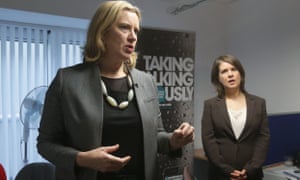
This week, the home secretary, Amber Rudd, announced plans for new Stalking Protection Orders, which would hopefully address this, and at an early stage. It would allow courts to ban stalkers from contacting their victims, even if they hadn’t been charged or convicted.


It has largely been welcomed by anti-stalking campaigners. “Anything that is another tool to deal with a stalker is great news,” says Jane Harvey, campaigns director of Network for Surviving Stalking. “But we need to get some of the basic building blocks in place. It takes people a long time to recognise what’s happening to them as stalking, so there’s under-reporting, and then at an early stage of a case, things can go wrong – a police officer hasn’t had training in stalking and the case is dismissed, or another element, such as criminal damage, will be seized upon instead of seeing the wider picture.”


Anti-stalking charities have broadly welcomed the new powers introduced by Home Secretary Amber Rudd, pictured at the Suzy Lamplugh Trust this week.


Anti-stalking charities have broadly welcomed the new powers introduced by home secretary Amber Rudd, pictured at the Suzy Lamplugh Trust this week. Photograph: Yui Mok/PA

Catherine Skinner, chief executive of the charity Paladin, says: “You still hear that [police officers and others in the criminal justice system] don’t see the risks; they don’t see how the behaviour of the perpetrator can not just psychologically affect the victim – we see issues of suicidal ideation from our clients. But also there could be threats to kill, a history of violence, and things that could put victims at high risk.”


Research by the Suzy Lamplugh Trust has found that one in five women and one in 12 men will experience stalking. There have been several high-profile cases recently – a man was jailed in September for stalking the broadcaster Emily Maitlis for 25 years; in June, a man who stalked the singer Lily Allen for seven years, breaking into her house and entering her bedroom, was detained indefinitely under the Mental Health Act.


It is largely an unreported crime. The Suzy Lamplugh Trust estimates that in England and Wales, more than 1.1 million people are stalked each year, but police recorded 4,156 stalking crimes in the year to June, and just 1,102 cases were prosecuted. The proposed new protection orders are “a good thing,” says Victoria Charleston, policy and campaigns officer of the trust. “Where we are cautious is if the police are responsible for applying for these orders. If they’re not recognising stalking at the moment, are we clear that they are going to think about using them? We hope that there will be further training for police.”


It’s not a typical crime, Charleston says. “It’s a pattern of behaviour. It can be very small to begin with, before it escalates.” It is also a fairly new area for many health and criminal justice professionals. “It wasn’t really recognised until the 1980s, and the current anti-stalking legislation didn’t come in until 2012 [in England and Wales],” she adds. In October, Alex Chalk launched a private members’ bill to increase the maximum sentencing of five years. One of his constituents, Dr Eleanor Aston, a GP, had been targeted for seven years by a man who continued to stalk her even after serving a prison sentence for it.


Shan Parker, who lives in north Wales with her partner and daughter, has experienced stalking by a neighbour for the past five years. He would watch from his doorstep every time she left the house or came home. After about six months, when Parker was returning to work after maternity leave, he would follow her to work in his car. Around six months after that, he started following her partner as well. “On the days when he didn’t, it still made me nervous because I didn’t know where he was,” she says. “I didn’t know if he would turn up somewhere else.” The police have been repeatedly involved, but Parker feels there has been little support. “I’ve had anxiety and panic attacks. It’s caused a lot of stress between me and my partner. I feel awful for my daughter, who has had to grow up with visits from the police, and us watching over our shoulders.”


This year, research by the Suzy Lamplugh Trust found that 36% of stalking cases included online behaviours. For Emily, the man who stalked her was not someone she had met, but someone who became fixated on her and her family online. He found out her family’s email addresses and bombarded them with emails about her. “We reported it to the police and they said: ‘Just keep an eye on it and see what happens.’” He went quiet for a while, then started up again, trying to follow their various social media accounts. Shortly after this, he turned up at her parents’ house and tried to get in; he was arrested, and is awaiting sentencing. “It has been absolutely horrific,” Emily says. “I didn’t feel safe anywhere. I still check under my bed, in my cupboard. I spent £1,500 getting new locks put on my house. On the street, I don’t make eye contact with men. You lose all sense of faith in people.”


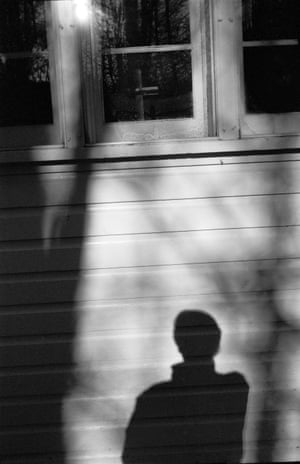
stock picture of anonymous silhouette


Amy, who has been stalked for four years, said she would keep her curtains closed in summer in case her stalker was watching her. Photograph: Thomas Fricke/Getty Images/First Light

Something similar happened to Beth Rylance, an actor and writer, who was stalked for several months in 2014 by a man who followed her on Twitter. She noticed him “liking” or replying to every tweet she wrote, and he would write about her on his own account. Eventually she blocked him and complained to Twitter several times. “But he would often delete his tweets, so Twitter would say they weren’t violent or harmful, and they couldn’t do anything about them. It was often a robotic reply. It wasn’t like they’d actually researched it and checked out what was going on. They did nothing.”


He started contacting her friends, and a few months later, he turned up on her doorstep. “It was horrific. When I started getting a bit worried about it, I used to picture in my head what I would do if I saw him. You think of the worst-case scenario, so when he turned up I wasn’t expecting it – but I also sort of was.” She screamed, slammed the door and called the police. When they arrived, they found him still sitting on her doorstep, tweeting about her. Later, looking at his account, she saw that the man – who lived several hundred miles away – had spent the week walking around her area, looking in pubs and cafes for her.


Amy has been stalked by a man for the last four years – an acquaintance from several years ago who developed a fixation with her. “It has gone from unwanted text messages and phone calls to hand-delivered letters and gifts,” she says. “They are all of a very strange nature. He’s delusional and has mentioned God having a plan for us to be together.” The first couple of times she went to the police about it, they talked her out of making a complaint, saying they would just have a word with the man. Later, he was charged with harassment without violence (rather than stalking), and after it went to court, he was given a restraining order, which he ignored. Even though he had breached the order, she says the police were dismissive of her – it was only after she got in touch with the National Stalking Helpline, who contacted the police on her behalf, that they followed it up. “Before, they would say things like ‘chances are you won’t hear from him again’. But it was obvious I would.”


The experience has had a huge effect on her life. In the summer, she says she was staying at home all day with the curtains closed because she was worried he would walk past the window and see her. “As soon as I walk in the door, I check for any letters. I feel really tense. Every time he is punished with a restraining order or community service hours, I don’t completely relax because the pattern is that it will start again at some point. The thing I would really like is for the mental health aspect to be recognised, because I think that is the root cause of the problem with him. People say [we should] make the stalking laws stricter, but it seems a shame to put someone into prison when it could be dealt with as a mental health issue. I would feel more reassured if he was being treated than if he was just going into prison and coming out again.”


Frank Farnham, consultant forensic psychiatrist at Barnet, Enfield and Haringey Mental Health NHS Trust, and a specialist in stalking behaviours, also favours treatment over custodial sentences for many offenders – not least because it is more likely to reduce reoffending, and is far cheaper. But one of the problems with the new stalking prevention order model, he says, is that requiring mental health treatment as part of the order might be too optimistic – if the offender doesn’t give consent, it can only be done under the Mental Health Act. But he does like the idea of requiring assessments. Stalking behaviours can look similar, but the motivations can be very different.


It is widely accepted there are five categories of stalker. The largest – thought to be somewhere between a third and a half – is the “rejected” stalker: someone, usually a man, upset by the end of a relationship who harasses his ex-partner. “That group are not usually mentally ill, but they might have personality problems – they can be quite grandiose, narcissistic. If you take that group away, there are very high rates of mental illness in [the other] groups.”


Intimacy seekers are “deluded” people who believe they are in a relationship with their victim, or could be. “The problem with that group is that if you believe you are on a mission from God, or convinced you’re destined to be [together], simply imposing an order isn’t going to stop you from doing it.” A third group – “incompetent suitors” – are not deluded but their behaviour may be due to a learning disability, and they don’t realise it is frightening or inappropriate. The “resentful” stalker is someone who harasses a person they believe is to blame for something that has happened to them – it is not uncommon for MPs, councillors and GPs to be stalked like this. “Some of those people are mentally ill – their paranoia is so severe that they are deluded. But underpinning all of this is a process where [there should be a] good assessment, to spot the people who are mentally ill and give them treatment.” (A fifth group, mercifully small, are “predatory” stalkers, whose victims are unaware they are being stalked; the stalking can be a prelude to a sexual attack.)


“Even if you do identify someone who is unwell, with the current state of mental health services, how do you get them into treatment?” asks Farnham, who used to treat people convicted of stalking until his funding was cut. He, along with the Suzy Lamplugh Trust and others, are trying to get a pilot programme going with the police service to look at intervention treatment – to treat stalking behaviour before it becomes dangerously entrenched – but they are yet to receive funding.


For the victims who have to endure stalking for years, the effects are profound. Sarah’s relationship with her partner broke down because of the stress it caused them; he felt worried about her, but also worried for his own safety. “There were times when [the man who was stalking her] would say he was going to come and kill me. Part of my rational brain said, ‘Well, he hasn’t up until now,’ but the other part thought: ‘Where do I go? To the police station? Where is he and what does he know? Should I move?’ It makes you hypervigilant. I would leave the gym, look around and think: ‘I just don’t know who it is. It could be any of those men.’ In my career I should probably be using the internet a lot more to publicise the work I do, and I don’t do that. I used to be a very sociable person but I entirely stopped socialising at one point.”


The man who has stalked her for 10 years eventually pleaded guilty and is awaiting sentencing. She isn’t wholly optimistic that her ordeal is over. “The truth is you never know.”


"It could be any of these men": how we learned to take stalking seriously

21 Kasım 2016 Pazartesi

Mother Nature vs. Patented Drugs—one of these was never meant to cure you. Do you know the difference?

It may surprise you to know, the medical diagnosis and drugs you take for it, have only been around for about one hundred years. Prior to the rise of Western Medicine as the standard of care, and patented drugs as their treatment—for millennia-since the beginning of time—Mother Nature reigned supreme. After all, none of us would be alive if our ancestors died on the way to the drugstore.


It may also surprise you to learn that all laboratory-created patented drugs were originally taken from nature. In nature there is balance and order. Plants are living beings that have their own innate intelligence that can restore the human body to balance as well. This intelligence is why a plant can either enhance or diminish a certain condition as needed; as opposed to a laboratory created drug—which has no intelligence, and simply substitutes a pill for a function, until that function is suppressed.


Penicillin was created quite by surprise when Alexander Fleming, Professor of Bacteriology at St. Mary’s Hospital in London, returned from a holiday in 1928, to find a discarded petri dish containing colonies of Staphylococcus bacteria had grown mold while he was away. The area around the mold—later identified as a rare strain of Penicillium notatum—was clear, as if the mold had secreted something that inhibited bacterial growth. Fleming was credited with the discovery of the first antibiotic—a group of compounds capable of inhibiting and killing competing microbial species. This was hailed as the greatest discovery of our time. However, this phenomenon was known long before by ancient Egyptians—who applied poultices of moldy bread to infected wounds.


Antibiotics are naturally occurring compounds produced by bacteria and fungi. Good bacteria balances bad bacteria. Good yeast balances bad yeast. Western Medicine, by simply killing the bad bacteria—upsets the natural balance or order of things by not replenishing the good. With bacteria—it’s always a matter of numbers to keep things in balance. E Coli, for example, can be present in water, but isn’t a problem until the bacteria numbers reach a certain ppm, or parts per million. Simply killing the bacteria does not cause balance—because bacteria are intelligent, opportunistic living organisms and nature abhors a vacuum. Sooner or later, those bacteria that survive will colonize again, unless you seed the body with their competing and balancing good bacteria. Imagine the conversation between those antibiotic surviving superbugs colonizing in your small intestine:


“Dude—you’re a savage —nobody survives that many rounds of streptomycin.”


This is why antibiotics are becoming increasingly less effective. Bacteria and Fungi have the same innate intelligence that most humans do. When you denature them, you rearrange their molecular structure. This is why patented drugs, created in a laboratory, do not bring the condition into balance. Patented drugs are about creating customers who rely on these drugs to function. And because they are not natural molecules that your liver can break down into natural elements for healing—they simply add to the toxic load on your liver. This causes side effects. Which leads to more drugs to combat the side effects– which are sometimes worse than the simple solution to the original problem. All disease is a matter of balance—too little nutrients and too many toxins.


All of us have lost our connection to nature, to our origins, to the earth and plants and soil and organisms that came before us. Ron Finley said it best:
“No one’s a more prolific gangster artist than Mother Nature. We should replicate what she does. Yes it’s art. It’s knowing where life comes from. It’s knowing that nothing ever dies, ever. Nothing dies—it’s the energy transfer.”


Resources:


https://thetruthaboutcancer.com/
http://ronfinley.com/


Mother Nature vs. Patented Drugs—one of these was never meant to cure you. Do you know the difference?