need etiketine sahip kayıtlar gösteriliyor. Tüm kayıtları göster

11 Mayıs 2017 Perşembe

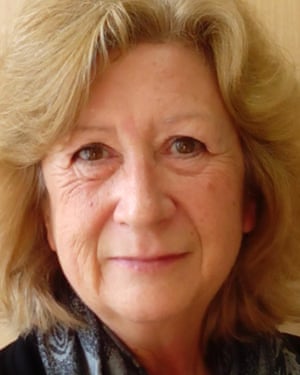
We need to open up about mental health in the workplace | Sue Baker

Looking after the wellbeing of employees benefits everyone – no matter your role, seniority, and whether you have a mental health problem, or not.


Working with employers over the past six years means we have a good indication of what works to ensure a mentally healthy workplace. Those elements are incorporated into the Time to Change employer pledge, which gives organisations the opportunity to demonstrate their commitment to opening up the conversation about mental health. More than 500 organisations have made that commitment.


There are multiple things employers can do to create a more open working environment. Senior leaders have a pivotal role to play in leading by example – being open about their own mental health experiences sends the strong message that this isn’t a sign of weakness and doesn’t limit your ambition or aspiration. Employees at all levels talking honestly and openly about their experiences has contributed hugely to a cultural shift in how we think about the topic.


When employees feel their work is meaningful and they are valued and supported, they tend to have higher wellbeing levels. We often talk about a three-pronged approach that employers can adopt: promoting wellbeing for all staff; tackling the causes of work-related mental health problems; and supporting staff who are experiencing mental health problems.


We’ve made a conscious effort in recent years to target male-dominated workplaces, such as construction. Our research shows that men still don’t consider mental health relevant to them. Men try to be self-sufficient, keeping problems to themselves. But mental health problems don’t discriminate – they can affect anyone.


Many of the biggest UK construction firms have signed our pledge, and they tell us that for them it has been crucial to have people “on the ground” in the form of employee champions who challenge workplace stigma, normalise conversations about mental health and encourage those who need help to feel comfortable asking for it.


With the right support from those around them, people with mental health problems can recover and have equal opportunities in all areas of life – including work.


Sue Baker is director of Time to Change, the anti-stigma Movement run by charities Mind and Rethink Mental Illness.


We need to open up about mental health in the workplace | Sue Baker

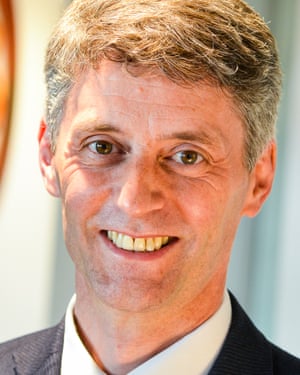
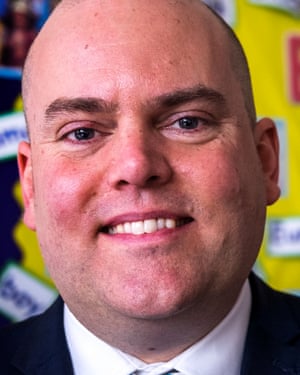
Children need to be in the right mental state to learn effectively | Tony Draper

There is a crisis in mental health for young people. Services are operating in silos and they are not working for over-tested, overstressed young people. Much emphasis has been placed on teenagers with low self-esteem, with behavioural and emotional issues and how we can support them.


At Water Hall primary school in Milton Keynes, we believe in the need to identify and address these issues early to be able to implement intervention strategies as soon as possible.


Taking action early enables vulnerable children to rebuild their self-esteem and take responsibility for their emotions, behaviour and learning. The outcome will be that they re-engage with education, perform well and are confident and happy young people.


Water Hall primary serves the Lakes Estate in Bletchley, a disadvantaged area where external issues regularly affect children’s mental and emotional wellbeing. The school has used the Kaleidoscope programme for eight years. The support system enables children to forget the things worrying them at home or elsewhere when they are in school.


Seven different stages make up a Kaleidoscope session: relax, visualise, express, move, build, explore and affirm. A designated room is used for sessions for either small groups or one-to-one sessions. Interventions last six to eight weeks.


The programme is used in all classes every day. Each morning starts with a session enabling children to be in the right frame of mind to learn. Lights are low, relaxing music is played and children are taught various calming techniques that they can use anywhere.


Kaleidoscope has had an amazing impact on the children’s emotional and mental wellbeing and their learning. Exclusions have fallen, attendance and behaviour has improved, children have taken responsibility for their learning and results have shot up. Kaleidoscope works, it gives children the tools to enable them to raise their self-esteem, with the accompanying improved outcomes for the school.


Our work proves that unless the child is in the right place emotionally and mentally, learning will not take place, however good the teaching and leadership in the school.


Tony Draper is headteacher of Water Hall primary, chief executive officer of Lakes Academies Trust, and the immediate past president of the school leaders’ union, the National Association of Head Teachers.


Children need to be in the right mental state to learn effectively | Tony Draper

9 Mayıs 2017 Salı

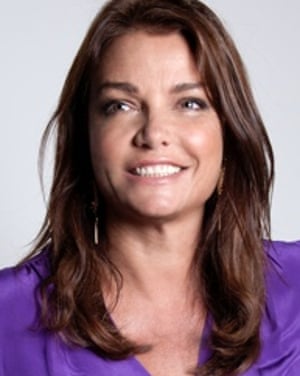
Patients need motivation to recover. The NHS must offer hope | Kate Allatt

Our NHS is under attack from all angles. People are living longer, we don’t eat well or exercise enough. Yet we expect more from the NHS; more people are visiting A&E departments and minor injury units year on year, and costs are rising.


How do we tackle this? What if we focus on marginal gains, the performance strategy that helped British Cycling to success in multiple Olympics?


This is an approach that focuses on “small incremental improvements in any process adding up to a significant improvement when they are all added together”. Could this improve patient outcomes and reduce waste in the health service?


One incremental enhancement we could seek in the NHS might be to improve our understanding of and response to the barriers to patient motivation. For example, could we find a way of encouraging stroke survivors to practise their rehabilitation exercises as frequently and intensively as they are prescribed? Patient adherence to rehabilitation regimes after discharge from hospital is described as “less than ideal”. By addressing these barriers, we will be more able to efficiently allocate therapy time, and thereby reduce GP appointments and hospital readmissions.


You might wonder what makes me an expert on this.


L​owering ​​patients’ expectations of ​recovery​ can be extremely damaging


In February 2010, at the age of 39, I had a huge brainstem stroke and was diagnosed with locked in syndrome. I was on life support and in intensive care for nine weeks, and was then written-offin rehabilitation after a further six weeks. My husband received a phone call telling him that I would never walk or talk again.


Over eight painstaking months in rehabilitation, I obsessively willed my body back to life, practising actions or movements 450 times per week. Slowly I learned how to do basic things like eat again, and at the end of it all I walked out of hospital. I went for a run on the first anniversary of my stroke. I’m now a motivational speaker and go to the gym every day.


[embedded content]

I never gave up pushing my body to improve: to speak, to eat, to run and to hug my kids. I managed to use my bad prognosis to galvanise my recovery, but the risk is that lowering patients’ expectations of recovery can be extremely damaging. Recovery should be measured in terms of improvements, not “getting better” – and that is always possible. My only focus, with three young children at home, was on when I would achieve my goals, not if.


Since embarking on my career in advocacy and stroke activism, I’ve found many reasons why patients lack the motivation to try to help themselves. They may be suffering from post traumatic stress disorder, which is common after a stroke and, just like depression, it affects mood and motivation levels. The side effects of the drug treatments for strokes – sleeping pills and muscle relaxants – can also affect motivation. After a brain injury many patients suffer varying levels of executive dysfunction affecting the set of mental skills that help to get things done, which can be mistaken for apathy or laziness. The overwhelming tiredness felt by those suffering from neurological fatigue can leave patients unable to complete normal daily tasks and therefore non-compliant with their treatment plans. It may be that some patients simply hate exercising or have no family support.


It is futile prescribing a stroke rehabilitation plan if – for any of these reasons – the patient is unmotivated before the therapy session starts or they are left at home trying to manage their own condition. The NHS should be offering hope and encouragement to motivate patients. And to do that, they need to listen to expert patients.


My advice to the King’s Fund Leadership Summit is that we need a better understanding of patient motivation to help rebuild the lives of stroke survivors. If patients adhere to clinical advice about practising their exercises as frequently and intensively as I did, just imagine how much we could improve their outcomes and reduce the waste in the NHS. But to do this we must understand the complex reasons why patients don’t do this already and listen to those who have struggled through similar experiences.


I don’t promise anything when I speak to people now – I just offer possibilities. I talk about how to optimise improvement, but never use the word recovery. After a life-changing event none of us will ever be the same as we were, even if we physically improve really well. We need to embrace that new self and strive to be the best version of ourselves that we can be, both in hospital and back home.


Join the Healthcare Professionals Network to read more pieces like this. And follow us on Twitter (@GdnHealthcare) to keep up with the latest healthcare news and views.


Patients need motivation to recover. The NHS must offer hope | Kate Allatt

6 Mayıs 2017 Cumartesi

Fashion models in France need doctor"s note before taking to catwalk

Fashion models in France will need to provide medical certificates proving they are healthy in order to work, after a new law was introduced banning those considered to be excessively thin.


A further measure, to come into force on 1 October, will require magazines, adverts and websites to mark images in which a model’s appearance has been manipulated with the words photographie retouchée (retouched photograph).


Doctors are urged to pay special attention to the model’s body mass index (BMI), a calculation taking into account age, height and weight. However, unlike similar legislation passed in Italy and Spain, models will not have to reach a minimum BMI.


Under World Health Organisation guidelines an adult with a BMI below 18.5 is considered underweight, 18 malnourished, and 17 severely malnourished. The average model measuring 1.75m (5ft 9in) and weighing 50kg (7st 12lb) has a BMI of 16.


Announcing the introduction of the new rules on Friday, France’s health minister said they were aimed at preventing anorexia by stopping the promotion of inaccessible ideals of beauty.


“Exposing young people to normative and unrealistic images of bodies leads to a sense of self-depreciation and poor self-esteem that can impact health-related behaviour,” the health and social affairs minister, Marisol Touraine, said.


Given Paris’s iconic role in the fashion industry, the measures – passed in 2015 but only just coming into effect – are likely to have a symbolic impact around the world.


The proposals had originally suggested a minimum BMI for models but, following an outcry from fashion executives and modelling agencies, this was ditched in favour of allowing doctors to decide whether a model is too thin.


Agencies who use models without valid medical certificates will face a fine of €75,000 (£54,000) and staff face up to six months in prison. Failing to flag-up retouched images will incur a fine of €37,500, or up to 30% of the amount spent on the advert.


Fashion models in France need doctor"s note before taking to catwalk

25 Nisan 2017 Salı

If we want to improve mental health, first we need to tackle poverty | Dawn Foster

Mental health discourse welcomed an unexpected participant this month. Prince Harry, the fifth in line to the throne, spoke publicly about seeking counselling following his mother’s sudden death in his pre-teen years. Rightly, mental health charities praised his intervention, highlighting as it did that even extreme privilege cannot shelter us from depression, anxiety or any other psychiatric illness. Our bodies are fragile, and our minds equally so: this message is increasingly accepted as people with mental health problems, campaigners and medics alike have fought to end stigma by building a national conversation on mental health.


Removing the stigma around mental health is important but does little alone. Without services, treatment is still inadequate, and feeling less judged for your health issues means little if you’re faced with a lack of access to talking therapies and nonexistent community support. But the conversation on mental health also needs to examine how the structures of society cause and perpetuate poor mental health.


Poverty, poor housing and debt all have a detrimental impact on the mental health of children and adults. Money can’t buy happiness, but poverty can practically secure stress and misery. For children in particular, the impact of poverty early on increases the lifetime risk of long-term mental health problems. The National Child Development Study found children from the lowest-income families are four times more likely to display psychological problems than children from the richest families. Homeless children are four times as likely to experience mental health problems as settled families.


Across the UK, both women and men in the poorest fifth of the population are twice as likely to be at risk of mental health problems as those on average incomes, according to the Mental Health Foundation. Poverty increases the likelihood of developing mental illness, and mental illness increases the risk of poverty: combating only one factor does nothing to end the poverty cycle – the two are inextricably linked. Being as wealthy as the royals doesn’t preclude you from experiencing mental health problems, but it does lower the likelihood, cushion you in certain aspects and allow you access to a better standard of care more quickly.


Failing to address childhood mental health linked to poverty is like scrimping on a car repair only to crash into a wall


Refusing to recognise the link between socioeconomic deprivation and mental health creates a preventable drain on the public purse. Advocates for austerity argue that every penny counts, that “we are all in this together”, to borrow a famous phrase from George Osborne, heir to a baronetcy.


This is the ideological reasoning behind cutting the benefit cap to £20,000 outside London, implementing the bedroom tax, removing council tax benefit and forcing women to fill in forms confirming they were raped if they wish to claim child benefit for more than two of their offspring. But it makes no economic sense: these policies make rents unaffordable and increase homelessness, which contributes heavily to the deterioration of millions of people’s mental health. The Institute of Education found that poor mental health in children alone costs the UK £550bn in lost earnings. Children who experience poor mental health in childhood, disproportionately linked to poverty, earn less in their lifetime, requiring more financial support from the state, as well as seeking more medical assistance. It is akin to scrimping on a minor car repair only to crash the vehicle into a wall.


But even if economic arguments do not sway the government, the humanitarian, emotional argument should be recognised. Social policy can actively lower people’s risk of experiencing depression, anxiety and other disorders.


Austerity is an economic choice: it’s a foolish one that saves nothing and harms millions. Any campaign on mental health should champion combating poverty to stop more people experiencing entirely preventable problems.


If we want to improve mental health, first we need to tackle poverty | Dawn Foster

21 Nisan 2017 Cuma

Prince Harry, mental health and the need for a more caring society | Letters

In my view, those who try to come up with totalising explanations of mental health are misguided (Letters, 20 April). It’s neither purely social nor purely individualistic, though effective help should start from actually listening to and honouring the individual case. Often in practice it does not, and I would agree with Professor Read that a biogenetic medical model is generally inappropriate and can actually be damaging. It also goes radically unacknowledged that there are various different types of bereavement, some of which are far more traumatic than others, and are not directly comparable. The effects of traumatic sudden bereavement experienced in childhood or adolescence can last for years and ultimately for a lifetime, as the princes have now highlighted. It is known that this type of bereavement can sometimes result in lasting shock followed by delayed grief years later, yet there is often little or no acknowledgment readily available, never mind any effective support.


On top of this, and especially in a culture of competition, the bereaved are often subjected to cutting comments, judgments and dismissals. Sometimes these are from those who claim to know what it’s like because their grandparent or cat has died, while sometimes they are from people in medical or authority positions whose callous judgmental ignorance can be devastating. Why does it require the intervention of princes to highlight the issue? At least they get taken seriously.
LE Collier
Cheltenham, Gloucestershire


It seems to me that a potential key to improving psychological provision for common human grief and misery (Freud’s term) is not only more better-trained, organised professionals, but also a more compassionate and empathic caring society attuned to the emotional needs of others. Where many families are so economically impoverished, they barely have the inner resources, strength and resilience left to attend to each other’s mental pain and suffering. What chance this election gives us all an opportunity to change our minds about the material hardship and distress we are causing those most in need of help, so they can move on?
Ya’ir Z Klein
London


Keith Farman asks whether bereavement is a mental illness. Before answering, note that Harry says he suffered from denying grief when his mother died, not from the grief itself. While grief is a normal reaction to loss that cannot be blamed on others or self, its first stage is usually denial, which may help deal with events following the loss and which I believe is an illness. However, as confidence recovers, fear should subside and a second stage of grief usually occurs when the rage or fear roused by the loss is normally expressed. This is not evidence of mental illness. Alison Sesi says children cannot yet express their feelings effectively. This should not be so. But they may not experience grief but the simpler hate, sadness, anxiety or rage. I suggest that when our species acquired verbal language, most societies came to believe in gods and devils. Though later religions used these to help sustain laws and customs, they do not exist. So mental illness has long been endemic.
George Talbot
Watford, Hertfordshire


Professor Samuels never misses an opportunity to take a swipe at the evidence-based psychological therapy now available on the NHS. Prince Harry is at liberty to choose whatever sort of therapy he wishes and his comments, which seek to normalise and reduce the stigma attached to mental health problems, are very welcome. We don’t know what sort of therapy Prince Harry had, but scientific evidence suggests that had he attended eight to 12 sessions of cognitive behavioural therapy (CBT) at his local GP surgery for the traumatic bereavement he experienced, the outcome would have been a good one.
Hal Westergaard
(Cognitive behavioural therapist), Bath  


It was with interest that I read Andrew Molodynski’s comments regarding ECT as a useful option for treatment resistant major depressive disorder (Shock treatment on increase again in NHS, 18 April). I have experienced this horrible illness along with anorexia for a number of years. I underwent a significant number of ECT treatments. Apart from some short-term memory loss, it is painless, and one is unconscious for a very short period. For me it was life-saving. I don’t  think I would be alive today without it. If the need arose I would willingly have it again. Although medical treatments may help the many symptoms of severe depression, it frequently returns time and time again.


The causes of this life-altering illness need to be untangled if treatments are to succeed. This is where psychologists/psychotherapy may have the answers. In an underfunded and understaffed mental health service, therapy can be difficult to access. I have been one of the fortunate ones. Let no one underestimate the distress of severe depression on the individual and their loved ones, and the challenges it presents to mental health staff. ECT is an important life-saving treatment for people like myself.
Sheila Cook
London


Join the debate – email guardian.letters@theguardian.com


Read more Guardian letters – click here to visit gu.com/letters


Prince Harry, mental health and the need for a more caring society | Letters

19 Nisan 2017 Çarşamba

When therapists also need therapists: "Suffering is not unique to one group"

Britain’s Prince Harry has earned praise in recent days for speaking up about his personal issues with mental health, the need to not stay silent about emotions, and the benefits of seeking therapy.


Describing how he arrived at a breaking point in an interview with the Telegraph, he explained it was listening to other people’s problems and realizing he was unable to be as helpful as he wanted to be that pushed him to seek help.


“You park your own issues because of what you’re confronted with, and all you want to do is help and listen, but then you walk away and go, hang on a second, how the hell am I supposed to process this?”


He then added that for every three hours of listening to people, psychologists take half an hour to process it themselves with someone else. He’s right: one of the most important traditions within the mental health world. Therapists also need therapy.


We asked four psychotherapists with extensive experience in the field to open up about how they, too, use therapists.


David Lopez, practitioner for 15 years, Connecticut


David Lopez, a former president of the American Academy of Psychoanalysis and Dynamic Psychiatry, says there are a few different reasons why therapists will seek therapy.


The first is during the training process, when therapists in training will have a supervisor and often a therapist of their own.


“Typically, people who want to become therapists have an interest in connecting with people. When they are doing therapy that need needs to be redirected, to be tamed so that it does not get in the way of not being objective,” Lopez elucidates.


What needs to be addressed in training is something called “countertransference”, Lopez explains. While a client transferring emotions they would have for someone in their outside lives onto their therapist (called “transference”) is generally considered a good thing, a therapist transferring emotions onto their client is to be avoided.


If a therapist in training was orphaned young, they may emotionally react to stories their clients bring into sessions about parents and loss, for instance. The challenge for the therapist is then not necessarily to get rid of the feelings related to loss and parenting, but to become very aware of them and become intimately acquainted with these “blind spots”.


A common blind spot might simply be witnessing a patient struggle with some kind of grief and watch them cry: a therapist may want to go and hug them, and be their friend.


“You may wish to connect with a patient for your own need, instead of applying the tools that you have been taught. But they’re not paying you to be their friends, even if a hug in that moment may feel good to give.”


Elena Lister, private practitioner for 30 years, New York


“Shockingly enough, therapists are also people,” Elena Lister says, not without a considerable amount of irony.


Lister, a psychiatrist, analyst and professor who teaches at Cornell and Columbia universities, says that there is nothing particularly mysterious leading therapists to seek treatment of their own, beyond the initial training requirements during the early years. The answer is it’s life, and life’s trying and often painful events.


Lister herself sought therapy when she lost her six year-old child to leukemia. At the time, the help she found did not adequately meet her needs, she says. Identifying this lacuna in her own field convinced her to specialize in grief and loss, meaning she could seek to be there for others in a way she had not been able to professionally find herself.


Treating patients (including patients who are therapists) who are undergoing such extreme pain means developing an ability to leave what has happened during a therapy session in the room once it is over.


“You have to be able to keep it in boundaries. Some people have gone through such tremendous suffering. You have to be fully present in the room. But if I am going to do this, it’s my mandate to not carry it to the next room. I have a duty not to.”


To keep herself upbeat and in the right mental space for all her patients, as well as of for herself, Lister says she has to do “all sorts of things. I talk to friends, to myself, to my husband. I exercise, I meditate”.


Leslie Prusnofsky, private practitioner for 35 years, New York


Leslie Prusnofsky, a psychiatrist, psychoanalyst and faculty member at Columbia University, says that in some ways treating therapists is no different than treating non-therapists.


“You’re dealing with a lot of people’s pain. Whether it is therapists or lay patients, pain is human, and human suffering is not unique to one group.”


But Prusnofsky says that treating therapists does sometimes come with its own particular obstacles.


“It can result in more walls that have to be pulled down,” he explains. This will be the case even if the therapist-patients are very willing to engage in treatment.


Part of the therapy process is trying to break through to things that are naturally being protected, he explains. There is “an unconscious resistance” that can be found in everyone, Prusnofsky says, but therapists who know the jargon may be even better than others at hiding the real root of their problems.


“Using the jargon is one of the cover-ups to stay away from the depths of what they [the therapist-patient] actually need to explore.


“If someone comes in saying they have a lot of ‘repressed anger’, you may find with time, the deeper you go, that the anger turns into sadness. What is revealed is a sense of loss or of deprivation that is harder for the person to deal with.”


David Forrest, practitioner for 50 years, New York


For David Forrest, a clinical professor of psychiatry at Columbia University, and a trained psychotherapist and psychoanalyst who also holds a private practice in Midtown Manhattan, one of the most interesting – and tough – questions that therapists go to therapy for is when it’s time to call it quits.


Forrest, whose work includes research and teaching in the field of neurology, says that asking the question of when a psychotherapist should retire is a particularly fascinating one.


“To ask how does a psychotherapist know when it it time to hang up their spurs, asks us to define the mental capacities necessary to be a psychotherapist in the first place,” Forrest poses.


A surgeon may no longer physically be able to withstand the arduous hours, or may suffer from an injury that prevents them from operating, but so long as a psychotherapist’s brain is going, when do they know to stop? Doesn’t an older therapist mean a more experienced therapist, an attribute one would seek?


Memory loss or small mental failings can affect the mind as one gets older and negatively impact remembering a patient’s complex history.


But other things may start to go with age, too, Forrest says, elements that might be just as crucial to quality therapy-giving.


Deciphering what is funny and not, for example, sometimes morphs with age.


If someone contracts frontotemporal dementia, their sense of humor tends to degrade from the more elaborate sensitivities, Forrest says. A therapist with this kind of affliction may develop a new kind of sense of humor – that is less suitable in a therapy room.


“It [the sense of humor] would no longer be deadpan and dry. It would sink to slapstick and sadistic, and the brain would enjoy low-quality humor.”


“The pun is a low sense of humor,” the psychiatrist explains, helpfully.


As for Forrest himself, a veteran of the profession: have decades and decades of practice and inquiry into the human brain started to wear him out? Such a question is one more adapted to younger professionals, he responds.


“For someone like me, there is no question of burnout.”


When therapists also need therapists: "Suffering is not unique to one group"

17 Nisan 2017 Pazartesi

The lesson of Prince Harry’s grief? We need mental health services for all | Suzanne Moore

One of my strongest memories of attending Princess Diana’s funeral is of sitting up high in Westminster Abbey and looking down on her young sons. During the long service no one touched them or hugged them, though everyone was moved by the handwritten “Mummy” card on top of her coffin. The much reviled Sarah, Duchess of York leaned over to see if they were OK. Otherwise, nothing. They were to be “brave”, I suppose. They had walked behind that coffin for a very long way, their heads bowed, impassive. Why had they been made to do that?


The dysfunction of the first family was challenged and disrupted at the funeral by Earl Spencer’s speech. The public grief was dismissed by much of the establishment – as Diana was herself – as hysterical, and it proved the polar opposite of the royal reaction. The family holed up in Balmoral. Charles could now work to get everyone to accept Camilla as his partner, which they largely did. And the boys? It seemed they must just get on with it.


Twenty years later, in a lovely interview with Bryony Gordon in the Telegraph, Prince Harry has now spoken about his grief and how it affected his mental health. The stiff upper lip and the repression required to keep it so is not the way forward. Acknowledging the problems and talking about them is.


The loss of his mother when he was 12 was at the root, Harry says, of his feeling of anxiety, which manifested itself in “fight or flight” responses when in public. He talks of his aggression – he found boxing helped with this – and the feelings of internal chaos and breakdown that come after a deliberate shut-down of emotion. He didn’t want to think about his mother as it would be too sad. Yet, of course, not thinking about loss does not mean its effects go away. Harry was supported by his brother, William; “shrinks” helped as well; and finally, being open helped too.


Seeing fellow soldiers with PTSD from serving time in Afghanistan made him realise that actually this was not the root of his mental health issues. Rather, he had pushed away emotions, shoved them right down, always saying life was fine when it wasn’t at all. “And then I started to have a few conversations and actually, all of a sudden, all this grief I had never processed started to come to the forefront and I was like, ‘There is actually a lot of stuff that I need to deal with.’”


Alongside this, he, William and Kate saw that in much of their charity work, mental health was intrinsically bound to many other issues, but not always addressed. They decided to work on this.


Harry has rightly been praised for talking personally and thus destigmatising mental health issues. This is no doubt excellent. The normalising of mental health problems, which it is estimated will affect a quarter of us at one time or another, is necessary, but so too is funding. Mental health services are in a very poor state and it is almost impossible to get help. Many people in Harry’s situation would not get access to counselling and would be offered antidepressants and possibly a short course of cognitive behavioural therapy, as this is considered most cost-effective. In acute cases, people in a state of severe breakdown are now forced to go to hospitals far from their homes because there are no beds to be found nearby. This is a real crisis, and it is more visible by the day on our streets.


Royals doing charitable work can help, but we need to think about how the whole of society copes with an epidemic of mental health problems in our young people.


Harry’s likeability and frankness, alongside William’s, have helped to rehabilitate the royals’ image: a facade of modernisation. Remember that at the time of their mother’s death the family was viewed as out of touch, anachronistic. Their lack of emotional engagement seemed to belong to another era. Charles’s treatment of Diana, and her refusal to accept the script that had been written for her, threatened their popularity. Lessons were learned and the princes have been part of this PR.


Indeed, Harry is not the first royal to go public with such issues, although I am very glad he has. His mother talked, after all, of her struggles with bulimia and her suicide attempts. She spoke of difficulties with self-esteem and how bulimia gave the illusion of comfort, followed by disgust. She talked of feelings of self-revulsion and the compulsion to “dissolve like a Disprin” back in 1993. Many dismissed her then as unstable, attention–seeking and manipulative as a result.


Twenty years after her death, the fact that her youngest child can open up in such a way and be widely praised for it shows, I hope, that the world has moved on. Now it’s time to make the help and support that was available to a prince available to all.


The lesson of Prince Harry’s grief? We need mental health services for all | Suzanne Moore

11 Nisan 2017 Salı

What we need is a national social care service | Anne Perkins

Neil Kinnock was on the radio at the weekend, talking about his hero Aneurin Bevan with the journalist Matthew Parris and one of Bevan’s biographers, John Campbell. Any conversation about Bevan’s life is mostly about the NHS and so it was this time, too. But it was a useful reminder of how, among all the battles fought over its creation, among the fiercest was the question of replacing a patchwork of local provision with a single centralised structure that tried to guarantee that everyone got the same level of care wherever they lived. At that the point the radical, big-government approach petered out. Social care was left where it always had been, with local councils.


Now the Institute for Fiscal Studies (IFS) has published a study looking at the difference in social care provision across England that raises the question of whether it too should be centrally funded. After all, whether it’s soaring demand for A&E or delayed discharge from hospital, the impact of inadequate or ill-designed social care services on the overall state of the health service has become the stuff of daily headlines.


Then there is the ageing population. Although we are all healthier in old age, the need for care doesn’t track changing demography exactly: men’s life expectancy is growing faster than women’s, so there are more old couples looking after each other rather than relying on formal care.


George Osborne’s response to the incipient social crisis was to set in motion plans to shift the entire cost of locally incurred spending to local taxes, with a system of equalisation that has yet to be explained. He introduced a social care precept allowing an increase of up to 2% in council tax to be spent on social care.


Since the amount councils can raise through council tax depends on their tax base, these changes are – as the IFS points out – hitting poorer councils much harder than well-off ones, even though in theory, the introduction of national criteria for eligibility for paid-for social care should mean a reasonably equitable approach. The IFS study found that cuts in social care were much steeper in metropolitan areas such as Greater Manchester, Tyneside and Greater Birmingham, which typically have significantly higher levels of need, than in the south of England (although that may be partly because there are more older people in the south).


But the distinction between what we pay for and what we expect wider society to support is more than just a matter of an arbitrary geographical divide. We are so familiar with it that we rarely ponder the palpable inequity between providing free care for, say, a cancer patient, regardless of their wealth, while charging someone with dementia who also has some modest assets.


Councils argue that keeping older people well is about much more than care homes and clearing hospital beds


Because social care is provided locally, the national focus is always on the NHS. So although last month’s budget made another £2bn available for social care, it is being delivered in a way that ties it in to supporting the kind of services that will ease pressure on the NHS. Councils rightly argue that keeping older people well is about much more than care homes and providing a bed clearance service for their local hospitals. It’s about wellbeing in the widest sense of the word, and the NHS’s provision of community services like stroke rehabilitation also have a significant role to play.


In some ways, NHS England chief executive Simon Stevens’ sustainability and transformation plans with their objective of integrating health and social care in ways that meet local priorities are an attempt to synthesise the national with the local. Yet there is such an inbuilt conflict between a free-at-the-point-of-use NHS and means-tested social care that it is hard to see how they can continue to coexist.


It comes at a high cost to patients. When hospitals are in effect incentivised to shovel the old lady who’s had a fall out of bed and off their books pronto (I exaggerate, a little), leaving her local authority to pick up the bill for getting her back on her feet, it seems the two arms of care that ought to be wrapped protectively around her are instead locked in a standoff. It is more arm-wrestling than hand-holding.


The government now promises (another) green paper on paying for social care in the autumn. But successive plans, each of which points to more central government funding, have crashed and burned on the runway. Oh, for a Bevan (and a Clement Attlee) with the courage and determination to sort it out.


Anne Perkins is a leader writer


What we need is a national social care service | Anne Perkins

10 Nisan 2017 Pazartesi

We need to talk about... public healthcare - podcast

Vicky Frost is joined by Guardian members; Sarah Boseley, the health editor of the Guardian; Professor Jane Dacre, president of the Royal College of Physicians; Helen McKenna, senior policy adviser at the King’s Fund, an independent healthcare charity; and Denis Campbell, the Guardian’s health policy editor. They consider the current state of the National Health Service in the UK, President Trump’s approach to healthcare reform in the US, and the global approaches that seem to be working best. What can we learn from each other about funding effective healthcare? And are our expectations realistic?


• In the next episode of this series, we will be discussing the global rise of nationalism. Find out more, and submit your questions to our panel here.


We need to talk about... public healthcare - podcast

5 Nisan 2017 Çarşamba

9 Things You Need to Know About Allergy Shots

Do allergy shots really work?


Allergies—whether they’re seasonal or year-round—can put a serious damper on quality of life; in some cases, they can even be deadly. But for certain types of allergies, allergen immunotherapy (commonly known as allergy shots) can be a big help.


They may require a lot of time and effort, but the benefits of allergy shots can be life-changing and long-lasting for people of all ages. Their effectiveness for children and young adults is well known, and a 2016 study also found that they can be effective for older adults, as well—reducing symptoms of hay fever in people ages 65 to 75 by 55% after three years, and reducing the need for medication by 64%.


“Everyone is different, and it’s true that some people don’t have a good response,” says Laura Dziadzio, MD, a pediatric allergist and assistant professor at the Virginia Tech Carilion School of Medicine. “But for others, it’s like night and day. I have lots of patients who were really miserable and are now doing much better, and can finally enjoy the things they couldn’t before.”


If you’ve tested positive for an allergy and are considering immunotherapy treatments, here are 10 things you should know.


9 Things You Need to Know About Allergy Shots

29 Mart 2017 Çarşamba

Why coeliacs like me need gluten-free food on prescription | Lyndsey Jenkins

I have coeliac disease, the autoimmune condition which means that if I eat gluten – which is found in wheat, rye or barley, and many common foods – my body starts to attack itself. There is no cure for this lifelong condition, which affects one in every 100 people in the UK, and the only option is to eat a gluten-free diet.


Under current national prescribing guidelines I can receive up to 14 items – such as a loaf of bread, box of pasta, or packet of spaghetti – on prescription every month. I never claim everything I might be entitled to, but I do usually get a few items a month. In order to access this list, I pay £104 a year for a pre-payment prescription.


For many people, this is the only way they can afford to access gluten-free products. But under new plans announced on Tuesday by NHS England’s chief executive Simon Stevens, the NHS plans to stop this provision, as well as travel vaccinations and some drugs that are available over the counter. Stevens has said they need to tackle some of the waste in the system, with £114m being spent each year, “on medicine for upset tummies, haemorrhoids, travel sickness, indigestion, and that’s before you get to the £22m-plus on gluten-free that you can also now get at Morrisons, Lidl or Tescos.”


As Stevens says, gluten-free products have become much more widely available in recent years. But for many people, the cost of these products can be prohibitive.


Gluten-free spaghetti in my local Sainsbury’s is £1.35, whereas basic spaghetti is just 40p. Nestlé gluten-free cornflakes are £2.20 while own-brand cornflakes are £1 for 500g. A gluten-free loaf of bread can be as much as £3 – and is often much smaller than a normal one. To me the idea that bread should be considered a luxury is pretty ridiculous. Stevens notes that gluten-free digestive biscuits are also available, but the NHS’s own prescription guidelines state that these are only available in exceptional circumstances anyway – why not just tighten up the list of products instead of throwing it away altogether?


I am lucky; I will be able to absorb this extra cost into my household budget, but for others this will be impossible. Without the prescriptions, many won’t be able to follow their GP’s nutritional advice – and that could have serious consequences for their health. People with coeliac disease who don’t go on a gluten-free diet are at increased risk of conditions including anaemia, osteoporosis and bowel cancer. Obviously, this is especially serious for people who are elderly, vulnerable or suffer from other illnesses.


In recent years giving up gluten has become associated, generally, with being a faddy eater. This is absolutely not the case for those with coeliac disease; if I eat gluten by accident it has a serious and immediate impact on my health. But I think the association of gluten-free foods with celebrity diets may actually be keeping the prices high, and is leading to perceptions that this is a lifestyle choice, rather than the debilitating condition that it can be if not managed properly. Being a coeliac or gluten intolerant isn’t just something that happens to wealthier people who can live off avocados and courgetti spaghetti, whatever some might suggest.


People are more aware of the condition today, but that does not mean they necessarily take it seriously or understand it fully. In restaurants, for example, there are more gluten-free choices these days, but people also often assume this is a preference, not a necessity. I always check what I eat with the staff, but have been “gluten poisoned” many times because people think: “Oh, a bit of gluten doesn’t matter.”


People need appropriate and affordable options or they just won’t be able to take care of themselves. This shortsighted move, which is only making minimal savings, could lead to further stress on NHS budgets when people develop complications and related diseases. I recognise the need to make savings but, like many current policies, this will hit the people who can least afford it the hardest.


Why coeliacs like me need gluten-free food on prescription | Lyndsey Jenkins

27 Mart 2017 Pazartesi

3 Miracle Ingredients You Need to Detox Your Skin

-Pollution and dirt from the environment are clogging your pores and damaging your skin;


-Both sun exposure and free radical are big causes of skin damage;


-Toxins from the foods you eat are harming and causing your complexion to suffer;


-The chemicals in some beauty products are causing red, irritated skin and allergies;


-Smoking, as well as other bad habits, are also ruining your skin.


An unhealthy skin will result in wrinkles, acne, pimples, redness and even skin cancer. So it’s time to learn what you can do to avoid the damages to your skin and protect this largest organ in your body properly.


Now you know the importance of detox your skin, but how? A few changes to your skincare routine, life habits and diet may help improve the look of your skin.


Increase the intake of organic vegetables, fruits and drink enough water will help your body detox the toxic chemicals that may result in unhealthy skin. And there are lots of natural ingredients that clear your skin from the inside out.


1-Lemon Juice


Lemon juice helps your liver detox all the organs in your body, including skin. Simply mixed lemon juice with water and drink a cup every day, you will notice the differences in just a few days: fewer wrinkles, less dark or brown spots and it helps with both dry and oily skin types.


Natural Ways to Use Lemon Juice For Skin


Lemon juice + Honey + Aloe Face Wash


Make your face wash by mixing lemon juice, aloe, honey, and water. Wash your face with it every morning.


Natural Lemon Mask


Ingredients:


  • 1 tablespoon lemon juice

  • 1 tablespoon powdered milk

  • 1 teaspoon raw honey

  • A few drops of essential oil that you like

Mix them together and put this mask on your face, wash it off after half an hour.


Homemade Lemon Juice Moisture Cream


Mix equal parts of lemon juice, honey and olive oil, use the mixture on the dry areas on your face and let it stay for 15 minutes before washing off.


2-Pineapple


Pineapple has great anti-inflammatory properties, it makes your skin looks clearer by decreasing the infections and removing toxins from the bloodstream. Pineapple is also a good source of vitamin C, which is an effective acne treatment.


Pineapple Juice Face Wash


Apply pineapple juice onto your face and let it dry, wash it off with cold water. Do it regularly will make your skin clear.


Ripe Pineapple Facial Mask


Mash a ripe pineapple, mix raw honey within and apply it on your face. It makes a simple but very effective facial mask to improve your skin condition.


Pineapple Slices


Rub pineapple slices onto the acne, pimples, dark spots and blemishes to cure them. Keep in mind of that wash it off after 5 minutes, or the acids in pineapple may burn your skin.


3-Turmeric


Turmeric has been widely used as a natural remedy for treating skin problems, this miracle spice contains curcumin, which cleanses your blood, increases circulation and has great anti-inflammatory properties. Turmeric also has antibacterial properties, thus helping reduce acne and pimples.


Anti-wrinkle Facial Mask


Mix turmeric powder, rice powder and tomato juice to get a paste, apply it onto your face, it will help peel off the dead skin cells and reduce wrinkles.


Oil-control Mask


Mix sandalwood powder, turmeric powder and orange juice to make a paste, apply it onto your face ad wash it off after 10-15 minutes. This mask works effectively for oily skin.


Turmeric + Lemon Juice + Cucumber Juice


This mask made with turmeric powder, lemon juice and cucumber juice works well to reduce skin tanning and pigmentation. Apply the mask on the affected areas, and rinse off with warm water after 20 minutes.


Sources: everydayhealth.com, mybeautynaturally.com, med-health.net


Alex Jordon

I have written articles on various physical and mental health related conditions, including diabetes/ heart disease/ autism/depression/Nutrition/fitness/diets/fad diets/herbs/alternative therapies/weight loss/obesity in children and adults/smoking risks/alcohol risks/fast foods/disease….


3 Miracle Ingredients You Need to Detox Your Skin

21 Mart 2017 Salı

Dawn Butler stood up for deaf people. But we need more than gestures | Letters

The Labour MP Dawn Butler made an unprecedented contribution to parliament last week by asking a question in sign language (Why I stood up for British Sign Language in parliament, 17 March). Demonstrating so publicly that the views of deaf people should be represented in the Commons is a valuable act in itself.


However, the rights of deaf people do not simply start and end with a single signed question. Deaf children all too often fall behind their hearing peers in school because of insufficient support. Councils are cutting vital services that deaf children rely on. The government’s NHS reforms have left audiology services uninspected and unaccountable. And as Butler rightly points out, British Sign Language – an indigenous language that has been in use for centuries in this country – does not have its own legal status in Britain. So while it is an important step for deaf people to see BSL being adopted by our parliamentarians, it also shines a light on how much work lawmakers still have to do to support the deaf community in the UK.
Susan Daniels
CEO, National Deaf Children’s Society


Join the debate – email guardian.letters@theguardian.com


Read more Guardian letters – click here to visit gu.com/letters


Dawn Butler stood up for deaf people. But we need more than gestures | Letters

We need to stop being coy about periods and tampons

Periods are no fun, even when you’re safe at home with a drawer full of tampons, pads and a hot-water bottle. So it’s little surprise that some girls are missing school because they can’t afford the right equipment. Imagine the mess, anxiety and shame they could be facing. And that’s on top of all the other unpleasantness. This being on the women’s pages of the website, you’re probably already familiar with it: unpredictable bleeding – sometimes seeping, sometimes in worrying great blurts – the aches, smells and dealing with a part of your body that you may not be too keen on. But perhaps the people in charge of public happiness, health and hygiene don’t know all this. Maybe they think that periods are a breeze.


I have only had one tiny bad experience of having no access to sanitary products. There I was – 14, at home with asthma, mum in hospital nearly dead from a brain haemorrhage, dad at work, a childminder looking after me – and, late one night, I got my first period. The minder initially refused to give me a sanitary towel as she needed the few she had for herself. And those were the days of scratchy, nonabsorbent toilet paper. Eventually, she gave me one. Horrid, but not a microscopic patch on what those schoolgirls, plus refugees, homeless or incarcerated women and millions in the developing world have to deal with.


You’d think we’d be managing by now to supply women here in the UK with such necessities, but we’re even lagging behind the US. New York City gives away tampons, while poor women here are using old socks and newspapers. But we’re still rather coy about it. Even in newspaper features about periods, blood has been referred to as “fluid”. Blood is fine in horror films, but somehow becomes taboo when it’s pouring from vaginas. But pour it does, and we need to mop it up efficiently, and keep ourselves clean. And so, to free toilet paper, soap and towels in schools, colleges, prisons and all public lavatories, we must add free sanitary items, like the caring, compassionate country we are meant to be.


We need to stop being coy about periods and tampons

To stop doctors ending their lives, we need to hear from those suffering | Ranjana Srivastava

The ceilings soar impressively high, the stained glass windows are exquisite, and the satin-adorned pews stretch majestically to the dignified altar. Amid the silence punctuated by the barest of sobs, I spot doctors whom I have long lost track of. And row upon row of nurses, still tight years later. As we wait for the service to begin, we imagine we are all silently interrogating our memories about each other. Time parted us for decades before we have gathered in such dreadful circumstances.


“I wanted you to hear it from me,” a colleague had said, audibly upset on the phone. I nearly collided with the pavement when I heard.


She was wonderful, the speakers confirm that morning. Her boss delivers an impassioned eulogy about an inspired clinician and a devoted mother to the children who sometimes tagged along on weekend rounds. Her best friend recalls their last conversation that ended with the doctor saying to the nurse, “Go home, don’t work so hard.”


Her husband quietly expresses gratitude for their years together and grief for the stolen ones. Her parents sit mutely, heads hung low, suddenly and irrevocably aged. A slideshow of pictures, depicting ordinary things – licking ice cream, dropping of the kids, medical graduation, the first day of internship – suddenly turned unmistakably poignant. The audience is frozen in a horrible dream.


Outside, there is more heartbreak. “We have to say goodbye to Mummy, just us,” the children’s father says softly. We, the gathered, hold our breath lest it makes a sound. Gently, under the flowers she so loved, she is lifted into the car. It’s soon a mere dot on the road. There are refreshments but the crowd disperses awkwardly, wordlessly, not trusting ourselves to speak.


We had known each other well enough in our early days, biding time on endless night shifts, watching dawn break, praying that the nurses would save the next page for the day crew. Later, our lives diverged, each assuming the other was successful, busy and content. The final time I saw her was shortly before she died.


It had been a fractious day; I felt brittle, from a distance she looked happy. What would have happened if we had stopped to talk?


If she had asked, “How are you?” I’d almost certainly have smiled, “Fine.”


And if I had asked, “How are you?”


Could she conceivably have replied, “Suicidal”?


After the gut-wrenching news of her suicide starts the inevitable soul-searching. It was a bad boss. No, a troubled marriage. Parenting had taken its toll. Or her disagreeable colleagues. She seemed so normal in the days leading up to it. No, far from it. She was upset, anxious, disillusioned. The only thing you learn is that for someone who was surrounded by observant and intelligent people, no one really knew much at all. No one knew what went through the mind of a vibrant and capable doctor in the prime of her life, who one day decided that life wasn’t worth living anymore.


Unfortunately, this isn’t the first time I have encountered the suicide of a colleague. Some I had known personally; others were brought close through mutual patients, and still others I would never get to meet because they had ended their life before starting a new rotation. In every instance, other doctors did not realise the depth of their colleague’s mental anguish. “I wondered about her but didn’t want to intrude,” someone ruefully recalled. “I didn’t think it was possible,” reflected another.


Four junior doctors have taken their lives in the past six months in Australia.In my busy hospital, I observe a roundabout of students, residents and specialists in difficulty. But how much difficulty? When they say they’re having a bad time, is it a bad week, a dreadful year, or a tortured life? Are they upset about a rejected grant or do they deem their very existence worthless? Forced smiles and tough hides abound in the workplace, where always being “fine” is a badge of honour. This is why it can be so difficult to distinguish doctors who will indeed be fine from those who need help.


There is ample evidence for the high rates of mental illness in doctors, several times greater compared to other professions and the general population. These figures are quoted so frequently at every orientation that awareness should not be an issue. Practically every institution has an employee assistance program that offers confidential help. Some offer free psychiatric evaluation and counselling. And as with other informal medical consults, many psychiatrists will help a colleague in distress, making access to high quality help less of an issue for doctors than many others.


Armed with knowledge and surrounded by advice, why do doctors commit suicide at an alarmingly high rate?


I sometimes fear it may be because as a profession, we are reluctant to swallow the evidence. And if we can’t accept the evidence we can’t help ourselves or others. We can have an intellectual discussion about anxiety, depression or suicide and we can apply the knowledge to our patients but but identifying vulnerability in our own self is altogether different. No matter how many times we hear it, it still doesn’t seem possible that we, or someone like us, could have a mental illness. The consequences seem so vast, the repercussions so numerous that perhaps it’s better to not know the truthful response to “Are you OK?”


Doctors say that the disclosure of mental illness poses a real threat – to license and insurance, career and reputation.


Discrimination, bullying and harassment in medicine are unfortunately never far from the headlines but thanks to brave people who have risked their career, a victimised doctor has more support than ever before. Nonetheless, a career in medicine means always having to keep up with something, whether it’s the latest research, the newest drugs, the next exam or the upcoming promotion. Doctors would like to be perfect at all of these and are genuinely puzzled when life deals them disappointment. It seems ludicrous now but I was dumbfounded when I got my first mark that wasn’t a distinction. Twenty years later, I realised nothing had changed when my registrar failed his specialist exam and told me that “even the walls” were laughing.


When doctors are depressed, their sense of personal failure is compounded by the suspicion that they somehow lack the ability to pull themselves together. The “well” among them can’t understand how the same stressful hospital ward, the same demanding colleagues, the same rocky tenure track can make some of us angry, others sleepless, and yet others suicidal.


In these pressured times, few doctors would be strangers to a variation of the message, “Heard you’re sick. There’s no cover so let us know whether to cancel your patients.” There is no call more disheartening than one that professes to care about the doctor but can seem like a veiled complaint that says, “If you’re sick, we all suffer.” But while it’s quite easy to tell your colleagues that you have pneumonia or a migraine, doctors say that the disclosure of mental illness poses a real threat – to license and insurance, career and reputation. The diagnosis invokes not only sadness but also ignominy, which may be why there are so few well-publicised stories of doctors with mental illness.


For much of my career, I have watched policies, promises and campaigns about combating mental illness and suicide in doctors. Our knowledge is evolving and with it, ways of managing mental illness, but with many lives lost each year, we don’t have the luxury of time.


Since we can’t always read the suffering of our colleagues, humanity in all our professional dealings and concern and compassion for every colleague must be a priority. As well as this, a healthy dose of introspection about how we judge doctors with a mental illness and why we judge them differently, arguably more poorly, than our patients.


When it comes to mental illness, we hear a lot from the experts but not enough from the sufferers. But in fact, nothing would be more welcome than the insights of doctors who have endured mental suffering and worse, been on the brink of suicide. What healed them and who helped them? What could their colleagues have said or done differently at the time? What workplace adjustments would have meant the most? These stories are clearly among us – hearing them could illuminate the dark corners of our understanding and help link theory and practice.


As a profession, we must do more than lament our dead colleagues. Dealing effectively with mental illness and halting suicide among doctors requires curiosity, compassion and practical support. Most importantly, it requires the humility to realise that in the long span of a career, none of us is immune and that those doctors whom we help today could end up saving our life tomorrow.


  • In Australia, the crisis support service Lifeline is on 13 11 14. In the UK, the Samaritans can be contacted on 116 123. In the US, the National Suicide Prevention Hotline is 1-800-273-8255.


To stop doctors ending their lives, we need to hear from those suffering | Ranjana Srivastava

20 Mart 2017 Pazartesi

Men need a drink to open up? What a dangerously self-fulfilling belief| Tom Usher

Let’s be honest with each other, lads – and by lads I mean everyone who is reading this article, regardless of gender but still being called a lad by me, because I’m setting up a question in the next sentence that is primarily aimed at a gender often referred to in the UK as “lads”. How many times do you hang out with your mates in a group when you’re not drinking?


Well there’s midweek five-a-side isn’t there, with all the seething heat of competition, thinly veiled ignominy of loss and anywhere between eight and 16 scything, ligament-jarring tackles a game that it brings. Or there’s just hanging out playing PlayStation, with all the seething heat of competition, thinly veiled ignominy of loss and so on and so forth.


But even after, or perhaps during those, there is booze. Booze is what Lynx Africa was to the prepubescent armpits of my past: extremely counterproductive, yet essential and unavoidable. Unless it’s an unusual occasion (unusual because “special” would invariably circle back to drinking), men don’t tend to hang out that much in groups unless there is some kind of alcohol involved. But don’t just take my sweeping generalisation for it, because recent research published in the Behaviour Research and Therapy journal came to the conclusion that there is “greater alcohol reward for male groups” and so ultimately “identifies a mechanism that may support heavy drinking in male drinking contexts”.


According to the review led by the University of Pittsburgh, women can – shockingly – just hang out with each other completely sober. They just get together, maybe talk and not be afraid of silence, maybe even not try to best each other or damage each other’s ankles, just simply hang out. Men, meanwhile, are sat clutching their first pints like torches in a labyrinth, their trembling, sober smiles ready to be shattered by the simplest of social expectations, quivering with fear over the unknown awkwardness that lingers like an icy crevasse at the end of every sentence.


Men are too scared to open up, basically. The traditional gender norms men follow don’t allow for open displays of genuine affection so, according to the study, they fall back on getting pissed because getting pissed can “dis-inhibit and decrease the extent to which behaviours conform to social norms”.


We seem to enjoy hearing about these kinds of studies because ultimately they confirm that the traditional gender norms of society are somehow innate – ignoring the possibility that of course this behaviour could be as a result of these societal expectations, not the origin of them. The norm that men are uncomfortable with public emotion and women aren’t is as old the hills, and studies like this seem to reassure people that things are as simple as they’d hoped.


But, as much as I do enjoy having to hold genuine sentiment under the surface of alcohol until its panicked thrashes have turned into slurred loved-up outbursts, I don’t think it’s the healthiest gender norm to subscribe to. Although women are more likely to suffer from depression than men, men are more than three times as likely to kill themselves, according to recent statistics. The fact is, a lot of this will be down to men’s refusal to talk about how they are really feeling, of repressing their inner monologue until it’s softened enough by alcohol to be let loose, at which point any distress in it will be easily painted over by the pretence that it was just the beer talking.


But more now than ever, people in the public sphere are discussing mental heath issues more openly. This, combined by the work that organisations like Calm are doing, mean it’s becoming less awkward for men to discuss how they feel, of being afraid to open up to their mates on a day-to-day basis. It may not result in men being as effusive as women, but it could be a step in the right direction.


Although it seems harmless and everyday, it surely isn’t the healthiest trait that men need to drink to open up at a time when suicide is the leading cause of death among men aged 20-49 in England and Wales, and when alcoholism itself can so quickly lead to its own downward spiral. It can be easy to fall back on tired gender norms when attempting to explain away such damning statistics, but the more we revert lazily to type, the harder it will be to bring about meaningful change. I guess that’s how long-held yet archaic views get changed, from starting simply and working up.


Men need a drink to open up? What a dangerously self-fulfilling belief| Tom Usher

7 Mart 2017 Salı

Sex education: what do today’s children really need to know?

From 2019, children will be taught about healthy adult relationships from the age of four, and sex education will be compulsory in secondaries. But there are caveats. Schools will have flexibility in how they teach the subjects and can develop an approach that is “sensitive to the needs of the local community” – and, crucially, to religious beliefs. Parents are expected to retain the right to withdraw their children from lessons.


What details do children these days need to know? And how much freedom should headteachers have to decide?


Education worker, Brook sexual health charity, in Coleraine, Northern Ireland


Fiona Johnston


Fiona Johnston: ‘Most of the time, the information young people have is completely wrong.’ Photograph: Paul McErlane for the Guardian

Although sex education is already compulsory in Northern Ireland, our education system is run by religion, and lessons have to fall into line with the ethos of the school. Most of the time, the information young people have is completely wrong because they’re getting it either from each other or from pornography. One of the main things they ask about is things that they’ve heard about from porn – things such as fisting, or other sexual acts.


The worry is that young people believe everybody is doing these things and that it’s normal – when the truth is, it’s not. Things like fisting are physically damaging, and they’re not for pleasure. But pleasure is one of those things that people don’t like talking about because they don’t like to think that young people enjoy it, and that one of the main reasons we do have sex is because of pleasure.


Karl Young


Karl Young

Karl Young

Father of two boys, who blogs as the Yorkshire Dad, based in Harrogate


As children get older, I do think that, around the online stuff – people asking for photos and so on – I don’t really have much experience of that. I’m happy having a chat about it, but teachers are going to have all the right resources and they’ll probably be better than parents would be at offering advice.


Stephen Tierney


Stephen Tierney


Stephen Tierney. Photograph: Studio 3000 Ltd

CEO, Blessed Edward Bamber Catholic multi-academy trust, Blackpool


For me, there would always be a desire to have a degree of flexibility within the teaching of SRE. Respect for others is crucial so it seems odd to insist all these elements are taught even where a particular community would say “that’s not our way”. I can’t think of a school that wouldn’t want to engage with the human relationships element of it, or with the sex education, in terms of the biological element to it, which is just part of science. There’s very little that as a Catholic school we’d say “we’re not comfortable with that”. We would teach about the different types of contraceptives, what the church’s perspective would be. We’ve been doing that for decades. [If we started giving information on how to access contraception] we would get into difficulties because our parents have expectations of how we will behave.


Goedele Liekens

Goedele Liekens

Sexologist, goodwill ambassador for sexual health and broadcaster best known for presenting Channel 4’s Sex in Class


I have seen biology books in the UK without the word clitoris in them. But you cannot talk about sex education without talking about the clitoris or without talking about masturbation. Young people need to know that they don’t need to be ashamed of masturbation – and that girls do it as well. It’s a good thing that SRE is going to be compulsory, but you need travelling teams of specialists that come to schools to train teachers and because it can’t just be a one-off lesson you need two or three teachers to continue this.


The other thing young people need preparation for is that sexual experiences come with stress, confusion and the huge emotions that come with the heat of the moment.


Jennifer Dhingra


Jennifer Dhingra


Jennifer Dhingra

Sexpression:UK, a student-led sex and relationships charity


Consent is a crucial topic because it can give young people the confidence to take control, and it provides protection against sexual exploitation. We get a lot of questions about gender identity and what the terms are. The main thing is that SRE is inclusive and comprehensive. It should reference people of a variety of sexual orientations, races, religions and cultures.


Andrew Moffat


Andrew Moffat. Photograph: David Sillitoe for the Guardian

Assistant headteacher, Parkfield school, Birmingham


We need to talk about relationships and different families. Children need to know from a very early age that all families are different. Some have a mum and dad, some have just a mum or just a dad, some have two mums or two dads, some live with their nan, some live with foster parents. Work on LGBT issues has to be a whole-school initiative and not just in sex education.


Evelyn Greeves


Evelyn Greeves


Evelyn Greeves

Girlguiding advocate and student, Durham


The overall impression I had from sex education was that sex was something you should put off doing for as long as possible. But, if I was going to do it, I should make sure my boyfriend really loved me and that we used a condom. As a lesbian that wasn’t much use to me.


A lot of people assume that you can’t catch an STI through lesbian sex or gay sex, which obviously isn’t true. The use of things like dental dams, and condoms in sex between gay men often isn’t discussed, which is a really poor show.


Cindi Pride


Cindi Pride


Cindi Pride

Deputy headteacher, Stroud high school, Gloucestershire


One of the things that we’re working on is empowering young women to feel they can say no to requests for images, or anything that makes them feel uncomfortable. Girls are being bombarded with images sent from boys – very often completely unrequested – and they are being pressed to send images of themselves, which they clearly don’t want to do, but they come in for a lot of abuse and ridicule if they say no.


Sex education: what do today’s children really need to know?