Brazil has declared an end to its public health emergency over the Zika virus, 18 months after a surge in cases drew headlines around the world.
The mosquito-borne virus was not considered a major health threat until the 2015 outbreak revealed that Zika can lead to severe birth defects. One of those defects, microcephaly, causes babies to be born with skulls much smaller than expected.
Photos of babies with the defect spread panic around the globe as the virus was reported in dozens of countries. Many would-be travellers cancelled their trips to Zika-infected places. The concern spread even more widely when health officials said it could also be transmitted through sexual contact with an infected person.
The health scare came just as Brazil, the epicentre of the outbreak, was preparing to host the 2016 Olympics, fuelling concerns the Games could help spread the virus. One athlete, a Spanish wind surfer, said she got Zika while training in Brazil ahead of the Games.
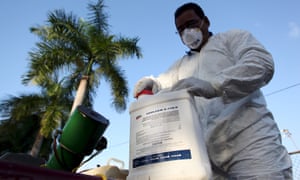
In response to the outbreak, Brazil launched a mosquito-eradication campaign. The health ministry said those efforts have helped to dramatically reduce cases of Zika. Between January and mid-April, 95% fewer cases were recorded than during the same period last year. The incidence of microcephaly has fallen as well.
The World Health Organization (WHO) lifted its own international emergency in November, even while saying the virus remained a threat.
“The end of the emergency doesn’t mean the end of surveillance or assistance” to affected families, said Adeilson Cavalcante, the secretary for health surveillance at Brazil’s health ministry. “The health ministry and other organisations involved in this area will maintain a policy of fighting Zika, dengue and chikungunya.”
All three diseases are carried by the Aedes aegypti mosquito.
But the WHO has warned that Zika is “here to stay,” even when cases of it fall off, and that fighting the disease will be an ongoing battle.
More than half of adult women of reproductive age in Brazil have actively tried to avoid pregnancy because of the Zika virus epidemic, according to a survey carried out there.
Brazil has confirmed far more malformations of the brain in babies born to mothers who were infected with Zika than any other country.
So far, there have been 1,845 confirmed cases of what is now being called congenital Zika syndrome; a further 7,246 cases are suspected but the link to the virus has not yet been firmly established.
The survey carried out in June, led by academics in Brazil, shows that 56% of women who responded have tried to avoid becoming pregnant as a result. The numbers are no different among those who describe themselves as having religious beliefs – 58% of Catholics and 55% of Evangelicals in the survey said they were avoiding pregnancy.
In a letter to the Journal of Family Planning and Reproductive Healthcare, Dr Debora Diniz from the University of Brasilia and colleagues say there is an urgent need for Brazil to reconsider its policies on family planning and abortion, to help women who want to avoid the risk of having a baby with brain malformation.
“As indicated by the high proportion of women who avoided pregnancy because of Zika, the Brazilian government must place reproductive health concerns at the centre of its response, including reviewing its continued criminalisation of abortion,” they write.
The government should ensure better access to contraceptive methods and information, they say, arguing for a wider range of methods to be made available. Long-lasting reversible contraception such as intrauterine devices are scarce, they say, and hormonal implants are unavailable through the public services.
Women’s groups are attempting to challenge Brazil’s abortion restrictions through the courts, arguing that those infected by the Zika virus should be permitted a termination.
The team conducted a face-to-face survey of more than 2,000 women, who are literate and between the ages of 18 and 38, which corresponds to 83% of the female population.
They found that 27% had not tried to avoid pregnancy and 16% were not planning to become pregnant anyway, regardless of the Zika epidemic.
The response reflects the geographical impact of the epidemic, with a higher proportion of women from the hard-hit north-eastern region (66%) trying to avoid pregnancy than in the south (46%).
“Black (64%) and brown (56%) women were more likely to report avoiding pregnancy than white women (51%), which also likely reflects the disproportionate impact of the epidemic among the most vulnerable racial groups,” they write.
An estimated 174,000 Brazilians are said by the ministry of health to have been infected with the Zika virus, although the last updated figure was in early July.
Zika virus isn’t showing signs of slowing down, and although it’s widespread, little is known about all its effects on human organism. At first; it was assumed that microcephaly was the most severe consequence of Zika, but new studies keep emerging, and they show that the virus has a multitude of implications. For example, there’s solid evidence that zika is also linked to some brain diseases. In order to find out more about this subject and consequences associated with the virus, keep reading this article.
Zika overview
Zika virus has been detected for the first time in 1947 in Africa. It is transmitted by Aedes mosquitoes which also carry yellow fever, chikungunya fever, and dengue fever. The cure hasn’t been found yet. The virus is not easy to diagnose. According to a report in the Clinical Microbiology Reviewssymptoms of this disease can be very similar to other conditions so doctors may have trouble finding out the real cause. Zika affects our brain functions, and a lot of scientists believe that it might be connected to multiple brain disorders.
The main problem is that people can’t differentiate these mosquitoes from regular mosquitoes or they don’t protect themselves from mosquitos adequately. In zika-affected areas, people can catch the virus and spread it to someone else. The virus can also be spread through sex from an infected partner to another. Another shocking fact is that virus can also be transmitted from pregnant woman to her fetus. Zika virus has a great potential to spread inthe major cities and highly populated areas, so we have to take the disease seriously.
Zika virus and brain disorders
The implications of Zika are far more serious than previously thought. A study published in the journal Cell Stem Cell found that zika affects adults as well. Researchers at the Rockefeller University carried out a study on mice and discovered that certain adult brain cells might be vulnerable to the virus. Among these cells are also the ones that serve to replace damaged or lost neurons throughout adulthood.
These particular cells play a significant role in learning and memory. The study is important because it is the very first research which showed that Zika has harmful consequences on adults and their brains too and effects of Zika aren’t only limited to pregnant women and their babies.
Furthermore, research that appeared in the New England Journal of Medicinerevealed that Zika virus causes deadly paralysis known as Guillain-Barré syndrome (GBS). This rare disorder affects our brain, and it makes our body attack our nervous system. The real cause of this unusual disease is not yet determined, but scientists believe that it might be connected to Zika virus. Symptoms are similar, and they include weakness in arms and legs, pain in the whole body, heart rate increase, breathing difficulties and much more.
Scientists discovered that during the outbreak in French Polynesia, 42 patients with Zika had this syndrome which is a significant increase if we take into consideration that only five cases of GBS were detected annually during the previous four years.
The story of zika and its impact on the body, particularly brain, doesn’t stop there. Scientists in Brazil have discovered a new brain disorder associated with Zika infection in adults. It is acute disseminated encephalomyelitis (ADEM), an autoimmune syndrome that attacks the brain and spinal cord. The research, presented at the American Academy of Neurology annual meeting in Vancouver, showed that 151 adults visited the hospital between December 2014 and June 2015 and were infected by arboviruses, the family of viruses that includes Zika. Six patients developed autoimmune disorders; four had GBS while two had ADEM. Scientists discovered that in both ADEM cases brain scans displayed damage to the white matter. This brain disorder is, in fact, brain swelling which lasts up to six months.
Brain nutrition
Our brain, like the rest of our body, needs quality food and nutrients to function properly; which is why it’s highly recommended to consume nutrient-dense diet. Foods that are rich in fatty acids are the best brain foods, like fish and nuts and they can be highly beneficial for our cognitive functions. A growing body of evidence showed that omega 3-fatty acids could improve our brain power and increase our brain abilities.
Folic acid can also be beneficial for our brain. Our liver produces folic acid after consumption of vitamin B. This is why we need to consume foods that offer us a lot of vitamin B like beef, salmon, chicken and many others that are considered to be best brain foods. Vitamin B12 is especially important since it protects our brain from diseases and different brain conditions.
Conclusion
Zika virus is something we still have to deal with. Scientists and researchers are still trying to find a connection between this virus and other brain disorders, but it is perfectly clear that zika is dangerous not only for pregnant women and babies but for other adults as well. It’s recommended to avoid traveling to locations known for zika outbreaks or take necessary measures to protect yourself from mosquitos. Remember, Aedes mosquitos are active throughout the day and night.
Cases of microcephaly in Colombia were four times higher this year than last, an increase that coincides with a widespread outbreak of the Zika virus in the country, according to a report released on Friday.
At its peak in July, microcephaly cases in Colombia were nine times higher than in the same month in 2015, according to the US Centers for Disease Control and Prevention’s weekly report on death and disease.
Overall, there were about 9.6 cases of microcephaly per 10,000 live births in Colombia, where the virus infected as many as 20,000 pregnant women since the start of the outbreak there in October 2015.
The numbers reflect a sharp increase in rates of the rare birth defect, but the number of cases was still far lower than those in Brazil, where Zika first arrived in May 2015. As of 3 December, Brazil has confirmed 2,228 cases of microcephaly linked with Zika, and there are 3,173 cases still under investigation.
Those numbers are far higher than the 432 cases of babies born in Colombia with microcephaly in 2016, and another 44 that occurred among fetuses that did not survive the pregnancy, according to the report by researchers at the CDC and the Colombian health department.
The study’s authors said the difference could have resulted from a number of factors, including the fact that women in Colombia had early warning about the risk of microcephaly.
In February, the Colombian ministry of health advised women to consider delaying pregnancy for six months, which may have played a role. During the study period, the number of live births fell by about 18,000 from 2015 to 2016.
Several experts also have suggested that women in Colombia took advantage of more permissive abortion laws, an option that was not available to women in Brazil, where abortion is banned in most instances.
The UK’s first case of sexually transmitted Zika has been detected, health officials believe. They said a woman was likely to have been infected with the virus by her partner, who had recently visited a Zika-hit country.
That was one of two cases of the virus seen by Public Health England (PHE) in the last week, which the body said took the total number of UK Zika diagnoses to 265 since the outbreak began in 2015, including seven pregnant women. Of those, 181 have been confirmed, PHE said in an update released on Wednesday.
“It is important to remember that the main risk relates to travellers to countries classified as high or moderate risk for Zika infection,” said professor Dilys Morgan, PHE’s Zika incident director.
Zika is usually a mild illness, though it can be particularly dangerous in pregnant women because it can cause brain damage and developmental disorders in a baby’s head. The woman believed to have been the victim of a sexually transmitted infection has since made a full recovery.
“PHE’s advice is based on the fact that our main concern is to avoid infection in pregnancy, in order to avoid risk to the unborn child,” Morgan added. Authorities say that men returning from a Zika-hit area should use a condom during sex for six months and women should do so for eight weeks.
Sexual transmission of the virus is uncommon, with only about 60 cases believed to have been seen worldwide, and the mosquito that transmits the virus is not present in the UK, PHE said.
The government’s National Travel Health Network and Centre (NaTHNaC) advised people to protect themselves against mosquito bites and warned pregnant women to avoid all but unavoidable travel to areas reporting high Zika transmission.
“Women who are planning to become pregnant and their partners should discuss their travel plans with their healthcare provider to assess the risk,” NaTHNaC’s director Dr Dipti Patel said.
This week, health officials in Texas declared the first case of Zika transmitted by local mosquitoes, making it the second US state to do so. The World Health Organisation has downgraded Zika from a “global health emergency”, instead defining it as an ongoing threat, like other mosquito-borne diseases.
“News that one case of sexual transmission of Zika has occurred in the UK is not unexpected. About 60 cases of sexual transmission of Zika have been reported worldwide, so we think this is quite rare,” said Prof Jimmy Whitworth of the London School of Hygiene and Tropical Medicine.
He told the BBC: “Discovering just how common it is for the virus to be passed during sex by a man or woman is a key focus for Zika researchers. Public Health England’s updated advice is also welcome.
“Zika virus survives in semen longer than other body fluids so recommending male travellers returning from Zika transmission countries, with or without symptoms, practise safe sex for six months is sensible.”
Health officials have announced the first case of Zika transmitted by local mosquitoes in Texas, the second state in the country to find local mosquitoes apparently carrying the virus.
The tropical virus country-hopped through Latin America and the Caribbean in the last year, first arriving in the United States in the territory of Puerto Rico, before arriving in Miami, Florida. Zika can cause severe birth defects in pregnant women infected with the disease.
“We knew it was only a matter of time before we saw a Zika case spread by a mosquito in Texas,” said Dr John Hellerstedt, the state health commissioner.
Until Monday, Texas had 257 confirmed cases of Zika, though all were associated with travel or sexual transmission. Zika is most commonly spread by infected mosquitoes.
“We still don’t believe the virus will become widespread in Texas, but there could be more cases, so people need to protect themselves from mosquito bites,” Hellerstedt said. “Especially in parts of the state that stay relatively warm in the fall and winter.”
The announcement comes one week after Florida governor Rick Scott sought to quell Zika anxiety in Miami.
The governor held a press conference to announce that three miles of Miami Beach, a popular winter tourist destination, was “cleared” of active Zika transmission. Pregnant women are still advised to postpone travel to about 1.5 miles of Miami Beach, and a nearby area of Miami-Dade county called Little River.
The World Health Organization also dropped Zika from the category of “global health emergency”, instead settling in for a long fight against the disease.
However, tools to fight the mosquitoes that carry Zika remain scarce. Mosquitoes can grow resistant to pesticides, and the widespread application of common airborne sprays has prompted outcry in some places, such as Puerto Rico.
Further, alarming discoveries about the virus have continued.
For example, a study released in mid-November found some babies of Zika-infected mothers may develop microcephaly after children appear normal at birth. Children with microcephaly are born with abnormally small heads and suffer severe developmental disorders. Microcephaly is considered the most severe birth defect associated with Zika.
One Texas-based epidemiologist also criticized politicians’ focus on small geographic areas, such as Miami Beach, noting that public health officials are not surveilling for the disease, and that four out of five patients are asymptomatic.
“The idea that Zika is confined to a small, circumspect area of Miami is ridiculous,” said Dr Peter Hotez, dean of the National School of Tropical Medicine at Baylor College of Medicine in Houston, Texas. “There’s probably a lot of transmission going on in Texas, Louisiana, Alabama and Florida that we’re not aware of because we’re not really doing active surveillance, so this is not a surprise at all.”
Though Zika infection is believed to be widespread in Puerto Rico, officials said they did not expect the disease to spread as far in Texas. Many epidemiologists believe that widespread window screens and air conditioning in Texas is responsible for hindering the spread of mosquito-borne diseases.
The infected area, in Brownsville, tends to be a hotspot for mosquito-borne diseases, Hotez said, including a recent case of Chikungunya.
The city is one of the poorest in Texas. Brownsville is the southernmost city in Texas, on the Gulf of Mexico bordering the Mexican state of Tamaulipas. In Cameron County, where Brownsville is located, almost half of children live in poverty, according to the Texas Tribune – the highest rate in the state.
As Zika continues to spread through the western hemisphere, the women’s health aspect of the virus has not entered the public conversation. Perhaps more than the failure to control mosquito populations, lack of access to widespread, effective contraception is the root cause of microcephaly in most of Latin America and the Caribbean, and yet remains the least talked about aspect of the epidemic.
Ebola, like HIV before it, offered an impetus to improve general healthcare infrastructure in west Africa, as international money and political will joined the fight against the epidemic. For all its negatives, the Zika outbreak similarly provides an opportunity to press strongly for universal access to contraception and reproductive services for women in all Zika-affected countries, but this opportunity is being largely overlooked.
To prevent babies being born with microcephaly, the Centers for Disease Control and Prevention (CDC) and the World Health Organisation are choosing to encourage “delaying pregnancy”, as well as to recommend mosquito nets and protective spray to those who are already pregnant. Without putting any resources behind widespread contraception, this is merely lip service and fails to deal effectively with the problem. Only 62.5% of Latin American women use some form of contraception [pdf], and in Haiti, only 34% of women have access to contraception. In the US, 45% of pregnancies are unintended, and 65% in Puerto Rico are as well [pdf]. Health authorities in El Salvador estimate that as many as 90% of pregnancies may be unintended, and Haiti, without an effective public health system or quotable statistics, is likely not far off from this figure.
Doctors Vince DeGennaro, Jean Renald Cornely and Valery Caleb Suprien with nurse Ursilia Saintil in a gynaecology exam room at Hospital Bernatd Mevs in Port au Prince, Haiti. Photograph: Grace Tillyard/IHI
The choice to focus on expectant mothers rather than considering women as a whole will be costly, most of all for vulnerable women who are most likely to have an unintended pregnancy. In Haiti, where we work in women’s health, the cost – both social and economic – could be catastrophically high as the scale of the epidemic is probably drastically under-reported to date. In most low- and middle-income countries in Latin America, marginalised women’s chances of resuming their schooling and work will be decimated when they have to look after a severely disabled child.
The CDC’s efforts in Puerto Rico have been limited to handing out Zika-prevention kits, including insect repellent, mosquito nets, brochures and a condom as a reminder of the possibility of sexual transmission of Zika, and not as a form of contraception where no pregnancy is desired. Local authorities have also collected 1.2 million discarded tyres, dropped larvicide into abandoned pools, educated residents and trained local brigades in fumigation.
Efforts in Puerto Rico have been confounded because the US Congress has been unable to pass a Zika funding bill. None of the $ 250m (£200m) planned for Zika in Puerto Rico or the $ 376m for the Caribbean was earmarked for reproductive health services, sending signals to other governments and non-profits where to steer their efforts.
Widespread contraception would be one of the cheaper options for dealing with the Zika crisis, at only $ 31 per woman per year, including all the personnel costs of healthcare workers. Some have estimated that the cost of one child with Zika birth defects in the US is $ 4m, including extra ultrasounds, hospitalisations, surgeries and critical care. The CDC estimates that 138,000 women of reproductive age in Puerto Rico (19%) do not currently desire pregnancy and are not using contraception. At $ 31 per woman per year, the $ 4.3m additional cost for achieving universal access to contraception is dwarfed by the $ 250m in the US Senate bill allocated for the prevention of Zika infections in pregnant women and associated medical costs.
Widespread contraception would be one of the cheaper options for dealing with the Zika crisis
Our work in Haiti strives towards empowering women through delivering healthcare services. The failure to provide services that help women is in part due to the age-old problem of reducing women’s health to simply maternal health, and propelling programmes that tell women what to do rather then empowering them to make decisions for themselves. Zika, it seems, is no different.
Declaring contraception as the cheapest and most effective way to deal with the crisis would be a bold step towards lobbying all governments in the region to expand these much-needed services. In addition, contraception in low- and middle-income countries results in better birth-spacing, reduced maternal mortality and infant mortality, and advances in the socio-economic status of women.
The Zika crisis, like abstinence-based teachings for HIV prevention, is a missed opportunity to invest in women’s health infrastructure, where ideology trumps public health and financial logic in Latin America and the Caribbean. Transnational public health authorities, like the CDC and WHO, are allowing politics with antipathy to women’s reproductive health to pollute public health logic, forcing countries to commit ineffective funds and set a standard that leaves women behind. Will we let yet another crisis go by without addressing reproductive health services for half our population?
Grace Tillyard is Director of Communications and Outreach for Innovating Health International in Haiti.
Dr Vincent DeGennaro Jr is President of Innovating Health International in Haiti and Assistant Professor in the Division of Infectious Diseases and Global Medicine at University of Florida College of Medicine.
The United Nations health agency has declared that the Zika virus and related neurological complications no longer constitute an international emergency and said it is preparing a longer-term response to the mosquito-borne virus that can result in severe neurological defects in newborns whose mothers were infected.
World Health Organization officials were quick to note that the move does not mean the agency is downgrading the threat of the virus that has spread across Latin America, the Caribbean and elsewhere. Nearly 30 countries have reported birth defects linked to Zika, with 2,100 cases of nervous-system malformations reported in Brazil alone.
The officials also emphasized that the now-lifted “public health emergency of international concern” was declared in February, when Zika clusters were appearing and a sharp increase in research was needed and with the looming Rio Olympics in mind.
WHO said the emergency measures had led the world to an “urgent and coordinated response”, but the virus had continued to spread. It acknowledged that “many aspects of this disease and associated consequences still remain to be understood, but this can best be done through sustained research”.
“It is a significant and enduring public health challenge, but it no longer represents an emergency,” Dr David Heymann, who heads the WHO emergency committee on Zika, said after the panel met for the fifth time this year. “There was no downgrading of this.”
Heymann said recommendations made in recent months were now being “internalized” at the Geneva-based agency.
“If anything, this has been escalated in importance by becoming activities that will be continued in the long-term in the World Health Organization,” he said.
Zika is mainly spread by mosquitoes but also can be spread through sex. Most infected people don’t get sick. It can cause a mild illness, with fever, rash and joint pain.
It also causes microcephaly, or shrunken heads, in newborn children whose mothers were infected, leading to severe developmental problems and sowing grave concerns of would-be parents in countries hit by the virus.
Responding to the WHO announcement, the US Centers for Disease Control and Prevention reiterated its position that pregnant women should avoid traveling to areas with local transmission of Zika.
Dr Peter Salama, WHO’s director of emergencies, said the new phase of fighting the virus requires development donors “to step up to the plate and see this for what it is, which is a long-term problem that the world will have to deal with for many years to come”.
“We are sending the message that Zika is here to stay, and WHO’s response is here to stay in a very robust manner,” Salama said.
Mosquitoes in two large areas of Brazil and Colombia are to be infected with bacteria that deprive them of the ability to transmit viruses, in an attempt to check the spread of Zika, which has been held responsible for brain damage in thousands of babies.
Funding the ambitious plan are two philanthropic foundations – the Wellcome Trust and the Bill and Melinda Gates Foundation – together with the Brazilian, UK and US governments. The scheme will cost $ 18m (£14.7m) and is supported by the World Health Organisation (WHO).
Wolbachia bacteria are carried by around 60% of the world’s insect species, but not by the Aedes aegypti mosquito, which transmits Zika, dengue, yellow fever and chikungunya viruses to humans.
Researchers at Australia’s Monash University have been working for the past decade to infect mosquitoes with Wolbachia in an effort specifically to eliminate dengue, but the Zika crisis in Latin America has focused attention and now major funding on their work.
Following successful trials in Australia, Indonesia and Vietnam, including small-scale projects last year in Latin America, Wolbachia-infected mosquitoes will be released across two large urban areas – in Rio de Janeiro in Brazil and in Antioquia in Colombia, starting next year. The infected mosquitoes breed with local mosquitoes and pass the Wolbachia bacteria on to their offspring, so the project is self-sustaining. In those areas where trials have been done so far, transmission of the viruses has stopped.
“Wolbachia could be a revolutionary form of protection against mosquito-borne disease. It’s affordable, sustainable, and appears to provide protection against Zika, dengue, and a host of other viruses. We’re eager to study its impact and how it can help countries,” said Dr Trevor Mundel, president of the global health division of the Bill and Melinda Gates Foundation.
The World Health Organisation earlier this year called for large-scale pilot studies of the Wolbachia mosquito-control method and the Pan-American Health Organisation offered technical support in countries affected by Zika.
The idea emerged from the Grand Challenges programme backed by the Gates Foundation, which each year calls for scientists to bid for funds with creative new ideas to solve some of the world’s most pressing health problems. Prof Scott O’Neill’s team from Monash University proposed Wolbachia infection of mosquitoes to stop dengue transmission in 2005.
Jeremy Farrar, director of the Wellcome Trust, told the Guardian it was vital for the scientists to ensure they had local support for what will still be a trial. “Community involvement is absolutely fundamental,” he said. A huge amount of work, over years, had gone on to explain the project to people living in areas where earlier trials had taken place. “Get that sort of community intervention wrong and you never recover from that,” he said.
There are great hopes for Wolbachia but it is too soon to suppose this is the answer to the Zika and dengue epidemics. Farrar said he would wait to see whether it worked. “I’m in equipoise. I really hope it will, but I’d like to see the evidence at scale.”
Sue Desmond-Hellman, chief executive of the Bill and Melinda Gates Foundation, in London with Farrar for the latest Grand Challenges meeting where new projects are presented and funding awarded, said she agreed.
“What I feel most confident about is that it is safe,” she said. “We know that Wolbachia is already found in 60% of the world’s insects. Everyone in this room has probably been bitten by something with Wolbachia.”
Aedes aegyti mosquitoes are found across large areas of the world, including the southern part of the United States, parts of Asia and Africa. Methods to control the populations or limit the damage they can do in transmitting viral infections are urgently needed. The director of the US Centers for Disease Control and Prevention said on Tuesday that there was not yet a way to contain the spread of infections.
“Zika and other diseases spread by [the Aedes aegypti mosquito] are really not controllable with current technologies,” said Thomas Frieden. “We will see this become endemic in the hemisphere.”
More than 50 countries have experienced an outbreak of Zika virus infections since 2015, according to WHO data, and there have been nearly 2,200 cases of microcephaly – babies with brain damage – associated with Zika, 28 of which have been reported in the US. The vast majority – 2,033 – were reported in Brazil.
Two weeks shy of his first birthday, doctors began feeding José Wesley Campos through a nose tube because swallowing problems had left him dangerously underweight.
Learning how to eat is the baby’s latest struggle as medical problems mount for him and many other infants born with small heads to mothers infected with the Zika virus in Brazil.
“It hurts me to see him like this. I didn’t want this for him,” said José’s mother, Solange Ferreira, breaking into tears as she cradled her son.
A year after a spike in the number of newborns with the defect known as microcephaly, doctors and researchers have seen many of the babies develop swallowing difficulties, epileptic seizures and vision and hearing problems.
While more study is needed, Zika-caused microcephaly appears to be causing more severe problems in these infants than in patients born with small heads because of the other infections known to cause microcephaly, such as German measles and herpes. The problems are so particular that doctors are now calling the condition congenital Zika syndrome.
“We are seeing a lot of seizures. And now they are having many problems eating, so a lot of these children start using feeding tubes,” said Dr Vanessa Van der Linden, a pediatric neurologist in Recife who was one of the first doctors to suspect that Zika caused microcephaly.
Zika, mainly transmitted by mosquito, was not known to cause birth defects until a large outbreak swept through north-eastern states in Latin America’s largest nation, setting off alarm worldwide. Numerous studies confirmed the link.
Seven percent of the babies with microcephaly that Van der Linden and her team have treated were also born with arm and leg deformities that had not previously been linked to other causes of microcephaly, she said.
To complicate matters, there are babies whose heads were normal at birth but stopped growing proportionally months later. Other infants infected with the virus in the womb did not have microcephaly but developed different problems, such as a patient of Van der Linden’s who started having difficulties moving his left hand.
“We may not even know about the ones with slight problems out there,” Van der Linden said. “We are writing the history of this disease.”
On a recent day, José lay on a blue mat wearing just brown moccasins and a diaper, his bony chest pressed by a respiratory therapist helping him clear congested airways.
Jose, who has been visited by the Associated Press three times in the last year, is like a newborn. He is slow to follow objects with his crossed eyes. His head is unsteady when he tries to hold it up, and he weighs less than 13 pounds, far below the 22 pounds that is average for a baby his age.
Breathing problems make his cries sound like gargling, and his legs stiffen when he is picked up. To see, he must wear tiny blue-rimmed glasses, which makes him fussy.
Arthur Conceicao, who recently turned one, has seizures every day despite taking medication for epilepsy. He also started taking high-calorie formula through a tube after he appeared to choke during meals.
“It’s every mom’s dream to see their child open his mouth and eat well,” said his mother, Rozilene Ferreira, adding that each day seemed to bring new problems.
Studies are under way to determine if the timing of the infection during pregnancy affected the severity of the abnormalities, said Ricardo Ximenes, a researcher at the Fiocruz Institute in Recife.
Also, three groups of babies whose mothers were infected with Zika are being followed for a study funded by the US National Institutes of Health. The groups include infants born with microcephaly, some born with normal-sized heads found to have brain damage or other physical problems and babies who have not had any symptoms or developmental delays.
At birth, Bernardo Oliveira’s head measured more than 13 inches, well within the average range. His mother, Barbara Ferreira, thought her child was spared from the virus that had infected her during pregnancy and stricken many newborns in maternity wards in her hometown of Caruaru, a small city 80 miles west of Recife.
But Bernardo cried non-stop. The pediatrician told Ferreira that her baby was likely colicky and would get better by the third month. Instead, the crying got worse, so Ferreira took him to a government-funded event where neurologists were seeing patients with suspected brain damage.
“At the end of the second month, beginning of the third, his head stopped growing,” Ferreira said. “Bernardo was afflicted by the Zika virus after all. I was in despair.”
In Brazil, the government has reported 2,001 cases of microcephaly or other brain malformations in the last year. So far, only 343 have been confirmed by tests to have been caused by Zika, but the health ministry argues that the rest are most likely caused by the virus.
The health minister, Ricardo Barros, said there was a drop of 85% in microcephaly cases in August and September compared to those months last year, when the first births started worrying pediatricians. He credited growing awareness of the virus and government attempts to combat mosquitoes through spraying campaigns.
Despite all the problems, some infants with the syndrome are showing signs of progress.
On a recent evening, 11-month-old Joao Miguel Silva Nunes pulled himself up in his playpen and played peek-a-boo with his mother, Rosileide da Silva.
“He is my source of pride,” Silva said. “He makes me feel that things are working out.”
Senior public health officials said Congress’s months-late $ 800m-short Zika funding bill will seriously damage research budgets for heart disease, cancer and diabetes.
Officials with the federal Health and Human Services Administration called on Congress to consider an emergency health fund for future emerging diseases, similar to the way natural disasters are funded.
“We had to use money we were going to spend within our own institute on malaria and tuberculosis,” said Dr Anthony Fauci, director of the National Institute of Allergy and Infectious Diseases.
Fauci has headed up the development of vaccines for Zika. There are currently at least nine vaccines the National Institutes of Health is hoping to shepherd through early clinical trials.
Funds from, “cancer, heart disease, diabetes and mental health allowed us to prepare sites to do the phase two trial,” said Fauci. “None of that money is going to come back to us … We are going to be able to continue rather smoothly, but it comes at a significant cost.”
Zika is a primarily mosquito-borne disease first identified in Uganda in the 1940s. Initially, Zika was considered benign because symptoms were mild and only affected one in five infected people.
It was not until winter 2015 that the virus was considered a serious threat to human health, because of an astronomical rise in the rate of microcephaly cases in Brazil. Microcephaly is an uncommon birth defect where children are born with abnormally small heads and severe developmental problems.
The White House called for $ 1.9bn in Zika funding as early as February, but Congress was unable to pass a bill to fund efforts to combat the disease until late September. Earlier efforts were thwarted by so-called poison pills, such as riders that would have eliminated federal funding to Planned Parenthood and lifted a ban on Confederate flags in veterans’ cemeteries.
Now, local transmission is widespread in Puerto Rico, and has flared up in Miami. More than 25,000 cases have been reported nationally, including more than 2,000 cases in pregnant women. The disease has also continued to surprise scientists, who recently reported that Zika was spread through sweat or tears in Utah, and that the virus lingers in semen and saliva.
“We won’t be able to backfill for the cancer research we had to take from to keep things going,” said the health and human services secretary, Sylvia Burwell. “There was a reason we asked for the $ 1.9bn, and that was important uses of money.”
Officials said research into diagnostic tests and long-term impacts on children born to infected mothers of the disease were delayed because of congressional bickering.
Fauci called the congressional funding a “tried and true, but sometimes seriously delayed appropriations process”. He said that, “at least from our standpoint, [an emergency fund] is something that should be seriously considered.”
Every time it rains in San Juan, Dr Brenda Rivera-Garcia walks around her home emptying containers of standing water, likely wearing long sleeves, and almost certainly wearing mosquito repellant. Rivera-Garcia is the state epidemiologist in Puerto Rico, a woman tasked with tracking every single Zika-infected pregnant woman in the US territory.
Less than two weeks after the US health and human services administration declared the spread of Zika on the island an epidemic, Rivera-Garcia said it’s not frustration or anger that overtakes her when she adds a new woman’s name to a list of roughly 700 confirmed to be infected with the disease.
It’s sadness.
“Every time I have to add a pregnant woman to that list, I just think of what’s going to be of this pregnancy,” she said, her eyes visibly wet. “What’s going to be of this child later on, and, it’s, it’s – it breaks my heart.”
As much as 25% of the island’s population could have the disease by the end of mosquito season, the Centers for Disease Control and Prevention estimates, and up to 50 pregnant women each day are infected on the island.
A recent study projected as many as 270 babies could be born with the debilitating birth defect microcephaly, between now and mid-2017. In a normal year, doctors expect 16.
The defect causes infants of mothers infected with the virus to be born with abnormally small heads, and suffer life-long developmental disorders. Some will have trouble walking. Others may have hearing or vision loss, trouble swallowing or seizures. Many are likely to have shortened life expectancy.
But health officials have had difficulty translating those projections into urgency among many Puerto Rico residents, who have been dogged in the past by tropical diseases with more apparent symptoms, such as Dengue and Chikungunya. Indeed, the government’s efforts to control the virus seem hampered at every turn, thwarted by apathy, lack of trust, misinformation, insecticide resistance and even architecture.
“The system doesn’t work so of course people are going to be skeptical,” said Joe Torra, 40, a professional driver in San Juan.
Referencing colonialism, Torra said: “The best way to control minds is to control bodies.”
A health worker prepares insecticide before fumigating a neighborhood in San Juan on 27 January 2016. Photograph: Alvin Baez / Reuters/Reuters
‘False alarms’
Denisse Velazquez, 36, stood under the shade of a tree in Old San Juan, one of the hardest hit municipalities, as she said that the government “created false alarms”.
Juan Martinez, 43, said that with “all these diseases we have seen, it’s something normal”, referring to periodic outbreaks of Dengue the island has struggled with since the 1980s, and the recent Chikungunya outbreak. “In the Caribbean there has always been mosquitoes.”
Even tourism officials have reinforced the view that Zika risk has been overblown.
“From the very beginning the numbers that were given were based on projections. The reality is that as of today, less than half of 1% of the population has the virus,” Clarisa Jimenez, CEO of the Puerto Rico Hotel and Tourism Association, told CNBC’s Squakbox. “The only issue here is if you’re pregnant.”
Jimenez focused on the roughly 10,600 Puerto Ricans who had, at the time, been diagnosed with Zika by the CDC. The figure is an underestimate, because four out five infected people have no symptoms and likely do not know they are ill.
Now, near the end of August, the health department of Puerto Rico and the CDC have diagnosed 12,800 Zika infections, including more than 670 in pregnant women, believed to represent only a fraction of actual infections.
So far, only one child has been born with microcephaly. But experts expect that number to increase dramatically in coming months, particularly from September to December.
Health professionals believe the most dangerous time for a pregnant woman to be infected is in her first trimester, though more research is needed. Those pregnancies are expected to begin coming to term this fall.
“Right now, most of the births we have seen are among second and third trimester infections,” said Rivera-Garcia. “For us, it’s not just a number. There’s a family behind that number.” Doctors suspect that even these cases, which are less dramatic in appearance, could result in problems that won’t manifest until much later.
The island’s timetable of epidemic infection is about one year behind Brazil’s. In December 2015, as cases of microcephaly began to surge in Brazil, cases of locally acquired infections were just beginning to show up in Puerto Rico.
“When you’re involved in major epidemics, and particularly this one for some reason, I’ve been unable to disconnect,” said Dr Francisco Alvarado-Ramy, a senior CDC official and native Puerto Rican who helps lead the federal government’s response to the epidemic. He is stationed at the Dengue Branch, an outpost in San Juan established to combat another virus spread by the same mosquito as Zika, the aggressive Aedes aegypti.
“The moment that I go to the sleep to the moment that I wake up, my mind seems to be around Zika all the time, trying to think if there’s any other thing we can do,” he said.
“When something goes wrong, it’s also a very fast way down, downstairs in terms of your emotional well-being. We’re trying to prepare our staff, as well, if we start seeing a lot of people with bad outcomes how to handle that emotionally.”
Employees with the municipal government collect used tires on 7 August 2016 in the Rio Piedras section of San Juan, Puerto Rico. Photograph: Angel Valentin/Getty Images
Cat, Dog, Mosquito
“We have in Puerto Rico a dog, a cat and a mosquito,” said Carmen Deseda, the former state epidemiologist who battled several epidemics of Dengue, a hemorrhagic fever that can incapacitate a person for weeks. “The problem is not the mosquito, it’s the virus.”
Deseda expressed a view common among Puerto Ricans: the mosquito is here to stay, fumigating won’t work, so the government better find some other way to deal with this.
She was among many prominent opponents of fumigating the island with an insecticide called Naled, a solution proposed by the CDC and used on about 6m acres of land each year in Florida. Many residents were outraged that the federal government would, in their view without permission, spray chemicals over the island.
“When they said that I was very upset,” said Miguel Pellot, 48, the owner of a smoothie stand called Fruta Fruit in San Juan. “¿Como se dice, una falta de respeta?” he said, asking how to express lack of respect in English.
“For people here, this is nothing new. We’ve had mosquitoes here since we were born,” Deseda said. “They don’t feel threatened by the mosquito, because it’s been always with them.”
Deseda said government fumigation encourages apathy among the population. “The government is doing something so they don’t have to anything.”
Ceda Velez, a 36-year-old woman working a juice stand near San Juan’s cruise ship ports said she was in favor of government fumigation.
“We use repellant, but at least it would help with where the mosquitoes breed, to kill the mosquitoes,” she said in Spanish. “I worry.”
Puerto Rico won’t fumigate with Naled from planes, as Florida does. And even if Puerto Rican authorities decided to fumigate street-side from trucks, only about 12 on the island are outfitted to spray for mosquitoes. Regional resistance to insecticides has also confounded eradication efforts.
Some residents believe the island was a guinea pig for past federal government experiments, that Zika was mild and posed no risk, that they weren’t going to stop “living”, or were simply misinformed about how to prevent exposure.
“I had, yes, but I drink Tylenol, y ya,” said Naara Nieves, 39, who stood outside at noon in San Juan proselytizing, a gregarious evangelist of Jehovah’s Witness. “I think the women who are pregnant, is bad, but for me, no.”
Marylin Vigo, who was visiting her sister on the island from Brooklyn, New York, said her relatives called her “paranoid” for even slathering on mosquito repellent.
“She goes, ‘Ugh! That doesn’t mean you’re going to get Zika, because of mosquito bites,’” Vigo said, describing her sister’s reaction. This is despite her sister’s belief that Vigo’s 29-year-old nephew just contracted the virus.
A cultural gulf
One of the most cited differences between Puerto Rico and the mainland is the lack of screened windows and air conditioning, which hamper mosquito-borne diseases spread in places like Texas.
Tropical breezes course uninhibited through flung open doors, patios and unscreened louvre window shades. The open roofs of Spanish-influenced architecture let in rain drained away by a floor grate.
“If you go to the communities, people love to sit out on their patio, play dominoes, play music, have a barbecue, and that’s difficult to do in a screened in porch, or take advantage of the Caribbean leeward breezes,” said Rivera-Garcia. “It certainly changes your way of life.”
So the Puerto Rico Department of Health is focused on behavioral and cultural change.
River-Garcia said past epidemics of diseases with severe symptoms like Chikungunya have not driven people to engage in practices like wearing repellant and investing in screened windows.
“That’s why we – from the get-go in January – we said, ‘OK, we need behavioral science studies. We need to understand what will be that one driver, or the drivers, to effect behavior change.”
Even for those who might want screens, it could be a real burden.
Nearly half the population, 46%, lives in poverty. The average per capita income is just $ 19,600, making an air conditioned bedroom unattainable.
A raft of other science conducted on the island is looking at other solutions. Children of Zika-infected mothers will be followed until they are three years old. Alvarado and his team collect blood and placenta samples from Zika-infected women who give birth and miscarry.
Traps are being reengineered at the Dengue branch, including the promising, pesticide-free innovation of a bucket that uses fermenting hay and water to trap mosquitoes.
“It drives me to keep trying and see where can we improve, what else can we do,” said Rivera-Garcia. “I think for all the responders both local and stateside with many Puerto Ricans in various areas of expertise – they’re coming back, donating their time, or asking for deployments in Puerto Rico.”
If you were bitten by a mosquito, and within two weeks had a fever, bloodshot eyes, a rash and felt generally achy, you would have four classic symptoms of Zika. But if you or your sexual partner didn’t travel to Latin American, you might also have a hard time getting tested.
That’s because Zika tests are complicated, time-consuming, sometimes inaccurate and expensive. These obstacles have led some scientists to believe that several states at risk for spread of the disease may already have Zika outbreaks, without even knowing it.
“There is not active surveillance going on in the at-risk states in the United States,” said Peter Hotez, dean of the National School of Tropical Medicine at Baylor College of Medicine in Texas. “I think there’s not just Zika transmission going on in Miami, it’s going on all up and down the Gulf Coast and in Arizona, it’s just that nobody’s looking.”
The only confirmed cases of Zika caused by local mosquitoes in the continental United States are in Miami, Florida. Federal officials have since issued a travel warning for the area, asking pregnant women or those hoping to become pregnant to avoid the Wynwood neighborhood. There, local mosquitoes infected 15 people with the virus.
Other Gulf coast states are also considered to to be at high risk for local transmission of Zika virus. That is because Aedes aegypti mosquitoes are endemic, and multiple travelers have returned with the infection. But with laboratory limitations, even states with disease-spreading Aedes aegypti mosquitoes may not be able to surveil non-travelers for the virus.
“There is a limitation, and local transmission could slip through, but it’s the best we’ve got,” said Frank Welch, the medical director for Louisiana’s center for community preparedness.
Related: Zika virus scare is turning Miami’s hipster haven into a ghost town
Louisiana, long-known to be a haven for mosquitoes, is considered a state at-risk of Zika transmission. There, 22 cases of travel-related Zika has been confirmed by the Centers for Disease Control and Prevention (CDC).
“The big fear, of course, is we’ll figure this out seven, eight, nine months from now, in the spring of 2017, when we start seeing babies show up with microcephaly,” said Hotez.
Meanwhile, for community health centers in another Gulf Coast state, Texas, the virus recalls an earlier epidemic that left public health officials flat-footed.
“We’ve never faced something like Zika before. We faced, what was it? H1N1,” said José Camacho, executive director of the Texas Association of Community Health Centers. Member clinics serve about 1.3 million low income Texans. “Over night we were overwhelmed, and I guess nobody was ready for that either. And we’re fearful that some of the same things are playing out here.”
When H1N1 broke out in Texas, the CDC told doctors that they were required to test for the flu strain before prescribing antivirals, Camacho said. He recalls the first H1N1 case occurred on a Friday night. By the weekend, the CDC arrived. Then, it was discovered a standard flu test couldn’t detect the strain.
So the CDC provided new H1N1 tests. Five of them. For all 1.3 million of the Texans served by Camacho’s member organizations.
“Number one, in terms of screening, there’s very limited resources,” Camacho said. “We saw the same thing in H1N1, where the flu test did not work. They actually had to develop a test and eventually change the protocols to not require a test, but delegate it more to the physician’s knowledge at screening.”
Officially, the CDC recommends that patients with three of the aforementioned Zika symptoms be tested if the patient is a pregnant woman, or a woman trying to get pregnant, who lives in or has traveled to an area where Zika is being actively spread.
That means that many people who do not fit this profile, especially men, may be left untested even though the disease is spread sexually.
Some public health officials, like Welch, said testing more Americans would require exorbitant resources.
“Let’s say this test was incredibly available – we would have to test every single person in the US where there is the possibility of Aedes,” said Welch. “We would not only have to test them today, we would have to test them for the duration of the summer.”
“A once a week Zika test for everyone in the southern United States and California –that would be more expensive than building a wall across both our Mexican and Canadian borders,” he said. “So, you would have to decide, since the test is in fact limited in availability and expensive.”
Hillary Clinton talks to a pregnant woman during a health center visit in Miami, Florida. Photograph: Chris Keane/Reuters
Scientists don’t expect large-scale outbreaks in the continental US, like those that have taken place in Puerto Rico or Brazil. Texas also recently updated its guidance to include recommendations to test people who are symptomatic, but haven’t traveled to Latin America.
Even so, Zika presents its own challenges. Only one in five people infected with the disease are symptomatic. So in order for public health officials to locate a Zika case transmitted by local mosquitoes, a symptomatic patient (already just 20% of the infected population) would need to seek medical treatment. There is no guarantee a patient would even feel the need to see a doctor, since symptoms are generally mild. Then, doctors would have to rule out all other causes of such common symptoms.
“Say, for example, that person did show up at a healthcare provider,” posits Welch, “They wouldn’t be automatically turned away,” he said. “[But] you probably know the symptoms of Zika are pretty close to about 6 million other diseases.”
In the Wynwood neighborhood of Miami, for example, clinicians went over and above CDC guidelines to test a symptomatic patient who showed up at an emergency room without traveling abroad.
“We’re not going into community health centers, we’re not going into emergency rooms, we’re not going into clinics identifying people with fever, or a rash, and seeing if they have Zika,” said Hotez. “It’s not being done.”
In part, this is because of the limitations on Zika testing methods. The two most common ways to test for the virus are both manpower intensive.
“They absolutely take a specialized skill,” said Kelly Wroblewski, director of infectious diseases for the Association of Public Health Laboratories. Tests for past infections can be particularly tricky. “You’re going to get more false positive results, that’s just the way it works with any kind of assay.”
In the meantime, Camacho is rationing 50,000 bottles of donated mosquito repellant to the roughly 400,000 women of child-bearing age served by his organizations. Hotez is meeting about testing guidelines, and cities and states are increasingly broadening their testing guidelines.
As a medical student, I remember reading books about the early days of the HIV epidemic and wondering what it was like for doctors to take care of patients who had a new, unknown disease. It seemed to me like it would be frightening for both patients and doctors alike. I didn’t expect that early in my career as an OB-GYN, I would be caught in the middle of another new disease outbreak – Zika.
Most people who catch this virus feel fine. Some will end up with a fever, rash, aches and pains and red eyes (conjunctivitis), or rarely, a serious nerve disorder called Guillain-Barre. But in pregnancy there can be very serious consequences for the baby. As of July 28, the World Health Organization reports that nearly 2,000 babies worldwide are affected with microcephaly or central nervous system malformations associated with Zika.
I teach and practice obstetrics and gynecology at the University of Miami Hospital and Jackson Memorial Hospital, and I treat pregnant women who have been infected with Zika: so far over a dozen women. We began preparing to care for infected women in January. Now, it is part of the daily care we provide. And with first known cases of local mosquito-borne transmission in the continental US reported in Wynwood, a neighborhood in Miami, the risk has become even more real.
How am I, and other doctors who care for pregnant women, dealing with this new disease?
When I talk to patients these days, I ask them where they or family members have traveled recently. These are questions OB-GYNs across the country may ask pregnant patients. And since I practice in Miami, I might also ask patients if they have been in Wynwood, the neighborhood where local mosquito transmission has occurred. Since Zika is primarily spread by mosquitoes, I also talk with patients about avoiding mosquito bites and using bug repellent. Sexual transmission is also possible, and we talk about that, too.
The patients I worry about the most now are those who live or work in Wynwood and those who’ve traveled to countries where Zika is more widespread, or those who show the symptoms of Zika infection. We are being vigilant for evidence of spread to other parts of the Miami area.
If I am worried that a pregnant patient has been infected with Zika, I order tests to confirm the diagnosis. The state of Florida has announced that starting next week there will be free Zika testing for all pregnant women through the Department of Health.
If a Zika infection is confirmed, we then have to talk about the risks that she is willing to accept in her pregnancy. If a patient infected with Zika is in her first or second trimester, then we can talk about staying pregnant or having an abortion.
While we think that the first trimester is the time of greatest risk, we still don’t know if there is ever a safe point in pregnancy. So how much risk is she willing to accept? What would it mean to have a sick baby in her family? How would she get support no matter what options she chooses? Those answers will be different for everyone.
And these conversations are difficult, because there is still so much we don’t know about Zika.
For instance, we don’t know how many pregnant women who are infected with Zika will have babies with brain problems – there is no perfect percentage I can give her so she can weigh her options.
One study from Brazil found that of the women who were pregnant, had symptoms of Zika and had blood tests confirming infection, a startling 29% of the pregnancies had some sort of issue, such as microcephaly or abnormal brain structure, for instance. But other computer modeling studies have put the risk for the general population of pregnant women who are infected in the first trimester at about 1%. It’s these wide ranges in outcomes that makes counseling patients so difficult.
And that’s not the only unknown about Zika.
How does the virus get into the fetus? Researchers are still figuring that out. In which trimester does infection pose the highest risk? As with other infections in pregnancy, it seems that the first trimester is the most at risk, but there are still plenty of unknowns. And do complications for the fetus vary by time of infection? It is going to take time to understand all of the risks.
To answer these questions, countries are creating registries of pregnant women with Zika to gather data about what happens to their pregnancies and the babies after birth. Departments of health in each state keep anonymized data on all pregnant women with Zika. This data gets fed into the CDC’s surveillance system, the US Zika Pregnancy Registry.
As of July 28, the CDC was monitoring over 900 pregnant women in the United States and US territories with laboratory evidence of Zika infection based on blood testing. Researchers want to know if these babies have the same mental development and meet the same milestones as other infants, or if they have eye or ear problems that cannot be seen on ultrasound or immediately after birth. The CDC also reports 15 babies with birth defects from pregnancies with laboratory evidence of Zika infection and six pregnancy losses in the United States as of July 28.
If a woman is in her third trimester and has been infected with Zika, at each visit we focus on planning for birth, monitoring the baby by ultrasound and reviewing the latest research together.
Since this is such a fast-moving and public epidemic, we are sharing the research with our patients to keep them involved and help them understand why it is so important to collect as much information as possible.
We might also plan for monthly ultrasounds. It is possible that a baby that looks normal on one ultrasound may show problems on a later ultrasound. Some problems can develop over time and become obvious later. However, ultrasounds can’t detect every problem, and microcephaly isn’t the only problem Zika can cause. So, we plan her delivery at a hospital with pediatricians who know about Zika and can be prepared to care for the newborn, and look at the baby’s eyes and ears and in some cases do brain imaging tests after birth.
Even with planning, there are still many questions we can’t answer for our patients. For instance, if a baby is born with microcephaly, we don’t know the exact issues that the baby might have. This means the mother won’t know right away if her child will lead a normal life or will always need medical care.
Physicians like me are learning about Zika along with our patients. This takes a dose of humility on our part and an understanding from our patients that we learn something new every single day.
With daily news and internet updates, patients are able to stay just as up-to-date as the doctors. I will have patients print out a news article or a research finding and bring it to their appointment, highlighted and with questions in the margins.
But this barrage of media can also lead to confusion and concern when the information is constantly changing. For this reason, it is so important to have open lines of communication with our patients, and be honest about the uncertainties.
This piece originally appeared on The Conversation
A 500 square foot area in the Wynwood neighborhood of Miami, Florida is now the epicenter of the US fight against Zika, as federal and state health officials said at least 15 people were infected with the virus by local mosquitoes.
Officials said more diagnoses could be made in the coming days. The cases represent the first Zika infections transmitted by mainland American mosquitoes. The city began aerial spraying against the mosquitoes, a technique whose effectiveness is hotly criticized.
Related: Scientists edge closer to creating effective Zika virus vaccine
“Zika is unprecedented,” said Centers for Disease Control and Prevention director Dr Tom Frieden, at a press conference Thursday with Florida governor Rick Scott and state health officials. “We’ve never before had a mosquito-borne disease that can cause birth defects.”
Frieden said his top priority is to lower mosquito populations in the area. The mosquito that transmits the disease, Aedes aegypti, lives in and around homes, and can breed in containers as tiny as a bottle cap.
“It’s not going to easy, this is a difficult mosquito to control,” said Frieden. “Coffee cup, paint can, bucket for collecting rainwater … trash that can support a little bit of water when it rains” all will need to be emptied, Frieden said, and “a major effort to clean that entire effort” will be undertaken.
“What we want to see is mosquito counts coming down,” he said.
Related: Houston’s mosquito hunters take on Zika: ‘We cannot spray our way out’
Scott also repeatedly emphasized that Florida is still “safe” for the roughly 110 million tourists that travel to the state each year, even as officials warned pregnant women not to visit the Wynwood neighborhood.
Zika is believed to cause microcephaly, or abnormally small heads and severe developmental problems, in babies whose mothers are infected with the disease.
There is no specific treatment for the virus, no vaccine and little is known about how it impacts children not born with apparent birth defects. It is also sexually transmitted and can cause an autoimmune disorder that can lead to paralysis called Guillain-Barré.
Already, Miami has the longest mosquito season of any major city in the country, according to a new analysis by Climate Central. On average, just 28 days per year are inhospitable to mosquitoes in Miami, an increase of 20 days since 1980.
And although the recent infections in Miami are the first to be transmitted by local mosquitoes, cases of Zika have entered the US for months now. The CDC confirmed more than 1,800 infections in people returning to from travel. In Puerto Rico, more than 5,500 people have been infected with the virus.
Despite ample warning from experts that Zika would reach, and likely infect, American mosquitoes, Congress was unable to pass any appropriations to combat the disease.
A bipartisan effort by Florida’s senators, Republican Marco Rubio and Democrat Bill Nelson, to fund President Obama’s request for $ 1.9bn in Zika funding was quickly quashed. A Senate proposal for $ 1.1bn also failed, and a House proposal loaded with “poison pill” abortion politics riders also failed.
Instead, the Health and Human Services Administration raided other budgets to fund Zika vaccines and mosquito control efforts across the country, including monies originally allocated to fight Ebola. Already scarce dollars are expected to run out before the National Institutes of Health is able to begin the second phase of Zika vaccine clinical trials this fall.
“Now that the United States is in the height of mosquito season and with the progress in developing a Zika vaccine, the need for additional resources is critical,” HHS secretary Sylvia Burwell wrote in an 3 August letter requesting additional funding.
Public outcry has also hampered what some experts believe is one of the best answers to a complicated problem – aerial spraying. Local resistance in Puerto Rico has so far stopped fumigation with a CDC recommended chemical called naled.
The mosquito that carries Zika also carries a range of viruses, including Dengue fever and chikungunya. When Aedes mosquitoes spread Dengue fever through Puerto Rico in 1987, the pesticide naled was also used in a mass spraying campaign on the island.
The man who ran a study on that spraying, and the former head of the CDC’s dengue branch, Duane Gubler, told the University of Minnesota Center for Infectious Disease Research and Policy that the mosquito’s habitat in trash cans, closets and indoors makes mass spraying challenging at best.
“Successful spraying against Aedes depends on too many factors. Do people have their windows open? What rate is the wind speed? What is the weather?” Gubler told CIDRAP in July. “Spraying doesn’t kill larvae, and naled isn’t a residual insecticide. You’d have to spray weekly to make an impact.”
Miami-Dade county mayor Carlos Gimenez told the Miami Herald that even he had heard conflicting accounts of using naled.
“Some say it’s effective. Some say it’s not that effective. But it’s been recommended by the state and the federal government and we’re going to do it,” Gimenez told the Miami Herald.
“If it has a success rate of 10%, 20%, 30%, then that’s 30% more than what we had before.”
Even the company that makes naled admitted potential drawbacks.
“Resistance is always a potential in a living ecosystem,” Jeff Alvis, a business manager at Amvac Chemical told Chemical & Engineering News in February, about its effectiveness.
In Florida, state officials have tested 2,400 people for Zika across several counties. Officials also said that at least one other case in south-west Florida is also being investigated, but called it “unrelated”.
“As long as there is Zika spreading anywhere, pregnant women should protect themselves against mosquito bites,” said Frieden.
Scientists have edged closer to an effective Zika virus vaccine after demonstrating that three different formulations can protect monkeys from the disease.
The results suggest that the virus can be repelled by even low levels of immunity and have boosted confidence that a viable vaccine for humans is on the horizon.
Tests on 16 animals found that all three experimental vaccines offered complete protection against Zika infection one month later, though how long the protection could last for remains an urgent question for longer-term trials.
“We don’t want to overstate it, but we hope for protection that is long-lasting,” said Dan Barouch, who co-led the studies at Beth Israel Deaconess Medical Center in Boston. “Ideally we’d have protection induced by a single shot vaccine or a two shot vaccine and for that to last for years.”
When vaccinated, the animals churned out antibodies that were more than sufficient to overwhelm the virus.
The Zika virus has swept through Latin America and left behind a trail of birth defects, such as microcephaly, which causes children to be born with small heads. This week, Florida reported the first US cases of local transmission of Zika virus. All previous cases were in people who had travelled to affected regions.
Of the three vaccines tested by Barouch and others, the most conventional and ready for development is a whole, killed Zika virus, which is being pursued by the Walter Reed Army Institute of Research in Maryland.
The other two vaccines are more novel. In one, a single and harmless Zika virus gene is stitched into a loop of DNA. When injected into the body, cells take up the DNA loop and from it produce Zika proteins that trigger an immune response against them.
The third and final vaccine adds the Zika virus gene to a harmless adenovirus. This behaves like a Trojan horse and smuggles the DNA into cells, which then produce antibodies to wipe out the whole virus.
No DNA or adenovirus vaccines have been approved for use in humans before, but clinical trials are underway. The vaccine based on the whole, killed virus will go into human trials this autumn.
Barouch said the findings increase optimism that a safe and effective human vaccine against Zika virus might be successful. “Our data encourage the development of these vaccines in clinical trials as quickly as possible,” he said. Details are reported in the journal Science.
Gavin Screaton, an immunologist at Imperial College London, said the results were “positive early steps”, but whether the vaccines will work in humans and offer long term protection against Zika must still be determined. “A human response will need to last years to be useful,” he said.
Despite the encouraging progress, the path to a viable vaccine in humans may not be straightforward. Recent work by Screaton’s group found that previous exposure to dengue virus could potentially make Zika infections more serious. If the opposite holds too, as some researchers suspect, a vaccine that floods the body with antibodies against Zika virus could make common dengue infections life-threatening.
The problem arises because Zika and dengue, which both belong to a group called flaviviruses, are so similar at the genetic level. This can confuse the immune system. Should a person catch dengue and later catch Zika virus, their body may attempt to fight off Zika with “old” antibodies raised against dengue. Rather than overwhelming the Zika virus, the antibodies might simply draw them into cells and cause the infection to take hold more quickly. Known as cross-reactivity, this raises a second potential hurdle: a person who has fought off dengue or similar flavivirus infections may have antibodies that destroy the Zika vaccine before it has had time to work.
Another issue scientists face comes from the natural immunity people will acquire to Zika as the infection spreads through the population. When people are already immune to a virus, it can be very hard to tell whether a vaccine on trial is helping to protect them.
“Whilst these vaccine studies are promising there are some really important questions that need to be addressed,” said Jonathan Ball, professor of molecular virology at the University of Nottingham.