Specialists etiketine sahip kayıtlar gösteriliyor. Tüm kayıtları göster

30 Haziran 2014 Pazartesi

Shakespeare to blame for undesirable skin stigma, say specialists

Dermatologist Dr Catriona Wootton, from Queen’s Medical Centre, Nottingham, who took component in a language evaluation of Shakespeare’s plays, explained: ”Rat-infested and with open sewers, overcrowding and sexual promiscuity, Elizabethan London was a melting pot for diseases such as plague, syphilis and smallpox.


”Many of the illnesses of the time concerned lesions or sores on the skin, so skin imperfections have been witnessed as a warning indicator for contagious condition. This was not constrained to indicators of infection, but to any blemishes or moles, which have been considered unsightly and signs of witchcraft or devilry.


”Shakespeare makes use of these adverse undertones to his advantage, employing physical idiosyncrasies in his characters to signify foibles in their behaviour.”


The researchers argue that the Bard’s colourful language has helped to perpetuate damaging attitudes towards imperfect skin.


Nina Goad, from the British Association of Dermatologists, said: ”It is exciting to note that much of the Elizabethan stigma above disfiguring skin condition nevertheless persists these days. More than the final handful of decades dermatologists have attempted to tackle the impact this can have on individuals. However, even now, several examples exist in films and literature exactly where visible disfigurements are used to represent villainy or malice.


”This is specifically regarding when such movies are aimed at kids, who learn that lovely, flawless individuals are kind and reliable, and scarred or blemished individuals are to be feared.


”Nobody is suggesting that we edit Shakespeare, but possibly we must guarantee that new movies and books will not reinforce this stereotype. Many skin patients demand psychological assistance to deal with the visual element of their disease.”


The findings have been presented at the British Association of Dermatologists’ yearly conference in Glasgow.


ends


Shakespeare to blame for undesirable skin stigma, say specialists

3 Haziran 2014 Salı

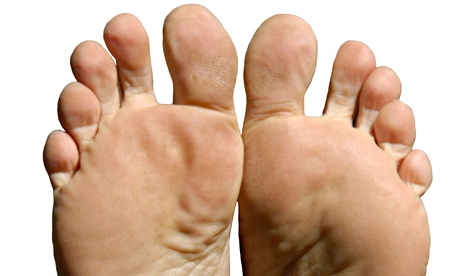
British feet acquiring longer and wider, say specialists

Feet

The survey of 2,000 British adults discovered 48% of guys explained their feet have got bigger, and 61% said their feet are wider. Photograph: Nick Hawkes/Alamy


British feet are acquiring longer and wider, authorities have mentioned.


Throughout the final 4 decades, the regular British foot has improved by two shoe sizes, the University of Podiatry mentioned.


In 1970, men’s feet have been size eight on common and girls size four, but now the average male wears a dimension ten and the common female wears a size six, a spokeswoman explained.


The enhance could be linked to the population’s enhanced excess weight and height, she added.


A poll conducted by the college identified two-thirds of ladies declare their feet have acquired wider in grownup lifestyle, and 35% said they have acquired larger. And the survey of 2,000 British adults located 48% of guys said their feet have acquired greater, and 61% explained they are wider.


The college also cautioned that several individuals are risking foot troubles by striving to squeeze their feet into footwear that are too tiny and narrow.


“Feet are getting greater because as a nation we are turning into taller and we’re escalating in bodyweight,” stated Lorraine Jones from the School of Podiatry.


“Elevated weight obtain spots more pressure on the feet and indicates ligaments and joints need to have to work tougher to maintain the foot’s framework and hold you mobile.


“Above time, if a person is gaining weight, the feet splay to attempt and accommodate the increased pressure – which can trigger discomfort, lead to mobility troubles and improve your risk of creating osteoarthritis in the lower limb joints.


British feet acquiring longer and wider, say specialists

22 Mayıs 2014 Perşembe

Antibiotic-resistant bugs need international response, say health specialists

Handful of antibiotics

Scientists creating in the journal Nature say an international panel on antimicrobial resistance should be developed. Photograph: Murdo Macleod for the Guardian


Public well being experts have called on planet leaders to establish a international organisation to battle the growing risk from drug-resistant bugs.


Antibiotic-resistant pathogens have reached every country, with some sufferers being treated with medication that are now the last line of defence towards infections. Scientists gathered at the Royal Society in London on Thursday warned the predicament is so desperate that a international response in line with efforts to combat climate adjust is needed.


About five,000 men and women a 12 months die in Britain from infections that are resistant to antibiotics, and drug resistance is expanding steadily, eroding the effectiveness of doctors’ most strong antibiotics.


Writing in the journal Nature, Jeremy Farrar, head of the Wellcome Believe in, and Mark Woolhouse, professor of infectious ailment epidemiology at Edinburgh University, urge globe leaders to set up an global panel on antimicrobial resistance to maintain current medication operating and develop options. Based mostly on the UN’s intergovernmental panel on climate modify, they say it should be charged with locating approaches to slash the use of antibiotics to avoid the spread of resistance, and work with business to create medicines and treatments to fight infections triggered by bacteria, but also viruses and parasites.


Last 12 months, the United kingdom launched a five-12 months program to enhance use of antibiotics, bolster surveillance of resistant bugs and create tests for the infections. OneAnother area that wants improvement is schooling of healthcare college students, who normally devote only a week finding out about antibiotics.


But Woolhouse mentioned that, as with climate change, countries had to take action together: “A national plan is not sufficient. We need to handle this issue internationally. We need to have everyone on board.”


“In terms of the threat to my personal overall health, and that of my kids, and my family’s wellness, I am considerably much more concerned about antimicrobial resistance than I am about climate modify,” Woolhouse added.


Britain’s most senior health-related adviser mentioned antimicrobial resistance will be put on the Cabinet Office’s national danger register at the end of the year, putting drug resistance on a par with pandemic flu and terrorism as considerable civilian threats.


Dame Sally Davies, the chief health care officer, has driven the concern substantial on to the government and global agenda. On Friday, the Globe Health Organisation will vote in Geneva on a resolution to create its personal global action program to battle antimicrobial resistance.


Previously, Davies has warned of an “apocalyptic” situation in which people going into hospital die from program operations due to the fact there are no antibiotics to treat them. Antibiotics will even now be helpful for a lot of years, but it could consider a lot more than a decade to create new drugs. There have been no new courses of antibiotics for 25 many years.


“I will not want to see my children, or their children, or even myself in hospital with an untreatable infection,” Davies said.


To slow the rise of antibiotic resistance, GPs and clinicians want to prescribe medicines much more prudently, but other action wants to be taken. The medicines are still used broadly in agriculture, regardless of an EU ban stopping their utilization as growth promoters. The ban was simply side-stepped by offering animals the medication for diverse factors.


“The issue of antimicrobial resistance is very analogous to worldwide warming. You’ve acquired to do issues in the Uk, and have a United kingdom policy, but at the very same time, you have acquired to have an worldwide policy,” mentioned Michael Moore, the antimicrobial resistance champion for the Royal University of General Practitioners.


Antibiotic-resistant bugs need international response, say health specialists

19 Mayıs 2014 Pazartesi

Fear of dementia is exacerbating the condition, specialists warn

Nearly one particular quarter of families affected by dementia waited at least two years just before turning to a medical professional – convincing themselves that they would cope ideal without having any outdoors help, the charity discovered. In 4 per cent of instances, it was far more than five years just before aid for suspected dementia was sought.


On Monday Mr Hunt addressed the World Overall health Assembly in Geneva about the problem of dementia in ageing societies.


He warned that global estimates propose that the globally expense of dementia care – £600bn – mean it now takes up about one per cent of the world’s gross domestic solution, equivalent to the 18th greatest economy.


At the G8 summit on dementia in London final year, ministers pledged to double investment in analysis, in the hunt for a cure.


But ministers will say on Tuesday that the challenge for society is even greater, calling on communities to do more to ensure that the most vulnerable are not left in isolation.


The Health Secretary will announce the winners of new awards, supported by The Telegraph, to celebrate efforts by people, groups and firms to generate much more dementia-pleasant communities.


On Monday night Mr Hunt said: “Dementia is a growing, worldwide challenge and one particular of the most substantial healthcare concerns we encounter in this country. The Government is established to tackle this head-on – but we also need to have as a total society to respond to the disease. That’s why these awards are so critical – because they recognise men and women who are making a massive distinction to bettering dementia sufferers’ quality of lifestyle in their nearby communities.”


It follows a pledge by the Prime Minister to recruit one particular million “dementia friends” to undergo coaching in the situation and make certain these residing with dementia are provided far more assist in their communities and neighborhood retailers.


Most current figures propose that significantly less than half of the 800,000 people presently residing with dementia in the United kingdom have been formally diagnosed by GPs.


Ministers suspect that in several circumstances physicians are declining to make a formal diagnosis of dementia since they believe that carrying out so will result in undue distress to sufferers and relations.


But charities explained the new findings display that a lot of of people who suspect they or loved ones are suffering from condition are reluctant to come forward, with numerous fearing confronting their condition, even though other folks believed small aid was accessible.


Jeremy Hughes, Alzheimer’s Society chief executive, explained: “It’s worrying that so a lot of men and women are not looking for help. Receiving a diagnosis can aid individuals recognize what’s taking place to them and open the door to therapies and help that they otherwise wouldn’t have accessibility to. It also allows the two the man or woman with dementia and their carer to take manage of their lives and plan for the long term.”


He urged individuals who feared they have been struggling from dementia to seek out support, rather than “bury their heads in the sand.”


The findings came as a commentary in The Lancet by dozens of specialists warns that Britons need to embrace healthier lifestyles in order to lessen the risk of dementia.


A consensus statement led by public health officials says the public requirements to be persuaded to “think brain, believe heart” due to the fact actions to boost cardiac well being will also decrease the likelihood of dementia.


The group of specialists call for a new nationwide concentrate on dementia chance reduction, with action to tackle smoking, drinking, sedentary behaviour and poor diet plan.


They say a lot more awareness is essential of the hyperlinks between unhealthy lifestyles and dementia, and adjustments in policies to promote healthy living.


Dr Charles Alessi, senior advisor and dementia prevention lead at Public Health England, explained: “We want to start to “feel brain, think heart” as brain wellness is inexorably linked to heart health and we can add healthful years to our lives by minimizing hazards earlier in our lives.


“Public wellness programmes have contributed to a big decline in deaths from heart condition and stroke over the past 50 years – we now need to have to attain the same on dementia, which is one particular of the largest difficulties dealing with our society.”


The Alzheimer’s Society’s poll of one,043 individuals with dementia and their carers showed 54 per cent of instances waited 6 months just before going to their GP. In complete, 23 per cent waited at least two years, although 4 per cent waited at least five years ahead of they sought support.


A separate on the internet survey of 2,358 British adults found dementia is the situation people are most reluctant to seek aid for, in contrast to other wellness issues including critical heart and digestive problems.


Fear of dementia is exacerbating the condition, specialists warn

15 Mart 2014 Cumartesi

Cochlear ear implants for adults: specialists contact for assessment

Stuart McNaughton

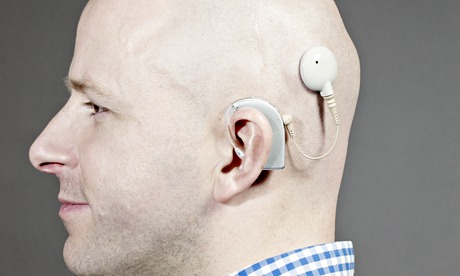
Stuart McNaughton has a cochlear implant in every ear. Photograph: Suki Dhanda for the Observer


A nationwide research need to be carried out into the gadgets that could help adults who are profoundly deaf in both ears to hear, according to professionals.


Bilateral cochlear implants are prosthetic gadgets that make use of electrode arrays surgically implanted in the cochlea of the inner ear to give a sense of sound to individuals with profound hearing loss.


With each other with therapy, they allow kids born without hearing to create exceptional speech and language and enable adults to overcome feelings of isolation. A single implant permits consumers to perceive speech and sounds. Even so, a 2nd allows consumers to locate the sounds enhances speech perception in bustling environments and ensures that, need to one particular device fail, the consumer is not thrown into a silent world.


But recommendations from the National Institute for Well being and Care Excellence (Good) permit bilateral implantation in adults only if they have a 2nd disability, this kind of as blindness, that can make them far more reliant on hearing.


Numerous feel the tips need to be revised to permit adults, like young children, accessibility to two implants. Azhar Shaida, consultant otologist and cochlear implant surgeon at London’s Royal National Throat, Nose and Ear hospital, explained: “The problem is down to money versus advantage.” A single implant expenses the NHS around £38,000-£45,000. If a 2nd is implanted concurrently, only one hospital process is needed, meaning the value is not double. However, Great concludes, the 2nd implant does not provide adequate rewards, compared to the daily life-modifying effect of the initial, to justify the price for grownups.


Labour MP Lilian Greenwood stated: “The criteria are primarily based on evidence from patients who had been predominantly sporting technological innovation from the late 1990s. Because then, there have been significant advances in technologies. Many clinicians would argue that the criteria do not reflect genuine globe listening, and that far more reasonable tests need to be deployed.”


Stuart McNaughton, a lecturer at Westminster Enterprise School who also works for cochlear implant firm Sophisticated Bionics, is 1 of the couple of grownups to have a cochlear implant in every ear. He says a 2nd gadget assists grownups to realise their total likely. “I realize that youngsters require a lot more input since they are creating language and they are building abilities, but what about all the folks in excess of the age of 18, 19, twenty, 21? They need to be permitted bilateral implants as effectively. Society puts pressures on grownups as well – relationships, jobs – it’s a rat race out there.”


David Selvadurai, consultant otolaryngologist surgeon at St George’s Hospital, London, and founder of their cochlear implant programme, also believes adults should have entry to two implants. But, he says, it is essential that adequate evidence is gathered. “What we don’t have at the moment is very good value benefit data to show that there’s ample benefit to the personal to demonstrate cost effectiveness for the NHS,” he said.


But that could alter.Together with colleagues at UCL’s Ear Institute, Shakeel Saeed, Professor at UCL and the RNTNEH, is assessing a national study on bilateral cochlear implantation in grownups which is expected to get 4 to five many years to total. “This is to produce substantial good quality proof that Great can then use to make a regarded as determination,” he said. “If we full that research, then we will be in a position to response a very easy question: does the benefit of possessing two [implants] in grownups justify the cost? We might locate it does not – but I suspect that we will discover that it does.”


Cochlear ear implants for adults: specialists contact for assessment

23 Ocak 2014 Perşembe

Rare condition patients require integrated care from specialists and nearby teams

Earlier this month, senior NHS official Dr Martin McShane raised the pressing issue of how to improve and sustain principal care for the increasing variety of individuals with one or more complex, long-phrase overall health conditions in the Uk. With an ageing population in thoughts, McShane recommended that, with further coaching, some GPs and their practices could specialise in “complicated care”. He believes these new practices could assist to bridge gaps between specialised, hospital-primarily based solutions and ongoing healthcare closer to residence – for people with prolonged-term health situations such as diabetes and dementia.


These proposals have implications for the three.five million men and women in the Uk living with rare ailments. Any substantial investment and remodelling of care for these with lengthy-term conditions must consider the requirements of this patient group. McShane’s suggestion for specialised practices could be a solution for individuals with circumstances such as heart disease or Alzheimer’s, but is most likely to current challenges when applied to patients with rare, complex situations.


The lack of a sustainable and efficient approach to treating people with complex demands in the neighborhood, is an concern that is acquainted to several of the 60,000 men and women in England with muscular dystrophy and other uncommon neuromuscular conditions. The Muscular Dystrophy Campaign routinely hears from men and women who fall foul of the gap amongst the extremely specialised, skilled, hospital-primarily based teams they may see just a few times a year, and the day-to-day basic care they obtain from regional GPs, nurses and physiotherapists.


In some locations, exceptional muscle clinics and other regional centres of knowledge have been designed. Centres, such as those found at trusts in Newcastle, Leeds, Liverpool, Oxford and London, supply a regional hub for sufferers with neuromuscular problems and help major care pros doing work with them. Even so, their geographical spread is uneven and there are also handful of essential workers, this kind of as neuromuscular care advisers and expert nurses, in posts linking specialised and community services.


As with so numerous areas inside of the NHS, we need to have to see investment in these specialised centres to offer neighborhood-primarily based health experts with assistance by means of skills and suggestions. Nevertheless, in this case, there is certainly a strong financial argument for rebalancing present funding to improve providers.


Extreme respiratory infections, falls and cardiac issues all accompany forms of muscular dystrophy. Sadly, frequent and traumatic wellness emergencies are a fact of lifestyle for many households residing with the circumstances. Wellness specialists based locally, with complete expertise of medical background, a thorough understanding of a distinct issue and a direct line to regional specialists, can each avert crises and be available to advise emergency teams need to 1 arise.


NHS information signifies that around 40% of emergency admissions to hospital for this patient group could have been averted through preventative care – monitoring, early intervention and physiotherapy. This quantities to possible savings of up to £32m a year on emergency care. It appears unlikely that ‘complex care’ practices have a element to perform right here. It is not workable or useful to have a situation exactly where a severely disabled patient is forced to travel long distance to see a GP who, even though specialising in complicated care, is even now unlikely to come in get in touch with with a significant variety of patients with the identical unusual issue.


Some areas have benefited from investment in specialist centres and teams to improve ongoing care for those with neuromuscular circumstances. Following the crucial Walton Report in 2009, the quantity of professional neuromuscular care advisers and nurses in the Uk is increasing. Numerous operate each right with patients in the community by linking in with GP practices and clinics, and with neuromuscular consultants, professional physiotherapists and respiratory teams via professional expert centres. They are well positioned to share skills on how distinct conditions progress, and support evolve understanding of effective therapies with GPs and other overall health professionals delivering principal care.


The Muscular Dystrophy Campaign has also not too long ago acquired funding from the Department of Health to run its Bridging the Gap nationwide project. This is targeted on new regional neuromuscular forums and brings collectively people delivering main and expert care. The task will also work to enhance understanding of neuromuscular conditions amongst primary care practitioners by building on the web instruction modules for GPs and an on-line map of professional clinics and neighborhood companies.


McShane recognises the want for more informed experts functioning in principal care with the increasing number of men and women with prolonged-phrase conditions. Nevertheless, ought to proposals for complicated care practices move forward, this are not able to be at the detriment of investment in specialist experts at specialised centres functioning with individuals with unusual, extended-phrase problems. Their skills and support is important in making sure local community-based mostly teams have the expertise and expertise they want to defend well being and improve high quality of life.


Robert Meadowcroft is chief executive of the Muscular Dystrophy Campaign


This write-up is published by Guardian Professional. Join the Healthcare Professionals Network to obtain typical emails and unique gives.


Rare condition patients require integrated care from specialists and nearby teams

16 Ocak 2014 Perşembe

Specialists get in touch with for new medicines and return of sanitoriums to halt TB in South Africa

Patients with drug-resistant TB in South Africa are being systematically discharged into the neighborhood when their treatment method fails, exactly where they carry on to spread the ailment, medical professionals warn. The situation in South Africa, which does not have the innovative remedies that gives individuals the greatest opportunity of survival, is dire and a warning of the risk this type of tuberculosis poses to the globe, say specialists.


Professor Keertan Dheda of the department of medicine in Cape Town, leader of a new examine published in the Lancet, said that analysis into new medicines to treat drug-resistant TB was urgently needed and that modern day versions of the previous sanatoriums must be introduced, to offer voluntary seclusion and care to sufferers.


“In the old days there were no TB drugs also, so they shipped you off to sanatoria the place you had a lot of fresh vegetables and sunlight,” he explained.


Patients who are untreatable but infectious and might live for a 12 months or much more are at present discharged from hospital in South Africa since there are no beds, he explained. Modern-day sanatoriums would offer long-phrase care and physiotherapy but also activities and help for those chronically sick but still lively and in danger of infecting other folks.


The Lancet paper investigates what happened to some of the individuals in a cluster of extremely drug-resistant (XDR) TB instances in Tugela Ferry, KwaZulu-Natal province, identified in 2005-06.


Far more than 500 circumstances have been diagnosed. Of these, Dheda and colleagues followed up 107. They located that regardless of intensive treatment with an typical of eight various medication, three-quarters (74%) of them have been dead 5 years later on. One particular patient had TB that was resistant to all 10 medicines that have been attempted. Just twelve individuals (eleven% of the complete) had good outcomes.


But the most worrying locating, the authors say, is that just beneath half (42%) of the patients who were sent house from hospital still had transmissible drug-resistant TB, which they would be likely to pass to their families. Exams showed that had without a doubt took place. “In many situations they came from really disadvantaged backgrounds,” mentioned Dheda. “Their houses were a single single informal space shared by youngsters and adults. Is it wise to send men and women back to this setting and not anticipate the disease to spread?”


A co-ordinated global method to avert the spread of disease from patients who are not able to be cared for above a single or a lot more years in hospital was essential, Dheda said. Multidrug-resistant (MDR) TB is now located all in excess of the planet. What was occurring in South Africa would also be happening in eastern Europe and other parts of the globe, in which drug-resistant TB is also developing quick.


In a linked commentary, Max O’Donnell, from the Albert Einstein College of Medication and Neil Schluger, from Columbia University University of Physicians and Surgeons, both in New York, USA, warned that the research sounded “an urgent alarm” for global TB handle.


“MDR illness in all its types is an out-of-management issue with probably huge and devastating repercussions for global public overall health,” they say.


“Drug-resistant tuberculosis is an acute international wellness crisis. Nationwide manage programmes have to urgently build methods to use present public health instruments for manage of tuberculosis in all its types.


“Significant new investments in drug growth, diagnostics, and operational research are required. Regrettably, as a report from Treatment Action Group indicates, worldwide tuberculosis study budgets are shrinking, not expanding. The situation regarding MDR and XDR tuberculosis is bleak.”


Specialists get in touch with for new medicines and return of sanitoriums to halt TB in South Africa