addictive' etiketine sahip kayıtlar gösteriliyor. Tüm kayıtları göster

23 Ocak 2017 Pazartesi

Natural Ways to Combat Addictive Habits That Run in the Family

Addiction is a major problem in America. From serious problems with drugs and alcohol, to even sugar or internet addiction, millions of families struggle to overcome the diseases of addiction and addictive behaviors. As you probably know, trouble with addiction can often run in families, due to both genetic and environmental factors.


Unfortunately, children are the ones who usually suffer most from the addiction patterns in their parents. In fact, roughly 12 percent of American children live with a parent who is addicted to a harmful substance. These addictions can contribute to youth drop-out rates and putting future success at risk. If addictive habits run in your family, no matter what those addictions may be, you are probably concerned with breaking that cycle. Fortunately, there are natural ways to combat addictive habits that could otherwise span generations.


  1. Be honest about the problem
    If yourself or someone close to you is exhibiting signs of addictive behaviors, don’t try to sweep your concerns or feelings under the rug. It’s not easy to face these things head-on, but it’s the best way to heal the problem before it grabs hold — increasing the risk for future generations.

  2. Take time to relax
    Addictions usually begin as a way to escape or relax. But people who learn to do these things in a more healthful way might be able to curb addictive behaviors. What helps you or your loved one relax or escape reality for a little while? Perhaps it’s the basketball court, the gym, or a great book. Many find that formal relaxation tools such as deep breathing, meditation, or yoga are very helpful.

  3. Try biofeedback
    Brain wave biofeedback (also called neurofeedback) is a natural and non-invasive therapy that teaches patients how to modify their own brain wave patterns. It has been shown to help with stress, anxiety, ADHD, and yes, addiction. If someone in your family shows potential for addictive behaviors that concern you, it could be worth a try.

  4. Talk about it
    If you or your family has already experienced the struggles of addiction, it’s important to share your story. Share your personal and family experience to offer comfort and hope to others. Putting your energy into helping other families who face similar challenges can give you a new lease on life — and a positive reason to keep moving in the right direction.

  5. Exercise
    There is recent scientific evidence that exercise can have an amazing impact on overcoming addiction, and play a role in decreasing your risk for substance abuse. Physical activity can help manage substance cravings and withdrawal by increasing blood flow to the brain, as well as sending endorphins and other feel-good chemicals throughout the body.

  6. Diet
    People with addictive habits or out-right addictions generally don’t eat very well and eat or drink too much junk. This can stimulate the body’s cravings for addictive substances and make addiction recovery more difficult. A healthy diet can help give your body the tools it needs to combat addiction.

If you are concerned about the potential for a family cycle of addiction, the best thing you can do is reach out for help. The sooner you recognize the potential for a problem, the more productive and effective your intervention will be. Don’t be afraid to reach out — future generations will thank you.


Natural Ways to Combat Addictive Habits That Run in the Family

19 Haziran 2014 Perşembe

Sunshine can be addictive like heroin

”Our findings recommend that the selection to safeguard our skin or the skin of our children may possibly require far more of a aware hard work rather than a passive preference.”


Experts had known that sun-looking for behaviour can fit the clinical criteria for a substance-connected disorder. But what underlay this apparent ”addiction” had been unknown until finally now.


Dr Fisher and his group investigated links among UV exposure and the opioid receptor pathway in ”naked” laboratory mice.


Soon after a week in the artificial sunshine, endorphin amounts in the blood of shaved animals increased.


At the finish of 6 weeks, the mice were given an opioid-blocking drug, naloxone. Abruptly denied the drug-like results of UV, they suffered an array of withdrawal signs, including shaking, tremors and teeth chattering.


In addition, UV publicity induced the animals’ tails to stiffen and lift up – an result also observed when mice are given opioid medicines.


When the mice have been eliminated from the UV rays the symptom, acknowledged as ”Straub tail”, slowly faded away.


Mice not exposed to UV light did not display the very same responses.


”It’s surprising that we’re genetically programmed to turn into addicted to one thing as hazardous as UV radiation, which is most likely the most common carcinogen in the world,” stated Dr Fisher, whose findings appear in the journal Cell.


”We suspect that the explanation entails UV’s contribution to vitamin D synthesis in the skin. Even so, in the existing time, there are considerably safer and a lot more dependable sources of vitamin D that do not come with carcinogenic risk, so there is real wellness value in staying away from sunlight as a supply of vitamin D.”


British professionals urged caution when extrapolating the final results of the research to humans.


Dr Clare Stanford, reader in experimental psychopharmacology at University College London, explained: ”This study does not give the sort of proof needed to present addiction to UV light in mice and it is even significantly less particular that the perform predicts addiction in people.


”This would require testing whether or not the mice preferred UV light or non-UV light, which was not completed in this paper.


”The strain of mice employed in this experiment create virtually no melatonin, which is thought to safeguard towards damage from UV light.


“Shaving such mice and exposing them to UV light raises essential ethical inquiries about animal welfare and once more casts doubt on the relevance of the final results to humans.”


Dr Richard Weller, senior lecturer in dermatology at the University of Edinburgh, explained: ”Mice are nocturnal animals, covered in fur, which steer clear of the light, so one particular should be cautious about extrapolating from these experiments to guy.


”Nonetheless, the authors talk about some literature suggesting that a equivalent pathway might also be current in guy.


”It is extremely unlikely that evolutionary pressures would choose for a trait which minimizes survival and reproductive ‘fitness’. If an ‘addiction’ to sun truly also exists in mankind, it suggests to me that there is a benefit to it.


”The authors mention vitamin D, but in addition to this, epidemiological data (specifically from Scandinavia) show that improved sun exposure is associated with reduced all-cause mortality.


”Our recent operate demonstrates how sunlight decreases blood strain independently of vitamin D, which may possibly account for some of the wellness improving effects of sun.”


Sunshine can be addictive like heroin

4 Mart 2014 Salı

Sugar "could be addictive"

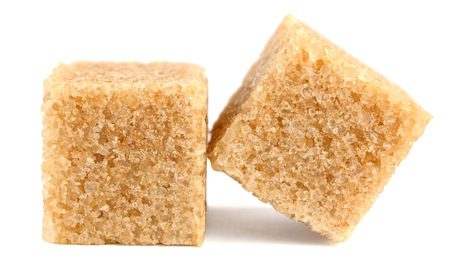
Sugar cubes

Davies believes the meals and drink business is unlikely to resize items with no powerful government action. Photograph: Anatoliy Sadovskiy/Alamy


Sugar could be addictive and the government could need to have to introduce a tax on it in buy to combat obesity, England’s chief medical officer mentioned on Tuesday.


Dame Sally Davies produced the feedback to the Commons health decide on committee a day ahead of an announcement from the Planet Overall health Organisation on new proposed limits for sugar consumption.


Davies advised the committee she believed that “investigation will discover sugar is addictive” – a position that has been advanced by some in the US on the back of study by addiction scientists working for the US government’s National Institutes of Health. The likelihood is strongly disputed by the food industry. “We might want to introduce a sugar tax,” she extra.


Uk groups such as the Children’s Meals Campaign have been lobbying for a tax on sugar in meals and drinks. Medical doctors also supported the get in touch with for a twenty% tax on sugary drinks in a report from the Academy of Medical Royal Colleges in February. The government, even so, has appeared to be disinclined to seem at foods taxes as a way to tackle the unhealthy eating habits that lead to obesity, heart illness, strokes, diabetes and some forms of cancer.


Davies said she did not think that food and drink producers would re-dimension their goods – to provide smaller portions of meals items containing higher amounts of sugar, salt and unwanted fat – with no powerful government action.


The foods and drink sector is a partner with the government in the public well being Obligation Deal, which asks organizations to make pledges on strengthening the overall health of their items. There have been pledges on salt and saturated unwanted fat reduction and on calorie cuts, but as but sugar has not been explicitly component of the programme.


Sugar content material is on the front of pack labelling that ministers have been selling, and merchandise with high amounts must get a red targeted traffic-light symbol, but the scheme is voluntary and not all companies are compliant.


Davies explained her concern to the committee: “We have normalised currently being obese. I do fear that this generation of children will live [for fewer many years] than my parents’ generation.”


Advice from the World Wellness Organisation at existing suggests that sugar should not make up far more than ten% of anybody’s calorie consumption. It has been revising the guideline over more than a 12 months, nevertheless, and will put out new advice for consultation Wednesday.


The WHO commissioned two scientific studies to inform the process: a single on the harm that sugar does to teeth, and the other on its impact on obesity.


The latter review, by Jim Mann and colleagues from New Zealand, published in the British Health-related Journal last yr, located that sugar did not immediately result in weight problems. Nonetheless, these who consumed a good deal of it, specifically in sweetened drinks, tended to place on excess weight as it is calorie-dense and the drinks did not make folks truly feel full, so they continued to eat.


A Division of Wellness spokesperson stated: “To support the nation to be more healthy by consuming fewer calories, including sugar, we are doing work with industry through the Duty Deal.


“This operate has presently delivered results but we have constantly been clear that if foods and drink organizations fail to act we will seem at other choices and are trying to keep all international evidence beneath overview.”


Sugar "could be addictive"