reported etiketine sahip kayıtlar gösteriliyor. Tüm kayıtları göster

31 Ocak 2017 Salı

Northern Irish woman was reported to police by GP over abortion pills

A Northern Irish woman who was prosecuted for obtaining abortion pills for her underage pregnant daughter was reported to police by a GP, the British Pregnancy Advisory Service has revealed.


Launching an information campaign in Northern Ireland aimed at helping women access safe abortion medication and follow-up services, the BPAS said that a climate of fear over such prosecutions was risking lives in the region.


Last week, the mother won the right to challenge the decision to prosecute her for procuring the abortion pills for her daughter, who was 15 at the time.


BPAS said cases such as these would deter women from seeking follow-up care when needed for fear that they will face criminal sanction.


The charity stressed that no healthcare professional is obliged to report anyone who accesses the abortion pills in the province. Despite this BPAS confirmed that it was a GP who reported the mother, who cannot be named for legal reasons, over buying the abortion pills for her child.


In Northern Ireland, the maximum penalty for the crime of administering a drug to induce miscarriage under the Offences Against the Person Act 1861 is life imprisonment.


Except in cases where there is a direct threat to a mother’s life, almost all abortions are banned in Northern Ireland’s hospitals.


Ann Furedi, BPAS chief executive, said: “We have launched this information campaign today not to encourage women to break the law but in recognition that this is happening. Northern Ireland’s strict abortion law means women determined to end a pregnancy but who cannot travel must turn to online pills. These women are no less deserving of follow-up care and support than the women we see in our clinics.


“Recent court proceedings have sent out a deeply worrying message – that women are not able to speak openly and honestly with their clinicians. Those who are driving the prosecutions have created a damaging climate of fear for women and those caring for them.”


Furedi said BPAS had launched a 24-hour information hotline to help women in Northern Ireland access safe abortion pills.


She said: “We know that there are women who are in need of care but afraid to access help. So today we want to send a clear message: if you have taken abortion pills and need advice, we are here for you, 24 hours a day, every day.”


Last year, pro-choice campaigners used a drone that was flown across the Irish Sea to deliver abortion pills to women in Northern Ireland.


In April last year, a 21-year-old woman received a one-year suspended sentence at Belfast crown court for procuring her own abortion by using a poison, and of supplying a poison with intent to procure a miscarriage. The court was told she had been arrested after her flatmates in Belfast reported her.


Two years ago, the UN’s human rights committee said the severe restrictions on terminations in the region were putting Northern Irish women’s lives at risk.


An estimated 2,000 women travel to English hospitals and clinics from Northern Ireland every year to have terminations. There is strong opposition to liberalising the province’s strict anti-abortion laws across the floor of the Northern Ireland assembly.


The 1967 Abortion Act was never extended to Northern Ireland and all the main local political parties oppose it.


Northern Irish woman was reported to police by GP over abortion pills

29 Kasım 2016 Salı

Scurvy cases reported in Australia reveal modern diet failings

Scurvy, an 18th century disease caused by a lack of vitamin C, appears to have made a surprise comeback in Australia.


Historically associated with sailors on long voyages, scurvy has been detected in a number of diabetic patients at Westmead hospital in western Sydney.


Prof Jenny Gunton from the hospital’s centre for diabetes, obesity and endocrinology said several of her patients with long-running unhealed wounds had been cured by a simple course of vitamin C.


A lack of vitamin C in the body results in the defective formation of collagen and connective tissues, which can cause bruising, bleeding gums, blood spots in the skin, joint pain and impaired wound healing.
When the patients were asked about their diet, some were eating little or no fresh fruit and vegetables. The rest ate fair amounts of vegetables but were over-cooking them, which destroys the vitamin C.


Gunton fears the problem could be much more widespread.


“Human bodies cannot synthesise vitamin C, so we must eat foods containing it,” she said.


Most Australians don’t meet World Health Organisation standards for vegetable consumption.


Research by University of Sydney PhD candidate Reetica Rekhy, recently published in the journal Nutrition & Dietetics, found that while almost one in two Australians ate the recommended two serves of fruit daily, only 7% of adults consumed the recommended serves of vegetables.


Her research found most of the 1,000 respondents did not have a good understanding about specific nutritional benefits of most vegetables.


“If we are not eating what we are meant to eat, it will have a reflection on our health and there will be all these conditions [like scurvy] that will emerge or re-emerge,” Rekhy said.


Common foods that are high in vitamin C include oranges, strawberries, red and green peppers including capsicums, broccoli, kiwi fruit and grapefruit. Overcooking any food is likely to destroy the vitamin C.


The Australian Guide to Healthy Eating recommends people eat two to eight serves of vegetables and legumes each day, based on age, physical activity levels and body size.


One serve is described as about one cup of uncooked or half a cup of cooked or canned vegetables or beans.


Potatoes are not considered vegetables for the purposes of the requirements but tomatoes, although officially a fruit, are.


Scurvy cases reported in Australia reveal modern diet failings

23 Kasım 2016 Çarşamba

"Poor decisions and lack of compassion" reported at NHS trust

A secret medical review showed mothers and babies died at an NHS trust in the Manchester area where clinical errors, bad staff attitudes and chronic shortages were commonplace.


The review, carried out by new maternity director Deborah Carter at Pennine Acute Hospital NHS trust which operates North Manchester General and the Royal Oldham hospitals, outlines a string of avoidable deaths and long-term injuries caused by failures over many years.


The report details how a premature baby was left to die alone in a sluice room rather than its mother’s arms, another woman who died of a catastrophic haemorrhage after her symptoms were put down to mental illness and a baby who died because staff failed to identify its mother’s rare blood type.


Long-term failures led to “high levels of harm for babies in particular” and repeated warnings over years had not led to improvements.


The internal review only came to light following a freedom of information request by the Manchester Evening News. The paper said the trust tried to suppress the report and even claimed it did not exist.


On Wednesday night the trust said more staff had been taken on and progress was being made to improve care.


The report identifies “clear evidence of poor decision-making which has resulted in significant harm to women” and “real issues” on maternity wards resulting in “high levels of harm for babies in particular, which has significant life-long impact”.


Staff shortages are linked to a series of deaths, including one baby who died because antenatal staff had failed to spot its mother’s blood type. But bad attitudes and a lack of compassion among staff were also cited.


In one case a mother died from a “catastrophic haemorrhage” after staff ignored the symptoms of hypoxia, a condition caused by lack of oxygen, while medics believed the woman had mental health issues.


Another incident involved the birth of a 22-week-old baby. The report states: “When the baby was born alive and went on to live for almost another two hours, the staff members involved in the care did not find a quiet place to sit with her to nurse her as she died, but instead placed her in a moses basket and left her in the sluice room to die alone.”


The report cites “worrying repetitive themes” across the department, including failures to monitor basic vital signs, poor documentation, lab results left unchecked, critical information left off patient records, a “rigid mindset” among staff who tended to view patients’ conditions as “uncomplicated”, repeated breaches of safety procedures and little performance monitoring of the high numbers of agency staff on the trust’s books.


The trust received more legal claims and paid out more in damages than any other between 2010 and 2015, nearly half the claims relating to mothers and babies – payouts that totalled more than £25m.


Prof Matthew Makin, medical director at Pennine, said: “The priority is for all of the trust’s services to meet the high standards that patients expect and deserve. We are steadily making the necessary improvements so that patients can receive reliable, high quality care across all of our services.


“In addition to the appointment of a new head of midwifery, 31 new midwives started … across our two maternity units at north Manchester and Oldham last month.


“In addition to 58 new midwives joining us since April, the new management team is being supported by Central Manchester NHS foundation trust, who are providing supplementary clinical leadership support in order to stabilise and strengthen services on the north Manchester site.


“We have fully reviewed our risk and governance arrangements including learning from incidents and complaints, and are making progress in improving the way we listen and involve our staff to address the longstanding problems and challenges facing our teams.”


"Poor decisions and lack of compassion" reported at NHS trust

24 Temmuz 2016 Pazar

First case of baby born with Zika-related microcephaly reported in New York City

New York City has reported its first case of a baby born with the birth defect microcephaly related to exposure to the Zika virus, health officials said on Friday.


New York City department of health officials said the baby’s mother was infected after traveling to an area with ongoing Zika transmission. They declined to provide further details about the mother or child.


So far, the city has reported 346 cases of Zika infections, all related to travel. Of these, four have been linked to sexual transmission, including the first case ever of a woman transmitting the virus to a male partner.


US health officials have concluded that Zika infections in pregnant women can cause microcephaly, a birth defect marked by small head size that can lead to severe developmental problems in babies.


According to the US Centers for Disease Control and Prevention, there have now been 12 confirmed cases of babies born with microcephaly in the United States, and more than 400 pregnant woman in the continental US have evidence of Zika infection.


Health officials in Florida have been working with the CDC to determine if Zika has arrived in the United States after two residents who have not traveled to areas infected with Zika tested positive for the mosquito-borne virus.


It was also announced on Friday that a civilian contract worker has become the first person with a confirmed case of Zika on the US base at Guantánamo Bay, Cuba, following a trip to Jamaica.


Related: Zika transmission to Utah man’s caregiver sparks medical mystery


The worker became infected while off the base and remains under medical supervision but now shows no symptoms of the illness, the US navy said in a statement.


The connection between Zika and microcephaly first came to light last fall in Brazil, which has now confirmed more than 1,600 cases of microcephaly that it considers to be related to Zika infections in the mothers.


So far, 1,404 people in 46 US states have contracted Zika, including 15 cases that were sexually acquired. CDC is also investigating one possible case of person-to-person transmission of Zika in Utah.


First case of baby born with Zika-related microcephaly reported in New York City

8 Temmuz 2014 Salı

Ebola: 50 circumstances and 25 deaths reported in Sierra Leone, Liberia and Guinea

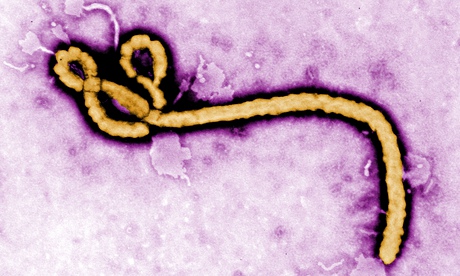
Ebola

West African countries and worldwide health organisations have adopted a fresh method to battle the ebola epidemic. Photograph: Alliance Images/Alamy


Fifty new situations of Ebola and 25 deaths have been reported in Sierra Leone, Liberia and Guinea given that three July, as the deadly virus continues to spread in households, the Planet Health Organisation (WHO) explained on Tuesday.


In a statement, the UN company explained that the most recent figures from wellness ministries in the 3 nations showed a total of 844 circumstances like 518 deaths in the epidemic that began in February.


Guinea’s ministry reported two deaths since 3 July but no new cases in the previous week, the WHO stated, calling the circumstance in the affected area of West Africa a “mixed picture”.


Sierra Leone accounted for 34 of the new situations and 14 deaths, while Liberia reported sixteen new circumstances and nine deaths, it mentioned, adding: “These numbers indicate that energetic viral transmission continues in the local community.”


A WHO spokeswoman, Fadela Chaib, said: “This means that the two principal modes of transmission are property care, individuals who care for their relative at house, and in the course of funerals, are nevertheless ongoing. If we do not cease the transmission in the many hotspots in the three nations we will not be capable to say that we manage the outbreak.”


West African countries and global health organisations adopted a fresh strategy last Thursday to battle the world’s deadliest Ebola epidemic to date. Measures consist of better surveillance to detect the virus and enhancing cross-border cooperation.


Ebola: 50 circumstances and 25 deaths reported in Sierra Leone, Liberia and Guinea

28 Mayıs 2014 Çarşamba

Sole reported US Mers case revealed as misdiagnosis by CDC

Well being officials on Wednesday backtracked on an earlier report that a mysterious Middle East virus had apparently spread from one man or woman to another in the United States.


Extra testing has shown the virus did not, in reality, spread to an Illinois man from a traveler he’d met in a business meeting.


The Centers for Disease Management and Prevention announced the revised diagnosis on Wednesday.


This month, a medical professional who traveled from Saudi Arabia to Indiana was identified as the 1st US situation of Middle East respiratory syndrome, or Mers. Officials examined people he met, and two preliminary exams detected antibodies towards Mers in the Illinois man.


No other contacts tested optimistic.


On 17 Might, CDC officials referred to as a information conference to announce the test results. They mentioned the Illinois guy was not sick and exams for presence of the real virus in him had been unfavorable, but the blood tests that detected antibodies to the virus had been enough grounds to get action. Overall health officials started testing men and women he had been in get in touch with with and asked the man to dress in a mask and avoid crowds.


Because then, other exams – which includes a more definitive 1 that will take 5 days to full – have discounted that obtaining, CDC officials said Wednesday.


Asked if they had jumped the gun with the earlier announcement, one particular official said the CDC will proceed to err on the side of caution if it may stop potential spread of a dangerous new disease. “We cannot wait till we have all the exams back in buy to take public health action,” mentioned Dr David Swerdlow, who is managing the CDC’s response to the latest Mers reports.


It really is not clear what brought on the earlier false positive test outcomes. It truly is achievable the tests reacted to the antigen for a virus with similarities to Mers, officials explained.


Well being officials have been relieved to get the new final results. They had believed the virus have to have spread from the Indiana guy to the Illinois guy throughout a business meeting that concerned no closer speak to than a handshake. That recommended it may possibly spread a small easier than some had thought – in the Middle East, the virus has spread much more intimately, to family members or well being care workers caring for a Mers patient.


CDC officials stated they even now think it really is attainable the virus can spread in an extended, encounter-to-face enterprise meeting. But “it is a minor reassuring that this gentleman is not a case,” Swerdlow said.


Mers has sickened much more than 600, primarily, in the Middle East, and killed much more than 175. The Mers germ belongs to the coronavirus household that consists of the frequent cold and Sars, which caused some 800 deaths in 2003.


Sole reported US Mers case revealed as misdiagnosis by CDC

5 Mart 2014 Çarşamba

Little one born with HIV reported to be clear of virus following urgent treatment

HIV-infected H9 T cell

An HIV-contaminated H9 T cell. Photograph: AP


A infant born with HIV might have been cleared of the virus following physicians gave her therapy for the infection within hours of her birth.


Physicians gave the baby’s mother anti-HIV medication in the course of labour to cut the risk of passing her HIV on, and started treating the baby four hours right after she was born in suburban Los Angeles last April.


Delicate blood exams advised that the little one has been entirely cleared of the virus, but the infection can hide in tissues and return. “We don’t know if the child is in remission … but it seems like that,” stated Yvonne Bryson, an infectious ailment professional at Mattel children’s hospital at UCLA who consulted on the girl’s care.


Physicians revealed the case at an Aids conference in Boston on Wednesday.


The infant lady could be the second to be freed of HIV after early treatment with anti-HIV medication. The 1st situation was reported final yr, when medical doctors gave medication to a little one born in Mississippi. She was taken care of right up until she was 18 months old, but physicians then misplaced make contact with with her.


When the girl came back to the clinic ten months later, doctors could uncover no sign of the infection. Now aged three-and-a-half, she is nevertheless clear of HIV.


Little one born with HIV reported to be clear of virus following urgent treatment