Hazards etiketine sahip kayıtlar gösteriliyor. Tüm kayıtları göster

18 Kasım 2016 Cuma

Can dry cleaning give you cancer? The hidden hazards of delicates

With the results of the most recent presidential election, Americans are faced with all sorts of uncertainty in regards to their health. But there are some consumer choices that individuals can make to protect against future illness: cutting down on sugar, for example; exercising daily; and, surprisingly, being careful about how you clean your delicates.


You may not know it, but most dry cleaning isn’t dry at all – and it isn’t clean. Instead of water, professional cleaning processes use a liquid solvent to dissolve stains on garments. This typically involves a chemical known as perc that, while highly effective at getting scuff marks out of clothing, is also a known health and environmental hazard.


Health organizations, including the Environment Protection Agency (EPA) and the International Agency for Research on Cancer (IARC), have classified perc as a toxin, but it’s still widely used across the industry. In 2012, the EPA classified perc as a “likely human carcinogen”, meaning that prolonged exposure to the chemical has been linked to an increased risk of cancer.


Perchloroethylene, also known as tetrachloroethylene, PCE or perc for short, is a chlorinated hydrocarbon used primarily by the dry cleaning industry, but it’s also used as a metal degreaser in industrial cleaning.


In the EPA’s 2012 press release on the subject, the agency warned: “Studies of dry cleaning workers exposed to tetrachloroethylene have shown associations between exposure and several types of cancer, specifically bladder cancer, non-Hodgkin lymphoma and multiple myeloma.”


In the same year the IARC, found perc to be “probably carcinogenic to humans” based on evidence from epidemiological data and animal studies.


According to the most recent data, the EPA estimates that 28,000 dry cleaners in the US use perc. In 2006, the agency significantly tightened its requirements for the use of air toxins in dry cleaning. A spokesperson for the agency said: “The rule includes a phase-out of perc use at dry cleaners located in residential buildings, along with requirements that will reduce perc emissions at other dry cleaners.”


The requirement includes the complete phase-out of perc machines in dry cleaners located in residential buildings by 2020. New York, Illinois and New Jersey are among some of the states to have passed recent legislation clamping down on the use of perc. But a decade after the EPA ruling, the only state to pass legislation outright banning perc has been California.


The main health risk with perc is not through wearing clothes that have been cleaned with it, but rather, exposure through air or soil. The effects of short term exposure (breathing in high amounts over a short span of time) include dizziness, headaches and loss of consciousness, according to the EPA.


It is long term exposure that can increase the risk of cancer, putting dry cleaning workers and people who live in close proximity to shops at the highest risk.


A 2009 study in the Journal of Environmental and Public Health found that living near a dry cleaner that uses perc increases the risk of developing kidney cancer.
Proximity to a dry cleaner does not mean that exposure to perc is a given. Not all dry cleaners use perc, and many that do send the clothing off-site to an industrial complex away from residential buildings.


Additionally, with correct ventilation and maintenance, the amount that leaks into the air can be minimized.


The National Association for Cleaners (NCA), a trade group that looks after the business interests of dry cleaners, does not view perc as dangerous. In an interview with the Wall Street Journal, director of technical services Alan Spielvogel said the latest perc machines are much safer, and that alternatives to perc don’t clean as well. The NCA did not return the Guardian’s request for comment.


As a chlorinated hydrocarbon, perc breaks down very slowly in the air so it can travel long distances, meaning that in urban areas there are trace amounts of it in the air even if there is no dry cleaner nearby. According to air samples of urban areas in different parts of the US, the typical background level of perc is roughly a couple of micrograms per cubic meter.


The New York Health Department recommendations for a safe level of perc in the air is no more than 30 micrograms per cubic meter. The guidelines, however, state that “reasonable and practical actions should be taken to reduce perc exposure whenever air levels are above background”.


The agency has a particular concern that indoor levels of perc in the air are kept as close to background levels as possible.


Measuring the levels of perc in the air, however, isn’t all that straightforward. In New York, the authorities do not regularly monitor dry cleaning emissions and generally, environmental agencies in other parts of the country only do so when there has been a complaint or reason to suspect a contamination.


Earlier this year, a Crains investigation into the use of perc in the city found that since 2011 the health department received 250 complaints from dry cleaners and residential laundry rooms about their emissions.


Consumers are becoming increasingly aware of the health hazards of perc, as well as its environment impact, and are questioning why it’s taking so long for the chemical to be phased.


Dr Ivan Rusyn, a committee member for the National Academies of Sciences, Engineering and Medicine, who reviewed the EPA’s risk assessment of perc, said that in the grand scheme of how federal agencies work, it’s not been that bad. “It’s a very long process to create these human health assessments,” Rusyn said.


The California air board spokesperson said the biggest challenge in phasing out perc has been a resistance on the part of dry cleaners who think it’s the most effective way to clean clothes.


Tim Maxwell, the president of GreenEarth, a widely used silicone-based alternative to perc, echoed that challenge. He also said that the unstructured nature of the dry cleaning business, which has been in decline for the last ten years, makes implementing drastic changes difficult.


“Most dry cleaners are mainly small mom-and-pop businesses,” he said. “The hardship of replacing that perc machine is anywhere from $ 40,000 to $ 100,000 and that’s very economically challenging.”


GreenEarth is among many of the alternatives to perc, which also include water-based cleaning technologies known as wet cleaning, carbon dioxide technology and a host of other chemical cleaning systems. While the alternatives are thought to be preferable both from a health and environmental standpoint, research into these other systems is still in its nascent stages.


Other options for consumers looking to avoid the potential risks associated with dry cleaning is to launder clothes at home or in a regular laundromat. Despite clothing labels saying otherwise, consumers often find that clothes marked as “dry-clean-only” will come out of a regular wash unscathed (for the most part).


Can dry cleaning give you cancer? The hidden hazards of delicates

29 Temmuz 2016 Cuma

Heart disease, depression and blindness – the hazards of deep space travel

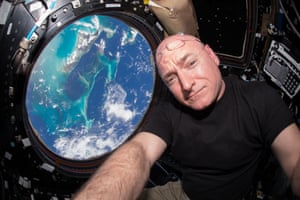
Upon his return last March from a record-breaking 340-day stay aboard the International Space Station (ISS), Nasa astronaut Scott Kelly was most excited about plunging into the swimming pool in his Houston, Texas backyard.


Kelly, who has spent more cumulative time in space than any other American, spent hours harnessed to a treadmill each day to try to keep his muscles and bones from atrophying. He also endured radiation exposure, nausea and vision problems while living on the ISS for nearly a year.


He has served as a guinea pig of sorts for scientists who are investigating the long term effects of zero-gravity environments on the human body. With Nasa planning a manned mission to Mars in the 2030s – and private outfits like Mars One advertising a colony on the planet in the next two decades – researchers want to know how to best offset the health hazards of a journey that will take two-and-a-half years. These dangers include everything from depression to loss of sight and heart disease.


American astronaut Scott Kelly returned to Earth on 3 March, 2016, after completing 522 days living in space over four missions.


American astronaut Scott Kelly returned to Earth on 3 March, 2016, after completing 522 days living in space over four missions. Photograph: NASA

“The biggest barrier to missions like that are biomedical,” says Leroy Chiao, a retired astronaut who has logged four space flights, including a six-month stint aboard the ISS as commander of Nasa’s Expedition 10. “It’s, how are you going to keep astronauts healthy in that long period of time?”


The biggest barrier to missions like that are biomedical.


Even on a short shuttle mission lasting a few weeks, microgravity causes big physiological changes. “You notice them immediately once you get into space,” Chiao says. While they adapt to the weightless environment, astronauts’ sensorimotor skills and balance are immediately thrown off. The inner ear senses that the body is moving, the eyes see that it isn’t, and the brain is confused by these contradictory signals.


“To me, it feels like you just did a forward roll,” says Chiao of the resulting dizziness and nausea, which can last for days.


Not only that, but the bodily fluids that gravity normally pushes down into the lower extremities will float up to the neck and head, causing headaches and uncomfortable pressure, potentially leading to vision problems due to swelling of the optic nerve.


Upon further study, scientists have discovered that the extended pressure inside the skull has flattened the backs of some astronauts’ eyeballs, making them more farsighted, an effect that is exacerbated by lengthy trips in space. This could have further serious implications for space travelers’ sight.


Related: Can Mars One colonise the red planet?


“Nobody’s gone two years with exposure to this, and the concern is that we’d have loss of vision,” says Dohit Donoviel, director of the Biomedical Innovation Laboratory at the National Space Biomedical Research Institute (NSBRI), which partners with Nasa and Baylor College of Medicine to study human health in space. “That is catastrophic for an astronaut.”


No astronaut has ever gone blind from space travel, and while about 70% of them do experience vision changes while in flight – more often men than women – astronauts typically bring glasses on their space flights to help them do their jobs.


Still, the current remedy for redistributing fluids – a pair of suction pants made by the Russians called the Chibis suit, which essentially vacuums the fluids back down into the lower body – is “incredibly uncomfortable”, according to Donoviel , and can only be worn for an hour or two.


If I die on Mars: meet the people on a mission to be first on the red planet … and stay there.

The NSBRI is testing a number of solutions, including a garment under development with Under Armour that astronauts would wear while they sleep.


Another big concern about prolonged space travel is its effect on the heart. Much like the muscles and bones that are depleted because they no longer need to work to fight gravity, the heart gets used to exerting a far lighter effort to keep blood pumping throughout the body.


Astronauts traveling to Mars, which has about one-third the gravity of Earth, will have to keep up extensive cardiovascular exercise every day in order for their hearts to be able to handle the planet.


No human has been exposed to the level of radiation that it would take to make that trip to Mars.


“It’s kind of like you’re lying still in bed,” says Chiao of the effect of weightlessness on the body and the circulatory system. That’s why Nasa performs bed rest studies in order to see how the body is affected long term.


When paired with radiation exposure, the prognosis doesn’t look good. A recent study of the 24 astronauts who left Earth’s low orbit on Nasa’s Apollo missions in the 60s and 70s showed that they were five times more likely to die of heart disease than the astronauts who didn’t enter deep space – a result scientists think may have been caused by excessive radiation exposure.


Astronauts on missions at the ISS are shielded from too much radiation by Earth’s atmosphere and magnetic field. But on a trip to Mars, humans would be exposed to radiation from the sun and from high-energy particles called galactic cosmic rays, which degrade DNA and drastically increase cancer risk. Nasa studies show that a round trip to Mars would expose astronauts to radiation levels reaching two-thirds of the agency’s lifetime limit.


Related: Apollo deep space astronauts five times more likely to die from heart disease


“We have no ability to block them,” says Dovotiel of the particles. “In essence, they affect every organ. No human has been exposed to the level of radiation that it would take to make that trip [to Mars].”


Beyond the many physical difficulties astronauts will have to withstand during long journeys, veterans say the psychological aspects of hurtling through deep space shouldn’t be discounted.


Astronauts stay extremely busy during missions, whether they’re conducting research, keeping tabs on equipment or churning out the requisite two hours of daily exercise. Aboard the ISS , that means they can always maintain a visual connection with home. But on a six-month trip to Mars, that comforting view of the Blue Planet will be gone.


“Watching the Earth disappear and turn into a star – that’s going to be different. You are going to feel alone,” says Chiao. “As we go on these longer missions, the psychosocial part is going to become more and more important.”


Heart disease, depression and blindness – the hazards of deep space travel

6 Ağustos 2014 Çarşamba

For Cancer Prevention, The Benefits Of Aspirin May possibly Outweigh Hazards

A new research in Annals of Oncology finds that the rewards of day-to-day aspirin could outweigh the risks, at least when it comes to cancers of the digestive tract – bowel, abdomen and esophageal. There was a smaller sized, but appreciable reduction in the chance of heart attack and stroke. Simply because of the bleeding dangers linked with aspirin, there is been some debate more than whether or not the overall health benefits are well worth this probably severe threat. But the new research from Queen Mary University of London finds that, if taken above a decade, aspirin’s ability to reduce the incidence of these well being troubles, as nicely as the risk of death, plainly outweighs the danger.


“It has extended been recognized that aspirin – 1 of the most affordable and most common medication on the industry – can shield towards certain sorts of cancer,” said Jack Cuzick. “But right up until our study, in which we analysed all the obtainable proof, it was unclear regardless of whether the pros of taking aspirin outweighed the cons.”


Now, they say, it is very clear.


Aspirin: Candy for Programmers

Aspirin: (Photograph credit score: brx0)


To review the problem, the authors looked back above information from 200 scientific studies assessing the well being outcomes of individuals who had taken every day aspirin (70-325 mg/day) above the years.


They discovered that aspirin in excess of ten years can cut bowel cancer incidence by 35%, and deaths from the condition by forty%. Esophageal and stomach cancers prices have been every single decreased by thirty% – and deaths from these cancers by 50% and 35%, respectively. There was some evidence of a reduction in lung, breast, and prostate cancers, too, but it was weaker.


The risk of heart assault was also diminished by about 18%, as was stroke, albeit to a lesser degree (and deaths from stroke have been actually improved).


The staff identified that it took about 3 many years to see any well being benefit of every day aspirin, and ideally, they say, one would get between 75-one hundred mg for at least five many years to reap the fuller results. Among 50 and 65 many years of age, one would need to consider aspirin for up to 10 many years for it to be the most successful. In reality, the authors calculate that if everybody above 50 took aspirin everyday for ten years, 122,000 deaths might be prevented above a period of two decades.


There was some increased threat of bleeding (from 2.2% to 3.six%), but it was reasonably minimum, compared to the good impact on cancer and cardiovascular danger. It’s not clear if there’s an age after which aspirin would no longer be beneficial.


“Whilst there are some severe side results that cannot be ignored,” says Cuzick, “taking aspirin daily seems to be to be the most important thing we can do to reduce cancer right after stopping smoking and minimizing weight problems, and will possibly be considerably less difficult to implement.”


And looking at the bigger image, the outcomes are encouraging.


“Our review demonstrates that if absolutely everyone aged amongst 50-65 began taking aspirin every day for at least ten years, there would be a 9% reduction in the amount of cancers, strokes and heart attacks total in men and close to 7% in females. The total variety of deaths from any trigger would also be decrease, by about 4% in excess of a twenty-yr period. The positive aspects of aspirin use would be most visible in the reduction in deaths due to cancer.”


Verify with your medical doctor just before beginning an aspirin routine. But from the new study, it appears like we’re obtaining closer to a “ruling” on the aspirin issue. For most people, it appears, the well being advantages may possibly effectively exceed the dangers.


Adhere to me @alicewalton or find me on Facebook.


A table of the incidence of each disease with everyday aspirin, courtesy Annals of Oncology.


For Cancer Prevention, The Benefits Of Aspirin May possibly Outweigh Hazards
EventIncidenceMortality
Very best estimateConservativeBest estimateConservative
Colorectal cancer.65.70.60.65
Oesophageal cancer.70.75.50.fifty five
Gastric cancer.70.75.65.70
Lung cancer.95one.00.85.90
Prostate cancer.90.95.85.90
Breast cancer.90.95.95one.00
Myocardial infarction.82.82.95.95
Stroke.95.95one.211.21
Key extracranial bleeding1.541.70--
GI bleeding--1.60one.70
Peptic Ulcer--1.60one.70

13 Temmuz 2014 Pazar

Time for Informed Consent: The FDA Considers Hazards of Power Morcellators in Fibroid Surgical treatment

Last week, a panel convened by the FDA deliberated over the risks and benefits of using power morcellators in gynecological surgery. In April, the agency issued an alert cautioning providers that the tools could spread malignant cells from an occult malignancy. The panel agreed that there’s no way for a doctor to predict, prior to surgery, if a uterine fibroid is completely benign.


Late last year, a Boston surgeon drew public attention to the potential dangers of the power tools. His wife – an anesthesiologist and mother of six – underwent what was considered a routine operation, as reported by the WSJ. Unfortunately it turned out that a fibroid within her uterus contained malignant cells; it was a leiomyosarcoma. She now age 41, needed an extensive course of chemotherapy to improve her odds of survival.


This case matters because fibroids commonly affect women in their thirties, forties and fifties. These growths of smooth muscle can cause pain, pressure on the bladder or rectum, and bleeding with consequent anemia. Recently the FDA estimated that the risk of a concealed, malignant sarcoma as 1 in 352 among women having surgery for what’s thought to be a benign uterine fibroid.


Hysterectomies and myomectomies to remove fibroids represent a large fraction of gynecological surgery. Power morcellators, which can mince a tumor efficiently, first entered practice in the early 1990s. A surgeon can use this sort of device laparoscopically – potentially and probably reducing a patient’s scar, time in the hospital and complications of a longer surgical procedure.


My first concern is that  Both are precious resources. It’s easier and quicker for a surgeon trained to a power morcellator than to carefully carve out a benign fibroid tumor (or several) from a woman’s uterus. So it may be a matter of economics, rather than what’s best for the patient.


PLoS image 2012; 7(11): e50058

pathology from a uterine leiomyoma (fibroid); PLoS  2012; 7(11) e50058


My second, and possibly greater concern, is that Many hospitals would blow off charges raised by ordinary patients as “hypothetical.” They’d dismiss, or inadequately note, untoward events that are rare but real.


You have to wonder how many side effects of approved devices go unchecked, because of the limits of FDA’s handling capabilities, conflicts of interest, and doctors’ understandable fear of law suits. The FDA encourages doctors to report bad outcomes after use of this sort of device to its MAUDE database, but in general it hasn’t required notification by providers. It’s hard to imagine that most surgeons or hospitals would volitionally report that a device used may have caused a woman’s malignant sarcoma cells to disseminate during a surgical procedure.


The FDA panel hasn’t yet issued a formal statement regarding the use of power morcellators in uterine fibroid surgery. Not surprisingly, gynecologists on the panel challenged the statistic of 1 in 352 – saying that the real risk of cancer was significantly lower than that number. But they agreed that women having the procedure “should sign a written consent form stating they understand the serious risks of laparoscopic power morcellation…”


This is a story about informed consent, and it’s not just about this particular procedure. Rather, it’s about physicians’ knowledge and representation of probable outcomes to patients. In my experience, doctors tend to minimize risks that they haven’t observed in their personal experience or hospital. Given their real time constraints, and the fact – as evident by this case – that not all bad outcomes are reported, physicians may not be aware of a procedure’s potential harms. They may genuinely not believe it to be true, or they may not acknowledge it, due to various biases to which doctors are prone.


The solution involves greater transparency and reducing conflicts of interest at the FDA, and among doctors who perform and prescribe treatments anywhere. It demands rigorous continued medical education of senior physicians in all fields. Ultimately it requires that hospitals and administrators afford surgeons and all physicians time to read, to do their work carefully, and to answer patients’ legitimate questions.


Time for Informed Consent: The FDA Considers Hazards of Power Morcellators in Fibroid Surgical treatment

1 Temmuz 2014 Salı

Measles outbreak among Amish in Ohio hazards spreading at buggy showcase

Guests from around the planet to two approaching occasions in Ohio’s Amish nation could come away with a lot more than they bargained for, well being officials fear – a situation of measles from the nation’s largest outbreak in two decades.


The outbreak, with more than 360 situations, started out following Amish vacationers to the Philippines contracted measles this 12 months and returned house to rural Knox County, the place it spread thanks to a reduce rate of vaccination amid the Amish and the issues public overall health authorities had in receiving the word out to largely rural communities, where phones are couple of and the net is nonexistent.


Overall health officials think the outbreak is slowing in Ohio thanks to vaccination clinics and door-to-door visits by public health nurses. But Horse Progress Days, an worldwide showcase of horse-drawn gear scheduled for Friday and Saturday, is anticipated to draw a lot more than 20,000 Amish and other folks from all around the globe. A big annual auction that raises money to aid Amish families pay out healthcare bills for children with birth defects is scheduled for Saturday.


Authorities are trying to spread education – and vaccination.


“Quite effortlessly an individual could come for these occasions, be exposed to somebody who didn’t know that they were sick, and travel property, and start yet another outbreak in an additional community someplace in the United States or overseas,” explained Dr DJ McFadden, well being commissioner in Holmes County, web site of Horse Progress Days and house to 1 of the country’s biggest Amish populations.


The county has 54 instances of measles and 1 hospitalization. Most of its Amish have been currently vaccinated ahead of the outbreak, McFadden stated.


amish measles
Richland public wellness nurse nurse Renee Blankenship offers Daniel Martin, an Amish guy from Holmes County his measles, mumps and rubella vaccination. Photograph: Tom E. Puskar/AP

Signs and symptoms of measles, which is induced by a virus, incorporate fevers, coughs, rashes and pinkeye. Just before widespread vaccinations in the US beginning in the 1950s, 450 to 500 folks died each 12 months, 48,000 had been hospitalized and practically a thousand individuals suffered brain harm or deafness. Though virtually eradicated in the United States, measles remains common in numerous parts of Asia, the Pacific and Africa.


The Amish eschew several conveniences of present day daily life. Their religion does not avert them from in search of vaccinations, but due to the fact their kids do not attend conventional public schools, vaccinations are not required and therefore not program.


For Amish who aren’t vaccinated, Ohio wellness officials say, motives consist of religious objections, unwillingness to shoulder the expense due to the fact they do not have insurance, and not seeing the need for a ailment that is not typical.


Outreach efforts to supply vaccinations and schooling have been hampered by communication – handful of Amish have phones – transportation and the strapped resources of rural counties with out huge wellness departments, said Richland County public wellness nurse Sue McFarren.


But when they’re contacted, most Amish have cooperated, she stated. Officials have distributed about ten,500 vaccines in Ohio, about half in Holmes County in central Ohio. The other impacted regions are mostly, but not all, nearby — in Crawford, Ashland, Coshocton, Highland, Holmes, Richland, Stark and Wayne counties.


“They have been excellent about quarantining themselves,” McFarren said. “If they have a case, they remain home until it is run its program.”


Mennonite girls amish
Young Mennonite girls gather at the well being and safety clinic Photograph: Tom E. Puskar/AP

Amish dairy farmer Daniel Weaver got a vaccination throughout a clinic at a pole barn near Shiloh in northern Ohio on 25 July, concerned due to the fact he travels usually.


“The Amish in basic are not reacting that much differently than the rest of the population,” stated Weaver, 48, of nearby Shreve. “It’s just simply because of our tight proximity, it generates a distinct effect.”


Several Mennonite households visited the exact same clinic, arriving a single right after the other in horse-drawn buggies with fluorescent orange triangles affixed to the rear. These “horse-and-buggy” Mennonites reside a lifestyle equivalent to some Amish, even though several have phones and other modern conveniences.


Mennonite dairy farmer Samuel Zimmerman, who got his vaccine after hearing about the outbreak, mentioned he’d never ever actually had an viewpoint about vaccines before.


“I guess when I was expanding up we had been hale and hardy, and we did not feel about vaccinations,” stated Zimmerman, 36, of Blooming Grove.


Organizers of Horse Progress days said they are distributing letters to worldwide guests warning them of likely measles publicity. Previous events have drawn non-Amish from nations like Australia, Colombia, Germany, Mexico, South Africa, Sweden and New Zealand.


Posters will give info about measles and motivate people with signs and symptoms to go residence, and a hospital will give totally free vaccinations Friday, standard coordinator Daniel Wengerd stated.


Saturday’s auction for the Ohio Crippled Children’s Fund is getting held at the Kidron Auction Property in Wayne County. An auctioneer there mentioned he wasn’t familiar with officials’ worries.


The Ohio outbreak is the biggest in the US because 1994. Total, the Centers for Disease Handle and Prevention are monitoring 529 situations in twenty states, with the subsequent largest outbreaks in California and New York, none of which involve the Amish.


Measles outbreak among Amish in Ohio hazards spreading at buggy showcase

30 Mayıs 2014 Cuma

Benefits of statins outweigh hazards, says medicines regulator

Statin pills

Statin tablets. Photograph: Alamy


Millions of people prescribed cholesterol-lowering statins must carry on to get them because the rewards outweigh the risks, Britain’s medicines regulator stated on Friday. The Medicines and Healthcare items Regulatory Company (MHRA) issued a safety update following a row above the frequency of side results from the drugs. It mentioned evidence from large clinical trials showed statins could conserve lives by reducing the chance of heart attacks, strokes and the want for heart surgery.


Its tips to overall health professionals explained at least 450 deaths from heart attacks, stroke or vascular failure would be prevented for each and every 10,000 sufferers taken care of, if patients with a 20% risk or a lot more of suffering such a cardiovascular occasion over a 10-12 months time period took statins for at least five many years.


The update came soon after the British Health care Journal(BMJ) commissioned an independent panel to report on how claims that 18-20% of people on statins suffered adverse occasions were published in the journal last year .


The verdict is anticipated by the end of July. The authors of two articles making use of the figure, John Abramson, from Harvard health-related college, and Aseem Malhotra, a United kingdom cardiologist, have withdrawn statements on the frequency of side effects following a charge from Prof Sir Rory Collins of Oxford University that the information was inaccurate and could endanger lives.


Collins, a foremost advocate of statins, has argued that both articles ought to be withdrawn completely, saying they had caused uncertainty in patients. He recommended they could lead to far much more harm than the scare over the MMR vaccine induced by the now discredited Andrew Wakefield.


Statins are currently currently being taken in Britain by about seven million individuals who have at least a 20% risk of a heart attack or stroke in the up coming ten years. The National Institute for Overall health and Care Excellence (Wonderful) recommended in February that statins ought to be given to people at only ten% risk – a move that could significantly boost the number of individuals taking them.


The five kinds of statin prescribed in Britain are taken when a day, often final issue at evening, and most individuals will get them for the rest of their lives. They can interact with other medicines.


The MHRA’s new overview of evidence recognises statins, “like all medicines”, can result in side results in some people – mainly mild and most often muscle-related – but says most people need to carry on to consider the medication.


It reminds prescribers to advise patients to look for prompt health-related interest if they experience muscle troubles while on the medicines. For some patients stopping statin remedy may be acceptable. If statin treatment method should be continued despite the muscle issues, prescribers need to consider making use of a lower statin dose or switching to a diverse statin, the tips says.


“The rewards of making use of any statin in its licensed indication outweigh the hazards in most sufferers”, it says. But the “possible benefits and harms” must be regarded in each situation.


June Raine, MHRA’s director of vigilance and risk management of medicines, mentioned: “The MHRA continually testimonials the details on the safety of statins. We will update the prescribing guidance for statins in light of any substantial new proof of safety issues. If individuals have any issues about their medicines then they should talk to their medical professional.


“If you believe you have suffered a side-result to any medicine, please tell us about it by means of our Yellow Card scheme at www.yellowcard.mhra.gov.uk.”


Benefits of statins outweigh hazards, says medicines regulator

6 Mayıs 2014 Salı

Travelling at high altitude: what are the hazards?


June Muxworthy writes
My husband and I are contemplating a trip to South America to include Machu Picchu and other large-altitude places in the Andes. I am 72 and suffer from angina pectoris but I take into account myself really lively. Ought to I be taking into consideration visiting these substantial-altitude areas? I would welcome tips from your health care skilled.


Dr Richard Dawood, travel wellness professional, replies
Angina is ache resulting from lowered oxygenation of heart muscle, so a sudden reduction in oxygen strain could perhaps make it worse. Ahead of travelling to large altitude, you should talk about your strategies very carefully with your cardiologist, to verify that you are in a sufficiently secure condition, capable to tolerate the two the decreased oxygen strain and the improved physical exercise that goes with this kind of a trip. You would also need to think about that – as with other remote destinations – there might be no simple accessibility to first-globe medical care in a crisis, and that great health care insurance coverage cover requirements to be in area.


The major difficulty with brief trips to substantial altitude is that they do not enable enough time for acclimatisation. Most men and women are capable of adapting effectively to higher altitude – in the finish. The challenge is to locate an itinerary that enables you to ascend progressively adequate, spending a few days at two or three intermediate altitudes along the way till you are really prepared to carry on. At an altitude of ten,925ft, Cuzco is the staging level for receiving to Machu Picchu: many travelers fly in straight from sea level, in a misguided work to conserve time or cash. Machu Picchu itself is reduced, at 8,000ft, but other common and desirable destinations in South America are considerably larger: La Paz twelve,562ft, Lake Titicaca twelve,507ft. Without arranging items cautiously and allowing enough time, travelling to these remarkable spots will be stressful and unenjoyable.


Dr Richard Dawood is a expert in travel medication at the Fleet Street Clinic (020 7353 5678) and editor of Travellers’ Overall health (OUP)


Ask the professionals


Our Q&ampA services makes it possible for you can choose the brains of our specialists at residence and abroad. Electronic mail your query to asktheexperts@telegraph.co.united kingdom. We will not be able to answer them all, but we will do our ideal.


About Dr Richard Dawood


Richard is the healthcare director of the Fleet Street Clinic in London and has travelled in more than 100 countries. The fifth edition of his guide Travellers’ Well being: How to Remain Healthy Abroad is due out in autumn.


Click here to locate out about our other experts


Travelling at high altitude: what are the hazards?

10 Nisan 2014 Perşembe

"Chemsex" hazards are not limited just to gay men | @guardianletters

chemsex-letter

Chemsex: Neighborhood authorities should commission London-wide open entry sexual wellness and drug companies. Photograph: Dosfotos/PYMCA /REX


Your recent post (Gay men warned on critical dangers of ‘chemsex’, 9 April) highlights the critical risk to each individual and public wellness posed by the emergence of “chemsex”. Whilst this impacts overwhelmingly on the gay community and in distinct (though not only) in London, it is crucial to recognise other groups are also impacted by the developing use of these medicines (as well as “legal highs”), such as younger folks, college students and clubbers, as mentioned in yet another of your posts on the same day (Steroid users pose new HIV infection risk, authorities warn).


The robust association with substantial-threat sexual behaviour and sexual unwell-wellness, including the transmission of HIV and hepatitis C, has highlighted the require for better hyperlinks in between sexual well being and drug companies. Even so, really handful of integrated services exist, and these that do are now only accessible to neighborhood residents due to latest adjustments in NHS commissioning. We are concerned that this will severely restrict accessibility to care for these vulnerable groups from all areas of London. We phone on neighborhood authorities in London to jointly commission completely integrated, London-broad, open access, LGBT-distinct (but open to all) sexual overall health and drug companies, and for other nearby authorities to do likewise in regions the place equivalent problems have been identified.
Dr Ann Sullivan Consultant, Chelsea and Westminster Hospital NHS Foundation Trust, Dr Jan Clarke President, British Association for Sexual Well being and HIV, Dr David Asboe Chair, British HIV Association, Yusef Azad Director of policy and campaigns, Nationwide Aids Trusts, Dr Emma Devitt Advisor, Chelsea and Westminster Hospital NHS Foundation Trust, Dr Christopher Hilton Consultant liaison psychiatrist, West London Psychological Well being Believe in/Imperial College London, Dr Alan McOwan Lead clinician, 56 Dean Street, Dr Michael Rayment Advisor, Homerton University Hospital,, London Dr Fiona Burns Consultant, Royal Cost-free London NHS Basis Believe in, Dr Christopher Scott Advisor, Chelsea and Westminster Hospital NHS Foundation Believe in, Dr Alan Winston Reader in HIV medicine, Imperial University London


"Chemsex" hazards are not limited just to gay men | @guardianletters

19 Mart 2014 Çarşamba

Stay away from Hairspray Hazards: Make Your Personal Chemical Totally free Hairspray

Paying money and time to search very good looks to be a international pastime. Shoppers are last but not least waking up to the reality that most of the wellness and beauty items out there are down correct toxic and can trigger horrific wellness hazards.  Hairspray is one such item that numerous men and women use without providing it a second imagined.


Widespread chemical compounds located in hairspray are aerosol propellantsalcohol, carcinogenic polyvinylpyrrolidone plastic, formaldehyde, and artificial fragrance, which can trigger minimal blood pressure, breathing issues, coma, as well as irritation of the skin, eyes and lungs.


Here’s a great recipe to make your personal.  It smells fantastic and can in fact have therapeutic characteristics rather than damaging overall health risks.  Citrus and Lavender crucial oils can be therapeutic if utilizing a high quality brand such as Youthful Living.


Citrus-Lavender Hairspray


• one entire orange (for dark hair) or lemon (for light hair), ideally organic (to avoid possessing pesticides in your hairspray)
• two cups distilled or filtered water (discover the ideal water purification methods right here)
• 2-3 tablespoons high evidence vodka (or other clear grain alcohol)
6-8 drops of lavender essential oil


Step one
Cut a total orange or lemon into wedges and mix with two cups water in a small pot. Boil above medium large heat until finally liquid is diminished by half.


Stage two
Strain liquid via cheesecloth into a measuring cup. If you boiled also a lot liquid out add water right up until you have one cup. Enable citrus juice to amazing.


Phase 3
Mix alcohol and vital oils in a modest bowl, swirl to combine, then include to the cup of citrus juice.


Stage 4
Use a funnel to pour into a spray bottle with a fine mister and shake to mix ingredients. Shake prior to each use.


Visit our All-natural Remedy and Wholesome Recipe site: Well being Secrets four Lifestyle


a hundred Organic Skincare Recipes: Make Your Very own Fresh and Fantastic Organic Beauty Items


Stay away from Hairspray Hazards: Make Your Personal Chemical Totally free Hairspray

12 Mart 2014 Çarşamba

Hazards of deep cuts in mental health funds | @guardianletters

The recent determination by NHS England and the wellness regulator Check to suggest cutting funding for mental wellness providers by 20% a lot more than that for acute hospitals completely contravenes the government’s guarantee to put mental and physical healthcare on an equal footing and will place lives at chance.


Following Mid Staffs, all NHS services have been obliged to comply with the Francis report to increase care and security for patients. NHS England funded the additional costs of implementing these recommendations, nevertheless it withheld this from psychological well being services – generating a considerable budget shortfall. Not only does this send out a disturbing and deeply disappointing message, it is likely to have far-reaching consequences for men and women with mental sickness.


Psychological overall health is chronically underfunded. It accounts for 28% of the illness burden, but will get just 13% of the NHS budget. Psychological health solutions are straining at the seams and these new cuts will suggest support is slashed in response to instructions from NHS England. This determination will cost a lot far more in the long term as it will drive up admissions to A&ampE and the quantity of folks reaching crisis and needing high-priced hospital care.


Mid Staffs was 1 of the most significant tragedies the NHS has ever faced. People died since these in charge failed to react to repeated warnings that things have been going wrong. Let’s not make the same error twice. Time is running out we urge NHS England and Check to do the proper thing and resolve this issue swiftly.


Sean Duggan Chief executive, Centre for Psychological Well being, Jenny Edwards CEO, Mental Health Basis, Stephen Dalton Chief executive, Mental Health Network, Paul Farmer CEO, Thoughts, Mark Winstanley CEO, Rethink Psychological Sickness, Professor Sue Bailey President of the Royal School of Psychiatrists


Hazards of deep cuts in mental health funds | @guardianletters

1 Mart 2014 Cumartesi

Water Kefir – delicious soda with zero hazards


By C.Y. Wong


Posted Saturday, March 1, 2014 at 05:35pm EST


Searching for the best answer to conquer habitual soda consuming? Try out water kefir.


The hazards of soda


An regular twelve ounce can of soda like coke is made up of 39g of sugar. That performs out to about ten teaspoon. Most soda (and other processed foods) includes cheap white sugar in the form of large fructose corn syrup (HFCS). Several health consultants, such as Dr Joseph Mercola, listing sugar as a toxin to our physique which brings about a host of ailments.


Every person loves a soda. Even the really youthful. So, unsuprisingly, modern-day illnesses like Variety two diabetes are now affecting even adolescents and younger children. Now, you do not have to wait until you are 45 or more than to get diabetes. One huge culprit is the excessive consumption of soft drinks.


Studies have shown the link in between consuming soft drinks to weight problems, diabetes, kidney injury, fatty liver, increased stroke danger, specific cancers and the record goes on. Some switched to the minimal-calorie version such as the ‘Diet Coke’, contemplating it to be more healthy.They are mistaken. Packed with artificial sweeteners, they are just as hazardous as the sugary version.


A report published in the journal ‘Trends in Endocrinology &amp Metabolism’ in 2013 showed that diet regime soda drinkers endure the same exact wellness difficulties as individuals who opt for normal soda, such as excessive bodyweight achieve, sort 2 diabetes, cardiovascular illness and stroke.


Water Kefir-the wholesome soda


Milk Kefir is well-identified in a lot of elements of the world. Commercially produced milk kefir such as Lifeway Kefir are offered in some nations. Milk kefir tastes like drinkable yogurt. For those hunting for a healthy soda-like drink, the solution is identified in water kefir.


The cousin to milk kefir, the lesser recognized water kefir has many well being positive aspects as well. It is generally a sugary water answer (can be in the type of fruit juice) that has been fermented. The mom culture utilised is identified popularly as water kefir grains or tibicos. Consequently, water kefir is a sparkling probiotic drink.


Water kefir tastes very similar to soda but that is where the similarity ends. Not like soda, water kefir does not depart us dehydrated. It surely is made up of far less sugar. In truth, the amount of sugar is rather negligible as most of the sugar in water kefir has been consumed by the bacteria and yeast. Water kefir is suitable, consequently, even for the diabetic.


The fermenting of the sugary water resolution or fruit juice creates an antioxidant beverage which contains enzymes, vitamins and beneficial reside bacteria. Soda, on the other hand, normally contains HFCS, synthetic caramel coloring (cancer triggering substance), phosphoric acid (tends to make you shed minerals) and caffeine.


Many various water kefir flavors can be manufactured. One only demands to use distinct fruit this kind of as orange, apples, pineapples or berries You can even make a sparkling ‘red wine’ drink by fermenting roselle or grape juice. Will kids like this water kefir soda? I have youngsters as youthful as the age of 2 loving this drink!


It is an outstanding thought to commence our little young children on water kefir ahead of they get hooked on to hazardous soft drinks. With water kefir, you require not fret how considerably they eat daily. Water kefir aids our digestion and absorption of meals as well as strengthens our immune program. In reality, water kefir has been highly recommended as a probiotic source in the well-known GAPS (Gut and Psychology Syndrome) Diet regime. This is a special diet plan targeted at healing the guts for children with autism or relevant circumstances.


Generating this probiotic enzyme rich drink is very easy. The simple strategy is to area some water kefir grains in a glass jar of water with some sugar. Cover the jar and leave it for 24 hrs. Up coming, strain it and you are done! The ready-made drink can then be flavored. You just add some fruit juices to the strained water kefir. Preserve it in the fridge for a chilled delicious fizzy water kefir soda!


About the writer:


Chai Youn Wong is a normal well being enthusiast who firmly believes in educating just before medicating. She has also been experimenting and researching kefir given that 2008. You can check out out her website MyKefirWorld, the place she provides considerably info on the two milk and water kefir (also recognized as tibicos ). She has also written an e-guide entitled “Make Kefir Successfully”.


Water Kefir – delicious soda with zero hazards

18 Şubat 2014 Salı

NHS medical records database: hazards vs rewards

• The high quality of the data being degraded by the numbers of men and women who quit sharing personal details with their medical doctor


Benefits


• Individuals acquiring much better data about the risks positive aspects and side-results of medicines and treatment options


• Enhanced data on infection rates, and clinical outcomes from surgical procedure


• Detection of trends in public health – that means it could detect outbreaks of infections like measles much more rapidly, or expose links among drug treatments and unwell-results, prevents scandals such as the birth defects connected with thalidomide


• Greater access from patients to their own data


• Possibilities for app developers and internet site designers to help a vibrant marketplace location in overall health information


Source: Privacy Impact Evaluation: care.information, by NHS England


NHS medical records database: hazards vs rewards

27 Ocak 2014 Pazartesi

Benefits of NHS information sharing outweigh possible hazards

Postcards

We disclose personal information on postcards, must we embrace NHS information sharing? Photograph: Andy Rain/EPA


When the thought for postcards was first put forward in Germany in the 19th century, the then kaiser rejected it simply because of worries about privacy.


It appeared quite incorrect to propose that folks might create about their personalized lives on an unsealed piece of card and send it by way of the public postal technique, where each postal employee who dealt with it would have entry to the sender’s views about the climate and the meant recipient.


New technologies typically have the effect of surprising society. The postcard was no exception. To the astonishment of sceptics, it turned out that the public were really prepared to disclose very personal details on a basic piece of card, and trust that the postman would not be interested in their affairs.


Assess this situation to the current arrival of two technological innovations: gmail and care.information. Gmail is Google’s totally free electronic mail services. When it was launched, the firm took the very unique stage of obtaining computers to scan the text of the messages, identify important phrases and phrases, infer the sender’s probably interests and post relevant advertisements on their browser. The howls of public protest at this infringement of privacy have been so loud that Google backed down and withdrew the scanning program.


Care.information is element of the NHS’s prepare to bring collectively information from GP practices, hospitals and other healthcare suppliers. The aim is to get an overview of how the services is affecting people’s overall health, but will this scheme end result in enhanced efficiency in the sector?


Care.information ran into a volley of privacy accusations as experts pointed out that, even when data has been anonymised, a malicious hacker may be able to piece collectively proof to determine an individual and thereby uncover info about them from their health record.


So will care.data be forced to rethink? Evaluating the success of the postcard with the U-flip by Google can elucidate some of the elements most likely to influence the outcome.


The very first and most apparent situation is the level of benefit compared to the degree of chance. Postcards are very practical – far much less trouble than a sealed letter. They are worth the risk. In contrast, gmail supplied minor benefit over competing email systems that did not read through your messages.


Care.data scores properly on the stability of benefits and dangers. The positive aspects of the postcard pale into insignificance compared with he positive aspects of making use of overall health data to find out far better remedies and boost our well being. Several of the commentators defending care.data caught to the argument that “the positive aspects are huge, the hazards are little, it’s the proper thing to do”.


But there is yet another issue here. The degree of trust and handle the consumer has more than the technique. There is little mystery about how postcards work. The consumer has a clear grasp of the risks and has total control in excess of how significantly information they put on the card.


In concept, the thought of a laptop reading your correspondence ought to be significantly less troubling than the idea of your postman reading your correspondence. In actuality, the computer is considerably much more disturbing.


Most of us almost certainly don’t recognize why it may well go wrong, or what the risks are – but that is precisely the issue. Due to the fact we don’t recognize the dangers, we cannot get cozy with them. How significantly folks believe in and understand the method is vital.


On this measure, care.information has some vital work to do. It is essential because the technological innovation is an vital element of being ready to give the specifications of healthcare that we aspire to. The speed and accuracy with which we can recognize what cures men and women and what is creating them distress is transformed by access to massive volumes of machine readable wellness data. The prize that care.information gives is far also great to forfeit since of fears about computers and anonymisation.


An vital component of making sure that folks are cozy with such programs is providing them a lot more manage. Enabling people to opt out of the scheme is crucial. But absolutely everyone who opts out, weakens the capacity of the NHS to deal with care successfully. This is the least desirable final result.


Equally essential is providing individuals higher management more than the underlying information. Enabling them to see the information, proper it and use it themselves if they wish. That is important if we are to be successful in encouraging folks to permit their information to be utilised to create expertise that will advantage all.


This post is published by Guardian Skilled. Join the Healthcare Specialists Network to get standard emails and exclusive delivers.


Benefits of NHS information sharing outweigh possible hazards

18 Ocak 2014 Cumartesi

The Hazards of Spending Also Considerably Time Indoors

Although we heard a lot of public well being warnings in the previous century about the dangers of also a lot publicity to UV radiation from the sun, the reality is that such publicity only accounts for .1% of the world’s condition burden, according to the report by the Globe Wellness Organization.


On the other hand, the exact same report states that a much increased rate of the world’s yearly condition burden may be a result of too minor publicity to UVR. There are numerous dangers concerned in investing the bulk of your days indoors, from the most clear Vitamin D deficiency, to lack of physical exercise resulting in fat issues, to even poor eyesight in youngsters. Right here are just a few examples of the dangers of not obtaining your typical dose of sunlight and exercise that comes with investing time outside.


Lack of Vitamin D


Not receiving ample publicity to sunlight can lead to Vitamin D deficiency, frequently referred to as the sunshine vitamin. This can consequence in impaired absorption of phosphorus and calcium by your physique, foremost to poor bone health, compromised metabolic functions and a number of other problems. This kind of deficiency can be the cause behind rickets condition, characterized by skeletal deformities. Minimal Vitamin D levels in the bloodstream are also linked with cognitive impairment, cardiovascular disease, asthma and even cancer.


Cancers


Even though skin cancer is usually linked to also considerably publicity to sun radiation, scientists say that other cancers can be related with as well minor of sunlight publicity. A study published in 2007 in the American Journal of Clinical Nutrition, for illustration, showed that taking two to four instances of the everyday requirement of Vitamin D3 and calcium led to a lower incidence charge for all cancers, reduced by as considerably 50% to 77%. The review observed a group of submit-menopausal girls in excess of the period of four years.


Myopia


An rising variety of adults have poor eyesight these days, and scientists think that not paying enough time outside as children is a major contributing aspect to this. The journal Optometry and Vision Science published a series of studies on the triggers of myopia, generally known as short-sightedness.


Their conclusions indicate that the global enhance in myopia circumstances can be partially attributed to the fact that youngsters these days are expanding up in environments exactly where their eyes are not educated to see distant objects. In these crucial growth stages of their eyesight, kids are learning to emphasis only on close by objects, which they are limited to when investing the vast majority of their days indoors.


This currently prospects to a 20% fee of short-sightedness amid 12-year-olds in the U.S., and as much as 30% to 50% in the Asian metropolitan places. The fee spikes even increased by the time young adults attain the age of 20.


Book: The Nature Principle: Reconnecting with Life in a Virtual Age


This book by writer Richard Louv (who also authored Final Youngster in the Woods) urges us to modify our vision of the potential and reminds us that if we reconceive environmentalism and sustainability, we will evolve into a larger motion that will touch each part of society.


Much more (from Amazon):


This New Nature Movement taps into the restorative powers of the all-natural world to boost psychological acuity and creativity market well being and wellness develop smarter and much more sustainable companies, communities, and economies and ultimately strengthen human bonds. Supported by groundbreaking analysis, anecdotal proof, and compelling private stories, Louv delivers renewed optimism while tough us to rethink the way we reside.


*Use the affiliate website link above to see evaluations on this book


An additional book of curiosity: I Love Grime!: 52 Pursuits to Help You and Your Kids Learn the Wonders of Nature by Jennifer Ward, Richard Louv and Susie Ghahremani


Other Issues


In his well-liked book The Nature Principle, Richard Louv talks about a host of other issues brought on by the “nature deficit disorder,” that several men and women are going through these days in their quickly-paced, technologies-packed lives. He describes various adverse effects of not spending time outdoors, which includes obesity, heart condition, depression and nervousness, between other individuals.


Sources for this article consist of:


The Hazards of Spending Also Considerably Time Indoors