'second etiketine sahip kayıtlar gösteriliyor. Tüm kayıtları göster

22 Şubat 2017 Çarşamba

Mexico"s sugar tax leads to fall in consumption for second year running

Mexico’s sugar tax appears to be having a significant impact for the second year running in changing the habits of a nation famous for its love of Coca-Cola, and will encourage countries troubled by obesity and contemplating a tax of their own.


An analysis of sugary-drink purchases, carried out by academics in Mexico and the United States, has found that the 5.5% drop in the first year after the tax was introduced was followed by a 9.7% decline in the second year, averaging 7.6% over the two-year period.


Mexico has high rates of obesity – more than 70% of the population is overweight or obese – and sugar consumption. More than 70% of the added sugar in the diet comes from sugar-sweetened drinks. Coca-Cola is particularly popular and holds a place in the national culture, while former president Vicente Fox was the regional head of the company.


Health experts worldwide have been watching the progress of the Mexican tax closely because it could potentially lower the rates of obesity-related diseases and type 2 diabetes in a country with a population of more than 122 million.


The scientists cannot yet calculate the effect on health. But they write in the journal Health Affairs: “These reductions in consumption could have positive impacts on health outcomes and reductions in healthcare expenses in Mexico.”


The Mexican tax, if successful, may pave the way for taxes in other countries. “At the global level, findings on the sustained impact over two years of taxes on the beverages in Mexico may encourage other countries to use fiscal policies to reduce the consumption of unhealthy beverages … to reduce the burden of chronic diseases,” they say.
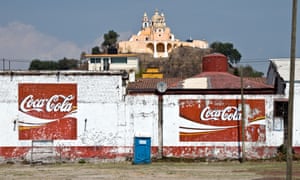


The church of Nuestra Senora de los Remedios in Cholula, Mexico, and signs for Coca Cola


Mexico is a nation famous for its love of Coca-Cola.
Photograph: Alamy

The study has been carried out by the University of North Carolina at Chapel Hill’s Gillings School of Global Public Health and the Mexican Instituto Nacional de Salud Pública (National Institute of Public Health). They found that the tax, which is just 1 peso (4p) per litre of sugary drink, had its biggest impact on the poorest households, where the decline in purchases was 18.8ml per person per day in 2014 and 29.3ml in 2015.


Purchases of other untaxed drinks went up on average by 2% over the two years, although the second year showed a decline. There is evidence from other data, however, of an increase in the production of still bottled water two years after the tax began, which the authors say may suggest some consumers are turning to water instead.


“Overall the results from our study contradict industry reports of a decline in the effect of the tax after the first year of its implementation. We found a greater reduction in purchases of sugar-sweetened beverages in 2015 than in 2014. Moreover, both the absolute and relative reductions were highest among households at lower socioeconomic levels,” said the paper.


Barry Popkin, distinguished professor in the department of nutrition at Gillings and one of the authors, looked forward to collecting data on the health impact. “It will be important for us to continue to monitor this tax and see how this actually will affect overall diets, diabetes prevalence and other biological markers of the many noncommunicable diseases linked with excessive sugary beverage consumption,” he said.


Adam Briggs, of the Nuffield department of population health at Oxford University, said the results of the study were “really encouraging, particularly from a UK perspective where the sugar-sweetened beverages levy is due to be introduced in just 12 months’ time.


“These are very important data for policymakers considering implementing soft drink taxes and it will be fascinating to see how sales continue over time … measuring independent health outcomes of such isolated policies is really challenging but, as the authors say, these reductions in consumption would likely have important population-level health benefits in terms of diabetes and obesity-related diseases.”


The UK planned levy is different to the Mexican tax in its design and structure, he said. “However, the principle that price change leads to sustained behaviour change remains important.”


Gavin Partington, director general of the British Soft Drinks Association, said: “Given their fervent belief in the principle of taxing soft drinks we should at least be encouraged that the authors accept causality cannot be established in terms of the impact of the tax in Mexico and the claimed falls in consumption. Nevertheless, while it seems obvious that price can have an impact on sales levels, it is far from clear that the tax on soft drinks in Mexico has had any impact on levels on obesity.”


Sugar tax graphic

A new report from Euromonitor International said that 19 countries had so far introduced what it called “sin taxes” on food and drinks and more would do so in the near future, with the aim of reducing sugar consumption by 20% in line with guidance from the World Health Organisation.


Euromonitor suggested the Mexican tax may be too low to have the desired effect and that the higher tax of 33 US cents per litre introduced in Berkeley, California, has been a bigger success. Berkeley “is said to have reduced SSB [sugar-sweetened beverage] consumption by 21% and increased water consumption by 63%. In comparison, other cities in the US reported a 4% increase in SSB consumption, and only 19% increase in water consumption in that time,” said the report.


It pointed to countries that might want to introduce “sin taxes” in the near future. “According to the NHS in the UK, consumers should not exceed more than 70g of fat and have no more than 90g of total sugar a day. Euromonitor’s Passport Nutrition data shows that 37 of the 54 (69%) researched countries exceed the fat intake recommendation, and 38 (70%) exceed the sugar recommendation. The top three sugar consumers are Chile, the Netherlands and Belgium, while the top three fat consumers are Germany, Sweden and Austria,” it said.


Mexico"s sugar tax leads to fall in consumption for second year running

18 Şubat 2017 Cumartesi

Sarfraz Manzoor: Our long, hard battle to have a second child

One morning at breakfast our daughter, Laila, looked up from her cornflakes and said: “Why am I the only child in this family?”


We had always known we wanted more than one child. Laila was born in 2011, a year after Bridget and I married. I loved being a dad. Children are hope in human form and while parenthood was often challenging, it also gifted us an addictive joy.


Soon after Laila turned one, Bridget suggested we try for a second baby. We wanted another child because, to us, having only one made us feel as if our family were incomplete. We wanted Laila to have a sibling and felt we would be failing her if we did not give her the chance of being someone’s big sister.


Bridget got pregnant easily the first time, so we assumed she would do so again. To begin with, we did not pay much attention to the monthly disappointments. But, in time, I came to dread the sound of heavy footsteps as Bridget returned from the bathroom having spotted the blood that indicated her period was coming and a baby was not. She would curl back into bed with me and I would hear her quietly crying.


Sarfraz Manzoor with his daughter, Laila, when she was eight months old.


Sarfraz Manzoor with his daughter, Laila, when she was eight months old. Photograph: Graham Turner for the Guardian

We moved from trying and then struggling and then failing to fall pregnant. The more we tried, the less fun it became. Sex went from pleasure to duty, from spontaneous to scheduled. It did not matter if we had had a fierce row earlier in the evening – by the time we got to bed we would somehow need to kiss and make up. Meanwhile, friends’ pregnancies produced new siblings for Laila’s friends.


After more than a year of failure, we saw our doctor. No single factor appeared to explain why Bridget was not getting pregnant. It had never occurred to us that we might have fertility problems – we already had a baby – but having failed to conceive naturally, we were advised to consider IVF. The fact that we had Laila meant the NHS would not pay and that we would have to go private – at a cost of thousands of pounds. It would eat up my savings, and there was no guarantee of success, but we felt we had at least to try, so that Laila could have her longed-for younger sibling.


We agreed to start on IVF and a few days later two large cardboard boxes arrived at our home filled with drugs for Bridget. There were also fearsome-looking syringes for injecting drugs into her stomach. Meanwhile, I signed up for weekly acupuncture sessions that aimed to boost the mobility of my sperm, and started taking special sperm-enhancing vitamin tablets. The drugs worked: within a couple of months, Bridget had produced a cluster of eggs, two of which were then fertilised. On 26 June 2015, the two embryos were transferred into Bridget’s uterus.


We then had to wait two weeks for the all-important pregnancy test. We hardly slept the night before. That morning, with Laila still asleep in her bedroom, I pulled out a framed photograph of our wedding day. We stared at it. What we were going through was nothing compared with those having IVF who did not already have children. Whatever the result of the pregnancy test, we had a huge amount to be grateful for.


A blood test revealed that it was good news: Bridget was pregnant. We were elated: all that money and all the pills and needles had been worth it.


The following weekend, I headed off to the Latitude festival, while Bridget was booked in to have some blood tests. On the Sunday, I noticed a missed call from Bridget. She had heard from the clinic: her pregnancy hormones were not increasing as fast as was expected. It could be ominous or it could be nothing – the only way to know was to book in for a scan.


The scan revealed that there was a gestational sac – a first sign of early pregnancy – but in order to tell whether it was still growing, a follow-up scan was needed. At the second scan, the nurse said, “I can see the heart beating.”


Bridget burst into tears of happiness and we hugged each other as the nurse said we should book for a third scan to track the rate of the embryo’s growth. It felt like a formality. The scan was scheduled for 10 August, the day before Laila’s fourth birthday. It would, we thought, make a perfect pre-birthday present if she came with us and got a glimpse of her future sister or brother.


That summer morning, we walked into the room full of sunny confidence. I sat next to Laila holding her hand and Bridget lay on her back as the nurse examined her. She worked in silence, studying the cloudy images on the monitor. We had become used to the routine. The nurse completed her tests and then said, “I’m so sorry but it’s bad news: there is no heartbeat.”


I thought I had heard wrongly but Bridget understood. I was mute from shock – I could not believe what I had heard. Laila was wondering what had happened. “Are those happy tears, Mummy?” she asked.


When I recall the days after the news, what I most remember is Bridget and me weeping, sometimes together and at other times apart while trying to keep our distress from our daughter.


Bridget felt it was worth having one more attempt. She didn’t have the desire to keep going endlessly, failed round after failed round. It would be too hard on her body and mind, but she wanted to have one more try. The failed round of IVF had cost more than £12,000. We couldn’t afford a second cycle. It was then we had an unexpected stroke of good fortune: an uncle of Bridget’s generously offered to help to pay for a second round of IVF.


The whole business started again – the drugs and injections, the hope and the waiting.


One morning in mid-March the following year we did the pregnancy test and although the news was good, we could not allow ourselves to believe that success was inevitable. In the past, miscarriages had been something that happened to others, but they were now part of our story: we were too frightened to take anything for granted again.


I had a miscarriage. Why can’t we talk about losing a baby?

Even when blood tests confirmed the pregnancy and the scan revealed the tiny beating pulse of a heart, we could not allow ourselves to get too excited. Only when we went to the 12-week scan, which showed the embryo growing normally, did we feel safe enough to believe that our luck had changed.


It was a Saturday night and Bridget and I were at a friend’s wedding in the Devon countryside. She was 13 weeks pregnant and starting to show. The wedding disco had just begun and I was on the dancefloor. When I stepped outside the hall for some air, I saw Bridget. She had a stricken expression and I knew instantly that something had happened. “I’ve started bleeding,” she said.


Minutes later, she was sitting on the toilet in our hotel room, blood streaming between her legs. An ambulance crew advised us there was little point in being driven to A&E because they would not be able to confirm a miscarriage.


The next day we found ourselves in our local hospital as a sonographer smeared lubricating gel on Bridget’s belly. I am not sure we would have coped with a second miscarriage but, thankfully, the baby was fine – apparently the sort of bleeding Bridget had experienced was common but rarely discussed.


It was Sunday evening, 20 November, and Bridget was due to be induced the following day. She had been having minor contractions during the afternoon and by the evening they were becoming more intense. While we were having dinner, she said we should call for a taxi to take us to hospital. We reached the hospital at 9pm; an hour later, our son, whom we would later name Ezra Zakariya Manzoor, was born.


The following day, Bridget’s cousin brought Laila to the hospital. Bridget was in bed cradling our baby son when our daughter walked up to him. Bridget smiled broadly and said: “Laila – say hello to your little baby brother.”


Sarfraz Manzoor: Our long, hard battle to have a second child

8 Şubat 2017 Çarşamba

UK second only to Japan for young people"s poor mental wellbeing

Young people in the UK have the poorest mental wellbeing in the world – with the exception of Japan – and list money, getting on in life and the rise of terrorism among their greatest concerns, according to an international survey of 20,000 youngsters.


The study ranks the UK 19th out of 20 countries in its survey of wellbeing, with young people in the UK aged 15-21 lagging behind comparable cohorts in France and Germany, as well as those in countries such as Israel, Turkey, Russia and China.


Indonesia, India and Nigeria scored highest on the wellbeing scale, with scores of 56.2, 54.4 and 53.9 respectively (the highest possible score being 70), whereas Japan scored the lowest at 41.3, followed by the UK (47.3), New Zealand (47.6), and Australia (47.9).


Mental wellbeing graphic

Just 15% of UK youngsters surveyed felt they had good physical wellbeing, measured by regular exercise, sufficient sleep and time for rest and reflection – which was comparable with France (14%) but lower than most countries including Germany (21%), Italy (21%), and Nigeria which scored highest at 41%.


The report was compiled by the Varkey Foundation education charity and used the Warwick-Edinburgh Mental Wellbeing measure, which asks respondents whether they feel optimistic, confident, loved, and interested in other people. The results found a significantly greater sense of wellbeing among young people in emerging economies compared to those in Europe, North America and Australasia.


Extremism and the rise of global terrorism was the issue which made young people in the UK more fearful for the future than any other factor (83%) – a position shared by young people in 13 of the 20 countries, though young Chinese people who took part in the survey identified climate change as their greatest concern.


Moral outlook graphic

Vikas Pota, chief executive of the Varkey Foundation, said: “At a time of nationalist and populist movements that focus on the differences between people, the evidence shows that young people – whatever their nationality or religion – share a strikingly similar view of the world.


“Teenagers in Nigeria, New Delhi and New York share many of same priorities, fears, ambitions and opinions. There is far more unity among young people than a glance at the headlines would suggest. Young people are passionate believers in the right to live the life that they choose, whatever their background, free of prejudice of all kinds.


“However, they are a generation that is deeply pessimistic about the future of the world. They are not strongly influenced by politicians and think that governments are doing far too little to solve the refugee crisis – one of the greatest challenges of our age.”


On global challenges facing the world, nearly half of young people (48%) in the UK said they thought the government was doing too little to solve the international refugee crisis – compared to 72% in Brazil and 16% in Turkey, which scored the lowest on this measure of any country surveyed.


There were mixed responses to questions about immigration, with 31% of British youngsters in favour of the government making it easier for immigrants to live and work in the UK, while 26% thought it should be more difficult. There was greater support for legal migration in Germany (37%), Italy (38%) and the US (38%), but less in France (27%).


More than half of young people in the UK (54%) said money worries were among their top three causes of anxiety. And asked about their most important value, more UK youngsters chose “working hard and getting on in life”, rather than honesty, tolerance, kindness to others, helping their family, or looking after the world beyond their community.


Fears for the future graphic

Young people in the UK are however noticeably enthusiastic about their country, with more than two-thirds (67%) agreeing it is a good place to live, compared to just 4% who think it is a bad place to live. In France the comparable positive figure was 51%, in Germany 75%, and in Canada 87%.


Nevertheless the report suggests a strong sense of pessimism about the future among young people worldwide with 37% overall convinced that the world is getting worse, compared to 20% who think it is getting better. Young people were at their most pessimistic in France, Italy and Turkey where more than half (53%) feared the world was deteriorating.


In contrast, the most optimistic youngsters are to be found once again in emerging economies – 53% of young people who took part in the survey in China and 49% in India believe that the world is becoming a better place.


And on a positive note, the survey, conducted by Populus, showed widespread support from young people around the world for liberal values of tolerance and equality – 63% support legal same-sex marriage; 89% support equal treatment for men and women and 74% are in favour of equal rights for transgender people.


The report, called What the World’s Young People Think and Feel, compares the experiences of teenagers and adults known as Generation Z, who were born around the turn of the millennium in Argentina, Australia, Brazil, Canada, China, France, Germany, India, Indonesia, Israel, Italy, Japan, New Zealand, Nigeria, Russia, South Africa, South Korea, Turkey and the US, as well as the UK. It is thought to be the first international comparative study of the attitudes of young people on this scale.


UK second only to Japan for young people"s poor mental wellbeing

28 Ocak 2017 Cumartesi

Officials confirm second bird flu outbreak in Lancashire

A second outbreak of bird flu has been confirmed in Lancashire, the Department for Environment, Food and Rural Affairs has said.


The H5N8 avian flu strain was confirmed in a flock of about 1,000 pheasants at a premises in Pilling, Preston, by the UK’s deputy chief veterinary officer, Graeme Cooke.


Defra said there was a business link between the site and a nearby farm where the infection was found in a flock of about 10,000 pheasants earlier this week.


A 3km (1.8 mile) protection zone and a 10km (6.2 mile) surveillance zone had been put in place around both infected premises to limit the risk of the disease spreading.


A Defra spokesman said: “This case was proactively identified as part of a routine investigation of premises traced as a result of confirmation of the disease in Lancashire earlier this week. There is a business link between the two premises.”


A number of the birds in the latest case had died and the others would be culled humanely.


Public Health England has advised that the risk to public health from the virus is very low, and the Food Standards Agency made clear that bird flu did not pose a food safety risk for UK consumers.


On 16 January, Defra confirmed a case of bird flu in a flock of about 6,000 turkeys at a farm in East Lindsey, Lincolnshire.


Earlier in the month, the strain was discovered in two small backyard flocks of chickens and ducks on a premises near Settle, in North Yorkshire, and Carmarthenshire, south-west Wales.


An avian influenza prevention zone was declared on 6 December and would remain in place until February 28. It required owners to keep poultry and captive birds indoors or to take steps to separate them from wild birds.


Officials confirm second bird flu outbreak in Lancashire

14 Eylül 2016 Çarşamba

"Back on my feet": how artificial limbs can have a second life in Africa

Losing a limb is a devastating physical and psychological experience for anyone. For adults and children in countries where prosthetics are not routinely available, it can also mean losing your home, your family and ending up on the streets.


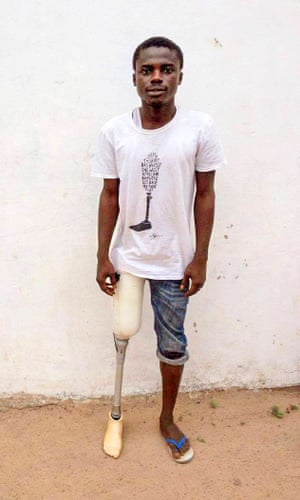
Mohamad Musa, from Sanchaba in western Gambia, has experienced first-hand the harsh reality of life as an amputee. His leg was removed at Banjul hospital in 2014 after suffering pain for many years. Without a prosthetic limb, he spent much of his day “just sitting” and had to leave school in 7th grade.


Mohamad Musa had his leg removed in 2014 after suffering pain for many years.


Mohamad Musa had his leg removed in 2014 after suffering pain for many years. Photograph: Legs4Africa

Now in his twenties, Musa is among hundreds to date who have benefited from recycled artificial legs sent out by UK charities to places where they are desperately needed. Earlier this year, Legs4Africa volunteers arrived in his town and offered him the chance of being fitted with a prosthetic. “They brought me back on my feet,” he explains.


His story and others have been made possible due to effective partnerships. One such collaboration between Limbcare and Legs4Africa resulted in 500 limbs being despatched to Tanzania in May this year. The prosthetics which also include arms and hands will be distributed to a Dar es Salaam hospital where experienced technicians will fit them to those in need. Len Amos, Limbcare’s director of recycling and communication, says: “All of these parts went to a country with no NHS and where an awful lot of children are disowned by their parents because they can’t work, so end up begging.”


The partnership between the two charities began with a phone call. Amos had been asked by a foundation working with underprivileged communities to send out disability equipment. He contacted Legs4Africa founder Tom Williams asking if he wanted to help fill the container destined for Tanzania. By coincidence, Williams had received a request for legs also from Tanzania. Aided by volunteers, they had the limbs tagged, bagged and sent on to their destination.


Limbcare and Legs4Africa obtain second-hand legs from the NHS, private clinics and funeral firms. Under EU laws, prosthetics are classed as medical waste so the NHS cannot reuse them once a patient has outgrown or stopped using them because of a change in health. Instead, around 5,000 are either incinerated or go for landfill every year in the UK.


[A prosthetic] leg can be the reason someone rises out of poverty and begins living a life of dignity


“There’s no market [for used limbs] in the UK and if we don’t collect them they’ll be destroyed,” explains Williams whose charity collects from nearly a dozen hospitals and clinics. This informal process usually starts with Legs4Africa approaching either senior management or the prosthetist who then fill a box of redundant limbs for the charity to collect. In some cases, trusts will encourage staff to put prosthetics and mobility aids aside. Williams’s dream would be for formal collaboration and partnership between charities and the entire NHS.


One country’s waste is another’s opportunity to transform lives, especially in parts of sub-Saharan Africa where prosthetics are not manufactured. “You have to be rich, in the military or the government to receive an artificial limb,” says Amos. “You’d have to be lucky even to get walking sticks.”


Although manufacturers will not guarantee prosthetics for life, secondhand ones are generally perfectly reusable according to Amos. They will be exported to local hospitals where occupational therapists assess people for suitability then engineers adapt the limbs to individual patients. It is a painstaking process. A person’s height has to be taken into account, to ensure the leg section is the correct length, and their weight so the limb doesn’t swing out too quickly.


Diseases such as diabetes, car accidents and civil war are all to blame for an increasing number of people in Africa living with limb loss. Gambia’s only prosthetist, Gabu Jarjue, is based at the Royal Victoria teaching hospital in Banjul which benefited from a Legs4Africa shipment this year. Gambia is a developing nation and disability a low priority, says Jarjue, with the daily life of patients and their families one of “discrimination and exclusion”. His belief is that the sooner Gambia addresses the needs of amputees, the quicker it will realise that a properly rehabilitated patient costs less than a disabled one. “[A prosthetic] leg can be the reason someone rises out of poverty and begins living a life of dignity.”


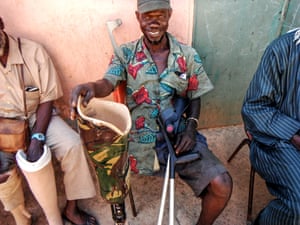
Musa, a mechanic who lost his leg in an accident at work, is a recipient of a prosthetic leg.


Musa, a mechanic who lost his leg in an accident at work, is a recipient of a prosthetic leg. Photograph: Legs4Africa

There is no set structure to how Legs4Africa establishes and maintains partnerships with healthcare professionals like Jarjue and with healthcare institutions. However, hospitals and clinics, which are often referred to the charity by individuals in the community, must meet strict criteria. They must have the facilities and expertise to customise the components sent out by the charity, guarantee not to sell them and be responsible for transporting the prosthetics from port to hospital. “We also ask for reports and photos,” adds Williams.


As for Musa, he’s enjoying having a new prosthetic leg and the opportunities it affords him. He says: “I’m with no pain and thinking of my future – my dream is education.” The aim of charities like Limbcare and Legs4Africa is to get many more like Musa back on their feet. Through partnerships like theirs, this is a very achievable goal.


Join the Healthcare Professionals Network to read more pieces like this. And follow us on Twitter (@GdnHealthcare) to keep up with the latest healthcare news and views.


"Back on my feet": how artificial limbs can have a second life in Africa

28 Temmuz 2016 Perşembe

Can the NHS really not afford second transplants for cancer patients like me? | Hannah Partos

If I had not been given a stem cell transplant, I would be dead by now. At 22, I was diagnosed with acute lymphoblastic leukaemia, an aggressive form of blood cancer. Doctors told me a transplant of healthy stem cells from an unrelated donor was my only hope. Last month, I was thrilled to celebrate three years in remission. I hope the cancer never returns, but if it does, my only chance of survival will be another transplant. Except this time around, I might not be given that chance.


Two weeks ago, NHS England announced it would stop routinely funding second stem cell transplants for patients who have relapsed more than a year after their first transplant. NHS England, the body which oversees the budget for commissioning NHS services, has ruled that the treatment is “not currently affordable”, even though it was widely available in England before 2013, and is routinely given to patients in Europe and the US.


At a time of critical illness, the process is lengthy, bureaucratic, and extremely stressful


In a letter to The Times Anthony Nolan, the blood cancer charity and stem cell registry that coordinates all donors for UK transplants, joined forces with leading haematologists to condemn the decision, stating that “NHS England is ignoring the advice of the clinical community, thereby effectively handing [most of these] patients a death sentence”. The charity delivered an open letter with 18,000 signatures to Jeremy Hunt last Thursday, calling on him to urge NHS England to reconsider their decision.


The announcement has left me reeling. However healthy I might be right now, I know that my bone marrow is only one misstep away from needing a transplant again. If I relapse tomorrow, I won’t be able to afford private treatment, which can be between £50,000 and £120,000. My only option would be to submit an individual funding request to NHS England, arguing that my case is exceptional and that I have a high likelihood of survival, which justifies the treatment’s price tag.


— Anthony Nolan (@AnthonyNolan) July 27, 2016

Write to your MP.


Tell them that second transplants save lives – they need to be funded.https://t.co/DqtArcku2n pic.twitter.com/IxjSoRm6jk


At a time of critical illness, the process is lengthy, bureaucratic, and extremely stressful. Then comes months of waiting for a panel of expert clinicians to make a decision while their condition deteriorates. Blood cancers are fast-moving and kill quickly, so there would be gruelling cycles of chemotherapy – at great cost to the NHS – simply to keep the cancer at bay.


NHS England’s decision has been in the making for three years, and patients have had to make funding requests since 2013. But until now, with no clear consensus in place, doctors have had greater scope to argue in favour of a patient’s individual circumstances. Now that there is an official policy that the NHS does not fund second transplants, my application would most likely be rejected. I would then be offered palliative care instead – if I didn’t die during the waiting period.


Emma Paine, 29, from Peterborough had to wait four months for funding approval for a second stem cell transplant after she relapsed with myelodysplastic syndrome (bone marrow failure) last year. As a result, her recovery is not going as well as she had hoped. “There’s no doubt in my mind that my health would be better if we’d been able to start the treatment sooner,” she says. “During the waiting period I contracted four serious infections and lost all my muscle mass. I had difficulty sleeping and felt stressed about the decision. Why put a patient through all of that when they’re already ill?”


Related: A moment that changed me: the chance to use new life-saving cancer drugs


NHS England has to make decisions on a cost-per-benefit basis. I understand they believe that patients have a lower chance of survival after relapsing once – they think there is insufficient evidence to support funding this treatment. But Paine, a statistician herself, argues: “This is total guesswork. They’re rejecting people on the grounds of low success rates, but they haven’t got the data to do that, because the numbers of people who have second stem cell transplants are small.” Only about six patients this year in England who have relapsed over a year since their first transplant will have a second one, although this number would be about 16 if they were routinely funded.


Paine points out that the NHS can only gather significant data by funding second transplants for all patients. A recent study conducted in the US, where second transplants are routine, suggested that one in three patients will reach the five-year survival milestone after given this chance.


The NHS England analysis suggests that funding second stem cell transplants could be cost-neutral. If patients do not receive transplants, they are given alternative treatments – further chemotherapy or palliative care – the costs of which are difficult to quantify as they are highly variable and depend on the patient’s circumstances. However, the policy working group of clinicians, commissioners, patients and stakeholder organisations, including Anthony Nolan, which advised NHS England on the decision, looked at examples of two patients who didn’t receive a second transplant. These patients were estimated to have incurred costs of about £130,000 over a one-year period.


A stem cell transplant is a brutal form of treatment – a last resort with side-effects similar to those experienced by nuclear warfare survivors. Waiting to find a matching donor on the register is agonising. In one of the richest countries in the world, no one should have to endure the added trauma of being denied funding for a treatment that could save their life.


Can the NHS really not afford second transplants for cancer patients like me? | Hannah Partos

18 Temmuz 2014 Cuma

Andrew Lloyd Webber: "I went by way of a second of deep depression - I in fact got the kinds for Dignitas"

The fulfilment of Jean Lloyd Webber’s fiercest want, that her kids should attain all the good results of which they had been capable, is reflected in her older son’s domain. We meet in his London house, a palatial residence in which a modern day elevator whisks guests between floors of huge rooms adorned with very good furnishings and fine art.


Lord Lloyd-Webber (he acquired a hyphen with his peerage) owns a London theatre empire, a cellar of vintage Burgundy, a nation mansion and a assortment of Victorian art so magnificent that he strategies to endow a gallery to house it right after his death. And but, at 66, he combines an unaffected method with the insatiable appetite for work instilled in him by his mother. Jean Lloyd Webber, far from searching for luxury, lived a daily life of Spartan thrift. Until her last days, she would cycle or stroll to give her music lessons and furnished her flat with the barest necessities, refusing all offers to support from her older son.


“When I very first manufactured some income out of Jesus Christ Superstar, I inspected her fridge and stated: ‘Mum, this issue ought to be condemned. I’d like to purchase you a new a single.’ She wouldn’t even accept that.” Careless of material comforts, she had “an enormous work ethic. She at first wished me to be a performer like my brother, but anyone who heard my French horn practice realised that was not to be my destiny.”


When Andrew expressed an curiosity in history and architecture instead, she supported him to the extent of decreeing – to the dismay of her husband William, director of the London School of Music – that household trips have to be geared to her older son’s new passion. “We spent one vacation staying by a steelworks due to the fact I had explained I wanted to pay a visit to [the nearby] Margam Abbey.”


The close Lloyd Webber household was shaken when Andrew’s father died, unexpectedly, at 67. Soon afterwards, Jean Lloyd Webber, grief-stricken by her reduction, developed breast cancer. “My mom was a fighter, but she did not feel in traditional medication. She became far more and more ill, refusing any remedy, at a time when I essential her a lot.” Her decline coincided with the breakdown of his marriage to the singer, Sarah Brightman, and the start off of his relationship with his wife, Madeleine.


At first Jean was resistant to her future daughter-in-law, an completed horsewoman, believing her, mistakenly, to be in favour of the bloodsports she abhorred. “On one particular event she turned up for lunch with close friends carrying anti-hunting placards. But she came to adore and adore Madeleine, and she was a wonderful assistance to both of us.


“Still she stored saying that she couldn’t carry on any much more due to the fact she was a burden on us. We advised her she was anything at all but she was the rock from which we could go forward. Then she said she did not want to be a burden on Julian who, like John Lill [the concert pianist, whom she taken care of as an adopted family members member], lived in the exact same block of flats as she did.


“I was away, doing work round the world. I couldn’t be with her all the time. And frankly, in the state she was in, I fear that a couple of medical professionals would have concluded that, if she wished to destroy herself, they would agree.”


Her conviction that she would be a roadblock to her sons’ fantastic talents, ebbed only following she – a stranger to the planet of musicals – began to understand how she was a helpmate, not a hindrance, in a collaborative business. And so, in the final phase of her life, she grew closer to her older child than they had ever been. When death ultimately came, Andrew was operating in Los Angeles. She, the selfless promoter of her children’s successes, would have wished it no other way.


Long right after her tiny funeral was over, mortality continued to stalk her son’s existence. The themes of adore and death, which run like a fugue through the functions of Andrew Lloyd Webber, were soon to turn out to be individual. After a schedule blood check, he discovered that he had prostate cancer. “It was the most virulent kind, but I was quite fortunate. I didn’t consider I was going to die – just that I should have the wretched [cancer] removed so that I could get on with my occupation.”


Close to two years in the past, with his cancer cured, he began to suffer from a ache in one leg. A method to ease his discomfort and a subsequent back operation led to a sequence of interventions in which he had 14 procedures below general anaesthetic. By last summertime, Andrew Lloyd Webber – who had so a lot in common with his mom – identified that he also shared her wish to die.


“There have been days when I believed that I would do something to get out of this. I adore my perform, and I imagined that if I could not do that, then I had nothing more. I went through a moment of deep depression – that awful moment when you consider that you must find a way out. I truly got the forms for Dignitas. With hindsight, it was stupid and ridiculous, but I couldn’t feel what to do.


“I received through the demonstrate I was doing work on, but it was murder. I was on every type of painkiller there is… I couldn’t think what to do. In the finish, I threw away the kinds.” His journey back from despair was assisted by a chiropractor who alleviated his signs and symptoms. Nevertheless he says that his back condition indicates that “a sword of Damocles hangs more than me… and I can understand what serious pain means”.


Possessing watched his mom navigate the divide in between fulfilment and a daily life that has become intolerable, Lord Lloyd-Webber walked that lonely pathway for himself. These experiences have rendered him one particular of the most thoughtful critics of Lord Falconer’s Bill, the initial try to legalise assisted dying for the terminally ill given that 2006.


He will not communicate in today’s debate, but he will listen to the arguments innovative with respect and some humility. Unlike the strident advocates on each sides, Lord Lloyd-Webber – who has stared at death a lot more closely than most – nevertheless wrestles with a single of the best questions of the age.


“If individuals get to a point where their lives are so impossible, I would agree with the Bill. What concerns me, and I suspect many other individuals, is what floodgates would [this measure] open? Does it generate a culture in which older people are a burden? In 20 years’ time, signing off on the deaths of outdated folks may well not be taken as seriously as it is now. I am entirely uncertain.”


That admission must not recommend any weakness. The doubt that he is trustworthy adequate to countenance is mirrored in the health-related occupation, the place views differ, and in a Church riven by schism. Even though Justin Welby, the Archbishop of Canterbury has come out towards the measure, his predecessor Lord Carey supports the Bill, persuaded by “the actuality of needless suffering”.


Meanwhile Archbishop Desmond Tutu, 1 of the biggest churchmen in the globe, has asserted that he sees no sanctity in struggling. Lord Lloyd-Webber, who has watched a youthful acquaintance dying of motor-neurone ailment, does not dissent from the argument that it could be a lot more compassionate to allow some individuals to die. “I wonder if the principle of the Bill is not a excellent a single but that it requirements an amendment [to target on whether or not] people are on mechanical daily life assistance or in such intense discomfort that absolutely nothing can be accomplished.”


For many reasons, Lord Lloyd-Webber has studied the issues of daily life and death with forensic precision – not just because of the struggling he has witnessed and endured but because a wealthy man’s legacy demands considerably forethought.


His fortune will not go to his 5 children for, like his mother, he expects the next generation to make their personal way. Instead the beneficiary will be his Arts Foundation, whose operate consists of teaching music to state college youngsters who may possibly otherwise miss the chance to fulfil their dreams. Individuals plans in area, he has no intention of lessening his personal workload. With his musical Cats due back in London and a present to open on Broadway subsequent year, his life seems as settled as it has ever been.


Today, however, he will focus on the lives and on the deaths of others. A pragmatist, he is grateful to Lord Falconer for bringing a Bill which will allow a significantly-needed debate. As he says regularly, if the arguments in favour prove sufficiently compelling, then he reserves the right to modify his thoughts.


This kind of a alter of heart does not seem to be probably. As he says: “The danger for me lies in a situation like my mother’s.” When the claims and counter-claims are aired right now, one memory will lodge in his mind. The picture he can not shift is that of an elderly instructor particular that she is dying, but established to impart the present of music that will live on prolonged following she is gone.


Andrew Lloyd Webber: "I went by way of a second of deep depression - I in fact got the kinds for Dignitas"

16 Haziran 2014 Pazartesi

FDA Approves Second Generation Heart Valve From Edwards Lifesciences

The subsequent phase of the burgeoning and rapidly maturing transcatheter aortic valve replacement (TAVR) market place has begun. Edwards Lifesciences announced on Monday afternoon that the FDA had accredited its 2nd generation Sapien XT TAVR device  for the therapy of large-threat and inoperable sufferers struggling from extreme symptomatic aortic stenosis (AS).


The Sapien XT is the successor to the first generation Sapien gadget, which supplied the initial nonsurgical method to aortic valve substitute. A competing gadget, Medtronic’s CoreValve, was approved earlier this year and has acquired significant curiosity. The Sapien XT is expected to be far more aggressive, in portion due to the fact of its reduced-profile and the availability of a 29 mm valve dimension for sufferers with a larger native annulus.


Edwards mentioned the Sapien XT will be immediately obtainable along with its accompanying transfemoral, transapical, and transaortic delivery techniques.


“There is a significant and growing physique of proof that the SAPIEN XT valve advantages both high-threat and inoperable patients, and clinicians have documented these consistently optimistic results in the two randomized studies and European nation registries,” mentioned Martin Leon, the co-principal investigator for the Spouse II Trial which evaluated the SAPIEN XT valve, in a press release. “The final results from the Partner II Trial in treating US inoperable sufferers with the SAPIEN XT valve demonstrated a reduction in issues with the TAVR method, and improved patient outcomes over earlier trials.”


FDA Approves Second Generation Heart Valve From Edwards Lifesciences

12 Haziran 2014 Perşembe

Hospital drips: second little one dies after contracting blood poisoning

Public Health England said the total number of cases linked to its investigation currently stands at 22 – 18 confirmed and four possible cases. All of the babies received the potentially affected intravenous liquid, total parental nutrition (TPN).


Professor Mike Catchpole, PHE Incident Director, said: “Investigations to date have suggested the source of the Bacillus cereus infection that has affected outbreak cases was the contamination of intravenous liquid products during a single day of production, which are no longer in circulation. PHE is continuing to work with the MHRA on this investigation and to ensure all possible lessons from this serious incident are identified.”


Gerald Heddell, the MHRA’s Director of Inspection, Enforcement and Standards, said: “Based on the information we currently have, we believe this is an isolated incident and the appropriate immediate action has been taken at ITH Pharma’s facility to avoid a reoccurrence. Therefore we are allowing this critical product to be supplied to patients while our investigation proceeds.


“Further inspections are being made as part of our ongoing investigation and it’s our priority to find out how this incident happened. We are regularly updating and working closely with the NHS, Public Health England, the Department of Health and other health organisations in our detailed investigation.”


ITH Pharma, the company that manufactured the drip, has claimed the cause of the outbreak had been traced to a single raw ingredient used in the liquid feed.


The company said the source of the contamination was a single element, which may be a vitamin or lipid fats, but it has not been disclosed which company supplied the ingredient or if it has been supplied to any other manufacturers.


In a statement, the firm’s managing director, Karen Hamling, said: “From investigations carried out so far, it would appear the potential contamination is linked to a sourced single raw material ingredient.”


Medical regulators are carrying out their own investigation into an incident which occurred last Thursday at the company’s London manufacturing plant.


While the source of the contamination has not been fully identified, it is known that the blood poisoning was caused by Bacillus cereus. It is widely found in the environment in dust, soil and vegetation but develops quickly, so any as-yet undetected cases are expected to emerge soon.


The newborns, most of whom were premature, were being fed through a tube into their bloodstream because they were too poorly to be fed by mouth.


Hospital drips: second little one dies after contracting blood poisoning

12 Mayıs 2014 Pazartesi

Second US Situation Of MERS Confirmed: What You Require To Know

The respiratory virus responsible for the Middle East Respiratory Syndrome (MERS-CoV) was confirmed in a 2nd traveler to the US from the Arabian Peninsula on Might 12, according to a statement from the CDC. The second case represents an additional imported case of MERS, this time to a hospital in Orlando, Florida.


In a statement launched May 12, Dr. Tom Frieden, Director of the CDC, explained that “this is unwelcome, but not unexpected.” He also explained that whilst they had been approaching this 2nd case with an “abundance of caution,” the risk to most residents in the US was very minimal. As the CDC reminded us, with plane travel currently being ubiquitous in modern occasions, the possible risk of spreading a condition is just a plane ride away.


MERS is a member of the very same family members of viruses (coronaviruses) accountable for the widespread cold as effectively as SARS (Extreme Acute Respiratory Syndrome) which contaminated nearly 8,000 men and women globally in 2003-2004 just before killing 800 persons. Signs and symptoms of MERS include fever, cough , respiratory distress, gastrointestinal signs, along with advancement of pneumonia and kidney failure in serious situations.


MERS-CoV MERS-CoV (Photo credit: NIAID)


MERS was very first recognized in Saudi Arabia in 2012, and has subsequently been observed all through the Middle East but in Europe and Asia as nicely. In accordance to the Planet Overall health Organization, (WHO), there have been more than 530 confirmed situations and 174 deaths considering that the virus was at first identified in 2012. It is been lethal in nearly 1 third of victims thus far recognized. Nevertheless, it is crucial to note that people individuals who have died were more probably to have other persistent medical concerns this kind of as diabetes and pre-present kidney illness.


Higher surveillance and monitoring of the virus may be accountable for a better amount of circumstances currently getting identified. In addition, milder circumstances of MERS are being recognized far more frequently now, assisting to lessen the substantial mortality fee.


Data from infected individuals has confirmed that in the bulk of situations, people who turn out to be contaminated typically have been in prolonged as well as close get in touch with, as opposed to informal contact. In truth, close to 20 % of total cases have been amongst wellness care employees who had been in close get in touch with and proximity to contaminated patients.


Important to note, there has not been any confirmed spread to other passengers from the two infected US instances whom traveled to the US on an airplane. While sporadic spread between family clusters have been reported from Saudi Arabia, there was a patient in France who died that subsequently contaminated his roommate.


Training infection manage precautions are used in the course of healthcare the chance to healthcare staff is also exceedingly low,” That contains sporting masks, gowns and gloves when treating sufferers.


At this time, scientists are actively seeking to produce a vaccine or some kind of neutralizing antibody that may possibly be efficient towards the virus. Even though there is no viable animal model nevertheless, researchers at  Dana-Farber Cancer Institute Dana-Farber Cancer Institute at Harvard  and UNC Chapel Hill as effectively as in China are actively doing work to build a viable way to assault and weaken the virus. Normal antiviral medicines this kind of as Tamiflu, Relenza or Amantadine do not provide any protection against the virus.


Regular and Airborne precautions are recommended by the CDC for all hospitals treating patients in the US, which contain the use of masks, faceshields, gowns and gloves.


The CDC has also suggested that all medical suppliers ought to especially be on large alert for any travelers presenting to the emergency division with fever, cough and other flu-like illnesses who have traveled from the Arabian peninsula in the past 2 weeks. The virus is believed to incubate for five-14 days prior to individuals turn out to be symptomatic.


At this time, care is largely supportive, with oxygen intravenous fluids and ventilatory assistance such as intubation in case of impending respiratory failure. Intravenous antibiotics in the setting of pneumonia may be valuable if there is a concern for a secondary bacterial infection.


Although we really don’t know how exactly the virus is spread amongst persons, single hump dromedary camels have been confirmed as a acknowledged supply of the virus, harboring genetically equivalent strains of MERS in sufferers with confirmed sickness. Bats have also been recommended as yet another attainable means of transmission. This kind of approaches of spread described here are standard of a zoonotic disease, in which a particular vector can aid transmit a virus in between animals to humans. Nevertheless many individuals who acquired the disease—in the constrained case of human-to-human spread- had no get in touch with with camels.


Camel meat or unpasteurized camel milk has been theorized to be a likely source, along the secretions of the camel’s saliva or spit. The MERS virus also has the potential to survive on surfaces and spread if men and women have get in touch with with an infected surface. There is a large probability that MERS has been circulating but no a single knew what it was due to the fact there wasn’t a test for it. A lot of respiratory ailments are by no means diagnosed.


The bottom line is that we do not know specifically how this virus is spread at this time. The CDC presently recommends regular handwashing for at least twenty seconds with soap and warm water (or an alcohol based hand sanitizer), avoiding touching your eyes, nose or mouth with unwashed hands, and disinfecting frequently touched surfaces. Steering clear of near make contact with with folks who are sick is also advisable, if at all achievable.


Second US Situation Of MERS Confirmed: What You Require To Know

26 Mart 2014 Çarşamba

Kristin Hallenga: "Cancer had never ever crossed my thoughts, not for a second"

Six months later, possessing returned from travelling in China, Kristin was going through ache in her breast, so went back to her physician. He advised her to come off the contraceptive pill, which she did, but her mother urged her to ask for a referral to a breast clinic. There, she was told to wait 3 weeks for her hormones to settle before receiving examined.


“In that time, I woke up with a blood-stained T-shirt,” remembers Kristin. “By the time it was located, the cancer was avocado-sized. One particular week later, soon after I’d had tests on my bones and organs, they told me it was secondary, simply because it had spread to my spine.”


Kristin broke the news to her twin – “the hardest conversation I’ve ever had to have” – and practically instantly commenced remedy: chemotherapy to shrink the cancer, followed by a mastectomy.


“Cancer had never ever crossed my thoughts, not even for a single second,” she says. “It obviously came as a shock to the doctors simply because I was one of the youngest sufferers they’d observed, but I really do not know why, due to the fact medically it is one thing that they know can happen.” Even though her cancer isn’t hereditary, Kristin’s medical professionals knew that her grandmother had had breast cancer at the age of 30 – but did not suggest that this may possibly be a threat factor. “She lived till she was 75 so it wasn’t something I brought up straight away or something they focused on,” she explains. “When my consultant told me the diagnosis, he mentioned, ‘We have been a bit worried about your grandmother possessing it so young,’ but that was information to me. I did not know they were anxious.”


Grappling with cancer at such a young age, Kristin quickly grew to become aware of the lack of assistance – and, crucially, data – for other people in her place. Throughout her first round of chemotherapy, with Maren’s help, she set up CoppaFeel!, a breast cancer awareness charity, which aims to raise the profile of the ailment and get teenagers and twentysomethings checking their breasts.


It started with fundraising at a festival and, in excess of five years, has turn into 1 of Britain’s most broadly supported leads to. Kristin was awarded the Pride of Britain award in 2009, and her searing story has been produced into a documentary, Kris: Dying to Dwell, which will be proven on BBC 3.


Kristin’s message – there is no such issue as “too youthful for cancer” – has taken on specific significance these past handful of weeks. Sophie Jones’s death stunned the nation, but she was not the initial to encounter this kind of an unjust fate. Just before her, there was 23-year-outdated Mercedes Curnow from Cornwall, who died in 2011 of cervical cancer, which went undetected soon after she was refused tests. There was Stephanie Knight, 21, from Hertfordshire, who died of bone cancer final year Diane Stevens, 18, from Studying, who died of breast cancer in 2001. And, of program, Jade Goody, the 27-year-old actuality Television star, who died in 2009 from cervical cancer – and whose death sparked a surge in demand for smear exams.


In accordance to the ONS, 7 13- to 24-year-olds are diagnosed with cancer each and every day in the United kingdom, totalling 2,214 in between 2008 and 2010. Shockingly, cancer is the most common health care result in of death in youthful individuals – yet all as well often we hear tales of fatally late diagnoses. “One in 3 of us get it,” says Kristin. “From a younger age, we learn to cross the street, to brush our teeth – so why are not we learning about a disease that we’re far more than probably to get in our lives?”


Shifting attitudes towards young individuals and cancer, however, is no effortless feat. CoppaFeel! – with its irreverent humour and eye-catching publicity stunts (flashmobs, Tube advertisements, festival stalls) – is generating headway by talking to teens in a language they realize. The up coming phase, Kristin believes, is targeting schools and to this finish she has founded Rethink Cancer, an initiative aiming to get training about all types of cancer integrated into the curriculum. “We require to train teachers as properly as college students,” she says. “Getting young individuals to be aware of the signs of cancer, to start off understanding their very own bodies, is a habit they ought to understand when they are youthful.”


What about the health care occupation? Sophie’s family members have stated they feel allow down by the NHS and Kristin agrees that smear exams must be provided earlier. “I was particularly unlucky with my GP, just like Sophie,” she says. “Her story is horrendous because she was turned down – and I feel anybody with signs must be examined. But I have been extremely careful not to slate the health-related occupation because that doesn’t carry us something. Getting stories like Sophie’s, and mine, out there for doctors to go through and say, ‘I have to pay attention to my younger patients,’ is a lot a lot more helpful.”


Does she blame her medical professional for not selecting up her cancer earlier? “I feel blame at several individuals,” she says. “I don’t necessarily want to blame myself, due to the fact there was practically nothing telling me that cancer could come about. I want I’d had a person like me standing in front of me at school, or university it might have been a trigger stage in that I could have gone to the GP sooner.”


Because she has been diagnosed, she adds, referral practices have changed – so below-30s are no longer instantly classed as “non-urgent” patients. “I could have been waiting up to ten weeks for a scan. So that’s a positive modify.”


All the while, Kristin’s battle towards cancer continues – even though you wouldn’t know it to seem at her, a smiling, pretty blonde with a broad, carefree smile. Since her diagnosis, her cancer has spread to her liver and, most just lately, to her brain. She has misplaced one breast and her hair to chemotherapy. She has appointments at Charing Cross hospital every single month, and takes painkillers daily. “Cancer is kind of my existence these days,” she says. “I do not genuinely think about the long term. I’ve by no means been 1 of those folks who prepare, even before the cancer. I’m just enjoying residing, taking it all in, week by week.”


Tomorrow is Sophie Jones’s funeral. For now, Kristin will preserve on fighting the fight that she lost.


‘Kris: Dying to Live’ is on BBC Three on March 26 at 9pm


Kristin Hallenga: "Cancer had never ever crossed my thoughts, not for a second"

Kristin Hallenga: "Cancer had never crossed my mind, not for a second"

Six months later, obtaining returned from travelling in China, Kristin was going through ache in her breast, so went back to her physician. He told her to come off the contraceptive pill, which she did, but her mother urged her to request for a referral to a breast clinic. There, she was told to wait three weeks for her hormones to settle prior to receiving tested.


“In that time, I woke up with a blood-stained T-shirt,” remembers Kristin. “By the time it was identified, the cancer was avocado-sized. One week later on, soon after I’d had exams on my bones and organs, they advised me it was secondary, because it had spread to my spine.”


Kristin broke the information to her twin – “the hardest conversation I’ve ever had to have” – and virtually instantly commenced treatment method: chemotherapy to shrink the cancer, followed by a mastectomy.


“Cancer had in no way crossed my thoughts, not even for a single second,” she says. “It obviously came as a shock to the doctors simply because I was 1 of the youngest sufferers they’d noticed, but I really do not know why, because medically it is one thing that they know can occur.” However her cancer is not hereditary, Kristin’s doctors knew that her grandmother had had breast cancer at the age of 30 – but didn’t suggest that this may well be a risk issue. “She lived right up until she was 75 so it wasn’t one thing I brought up straight away or one thing they centered on,” she explains. “When my consultant informed me the diagnosis, he mentioned, ‘We were a bit worried about your grandmother having it so youthful,’ but that was news to me. I did not know they have been anxious.”


Grappling with cancer at such a young age, Kristin quickly grew to become conscious of the lack of assistance – and, crucially, information – for other folks in her place. During her 1st round of chemotherapy, with Maren’s aid, she set up CoppaFeel!, a breast cancer awareness charity, which aims to raise the profile of the condition and get teens and twentysomethings checking their breasts.


It started with fundraising at a festival and, over five many years, has grow to be one particular of Britain’s most widely supported brings about. Kristin was awarded the Pride of Britain award in 2009, and her searing story has been manufactured into a documentary, Kris: Dying to Live, which will be shown on BBC 3.


Kristin’s message – there is no this kind of thing as “too younger for cancer” – has taken on certain significance these previous handful of weeks. Sophie Jones’s death stunned the nation, but she was not the initial to encounter such an unjust fate. Ahead of her, there was 23-yr-previous Mercedes Curnow from Cornwall, who died in 2011 of cervical cancer, which went undetected right after she was refused exams. There was Stephanie Knight, 21, from Hertfordshire, who died of bone cancer last yr Diane Stevens, 18, from Reading through, who died of breast cancer in 2001. And, of program, Jade Goody, the 27-12 months-previous actuality Television star, who died in 2009 from cervical cancer – and whose death sparked a surge in demand for smear exams.


According to the ONS, 7 13- to 24-yr-olds are diagnosed with cancer each day in the United kingdom, totalling two,214 amongst 2008 and 2010. Shockingly, cancer is the most typical health care result in of death in youthful individuals – however all also often we hear tales of fatally late diagnoses. “One in three of us get it,” says Kristin. “From a young age, we learn to cross the street, to brush our teeth – so why are not we studying about a disease that we’re much more than likely to get in our lives?”


Modifying attitudes in the direction of younger people and cancer, nonetheless, is no easy feat. CoppaFeel! – with its irreverent humour and eye-catching publicity stunts (flashmobs, Tube advertisements, festival stalls) – is making headway by speaking to youngsters in a language they recognize. The up coming step, Kristin believes, is focusing on colleges and to this finish she has founded Rethink Cancer, an initiative aiming to get training about all types of cancer integrated into the curriculum. “We want to train teachers as effectively as college students,” she says. “Getting young individuals to be mindful of the signs of cancer, to commence being aware of their very own bodies, is a habit they ought to discover when they are youthful.”


What about the medical occupation? Sophie’s family have explained they really feel allow down by the NHS and Kristin agrees that smear tests should be supplied earlier. “I was particularly unlucky with my GP, just like Sophie,” she says. “Her story is horrendous since she was turned down – and I believe anyone with signs and symptoms ought to be examined. But I have been very mindful not to slate the health-related occupation because that doesn’t carry us anything at all. Receiving stories like Sophie’s, and mine, out there for physicians to study and say, ‘I must listen to my younger patients,’ is significantly far more advantageous.”


Does she blame her doctor for not selecting up her cancer earlier? “I feel blame at several individuals,” she says. “I really do not necessarily want to blame myself, due to the fact there was practically nothing telling me that cancer could happen. I want I’d had somebody like me standing in front of me at college, or university it may possibly have been a set off level in that I could have gone to the GP sooner.”


Since she has been diagnosed, she adds, referral practices have transformed – so underneath-30s are no longer automatically classed as “non-urgent” patients. “I could have been waiting up to ten weeks for a scan. So that’s a good modify.”


All the even though, Kristin’s battle against cancer continues – though you wouldn’t know it to appear at her, a smiling, pretty blonde with a wide, carefree smile. Since her diagnosis, her cancer has spread to her liver and, most not too long ago, to her brain. She has lost 1 breast and her hair to chemotherapy. She has appointments at Charing Cross hospital every single month, and will take painkillers daily. “Cancer is sort of my lifestyle these days,” she says. “I really do not genuinely feel about the future. I’ve never ever been 1 of these men and women who program, even just before the cancer. I’m just enjoying living, taking it all in, week by week.”


Tomorrow is Sophie Jones’s funeral. For now, Kristin will maintain on fighting the battle that she misplaced.


‘Kris: Dying to Live’ is on BBC Three on March 26 at 9pm


Kristin Hallenga: "Cancer had never crossed my mind, not for a second"

13 Mart 2014 Perşembe

Second girl challenges Ireland"s abortion laws at the UN

Pro-Choice supporters hold placards in f

Professional-option supporters hold show outside the Irish parliament creating in Dublin last July ahead of a vote to introducing limited abortion. Photograph: Peter Muhly/AFP/Getty Pictures


An Irish woman who claims to have been demeaned by doctors when she asked for an emergency abortion is to consider her case towards the Republic to the United Nations.


Siobhán Whelan said she was “created truly feel like it was unlawful” to request Irish health care employees if she be provided the alternative of abortion soon after studying in September 2009 that her infant was would die.


Backed by the New York-based mostly Centre For Reproductive Rights, Whelan on Thursday grew to become the second Irish woman to file a challenge at the UN towards the ban on abortions for health care motives.


The centre has filed a petition with the United Nations Human Rights Committee to hold Ireland accountable for subjecting Whelan to inhuman and degrading therapy, interfering with her privacy and discrimination on the basis of her gender.


The committee can not sanction Ireland but the centre hopes to maintain global stress on its legislators.


Although restricted abortion was introduced in the Republic final 12 months, women cannot get terminations in Irish hospitals if they learn they are struggling from fatal foetal abnormalities when pregnant.


Following about 21 weeks into her pregnancy, Whelan was told by medics at Dublin’s National Maternity hospital that her little one had a fatal anomaly called Trisomy 13.


She mentioned a single medical doctor informed her she would be have been supplied a termination in another jurisdiction, but that this was not attainable in Ireland. Whelan stated yet another physician handed her a report of the scan suggesting she would want it if she determined to travel overseas to have a termination.


But she claimed that workers did not do anything at all to enable her to get in touch with with a United kingdom hospital and did not clarify what a termination entails. In addition, the medics by no means mentioned if or what support she could count on post-diagnosis, she mentioned.


Whelan made the decision that ending the pregnancy was the ideal choice for her and her family members. She extra that her husband had to organize for time off work and for childcare, as effectively as find the required money to pay out for travel, accommodations and the process at the Fetal Assessment Centre at Liverpool Women’s hospital.


Johanna Westeson, regional director for Europe at the Centre For Reproductive Rights, stated: “Ireland’s harsh policies manufactured Siobhán fearful to even ask about her possibilities and allowed her healthcare suppliers to give up on her after she made the decision to finish her pregnancy. The United Nations Human Rights Committee need to act swiftly and call on Ireland to broaden woman’s accessibility to abortion care as demanded beneath human rights law.”


Whelan said on Thursday: “The Irish doctors manufactured me come to feel like it was illegal to examine the alternative of termination for dread of getting the door slammed in my encounter or of not getting any help whatsoever.


“I will never comprehend why I had to pack my bags and leave Ireland so I could access the medical care I essential. It is genuinely demeaning and I will never forget it.”


Second girl challenges Ireland"s abortion laws at the UN

5 Mart 2014 Çarşamba

Medical professionals hope for remedy in a second HIV child

The baby’s indicators are diverse from what physicians see in sufferers whose infections are merely suppressed by productive treatment method, she mentioned.


“We don’t know if the child is in remission … but it appears like that,” explained Dr. Yvonne Bryson, an infectious ailment specialist at Mattel Children’s Hospital UCLA who consulted on the girl’s care.


Doctors are cautious about suggesting she has been cured, “but that is obviously our hope,” Bryson stated.


Most HIV-infected mothers in the US get AIDS medicines in the course of pregnancy, which tremendously cuts the odds they will pass the virus to their babies.


The Mississippi baby’s mom received no prenatal care and her HIV was discovered during labour. So physicians knew the youngster was at higher chance and started her on treatment 30 hours following birth, even ahead of tests could determine no matter whether she was infected.


The LA child was born at Miller Children’s Hospital Prolonged Beach, and “we knew this mom from a preceding pregnancy” and that she was not taking her HIV medicines, mentioned Dr. Audra Deveikis, a paediatric infectious condition expert at the hospital.


The mom was provided AIDS medicines throughout labour to try out to avoid transmission of the virus, and Deveikis began the baby on them a few hrs after birth. Tests later confirmed she had been contaminated, but does not appear to be now, virtually a yr later.


The child is continuing treatment method, is in foster care “and looking quite healthier,” Bryson explained.


The Mississippi woman was taken care of until she was 18-months-previous, when medical professionals lost contact with her. Ten months later on when she returned, they could discover no signal of infection even though the mother had stopped giving her AIDS medicines.


Bryson is 1 of the leaders of a government-funded examine to see if very early treatment method can remedy HIV infection.


About 60 infants in the US and other countries will get very aggressive therapy that will be discontinued if exams in excess of a long time, possibly two many years, suggest no energetic infection.


“These youngsters naturally will be followed quite, extremely closely” for signs of the virus, Persaud explained.


She described the Los Angeles case at the Conference on Retroviruses and Opportunistic Infections in Boston.


Medical professionals hope for remedy in a second HIV child