SWEET etiketine sahip kayıtlar gösteriliyor. Tüm kayıtları göster

21 Mart 2017 Salı

Look on the sweet side of Love Actually | Brief letters

The Vogue photographs of Theresa May show her in clothes and surroundings of smug luxury (‘Trump was actually being a gentleman’, 21 March). They should have been juxtaposed with photos of the homeless, the bedridden elderly receiving negligible care or workers suffering squalid conditions – with Mrs May’s ambiguous claim as the heading, “The Tories help people to rise up”. Surely, time for the people to “rise up”.
Peter Cave
London


• Sadiq Khan’s summary of the Battle of Cable Street (G2, 16 March) makes two omissions. In listing the coalition that defeated the fascist march he fails to mention the leading roles played by the Independent Labour party (ILP) and the Communist party. Did he forget or didn’t he know?
Barry Winter
Leeds


• Hadley Freeman (whom I like a lot) goes over the top with her hatred of Love Actually (Opinion, 21 March). The characters played by Hugh Grant, Colin Firth and Alan Rickman did not sexually harass their female subordinates in the workplace: Alan’s secretary threw herself at him, and the other two relationships are rather sweet. I agree the film is cloying mostly, but Bill Nighy rescues it.
John Richards
Oxford


• I overheard my seven-year-old grandson telling his four-year-old sister to clean her teeth, “or you will end up looking like grandma” (Tooth extractions on children under four rise by quarter, 21 March).
Barbara Symonds
Birmingham


• My mother would make bread pudding for my dad to carry with him when he competed 12-hour cycle races in the 1950s (Letters, passim). It was much missed by me when he stopped racing.
Jenny Haynes
Horkstow, North Lincolnshire


• Ta-ra, Chuck (Obituary, 20 March).
David Hinton
Bournemouth, Dorset


• Join the debate – email guardian.letters@theguardian.com


• Read more Guardian letters – click here to visit gu.com/letters


Look on the sweet side of Love Actually | Brief letters

4 Kasım 2016 Cuma

A Sweet Syrup That Helps Detox Your Body, Lose Weight, Improve Brain Function and More

Natural is always best, and this natural homemade sweet syrup is said that will help you lose up to 10 pounds in a week and also get rid of excess water and harmful toxins out of the body.


This miracle weight loss syrup is made of 5 common ingredients:


  • 2-3 cm ginger

  • 2 tablespoons of cinnamon

  • 3 tablespoons raw honey

  • 3-4 lemons

  • 125g horseradish

How to Make:


Blend horseradish and ginger in a blender and add in juice from a lemon, stir them well and then add the cinnamon, honey.


Stir the mixture well until you get a syrup.


Save the syrup in a glass jar.


How to Use:


Eat 1 teaspoon of this syrup 2 times a day, one before your lunch and another before dinner. Keep taking for 3 weeks, then have a 3 week break before you repeat.


You’ll get better results by taking it together with cardio exercises. After 3 weeks, something will happen to your body.


All of these five ingredients are great weight loss contributors. Horseradish works effectively to cleanse the body and boost the metabolism to aid in weight loss. Have a cup of warm lemon water as the first thing in the morning is good for your overall health, it also helps cleanse your bowels and flush out the wastes.


Studies have found that add a teaspoon raw honey and 1/2 teaspoon of cinnamon powder to a cup of boiling water can aid in weight loss effectively.


As one of the most popular spices, ginger affects weight in several ways:


1. Ginger boosting a healthy digestion, and an efficient digestive system is essential for weight loss.


2. Ginger is recommended to treat obesity, as studies have found that it can boost metabolism by up to 20%. A faster metabolism means you can burn off more fat that stored up in the body.


3. Researchers showed ginger has a significant effect on the satiety feeling after your meal, means you’ll feel fullness quickly after eating ginger.


Besides, if you drink ginger water more often, it will also detox your body. For people who drink too much alcohol, or eat too many toxic foods, it’s highly recommended to add a piece of ginger in your water to cleanse the harmful toxins.


Cinnamon and lemon also help with your digestion and flush toxins out of your body. This syrup is also good for your heart, this is thanks to horseradish, as it contains a good amount of potassium, which helps maintain a healthy heart rate and reduce the high blood pressure.


Sources: progressivehealth.com/ healthylifetricks.com/ seekingfit.com


Read More By Author Heidi Kristoffer.


A Sweet Syrup That Helps Detox Your Body, Lose Weight, Improve Brain Function and More

28 Eylül 2016 Çarşamba

Sweet Turmeric Cream, Have You Ever Tried?

Turmeric is healthy, and there are many ways to consume it:


While have you ever tried to use this super spice in a sweet dish? It actually works well and you will also get its amazing nutritional benefits.


Recipe For Sweet Turmeric Cream


Ingredients:


  • 3-4 tablespoons of turmeric

  • 1 teaspoon of cinnamon

  • 12 oz of full-fat coconut milk

  • 1-2 droppers of Liquid Stevia

Directions:


Put the coconut milk into a big bowl and then add the other ingredients.


Mix the mixture well until turmeric and cinnamon are well mixed into the cream. Serve it with your cookies or berries.


Turmeric: A Natural Healing Food That Better Than Drugs For Many Health Issues


Turmeric contains curcumin, a natural anti-inflammatory compound. Studies found that the anti-inflammatory properties of curcumin even can match the effectiveness of some anti-inflammatory drugs, makes turmeric as a widely used remedy for many diseases that caused by chronic inflammation.


A research at UCLA found that curcumin may block an enzyme that promotes the growth of head and neck cancer.


The University of Maryland’s Medical Center found turmeric has powerful antioxidant effects, which help fight the cancer-causing free radicals and also preventing the damages they may cause.


Turmeric lowers the risk of brain diseases by improving brain function. Curcumin has been proven to boost the levels of BDNF, a brain hormone that increases the growth of new neurons.


Turmeric has beneficial effects on preventing heart disease as curcumin helps prevent the buildup of plaque, thus lowering the risk of heart attacks and strokes.


Studies also suggested to consume turmeric daily as it helps cut down the rate of developing diabetes for people with prediabetes.


Study states that turmeric works as well as ibuprofen when comes to relieve osteoarthritis pain.


Another research showed that curcumin is effective as prozac in relieving the symptoms of depression.


Sources: mnn.com, umm.edu, webmd.com, ncbi.nlm.nih.gov, ncbi.nlm.nih.gov


Get The Best Of Natural Living Ideas At Seekingfit.com


Sweet Turmeric Cream, Have You Ever Tried?

31 Temmuz 2014 Perşembe

How Sweet It Would Be: National Law Would Tax the Stacks Of Sugar In Soda

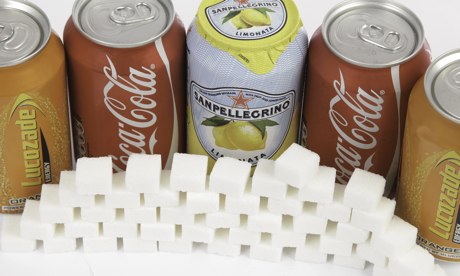
If you want to see anything really scary, go to the website Sugar Stacks and seem at the pyramids of sugar cubes stacked up subsequent to soda containers. That twelve-ounce can of Coke (now seen as a little serving) has 10 sugar cubes subsequent to it. The 20-ounce Mountain Dew has 19-and-a-half. And the 64-ounce Double Gulp Coke offered at 7-Eleven has 45—45!—cubes of sugar piled alongside it. That is how a lot of cubes or teaspoons of sugar a person consumes every single time they drink one of these sodas.


America has a sugar addiction issue that rivals our addiction to cigarettes a generation ago and it is fueled by the very same types of marketing and advertising campaigns once (and, in some ways, nonetheless) employed by tobacco companies. Soda consumption is a significant purpose why:


  • Virtually 26 million Americans, eight.three percent of the population, have diabetes, in accordance to the American Diabetes Association American Diabetes Association.

  • 79 million grownups, 35 % of the grownup population, have prediabetes.

  • Obesity in the U.S. has risen from about 15 % of the population to about 35 percent more than the past forty many years.

  • The estimated cost of weight problems-connected medical care is $ 190 billion a yr.


Photo: Sugarstacks.com Photo: Sugarstacks.com

Photo: Sugarstacks.com


Comparable measures have been positioned on the ballot in numerous cities and localities and so far each has been defeated, buried in a barrage of campaign paying funded by the soda market. The SWEET Act will encounter the exact same opposition and has little possibility of passage in today’s congress. Nevertheless it is vital that such efforts be experimented with, that the pot get stirred, that we get started to set off a sustained nationwide conversation about the damage that soda marketing and advertising and consumption is carrying out to our country’s health.


The proposed bill is well thought by means of. Due to the fact the tax is primarily based on the quantity of added sugar—not beverage volume—it goes soon after the real enemy: sugar and the calories that go with it. It also generates an incentive for individuals to switch to drinks that have less sugar.


Far more importantly, probably, the bill also dedicates the income generated from the tax to the Prevention and Public Overall health Fund to support “programs and study created to lessen the human and financial expenses of diabetes, obesity, dental caries and other diet-associated overall health problems.” Based mostly on today’s consumption patterns, the Center for Science in the Public Interest estimates it would raise about $ 10 billion a yr that could fund overall health and schooling programs—like the enormously effective anti-smoking media campaigns that have assisted slash the quantity of smokers in the U.S.


That implies far more individuals all around the country could do what Jaquoby Tyler, now 20, has been undertaking for the last many years. Tyler is portion of a group of young individuals working with Neighborhood Partnership for Youth in Seaside, California, to advertise wholesome living in their neighborhood. He and his pals go into classrooms to speak about health with other youngsters and show them the stacks of sugar cubes they eat with each soda.


“We asked them: ‘Would you eat this much sugar by itself?’” Jaquoby informed me. “They stated no. They weren’t mindful of some of the poor results that consuming that considerably sugar can have like diabetes, heart illness, obesity.”


Opponents will criticize the DeLauro bill as nanny-state overreach and make the argument, primarily based on a couple of modest studies, that soda-tax increases haven’t carried out considerably to alter consumption patterns or obesity costs. But these scientific studies have looked at locations that imposed considerably smaller sized tax levies and that didn’t target the revenues at efforts to reduce consumption. That could be essential. A poll performed by the Area organization for the California Endowment and launched early this year showed that two-thirds of Californians supported a soda tax if the proceeds had been utilised to fund school nutrition and bodily exercise efforts.


An intriguing check will come in November when each San Francisco and Berkeley voters will vote on measures to impose soda taxes of one cent per ounce in Berkeley and two cents an ounce in San Francisco. Berkeley’s measure will direct the funds to the standard fund and call for simple bulk approval. San Francisco’s will reserve the proceeds for health-promotion efforts, which could boost its appeal, but will need to have to get support from two-thirds of voters.


In Mexico, a peso-per-liter tax on soda that started at the starting of 2014 has led to declining sales of sugary drinks, with Coca-Cola Coca-Cola and other beverage businesses reporting product sales declines of two % to three percent for the 1st half of the year. The proceeds of the tax are being targeted at rising entry to fresh water, specially in schools.


Fidel Cortes, who shines footwear in Mexico City, told Bloomberg Bloomberg News in March that he’s consuming fewer sodas because the price climbed. “Before I at times had three Cokes a day, now I’m down to 1 or two,” he said. “It’s simply because the price tag went up.”


Mexico imposed a similar tax on calorie-dense junk food final yr, when it passed the soda tax, and just this month place into spot regulations that will maintain advertisements for soda and junk meals from appearing on afternoon and weekend television packages and ahead of children’s movies in theaters. If Mexico—which consumes far more soda per man or woman than any other nation in the world and has among the highest charges of obesity and diabetes—can regulate marketing, tax soda and use the proceeds to advertise health, why not the U.S.?


Just as early proposals to limit smoking have been dismissed and belittled only to turn into law when public attitudes altered, I think the American people and our political leaders will come to understand how vital it is to limit the consumption of sugary drinks. My colleague at Prevention Institute, Larry Cohen, saw individuals alterations initial-hand as a leader in the battle towards smoking. He helped organize the 1st multi-city no-smoking laws in the nation, shifting the debate in the method. “Soda and sugary drinks are the new tobacco and the fight to minimize their advertising and consumption is the subsequent fantastic public well being battle,” he says.


How Sweet It Would Be: National Law Would Tax the Stacks Of Sugar In Soda

18 Temmuz 2014 Cuma

Sweet nothing at all: offering up sugar can alter your lifestyle


Going on a overall health kick is all quite well when you live on your very own, as I do. You can fill your cupboards with kale chips, almond butter and buckwheat groats without any person chastising you or expressing their faux revulsion at your unholy devotion to all factors wholesome. No one’s going to carry residence a bucket of Ben &amp Jerry’s when you’ve blitzed the freezer, or whip up a shock mojito to greet you when you come in from perform.


Two years ago I nixed sugar from my lifestyle practically totally. It was an unlikely move for me to make as I was a party girl, a bona fide sugar addict who would consider nothing of eating a massive bag of jelly babies on a auto journey, or a massive sweet popcorn at the cinema. But I was unhappy and – a lot more to the stage – unhealthy, so it had to go.


Of program it was tough, but I was established. The outcomes I noticed – far more than two stone fat-reduction, better skin, uninterrupted sleep, zero cravings, no mood swings, far more power – spoke for themselves. And so I caught at it. What started as a trial in June 2012 proved so rewarding that I just carried on. Now, in July 2014, it’s turn into my way of lifestyle.


But what soon became obvious was what’s easy in the confines of your property is significantly less so elsewhere. Not only because of temptation, but often because of other people’s reactions. Even though I had no doubt about my iron will when left to my personal products, managing the expectations of some of my get together-loving buddies was tricky. After all, how can you socialise, date, dine out or hang out with buddies when you have gone sweet nothing at all?


Whereas prior to I was the 1st individual at the bar ordering white wine or a G&ampT, my new regime means I rarely drink. The outdated me would plunge headfirst (sometimes virtually) into a dessert at the finish of a meal, but the new me just orders a peppermint tea. In spite of my personality obtaining not changed, it’s simple to see how my healthier habits could be construed as being rather, effectively, boring.


The author (centre) in the course of her partying days


Whilst the vast bulk of my pals had been supportive at the beginning of my life style overhaul, a number of individuals – and I must anxiety it was a few – created their opinions on my new consuming routines rather plain. They lambasted me for “being so restrictive” when we went out for dinner and I did not have a pudding. A single informed me that I wasn’t picking what I “wanted to eat” but instead picking what I “thought I need to consume since it was more healthy” – as if I couldn’t want to decide on anything healthier for my personal dinner.


How to give up sugar in ten easy actions


A vacation in Spain with a longstanding female friend turned fraught when I continuously abstained from ice lotions at the seashore bar. And I came to blows with one more at a wild 3-day wedding when, for the 2nd night in a row, I stopped drinking soon after two little glasses of red wine.


I was, even so, only reaping what I’d sown. In many years gone by I’d been the man or woman moaning when a buddy turned up at the bar and ordered a non-alcoholic drink when I wished to let loose a bit. No matter how chilled the other particular person is, you feel as if you are currently being judged.


But issues calmed down a number of months in when people handful of problematic buddies accepted that this was my new normal. Presently no a single cares what I do or really don’t place in my mouth. My worries about sober dating also proved unfounded. I met a handsome, incredible man who accepted my consuming peccadillos one hundred per cent – it helps that he also doesn’t drink. He supported me in every thing I desired to do – which is what you do when you love a person – typically although ploughing via two chocolate brownies and vanilla ice cream washed down with an ultra-sweet homemade lemonade.


Buddies now know that if they ask me out for drinks, I won’t be acquiring blotto. Dining out is never a issue (there are lower-sugar alternatives on nearly each and every menu), nor dinner events (I consume what I’m given and don’t be concerned about it for the evening). If you are a fellow sugar addict you should consider it. I guarantee it’s the sweetest deal with of all.


“Sweet Absolutely nothing: Why I Gave Up Sugar and How You Can Too” (Orion), by Nicole Mowbray, is offered from Telegraph Books


To go through a lot more articles or blog posts from Stella Magazine, go to telegraph.co.united kingdom/stella


Follow @StellaMagazine on Twitter


Comply with us on Facebook for more stories


Sweet nothing at all: offering up sugar can alter your lifestyle

15 Temmuz 2014 Salı

Lottery win - sweet dreams are manufactured of this.?.?.

The hold of religion may have loosened in several cultures, but the belief that dreams are linked to prophecy refuses to die. As Prof Jim Horne, of the Sleep Research Centre at Loughborough University, says: “The particular person who can interpret the dreams has enormous electrical power in ancient religions – power over kings and queens.”


Yet another rest skilled, Prof Richard Wiseman, at the University of Hertfordshire’s College of Psychology, says: “We are obsessed with dreams simply because they are unusual. And we read which means into them simply because some of the time they do contain which means. If you are concerned about your work or your connection, this will sometimes bubble up into your dream.


“But they can not predict the future. The purpose we fall for it is simple. There are hundreds of thousands of men and women who dream about winning the lottery, who don’t win the lottery, but they are not going to mention it since it is slightly embarrassing. It is just the law of massive numbers. It is the very same with the lottery itself – it is a 16 million to 1 possibility that you are going to win, but we never ever genuinely concentrate on the 15.9 million who do not win.”


This logic is clear. None the significantly less, there are lots of men and women – from 9/eleven conspiracy theorists to really wise scientists – who believe that dreams prompted them to specific actions. Paul McCartney claims that he woke up 1 morning with the tune for Yesterday currently playing in his head Dmitri Mendeleev is mentioned to have observed the periodic table of factors in a dream, and when he wrote it down in the morning, “only in a single area did a correction appear necessary”. James Watson has often said that dreaming of a spiral staircase led him to the discovery of the double-helix component of the structure of DNA.


Again, there are various rational explanations for these “premonitions”. But to recognize why, we have to examine in much more detail what transpires when we dream. And the research of dreams – even although it dates back millennia – is nonetheless in its infancy.


Freud, who referred to as dreams the “royal street to the unconscious”, believed they have been a psychological impulse and that they had been the manifestation of the unconscious. Invariably, for him, that meant they have been about sex. And it has been proved that males tend to dream about sex an terrible great deal – especially if they are in a pleased frame of thoughts. Conversely, dreams about falling off buildings, your teeth falling out, or your trousers falling down in public are traditional nervousness dreams, knowledgeable normally by folks in a fretful state of mind.


Freud’s obsession with the sexual interpretation of dreams has been extensively discredited. But most authorities agree that dreams are relevant to what is going on in our lives. “We nonetheless do not actually know why we dream,” Prof Wiseman says. “But it appears to be some kind of psychological therapy. We dream about events that fret us. By going more than individuals events in our heads, we are hunting for options but we are also taking the emotional edge off them by going through them once again and again.”


A study by the University of California, Berkeley, 3 many years in the past suggested that folks tended to react to images in a far significantly less emotional way if they slept before viewing them for a second time, in contrast with individuals who had not slept between first and second viewing.


Most recent scientific pondering, even so, focuses not on the psychological element but the neurological side – what does our brain do when we dream?


When we sleep, we tend to dream for about 90 minutes each and every night, but in four separate episodes, with every single time period lasting for a longer sum of time. The ultimate dream cycle lasts for about forty minutes. These dreaming episodes coincide with the variety of light sleep recognized as quick eye movement – REM – when our brain employs as significantly oxygen as when we are awake. But it is incorrect to feel that REM is the identical as, or even the cause of, dreams.


Prof Horne says: “We spend an awful good deal of time dreaming. And most of it is complete nonsense. It is there to entertain the brain whilst it is switched off. Dreams are cinema of the mind,


B-motion pictures there to maintain your brain periodically occupied throughout rest, because it is harmful for the brain to be knocked out for seven or eight hrs with out any stimulation. The brain needs periodic stimulation.”


His concept as to why some individuals believe they have a premonition is that “sometimes they just strike lucky”.


Prof Wiseman adds: “Again, it’s the law of big numbers. You can have five dreams a night – you have a lot of dream materials and you overlook most of it. But if the following day, after dreaming of a red vehicle skidding to a halt on a road, you see that for actual, then you all of a sudden go ‘Oh, I dreamt that last evening. How strange – I can predict the long term.’ You cannot, you have just forgotten all the other things you dreamt final night.


“We only ever bear in mind the dream we were going through when we wake up, and have a tendency to keep in mind only the last handful of minutes. People who claim never ever to dream just wake up when they are not in a dream cycle.”


A single of the most fascinating areas of sleep examine is so-referred to as lucid dreaming – when people are aware that they are dreaming and then train themselves to change the end result of their dreams. The internet is total of how-to guides, telling would-be lucid dreamers to inquire themselves continually during the day, “Am I dreaming?” so that the habit carries on into rest.


One particular or two professionals are sceptical that this is feasible, but there is a increasing physique of opinion that agrees a single can self-edit one’s personal dreams, thereby turning a quite rubbishy B-film into a summer season blockbuster.


Prof Wiseman has even developed an app that promises to boost your dreams, although it cannot assure that your night-time visions will characteristic your favourite actress falling for your charms. Area a telephone on the corner of the bed and the app monitors your bodily movements from vibrations from that it can operate out when you are in an REM state. “The app targets the final dream of the evening just ahead of you wake up, creating it a a lot more optimistic dream, playing pleasant music. The total stage is that you would wake up in a better mood. It works,” he claims. And his app is not the only one on the market.


You can not predict the future in your dreams – allow alone find a pointer to winning £500,000 from the lottery – but you may just be able to adjust the outcome of your day. It is an intriguing prospect.


Lottery win - sweet dreams are manufactured of this.?.?.

6 Temmuz 2014 Pazar

EU programs also sweet for wellness activists

The document was published by PHE alongside recommendations by the Government’s scientific advisors for people to halve their sugar consumption, following similar advice by the World Health Organisation.


Experts in Brussels said the decision to lift quotas had been made without a proper review of the potential impact of the move on public health. They want the current scheme to remain in place until officials have reviewed whether removing the limits could end up worsening diseases such as obesity.


The EU’s reform to sugar quotas has been backed by food and drink firms. Tate & Lyle, which refines cane sugar from tropical countries, says the existing system threatens its operation in the UK because it favours beet sugar from the EU.


Tim Lang, Professor of Food Policy at City University London, said the decision to lift the sugar production quotas in 2017 should be “reviewed” in light of the advice by British scientists and the WHO.


Dorota Fienkiewicz of the European Public Health Alliance, a Brussels-based coalition of health groups including the Royal College of Nursing, added: “There was never actually a proper health impact assessment. In the end the industry has an upper hand, putting on the table the economic argument, especially in a time of crisis.


“The price of sugar will go down because everyone can produce as much as they want.


“That would mean that food and drink producers can just put it into their products and people buy it cheaply and consume it more – then we would have more problems related to non-communicable diseases.”


The warning comes amid growing scrutiny of sugar levels in food and drink. Campaigners warn that high consumption of the ingredient is causing diseases such as Type 2 diabetes and obesity.


However, the food and drink industry insists the causes of obesity are “far wider” than sugar.


A spokesman for the European Commission said the UK Government wanted the quotas lifted even earlier than 2017, having argued that they distort markets, drive prices of supermarket products and “artificially increase some producers’ profits while damaging other businesses.”


EU programs also sweet for wellness activists

30 Mart 2014 Pazar

Sweet and sour information for Britain"s drinkers


If all the recent scare stories about sugar in foods drove you to drink, it turns out that it wasn’t always the very best location to go. Research performed for The Sunday Telegraph reveals that a single pint of cider contains as a lot sugar as the Globe Health Organisation recommends ought to be an individual’s day-to-day restrict. Scrumpy, it appears, is very best averted if you are on a diet program. Worryingly substantial quantities of the sweet stuff have been also discovered in Baileys Irish Cream and sherry, although, admittedly, those are drinks that have a tendency to be constrained to a single glass: rarely does anybody commit a evening in the cells for public disruption triggered by binge-consuming sherry.


And there is some good news. Our examine discovered substantially lower quantities of sugar in beer, wine and – very best of all – champagne. In fact, Aseem Malhotra, a cardiologist and science director of the campaign group Action on Sugar, tells us that “a moderate volume of red wine, which is comparatively low in sugar, might in fact protect towards cardiovascular disease”. He adds: “And this is my drink of selection.” So if you are concerned about your weight and nevertheless fancy a tipple, red wine is a very good selection. Rumour has it, the Prime Minister is a large fan, as well, and is considered to “chillax” on a Sunday afternoon with three or four glasses. Bottoms up, Mr Cameron!


Sweet and sour information for Britain"s drinkers

20 Şubat 2014 Perşembe

Healthier recipes: sweet potato brownies


If I have been asked my favourite food items, the checklist would be: sweet potatoes, dates, cacao, raw brownies and avocado. So it seems organic to mix at least four of the 5, which is exactly what


I did in these brownies. They are the sweetest, softest, most moist, chocolatey brownies ever. And they have only 6 substances, all entirely natural and unrefined. The mixture is so heavenly that you will want to eat the total factor with a spoon. Really do not fail to remember that raw cacao is also a superfood as it is such a wealthy source of antioxidants, as effectively as getting packed with a variety of other beneficial nutrients: manganese, which aids oxygenate the blood magnesium, which assists maintain healthful nerves, muscle tissue and bones and sulphur, which builds sturdy nails and hair, and promotes gorgeous skin.


two medium to huge sweet potatoes


⅔ cup ground almonds


½ cup buckwheat flour (brown rice flour will also function)


four tbsp raw cacao


three tbsp pure maple syrup


Pre-heat the oven to 180C/gas mark 4, then peel the sweet potatoes. Lower them into chunks and area in a steamer for about 20 minutes, till they become truly soft. When they are starting to fall apart, take away them and place them in the meals processor with the pitted dates and mix. Put the remaining substances in a bowl just before mixing in the sweet-potato and date blend. Stir properly.


Spoon the mixture into a lined baking dish 10x20cm and cook for about 20 minutes, or till you can pierce the brownie cake with a fork and bring it out dry. Remove the tray from the oven and permit it to awesome for about 10


Recipes from Deliciously Ella


Healthy recipes: gluten-cost-free almond, quinoa and pumpkin-seed bread


Wholesome recipes: sun-dried tomato, aubergine and pine-nut pasta


Healthful recipes: gluten-totally free banana pancakes


Healthy recipes: hazelnut chocolate spread


Healthful recipes: courgette noodles with minted avocado sauce


deliciouslyella.com.


Healthier recipes: sweet potato brownies

19 Şubat 2014 Çarşamba

7 Overall health Advantages of Quinoa: Sweet Potato Quinoa Cakes

Understanding that Quinoa is a super-foods and it’s seven well being positive aspects is good info. But you need to have to get it out of the knowing to the actuality of truly eating it. Mix this superfood with an additional wonderful wholesome choice like sweet potatoes and you have a homerun recipe.


 7 Overall health Benefits of Quinoa is:


  • a comprehensive protein-rich meals that contains all 9 crucial amino acids has virtually double the fiber of other grains.

  • is made up of a healthy dose of Iron.

  • is made up of lysine which is excellent for tissue development and fix.

  • is a fantastic supply of magnesium.

  • is large in Riboflavin (B2).

  • has a large articles of manganese which is a excellent antioxidant.


Here’s a fantastic gluten-totally free, vegan recipe with Quinoa that is Tasty!


 Sweet Potato Quinoa Cakes (from BodyMindGreen.com)


Can make 10 cakes (5 servings)


Ingredients


  • two medium baked sweet potatoes (skins discarded)

  • 2 cups cooked quinoa

  • two scallions, chopped

  • two garlic cloves, minced

  • 1/2 tsp. sea salt

  • one/two tsp. crushed red pepper

  • one tsp. cumin

  • one/4 cup olive oil


Instructions


Preheat oven to 350 degrees Fahrenheit. Prepare a baking sheet by lining with parchment paper and set aside. Place prepared sweet potatoes in a massive bowl and use a fork to mash potatoes against sides of bowl until only little chunks of potato appear. Stir in quinoa, scallions, garlic, salt, red pepper and cumin, stirring to totally combine substances.


Employing wet hands, commence shaping quinoa mixture into palm-sized patties, putting on ready baking sheet. Repeat till mixture is gone.


Pour olive oil into a small bowl and use a silicone brush to lightly coat the top of every single patty with oil. Bake for ten-15 minutes, right up until golden brown.


Drizzle roughly 1 Tbsp. Avocado-Lime Dressing (under) on top of two patties and serve.


Avocado-Lime Dressing (gluten-cost-free and vegan) Can make around 6 servings (2 Tablespoons per serving)


 Ingredients


  • 1 avocado, peel and pit removed

  • 1 Tbsp. of sesame tahini

  • one Tbsp. olive oil

  • five cilantro sprigs, minced

  • juice of one/2 lime


Directions 


Area all components in a substantial velocity blender and pulse until smooth (about one-two minutes).


Serve more than Sweet Potato Quinoa Cakes, or use as a salad dressing.


My Healthier Living Blog


Healthful Living Retailer


7 Overall health Advantages of Quinoa: Sweet Potato Quinoa Cakes

6 Şubat 2014 Perşembe

Sweet And Sour: The Media Made the decision Fructose Was Negative For America But Science Had Second Thoughts

For the past decade, a specter has haunted the foods chain—the specter of large fructose corn syrup (HFCS). HFCS began daily life as a technological response to a industry problem—volatile rates for sugar in the 1970s and early 1980s driven by protectionism and dumping, along with substantial production charges and all the challenge of matching a multi-yr crop to shifting demand. HFCS aimed to stabilize the value of sweetness. It did and in performing so, it conquered the US industry.


But HFCS had, like Achilles, a weakness—actually, two. 1st, as numerous scientists have mentioned, higher fructose corn syrup wasn’t genuinely large in fructose—and it is other primary element was glucose. The sweet spot in balancing fructose with glucose was approximately a ratio of fifty five percent to 45 percent—the very same as honey—and not dissimilar to ordinary table sugar, which has a ratio of 50:50.


The 2nd weakness was timing.  The spread of HFCS coincided with the beginnings of the obesity crisis—or far more specifically a point the place individuals had been beginning to tip in excess of the BMI boundary lines from typical to overweight and overweight to obese. This, as we now know from the function of John Komlos, was a prolonged time in the creating: BMI values began to rise—and rise dramatically—in the 1950s, but the sudden appearance of enormous excess weight obtain in the population led some scientists to wonder regardless of whether it may well be connected with this new fangled ingredient.


The consequence was a review in the American Journal of Clinical Nutrition (AJCN) 2004— “Consumption of higher-fructose corn syrup in drinks might perform a role in the epidemic of obesity”—which noted that “The increase in consumption of HFCS has a temporal relation to the epidemic of obesity, and the overconsumption of HFCS in calorically sweetened drinks may possibly perform a function in the epidemic of weight problems.”


Just as people glom onto miracle diet plans and miracle food items, they also seem for the Darth Vader ingredients—those which use the force of taste to take over our bodies. HFCS was new, it was from corn, it was large in fructose. And it provided a easy remedy to a hugely complicated dilemma of why America was abruptly in the grip of weight problems.


But was this, “important potential hypothesis,” for the obesity epidemic (as the authors of the review wrote) accurate? The level of science is to advance hypotheses, check them, and arrive at some degree of causal validity. Were weight problems and metabolic syndrome a outcome of Americans typically eating also much foods and becoming inactive, or was there some thing to fructose that was distinctly bad—and therefore a key lead to of excess weight gain—as opposed to it currently being one issue amid many? So began a single of the major controversies of the obesity crisis.


In 2008, the American Healthcare Association passed a resolution at its yearly conference saying that there was inadequate scientific evidence to indict HFCS as a exclusive contributor to obesity. At the same time, it also stated that the scientific literature on the problem was quite restricted. In 2012, the Academy of Nutrition and Dietetics (formerly the American Dietetic Association) concluded that the research—now far more expansive— provided “little evidence that HFCS differs uniquely from sucrose and other nutritive sweeteners in metabolic results.”


The authors of the unique AJCN review continued to maintain that fructose may well be much more of a issue than sugar simply because of the ongoing study on metabolic variations amongst the two. And they have been joined by pediatric endocrinologist Robert Lustig, who took fears about the effects of fructose and sugar on the population to a total new level. Fructose, he contended in a a lot-watched YouTube lecture, and later a guide, is poisonous—the toxic element of sugar.


It is not unfair to say that this was a place that won Lustig numerous critics and really number of converts between scientists. As Scientific American pointed out, 1 crucial problem with Lustig’s argument is that “concern about fructose is based mostly on research in which rodents and individuals consumed massive amounts of the molecule—up to 300 grams of fructose every single day, which is nearly equivalent to the total sugar in eight cans of Coke—or a diet regime in which the huge vast majority of sugars have been pure fructose.”


Mike Gibney, Director of University University Dublin’s Institute of Foods and Overall health, concurred, “The majority of animal scientific studies used as a lot as 55% of calories from fructose, a predicament, which is impossible to envisage in the human diet plan except perhaps in the make-believe land of milk and honey.”


Lustig also ignored the double whammy of increases in consumption of other food items besides sugar and a decrease in bodily exercise above the past forty years, wrote fitness and nutrition specialist Alan Aragorn.


In a report on the controversy more than Lustig and fructose, David Klerfeld, a nationwide plan leader in Human Nutrition for the USDA, told ABC News, “So a lot of issues have occurred in our environment in the previous fifty many years, from a complete increase in calories to a decrease in activity—it’s absurd to pin the entire weight problems dilemma on a single food this kind of as fructose or even sugar consumption as a whole. Why aren’t we focusing on ginormous portions rather than wasting time looking at single elements?”


And Walter Willett, chair of the nutrition department at the Harvard School of Public Well being (and no fan of soda or the meals market) told The Washington Publish, “Telling people the dilemma is all fructose is entirely wrong.”


But who exactly was telling people this? Why are we wasting time hunting at single components alternatively of all round diet regime and exercise? The direction of the research, the consensus statements by professional associations, the remarks by frustrated nutritionists—all converged on a easy message. Why did that message appear to be muffled, unheard, untaken?


In accordance to a new research, blame the information media.


Now, obviously not every single information story, for the ones cited in this post from ABC News, The Washington Submit and Scientific American are all hugely informative, and ascend (in my view) in orders of excellence. But when you appear at the news media coverage ecologically, do these kinds of stories drive both journalistic and public comprehending more than time?


Sweet And Sour: The Media Made the decision Fructose Was Negative For America But Science Had Second Thoughts

3 Şubat 2014 Pazartesi

The Not So Sweet Facts About Sugar

A new study offers a broad overview of the use of sugar in the US diet and its consequent health implications. The good news is that the growth in sugar intake appears to have stopped and may even have slightly declined. The bad news is that people still consume way too much sugar and that that sugar is killing them.


In a paper published in JAMA Internal Medicine, Quanhe Yang, from the Centers for Disease Control and Prevention, and colleagues analyze data about sugar use and its health effects from the NHANES (National Health and Nutrition Examination Survey) studies. They report that the percentage of daily calories from added sugar grew from 15.7% in 1988-1994 to 16.8 percent in 1999 to 2004 but then fell back to 14.9 percent in 2005-2010.


But more than 7 out of 10 adults in the US (71.4%) get more than 10% of their calories from added sugar, while 1 out of 10 get a full 25% of their calories from added sugar. (The Institute of Medicine recommends that added sugar compose less than 25% of total calories; the World Health Organization recommends a much lower 10%. The American Heart Association doesn’t recommend a specific percentage but their recommendations translate into even lower percentages of added sugar.)


The authors found a strong association between the amount of added sugar in the diet and cardiovascular mortality. The association persisted even after adjusting for other known risk factors. The authors estimated that people who consumed between 10% and 25% of their calories from added sugar had a 30% increase in cardiovascular mortality. For people who consumed more than 25% of their calories from added sugar the risk nearly tripled (adjusted HR 2.75).


In an invited commentary, Laura Schmidt writes that sugar used to be viewed benignly as a vehicle for empty calories. Its associated ill effects were because the sugar was “a marker for unhealthy diet or obesity.” But now a “new paradigm” has emerged in which sugar is an independent risk factor for cardiovascular disease and other diseases:


The new paradigm hypothesizes that sugar has adverse health effects above any purported role as “empty calories” promoting obesity. Too much sugar does not just make us fat; it can also make us sick.


English: Macro photograph of a pile of sugar (...

English: Macro photograph of a pile of sugar (saccharose) (Photo credit: Wikipedia)


The Not So Sweet Facts About Sugar

2 Şubat 2014 Pazar

Sweet dreams are not created of these


We all know the relief of waking up in bed to uncover that, no, your teeth have not all fallen out. The knowledge of poor dreams is universal, although a new report by the University of Montreal reveals that the sexes fear about really different things. Males are “significantly” much more most likely to dream of disasters, calamities and, oddly, insects. Girls toss and turn about interpersonal conflicts. So, whilst female nightmares revolve about genuine-world problems such as a husband forgetting the wedding anniversary, the husband is occupied dreaming of earthquakes triggered by giant ants from outer room.


Nightmares could be the mind’s way of processing the travails of everyday existence, or a disruption of the nervous technique. Both way, some psychologists report that they can be treated by way of visualisation strategies, whereby sufferers can adjust the outcome of a recurring scenario. So, for the husband, that might imply imagining the intervention of Superman. For the wife, it might suggest imagining a new husband.


Sweet dreams are not created of these

24 Ocak 2014 Cuma

Ground Cherries: Sweet Small Fruits Bursting with Nutritional vitamins

Ground cherries (also called husk cherries and cape gooseberries) are tiny, orange fruits that grow within thin, lantern-like husks. They belong to the nightshade family, and are native to temperate and subtropical regions during the globe, such as North America. Regardless of their identify, ground cherries are much more closely related to tomatoes than cherries, and their sweet, refreshing taste – comparable to that of strawberries – lends them properly to salads, desserts, jams, and juices.


Ground cherries are common with gardeners because they increase in most types of soil (such as poor good quality soil), even though they are equally cherished for their well being benefits.


Rich in vitamin A – one hundred grams of ground cherries incorporate 720 international units of vitamin A, which is 14 percent of an adult’s suggested daily intake. Vitamin A is necessary for sustaining excellent vision and skin well being, boosting immune function, and gene transcription. It is also an antioxidant, which means that it can neutralize the damaging effects of free radicals, thereby shielding us from cancer and degenerative diseases like macular degeneration, rheumatoid arthritis, and cystic fibrosis.


Very good supply of vitamin C – 100 grams of ground cherries provide us with eleven milligrams of vitamin C, which is 18 percent of our RDI. Vitamin C is a water-soluble nutrient that is required for collagen production (which, in turn, quickens the body’s ability to fix wounds), reducing blood stress, guaranteeing the correct dilation of blood vessels (therefore protecting us from ailments like atherosclerosis and congestive heart failure), fighting cataracts, and boosting the immune program. Like vitamin A, vitamin C is also an antioxidant that guards us from totally free radical damage.


B-vitamin complex – one hundred grams of ground cherries include various amounts of specific B-vitamins, including thiamine (.110 milligrams, or seven.3 percent of our RDI), riboflavin (.040 milligrams, or two percent of our RDI), and niacin (two.800 milligrams, or 14 percent of our RDI). Despite the fact that the B-vitamins work as a team, they do have particular functions: Thiamine is needed to maintain a wholesome nervous technique (and is thus nicknamed the “anti-stress” vitamin), riboflavin is needed to facilitate cell growth and fix, and niacin is necessary for DNA restore and sustaining vitality levels.


Fat loss properties – 1 a hundred gram (three.five ounce) serving of ground cherries offers us with a mere 53 calories and a single gram of excess fat. As a end result, you can freely add as a lot of of these cherries to your diet regime with no worrying about excess weight obtain. Also, like all fruits, they incorporate respectable ranges of fiber, which tends to make you come to feel fuller and significantly less inclined to overeat.


A single 100 gram serving of ground cherries also gives us with 9 milligrams of calcium (a single percent of our RDI), one milligram of iron (6 % of our RDI), 40 milligrams of phosphorous (4 % of our RDI), and 1.9 grams of protein. The cherries are also free from sodium and cholesterol, and incorporate a minimal glycemic index score, generating them appropriate for diabetic and pre-diabetic folks.


Michael Ravensthorpe is an independent writer whose investigation interests include nutrition, substitute medication, and bushcraft. He is the creator of the internet site, Spiritfoods, by way of which he promotes the world’s healthiest foods.


Ground Cherries: Sweet Small Fruits Bursting with Nutritional vitamins

17 Ocak 2014 Cuma

Sweet answer? Google exams sensible speak to lens for diabetics


Google is testing a prototype for a intelligent get in touch with lens that measures glucose in tears to determine blood glucose ranges without having breaking the skin for diabetics.


Diabetics could in long term steer clear of agonizing pinprick blood glucose tests making use of a smart speak to lens being developed at Google which measures glucose amounts in tears.


A prototype proven off by the business uses an embedded miniaturised glucose sensor and wireless chip in a make contact with lens to measure glucose in tears as frequently as after every single second.


That would make monitoring glucose ranges – an important activity for diabetics, who are at risk of heightened or lowered blood-sugar amounts – quicker, easier and much less painful due to the fact it would eliminate the need to break the skin and measure blood glucose amounts straight.


Diabetes, triggered by a deficiency of the sugar-regulating hormone insulin, affects all around 5% of people in produced nations. It is a leading lead to of kidney failure, blindness and amputations if insufficiently handled.


French scientists identified that tears carry measurable levels of glucose in the 1930s, but it has taken decades to uncover a way to exploit that to develop a non-invasive check. A team at the University of Michigan showed off a sensor which examined tears in November 2011, and had been even then a single of a number pursuing the thought. Microsoft Analysis, then collaborating with Babak Parviz – at the time a professor at University of Washington – unveiled a prototype of the glucose-measuring contact lens in 2011. 


Since then Parviz has moved to join Google’s experimental X Lab, for which this is its most current solution. “We’re testing prototypes that can create a studying as soon as per 2nd,” stated Brian Otis and Parviz, co-founders of the project which they began at the University of Washington, in a joint site post. “We’re also investigating the possible for this to serve as an early warning for the wearer, so we’re exploring integrating small LED lights that could light up to indicate that glucose amounts have crossed above or beneath specific thresholds.”


Unbroken check


Diabetics who are not ready to maintain their blood sugar levels under management danger going into a coma, and there is also a greater likelihood of extended-term harm to blood vessels and the eyes, with connected hazards of stroke and blindness. 


“Although some individuals put on glucose monitors with a glucose sensor embedded beneath their skin, all folks with diabetes should even now prick their finger and check drops of blood all through the day. It is disruptive, and it’s unpleasant,” explained Otis and Parviz. “As a end result, numerous individuals with diabetes examine their blood glucose less often than they ought to.”


‘Seek out tasks that look a bit speculative or strange’


Google is at the moment talking to the US Foods and Medicines Administration, which regulates drugs and health care applications, about promoting it as a health care device, and seeking partners amid health-related experts to deliver a wise get in touch with lens and apps to market place.


“We’ve always stated that we’d seek out projects that seem a bit speculative or odd, and at a time when the Global Diabetes Federation is declaring that the globe is ‘losing the battle’ against diabetes, we imagined this undertaking was really worth a shot,” Otis and Parviz stated of Google X labs, which also produced Google’s self-driving cars and Google Glass, the company’s smart glasses.


Microsoft Study demonstrated a functional speak to lens that monitored blood sugar levels without breaking the skin in 2011.

Smart make contact with lenses are previously obtainable on the health care marketplace, such as a disposable lens that is utilized to personalise the remedy of glaucoma by measuring changes to the eye from Sensimed Triggerfish.


• A woman faced a San Diego court for sporting Google Glass even though driving her car


Sweet answer? Google exams sensible speak to lens for diabetics

9 Ocak 2014 Perşembe

We have to end this sweet madness of excess sugar consumption | Felicity Lawrence

cans of drins and sugar cubes

‘By the age of 15, 21st-century British boys usually have a 40kg-a-year sugar habit … the equivalent of 1,000 cans of cola or eleven,800 sugar cubes.’ Photograph: Geoff Abbott/Demotix/Corbis


We have no physiological need to have for refined sugar: just before the 16th century we managed with small amounts of it. In reality, all the glories of Renaissance art and thought have been produced on just a teaspoonful of sugar per head per year. But by the 20th century sugar had turn out to be ubiquitous. And its business had become so potent that it had penetrated the heart of governments. The type of entry sugar barons get pleasure from was exposed when Bill Clinton famously interrupted an Oval Office assignation with Monica Lewinsky in 1996 to get a cellphone phone — the phone was from one particular of the Fanjul loved ones who manage significantly of sugar manufacturing in the electorally crucial swing state of Florida. (The Fanjuls have played it the two techniques: one more brother was one particular of George Bush’s top fundraisers.)


The Action on Sugar initiative, launched in Britain and the US this week, is recognition that various weapons are necessary in the battle towards the promoters of this vector of ailment. A distinguished posse of professors has signed up to the campaign to minimize sugar consumption by 30% by naming and shaming large organizations that promote us these empty calories.


The proof that extra consumption of refined sugars is damaging our wellness is now as clear as the situation against tobacco. Nutritionally bankrupt items loaded with sugars have displaced the whole meals our bodies need to have. To tackle the preventable diet program-relevant ailments that have reached epidemic proportions close to the globe – obesity, diabetes, heart condition and cancers – we just need to have to consume less of them. But the vested financial interests of the food, drink and farming industries are blocking change. They lobby ferociously towards attempts to set reduced targets for consumption or restrict marketing and advertising or recalibrate subsidies. They have captured regulators so successfully that a guerrilla campaign is required to communicate directly to shoppers. Foremost the charge with Action on Sugar is cardiovascular expert Graham MacGregor, veteran of the productive campaign to force the food industry to decrease blood-pressure inducing levels of salt in its goods. The battle towards sugar will be significantly tougher and dirtier.


Cutting sugars represents an existential threat to massive parts of the food and drink business. Consider salt out and they are left with a dilemma that their goods are short of excellent components and never taste of much. Get sugars out and they are left with not much at all. Sugars give them their bulk. In theory, they could use appropriate complete food items instead, but then their economic model begins falling apart. Their organizations are developed on taking the most affordable of inexpensive commodity ingredients, deconstructing them, and turning them into “additional worth” goods – not in lightly processing true unrefined meals.


Consumption of sugars is a function of price tag, availability and manufacturing, and has been for centuries. The cost of refined sugar dropped significantly at the starting of the 18th century as the English, Dutch and French Caribbean colonies had been established. A mass market place produced, with the amount eaten in Britain escalating over the next hundred many years from about 2kg per individual per yr to about 8kg. Sugar, and low-cost bread, became the fuel of the industrial revolution it fed the factory workers of the late 18th and early 19th centuries. Governments have lengthy subsidised sugars and protected their domestic markets in them, fostering the interests of a handful of transnational firms. As a result, sugar comes at us from every single quarter. The fundamental problem is a mismatch in between provide and our biology.


By the age of 15, 21st-century British boys normally have a 40kg-a-yr sugar habit, in accordance to the official National Diet regime and Nutrition Survey, the equivalent of 1,000 cans of cola or 11,800 sugar cubes – they are matching or exceeding the consumption of impoverished 19th-century guide workers performing up to 14 hrs of physical labour a day. Action on Sugar can not adjust the trade system that helps make this lucrative, but as the wellness costs of diet regime-related ailment soar, it could at least awaken a new audience to its madnesses.


We have to end this sweet madness of excess sugar consumption | Felicity Lawrence

Sweet poison: why sugar is ruining our wellness

But take heart. Around the world, a growing body of expert opinion – the ‘No Sugar’ movement – is leading a global fightback and warning that our sweet habit is completely out of control, leaving a nasty taste in the mouth of the body public. Sugar, whether added to food by you or the manufacturer, is the greatest threat to human health, bar none, they say. And unless we wise up and quit en masse, we don’t just risk personal obesity and disease, but national bankruptcy and collapse as the toll our ill health takes on our countries’ economies threatens to destabilise the modern world.


The movement is led by Robert Lustig, professor of paediatric endocrinology at University of California, San Francisco, author of Fat Chance: The Bitter Truth About Sugar, numerous scientific and press articles, and presenter of “Sugar: the Bitter Truth”, a YouTube clip viewed more than 3,300,000 times. But ‘No Sugar’ proponents also include Australian writer David Gillespie, author of Sweet Poison and the new Sweet Poison Quit Plan, just out in the UK, as well as actress Gwyneth Paltrow, who reveals in her new cookbook It’s All Good that her family are not permitted to eat any refined carbs (let alone sugar), and even Andy Burnham, the Opposition Health Secretary, who called in January for high-sugar children’s foods such as Frosties and Sugar Puffs to be banned by politicians.


Lustig leads the field with his warning that not all calories are equal, because not all monosaccharides – the simplest forms of sugar, the building blocks of all carbohydrates – are equal.


At a basic level, sucrose, or table sugar (which is made up of equal molecules of the monosaccharides fructose and glucose) is not metabolised in the same way that a carbohydrate such as flour is.


He explains: ”An analysis of 175 countries over the past decade showed that when you look for the cause of type 2 (non-insulin dependent) diabetes, the total number of calories you consume is irrelevant. It’s the specific calories that count. When people ate 150 calories more every day, the rate of diabetes went up 0.1 per cent. But if those 150 calories came from a can of fizzy drink, the rate went up 1.1 per cent. Added sugar is 11 times more potent at causing diabetes than general calories.”


Why is this? Well, look more closely through the microscope, and Lustig (and others) believe it is the fructose molecule in sugar that is to blame.


Lustig explains that instead of helping to sate us, some scientists believe that fructose fools our brains into thinking we are not full, so we overeat. Moreover, excess fructose cannot be converted into energy by the mitochondria inside our cells (which perform this function). “Instead,” he explains, “they turn excess fructose into liver fat. That starts a cascade of insulin resistance (insulin promotes sugar uptake from blood) which leads to chronic metabolic disease, including diabetes and heart disease.”


Look online and you’ll see fructose described as “fruit sugar” – it’s the nutrient that nature put into apples and pears to entice humans (and birds) to eat them. So do we stop eating fruit in order to go sugar-free? It’s not that easy. Fruit is sweetened by fructose but it doesn’t contain very much, although you still shouldn’t eat very sweet fruit like grapes and melon to excess.


The problem lies in sources of sweetness like corn syrup, agave or maple syrup and honey, which contain a higher percentage of fructose than fruit, especially if they have been processed, meaning additional fructose is added in. Some agave nectars, for example, can be 92 per cent fructose, eight per cent glucose.


The food industry loves these sweeteners, especially high fructose corn syrup (HFCS), as they make every type of food more palatable – from soup to bagels, ketchup to bread. In the United States, HFCS is especially popular following governmental production quotas of domestic sugar, subsidies of US corn, and an import tariff on foreign sugar, making HFCS super cheap. As a liquid, it is also easier to blend and transport. In particular, it is used in low-fat foods (which would otherwise taste, says Lustig, “like cardboard”). His theory goes a long way to explaining why the low-fat diets which rose to popularity in the Seventies have coincided with a rise in obesity and related illnesses.


So before you can think about giving these sweeteners up, you have to turn label detective – and find them.


Thousands of miles away, nodding in agreement, is David Gillespie, a Brisbane-based lawyer turned researcher whose Sweet Poison books chart his own decision to stop eating sugar, resulting in him losing six stone without dieting in a year. He explains: “You are breaking an addiction, so you need to stop consuming all sources of the addictive substance. They are all hard to give up because they are addictive – but they are all easy to give up once you understand what you are doing and why.”


He adds: “Your palate adjusts significantly and quickly when you delete sugar. You can suddenly experience a whole range of flavours that either you didn’t know existed before or were muted by the presence of sugar. One thing people often remark on after they’ve been off sugar for a month or so is that suddenly they can smell it. They can tell you where the confectionery aisle or the breakfast cereal aisle is in a strange supermarket by smell alone.” What worries Gillespie, though, is not the candy by the checkout – but the fructose lurking in your ready-meal. “Very few of us are making conscious decisions about the sugar we eat,” he says. “The average Briton is consuming more than a kilo – 238 teaspoonfuls – a week, but I bet they’d be flummoxed accounting for more than a few teaspoons of that. Sugar is deeply and thoroughly embedded in our food supply.”


He’s right. We’re buying fewer bags of granulated sugar. And Defra statistics show that we’re consuming fewer calories from “free sugars” such as table sugar, honey and sugars found naturally in fruit juices – although at 13.9 per cent that is still higher than the recommended 11 per cent we should be aiming for – than in previous years.


Even the actual number of calories we consume has fallen: Defra figures show that there has been a long-term downward trend in energy intake since 1964, with average energy intake per person 28 per cent lower in 2010 than in 1974.


Yet, obesity rates continue to rise: currently 26 per cent of Britons are obese, half of us are overweight. This is a mighty problem: direct costs caused by obesity are now estimated to be £5.1billion per year. Obesity is associated with cardiovascular risk and with cancer, disability during old age, decreased life expectancy and serious chronic conditions such as type 2 diabetes, osteoarthritis and hypertension.


Like Lustig, Gillespie sees our inate weight problem as connected to the rise in consumption of hidden sugar. Unlike Lustig, Gillespie’s ideas were inspired personally, from looking down at a belly that was expanding year on merciless year, regardless of what trendy diet he tried.


“In 2002, my wife Lizzie and I had four kids under the age of nine,” he explains, “when I reached my maximum weight of 20 stone [127kg].” (Gillespie is 5ft 9in.) “I felt lethargic and unwell most of the time. When Lizzie announced our fifth child was to be twins, I had to do something.”


Gillespie began reading John Yudkin’s book Pure, White and Deadly, published in 1972, which also showed that consumption of sugar and refined sweeteners is closely associated with long-term disease.


Fascinated, Gillespie soaked up research papers which connected fructose (in particular) to fatty liver disease, to appetite stimulation, and to gout, diabetes, memory loss and, of course, obesity. He was shocked to learn “how many of our organs sugar systematically destroys without symptoms until it is too late. First the liver, then the pancreas, then the kidneys, and ultimately the heart.”


The more he learnt, the more Gillespie was determined to do something about his own eating habits. “I stopped eating sugar and immediately started losing weight – without adjusting anything else about how I lived.”


For Gillespie, the weight started dropping straight away, but the sense of addiction took a little longer to go: “At the two-four week mark I noticed I was no longer craving food and in particular I could leave things which I would have found difficult to bypass before.


“But I wasn’t feeling deprived. I ate what I wanted and as long as it didn’t contain sugar, the weight kept coming off. I had stumbled upon a way of fixing what had obviously been a broken appetite control system up to that point in my life.”


But there were setbacks: “I discovered the addictive power of sugar early in the process. I was out at a fundraiser and was served up a chocolate cake. I’d been off sugar for about a month and I didn’t want to waste it, so I ate it. I figured I’d be all right, but how wrong I was.


“The next day I had constant cravings for sugar and the gnawing desire to eat and drink everything available – clearly I’d crossed a threshold and needed to go through sugar withdrawal again. I did, and two weeks later was once again able to walk past chocolate without feeling any particular longing.”


His family were not left behind. “The kids didn’t like it,” he says, “but eventually they got used to it and their palates adjusted. Now they are pretty pleased with teeth that don’t have cavities, rarely getting colds and feeling energetic, with none of the highs and lows that come with sugar eating.”


That mood roller-coaster is one of the reasons Gwyneth Paltrow, in a blog entry on her website Goop, gives for quitting sugar: “Sugar gives you an initial high, then you crash, then you crave more, so you consume more sugar. It’s this series of highs and lows that provoke unnecessary stress on your adrenals. You get anxious, moody (sugar is a mood-altering drug) and eventually you feel exhausted.”


So is it time for everyone to accept a life of total abstinence? Not so fast, says the British Dietetic Association (BDA). “Sugar is not bad for you as part of a balanced diet,” says dietitian Sylvia Turner. “It has an important role in providing flavour and texture to foods. Just remember, sugar contains calories but few nutrients, so eating too much added sugar and sugary food and drinks instead of other healthy foods can make your diet less nutritious.”


She adds: “Some research suggests that sugary drinks make it harder for us to regulate the overall amount of calories eaten and a regular intake may be a factor contributing to obesity in children.”


And not all scientists agree with Lustig: a US study published last summer in the journal Diabetes Care suggested that fructose could have a positive role to play in the regulation of blood sugar in type 1 (insulin-dependent) diabetes. Even so, Gillespie points out: “The public have taken to the ‘No Sugar’ movement. In Australia, hundreds of thousands of people have successfully quit sugar.”


And once the decision is made, it can be stuck to. “It’s no particular feat of willpower,” he promises. “I just make sure I don’t inadvertently consume fructose and the rest takes care of itself. My weight stays the same and I eat and exercise normally (not like a person on a diet). I am no more tempted to eat sugar again than a smoker who has successfully quit for 10 years would be tempted to light up again.”


Are you addicted to sugar?


1. Do you struggle to walk past a sugary treat without taking ‘just one’?


2. Do you have routines around sugar consumption – for example, always having pudding, or needing a piece of chocolate to relax in front of the television?


3. Are there times when you feel as if you cannot go on without a sugar hit?


4. If you are forced to go without sugar for 24 hours, do you develop headaches and mood swings?


If you answered ‘yes’ to one of the questions above, you are addicted.


Case study: Richard Dehn, 59, a retailer on Merseyside


I did my degree in hotel management and catering, and I’ve run a corner shop for more than 30 years. I’ve always been aware of the dangers of sugar and I remember reading a book about it called Pure, White and Deadly by John Yudkin, about five years before I started working at the shop.


I’ve got a very addictive nature and although I’ve managed to completely keep away from the other addictive and dangerous products we sell – alcohol and tobacco – for more than 20 years, I’ve always had a problem with sugar.


I’m lucky enough to be married to a superb cook, Sue, who has always prepared meals from natural ingredients, so I don’t eat ready-meals and I’ve never taken sugar in my tea and coffee. It’s really the hidden, refined sugar in other products that has been my downfall.


I think the main difficulty is that we work quite long hours, and it’s the easiest thing in the world for someone with a corner shop to go and have a Magnum or a handful – and I mean a handful – of chocolate Freddos or jelly babies, or a cherry muffin. You feel like the sugar rush will get you through the hours.


Then about eight years ago, I started to have serious health problems. I had an upset tummy all the time, I lost a lot of weight, and I really felt rotten. The doctor diagnosed IBS (irritable bowel syndrome) and told me to eat more fibre. I then did a little extra self-diagnosis and had a stool test done, which revealed I had a Candida problem; this means bad pathogenic bacteria in my gut, which were feeding on the sugar I was eating.


I started taking probiotics and stayed completely away from all types of sugar for a year, meaning no sweets or fizzy drinks and also no fruit for the first couple of months. I could feel the benefits of it reasonably quickly, and gradually I got better.


However, just like every smoker who has tried to quit, I felt that I’d cracked giving up sugar and one chocolate bar wouldn’t do me any harm. From there it was a slippery slope, as one became three in a couple of days, and three became even more after that. I didn’t get as ill again and didn’t necessarily realise I had any symptoms from returning to sugar, but gradually I did get to a stage where I’d feel so tired during the day that I absolutely had to have a sugar rush. Even being more aware of the dangers of sugar since I’ve been ill hasn’t actually stopped me going for that hit on a regular basis.


Personally, I do believe that sugar is a poison. But this has still not stopped me poisoning myself on a regular basis over the years. At the moment I am trying, once again, to stay clear.


Read David Gillespie’s tips on how to kick the sugar habit


‘Fat Chance: The Bitter Truth About Sugar’ by Robert Lustig (Fourth Estate, RRP £13.99) is available to order from Telegraph Books(0844 871 1514) at £12.99 + £1.35 p&p


Sweet poison: why sugar is ruining our wellness