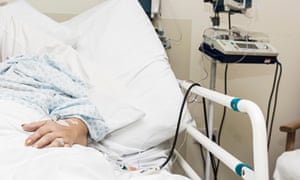
‘It’s the best feeling in the world knowing that you were able to care for someone during their last days’
I saw my first patient death a few months ago, during my first placement on a medical ward. It was a woman with dementia. I was there when the doctor made the decision to remove her oxygen mask. We drew the curtains and I rubbed her leg, just to let her know that someone was with her. I was glad to be there as she took her final breaths.
I still think about her. She was unmarried and had no family. She died alone, but we were there, so I guess she wasn’t completely alone.
We joke about certain things on the ward – obviously nothing inappropriate, but humour needs to come into it. The woman had a pair of glasses, and while I was packing her stuff away to bring down to the morgue, a nurse asked me: “Do you think she’ll be needing them?”. We needed a little laugh.
I don’t think anything can prepare you for seeing a patient die. But as a student nurse, it’s the best feeling in the world knowing that you were able to care for someone during their last days and moments, holding their hand.
I went home, where my flatmates are student nurses with their own experiences of death. We sat down and talked it through, which made me feel better. I’d recommend that to new students: make sure you can talk about losing a patient. There’s lots of support out there. First-year nursing student
‘I feel like being upset, but there’s no time.’ Photograph: Alamy
‘It changes your personality’
Working on the stroke ward was the hardest. Deaths came as more of a shock there because the patient would often have been around for weeks. One morning I admitted a man with his wife. I chatted to them all day – they were lovely. But then he became unresponsive. I did all the tests and noticed that he wasn’t reacting to my voice or pain. His wife was standing right next to me. It was my first emergency situation and I had to comfort the family at the same time. I was trying not to cry in front of them – they were so friendly. It isn’t always the way with relatives when they’re stressed.
Death is more common on other wards. I remember a woman who needed blood transfusions and had to go to intensive care. But she refused. The staff said: “This is serious, you might die if you don’t.” At that point she got quite mouthy.
She eventually said yes to intensive care, but she didn’t get there on time. It wasn’t a dignified death. There was blood pouring out of her in the middle of a transfusion, in front of other patients. She might have been able to recover – but you have to respect the patient’s right to make their own decisions. It was a gnawing feeling, knowing that it could have been different.
The course changes your personality a bit. You cope with stress better after dealing with upsetting situations. It’s like a second skin you develop; I feel like being upset but there’s no time. My philosophy is better nowadays – I’m doing my best to keep people healthy and if the death was unpreventable, I just have to accept it and move on. If I don’t, you can’t be there for the family or the other patients. Third-year nursing student
‘Staff often take the opportunity to teach you even though they’re under a lot of pressure.’ Photograph: Alamy
‘It’s important not to shy away from death. You can learn a lot’
It was my fourth day of being on a ward. The patient was an elderly man who’d been in a traffic accident. It was frightening, only being 18 and experiencing that so soon. I was there with the doctor the moment he passed away.
I was worried to begin with. Sometimes, as a student nurse nobody realises you haven’t seen this stuff before. There were doctors and nurses all around me in a busy, enclosed space. Fortunately, the patient wouldn’t have had any idea of what was going on around him.
When I saw that first dead body, I thought, “I don’t know what I’m doing”. I didn’t know how I was supposed to tell the family, or how to clean a body or who to call. It did knock my confidence. But you get used to it – it doesn’t sound like a nice way to put it, but you do.
I stayed with the doctor while he certified the death. I had to listen to the patient’s breath for five minutes to see if there were any sounds. I was lucky to have a good mentor who made sure I was all right afterwards and explained how to tell the family. The nurses seem grateful to have a second pair of hands. People often take the opportunity to teach you even though they’re under a lot of pressure.
I try not to take any of it home with me. I used to live with other students who weren’t studying nursing. I’d come home and they’d listen to my stories, but no one could really relate. They’d just been at lectures or sleeping in all day. Now I live with nurses, which is a lot easier because they get it.
I’ve found it’s important not to shy away from death. You learn a lot if you get involved as much as possible, right from the beginning of your course. Third-year nursing student
Keep up with the latest on Guardian Students: follow us on Twitter at @GdnStudents – and become a member to receive exclusive benefits and our weekly newsletter.
When I was 16, I spent two months in Italy with my maternal grandparents – then both 88. My grandmother had fallen over some months previously and was bedridden, but my grandfather was still active, physically and mentally; we would regularly play Scopa – an Italian card game – together. His memory rendered him unbeatable.
The family would take it in turns to attend to my grandmother; the more senior adults doing the more serious jobs such as cleaning her, with me doing the softer jobs: combing her hair, giving her a manicure, applying lip salve. When she was very sick, my young cousins and I took it in turns to do the nights. The community nurse, Sabino, visited daily, taking coffee with us in between administering medications. Thirty years later, we are still friends with him. Both grandparents died aged 89, cared for almost exclusively at home (at the very end, my grandfather went to hospital) and by the family.
So it has been for all my elderly relatives in Italy, all of whom lived with, or close to, family. So far, pretty idyllic. That wasn’t the case for my London-based aunt who, because of geographical sprawl and tragedy, ended up in a residential home at the age of 92 – sagacious but frail – and died there three months later. Her main carer, before that, had been my 86-year-old father who most days made the unsustainable three-hour round trip to see her. The last time I saw her in the home, she lamented the lack of family around her. Surrounded by apricot paint and floral soft furnishings, neither of which she had chosen, I cried, feigning a bad cold. The home was nice, but she didn’t leave her life as she had entered it, surrounded by loved ones. And when family matters to you, as it did to her, that is a big deal.
Elder care are two words that strike fear into even the most optimistic soul, because, who really wants to think about getting old and frail, aching and dependent? And when you do have to think about it, because you are at that gate, or a loved one is, you realise you are looking at a fairly challenging landscape. In the next 20 years, the number of people in England over 85 – the most likely to need elder care – is set to more than double, projected to rise from nearly 1.3 million people to just under 2.8 million. This is our fastest growing group (remember that when I talk about the ballot box later).
Added to this, there was a £160m cut in real terms in spending on social care for older people in England in the past five to six years, meaning fewer of them now have the help they need. Age UK predicts that an extra £4.8bn a year is needed just to meet the most basic of elder care needs (such as helping an older person get dressed or washed). Instead, further cuts are predicted. The recent budget promised an extra £2bn over three years, which is a) not enough and b) there’s no indication of where it’s going to come from. Unless it’s “new money” it will just be taken out of someone else’s budget.
Get cancer and your care is paid for. Get dementia and it’s a different story
Sally Greengross, chief executive of the International Longevity Centre, says, “Things have changed enormously because the population has changed – there are many more older people than there were. Part of the trend now is to live longer but one in three of us is going to get some form of dementia [those with dementia account for 80% of people in nursing homes in England, Wales and Northern Ireland] and we will need some sort of care.”
The NHS was founded in 1948. Right at its birth, social care, from whence elder care is funded, and health – doctors, hospitals – were separate branches of the NHS family tree. Nevertheless, in the past 10 years or so, the NHS, like a helpful sibling, has been propping up the social care system to the tune of 16% in 2015-16, equivalent to £1.33bn, something that insiders say is unsustainable and undesirable. If you are ill, your care is free. If you are old, your care might not be – it all depends how much you are worth. Get cancer and your care is paid for until you get better or die. Get dementia and it is a different story. This wasn’t so obvious, 10, 20 years ago when there were far fewer elderly people, but now it matters very much indeed. The Local Government Association estimates that there will be a £2.6bn gap in three years between the money needed and the money in the pot. Caroline Abrahams, charity director of Age UK, says, “If you or I have a medical problem, we go to the GP, who refers us [to a specialist], and we don’t pay. But with social care, very early on it’s about how much money you’ve got in the bank.”
But hang on, you might be thinking. This all sounds a bit negative – I read reports recently that say we’re all living longer, especially if we are from South Korea. That’s true, but there is a difference between life expectancy (going up) and disability-free life expectancy (going down) all with less access to help. In other words, yes, we are living longer, but with increasing needs. By our late 80s, one in three of us will have difficulties with five or more activities of daily living such as washing, going to the toilet or eating.
Although both health and social care are paid for by our taxes, the way they are handled is different. The NHS is funded centrally and social care funding is given to local authorities (councils) from the Treasury according to various criteria. There is no separate allocation for elder care within social care, and how much is allocated to it is decided at local authority level depending on what else is needed within that borough. There may be some adults with disabilities whose needs are very high, for example, who, quite rightly, need a lot of the social care budget. This is why there is such a discrepancy around the country.
The NHS, justly, gets a lot of press, but elder care? Not so much. This is probably because of a mixture of things: healthcare seems relevant to all of us, but elder care is something we can shove into a drawer to think about later. “It’s not a very sexy issue,” says one campaigner, “and we don’t like to think of ourselves or our parents getting old. And politicians know that, even if they put a lot of money into it, they won’t get a lot of reward at the ballot box.” Perhaps that will change when you consider the sheer number of elderly people who can still vote, and the power that they will hold.
While facts and figures are all very good, what does this mean for you or your loved ones? Let’s imagine someone called Donald, who lives in England. Donald is 85 and frail. He needs help to carry out basic tasks such as dressing and washing. Or maybe, later, his care needs will be more encompassing and he will need to go into a home (a nursing home and a residential home are two different things: the former provides medical care and costs more). What then? Donald’s local authority, accessed via social services, should provide him with an assessment of needs, regardless of his financial status.
That is really the only free bit and, even then, there have been cases of some desperate local authorities trying to charge for this (which they are not allowed to do). After assessment, he should have options and these may include a carer at home. But wait! This will only apply if Donald is worth less than £23,250 – that is including all his savings, his house, everything. (In Wales, the figure is £23,750 and in Scotland £25,250.) There were talks of this rising substantially, to £118,000 in 2020, but that has, according to an insider, been kicked into the long grass. If Donald has any more than that, he has to fund, and pretty much find, the care himself.
According to Paying For Care, weekly fees for a home start at £600. In London, £1,000 is not unusual. And in 96% of cases, self-funders tend to pay more – 43% more – than the local authority would have to pay for a room in the same home. In effect, the self-funders are propping up the local authority, which has bargained to drive down the price it pays for beds in homes to stay within budget.
The picture for LA-funded care, at home or in homes, is bleak; this is because it is not financially viable for a lot of home care providers and nursing/residential homes to provide LA places when the private market is so much more lucrative. If you were a nursing home and you could get nearly 50% more for a place and you had a business to run, would you take a private client or a local authority one?
There are now more than nine million carers in England looking after family members
Part of the huge problem we are facing – funding is the big one – is that our health and social care are not integrated and many people now think they should be. “We think it’s a good idea to join things up,” says Abrahams. “We think that for a very simple reason. The people who typically need care are older than 85 and the reason they need social care is because they’re not very well: they may have heart disease, arthritis and may be struggling to look after themselves. Many are spending lots of time engaging with the NHS and they are in need of social care. So it’s much more helpful if all those people are talking to each other. I’m sure if we started again [with the NHS], we’d have it all in one place.” But you still need funding to integrate, and funding comes from taxes and no politician wants to touch that hot potato.
There are now more than nine million carers in England caring for family members; two million of them are over the age of 65 and 417,000 are, like my father was, caring for his sister, over the age of 80 – more than a third of these over-80s provide 35 hours of caring a week. Old people caring for old people. Furthermore, two-thirds of older carers have a health condition or disability themselves. “Without these carers, the whole system would fall to bits,” says Greengross.
You don’t have to be a social scientist to work out that if very old people are caring for older people, that will affect their health, which in turn will make them more in need of help. It is all rather short-sighted.
That rather idyllic scene I described at the beginning isn’t possible or desirable for many – the culture in the UK is usually different, which makes that sort of pooled help, the sharing of the “burden” I described, more difficult. In Italy, none of my elderly relatives are isolated because their children all live with them or are so close that they can bring each other a cup of coffee without it getting cold. Some old folks in this country have no family to look after them or the family simply can’t. In an ideal world, those who can and want to should be able to look after elderly loved ones, but with help as and where needed – with the heavy lifting for instance – not just left to languish and having to fight bureaucracy. There was a letter to the Observer last month from a reader who had looked after her elderly mother in 1993, talking about “the gulf between the soft-focus image of caring for an elderly relative and the grimy reality” and the “lavish by today’s standards” help she got from the council, “but I still suffered from sleep deprivation, stress and physical exhaustion. I was expected to lift my mother from her bed on to a commode, a task usually undertaken by two paid workers.” This woman lasted six weeks before giving in to her mother’s “pleas to be put in a nursing home”.
Before we all rush to book one-way tickets to Dignitas when we are 80, it is important to remember that many older people have no social care needs. I asked everyone interviewed for this piece what they were doing, knowing what they did about old age, to prepare for it. The advice went something like this: make a will, make a living will, put in place power of attorney, have a pension, avoid being overweight, don’t smoke, drink moderately, stay active, think about your needs in old age before you get there and, if necessary, downsize and move to somewhere more suitable, don’t stick your head in the sand about old age, have a social network, stay mentally active, keep out of hospital if you can (a geriatrician told me that 10 days in hospital is equivalent to 10 years of muscle wasting in elderly people), work for as long as you can, and find what you enjoy and do it. That is as much as we have control over. Except, knowing all this, we may also want to start voting for a political party that invests in elder care. You know, just in case.
A clove of raw garlic is an effective remedy for colds and flu, actually, if you don’t want the odor in your mouth after eating garlic, you can drink a cup of garlic tea.
As a good ingredient for colds and viral infections, garlic makes you feel better instantly when you have a cold.
Garlic Tea Recipe
Ingredients:
1 clove of garlic (fresh garlic is top option)
200 ml water
3g of grated ginger
1 tablespoon lemon juice
1 tablespoon raw honey
Instructions:
Cut the garlic clove into small pieces.
Boil the water, then add garlic pieces and grated ginger. Keep boiling the mixture for 20 minutes with low heat.
Turn off the heat and let it cool for some minutes. Strain the contents, add the lemon juice and honey, at last, they will make the garlic odor disappear and make the drink taste fresh.
Have this drink in the morning on an empty stomach.For treating the colds and flu, you can have 2-3 cups throughout the day.
Besides relieving the symptoms of colds and flu, this simple garlic drink will help you fight against various illnesses and improve your overall health as well. It has healing properties and also packed with several vitamins, minerals and antioxidants.
Garlic has many benefits that supported by science, it’s always wise to have this amazing ingredient in your kitchen to improve your health.
More Health Benefits of Garlic
Garlic helps you fight against bacterial and viral infections;
Garlic prevents the formation of clots in the body due to its anti-clotting properties;
The compound allicin in garlic helps in keeping your blood pressure in check, that’s why garlic is a popular natural alternative to blood pressure medication;
Garlic protects your heart from damages;
Allicin also reduces the levels of bad cholesterol;
Garlic maintains your blood sugar at a healthy level;
Regular consumption of garlic also helps beat iron deficiency and anemia;
This common spice also has anti-cancer properties;
If you want to lose weight, eat garlic regularly, as garlic helps regulate the formation of fat cells in your body.
Beauty Uses of Garlic
With antibacterial and antiviral effects, garlic is widely used in treating skin problems such as acne and pimples;
The high levels of allicin makes garlic a good remedy for curing hair loss;
Garlic oil massage is one of the most commonly uses natural remedies for stretch marks;
The antioxidants in garlic maintain your skin youthful and reduce wrinkles.
Household Uses of Garlic
Mosquitoes hate the smell of garlic, simply rubbed a garlicky concoction or some drops of garlic oil on your arms may keep mosquitoes at bay;
A clove of garlic helps you clean your glass easily, rub the garlic juice on the cracks in glass to wipe away any unwanted stuff;
Garlic juice can be added to water, liquid soap to make a natural pesticide. Use it in your garden to keep the pests at bay.
High blood pressure, also called hypertension, is a serious and common condition that can lead to life-threatening diseases such as heart attack, stroke, heart or kidney failure, and more. It is the most common risk factor for cardiovascular disease in the USA and more than 90% of Americans can expect to develop it in their lifetime. According to a report from the American Heart Association, hypertension contributes to nearly 1,000 deaths per day.
What are the causes?
People can have high blood pressure for years without experiencing symptoms or knowing that they have it. The risk of high blood pressure increases with age as arterial walls lose their elasticity. There can be many contributing factors such as:
-More stress -Excess use of medications -Being overweight -Lack of physical activity -Drinking too much alcohol -Excessive salt consumption
What Are The Symptoms?
Dizziness or dizzy spells Headache Nosebleeds
Although medications can lower hypertension, they may cause side effects such as leg cramps, dizziness, and insomnia. A study conducted by the American Heart Association showed that people with high blood pressure who drank 8 ounces (1 cup) of beets and pineapple juices per day experienced a decrease in blood pressure. The reason it works so fast: Beets contain dietary nitrate, which your body converts to a gas that expands blood vessels and aids blood flow.
Pineapple-Beet Smoothie Recipe
Recipe #1
Ingredients:
½ c sliced cooked beets 1½ c frozen pineapple chunks ¼ c celery leaves 1 c vanilla almond milk ½ c fresh orange juice
Directions:
Combine all ingredients in blender and puree until smooth. Enjoy your beet drink!.
Recipe #2
Ingredients:
28.2 ounces (approximately 4 cups) pineapple, sliced Juice of 3 lemons A pinch of cloves 1/2 Tablespoon cinnamon 8 1/2 cups water
Instructions:
Blend the pineapple with a glass of water. Stir the lemon juice and spices into the remaining water and stir well. Enjoy your pineapple drink!.
Other Natural Ways To Lower Hypertension
-Get a vigorous cardio workout of at least 30 minutes. -Try 5 minutes in the morning and at night. Inhale deeply and expand your belly. -Eat potassium-rich fruits and vegetables. -Use less salt in diet. -Drink Coconut Water. -Eat dark chocolate daily. -Ginger-cardamom tea. -Eat more garlic.
Lemongrass grows wild in Southeast Asia and Africa. The native people of these countries have been using it for its medicinal purposes since ancient times. One of the primary reasons why so many people swear by the power of lemongrass tea is for its help in curing insomnia and calming the body down.
How to make Lemon Grass Tea
Ingredients
-2 lemongrass stalks -A pinch of ground cinnamon -Honey or sugar to sweeten (optional) -Boiling water -1 tea bag -Juice from ½ lime
Method:
1. Cut off the root end of the lemongrass stalk and remove any of the any dry outer leaves. Gently bruise the base of the stalk with a rolling pin.
2. Tie the lemongrass in a knot and place in a cup with cinnamon and sweeteners if using.
3. Pour in the boiling water. Add a tea bag and remove as soon as the water is golden brown.
4. Add lime juice to taste and serve with a lemongrass stirrer.
10 Reason to Drink Lemongrass Tea Daily
Insomnia
Lemongrass tea aids in calming the muscles and nerves which helps in inducing deep sleep. Many study shown that lemongrass tea has sedative and hypnotic properties which help in increasing the duration and quality of sleep.
Anti-Cancer Properties
It has been found that 1 gram of lemongrass contains enough Citral to prompt cancer cells to commit suicide! Citral has been shown to cause apoptosis (self destruct) in cancer cells.
Anti-Oxidants
Lemongrass tea help our body to clean toxic to clean our whole body of the toxic compounds present in foods, these types of harmful toxins can be quite damaging to the entire body therefore a good cup of herbal tea can help eliminate these types of toxins from the system.
Helps Digestion
Lemongrass tea promotes healthy digestion. It has antiseptic compounds that effectively kill bad bacteria and parasites in the digestive tract and repopulate the good bacteria in the colon.
Lowering Fever
Lemongrass is also known as the ‘fever grass’, its anti-pyretic and diaphoretic effect of lemongrass is extensively used in Ayurvedic medicine for curing fevers by inducing sweating.
Reduces Arthritis Pain
It has anti-inflammatory and pain-relieving properties that helps us to treat arthritis, rheumatism, gout and joint pain. Its anti-inflammatory properties help suppress the activity of cyclooxygenase-2, an enzyme involved in inflammation that causes pain, especially in joints.
Lowers Cholesterol
The anti-atherosclerosis properties of this herb prevents the intestine from absorbing excess cholesterol. Additionally, it helps oxidate bad cholesterol (LDL) in the blood, indirectly preventing the build-up of plaque in the arteries.
Improves Eye Health
Lemongrass tea can assist you to keep the eyes in optimal health, since it includes vitamin A. Vitamin A not just performs a crucial role within your defense mechanisms, but it also performs a crucial role within your eye health as well.
Fights Depression
The antidepressant properties of lemongrass help treat depression. It activates the release of serotonin, a chemical in the brain that combats depression. Lemongrass relieves anxiety, boosts self esteem, uplifts spirits, gives confidence and improves mental strength.
Just the word “teenager” conjures up images of young people laughing and devouring food. Adolescents seem to have voracious appetites, and parents sometimes refer to them as “bottomless pits” when it comes to food consumption. While it’s tempting to keep convenient foods on hand that they can grab on the go, those foods might not give them the fuel that they need for proper mental function. Instead, they need a balance of fats, proteins, amino acids and other essential nutrients in order to focus on their school work.
The Teen’s Developing Brain
Your teen’s brain keeps developing until his early 20s, according to Dr. Neville Golden, the chief of adolescent medicine at Stanford University School of Medicine in California. If a teen doesn’t ingest proper nutrition during this time, he will struggle with learning new tasks and information. In addition to proper hydration and rest, the food he eats will provide him with energy for growth.
An Overview of Essential Nutrients
The American Academy of Pediatrics states that teens need three meals per day and two healthy snacks. Instead of labeling foods as “good” or “bad,” they should be sure to eat foods that help the brain. They emphasize what we have heard for years — the importance of breakfast, especially when teens have a test. That first meal of the day should include protein, complex carbohydrates and healthy fats, carrying your son over until lunchtime. If he doesn’t eat at all, he might feel sluggish and struggle with concentration. This quick guideline will help you plan for your teen’s food consumption needs:
Calories – Teen boys need about 2,800 calories per day — more than any other group of individuals.
Protein – Your son should consume between 45 and 60 grams of protein daily, slightly more if he is active or involved in sports. The intake of proteins and amino acids can affect general health, including weight, temperament and sleep schedules.
Fruits and vegetables – Males need about two cups of fruit daily, which delay aging, and three cups of vegetables to protect decision-making skills.
Antioxidants – These provide the brain with energy and fight off free radicals.
Fat – While the AAP places a recommended limit of 30 percent of daily calories — or about 930 calories — for teens, these should come from foods such as eggs, avocados, salmon, coconut oil, nuts and olive oil. While saturated and trans fats compromise brain function, Omegas 3 and 6, the superstars of fats, boost brain performance. These must come from the diet, usually in fatty fish and nuts.
Carbohydrates – At least half and up to 60 percent of a teen’s calories should come from carbs, or about 130 grams of carbs daily. You can find great sources in whole grains, peas, beans and vegetables. Avoid processed foods, such as sugary drinks, candy and syrup. Another great source of complex carbs, found in whole grains, is brown rice or popcorn.
Calcium – Teens need about 1,300 mg of calcium daily. They can obtain the necessary minimum requirement in calcium-fortified products and dairy. Kale, an often-overlooked source of calcium, also boasts of plethora of additional vitamins.
Additional necessary nutrients include from 8 to 11 mg of daily iron and 600 IU of Vitamin D, usually found in milk or dairy products but also metabolized from the sun.
Carrots have been a part of the human diet for centuries, and even today due to their low cost, long storage life, and numerous health benefits. It is a rich source of vitamin A, phytochemicals, vitamin C and fiber. A cup of carrot juice contain 100 calories and it is for overall health specially organs like the skin, eyes, digestive system and teeth.
Carrots contain more water; it contains proteins, dietary fiber and fat. The zeaxanthin and luthin carotenoids contained in carrots are useful for good vision and eye health.
Homemade Delicious Carrot Juice
Ingredients:
-6 medium carrots scrubbed -1-inch piece fresh turmeric -1-inch piece ginger root -1/2 medium lemon, peeled -1/2 cup filtered water -1/2 teaspoon cinnamon
Directions:
-Push the ingredients through your juicer with the water, and enjoy pulped, or strain with a fine mesh sieve. -Stir through the cinnamon. -Enjoy
8 Reason to Drink Carrot Juice Everyday
Great Antioxidant
The carotenoids present in carrots also act as antioxidants, it fighting free radicals in your body and also slowing down the process of ageing. Antioxidant rich foods help to clearing up toxins from the body, and can help in preventing cancer and heart disease.
Prevents Cancer
Beta-carotene consumption has been linked to a reduced risk of several cancers such as lung, colon and breast cancer. Consumption of Beta-carotene foods per day reduced lung cancer risk by more than 40 percent.
Improves Eyesight
Deficiency of vitamin A can decrease our vision mostly in dim light. Since carrots are rich in vitamin A, it is good for improving eyesight and preventing conditions like night blindness from developing as we age.
Good in Pregnancy
Drinking carrot juice regularly during pregnancy, especially during the last few months, will reduce the chances of jaundice in baby.
Prevents Aging
The beta-carotenoid in carrots instantly turns into vitamin A once it enters the body. Therefore, drinking carrot juice can help in reducing cell degeneration, and it can also slow down the aging process.
Boost Immunity
A glass of carrot juice will provide you with all essential nutrients that will boost your immune system. A healthy immune system will fight bacteria and prevent infections. This also lowers level of inflammation in the body.
Regulate Blood Sugar
Researchers believe that carrots may also be able to help regulate your blood sugar. This is due to their high content of carotenoids, which have been inversely associated with blood sugar levels which are high.
Strengthens Bones
The vitamin K present in carrot juice contributes in the protein building process of the body. Aside from that, it also supports the binding of calcium, that can result in faster healing, especially if you have broken bones.
Cannabis, one of the world’s most beneficial vegetables, and its juice is too powerful. Cannabis is a flowering plant that is mostly found in Central Asia and South Asia region. Marijuana is obtained from the plant Cannabis therefore the Cannabis is also known as Marijuana. Its plant’s leaves and buds are actually loaded with antioxidant, anti-inflammatory, and anti-cancer compounds. These compounds are known as cannabidiols (CBD) and they make cannabis so powerful.
Cannabis plants actually produce cannabinoids in their acidic forms only, which are then converted to THC and CBD after being heated or aged. Decarboxylation is the chemical reaction responsible for this conversion.
Read: Study: Passion Flower Found to be Effective as Synthetic Drugs for Generalized Anxiety Disorder(GAD)
Health Benefits To Juicing Marijuana
According to Dr. William Courtney, juicing cannabis is the healthiest, most beneficial way to consume this amazing plant. He claims that many of the same illnesses that are treated with cannabis can actually be prevented through the regular consumption of raw cannabis juice and has treated over 7,000 patients using this method. It is useful in treating-:
Read: Astragalus- Herb That Stops Aging, Decomposes Cancer, Repairs DNA & Fights Type 2 Diabetes
How To Prepare Cannabis Juice?
In order to juice cannabis it must be fresh.
-When it comes to juicing, as with any vegetable, the fresher the better. -Cannabis that has been dried and prepared for smoking is not suitable for juicing. -Dr. Courtney recommends that patients juice 15 leaves, and 2 large raw buds per day. -Raw buds are flowers harvested when the THC glands are clear rather than amber. -It is recommended that you mix in another vegetable juice to cut the bitterness of the raw cannabis. -A popular choice is carrot juice, and a ratio of 1 part cannabis juice to 10 parts carrot juice is a good rule of thumb. -Split the drink into 3 parts and drink with each meal, or store for up to 3 days in a tightly sealed container in the refrigerator.
You already know that beets are an extremely nutritious food. It is packed with healthy nutrients, vitamins, calcium, iron, potassium, and protein. Beets juice is richest sources of antioxidants and naturally occurring nitrates compounds, which improve blood circulation throughout the body including the brain, heart, and muscles. Beets juice also detox the liver and help in colon cleansing.
Beet Juice Recipe For Liver & Colon Cleansing
Ingredients:
-3 Organic Carrots -1 Organic Beet -2 Organic Red Apples -6 Organic Kale Leaves -½ inch of ginger root -½ organic lemon, peeled
Directions:
-If you don’t have a juicer, just use a blender filled with one to two cups of water. -Place all of the ingredients in a juicer and juice or a blender and blend. -If you used a juicer, make sure to stir with a spoon. -If you used a blender, make sure to strain everything using a colander and then mix with a spoon. -Serve with some ice to keep it cool and enjoy! -You can use mason jars to store it for later.
Beets Offer Liver & Colon Detox Support
The best way to get all benefits of beets is through juicing. Beets are an excellent food for detoxification. It contains a more “dietary fiber” which contains pectin polysaccharides, which are thought to be more effective at cleansing the liver, colon and digestive tract. Beets contain flavonoids nutrients that are essential for your liver and colon to work effectively. Betaine is another nutrient in beets that promotes the flow of bile for better digestion and improves liver detoxification.
Boost Brain & Improve Blood Circulation
Beets are a nutritional powerhouse and so is the juice. Beets are high in natural nitrates, which are converted to nitric oxide in the body. Your brain needs good blood flow to function optimally. A new study found that drinking beet juice increases blood circulation to the brain’s and boost brain activity because it increases levels of nitric oxide, a gas that improves blood flow, it expands the walls of blood vessels so you can get more oxygen and more energy as well as lower blood pressure.
Undoubtedly a single the bigger healthcare stories this week was the unveiling of a new program by three Republicans to “repeal and replace” Obamacare. As the President’s signature legislation actually takes hold, the actuality and mechanics of any sort of “repeal” are quickly fading into oblivion, but that doesn’t cease the use of the phrase and the acceptance of the idea.
Even though a lot of by no means gave the prospect of an actual repeal any severe thought, the phrase is bold and well-liked as a way to register strong disapproval of the present legislation. It’s a little like throwing the red challenge flag in football – or content articles of impeachment at a politician. It’s dramatic and sounds forceful. As straightforward as it’s been to embrace the “repeal” side, up till now there has been tiny to present for the companion “replace” side.
Unveiled on Monday, this new program does open with the familiar repeal refrain – but is also substantive on components made to actually change Obamacare (eight page PDF right here). Timing in D.C. currently being what it is – it is tough to see this as anything at all but a clear hard work to deflect interest away from the President’s State of the Union tackle on Tuesday.
As expected, plenty of coverage in numerous distinct instructions for this new plan which was dubbed the Patient CARE Act (PCA). Some have already elected to rename it so as not to be confused with the official title for Obamacare – the Patient Protection and Reasonably priced Care Act (PPACA). One rapid summary from Ezekiel J. Emanuel (NYT paywall right here) framed the key differences to Obamacare this way:
one) “Pre-current conditions would be rolled back” [loosely based mostly on any lapse in health coverage]
2) Shrink Medicaid expansion by providing states a fixed amount per enrollee
3) Include a new revenue tax on employees for at least 35% of their employer-sponsored overall health insurance coverage
This final one is the actual shock-and-awe bombshell – and one particular that Forbes colleague Matthew Herper captured succinctly with his headline: The Proposed Republican Replacement For ObamaCare Is A Huge Tax Hike (right here).
It is still early in the trajectory (either sink or swim) for this new “PCA,” but 1 thing it does highlight is how we might have reached a sort of healthcare cost saturation. There are simply no legislative gimmicks, games or alternatives around the final and ultimate wallet – all of us as consumers. For some die-difficult GOP faithful, this alone is an historic occasion – a sizable and transparent tax on operating Americans.
There were other tips as nicely, but some were hard to see as remotely viable technically or remotely profitable with crucial swing voters. Two of these have been:
“However, under our program, each American will be ready to access a health prepare, but no American is forced to have health insurance coverage they do not want. So, if an individual did not like the first default program chosen for them, they would be capable to switch plans, or affirmatively opt-out of coverage altogether.”
Welcome back junk wellness strategies. With no minimal or Vital Well being Rewards, it is back to the gamification of healthcare programs, options and costs. It just defies any actuarial science or logic for men and women to be in a position to choose and pick a wellness prepare “that very best meets their individual wellness care requirements.”
The 2nd was targeted straight at non-Americans.
“Individuals with annual income over 300 percent FPL would not be eligible for a credit, and only American citizens would be eligible for a credit score.”
That does not imply that non-Americans cannot purchase overall health coverage, but that they wouldn’t qualify for any subsidy if their income was beneath 300% of FPL.
Yet another GOP scorching button situation was also proposed – medical malpractice reform. As usually, it is proposed as significantly necessary to curtail “junk lawsuits and defensive medication.” Sadly, the research referenced in assistance of this concept was from 2007. Much more current research suggest that both health care malpractice claims and insurance coverage fees over the last 6 many years in specific are declining. This headline from October of final 12 months is a good instance of more latest proof against any dire want.
Malpractice Premiums Drop For 6th Straight Yr – Rober Lowes, Medscape Multispecialties – October ten, 2013 (right here)
This quote from that write-up helped to refute not only the age of the information, but the require altogether.
“It can make sense that premiums are going down since malpractice litigation is going down,” stated Taylor Lincoln, a analysis director for the buyer watchdog Public Citizen, in an interview with Medscape Medical Information. Lincoln’s organization announced in August that the quantity of malpractice payments on behalf of physicians as reported to the National Practitioner Information Bank fell for the ninth consecutive 12 months in 2012. Public Citizen maintains that malpractice litigation can’t be blamed for runaway healthcare charges.”
A Republican sponsored tax on operating Americans. I know it’s winter – and unseasonably cold in a lot of parts of the country – but did hell just freeze above? Clearly we’re running out of techniques to filter, stratify and categorize coverage. Possibly this will help to accelerate the core dilemma – and my favourite subject for 2014 – healthcare value.