gave etiketine sahip kayıtlar gösteriliyor. Tüm kayıtları göster

18 Ocak 2017 Çarşamba

I gave up medicine to make a real difference as an entrepreneur

The paediatricians who started a children’s medical education organisation


Paediatricians Dr Kate Hersov and Dr Kim Chilman-Blair started Medikidz, a children’s medical education organisation, after becoming frustrated at the lack of resources to help explain health conditions to children.


“As a doctor, I could see this lack of knowledge was leading to fear, isolation, added anxiety and sometimes anger in children that already had the weight of the world on their shoulders,” Hersov says. “We did a lot of research and [decided to use] comic books and superheroes. It’s an amazing medium that spans age range and culture [and is] fantastic for low literacy.”


The first issue, which covered asthma, was published seven years ago. Today, the business has offices in London, New York and Sydney and has distributed more than 4.5m comics in 30 languages to hospitals and clinics across 50 countries. They’ve covered hundreds of conditions that affect children and their loved ones. The most popular so far have been those that cover ADHD, autism and breast cancer.


Each title is written by a doctor on the Medikidz team and sponsored by a private healthcare company, such as Johnson & Johnson, Siemens or Pfizer, which enables the company to distribute the comics for free. Patient groups, leading physicians, nurses and patient families are all consulted on the content before it goes to print, an exercise that usually takes four months.


“It’s very much a collaborative process,” Hersov says. “We believe that to create the best content, you need the perspective of a lot of different voices.”


Although Hersov no longer works as a doctor, she still believes she’s making a real difference to healthcare as an entrepreneur. “The response has been fantastic. Really the best part of Medikidz for me is the feedback from the children and young people who are touched by what we do.”


The midwife who set up an app to help expectant mothers with health advice


Hannah Harvey, founder of the UK’s first health advice app run by midwives, has always been interested in using digital tools to make healthcare more accessible. She still works night shifts as an NHS midwife, but launched Ask the Midwife in July 2016.


“There was a US study that suggested 84% of pregnant women use the internet for health advice,” she says. “So I [wanted to] create something where they could ask questions, instead of using Google or parenting forums.”


The app already has 2,500 users, who can connect with 40 midwives across the UK for a small charge (starting at £1.99). Harvey has plans to expand the business’s offering to video and face-to-face consultations, and hopes to work in partnership with the NHS in the future. “We are there to offer an advice service for non-urgent concerns [so] midwives working in clinical practice [can] focus on continuity of face-to-face care,” she says.


It’s a model the midwives are behind. When Harvey advertised for consultants online, she received more than 500 applications in three days. The midwives all have at least three years’ experience and get paid commission per question they answer. Many manage the work around their NHS shifts.


“I wanted a service for women and their families but it’s been beneficial for the midwives as well,” Harvey says. “Sometimes they need extra work [particularly after they’ve had children], and that’s hard to find outside of clinical practice. We’re really filling a gap there, which is fantastic.”


The biggest challenge, she adds, has been making sure the service is compliant with midwifery regulations and data protection legislation. After months of discussion with lawyers, the Nursing and Midwifery Council and the Care Quality Commission, the advice service is regulated by the Federation of Antenatal Educators.


“‘I believe there is a big market for digital healthcare services,” Harvey adds. “We don’t want to replace triage and community services but rather run alongside them to alleviate the pressure on our NHS.”


The GP who set up a business available across six countries in 19 languages


Dr Mohammad al-Ubaydli saw the difference technology could make to medicine during his ward rotation while at university. After spending a year as a GP, al-Ubaydli went into research and wrote a number of books on IT and healthcare, the last of which proposed giving patients access to their medical records.


“That got me obsessed with the problem,” he says. “I spent a year trying to convince IT directors [to develop something]. But they weren’t doing it at the scale and the pace that I wanted. So I did it myself.”


Patients Know Best, is a platform that contains a patient’s medical records from various healthcare professionals including GPs, hospital staff, social workers and mental health providers. Patients can track symptoms, connect wearable activity devices and message their consultants securely. The business launched in 2008, and is now available across six countries, in 19 languages. Approximately half a million patients use the service.


The success of the business, which secured £5.7m of investment (paywall) in 2015, lay in convincing institutions of the benefits and working collaboratively with them to overcome their initial reservations. The platform has been shown to save time on both sides of the consulting desk – doctors have found that “just in case” appointments are reduced because patients can ask questions online. It empowers the patients – they invite doctors, nurses, carers and relatives to view their records, rather than the other way around. And it enables remote monitoring – an epilepsy team in Peterborough, for example, could view uploaded videos of seizures at home to produce better diagnoses.


Some may argue the business world is incompatible with medicine, but al-Ubaydli believes that everyone working in the healthcare sector has an obligation to make it better.


“A lot of people go through [medical training] thinking there’s only one way to do things and there’s only one way to make a contribution … [But] if you see a problem, you’ve got to fix it. Healthcare will not be fixed without people doing that every day, with every problem that they see.”


Join the Healthcare Professionals Network to read more about issues like this. And follow us on Twitter (@GdnHealthcare) to keep up with the latest healthcare news and views.


I gave up medicine to make a real difference as an entrepreneur

18 Kasım 2016 Cuma

A moment that changed me: meeting my late love Denise, who gave me the courage to come out | Lisa Alabaksh

My university seminar had just finished, and I was standing in line at the refectory, grumbling about a man who had suggested any woman who disagreed with him must be a lesbian. “Well, I am a lesbian so I don’t know what he’d say to me,” said Denise Marshall. It was the first time we’d met. I was enchanted.


This was early 1992 and I’d been pretending to be “straight” for quite some time. I didn’t ever use the word lesbian. If my sexuality had been spoken about at all – which it definitely wasn’t – I would have used the word gay.


To meet a woman so out and so absolutely gorgeous … well … I was hooked. I didn’t know, of course, just how far my life would go with the funny, red-haired woman in a duffel coat, but we were friends immediately, laughing at both being from Tottenham, just up the road from the Middlesex University campus in Enfield, when all around us were people from proper “up north”: Tracy from Manchester, Wendy from Bradford, John and his twin from somewhere “not London”.


We were funny and flash in our north London cockiness. We thought so, at least.


Denise was profoundly political, a feminist and socialist to her core and deeply delighted by her life as an out-and-proud lesbian activist. Every Thursday afternoon, while the rest of us sat around smoking, Denise would go off to work with a group of Kurdish women who needed housing. I didn’t even know what Kurdish was at the time.


For the next three years, Denise held court after lectures and many people listened. Me most of all. She hadn’t been around heterosexuals for many years, she said. She had been a development worker for Stonewall, helping to set up housing projects for vulnerable young lesbians and gay men. University was full of straight people. She was fascinated by them and it made her fascinating. She also knew from our first meeting that I wasn’t being true to myself. She didn’t say so directly. But because she presented being a lesbian as a beautiful privilege, she made me realise I could live differently.


Denise organised a group of us to go to the May Day rally in 1992, and soon we were all reading her two favourite books: The Ragged-Trousered Philanthropists by Robert Tressell and Sour Sweet by Timothy Mo. She taught me about feminism, class oppression, the importance of caring for our communities, of working to right wrongs. Pretty soon I was out of the closet, and with Denise’s encouragement I went to Gay Pride, had some fine fun flings with fabulous women, and my life took off. Denise was an education in herself and I spent every moment I could with her.


My secret life faded and I found liberation in living honestly. Our friendship deepened, I moved in as Denise’s lodger, and then one day, it all changed. We became lovers.


This was 1995, and Denise had become the manager of a women’s refuge. I had graduated as an English teacher and the internet had just arrived. Like the rest of the world, we had no idea what that dial-up tone would mean and where it would take us. We had no idea what becoming lovers would come to mean either, but our love was wild and wonderful, and neither of us had ever been happier. It was a golden time of feminism, lesbianism, freedom and hope. We adored each other.


Ten years later, not long after I became a headteacher, I collapsed one day, insanely tired following an Ofsted inspection. An emergency brain scan led to a diagnosis of multiple sclerosis. I had to retire from my job, and was told I would soon need a wheelchair. It felt like my life was over. But it wasn’t. I still had Denise.


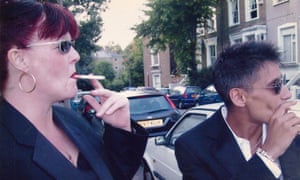
Denise Marshall and friend


‘Denise’s final Facebook post asked friends to look after me, and they did.’ Denise Marshall and friend. Photograph: Lisa Alabaksh

She became CEO of Eaves, a feminist charity specialising in support, advocacy and research into all aspects of violence against women. Eaves changed policy and perceptions around trafficking through its Poppy project, and the work was respected worldwide. Funding was cut with the advent of the coalition government in 2010, and Denise was heartbroken. But she was a force of nature, and kept the Eaves projects going, as well as writing two novels, travelling the world for adventure, playing poker and using social media with a political passion.


In August 2015, our life together ended. Denise died of stomach cancer, and Eaves closed two months later – a double devastation. Through sickness, diagnosis, treatment, pretty much up to the end of her life, Facebook had been Denise’s link to the outside world, and in those early minutes, hours, days and weeks of grief it became mine too. Posting on Facebook was my way of not drowning, because online, there were friends. Real friends; people I’d actually met and who knew Denise. I would write, sometimes in the dark, desperate hours of insomnia, and someone would be there. Facebook saved my life. Denise’s final post asked friends to look after me, and they did.


By the time of my first birthday without Denise, I had posted some 60,000 words. She was loved by so many and she was missed so much, personally and professionally. People told me it helped to read my posts, and that message helped me. One day, two friends brought a manuscript around, made up of the posts I’d written, and from there this became an actual book and my life changed again.


Now I am a published writer who has a life that includes people I really don’t know but who now know me. Sort of. The book is an out-and-proud story of lesbian love, feminist fire and a universal recognition that everyone can be stronger for longer with a bit of kindness and compassion. It is about surviving the swim across the oceans of grief and finding hope in the heartache. It is about love.


The moment I met Denise Marshall, I found my life’s passion – working to end violence against women and girls – and I took the first step on the path to living openly and happily as a lesbian, as who I am. Because of Facebook, I have been able to survive the greatest loss of my life. Along the way, I’ve tried to live according to a mood and a mindset I call Hahalala – health and happiness and love and laughter all. This outlook and expression came to me after my own recovery from sickness. Although Denise would often roll her eyes at my cheeriness, she too was an optimist and she loved and believed in the concept.


In the last days of her life, I asked how she had done it all, how she was still managing to raise a smile, how we were all going to survive without her. She smiled the smile that enchanted me the first time I met her, in that refectory queue, 23 years earlier. “It’s a case of having to, my darling,” she said.


A moment that changed me: meeting my late love Denise, who gave me the courage to come out | Lisa Alabaksh

4 Kasım 2016 Cuma

Woman who gave birth in her car gets $7,400 bill for hospital delivery room

Paula D’Amore was never expecting to give birth in the backseat of her Jeep. A few hours after she felt a contraction on 7 April, she loaded into the car and her husband started driving to the hospital, only to feel a burning sensation as the car pulled into its driveway.


“Never in a million years wouldI havethought this would happen,” D’Amore said.


Her husband ran into the hospital to tell the staff his wife was in labor. As he came back and opened the door, the baby began crowning and he was forced to deliver the head. Moments later, a few nurses joined at the car and a midwife helped complete the delivery of her newborn daughter, Danielle.


Only after giving birth in her car was she taken to a recovery room because all the labor rooms at the Boca Raton regional hospital were full.


Given that she gave birth in her car, D’Amore was shocked to receive a hospital bill that charged her more than $ 7,400 for a delivery room. She is also disputing an additional $ 4,000 bill for a time her daughter spent in the neonatal intensive care unit.


“I laughed,” she said when she got the bill. “You gotta be kidding right? How do you charge for something that you didn’t do?”


D’Amore and her husband switched to a $ 5,000 high deductible insurance package that she had saved up for in preparation for the pregnancy, so her expenses will be capped at $ 5,000 and she has not disputed payment for other services, including the midwife. But she refuses to accept the hospital room charges given that she gave birth in the car.


“I cannot swallow seeing that they have the audacity to charge $ 7,000,” D’Amore said.


Labor and delivery are among the most expensive healthcare costs in the US. According to a 2013 study by Truven Health Analytics, the cost of childbirth in the US has tripled since 1996. Truven also found the average price of pregnancy and newborn care for a baby was approximately $ 30,000 for vaginal delivery, and $ 50,000 for a C-section. Delivery costs alone are an average of $ 10,000 and over more than $ 15,000 for a vaginal or C-section respectively, according to the International Federation of Health Plans (IFHP).


After working with counsel provided by her husband’s employer, she took her grievances to the hospital who said they found nothing wrong with the charges after two reviews.


“Boca Raton Regional Hospital has reviewed the matter, understands the concerns of this patient, and has previously attempted to resolve the outstanding balance concerns with the patient,” Thomas Chakurda, vice-president of marketing at Boca Raton regional hospital, said in a statement. “The hospital appropriately bills for the medical services and care it provides and has determined that the level of care provided and billing were appropriate in this instance. We take all of Mrs D’Amore’s concerns seriously and are willing to review them further.”


Woman who gave birth in her car gets $7,400 bill for hospital delivery room

27 Ekim 2016 Perşembe

Emily wanted to die when her son was taken. Nurses gave her a future

“If my children were ever taken off me, I wouldn’t survive the day,” was my sister’s emotive, yet understandable, comment when we were discussing the impact losing your children could have on your mental health. It made me think of a woman I had worked with, Emily.


Emily had her son taken off her after she had attempted to kill herself. The boy, Jacob, was pre-school, and the decision by social services was made in her best interests. Emily had been in an abusive relationship and was struggling to cope. She had serious mental health problems as well as a history of childhood abuse, so coping was not something she was good at. She had always refused to engage with mental health services for fear that it would result in Jacob being taken away. The tragedy is that engaging with services was probably the only thing that would have kept their family together.


After further attempts to take her own life, Emily was detained under the Mental Health Act and admitted to the mental health ward where I worked. At this point, Jacob had been taken away by social services. Emily was told Jacob would be adopted; she could have phone contact until then and one final visit to say goodbye.


Initially she could not accept this and just wanted to die. It was one of the hardest cases I have experienced. She was right – what did she have to live for now she had lost Jacob? How could she continue feeling this pain and despair for life? As a team – nurses, doctors, occupational therapists and psychologists – we worked tirelessly with her to instil some sense of a future. Jacob was going to grow up loved, in a safe and secure environment unlike anything Emily had ever experienced. Her son had a positive future and she could take some comfort in that.


We focused on preparing Emily for her last contact with her son. She made her own plans about what she wanted for the two of them, and we supported her to achieve it. Emily was brave and made sure she could hold it together until Jacob had left, and then her world came crashing down.


Part of the preparation included talking to Emily about her suicidal thoughts and talking to her about what we could do to minimise the risk. We kept her safe while she grieved the loss of her daughter. We then worked with her to create the positive future she wanted for herself. This started with her keeping herself safe on the ward, one day at a time. We then looked at a longer term placement where she could get the intensive psychotherapy she needed to manage her mental health issues, heal from the hurt of the past and come to terms with losing Jacob.


Every day mental health nurses help people like Emily, who feel they have nothing to live for. Every day mental health nurses save lives. According to a report by the Mental Health Taskforce Strategy (2016) more than 14,000 people who have killed themselves between 2003 and 2013 had been in contact with mental health services; this is only just over a quarter of all suicides in that time. The same report acknowledges that suicide rates for mental health inpatients are declining, but sadly it is only the people we don’t manage to save that make the headlines. I am glad that we were able to help Emily and she hasn’t become another statistic.


Names and some details have been changed


If you would like to contribute to our Blood, sweat and tears series which is about memorable moments in a healthcare career, please read our guidelines and get in touch by emailing sarah.johnson@theguardian.com.


Join the Healthcare Professionals Network to read more pieces like this. And follow us on Twitter (@GdnHealthcare) to keep up with the latest healthcare news and views.


Emily wanted to die when her son was taken. Nurses gave her a future

16 Eylül 2016 Cuma

‘My therapist gave me a pill’: can MDMA help cure trauma?

For as long as Alice, now 32, can remember, her father, “a major drug dealer with freezers full of cocaine”, was physically abusive towards her and her mother. “My first memory is of him backing us to the front door with a gun, saying he’d kill her, kill me and kill himself one day.”


Alice’s post-traumatic stress disorder (PTSD), a debilitating mental condition that can be caused by experiencing or witnessing a life-threatening event, went misdiagnosed for many years. The panic attacks, body shakes, nightmares and insomnia took their toll, while doctors treated her for depression and anxiety. There were many triggers: physical contact, being alone, showering, seeing someone who resembled a family member, loud sounds, even a red baseball cap – the kind her father wore. He and his friends also sexually abused her on numerous occasions. The disorder imprisoned Alice; she couldn’t answer the phone or go to the shops on her own. “I would get triggered by something and I’d shake or shiver,” she says.


The MDMA just pulls things out of you. There were times when I just sat up and started talking


Alice, clinical trial patient


Over the years, she tried talking therapy, somatic therapy, and eye movement desensitisation and reprocessing (EMDR), in which a therapist moves his or her fingers left and right in front of a patient’s face as they recount their trauma (the eye movements seem to dampen the memories). Nothing worked.


Then, two and a half years ago, Alice enrolled in a clinical trial for a treatment combining psychotherapy with MDMA, near her home town of Erie, Colorado. She took 125mg of the drug, the same dose a clubber might take recreationally, three times over the course of 12 weeks. Her “trips” were accompanied by eight-hour therapy sessions. “I sat on a comfy couch and my therapist gave me a pill in a little handmade ceramic cup,” she says. “It had a ritualistic feel to it. I was terrified the first time.” Having taken the capsule, Alice was given an eye mask and headphones, and lay back listening to drum music until the drug, which she’d never taken before, kicked in.


“The MDMA just pulls things out of you,” she says now. “It supports you. You can start looking at all your experiences and how they are affecting you. There were times when I just sat up and started talking. Or I’d cry. Or there were moments of re-enactment. Physically, I felt like my whole body was vibrating for a while.”


During the session, her psychiatrist guided the conversation according to goals she had set with Alice beforehand. “I had the first few minutes of peace I’ve had in years,” Alice says, though the sessions weren’t all plain sailing. “Some parts were wonderful and others were kind of hellacious. I was super-sad and couldn’t stop crying. It was not just an automatic love drug. But I was always able to come back to feeling good.”


Alice’s recovery was astonishing. The gold-standard assessment tool for this kind of trauma is the clinician-administered PTSD scale, or Caps, which uses a lengthy questionnaire to determine the severity of a patient’s symptoms (sample question: have there been times when you felt emotionally numb or had trouble experiencing feelings like love or happiness?). Any score over 60 is “severe”. Alice’s score went from 106 to two. It’s now at zero. In other words, her PTSD is gone.


Alice is one of 136 patients who have now undergone MDMA-assisted psychotherapy in trials run by the not-for-profit Multidisciplinary Association for Psychedelic Studies (Maps), based in Santa Cruz, California. Maps was founded in 1986 by Rick Doblin, then a trainee therapist, and now an effervescent 62-year-old who has dedicated his life to studying the medical uses of psychedelic drugs, including psilocybin (magic mushrooms) and marijuana. “It’s taken 30 years to get to this point,” he says. “I’ve always known MDMA would work, but it’s been really gratifying to see such tremendous results.” He has studies nearing completion in Vancouver, Colorado, South Carolina and Israel, with plans for more in Australia.


Doblin and his colleagues want to make the drug a prescription medicine. It is currently listed as a Schedule 1 substance by the US Drug Enforcement Administration (DEA) and a Class A drug by the Home Office in the UK, along with heroin, cocaine and LSD. So far, the Maps studies have been relatively small, but the results are encouraging. One South Carolina study involved 20 patients, mostly victims of sexual abuse, who had suffered from PTSD for more than 19 years. It was a placebo-controlled study, so all patients were given the same therapy, but only some were given the MDMA; 83% of those given the MDMA no longer met the criteria for PTSD following treatment, compared with 25% of those who were not given the drug. Best of all? The results have held for several years.


Rick Doblin


Rick Doblin, founder of Maps, has spent 30 years studying the medical uses of psychedelic drugs. Photograph: Gretchen Ertl

But the real test will be next year’s phase three trials, the final stage of validation required if MDMA-assisted therapy is to be legalised. (Around 50% of all medical treatments fail at this stage.) A phase three trial requires bigger groups, at least 230 people, around the world. Once two trials are completed, and provided the results still look positive, the data can be submitted to the US Food and Drug Administration (FDA) and the European Medicines Agency for approval. In theory, MDMA could be legalised for therapeutic use by 2021.


MDMA is not a silver bullet: treatment is heavily reliant on the accompanying therapy, and there is a lot of therapy: three monthly sessions with the drug, lasting eight hours each, punctuated by nine weekly 90-minute sessions without it.


International guidelines recommend the first line of treatment for PTSD should be EMDR or cognitive behavioural therapy; but it can be very hard to treat. “Perhaps 50% of people will have resistance,” says Jonathan Bisson, professor in psychiatry at Cardiff University. “We need new treatments.”


Antidepressants and anti-anxiety medications are already big business for pharmaceutical companies. According to a 2008 US Veterans Association study, around 80% of veterans diagnosed with PTSD are given psychiatric drugs. But a 2015 study in the Journal of the American Medical Association found that around two-thirds of veterans still meet the criteria for a PTSD diagnosis after treatment.


Nevertheless, the US military continues to spend huge sums on drugs and disability payments. The Veterans Association says that, of nearly the 1.5 million former soldiers receiving compensation, 870,000 have PTSD, and their treatment costs the government as much as $ 17bn (£12.7bn) a year. (In the UK, the Ministry of Defence pays £875m ($ 1.16bn) a year to those bereaved or injured through service; this figure covers mental and physical disability.) Doblin argues that if even a small portion of those funds were allocated to MDMA-assisted therapy, significant savings could be made. “To make MDMA into a medicine will cost around $ 30m,” he says. “If it works, it could save hundreds of millions, if not billions, of dollars a year.”


MDMA use under medical supervision is a world away from someone necking a load of pills at a rave


Harry Shapiro, DrugWise


If the FDA approves the drug, the DEA will have to decide whether to declassify it to Schedule 2, alongside morphine, opium and codeine – drugs that have a high potential for abuse but can be used under supervision. It is tempting to draw comparisons with the way medical marijuana has been legalised in many US states. If MDMA were to follow the same pattern, it wouldn’t be long before any entrepreneurial drug user could cry trauma to gain access to a steady stream of highly potent ecstasy. But Doblin stresses this won’t happen. “These drugs are fundamentally different: marijuana is the treatment itself; we’re talking about MDMA-assisted psychotherapy.”


These different approaches reflect the level of risk associated with the drugs. No one dies from a marijuana overdose; 50 people died after taking MDMA in the UK in 2014 alone. There is no figure for MDMA-related deaths in the US, but there has been a sharp rise in hospitalisations, from around 4,500 people aged under 21 in 2005 to more than 10,000 in 2011, the latest data available.


Used recreationally, MDMA is not without risk. “It mucks about with the body’s thermostat and pushes up the body temperature, which can lead to organ failure and be fatal,” explains Harry Shapiro, director of the UK charity DrugWise. “But its use under medical supervision is a world away from someone necking a load of pills at a rave.”


When James “CJ” Hardin, now 36, came back to the US from his tour of Iraq in 2006, he knew something was wrong. He was having nightmares and difficulty sleeping; loud sounds, crowds of people and flashes of light would send him into a state of anxiety. “I’d get tunnel vision and become hypervigilant, pulse racing and breath shallow.”


There were no flashbacks while he was awake, but he had nightmares about combat almost every night. He self-medicated with alcohol, combined with prescription sleeping pills and antidepressants. The Veterans Association offered CJ group therapy, but he found it a “dick measuring contest”, where participants engaged in one-upmanship over the atrocities they had experienced. When the sleeping pills became less effective, he also took the sedating antihistamine Benadryl, and drank rum until he passed out.


After leaving the military in July 2010, CJ moved to North Carolina. “I isolated myself and continued my bad habits, staying at home, drinking and smoking marijuana all day. Then I’d wake up, eat and do it all again.” A chance meeting with a Maps researcher led him to sign up for one of its studies – this one led by psychiatrist Michael Mithoefer and his wife Annie, a nurse, from their home and clinic in Charleston, South Carolina. The couple, now in their 60s, trained with the Czech psychedelic therapy pioneer Stanislav Grof, and have been working with MDMA since 2000.


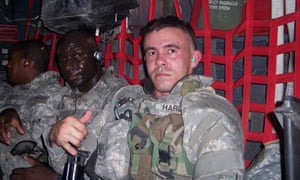
James “CJ” Hardin


James “CJ” Hardin was having nightmares and difficulty sleeping after his tour of Iraq. Photograph: James “CJ” Hardin

By that time, CJ was having frequent suicidal thoughts: “I’d resigned myself to believing my life wasn’t going to change.” But during his first session, once the drug had taken effect, he started to open up about his trauma. “All of a sudden I knew I was safe. I realised I’d been treating my life like I was in Iraq the whole time, when I’m not. I am back in the US. That left me immediately.”


He was able to talk about his fears of mortar attacks, and how he felt in a constant state of peril, as if he might die at any moment. “I felt like there was no light at the end of the tunnel. After that first session, the light clicked on. It wasn’t right in front of me, but it was there. I had hope.” The MDMA alone wouldn’t have worked, he says; it was the catalyst that made the therapy work. “It disarmed me, opened my mind and allowed me to feel at peace and safe as I talked about the things I did. After years thinking you’re a horrible person and not safe, it’s the biggest vacation.”


Like Alice, CJ had three sessions. And, like Alice, his Caps score plummeted: from 87 to just seven, falling to three the following year.


MDMA (full name 3,4-methylenedioxymethamphetamine) was first synthesised in 1912 by the German pharmaceutical company Merck, which had been looking for a substance to stop bleeding. It wasn’t until the 1970s that its potential was explored more fully, when a California chemist called Alexander Shulgin started to experiment with cooking up psychoactive drugs. He made a batch of MDMA and started testing it on himself. In 1976, following a 120mg dose, he wrote, “I feel absolutely clean inside, and there is nothing but pure euphoria. I have never felt so great or believed this to be possible … I am overcome by the profundity of the experience.”


Shulgin introduced the drug to California psychotherapist Leo Zeff, who had previously developed LSD therapies. Zeff was so impressed by MDMA, describing it as “penicillin for the soul”, that he came out of retirement to introduce the drug to therapists across America and Europe. But just as its therapeutic potential was being explored, it started to make its way into the rave scene; in 1985, it was banned by the DEA.


“MDMA is highly volatile in one person but not the next,” says DEA spokesman Melvin Patterson. “You and I could both take it, and I would have no reaction and your organs would start to shut down. There were tons of raves happening, and a lot of people being rushed to hospital and packed in ice to get their temperature back to normal. It was rare that people overdosed or died, but it did happen, and at such a frequency that we had to step in.”


The Mithoefers began researching MDMA-assisted therapy in 2000. “It seemed to make particular sense for PTSD,” Michael says. “Most of the treatments that have been effective involve revisiting the trauma in a therapeutic setting, but a lot of people are unwilling or unable because they get overwhelmed by anxiety. MDMA decreases fear and defensiveness, while increasing trust and empathy.” He worked with Doblin to develop a plan for a clinical study, approved by the FDA in 2001.


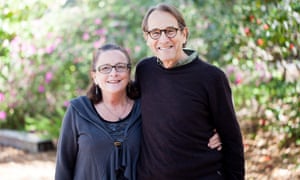
Psychiatrist Michael Mithoefer and his wife Annie, a nurse


Psychiatrist Michael Mithoefer and his wife Annie, a nurse, have been researching MDMA-assisted therapy for a decade. Photograph: Hunter McRae

So far, all the Maps trials have used doses of MDMA from a 31-year-old batch with 99.8% purity made in a lab at Purdue University, Indiana. But for phase three trials, the drug needs something called good manufacturing practice certification: Maps has to be able to show that, if MDMA were legalised, it could be produced on an industrial level at the same quality. This is where the pharmaceutical company Shasun comes in.


Shasun’s factory is in the Northumberland village of Dudley, located a few miles south of Cramlington, a small town with the highest life expectancy in the UK. It is not a secret facility: taxi drivers know the plant without being given the address, which is on a main road opposite a row of red-brick semis and shops. But they may be surprised to learn that, inside, chemists are synthesising MDMA, perfectly legally.


Security is high. Visitors must first report to the lodge inside the gates and in front of the red-and-white barrier, the kind more often seen at military bases. Mobile phones must be surrendered, along with laptops, pagers, cameras and electronic car key fobs. The confiscation has less to do with secrecy than with the fact that the equipment could ignite and cause an explosion – a huge safety risk on a site processing volatile chemicals.


Shasun has been given a licence from the Home Office to manufacture Schedule 1substances. Around 20 of the company’s 325 UK staff are involved in the production of 1kg of MDMA – worth close to £300,000 ($ 398,000). After that, it will be shipped to licensed distributorsin the US and Europe.


British CEO Kevin Cook met Doblin two years ago in Boston, after being introduced by someone Cook describes as “a friend in big pharma”. He came away from the meeting reassured that Doblin knew what he was doing, and was doing it for a good cause; Shasun was prepared to jump through all the regulatory hoops to keep everyone on board.


Getting the Home Office licence was not easy. The firm has had to comply with a very long list of health and safety regulations, and security procedures. The drugs they make, and their key ingredients, are now stored in an alarmed vault to which just a handful of staff have access, their movements monitored by CCTV. “We can handle products here where there is a high risk of diversion – products that can be used for recreational as well as medical benefit,” says Cook, who has worked for Shasun for 27 years. Shasun’s business development manager Mike Hopkins jumps in to stress: “We’re not doing a Breaking Bad here.”


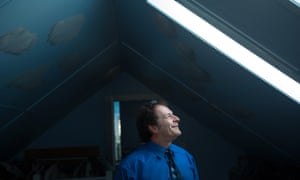
Kevin Cook, CEO of the British company manufacturing MDMA for medical use


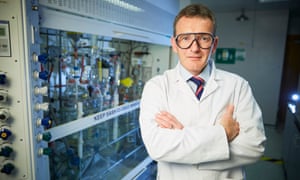
Kevin Cook, CEO of the British company manufacturing MDMA for medical use. ‘We’re not Breaking Bad here.’ Photograph: Christopher Thomond for the Guardian

The MDMA lab is in Shasun’s development centre, a prefab in a corner of the site. A rabbit hops around on the grass outside. “Oh, he’s fine, don’t mind him,” Cook says. “There aren’t any chemicals out here he needs to worry about.” To access the building, visitors must wear white lab coats and protective goggles. Making the MDMA is much like following a recipe – one that was acquired from a German firm and emailed to Shasun’s chemists as an attachment. “Add X of this, stir to Y, heat to Z. It’s like cooking, but to get a really good-quality end product, you have to experiment a lot,” Cook explains. Robert Smith, a chemist with a degree from Cambridge and a PhD from Manchester, demonstrates the equipment his small team uses to synthesise the drug. Unlicensed manufacturers would face many years in jail, but making MDMA does not give Smith any kind of illicit thrill. “We just treat it like any other project.” He shrugs.


Recruiting a team was not difficult, Hopkins says; no one cited ethical concerns. “We always try to inspire our teams to understand what they are making and why. In this case, they are working for a non-profit trying to help people with severe PTSD. They find that sort of thing very motivating.”


After fundraising, Maps’ second biggest challenge is training therapists, who must undergo the same treatment as their patients, to understand how it works. In November last year, Ben Sessa, a British psychiatrist based in Bristol, travelled to South Carolina for a 10-day stay with the Mithoefers, during which he underwent his own MDMA-assisted therapy session. “I haven’t got any psychological trauma,” he says. “I had a lovely upbringing, stable family. But it’s really important to learn this mental state in order to guide my patients through it.”


On the day of his session, all of it captured on video, Sessa takes his first dose of MDMA just before 11am, washed down with a swig of Gatorade. It’s a double blind study, so he doesn’t know if it’s a placebo. He hopes it isn’t. (“I chose the red pill and not the blue pill,” he says, referencing The Matrix.) Dressed in jeans and a T-shirt, Sessa reclines on a bed with Michael in a chair facing him, to his right, and Annie to his left. Propped into a seated position by a fortress of pillows and a large red and gold cushion, he has a blood pressure monitor wrapped around his left arm while the Mithoefers’ small white dog, Flynn, snuggles next to his leg.


The conversation is led by Sessa, with occasional prompts from the Mithoefers. Music plays in the background, starting with a gentle piano piece and building to higher tempo as the drug kicks in. The Mithoefers tell him to lie back, close his eyes and “go inside”. Annie regularly checks in on him, offering sips of juice, extra blankets and words of encouragement.


This is not a panacea. We need a cautious, methodological approach with sound scientific evidence


Ben Sessa, psychiatrist


Around two hours into the session, Sessa takes a supplementary dose. Even though he’s in a darkened room, he asks for his red-rimmed sunglasses. “That second dose really hit the spot, man,” he tells the Mithoefers. He breathes heavily and purposefully, nodding his head to the music with his eyes closed, his lower jaw shifting subtly from left to right. Clearly, he did not take the placebo.


Sessa had taken MDMA in a rave context in the past but tells me: “This was very different from taking ecstasy recreationally. Imagine taking all that external energy that keeps you pumping all night on the dance floor and turning it inwards.”


Much of his session is spent lying down with an eye mask and headphones on; at times he hums and moans or reaches out to hold one of the Mithoefers’ hands. “I felt very safe and secure, but when I went to the toilet in the harsh light and stood looking at myself in the mirror, that’s when it felt like raving. I was completely fucked. I wanted to rush back into the bed and get under the covers and go back inside.”


At other times, he is encouraged to sit up and talk – about personal issues, psychotherapy, his constant need to be busy. “Life’s too short,” he tells the Mithoefers. “All these trinkets we adorn ourselves with are meaningless. It’s time that’s the only gift. So I don’t like to waste time.”


By around 4pm, the effects of the drug are wearing off, though Sessa says he experienced no comedown. He thinks ravers’ comedowns are mostly hangovers. “Most people who take ecstasy will go to the pub, drink three pints, then go to a club and stay up until five, take coke, drink more wine and beer, then get some soup and sleep on Sunday. Of course they feel bad on Monday!”


Three days later, Sessa had a second session. It was the same setup, but this time without the drug. “It was incredibly cathartic,” he says. “I was in floods of tears at times and talking about all sorts of issues. It was as if the MDMA had unlocked them three days earlier. It’s not just the drug sessions themselves where the work takes place – the real work is how the material that’s unlocked is then processed in the non-drug sessions.”


Sessa, who has worked with many children and adolescents battling trauma and addictions, believes MDMA could be an incredibly powerful tool for his patients. “We don’t have any medicines that allow patients and their therapists to approach trauma. Antidepressants only treat the symptoms, so this could be a very important step forward.”


Trauma is incredibly hard to treat, he says. “You sit in a room with a stranger and ask them to tell you about their child abuse and expect them to do it. They don’t. They can’t. So their mental health problem becomes a chronic disorder. In 20 years’ time, people may say: ‘Do you remember when we used to do psychotherapy without psychedelics?’”


A pill


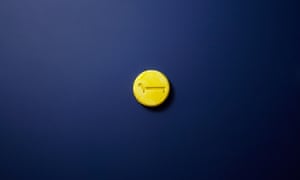
MDMA could be legalised for therapeutic use by 2021. ‘Imagine taking all that external energy that keeps you pumping all night on the dance floor and turning it inwards.’ Photograph: Aaron Tilley for the Guardian

Despite his enthusiasm, Sessa remains pragmatic and is put off by some of the more evangelical factions in the pro-psychedelic movement, as well as its strong links with anti-establishment hippy culture; for him, this detracts from the science. “Some people want to live in a chemical utopia. This is not a panacea. We need a cautious, methodological approach with sound scientific evidence.”


Sessa has brought what he’s learned back to the UK, where he is hoping to start two Maps-funded MDMA studies in 2017; for now, he says, he’s in a “fragile period of getting ethical approval”.


One of these studies is in Cardiff and will involve giving patients either MDMA or a placebo and putting them in an MRI scanner, where they will be subjected to a narrative script of their trauma to see what happens in their brain. The second study, in Bristol, will treat patients with alcohol dependency, post-detox. “We’ll put them through a course of MDMA psychotherapy and look at the rates of recovery. The link between trauma and addiction is unambiguous,” Sessa says.


In anticipation of the drug’s legalisation, Maps has set up a benefit corporation, a socially responsible company that, unlike Maps, is allowed to manage prescription sales of a medicine. All profits from the MDMA developed by Shasun will be funnelled back into Maps’ research. The patent for MDMA has long expired but, thanks to a law signed by Ronald Reagan in 1984, no other pharmaceutical company would be able to use Maps’ research data for five years after the drug is approved.


Big pharma probably wouldn’t be interested anyway, Doblin says, because the therapy involves so few doses of MDMA. “Most pharmaceutical companies want to make a drug people take on a daily basis, that treats symptoms, not the problem, so when you stop taking it, the problem comes back. It’s a money-making formula. We are the opposite of that: you take the drug a few times, hopefully it cures you and you go on your way.”


For Alice and CJ, legalisation can’t come soon enough. Alice says the biggest change since treatment has been her relationship with her husband and two young children. “It allowed me to connect – I could step into now, instead of living back then.” For the first time, she was able to hug her husband, whom she married 11 years ago, when she was 21, and to undress in front of him. “I could hold on to my children’s hands and snuggle them without feeling gross.” She is now working as an optician and training to become a psychotherapist herself.


For CJ, the treatment led to a “100% turnaround” in his life. Like Alice, he no longer has therapy or takes medication for his mental health. He has given up drinking and found a job with an aviation company. He married his long-term girlfriend at the end of August. He still thinks about his time in the army, but now remembers the good things, the people he bonded with. He wishes other people could experience the benefits: “It feels as though there’s a cure for cancer that I know of – and it’s not being used.”


Alice is a pseudonym. Additional reporting: Helen Pidd.


Drugs in therapy


Ketamine
Licensed for use as an anaesthetic on humans and animals, ketamine is also used illegally as a party drug, and associated with powerful hallucinations. In 2014, a small controlled trial by the NHS and the University of Oxford found that some people with severe depression responded well to small quantities of the drug.


LSD
It helped the 60s swing but some medical experts hailed LSD as a potential treatment for addiction and anxiety long before it was banned. Though still illegal in the UK and US, a controlled study this year by Imperial College London looked at brain scans of users and found the networks that deal with vision, attention, movement and hearing became more connected.


Magic mushrooms
The hallucinogenic fungus is a popular illicit drug, but preliminary research by the University of Arizona found that psilocybin – the psychedelic compound produced in some mushrooms – helped in the treatment of obsessive compulsive disorder in a trial in 2006. This year, a clinical trial showed it was effective in treating severe depression.


Marijuana
Advocates of marijuana use for the treatment of post-traumatic stress disorder are eagerly awaiting the outcome of a recent $ 2.15m (£1.6m) trial in the US, backed by the state of Colorado. Anecdotal evidence from traumatised ex-service personnel who use marijuana suggests that it controls their anger and aids sleep.


  • Compiled by Jason Rodrigues. Model-making by Kerry Hughes.


‘My therapist gave me a pill’: can MDMA help cure trauma?

4 Haziran 2014 Çarşamba

I gave birth to an 11lb baby, so a bit far more help would have been good | Penelope Foreman

Newborn babies: more than 1,000 of them every year weigh more than 11lbs.

Newborn infants: much more than one,000 of them every single 12 months in the Uk weigh much more than 11lbs. Photograph: Alamy


It grew to become anything of a litany. Wherever I went the very same words followed me as reliably as my shadow. “Is it twins? … You must be dying to just get it over with … Are you sure you happen to be not diabetic?”


Like a lot more than one,000 ladies in 2013, I was expecting a really huge little one: more than 11lb. For several weeks, my midwife kept making a measuring tape and gently tutted at the end result. I had been a huge child, as had my spouse. Worried, I measured the dimension of our heads and attempted to steer clear of relatives’ gleeful tales of other gargantuan household births.


In the end, the birth itself was as far from my pleased, all-natural, medication-free of charge birth program as feasible. There was no additional consideration or suggestions offered because of his dimension – it was as if this would imply no added issues. In spite of continuous reassurances that huge babies do not immediately indicate caesareans, I could sense I may possibly be pushed into it. At 12 days late, I was booked in for an induction. He could have been a big infant, but he was certainly cozy the place he was. Normally, on induction day, contractions began. They even now wished to go ahead with the induction, so it was goodbye waterbirth. By the up coming morning I was getting powerful, agonizing contractions, and no quantity of wobbling about on a yoga ball assisted. Neither did the gas and air – mainly since no person had advised me how to use it properly, so I was not actually receiving a hit of that gloriously numbing gasoline into my bloodstream.


Finally, the morning shift arrived, and a midwife proclaimed I was 4cm dilated – time to transfer to the birthing suite. Huffing away to myself I was wheeled off, hoping that today would be the day. I would been possessing agonizing consistent contractions for practically 48 hrs and I was really ready to give birth.


The up coming a number of hrs are hard to bear in mind obviously. I was a really stubborn mom-to-be, and was nevertheless denying discomfort relief, even when the ache and pressure from every single contraction created me scream in a rather undignified manner. Numerous hrs passed, I’m reliably informed, even though for me it all rolls into one lengthy contraction. At some stage my waters have been broken for me and following that, the yoga ball got a good soaking. Dignity swiftly grew to become a point of the past and a variety of consultants came and left although I was rolling back and forth, not sporting a great deal of clothing, incoherent from the pain.


At some point, a consultant came and mentioned that I had to be put on a stronger drug as my labour was not progressing. By this point I hadn’t slept for three days, had had very sufficient of carrying out a sea lion impression balancing on that infernal ball, and caved in. Give me the epidural. Hook me up to that keep track of continually. Give me the medication, get this labour going. I have in no way felt such blessed relief as when the extremely cheery anaesthatologist pumped the epidural into my spine, and the contractions became a standard feeling of stress, but no ache. But even this was no aid – at 7am on Sunday morning, after I had been in labour for practically 70 hrs, the advisor came in and mentioned they have been going to do a caesarean. I was afraid, panicking, and felt that every thing was out of my hands. All of a sudden the area was full of folks, giving me far more medication, reeling off the listing of risks, handing my companion his scrubs for the operating theatre. I’d needed pools and gentle birthing, not for my son to be pulled out of me while I was drugged up, semi-aware and not in control of my entire body.


In the finish I had a stunning, healthful, large child boy, at 11lb 7ozs. When my partner brought him more than to me, I advised him it could not be my infant, he was also massive. The caesarean left me feeling frail and weak via blood loss, delayed my milk manufacturing and, worst of all, left me fearing the staff about me rather than relying on them for support. I’d felt absolutely out of control. When a nurse later told me that I must have expected this with such a huge child, I knew that my initial worries had been correct. Regardless of the fact that my little one was showing no signs of distress, and that I was coping fine, I was advised I did not have a option.


Now that my three-month-outdated is in his six-to-nine-month-outdated outfits, cooing strangers boggle at his dimension. I am glad he was healthier and a big, bouncing boy, but I would rather have been far better informed, and had better manage, on how he came into the world.


I gave birth to an 11lb baby, so a bit far more help would have been good | Penelope Foreman

19 Mart 2014 Çarşamba

Paramedic admits he gave up on CPR as well early on girl who died right after asthma attack

Around thirty minutes later, Bella collapsed and her mom right away referred to as 999, and paramedics attended the handle eight minutes right after the get in touch with.


Mr McKenna was initial on the scene and carried out CPR for roughly ten minutes just before concluding that practically nothing else could be accomplished to conserve the youngster.


But the inquest heard that it was protocol for paramedics treating a kid to carry on with existence support until finally the level when the youngster is brought to hospital.


Giving proof in court yesterday (Weds), Mr McKenna stated that when he arrived at three.13am Bella was “pale, with blue lips and unresponsive” but he started to execute fundamental life help and asked a police officer to do chest compressions on Bella.


He mentioned: “There was practically nothing a lot more we could do. I carried on with CPR but quickly knew there was not going to be a response.


“Simply because of her age, I now know it is protocol that she ought to have been transferred to hospital but I was beneath the impression that because of her age she would be classed as an grownup – she wasn’t a little one.”


He added: “Bella must have been transferred to hospital but I do not believe it would have made considerably difference since of the tests I carried out.”


But the court heard that Mr McKenna had received a wonderful deal of coaching and ought to have known which process to adhere to.


Two superior technicians, who arrived minutes soon after Mr McKenna, described their “shock” and “shock” that Mr McKenna had given up on CPR so quickly.


Stephen Harrison, who arrived at Bella’s home minutes right after Mr McKenna, stated: “I felt some thing was amiss but there was practically nothing I could do about it.”


Asked if he had been told that CPR had been performed for close to 10 minutes Mr Harrison said: “I would have stated ‘let me carry on with CPR’.”


Colleague Dawn Vacation stated: “I was really shocked, it wasn’t what we had been expecting to see when we arrived.


“We full anticipated CPR to be in method when we arrived. I left the ambulance operating on the street and I total expected there would be a youngster there to get to hospital.”


Paramedic admits he gave up on CPR as well early on girl who died right after asthma attack

9 Mart 2014 Pazar

Sugar was generating me unwell, so I gave it up overnight

A possibly dangerous problem that results from an excess of insulin in the blood, hypoglycemia can result in the heart to race, nervousness attacks and even seizures that, if recurrent, may end result in brain damage. I was told that to manage it, I would I have to maintain my blood sugar on a even keel. In essence, this meant eating more protein and fat – as effectively as nearly no sugar, in any form.


There was a record of banned food items deemed sugary: soft drinks, fruit juice, dried fruit, potatoes (the starch at some point converts into glucose), corn, bananas, rice, pasta, honey, and sweets of any kind.


Cutting sugar from your diet is not anything you can ease yourself into, or you will merely never do it. So I asked a good friend to help me clear the cupboards, fridge and freezer of every thing on the banned record. Then we went buying to stock up on things that I could eat, and I went cold turkey. Overnight, sugar was out of my life.


I keep in mind the initial two weeks getting a nightmare – I was very stroppy at mealtimes. My pals remember the first six months currently being like that as I struggled to uncover a new equilibrium.


Like most of us, I’d just got into undesirable routines. I was lazy. Mid-afternoon, I would need to have something to nibble on, and a chocolate bar was as great as anything. If I came house impossibly late from operate, I may possibly deal with myself to a large bowl of pasta.


Initially, it was challenging adequate not to put sugar in my tea, consume cake or have something delicious for dessert. These had been the visible, clear sugars. What was significantly, a lot harder was functioning out the place all the hidden sugars have been and staying away from them, as well. And sugar, it turns out, is in or is added to so considerably of our foods.


You only discover this by way of ghastly mishaps. I don’t forget early on not grasping that sugar hides all over the place, like a series of trap doors, so following work I bought a delightful Chinese takeaway. The outcome was dramatic: I was awake all evening, absolutely wired with the sugar coursing round my veins. It’s a wretched feeling getting desperate to rest but becoming unable to due to the fact your body is tripping out on sugar. It leaves you feeling excellent for nothing the subsequent day. From then on, takeaways had been out, along with all processed foods.


I also learnt the tough way that alcohol was no longer my friend. I’d always enjoyed a glass of wine and was notably fond of a gin and tonic. But within the initial two weeks of offering up sugar, a evening out with a colleague left me lying in the bath groaning. I couldn’t operate out why. Right after all, I’d only had two drinks. But then I realised: the tonic water was packed with sugar.


Every person swears off alcohol occasionally, but that was a pivotal second for me. Now I can have a very dry glass of white wine, but only one. This can seem to be antisocial, but at least I can drive everybody else residence. There are some upsides to all this abstinence.


It quickly grew to become obvious that both natural and processed sugars induced the exact same symptoms. Dried fruit might have when been a wholesome snack for me. But if I ate it now, aching limbs and a poor night’s sleep awaited.


The good news is, it wasn’t all bad news. Soon, great things began to occur that produced me keep off sugar. Obtaining suffered from insomnia for more than a decade, I started sleeping properly and so felt refreshed and clear-headed in the morning. And I was in much less soreness. And fat started to fall off me, and continued to do so right up until I’d reached the level that I’d often been until my late thirties: just below eight stone. I am nevertheless that bodyweight now and dress in size-8 garments.


Feeling and looking better had been incentives to preserve going. But I also had to change how I believed about food. Rather than dwell on what I was missing, I had to say to myself that I did not miss getting awake and in discomfort. Quickly, anything at all sweet looked like poison to me. I’ve not fed my horse, Duke, a sugar cube considering that, either.


These days, I store and cook in a different way, to ensure I have meals that are fairly straightforward to put together following perform, to steer clear of going into a shaking sugar-low. It’s not as well great a hardship.


I eat tons of vegetables, a honest sum of good quality meat and cheese, a tiny volume of complicated carbohydrates (so no bowls of pasta), and I spread out my fruit intake more than the program of the day: one piece each 4 hrs and no more. So yesterday, I had porridge for breakfast, some tasty homemade soup and fruit for lunch, and went out for dinner with a friend, opting for stomach pork with greens.


Treats have also had to modify. Out have gone cakes, biscuits and sweets. In their place are mixed nuts, cheese cubes and strips of dried meat. I’d usually loved cheese, but now I am a cheese snob. I seek out uncommon, neighborhood types at the farmers’ industry and am a fierce critic of restaurant cheeseboards.


Regardless of this, my foods bill has a lot more than halved since I gave up sugar in all its forms. I can no longer be seduced by supermarkets’ 3-for-two provides and bottles of sparkling wine at the finish of the aisle. I’m far more most likely to get a brace of pheasants, a decent Camembert and some salad from the farmers’ market place.


From offering up sugar, I’m greater off, thinner, sleep a lot more very easily and am not in so a lot discomfort. Ideal. Well, not entirely. There are moments when I do really miss the white things, and they are invariably social occasions.


Birthdays are grim. I truly feel awkward not getting ready to share in the cake, and really do not want to deliver the mood of any party down by saying “No, thank you”, but I have to. Christmas is fine: I take pleasure in the roast and overlook about the pudding.


But Shrove Tuesday final week was a disaster. I fell off the wagon in a massive way, consuming 6 pancakes. I slept badly and still ache now.


And I truly do miss a good gin and tonic. It is possible to make your very own with soda water and a pinch of stevia, a normal sweetener that comes from a South American herb – but by some means it’s just not very the same.


In spite of all that, I couldn’t go back to my sugar-consuming days. I like sleeping and currently being a dimension-eight too significantly.


Sugar was generating me unwell, so I gave it up overnight