screening etiketine sahip kayıtlar gösteriliyor. Tüm kayıtları göster

27 Mart 2017 Pazartesi

Doctor was "dishonest" in screening nurse who had Ebola, tribunal finds

A doctor acted dishonestly when she lied to investigators about the dangerously high temperature of a nurse who went on to develop Ebola, a tribunal has found.


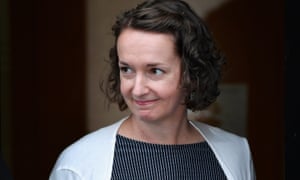
Dr Hannah Ryan, who had been working in Sierra Leone during the west Africa Ebola outbreak of 2014, was one of the medics who assessed Pauline Cafferkey following the Scottish nurse’s return to the UK in December 2014.


Ryan did not raise the alarm when a colleague wrote down Cafferkey’s temperature as 1C lower than it actually was during a “chaotic” screening process at Heathrow airport on 28 December 2014, a medical practitioners tribunal found on Monday.


A raised temperature can be the first sign of Ebola, which can kill within five days. Cafferkey, who twice nearly died from the virus, went on to develop one of the worst cases on record for people treated in the west.


During screening at Heathrow, Cafferkey insisted she was feeling fine and was eventually allowed to catch her connecting flight to Glasgow. The following day, she developed further Ebola symptoms and was admitted to hospital for urgent treatment.


The tribunal found that Ryan had acted in a “misleading” manner when she agreed that the form recording the lower, wrong temperature be submitted to screening staff from Public Health England (PHE) at the airport.


But Ryan, who had only just graduated from medical school, did not intend to conceal Cafferkey’s real temperature at the airport, knowing it to be at least 38.2C – higher than the 37.5 considered normal – the panel found.


However, the tribunal decided that the doctor had later been “dishonest” when she concealed her role in taking Cafferkey’s temperature during a conversation with Dr Nick Gent on 2 January 2015. Gent, deputy head of the emergency response department at PHE, had phoned her during PHE’s investigation into when Cafferkey’s symptoms first emerged.


Ryan did not tell him she had taken Cafferkey’s temperature and told him words to the effect that the nurse’s temperature was “normal”, the panel found.


The tribunal heard that Ryan and Cafferkey were one group among many British medics who put their own lives at risk by volunteering their medical skills and going to west Africa to help fight the outbreak.


Deployed on 22 November 2014, they were based at an 80-bed treatment centre in Kerry Town, a village in Sierra Leone, working “tirelessly in dangerous and highly pressurised conditions” during which they “formed a strong bond of friendship”, according to Fraser Coxhill, representing the General Medical Council.


The medical practitioners tribunal, which is independent of the GMC, will decide later this week whether Ryan’s fitness to practice as a doctor was impaired due to her actions and whether to impose sanctions.


Doctor was "dishonest" in screening nurse who had Ebola, tribunal finds

22 Şubat 2017 Çarşamba

New screening test cuts bowel cancer risk by a third, study finds

A one-off screening test being introduced across the NHS cuts the risk of developing bowel cancer by a third, a long-term study has found.


The test, which is being rolled out across England, will invite men and women to have bowel scope screening around the time of their 55th birthday.


This is in addition to the current test from the age of 60, the faecal occult blood test (FOB), which is posted to people’s homes.


FOB detects blood hidden in small samples of faeces, with further tests recommended if blood is detected.


Research published in the medical journal the Lancet has found that the bowel scope test reduces the risk of all cases of the cancer by a third. Experts predict it will save thousands of lives every year.


It works by threading a tiny camera attached to a thin flexible tube into the lower part of the bowel. As well as detecting tumours, it helps spot small growths, called polyps, on the bowel wall. If left untreated polyps can become cancerous, and any found during a bowel scope can usually be removed immediately.


Bowel scope screening will not detect cancers higher up in the bowel and patients may need a colonoscopy if they have persistent symptoms.


But the research found the new test was able to prevent 35% of bowel cancers overall and 40% of deaths.


In the lower bowel, the test prevented more than half of potential cancers from developing in that area.


Researchers from Imperial College London followed more than 170,000 people for 17 years on average, of whom more than 40,000 had the bowel scope test.


There are more than 41,000 new cases of bowel cancer every year in the UK, and about 16,000 deaths.


Prof Wendy Atkin, Cancer Research UK’s bowel screening expert and lead author at Imperial, said: “Although no screening test is perfect, this study shows that bowel scope is effective in reducing cancer deaths for at least 17 years.


“Bowel cancer can be prevented. And the bowel scope screening test is a great way to reduce the number of people diagnosed with the disease so it’s vital that no one misses out on the opportunity to get the test.”


Julie Sharp, Cancer Research UK’s head of health information, said: “Like other types of screening, bowel scope is meant for people without symptoms. It’s a great way to help reduce the number of people developing or dying from bowel cancer, but it can’t pick up everything.


“So it’s still important to take part in the rest of the bowel screening programme and not ignore the home testing kits when they arrive.”


The government estimates the bowel scope test will take at least another three years before it will be offered to everyone eligible across England. This is in order to train specialist staff to carry out the tests. Governments in Scotland, Wales and Northern Ireland have not yet committed to introducing the test.


The research was funded by the Medical Research Council and National Institute for Health Research. About half of bowel cancers occur in the lower part of the bowel and the rectum – the area covered by the bowel scope test.


The health secretary, Jeremy Hunt, said: “This report is really encouraging – prevention and early diagnosis are key to improving outcomes, and this new screening test could help us save thousands more lives.


“Cancer survival is at its highest rate ever, but more must be done: we are investing £300 million a year by 2020 to increase diagnostic capacity for all cancers, so we can save more from this devastating disease.”


New screening test cuts bowel cancer risk by a third, study finds

New screening test cuts bowel cancer risk by a third, study finds

A one-off screening test being introduced across the NHS cuts the risk of developing bowel cancer by a third, a long-term study has found.


The test, which is being rolled out across England, will invite men and women to have bowel scope screening around the time of their 55th birthday.


This is in addition to the current test from the age of 60, the faecal occult blood test (FOB), which is posted to people’s homes.


FOB detects blood hidden in small samples of faeces, with further tests recommended if blood is detected.


Research published in the medical journal the Lancet has found that the bowel scope test reduces the risk of all cases of the cancer by a third. Experts predict it will save thousands of lives every year.


It works by threading a tiny camera attached to a thin flexible tube into the lower part of the bowel. As well as detecting tumours, it helps spot small growths, called polyps, on the bowel wall. If left untreated polyps can become cancerous, and any found during a bowel scope can usually be removed immediately.


Bowel scope screening will not detect cancers higher up in the bowel and patients may need a colonoscopy if they have persistent symptoms.


But the research found the new test was able to prevent 35% of bowel cancers overall and 40% of deaths.


In the lower bowel, the test prevented more than half of potential cancers from developing in that area.


Researchers from Imperial College London followed more than 170,000 people for 17 years on average, of whom more than 40,000 had the bowel scope test.


There are more than 41,000 new cases of bowel cancer every year in the UK, and about 16,000 deaths.


Prof Wendy Atkin, Cancer Research UK’s bowel screening expert and lead author at Imperial, said: “Although no screening test is perfect, this study shows that bowel scope is effective in reducing cancer deaths for at least 17 years.


“Bowel cancer can be prevented. And the bowel scope screening test is a great way to reduce the number of people diagnosed with the disease so it’s vital that no one misses out on the opportunity to get the test.”


Julie Sharp, Cancer Research UK’s head of health information, said: “Like other types of screening, bowel scope is meant for people without symptoms. It’s a great way to help reduce the number of people developing or dying from bowel cancer, but it can’t pick up everything.


“So it’s still important to take part in the rest of the bowel screening programme and not ignore the home testing kits when they arrive.”


The government estimates the bowel scope test will take at least another three years before it will be offered to everyone eligible across England. This is in order to train specialist staff to carry out the tests. Governments in Scotland, Wales and Northern Ireland have not yet committed to introducing the test.


The research was funded by the Medical Research Council and National Institute for Health Research. About half of bowel cancers occur in the lower part of the bowel and the rectum – the area covered by the bowel scope test.


The health secretary, Jeremy Hunt, said: “This report is really encouraging – prevention and early diagnosis are key to improving outcomes, and this new screening test could help us save thousands more lives.


“Cancer survival is at its highest rate ever, but more must be done: we are investing £300 million a year by 2020 to increase diagnostic capacity for all cancers, so we can save more from this devastating disease.”


New screening test cuts bowel cancer risk by a third, study finds

19 Aralık 2016 Pazartesi

Heavy drinkers should get early screening for liver disease, says Nice

Heavy drinkers should be screened for early signs of liver disease, health officials have said.


Harmful drinkers – women who drink more than 35 units a week and men who drink more than 50 – should also be sent for scans to detect liver scarring, the National Institute for Health and Care Excellence (Nice) said.


A bottle of wine is estimated to contain 10 units of alcohol and a pint of beer is estimated to contain 2.3 units. Across England there are estimated to be 1.9 million “harmful drinkers”.


In a bid to identify early liver problems among these people, Nice said GPs should refer them for scans to detect liver cirrhosis, or scarring.


In its new draft quality standard, the health regulator said diagnosing cirrhosis would ensure patients received the treatment and support needed to manage their condition.


The document, which is out for consultation until February, also says people with cirrhosis should be sent for ultrasounds twice a year to check for liver cancer.


Dr Andrew Fowell, consultant hepatologist at Portsmouth hospitals NHS trust who helped draft the document, said: “Identifying people who are at risk of liver disease and offering them non-invasive testing to diagnose cirrhosis is key to ensuring they are given the treatment and support they need early enough to prevent serious complications.


“Ten years ago diagnosis of cirrhosis would often require a liver biopsy, but now with advances in non-invasive testing, it is much easier for patients and health professionals to make a diagnosis.”


Prof Gillian Leng, deputy chief executive of Nice, said: “Many people with liver disease do not show symptoms until it is too late. If it is tackled at an early stage, simple lifestyle changes or treatments can be enough for the liver to recover.


“Early diagnosis is vital, as is action to both prevent and halt the damage that drinking too much alcohol can do.”


Liver disease is the fifth largest cause of death in England and Wales.


Heavy drinkers should get early screening for liver disease, says Nice

24 Kasım 2016 Perşembe

Ebola nurse Donna Wood could be struck off over Cafferkey screening

A nurse once described as a hero after she volunteered to work in an Ebola treatment centre in Sierra Leone faces the possibility of being struck off after being caught up in a botched screening at Heathrow.


Donna Wood has been found by the Nursing and Midwifery Council to have concealed the high temperature of her fellow volunteer Pauline Cafferkey when they landed at Heathrow a day before the Scottish nurse tested positive for the virus.


An independent panel of the NMC had charged her with recording a temperature for Cafferkey one degree lower than it was during a “chaotic” screening process on 28 December 2014.


At the end of a six-day hearing, the panel found this was not proved, but found that she was guilty of two other charges – that she had known Cafferkey had a high temperature and dishonestly concealed this and had failed to escalate the situation, knowing that a high temperature could be seen as a first indicator of Ebola.


Najrul Khasru, the chairman of the panel, said it had fully accepted that Wood’s desire to get out of the area quickly was the primary motivation of her actions. He said: “The panel found you made the suggestion to record Ms Cafferkey’s temperature 37.2C with the intention to conceal that Ms Cafferkey had a temperature higher than 38C from PHE screening staff in order to allow yourself and your group to leave the area sooner rather than later, and deal with it later.”


The panel will now consider whether the findings against Wood are serious enough to involve a sanction, which range from being struck off to having conditions imposed on her future practice as a nurse in Stoke-on-Trent, where she works in end-of-life care.


Wood categorically denied that she falsified Cafferkey’s records and raised questions about the competence of the screening system, which was described as “chaotic”.


The panel heard that in an attempt to help doctors and staff conducting screening at Heathrow airport, the medics decided they would take their own temperatures. Wood said she recalled seeing volunteer doctor Hannah Ryan with the thermometer, and that she had held it up to her at least once.


She said she could not remember whether she had written on any screening forms herself.


The panel could not prove she had written the incorrect temperature on Cafferkey’s forms but said it was satisfied she had dishonestly suggested it be recorded as such.


After the group left the screening room and made it to the arrivals hall, Ryan reported Cafferkey’s high temperature to another doctor, who recommended the Scottish medic return to be screened again.


Cafferkey’s temperature was checked again three times by a Public Health England consultant and was found to be a maximum of 37.6C, meaning she was given the all-clear to travel on to Glasgow.


But at some point before getting to arrivals, Cafferkey had taken paracetamol, contributing to the lower readings.


Pauline Cafferkey


Pauline Cafferkey was cleared of misconduct in September. Photograph: Jeff J Mitchell/Getty Images

PHE says it learned lessons from the Cafferkey case, but denies its process was chaotic or deficient or that its system had failed to detect the one person who did come into the UK on a commercial airline carrying the Ebola virus.


“Screening was not designed to catch someone with Ebola. It was about getting relevant information from people and giving them information so they could be clinically referred if necessary,” said a spokeswoman.


Cafferkey, who nearly died twice from Ebola-related complications, also faced NMC disciplinary proceedings but was cleared of all misconduct after a hearing in September.


Wood was brought before the employment tribunal after a third volunteer told PHE, the body that designed the screening process, that Wood had falsified Cafferkey’s temperature on the form she had to fill out on arrival at Heathrow.


The tribunal raises questions about the efficacy of the screening process. With the disease out of control in west Africa at the time, there was fear and panic in some quarters that the virus could easily be brought into the UK by plane.


About 14,500 people, including aid workers, medics, press and Sierra Leoneans, arrived in Heathrow during the Ebola crisis.


The PHE contended that it was the nurses’ fault Cafferkey passed through undetected as they did not comply with the screening process, referring them to their regulatory authorities. However, those who gave evidence at the NMC spoke of deficiencies in the screening process.


Only half the team in Heathrow on the day had any clinical background. The clinical lead, Deepti Kumar, told how volunteers from the “Cabinet Office” and other government departments were drafted in to the process.


Kumar and the screening manager, David Carruthers, a former police officer, told the panel they were not prepared for the high number of volunteers returning, despite the heavy publicity surrounding their trip to Sierra Leone.


Carruthers admitted they were a bit “disorganised” on the day and that they ran out of screening forms and monitoring kits and had just four screening cubicles for about 50 people.


The future of volunteer doctor Ryan is still in the balance as she faces a separate Medical Practitioners Tribunal Service hearing on 20 March.


Ebola nurse Donna Wood could be struck off over Cafferkey screening

15 Kasım 2016 Salı

Half of Ebola screening staff at Heathrow "were not clinically qualified"

An Ebola health screening programme that was put in place at Heathrow airport to protect Britain against the spread of the deadly virus was hampered by poor organisation, lack of training and lack of resources, a tribunal has heard.


The breakdown in the system was so great that the manager of the screening system called the wrong number for the specialist on call at the infectious disease hospital when concerns were raised on 28 December 2014 when the Scottish volunteer nurse Pauline Cafferkey passed through the airport.


Passengers deemed to require further observation or assessment were to be sent to Northwick Park hospital in north-west London. But the screening manager revealed he rang an incorrect switchboard the day Cafferkey arrived, rather than the infectious disease consultant on call.


David Carruthers, the shift manager the day Cafferkey returned from Sierra Leone, admitted in the tribunal that his team had run out of screening kits and monitoring kits, and that half the staff on the screening team were not clinically qualified and were “office workers” previously.


He was giving evidence at a Nursing and Midwifery Council hearing where one of Cafferkey’s volunteer group, the nurse Donna Wood, is facing being struck off for allegedly concealing the Scottish nurse’s high temperature on the day. Wood has denied the charges.


Pauline Cafferkey


Pauline Cafferkey. Photograph: Jeff J Mitchell/Getty Images

Carruthers described how the screening team was given passenger numbers for the two indirect flights coming in from Sierra Leone where NHS workers had volunteered at the peak of the Ebola outbreak.


However, he was not aware of how many passengers had actually worked on the Ebola frontline and would therefore have been deemed to be “category 3” passengers with a risk profile.


He said the screening team was unable to cope with the high numbers of category 3 passengers arriving on the Royal Air Maroc flight. But he claimed the Scottish nurse only got past the checks put in place by Public Health England to check travellers entering the country from west Africa after a deception.


“Chaotic is a bit of a harsh term, it was busy and it was a little disorganised,” he said.


Carruthers conceded that the screening system was flawed on some fronts, under cross-examination by Wood’s counsel, but said he was not clinically qualified to manage a health risk.


He said he was reliant on border control and PHE managers to provide passenger lists for any given day. “It wasn’t an exact science, I’m afraid,” said Carruthers, who worked as a Metropolitan police officer from 1984 to 2013.


He said they had only four cubicles in Terminal 4 to deal with passengers arriving on the Royal Air Maroc flight. He said passengers from Ebola-hit countries were not isolated at Heathrow.


Those, like Cafferkey, who had come from “high risk” environments were allowed to mingle freely with other passengers in the screening zone, the tribunal heard. Transit passengers were also able to move freely between terminals before being screened.


“We are talking about a highly infectious and dangerous disease,” said Ben Rich, for Wood.


Carruthers described how he had arrived in the screening area in Terminal 4 the day Cafferkey and her volunteer group returned from Freetown, the capital of Sierra Leone. He noticed that some people were agitated and unhappy with what was going on. Staff also complained that some of the forms had not been filled out properly.


However, he said he did not talk to passengers as he felt this would “exacerbate” things. His job was to manage the process, he said.


The former police officer learned that Cafferkey had been allowed through the screening process with a temperature above 38 degrees at about 6.20pm.


It is alleged that Wood recorded her temperature a degree lower in order to escape the “chaos” at the screening area and “sort it out”.


He said he learned of the alleged “deception” after he received a call from an infectious diseases nurse and then had a telephone conversation with Cafferkey directly.


At this point she was in either the arrivals hall or on the train platform to take her to Terminal 5 for a connecting flight to Glasgow.


“Pauline Cafferkey confirmed her temperature had been recorded as lower than it was,” said Carruthers. “I told her she should return to screening and have her temperature recorded. I assured her there was plenty of time for her flight [to Glasgow] and assured here there was nothing to worry about.”


He told the independent panel that he remained calm and courteous with her as he did not want to panic her as he escorted her from arrivals back to the screening area.


“I did summarise to her that the temperature had been taken at 38.3 degrees but recorded as lower than his. She did not disagree with this. I would describe her as tail between the legs or sheepish,” he said.


He later said: “Ms Cafferkey got through the screening area with what I would call as deception.”


He told how the screening team was made up of eight staff on the day, including a communicable disease expert, three clinically qualified professionals and four non-professional screeners.


In addition, an infectious diseases clinician was on call at Northwick Park hospital in the event of a high-risk patient arriving.


When alerted to Cafferkey’s temperature, he took responsibility in place of the PHE clinician on the team, to contact the expert at the hospital. By mistake, he phoned the switchboard and did not get a reply.


“That’s a breakdown in communication and for that I am partly responsible without a shadow for a doubt,” he said.


After Cafferkey was tested positive for Ebola on 28 December, Nick Gent, a doctor and deputy dead of PHE’s emergency response department was drafted in to assess the efficacy of the body’s screening process.


He interviewed volunteers in Cafferkey’s group as part of a fact-finding rather than evidential operation, he told the tribunal. Gent added that along with Cafferkey and Wood, doctors Hannah Ryan and Mark Willcox were referred to their regulatory bodies.


The NMC hearing continues.


Half of Ebola screening staff at Heathrow "were not clinically qualified"

15 Eylül 2016 Perşembe

Full uptake of cervical cancer screening could save hundreds of lives

Hundreds more women’s lives could be saved every year if every woman invited to come for NHS cervical cancer screening turned up at their appointment, experts in the disease have revealed.


New research has found that screening for cervical cancer is so effective that it prevents an estimated 1,827 deaths a year from it in England alone.


However, if all women aged between 25 and 64 who were invited for screening attended, an extra 347 deaths a year there – almost half the 2014 total of 726 in England – could be avoided, researchers said.


The study, published in the British Journal of Cancer, is the first of its kind to establish the impact that screening has had on deaths from the disease by examining screening information from women who have been diagnosed with it.


“Thousands of women in the UK are alive and healthy today thanks to cervical screening,” said Prof Peter Sasieni, the lead researcher, who is based at Queen Mary University of London.


“The cervical screening programme already prevents thousands of cancers each year and as it continues to improve, by testing all samples for the human papilloma virus, even more women are likely to avoid this disease,” he added.


Sasieni and his team reached their conclusions after studying the records of more than 11,000 women in England who had been diagnosed with the disease.


Women aged 50 to 64 who come for screening, usually at a GP’s surgery, benefit the most. There would be five times more women of that age dying from cervical cancer if screening did not exist.


Screening for cervical cancer was introduced across the UK in 1988. Women aged 25-49 are invited to come every three years and those aged 50 to 64 every five years, though in Scotland it is offered to females aged between 20 and 60.


But there is concern that the falling numbers of women attending screening appointments may leave some at risk. Overall, between 70% and 73% of all eligible women turn up and the numbers have been falling since the surge in attendance sparked by the death of the reality-TV star Jade Goody from the disease in 2009.


Dr Anne Mackie, Public Health England’s director of screening, said: “It is of concern that a smaller proportion of women are being screened. This is particularly evident in younger women, with 63.5% of women under 30 being screened every three years.


“We are working hard to address this with academics and local services to investigate and use new ways of improving screening uptake among younger women,.”


The latest data for England showed that 73.5% of eligible women came to cervical screening appointments in 2014-15, down from the 74.2% seen the year before, added Mackie.


Nicola Smith, a senior health information officer at Cancer Research UK, said discomfort and embarrassment deterred some women from attending.


“Most women who are invited for cervical screening do take up the offer but it is a personal choice. Cervical screening saves many lives but no test is perfect and treatment for abnormal cells can have risks.


“If you have concerns about the procedure, for example you find it uncomfortable, it’s a good idea to speak to the practice nurse as there may be things they can do to make you more comfortable.


“Some women may be embarrassed by the test but nurses do tests like this all the time so there’s no need to be worried and you can ask to see a female doctor if you’d prefer,” said Smith.


Older women may not see the point of coming, Smith added. “Older women may not think this type of screening is relevant to them, but while cervical cancer is unusual in that it affects women at younger ages than most cancers, older women also develop the disease”, she said.


Full uptake of cervical cancer screening could save hundreds of lives

23 Haziran 2014 Pazartesi

Mobile Cardiovascular Screening Packages Come Underneath Fire

It seems like a no brainer. Cardiovascular screening is the #1 killer in the world so broad screening of the general population must be a good idea, right? Wrong, says the consumer group Public Citizen, at least when such screening is performed indiscriminately. Somewhat surprisingly, Public Citizen, which is often held at arm’s length by mainstream medicine, gained some support for its position from a major cardiology organization.


In its statement Public Citizen urged 20 hospitals to sever their involvement in a mobile cardiovascular screening program. The HealthFair Cardiovascular Screening Packages are unethical, mislead consumers, and do more harm than good, said Public Citizen.


In a blog post, the president of the American College of Cardiology. Patrick O’Gara, said that “the questions raised about screening have some merit…. we do not recommend broad and untargeted screening.”


The program, says Public Citizen, “peddles inexpensive cardiovascular disease screening packages to people living near the hospitals and institutions without identifying who has relevant risk factors that would make each of the screening tests medically appropriate. HealthFair’s basic cardiovascular screening packages include six tests that, among other things, take pictures of the heart, measure its electrical activity and look for blockages in arteries.”


“The promotions rely on fearmongering and erroneously suggest that for most adults in the general population, these screening tests are useful in the prevention of several potentially life-threatening cardiovascular illnesses – including heart attacks, strokes and ruptured abdominal aortic aneurysms – and make them sound like an appealing bargain,” according to Public Citizen. Among the harms cited by Public Citizen are false-positive results or the discovery of inconsequential abnormalities. ”Both circumstances can lead to additional unnecessary and risky tests and treatments that will harm some people, cause unfounded anxiety, and cost patients and insurance companies.”


Here is O’Gara’s statement about the issues raised by Public Citizen:


“The questions raised about screening have some merit. The American College of Cardiology and American Heart Association have joint guidelines that offer recommendations to guide physicians in making decisions with individual patients about their risk for heart attack and stroke. Other than assessing blood pressure and serum cholesterol, being attentive to diabetes and promoting a healthy weight with regular exercise, we do not recommend broad and untargeted screening. Decisions about the need for additional testing should be based on each patient’s circumstances.


“The American College of Cardiology participates in the Choosing Wisely campaign, which encourages physicians and patients to discuss the costs and benefits of often overused tests and procedures.”


Ethan Weiss, a cardiologist at the University of California at San Francisco, sent the following explanation for the counter-intuitive perspective on the dangers of screening:


Conceptually, people (including many doctors) believe that we should do everything we can to discover occult disease like heart disease. The assumption is that if we look hard enough, we can find disease and intervene to change the outcome in a positive way. People may ask, “What’s the harm?” However, for cardiology at least, there is no evidence to support this assumption outside of screening for hypertension, lipid abnormalities and diabetes. This situation is worsened when options such as executive physicals are offered, which harden the perception that there must be some health benefit, but you just need money to access it. Again, sadly, this is not supported by evidence.


There can be serious consequences to false positive results. Usually the harm is limited to unnecessary anxiety caused by false-positive tests, but there are also costs (many of these tests are not reimbursed) and the rare cases where false positives result in more tests that lead to complications and very serious medical consequences.


Here is another anecdote: I once had a symptomatic patient with well-managed risk factors who insisted on having a nuclear stress test annually. It had been something started by a colleague of mine who had seen him before me — a very senior and respected doctor — and it was hard for me as a young doctor to overcome the perception that I did not know what I was talking about.


I kept doing the stress tests for a few years, but all the while I tried to convince him it was a mistake. I finally resorted to telling him that I was concerned about all the radiation he was getting. He continued to insist on the tests because he believed (firmly) that this was helping him and could not harm him.


One summer, I got an urgent call from him from the U.S./Canada border where he was being detained —he had set off the Geiger counter crossing the border a few days after his stress test. He was shaken. I reassured him and convinced the border patrol that he was not a terrorist. The next time he came to see me, he agreed to stop having stress tests and has not had one since.


I do believe that we can and will eventually improve our prediction tools. Right now blood pressure, lipids, and diabetes are the only validated — and thus, recommended — things to screen. This does not mean that we don¹t talk about other factors such as
weight, body composition, nutrition, and exercise with our patients. The truth is that the evidence basis for these factors are pretty flimsy too, but we make the assumption that it can’t hurt, and I try to remind patients where we have strong evidence and where we do not.


The bottom line for me is to be honest with patients about what prediction and prevention tools we have and what the evidence basis is for each of them. Going forward, we need to work on more robust and careful studies from which we can learn how to better identify at-risk individuals and also validate whether the new tools do what they should. Finally, we should work to show that the information we learn from these tools can help improve clinical outcomes.


Screen Shot 2014-06-23 at 11.44.12 AM


Mobile Cardiovascular Screening Packages Come Underneath Fire

Mobile Cardiovascular Screening Plans Come Underneath Fire

It seems like a no brainer. Cardiovascular screening is the #1 killer in the world so broad screening of the general population must be a good idea, right? Wrong, says the consumer group Public Citizen, at least when such screening is performed indiscriminately. Somewhat surprisingly, Public Citizen, which is often held at arm’s length by mainstream medicine, gained some support for its position from a major cardiology organization.


In its statement Public Citizen urged 20 hospitals to sever their involvement in a mobile cardiovascular screening program. The HealthFair Cardiovascular Screening Packages are unethical, mislead consumers, and do more harm than good, said Public Citizen.


In a blog post, the president of the American College of Cardiology. Patrick O’Gara, said that “the questions raised about screening have some merit…. we do not recommend broad and untargeted screening.”


The program, says Public Citizen, “peddles inexpensive cardiovascular disease screening packages to people living near the hospitals and institutions without identifying who has relevant risk factors that would make each of the screening tests medically appropriate. HealthFair’s basic cardiovascular screening packages include six tests that, among other things, take pictures of the heart, measure its electrical activity and look for blockages in arteries.”


“The promotions rely on fearmongering and erroneously suggest that for most adults in the general population, these screening tests are useful in the prevention of several potentially life-threatening cardiovascular illnesses – including heart attacks, strokes and ruptured abdominal aortic aneurysms – and make them sound like an appealing bargain,” according to Public Citizen. Among the harms cited by Public Citizen are false-positive results or the discovery of inconsequential abnormalities. ”Both circumstances can lead to additional unnecessary and risky tests and treatments that will harm some people, cause unfounded anxiety, and cost patients and insurance companies.”


Here is O’Gara’s statement about the issues raised by Public Citizen:


“The questions raised about screening have some merit. The American College of Cardiology and American Heart Association have joint guidelines that offer recommendations to guide physicians in making decisions with individual patients about their risk for heart attack and stroke. Other than assessing blood pressure and serum cholesterol, being attentive to diabetes and promoting a healthy weight with regular exercise, we do not recommend broad and untargeted screening. Decisions about the need for additional testing should be based on each patient’s circumstances.


“The American College of Cardiology participates in the Choosing Wisely campaign, which encourages physicians and patients to discuss the costs and benefits of often overused tests and procedures.”


Ethan Weiss, a cardiologist at the University of California at San Francisco, sent the following explanation for the counter-intuitive perspective on the dangers of screening:


Conceptually, people (including many doctors) believe that we should do everything we can to discover occult disease like heart disease. The assumption is that if we look hard enough, we can find disease and intervene to change the outcome in a positive way. People may ask, “What’s the harm?” However, for cardiology at least, there is no evidence to support this assumption outside of screening for hypertension, lipid abnormalities and diabetes. This situation is worsened when options such as executive physicals are offered, which harden the perception that there must be some health benefit, but you just need money to access it. Again, sadly, this is not supported by evidence.


There can be serious consequences to false positive results. Usually the harm is limited to unnecessary anxiety caused by false-positive tests, but there are also costs (many of these tests are not reimbursed) and the rare cases where false positives result in more tests that lead to complications and very serious medical consequences.


Here is another anecdote: I once had a symptomatic patient with well-managed risk factors who insisted on having a nuclear stress test annually. It had been something started by a colleague of mine who had seen him before me — a very senior and respected doctor — and it was hard for me as a young doctor to overcome the perception that I did not know what I was talking about.


I kept doing the stress tests for a few years, but all the while I tried to convince him it was a mistake. I finally resorted to telling him that I was concerned about all the radiation he was getting. He continued to insist on the tests because he believed (firmly) that this was helping him and could not harm him.


One summer, I got an urgent call from him from the U.S./Canada border where he was being detained —he had set off the Geiger counter crossing the border a few days after his stress test. He was shaken. I reassured him and convinced the border patrol that he was not a terrorist. The next time he came to see me, he agreed to stop having stress tests and has not had one since.


I do believe that we can and will eventually improve our prediction tools. Right now blood pressure, lipids, and diabetes are the only validated — and thus, recommended — things to screen. This does not mean that we don¹t talk about other factors such as
weight, body composition, nutrition, and exercise with our patients. The truth is that the evidence basis for these factors are pretty flimsy too, but we make the assumption that it can’t hurt, and I try to remind patients where we have strong evidence and where we do not.


The bottom line for me is to be honest with patients about what prediction and prevention tools we have and what the evidence basis is for each of them. Going forward, we need to work on more robust and careful studies from which we can learn how to better identify at-risk individuals and also validate whether the new tools do what they should. Finally, we should work to show that the information we learn from these tools can help improve clinical outcomes.


Screen Shot 2014-06-23 at 11.44.12 AM


Mobile Cardiovascular Screening Plans Come Underneath Fire

9 Haziran 2014 Pazartesi

Does It Matter Who Is the Physician Who Performs Your Screening Colonoscopy?

This spring, the New England Journal of Medication (NEJM) published a revealing report about colonoscopy abilities of gastroenterologists. What they located was striking. Amongst patients whose doctors removed a higher amount of premalignant polyps (adenomas), the probability of developing colon cancer was substantially diminished. The research, which didn’t get much press, displays on the worth of physicians’ encounter in carrying out procedures, and how that could influence the effectiveness of cancer screening.


Gastroenterologists vary broadly in their adenoma “pick-up” charges. And despite the fact that it’s widely accepted that colon cancer screening by colonoscopy can be daily life-saving, it’s unknown, and stays unproved, to what extent the doctors’ abilities make a distinction.


colon adenoma (Wikimedia Commons)

colon adenoma (Wikimedia Commons)


This was a large, albeit correlative, analysis. The 14 research authors employed electronic health records from Kaiser Permanente Northern California to locate more than 300,000 screening colonoscopies carried out among 1998 and 2010. The individuals have been all over 50 many years old and received care at any of 17 health care facilities in the Kaiser Permanente system. The researchers honed in on 264,972 procedures that met their criteria, such as that the gastroenterologists had enough expertise to merit evaluation. They identified and rated 136 physicians who’d performed at least 300 colonoscopies, like at least 75 for purposes of screening. In this examine, the doctors’ adenoma detection charges ranged between seven.four and 52.five %.


The researchers ranked the doctors and assigned them to quintiles – five groups – primarily based on how frequently they found benign polyps by screening. Then they evaluated the patients’ data, and found 712 colon cancers that manifest amongst 6 months and ten years after screening. The final results had been clear. For patients whose physicians ranked in the highest quintile of polyp detection, the colon cancer rate was only 52 percent of that between patients whose doctors’ detection prices fell into the lowest quintile the colon cancer fee was, essentially, halved.


The doctors’ skill impacted the stage at which colon and rectal cancers were identified amid sufferers whose gastroenterologists discovered the most polyps, the price of innovative tumors was just 43 % of that whose physicians ranked in the lowest quintile. The variation was even better for fatal colon tumors. Patients whose doctors had select-up costs in the highest quintile had just 38 percent the odds, relative to those for the lowest quintile, of dying from growth of an interval colon cancer. In summary, the researchers documented a marked, inverse correlation between gastroenterologists’ frequency of getting rid of benign polyps and their individuals obtaining colon cancer.


The findings, although observational, had been “dose-dependent” in a way that renders lower the likelihood of a possibility explanation. As described in the weblog, NOW@NEJM, “each one % improve in adenoma detection price brought with it a three % lower in interval cancer risk and a 5 % decrease in risk of fatal colon cancer.”


What accounts for variation in polyp detection? In some circumstances, it may well reflect the demographics or population a doctor serves older individuals have a tendency to have a lot more polyps, for instance. But a large factor is how lengthy, and difficult, the physician spends searching around “down there.” Put basically, some doctors are a lot more diligent in scoping a patient’s innards, in passing a fiberoptic tube by means of the rectum, sigmoid and left portion of the colon, right up until they attain the point where the gadget nears the appendix at the finish of the correct colon. Sufferers are far from uniform, also, in how well or completely they could prep for the screening exam. If a patient hasn’t sufficiently cleared her gut prior to colonoscopy, the gastroenterologist could miss a pathological patch, or a polyp. Then once more, doctors may be a lot more or significantly less likely to reveal to a patient that they couldn’t see properly sufficient, that the method need to be repeated. Aspects like a patient’s insurance coverage, and reimbursement, could issue in.


The American College of Doctors recommends colon cancer screening by any of a number of approaches, such as testing stool samples for blood, or colonoscopy, in grownups of typical danger between the ages of 50 and 75. The U.S. Preventive Providers Activity Force says the exact same. The American College of Gastroenterology offers a related prepare, with a preference indicated for colonoscopy in grownups in excess of age 50, and not always with an age restrict, who are ready to have the procedure. Relatedly, just this week the Annals of Internal Medicine suggests, in an editorial accompanying a new study, that colonoscopy is like a “green banana” – well worth buying for the potential,  i.e. cost-effective, in otherwise wholesome individuals over 75 many years who’ve not had prior screening.


Colonoscopy does have risks which are not always offered due consideration – an occasional perforation, rectal prolapse, troubles from anesthesia… Plus the process is sufficiently unpleasant that numerous individuals may well select to stay away from it and, instead, go for blood testing of stool samples, which could be just as effective as a very first-pass for cancer screening.


For anyone who chooses to undergo screening colonoscopy, the NEJM paper must increase inquiries – about the doctor’s knowledge, and the time he or she takes in performing the process. The question to consider asking is, “what’s your normal pick-up rate for patients my age, medical doctor?” And if you are provided a “clean” result soon after colonoscopy, i.e. you’re informed they didn’t locate anything at all, you may no longer presume that’s the result you want to hear.


Does It Matter Who Is the Physician Who Performs Your Screening Colonoscopy?

20 Mayıs 2014 Salı

PSA Screening Does A lot more Harm Than Good

Millions of guys are examined every year for high ranges of prostate-particular antigen, or PSA, which is designed to detect early indicators of prostate cancer. The test is covered by insurance, so most males readily agree to it. After all, what’s the harm?


Nicely, loads. PSA screening, we now know, “leads to a significant overdiagnosis of prostate tumors.” Many of these cancers increase extremely slowly, and males with slow-developing prostate tumors may possibly never ever have signs and symptoms. Nonetheless, as soon as a guy is advised he has cancer, there is a a sturdy tendency to deal with it, and therapy has severe, frequently damaging side effects: 20-30% of men taken care of with surgical procedure and radiation will have extended-phrase incontinence and erectile dysfunction.


There is a furious debate going on right now more than the proof for and towards PSA screening. The debate commenced with a large-scale US study called PLCO, which found no benefit from annual PSA screening. Soon following that, the US Preventive Companies Activity Force recommending that most males should not get standard PSA exams.  They concluded:


“Many more guys in a screened population will experience the harms of treatment than will encounter the benefit…. The USPSTF concludes that there is reasonable certainty that hte benefits of PSA-primarily based screening for prostate cancer do not outweigh the harms.”


The American Academy of Household Physicians agrees, and has adopted a clear recommendation:


“Don’t routinely screen for prostate cancer using a prostate-specific antigen (PSA) check or digital rectal examination.”


which I wrote about last November.


My October blood test Blood test vials (Photo credit: tyfn)


In contrast, the American Urological Association responsed to the USPSTF report by issuing a statement that it was “outraged and believes that the Task Force is performing men a fantastic disservice.” Prostate surgical procedure is massive organization for urologists, which could have biased their reaction. Nevertheless, to their credit the AUA modified its tips on PSA screening, which now state


“The [AUA] Panel does not recommend program screening in guys in between ages 40 to 54 many years at common danger.”


For guys ages 55 to 69, they advise “shared choice-producing,” but they even now insist that there is a advantage for males in this group. Their 2013 press release says “the highest good quality evidence for screening benefit was in guys ages fifty five to 69 screened at two- to four-yr intervals.”


Why does the controversy continue? One reason is that a big European study, called ERSPC, reported a little benefit from PSA screening. The European study is actually a combined analysis of seven studies in seven countries, every of which was run a bit in a different way.  Five of the scientific studies reported no advantage, and just two, from Sweden and the Netherlands, showed a benefit.


So what was going on in these two nations? Did they do screening differently, or therapy in a different way? Nicely, it would seem they did. In a letter published in Uro Today on May possibly six, Ian Haines and George Miklos lay out an explanation: in the Swedish study, many a lot more sufferers in the control group (the group that did not get PSA screening) were handled with androgen deprivation therapy, ADT ADT, which latest proof indicates may improve the threat of death. Haines and Miklos published a much more comprehensive analysis last October, accompanied by an editorial by Otis Brawley, the Chief Health care Officer of the American Cancer Society American Cancer Society.


Brawley pointed out that


“the harms of screening have been persistently demonstrated in all screening trials to date.”


He calls for “an goal panel of specialists with accessibility to all of the data” to deal with the controversy above the attainable bias in some of the European trials. Carlsson et al. responded last month in the Journal of the Nationwide Cancer Institute, defending their methods, but Haines and Miklos fired back in the same situation, arguing that the advantages located in the European research “rests completely on the … Goteborg trial from a single city.


Regardlesss of the proof from that 1 city, even though, the evidence today is powerful that until finally we have significantly far better therapies for prostate cancer, regimen screening with PSA tests leads to much more harm than very good. The side effects of surgical procedure can be lifestyle-altering and devastating. Guys: unless of course you have a specific cause to be concerned about prostate cancer, tell your doctor “no thanks” if he gives you a PSA check at your next checkup. That’s what I did.


PSA Screening Does A lot more Harm Than Good

7 Mayıs 2014 Çarşamba

Screening of newborn infants for heart defects to be trialled

Newborns may undergo pulse oximetry to help detect the 3,500 babies born a year with heart defects

Newborn babies might routinely undergo pulse oximetry to help detect the three,500 infants born every 12 months with congenital heart defects. Photograph: Danny Lawson/PA


A new screening test for newborn babies is to be trialled in a bid to pick up far more of people with heart defects, Public Overall health England has announced.


Pilot tasks will begin in about 6 hospital trusts. The check, referred to as pulse oximetry, measures the oxygen amounts in the baby’s blood, which can be an indicator of congenital troubles, this kind of as a hole in the heart. About three,500 babies are born with congenital heart defects. At times they are not picked up until finally the baby has been at property for months and becomes critically unwell.


The test is non-invasive and will be carried out at the same time as the standard well being check infants are offered inside the initial 72 hours of existence, most likely by a midwife. It involves placing a clip named a probe on the baby’s finger or toe, which shines a red light by way of the skin. It will take just a couple of minutes to measure the oxygen saturation of the blood.


The pilot programme has been advised by the nationwide screening committee, which advises government. No screening test is totally accurate and some infants with heart defects will nonetheless be missed. About 5% of babies will be discovered to have lower oxygen saturation in the blood, but several will have other medical issues or no well being dilemma at all – and the committee concluded that there would be far more of people than infants with congenital heart defects.


The committee determined that a pilot scheme was required to work out how to deal with false alarms as properly as babies needing treatment, and also to assess what the fiscal effect on the NHS was most likely to be.


Not all babies will be examined: some heart defects are identified in the womb through the routine ultrasound scan that pregnant women are asked to undergo at 18-twenty weeks.


Dr Anne Mackie, director of programmes for the committee, which is supported by Public Wellness England, said the pilot was an thrilling prospect. “Pulse oximetry has the likely to detect far more infants with congenital heart defects to conserve lives and make positive babies get the care they need ahead of they turn into significantly sick. However, the test will also determine several, a lot of other babies with minimal oxygen. Some will want care for other issues and some will not be ill at all.”


The committee advisable towards introducing two other screening programmes. Screening for dental illness in young children aged from 6 to nine many years outdated was not effective, it stated, and resources would be greater spent on programmes to enhance dental hygiene.


Screening for coeliac illness (a bowel condition resulting from the immune system’s more than-sensitivity to wheat, rye and barley) was also not useful, it made a decision, due to the fact the proof showed no improvement in the wellness of people detected with the issue who had no signs – the principal group who would be picked up by a screening check.


Screening of newborn infants for heart defects to be trialled

7 Nisan 2014 Pazartesi

Commence-up supplying DNA screening of "hypothetical babies" raises fears more than designer children

Two days right after Anne Morriss took her newborn son home from hospital, she acquired a bone-chilling phone contact. The stranger on the end of the line asked her no matter whether she was certain her baby was still alive. Rushing to the up coming room, she was relieved to find the little one was fine, but the get in touch with was from a Massachusetts state physician who told her that a regimen scan had revealed her baby had been born with a rare and frequently fatal genetic condition.


The issue, MCAD deficiency, is triggered by mutations in a gene involved in fat metabolic process. Some babies born with a severe model of the illness do not live for more than fortnight since their bodies can not derive vitality from body fat by regular methods when their sugar shops run out. An infant with MCADD (Medium-chain acyl-CoA dehydrogenase) can simply sleep beyond the sum of sugar in his or her entire body, without having an productive way of converting unwanted fat into vitality to maintain the brain alive, says Morriss.


“That first year was a blur of anxious, sleepless nights. I concerned that he was not going to wake up in the morning. I worried when he was sick with a cold and didn’t want to eat,” Morriss recalls. But simply because the situation was picked up so early, Alec now has as excellent a chance as any youngster to reside a long and healthier lifestyle.


That was six years in the past. But for Morriss those early days had been the commence of anything bigger. When she looked into it, she found that her son had inherited the problem as a outcome of a coincidence. MCADD impacts 1 in 17,000 people in the US, but the sperm donor that she and her spouse had chosen, using a sperm financial institution, had, unknowingly, been the carrier of this unusual genetic mutation. And so had she.


Conditions like MCADD may well be uncommon, but there are several of them and taken with each other they impact millions of folks. Now Morriss has come up with a way to minimise the possibilities of other dad and mom getting to go by means of the agony that she seasoned.


Along with her company partner Lee Silver, a scientist at Princeton University, she is about to launch a firm referred to as Genepeeks that employs the DNA of sperm donors and recipients to generate “virtual babies”. These in-silica offspring can then be screened for hundreds of genetic illnesses, before ruling out donors who could pose a risk. In the future, the staff hopes to make the technologies offered to any couple making an attempt to conceive.


The new technological innovation – which they get in touch with Matchright – could be a gamechanger in reproductive overall health technological innovation, enabling potential mother and father to make much more detailed analyses of illness chance than ever before, with no even needing a actual pregnancy from which to extract DNA. But it will also let them an unprecedented glimpse at what their future offspring may possibly be like and could theoretically be utilised to display for other qualities and traits besides conditions. Falling outdoors regulations typically used to deal with embryo testing and screening, the new technology raises important ethical questions about privacy, companion choice and the part that computing will come to perform in reproduction. “We are getting into a complete new era,” says Ronald Green, a bioethicist at Dartmouth University in the US, “an era the place biology turns into info.”


Logging on to the web to seem for donor sperm can be eerily comparable to carrying out the weekly meals store. A couple of mouse clicks on the London Sperm Bank website, say, brings up donor 1015. He is mixed race, has blue eyes and dark hair, a BA in theology and is a Christian. The “much more info” tab reveals him to be properly travelled, worldly, with a gift for carpentry. After you have made your choice, merely click “include to cart” and proceed to check out out.


But whilst you can chose height, eye colour, religion, schooling, no matter whether they have freckles and even which Television series they like, when it comes to a donor’s medical information, there tends to be tiny to go on. Blood sort is regular and many websites also provide a report in the kind of a questionnaire about the health care historical past of the donor’s family. How dependable these are is unclear, nonetheless – most of us would probably have scant information about the medical conditions of our own dad and mom, allow alone grandparents, cousins and so on. The volume of genetic testing of donors varies but the clinics have a tendency to display for a handful of circumstances – cystic fibrosis, for instance. “The tests with the most breadth go up to about a hundred [ailments],” Morriss says.


But component of the dilemma is that it is not all about the donor – it also has to do with the recipient’s genome. There are hundreds of uncommon heritable ailments but the amount of men and women impacted is comparatively tiny – only 4% of the population is born with genetic illnesses induced by mutations in single genes (rather than currently being impacted by a amount of genes, this kind of as breast cancer) and, simply because the amount of individuals affected is small, there are far fewer therapies. A single in three children with rare conditions will not make it to their fifth birthday.


Several of these conditions – including MCAD deficiency – are mentioned to be recessive, which indicates that a man or woman will be affected by it if they inherit two faulty copies of the gene, 1 from every parent. People who have only 1 faulty copy will not have any manifestation of the problem and are unlikely to know they are a carrier – as was the situation with Morriss. If two folks who are carriers reproduce, they have a 1 in 4 opportunity of the child getting born with that problem. “Recessive condition chance is not probably to show up on a medical background,” says Morriss. “No a single in my family members had ever had MCAD deficiency. I was a silent carrier for the ailment, and we took place to select a donor who was a silent carrier.”


It was poor luck. But it manufactured her wonder if anything at all could be carried out and she began to educate herself about genetics via books and posts. In the meantime, Lee Silver, a molecular biologist at Princeton, had been doing work for much more than 3 decades in reproduction and improvement, initial with mice, then with people. With the explosion in the field of human genetics in the final decade, along with pc power and computational tools, and a more rapidly, less expensive generation of gene sequencing technologies, Silver was beginning to apply the rules he had been learning in mice to humans. At the very same time Morriss was digging into the genetics behind her son’s condition, Silver was, in 2008, starting to realise how his function “could be put together in a really valuable way – [applied to] sperm banking institutions and that we could predict the risk for specific ailments in the hypothetical offspring of two folks”.


When Morriss and Silver have been introduced by a mutual good friend in New York, they right away found their common ground and came up with the idea of Genepeeks. While Silver is the science behind the organization, Morriss provides the enterprise side – and the layman’s touch.


In her phrases, “the engineering simulates the genetics of reproduction and we literally make digital sperm and eggs and place them together to make digital babies. We then look at the disease danger that’s displaying up in individuals future kids.”


The company then uses this to give customers their personal individual catalogue of sperm donors – “the consumer comes in and we make a bunch of digital babies with each single donor in our network and then we filter out all the donor matches where there is an elevated danger of disease”.


The consumer, as a result, never will get a “test outcome” based mostly on their genes or those of the donors, but a record of appropriate matches. On regular, the technique guidelines out in between 10% and 15% of donors, which displays that it is conservative, taking into consideration that only four% of the population is born with these rare illnesses.


Morriss tends to make it sound easy but for the engineering to function it wants to pull off a couple of incredible tricks. For a start, it is not as easy as producing a single digital sperm and an egg based on the mother and father and placing them together. When an egg and a sperm fuse in genuine existence, they swap a bunch of DNA – a procedure called recombination – which is part of the reason why every single child (bar identical twins) is various. To recreate this process, the software needs to be run ten,000 instances for each person potential donor. They can then see the percentage of these offspring that are affected by the condition.


The Matchright program screens for far more than 600 recessive paediatric situations, says Morriss, compared with the small amount typically tested for in sperm donors. She says that it is the first time in human background that these further illnesses can commence to be prevented. Collectively, the diseases screened for account for about 20% of infant mortalities and 18% of paediatric hospitalisations.


It is usually stated that if two people are the two carriers for a recessive disease they have a one particular in 4 possibility of passing it on to every kid. But Silver says even the easiest diseases are a lot more complex disease and its severity depends on the combination of the two mutated versions. His technique can model people subtleties, even although it will rule out any donor who conveys even the slightest danger.


Anne Morriss plus Alec Anne Morriss and Alec at property in Cambridge, Mass. Photograph: Steve Schofield for the Observer


To do this, the software program pulls in data from publicly offered databases that list acknowledged mutations for these diseases – at the moment a lot more than eight million mutations – and looks for all of them, in each and every digital embryo. Get cystic fibrosis, says Silver. There are 196 mutations recognized to affect the cystic fibrosis gene, CFTR. Matchright’s check would look at all of them.


But the attractiveness of the new technologies, says Silver, is that it also incorporates software program that allows him to detect mutations that have never ever been implicated prior to and function out if qthey would be most likely to lead to enough protein damage – due to the fact genes are the code for constructing proteins – to cause the ailment. Going back to cystic fibrosis: “In addition to people 196 mutations, there are another six,800 bases [components of the gene] that could be mutated, so we would have to analyse how risky they are if we located a particular person with any of those mutations.”


The technique will provide the most comprehensive genetic evaluation to date of the potential chance of illness in a newborn, without even needing to fertilise a single egg. It gives people more confidence about disease danger, says Green, who is not involved in the perform: “If an individual I care for was in the industry for donor sperm I may encourage them to use this technological innovation,” he says.


The whole system relies on the fact that study into mutations that result in genetic ailments are made publicly accessible. If new, peer-reviewed research demonstrates that a new mutation might be involved, it will be extra to the listing that are screened for. “If there wasn’t this throughout the world neighborhood of public data sources, our firm couldn’t exist,” Silver says.


Due to the fact this data feeds his technologies, it also indicates that the much more we realize about genetics, the far more comprehensive his analyses can become. At the moment, Genepeeks focuses on genetic conditions from single genes, even if they can be brought on by tons of types of mutations to that gene. But, says Silver, “we want our program to be prepared for much more complex ailments”.


Get diabetes or heart ailment, for illustration. These are complicated conditions where there are many genes and environmental influences involved. “It really is a great deal much more challenging,” says Silver. “That is what we’re operating towards. The genetic databases are not enough yet to do that, but we want to be in a place that when the information is obtainable, we can jump on that.”


The concept that their engineering may well one particular day be used to display for a lot more complex traits does not sit nicely with everyone. Morriss’s study has discovered that many sperm donor recipients want children who look like them. Green says that in the long term he would not be amazed to see the listing of traits individuals pick with the support “go over from evident damaging mutations, then hair colour, eye colour, athletic ability, skin colour”, whose genetic influences we are starting to realize.


Such an notion is not fully new. Final year, a genetics startup, 23andMe, was granted a patent for what it calls its “loved ones inheritance trait calculator” – a instrument it bills as an engaging “way for you and your spouse to see what variety of traits your child may possibly inherit from you … and is utilized by our clients as a entertaining way to search at this kind of things as what eye colour their youngster may have or if their child will be in a position to perceive bitter taste or be lactose intolerant. The tool gives individuals an satisfying way to dip their toes into genetics.”


Nevertheless, when the patent was granted, there was a enormous backlash, both in the media and from organisations dealing with reproductive issues in the US. For instance, in a press statement offered by the Centre for Genetics and Society in the US, director Marcy Darnovsky said: “It would be very irresponsible for 23andMe or any person else to supply a item or service based on this patent. It quantities to shopping for designer donors in an work to produce designer infants. We feel the patent office manufactured a severe blunder in enabling a patent that consists of drop-down menus from which to decide on a future child’s traits.” At some point, 23andMe stated that it would not use its inheritance calculator in fertility remedies.


The Genepeeks technological innovation is firmly based in healthcare applications for now, but which is not reflected in the patent, which contains a thoughts-boggling record of traits that have some component of genetic heritability – however small a element it plays. The record involves complicated illnesses such as cancers, stroke and asthma down to memory, hip circumference, BMI, nicotine dependence and eye and skin pigmentation. “The patent covers any disease or trait that has a genetic influence,” Silver says. Thomas Murray, president emeritus of the Hastings Centre for bioethics analysis in the US, agrees that the listing of traits on the patent goes way beyond medical traits, much in the identical way the 23andMe patent does.


Simply because there is no embryo concerned, Murray says these technologies distil the query into its purest kind: “How much parental discretion is sensible and good in choosing the traits in the offspring?”


Morriss says they are asked a great deal if they are “in the designer baby company”, but dismisses the question since folks do not say they want the excellent child. “We hear, I want a wholesome child, and I want them to maybe appear like me.”


At the same time, even though, the patent also consists of a description of how “identical intercourse and infertile couples will be able to simulate the genomic profile of their ‘own’ purely hypothetical youngster and match this profile to the ones designed almost with the selected donors”.


Some may well argue that it truly is normal for men and women, especially those making use of donor companies, to want their child to appear like them, but for others the concept of taking the randomness out of the approach, of deciding on a child based mostly on physical appearance, is creepy or downright incorrect.


These subjects have been hotly debated in the previous, in particular in the course of the 1990s surrounding the use of preimplantation genetic diagnosis (PGD), which tends to be used by couples acknowledged to be a substantial danger of genetic ailment, letting them fertilise a number of eggs in vitro and pick the most viableone. That discussion was embedded with troubles above the ethics of fertilising eggs only to discard them and what constitutes a existence. This technology bypasses individuals concerns, but has some of its own.


What is much more, it also bypasses the regulation that was put in place by organisations this kind of as the Human Fertilisation and Embryology Authority (HFEA) in the United kingdom to regulate these sorts of practices. “If tests are carried out digitally, with out an real embryo being created, then this variety of testing would not be classed as embryo testing underneath the terms of the HFE Act 1990 (as amended), and would not be regulated as embryo testing by the HFEA. But presumably it will be subject to other types of regulation and validation,” a spokesperson for the organisation said.


Green says the notion of couples using this technologies to choose for superficial traits is not one thing that keeps him awake at evening. “Men and women have been producing genetic alternatives on superficial details since the 1st individual met one more in a bar. This just adds a technical level to it.”


What he is concerned about is what Morriss and Silver prepare up coming – to move the technological innovation from 1 that assists sperm bank consumers to any couple considering about possessing a youngster.


While Morriss sees this as advantageous – potential couples could verify out the probability of their getting a child with a genetic illness, make a selection based mostly on that, and potentially do something about it, for instance deal with it early, as was the situation with her son, or turn to PGD for peace of mind. “It’s a actually strong insight for anybody pondering about bringing a kid into the world,” she says.


But Green points out it would take only a strand of a lover’s hair to be ready to go off and get a detailed glimpse of your long term kids. “In addition to liking someone, you will run a genetic test on them, with or with no consent. Are we going to enable folks to be examined without their consent?”


Genepeeks is now working with two sperm banks – Manhattan CryoBank and Seattle Sperm Financial institution (also acknowledged as European Sperm Bank USA). The support will be provided at a fee of $ 1,995. New donors actively consent to participate in the programme. In the situation of Manhattan Cryobank, individuals donors previously on the books have been notified of the programme and provided the option to inquire questions and opt out. Consenting to some genetic screening is currently part of the donor qualification approach, though it’s usually limited to just a handful of situations.


The official US launch is in mid-April and then the group plans to expand it internationally. “Our strategy is to function with worldwide customers on a country by country basis, but we’ll want to figure out the laws as we go, so we do not trip above anything at all,” says Morriss.


As for the ethical troubles, Morriss does not deny they are there, but believes in opening up the discussion “past the self-appointed ethicists”. “I think everyone should be involved – the public and the scientists and the regulators.”


And, of course, the organizations. “We will not want to be in the best child company. And for the most part nor do the folks out there who want to be mother and father.”


designer babies


Commence-up supplying DNA screening of "hypothetical babies" raises fears more than designer children

3 Ocak 2014 Cuma

Patients deserve the reality: overall health screening can do a lot more harm than excellent | Margaret McCartney

Bresast cancer screening mammography

In breast cancer screening, ‘false positives’ trigger huge anxiety and expose individuals to the dangers of radiotherapy and surgery. Photograph: Rex Attributes


There was some very good news shortly prior to the Christmas break: the Parliamentary Science and Technological innovation Committee announced an enquiry into health screening.


The need to have for a assessment is pressing. Screening constantly sounds very good – catch illness early, whilst it can even now be taken care of – but the reality is a lot more complicated and screening has side results. The dilemma is that physicians and researchers have identified about these downsides of screening for decades, but the message has not received by means of to sufferers.


It is this failure of communication that has led a number of prominent Uk medical doctors to say publicly that they have chosen not to have breast cancer screening, like the editor of the BMJ, Fiona Godlee, who is a former president of the Royal School of GPs, Iona Heath, a London GP, and professor of complicated obstetrics Susan Bewley. As Heath writes in the BMJ, “My fear is that I have created my choice on the basis of data that is not readily accessible to my patients.”


So what is this crucial information? Overdiagnosis – choosing up “illnesses” that had been by no means going to cause any difficulty – is a main issue in most screening programmes.


In the case of breast cancer screening, the mammograms will locate lesions of uncertain significance – cancers that do not behave aggressively. Simply because we do not normally have the capacity to operate out which of these cancers will spread and cause death, all ladies are supplied remedy, which can consist of mastectomy and radiation therapy. These therapies can do harm. For illustration, radiotherapy slightly raises the danger of later heart disease and surgical treatment comes with the typical risks from the anaesthetic and the prospective for infection. These hazards could well be worth taking if the breast ailment threatens your daily life, but it is far less clear what to do when the screening has picked up a probably harmless lesion.


Another problem with assessing the advantages of screening is “lead time bias”. Take two guys with prostate cancer that started in 2011. One particular is picked up in 2011 through PSA (prostate-particular antigen) screening, and the other is picked up in 2013, since symptoms have created. They both die in 2015. It will appear as though the man detected by screening lived for longer after his diagnosis compared with the guy who was picked up by means of signs. The screening didn’t truly lengthen daily life, but if we just count the years of survival after diagnosis it will look as even though screening did lead to a longer life. Analysis of screening usually falls into this trap, making it seem far better than it is.


Publish-mortem examinations have estimated that all around a third of men over 50 who died of anything unrelated also have prostate cancer. Far fewer males actually die of prostate cancer, and the harms of treatment for it can consist of impotence and incontinence. Indeed, a Cochrane review has found that there is no all round advantage from PSA screening, and, in the US, the Preventative Solutions Task Force has recommended it should not be done at all.


This did not cease yearly men’s overall health campaign Movember from calling for males to have PSA screening in 2012. Its recent tips is to take into account screening but does not explain in sufficiently explicit detail why this is this kind of a contentious test. This require for honest information about harms from prostate cancer screening is critical, because when men are given greater information about PSA screening, more decide on not to have it. Quality data is, thus, essential.


Then there is the effectiveness of the screening intervention. GPs have not too long ago been contracted to screen at-threat men and women for dementia. But the tests utilised are hugely inaccurate. For instance, if 6 out of one hundred people have dementia, then testing will pick up four of them – but will also recognize 23 individuals as having dementia who in reality do not. Making so many false positives and negatives creates considerably misery and anxiety. Yet since the screening exams are offered “opportunistically”, when GPs are seeing individuals who have come about one thing else, men and women may be taken unaware and not get a chance to think about whether or not or not they want to chance the possible harms caused by this kind of a poor check.


All this indicates that individuals could not know if their screening test has triggered them harm. This prospects to the “acceptance paradox” where a bad screening test creates several false positives, and significantly pointless remedy, but folks end up feeling that they have “owed their daily life” to screening when, in reality, they have been subjected to needless therapies – and the resultant risks.


Even medical professionals find the rewards of screening challenging to analyse properly. Psychologist Gerd Gigerenzer has tested this example, about a screening check for bowel cancer. If the prevalence of cancer is .3%, the sensitivity of the test was 50% and the false positive rate was 3%, the doctors had been asked, what is the probability that somebody who tests positive truly has colorectal cancer? 


Half the medical professionals gave the answer as 50%, when the end result is truly significantly less than 5%. Imagine you have a representative sample of 10,000 individuals: .3%, or 30, of them will have bowel cancer. The check is 50% sensitive, choosing up 15 of them. Even so, the false optimistic charge is three%, which will be three% of the 9,970 who do not have bowel cancer, or 299 men and women. So there are 299 + 15 good tests, but only 15 out of 314 are true positives. In other words, when a test end result comes back good, the probability that the patient has bowel cancer is only five%. Screening exams can frequently carry out much less nicely than the numbers may possibly search.


The NHS has made some efforts to enhance the data that patients get when they are invited to NHS Screening, but it nonetheless does not make explicit the dangers of treatment for “cancers” that would never ever otherwise have accomplished harm. The media launch of the new leaflet for breast cancer screening final 12 months was marred by a spokesperson from the Breast Cancer Campaign telling females they should be mindful of the hazards of screening but must “attend screening appointments when invited”.. This is nonsensical – grownups must be capable to make a decision for themselves which hazards they would choose to accept.


It is exactly because screening is a mixed bag of advantage and harm that no one ought to impose their personal values onto another individual. Nevertheless at current, NHS Screening is judged by how many people attend, and not by how several people make an informed decision to attend – or not. Similarly, GPs are paid according to how several screenings are accomplished – not how effectively informed their patients are.


In addition, it misleads individuals that invitations to NHS Screening often appear to come from the trusted GP rather than exactly where they do come from – a central NHS Screening workplace. Apparently this increases uptake.


We want a debate about the expense-effectiveness of our screening sacred cows, but we also want a debate about how to give autonomous adults fair details about screening that respects their proper to decline. Till patients are provided unbiased information – which includes that screening can maim as well as help – we will carry on to fall quick of the best of patient consent, “no decision about me – without having me”.


Patients deserve the reality: overall health screening can do a lot more harm than excellent | Margaret McCartney