maternity etiketine sahip kayıtlar gösteriliyor. Tüm kayıtları göster

21 Nisan 2017 Cuma

"Hopeless": how senior doctor described NHS maternity unit"s testing regime

A senior figure in an NHS trust’s maternity unit under investigation over avoidable baby deaths has admitted that some practices in the unit were “hopeless”.


Andrew Tapp, medical director of women and children’s services at Shrewsbury and Telford hospital NHS trust, said in an email to a GP: “I think there are real problems here.” The GP had raised concerns about the maternity’s unit’s communication of test results.


The emails, seen by the Guardian, were sent in May 2016. The GP says his concerns about the safety of patients persist, citing a recent incident he was involved in that could have risked the life of an unborn baby.


The renewed concerns about the unit come as it has emerged that NHS chiefs are now investigating the deaths of 15 babies and three mothers. Several deaths have already been judged to have been avoidable; some were allegedly caused by a failure to correctly monitor babies’ heartbeats or spot infections early.


A team is also reviewing 10 further cases where patients survived but suffered harm.


The GP’s emails express alarm about the maternity unit’s procedures for communicating medical test results, accusing some departments of having a “fax and forget” attitude.


He said that without explanation or context, it was difficult for GPs to understand why particular tests had been ordered, how to interpret the results and how follow up appropriately.


The GP, who has expertise in patient safety, said: “At best these issues are an irritation; at worst, it’s dangerous. There seems to be an inability to change and to learn from mistakes. The safety culture isn’t responsive.


“It has always been thus during the years I’ve been a GP here. The reason why I’m speaking out is because as a GMC-registered doctor I have a duty to speak up about this kind of thing. I believe that patients are at risk and that there’s a lack of effective learning about safety at the trust. My motivation is to protect patients and I’m frustrated that there has been little change over the years.”


A second GP working with the hospital trust shared his fears.“When we have concerns we have to keep asking about them again and again,” he said. “There’s a genuine concern about patients and staff. There are lessons to be learned here.”


The case cited by the first GP was of a vulnerable young pregnant woman who was tested for a group B streptococcus infection. He said there was a significant delay in the maternity unit communicating the positive result to her GP, and that some of the information had been “scribbled” and was unclear.


Any woman with this infection is at risk of passing it to her baby – with potentially life-threatening consequences – unless antibiotics are promptly administered.


Last week an inquest into the death of one-day-old Pippa Griffiths, who contracted the same infection at the same hospital trust, found that she could have survived if she had received better medical care.


A Care Quality Commission report in January 2015 found that the trust required improvement and that while staff were caring, they needed more feedback about incidents to learn from their mistakes.


Maternity services at Shrewsbury and Telford hospital NHS trust were strongly criticised by an inquiry commissioned by NHS England into the death in 2009 of a baby, Kate Stanton-Davies.


In the email exchanges with the GP, Tapp, writes: “I have just finished a clinic at the Ludlow community hospital and have found another raft of tests that are simply cc’d to GPs without information going to GPs. I was informed by the senior sec[retary] that the process of cc results to GPs as they arrive in the community hospitals has been in place for 30 years. Does this need to be unpicked as well!! I suspect so.”


Another email states: “([name redacted] can you check on this and ensure that we are informing patients of abnormal results). The place for you to contact for any discussion was not ticked ([name redacted] can you look into this matter).”


In response to an example given by the GP of a test result inadequately dealt with by the trust, Tapp said: “Hopeless. [name redacted] can you look into this matter. I am fairly stunned that any one would have just popped this result into the post without context. I am not sure where a result sent to Ms M Midwife would go but can you ensure an effective educational program for colleagues.”


He goes on to say: “There does seem to be a bit of disconnect of brain here … The previous context does not seem to have been taken into consideration.”


He also adds: “I think there are some real problems here but there are opportunities to improve.”


Dr Edwin Borman, medical director at the Shrewsbury and Telford hospital NHS trust, said: “Effective and high quality communication between medical colleagues in primary and secondary care is extremely important for safe patient care.”


He said the trust – which handles 4,700 deliveries a year – had created a working group of consultants and GPs to review standards of communication following a patient’s discharge and would “continue to monitor and evaluate process to ensure continual improvement”.


Medics employed by the trust are the focus of both internal and external inquiries and at least four midwives are being investigated by the Nursing & Midwifery Council, according to a report in the Mirror.


The trust’s chief executive has apologised to the families of babies who died and said the trust was cooperating fully with the NHS review. But he added that it was his “firm belief” that the trust provided safe care for mothers and babies.


The health secretary, Jeremy Hunt, ordered an investigation into the deaths of a number of babies at the trust after seven deaths were judged to have been avoidable and bereaved families and the local coroner criticised the quality and safety of maternity care.


Five of the deaths involved apparent failures by staff to correctly monitor a baby’s heartbeat. Borman said the rate of baby deaths was no worse than anywhere else in the NHS.


"Hopeless": how senior doctor described NHS maternity unit"s testing regime

4 Ocak 2017 Çarşamba

What are your experiences of NHS maternity services?

One in four babies born in the UK are not receiving mandatory checkups from health visitors during the first two years of their life.


A fifth of babies do not receive the recommended reviews after they turn one, and one in four miss out at the age of two, according to the government’s commission on social mobility.


This relates to care after birth, but it’s not the first time that issues with maternity services have been highlighted. In October data suggested that maternity care at almost three-quarters of local NHS groups in England needs to improve. In total, 209 clinical commissioning groups (CCGs) were rated, of which 144 needed improvement, with 11 registering the greatest need for improvement, according to NHS England. Just one group, West Kent, was ranked as top performing, while a further 53 were classed as performing well.


It comes amid planned cuts, with government transformation plans leading to the closure of maternity units. Campaigners are concerned that this means mothers may be forced to travel miles for care.


What are your experiences of maternity services in the UK? Have you been forced to travel for care? Was enough care offered after you gave birth? What about antenatal care? Share your stories with us below the line.


What are your experiences of NHS maternity services?

18 Kasım 2016 Cuma

A&E, cancer and maternity units to close in major NHS overhaul

Thousands of hospital beds are set to disappear, pregnant women will face long trips to give birth and a string of A&E units will be downgraded or even closed altogether as part of controversial NHS plans to reorganise healthcare in England.


A Guardian analysis of the 24 NHS regional plans that have now been published – more than half the total of 44 – has found that health service chiefs plan to push through an unprecedented centralisation of key hospital services across England.


Opposition to the plans is growing among campaign groups, councillors and a growing number of MPs, including Conservatives, in areas where major changes are planned amid fears that patients will be unable to access urgent care quickly enough.


Dozens of England’s 163 acute hospitals look likely to have services, including cancer, trauma and stroke care, removed as a result of the plans, which are at the heart of the new funding package for the NHS. The thinking behind the changes is that some NHS services can be rationalised and managed more efficiently, helping improve patient care, tackling understaffing and helping the NHS save £22bn by 2020 as part of the wider financial settlement agreed for the current parliament.


Prof Sir Bruce Keogh, the NHS’s medical director, and clinical leaders involved in drawing up the plans argue that centralising some types of medical care benefits patients and improves their chances of a good outcome because doctors deal with more cases of certain ailments.


Many of the plans make clear that widespread staff shortages are another key driver. They hope that by concentrating sometimes scarce medical personnel in fewer places they can ensure consultant presence more often than otherwise and so help realise Hunt’s ambition of a more 24/7 NHS.


However, local resistance is building up as details emerge. Campaigners in Cumbria, for example, are warning that patients will die, including mothers and babies, if they have to travel 40 miles from Whitehaven to Carlisle for care – a journey that can take up to two hours depending on the time of day, weather and traffic levels, they say.


“Centralisation of services won’t work in Cumbria,” said Annette Robson, a campaigner from the We Need West Cumberland Hospital Group. The hospital’s A&E unit is set to be downgraded, with more serious urgent and emergency cases having to go to Carlisle for treatment.


“We are not asking for specialist services. We are asking for basic provision of a 24/7 A&E and a consultant-led maternity unit in Whitehaven,” she said. “If they go, there is no doubt that lives, including those of mothers and babies, will be lost on the 40-plus mile journey to Carlisle from Whitehaven.”


Many of the published plans give few details of their exact implications. But those that do make clear that several thousand beds in acute district general hospitals are likely to be cut. They include 535 in Derbyshire and 400 each in Devon and West Yorkshire and 30% of all beds in hospitals in Bristol, North Somerset and South Gloucestershire.


South-west London will also see its bed capacity shrink considerably when one of St George’s (1,038 beds), Kingston (520 beds), Croydon (443 beds), Epsom (374 beds) or St Helier (525 beds) hospitals lose all their acute services, because the plans for that area say that five acute hospitals cannot be sustained.


The plans are the vehicles for implementing locally the NHS Five Year Forward View, NHS England chief executive Simon Stevens’s blueprint for transforming services to cope with the growing demand for care while also delivering the £22bn of savings he has pledged to find by 2020.


Jeremy Hunt, the health secretary, has backed them, but stressed that potentially unpopular decisions will be taken by local NHS and council leaders, and not by ministers. Theresa May is said to have recently told Stevens to ensure that hospital closure plans did not become a big issue in newspapers.


Conservative MP Dr Daniel Poulter, who was a health minister until May 2015, said he feared the real potential of the plans to improve the quality of care could be lost because the need to make savings will become a top priority.


Mounting protests could coalesce into a political challenge for the government, he added. “Given that the NHS is often seen through the prism of hospital services changes and closures in marginal seats, the political consequences of how the plans are being forced to operate will soon be all too apparent,” Poulter said.


The exact number of bed losses will increase substantially as a result of plans in most of the 44 areas to provide a wide range of specialist medical services at many fewer sites than at present. The areas involved include parts of Somerset, Cheshire and Merseyside, Bedford, Luton and Milton Keynes. None of the 24 plans spells out who will be the winners and losers from the reorganisation.


Several hospitals face being “gutted” of key services, say critics. For example, Bedford hospital will lose its A&E and consultant-led maternity units and the ability to undertake most emergency surgery.


Similarly, plans to change utterly the role of Barnstaple hospital in Devon have already prompted a 4,000-strong protest march. Chester MP Chris Matheson has started a campaign to stop the closure of the city’s Countess of Chester hospital, which is at risk because of a mooted merger with two others.


Many hundreds of beds in community hospitals are also set to go, despite the key role they play in rehabilitating mainly elderly patients – for example, those who have had surgery or a fall. Devon plans to close four community hospitals altogether, as does Dorset (three) and Leicester, Leicestershire and Rutland (two).


All the proposals in the plans will be put out to public consultation, so may be changed as a result of opposition. But Stevens and other senior NHS bosses have made clear that a radical transformation in how the NHS functions is needed.


NHS England says that a huge increase in care outside hospitals, including in partients’ homes, and much greater efforts to keep people healthier for longer, will reduce the need for beds in hospital.


A&E units at hospitals in Macclesfield, Milton Keynes, Teesside and Hinchingbrooke in Cambridgeshire are all likely to be downgraded.


Maternity care at the Horton hospital in Banbury, Oxfordshire, is likely to be supervised in future only by midwives, not doctors. Centralisation of childbirth units is also set to lead to downgrading at Yeovil hospital in Somerset, and also at as yet unidentified hospitals in Surrey, Birmingham and Solihull and Leicester, Leicestershire and Rutland, among others.


“Despite the flannel and platitudes these STPs are NHS England’s way of forcing local health bosses to make cuts, since genuine savings on this scale cannot be delivered,” said Dr John Lister, a health policy expert and co-ordinator of the Health Campaigns Together group.


But Prof Chris Ham, chief executive of the King’s Fund, said STP-driven downgrades of certain services were in effect painful medicine that the NHS had to take to ensure it survives.


“The public may be understandably concerned about travelling further to access A&E care. But in many cases that will be a price worth paying for a higher standard of care, and the same would apply to maternity services. Overall this is a painful process that the NHS has to go through,” added Ham.


An NHS England spokesman defended the plans as necessary modernisation. “Our NHS has constantly adapted to improve services for patients, taking advantage of new opportunities and making commonsense changes in areas that really matter to patients – making it easier to see a GP, providing more specialist services in people’s homes, speeding up cancer diagnosis and offering help faster to people with mental illness.


“We are talking about steady incremental improvement, not a big bang, tackling things doctors and nurses have been telling us for years. By continuing to adapt to a changing world, the NHS will be able to secure a better service for future generations”.


A&E, cancer and maternity units to close in major NHS overhaul

28 Ekim 2016 Cuma

Almost 75% of NHS maternity facilities "need improvement"

Maternity care at almost three-quarters of local NHS groups needs to improve, data suggests.


In total, 209 clinical commissioning groups (CCGs) were rated, of which 144 needed improvement, with 11 registering the greatest need for improvement, according to NHS England. Just one group, West Kent, was ranked as top performing, while a further 53 were classed as performing well.


The figures, released on Thursday, have been hailed as a positive step for transparency by the midwives’ trade union. Maternity was assessed in four areas to give a “broad representation” of care: stillbirth and neonatal mortality rates, maternal smoking rate at delivery, and experience and choice.


Cathy Warwick, chief executive of the Royal College of Midwives, said she welcomed the “openness and transparency in publishing these ratings”, but was “concerned about the number of services requiring improvement … This is a positive step, and one that could help women to be informed about the quality of services where they live and empower them to make more informed decisions about their care. Hopefully, these ratings will be used to help CCGs learn from the best and to improve quality where that is shown to be needed.”


Dr Matthew Jolly, of NHS England, said: “It has never been safer to give birth in this country, and the vast majority of women report a good experience, but there is more that we can do. The ratings published today will help local areas identify where they are doing well and importantly where improvements can be made – helping to ensure women and their families have a good experience wherever they live.”


NHS England said that it would offer a “comprehensive support package” to help CCGs in need of improvement.


The stillbirth and neonatal mortality figures came from 2014 ONS data, while the maternal smoking indicator used NHS Digital data. The experience and choice indicators were based on answers to the 2015 Care Quality Commission national maternity services survey.


Elizabeth Duff, of the National Childbirth Trust (NCT), said: “We’re pleased to see NHS England is delivering on its commitment to be more transparent about CCGs’ performances, and this is a positive step forward. These figures starkly highlight areas where improvement is needed. Parents shouldn’t use these figures alone to decide where to have a baby. They are baseline ratings which don’t take into account every aspect of care.”


Almost 75% of NHS maternity facilities "need improvement"

19 Ekim 2016 Çarşamba

Third of maternity units have shut doors to labouring women because they could not cope

More than a third of maternity units have been forced to shut their doors to labouring women because they could not cope with demand, leading midwives have warned. Figures from the Royal College of Midwives (RCM) show that 38.6% of maternity units had to temporarily shut during the last year.


A poll conducted among senior midwives revealed that units closed their doors on 281 separate occasions. The RCM said the average unit temporarily closed eight times, but one unit was at full capacity 50 times. Eight units had to close their doors on 10 or more occasions.


The college, which is holding its annual conference in Harrogate, said the number of closures was a reflection of the rising demands on services as well as increasingly complex births and issues with staffing levels.


The poll, which was completed by 53% of the heads of midwifery from around the UK, found that nine in 10 believed their unit was dealing with more complex cases than last year. Almost two in five said that they did not have enough midwives to cope with the demands on the service, and 19% of the 85 senior midwives who responded said their budget had decreased in the previous 12 months.


One in 10 said that they had been forced to reduce services in the last year, including reductions in parent classes and breastfeeding and bereavement support. Four in five also reported that they had to redeploy staff to cover essential services, meaning that staff who were supposed to be delivering antenatal care and community care were redeployed to cover labour delivery suites.


“Yet again we are seeing senior midwives describing services that are being battered by increasing demands, inadequate resources and staffing shortages,” said Cathy Warwick, RCM chief executive. “It is very often only through the hard work, goodwill and sacrifice of maternity staff that services are able to deliver the safe and high-quality care women need.


“It is astonishing that units are temporarily closing because they can’t meet the demands of the service, staff are redeployed to the detriment of antenatal and community services, and just after Baby Loss week, we are finding that bereavement support services have been cut.


“Every week I speak to midwives who tell me they are exhausted by the pressures they are facing, and they lack the time to do their jobs as well as they would like. This situation isn’t sustainable, and the government must start to invest in NHS staff because we all know that an investment in staff is an investment in high quality, safe care.”


A separate poll from the RCM released on Wednesday revealed that inadequate staffing levels were driving midwives to leave the NHS. The study, which polled more than 2,700 people, found some were working in “dangerous” conditions, having 12-hour shifts with no break, and worried about making “tragic” mistakes, and reports of midwives looking after as many as 15 mothers and babies at a time.


Warwick criticised the government’s “disastrous” policy of pay restraint in the NHS. “Midwives and maternity support workers are working harder than ever at the same time as they have had six years of real-terms cuts to their pay. We want to see a cost of living increase for midwives, maternity support workers and other NHS staff to show them they are valued and to reward their hard work.


“There is a growing shortage of midwives, and midwives tell us because of the demands they face, they are intending to leave midwifery, making the shortage worse. However, 80% of midwives who are intending to leave say they would stay if pay improved. The government can’t afford not to invest in maternity services.”


Labour’s shadow health minister, Justin Madders, said: “This shocking poll is yet more evidence of the crisis engulfing our NHS as a result of Tory underfunding. Six years ago the Tories promised 3,000 more midwives, but they failed to deliver them. This has left maternity units across England operating without enough staff and unable to cope with rising demand.


“This situation is causing chaos for thousands of women in labour, and could pose a serious risk to patient safety. Jeremy Hunt and Theresa May are in complete denial about the extent of this issue. They need to use the Autumn statement to deliver a rescue package for the NHS before this crisis turns into a catastrophe.”


Third of maternity units have shut doors to labouring women because they could not cope

17 Ekim 2016 Pazartesi

Maternity wards in England to be rated by safety record

The government is to release new ratings for maternity wards across England to allow prospective parents to compare and contrast services in NHS hospitals, as part of a drive to reduce instances of stillbirth and brain injuries during labour.


Maternity data detailing the frequency of accidents within clinical commissioning groups and the health prospects of expectant mothers – including the percentage of smokers, for example – will be collated to form England-wide ratings.


In a major speech on Monday, Jeremy Hunt will also unveil proposals to allow the NHS to offer compensation automatically to parents of babies left stillborn or brain-damaged because of poor care. The health secretary wants parents of children starved of oxygen at birth no longer to endure a wait of about 11 years for compensation.


Jeremy Hunt arrives for the fourth day of the Conservative Party Conference 2016


Stillbirth rates are still among the highest in western Europe, according to Jeremy Hunt. Photograph: Carl Court/Getty Images

At present parents often become embroiled in lengthy and costly legal action against the NHS, forcing grieving families to fight for months or even years before the health service agrees to compensation.


Bereaved parents often have to instruct solicitors to determine the cause of their child’s death, with health bosses sometimes denying any liability until they are ordered to pay compensation by a judge.


Under the new scheme, which was first recommended by Tory peer Baroness Cumberlege earlier this year, an independent rapid resolution and redress scheme will be set up to investigate tragedies in childbirth, which would quickly decide whether compensation should be paid.


The launch comes as figures showed that the cost of settling claims with parents whose children are damaged at birth has reached more than £0.5bn. The NHS as a whole pays out more than £1bn a year in negligence compensation, and reducing that cost is seen a key way of mitigating the financial crisis facing the service.


In February this year, Cumberlege recommended the investigations into maternity cases and any subsequent payouts are made by the trusts without any court involvement. The recommendation was one of several made by Cumberlege, who has been chairing an independent review of maternity services in England.


The new proposals are modelled on a Swedish scheme, which has reduced serious avoidable birth injuries by about 50% in the past six to seven years.


Health secretary Jeremy Hunt said he hoped to end the culture where going to court was an automatic “first step” and instead foster a culture of transparency so the NHS can learn from its mistakes.


Under the plans, claims by parents who believe medical errors have caused severe damage to their children – such as cerebral palsy or brain damage – would be assessed by investigators working independently of the NHS trust. The investigators would quiz NHS staff and parents and look at medical records.


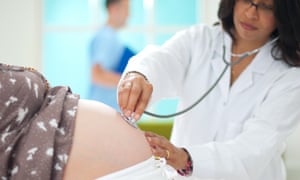
pre natal check upPregnant woman gets bump checked


Compensation for errors around the time of birth has reached more than £500m a year. Photograph: Sturti/Getty Images

Their findings would be presented to a panel of legal and medical experts who would decide whether any compensation is warranted and arrange for payments to be made to the family.


The government hopes the scheme – which would assess about 500 cases a year – will help dismantle what it sees as a “litigation culture”. It would work out far cheaper for the NHS than the current route, in which cases go to court or are settled out of court, often for millions of pounds.


Data from the NHS Litigation Authority shows the compensation bill to the NHS for errors around the time of birth is rising, reaching £509.3m in 2015/16 – up from £393.2m in 2014/15.


A spokeswoman for the Department of Health said the plan, which will be the subject of a consultation, would not “lock” parents into the scheme and would let them bring their own legal case against the trust if they were unhappy with the outcome.


The new maternity ward ratings follow Hunt’s recent creation of similar schemes to help patients and families compare the quality of cancer and dementia care. However, once they start being published, they will set out details for services within each of the NHS’s 209 GP-led clinical commissioning groups rather than the 156 acute hospital trusts with maternity services. Hunt said that openness about the quality of care will help empower patients and reduce wide variation in care quality.


In a speech at the Royal College of Obstetricians and Gynaecologists, Hunt will also set out £8m for training, with at least £40,000 available to each NHS trust in England.


A £250,000 maternity safety innovation fund will pilot new ideas for improving care, while maternity ratings for every part of England – using data that already exists – will be published together to encourage greater transparency.


Other measures being unveiled include a new Healthcare Safety Investigation Branch, modelled on the Air Accidents Investigation Branch. A new tool will also standardise the investigation of every stillbirth and early baby death so lessons can be learned.


Hunt said: “Our NHS maternity staff do a fantastic job under huge pressure. But even though we have made much progress, our stillbirth rates are still among the highest in western Europe and many on the frontline say there is still too much of a blame culture when things go wrong – often caused by fear of litigation or worry about damage to reputation and careers.


“These comprehensive measures will give practical support to help trusts improve their approach to safety – and help to foster an open and transparent culture so that the courts become a last resort not an automatic first step.”


In May this year a new report revealed figures that 15 babies are dying every day in the UK from stillbirth, during labour or within four weeks of being born.


The report was published by MBRRACE-UK (Mothers and Babies: Reducing Risk through Audits and Confidential Enquiries in the UK), which is a collaboration of academics and medical experts.


It found that there were big variations in death rates across the country, from 4.1 to 7.1 per 1,000 births. Women from the poorest backgrounds and black and Asian mothers run a higher risk that their baby will die in the womb or soon after birth.


In nearly half of all stillbirths (46%), the causes of death are unknown, said the report. The biggest causes of death in the early weeks of life are complications following birth (32%) and congenital anomalies such as heart defects (28%), and very premature birth (13%).


The MBRRACE team flagged up the need for research into premature births and also called for every maternity unit to review and record the causes of death in the same way to try to discover why there are such stark variations around the country.


James Taylor, head of policy and public affairs at disability charity Scope, said of the new plans: “Finding out that your child has been affected by a birth injury can be a very traumatic time for parents.


“So it is very positive that the government will be listening to disabled people and their parents on how the NHS can better support families when serious issues do occur during birth.”


Maternity wards in England to be rated by safety record

16 Temmuz 2014 Çarşamba

Bounty Mutiny victory for Mumsnet: income reps need to be banned from NHS maternity wards

Income reps have no area on maternity wards


Soon after providing birth for the second time, I was lying in a maternity ward, a bit befuddled, overwhelmed and, I’m sure, hanging halfway out of my hospital gown. My daughter, who had but to meet any of her grandparents or uncles, was lying subsequent to me when an productive and officious female bustled into the room. She quickly scanned the occupants of the four beds in the ward, and then set about speaking to my 3 ward-mates, collecting their information and giving them their post-natal Bounty packs. When she acquired to my bed, and I asked her what on earth she was doing there, she informed me that I was “too posh”, “plainly did not require [her] hand-outs”, and trundled off. As my vowels are a lot more Brooklyn than Cheltenham Ladies’ University, I have no notion what gave her that impression – possibly the mere act of questioning her presence in my personalized room (how entitled am I?) – but both way, 4 hrs post-birth was not the time to be judged, or pressured to get any certain goods.


Permitting commercial revenue reps onto wards with any individuals is disgraceful. A patient’s privacy and dignity need to be leading priority at all times, and the only men and women going to them must be health pros or near household and pals – not salespeople. However the NHS has encouraged the practice for many years, reportedly earning £5.50 per child born through this money-for-accessibility deal.


There is ample evidence of revenue reps collecting information with out permission, and suggesting that individuals who refused to divulge private information would not be eligible to claim youngster benefit. A lot more than half of mothers surveyed by Mumsnet said the Bounty reps had “invaded their privacy”, and 60 per cent mentioned they had not been told (as they should have been) that their personal specifics would be sold on to other businesses. More than 4 out of five mothers imagined the Bounty reps need to be denied access to wards. The NHS ought to have banned this years in the past.


Now, thanks to Mumsnet’s Bounty Mutiny campaign, the Care Quality Commission (CQC) is last but not least examining the practice. Even though the campaign – in which the parenting network gathered far more than 90,000 signatures to a petition calling for an finish to the Bounty reps – has only just announced its victory, considering that April of this yr the CQC has been investigating no matter whether the reps invade the privacy of new mothers. A number of NHS trusts have announced previously that they will be terminating contracts with Bounty. But it is a victory no significantly less and I hope a rallying contact for widespread adjust.


Let’s hope that all NHS trusts adhere to suit quickly, so maternity wards can be risk-free, private areas for mothers, fathers and babies to bond. Soon after all, each and every single aspect of childhood is commercialised these days – let’s preserve the tough-sell out of the maternity ward.


Bounty Mutiny victory for Mumsnet: income reps need to be banned from NHS maternity wards

9 Temmuz 2014 Çarşamba

From the lab to the maternity ward: how genetics can beat birth defects

Dr. Claudia Guimaraes carries the baby girl in Brazil

A new on the internet toolkit designed in Cambridge, United kingdom, is helping Brazilian medical professionals to detect birth defects. Photograph: AGENCIA ESTADO/AP


In many countries efforts to stop disease and enhance wellness are minimizing costs of infant and childhood deaths. Even so, it has turn out to be obvious that these mask another considerable health problem. Birth defects or congenital abnormalities refer to something abnormal that is current, though not automatically clear, at birth. They include easily identifiable physical situations this kind of as spina bifida, club feet or cleft palate others only become obvious more than longer periods, for instance heart or eye troubles. Many are inherited forms of ailment such as sickle cell anaemia or Down’s syndrome. Collectively, birth defects impact one in every single 33 births globally, representing a enormous burden of childhood death and disability, specifically in creating nations: nearly 300,000 infant deaths and in excess of 3 million new situations of disability annually.


In 2010, the Globe Overall health Assembly highlighted birth defects as a priority global wellness situation. In wealthy nations such as the Uk, substantial measures for prevention, diagnosis and remedy exist, but several reduce cash flow nations just can not afford this. They want to know how very best to expend limited assets to lessen the impact of birth defects some measures (this kind of as folic acid supplements in pregnancy to prevent neural tube defects) are significantly more affordable than other individuals.


Overall health policy thinktank the PHG Basis has a specific curiosity in the use of genomics (the review of entire genomes, the total set of DNA) to boost wellness, usually by way of new exams and technologies. As a lot of birth defects are induced or influenced by genetic aspects, the challenge was to aid reduced and middle revenue countries to affordably prevent, determine or treat them. Creating on public well being approaches, we mapped a variety of varieties of birth defects and health care choices operating with specialists from University College London and the London School of Hygiene and Tropical Medicine.


The consequence was the toolkit for Well being demands assessment in congenital abnormalities, an on-line program that makes it possible for overall health professionals to uncover out the ranges of birth defects in their very own and other countries, and seem at the different alternatives available for improving prevention and care. It leads them via a method to design companies incorporating measures they think are proper for their personal country or region some could be as well costly, or socially unacceptable (such as optional termination of impacted pregnancies). Users can build an proof-based mostly, rational case for price-efficient new solutions that can be presented to well being authorities. Worldwide experts concerned in testing and refining the toolkit estimate that it minimizes the time required for an person to create this kind of a situation for new services from two or three many years to just a few weeks.


Last yr, overall health professionals in Uruguay efficiently utilized the toolkit to create a new law enshrining newborn screening for inherited diseases in the overall health support. Mariela Larrandaburu, director of the nationwide extensive plan of birth defects and unusual disease at the ministry of public wellness in Uruguay explained the toolkit had been a “driving force”. Larrandaburu explained the toolkit aided to integrate a bodily examination for birth defects into the healthcare system in Uruguay. “The physical examination is an important part that should be done systematically by personnel qualified to detect developmental abnormalities that otherwise will go unnoticed,” she says.


The toolkit is also becoming utilised in cities in Maharashtra, India. Birth defects are an “enormous, but largely invisible dilemma” in India, says Dr Anita Kar, director of the interdisciplinary college of health sciences at the University of Pune. “The toolkit is helping us get to the heart of how to review current solutions and prioritise the implementation of new companies in order to boost population overall health in the area.”


Earlier this year the toolkit was formally passed on to a consortium of overall health partners based mostly in Porto Alegre, Brazil who played an essential part in advancement. In addition to currently being enthusiastic customers, they will sustain the toolkit with up-to-date epidemiological data and advertise awareness amid global colleagues.


Though the toolkit is free of charge, and accessible for use on the internet or as available downloadable files, it could be enhanced, notably by optimisation for use with mobile phones and in additional languages. It however demonstrates that poorer countries can derive significant benefit from superior biomedical understanding with out needing costly high-tech laboratories given a simple assistance framework and access to data, they are much more than capable of developing their own, tailored remedies to national or regional wellness issues. This is an method that could usefully be utilized to other major public health difficulties.


Dr Philippa Brice is head of expertise and communications at the Public Wellness Genetics Basis. Comply with @PhilippaBrice on Twitter


Study a lot more stories like this:


• 7 methods to finish preventable child deaths


• 5 memorable movements in public health


• Innovate or die: what it takes to transform international well being


Join the local community of worldwide growth pros and authorities. Grow to be a GDPN member to get a lot more stories like this direct to your inbox


From the lab to the maternity ward: how genetics can beat birth defects

27 Nisan 2014 Pazar

Top maternity doctor: rising age of first motherhood is irreversible

Dr David Richmond

‘I believe society’s altered. I don’t think overall health professionals can influence that adjust,’ says the president of the Royal School of Obstetricians and Gynaecologists. Photograph: Linda Nylind for the Guardian


The shift in direction of older motherhood is irreversible and it is pointless to warn girls to have their kids by the age of 35 or risk their babies suffering a assortment of health care problems, in accordance to Britain’s prime maternity physician.


Dr David Richmond’s relaxed view of the growing number of ladies delaying motherhood until finally their late 30s or early 40s contrasts sharply with the acute concern expressed in latest many years by senior physicians, such as the government’s chief healthcare officer.


“I believe it [the trend] is irreversible due to the fact of growing equality in the social, specialist, financial [and] corporate environment we live in. If you place a man in that scenario, they would do exactly the identical. I fully respect that place.


“Older girls getting to be mothers is a trend that is right here to remain, I feel,” Richmond mentioned.


The average age of motherhood across all age ranges has been creeping up, and now stands at 29.8 years in England and Wales. The average age of fatherhood has also been growing.


“All I can do is say, ‘Hang on, we’re the ones at the obtaining end and these are the difficulties that we then face,’ and which is a challenge,” Richmond additional. A lot of girls hold off beginning a household until finally their mid-30s or later on due to the fact they want to feel safe professionally and financially ahead of taking maternity leave, explained the doctor, who is the president of the Royal College of Obstetricians and Gynaecologists.


The most recent Office for National Statistics information exhibits that the number of dwell births in England and Wales to ladies aged 40 or in excess of has risen more than fourfold from 6,519 in 1982 to 29,994 in 2012 – out of the 700,000 infants born that yr. Similarly, the variety of infants born to girls more than the age of 50 has a lot more than doubled in four many years from 69 in 2008 to 154 in 2012.


Later on maternity can decrease a woman’s chances of conception and involve a higher chance of miscarriage, a a lot more complex labour, and health care intervention at the birth.


Nevertheless, most women who leave it late know the hazards they are working, the physician believes.


“I would have thought that that message [about the likely hazards] is out there. I feel people who are delaying their pregnancies are by and massive nicely aware of what’s occurring. These who delay, both males and girls, are probably well conscious of what’s happening. I think it is a aware selection,” Richmond mentioned.


Asked about obstetricians previously telling girls in strong terms that they should have their family members prior to their fertility began to decline in their mid-30s, he stated: “Education may help arrest the trend, [but] informing them of the information, that can only support a little. I consider society’s modified. I never think [well being] professionals can influence that societal modify.”


Richmond’s pragmatic, comprehending mindset contrasts with the stance of the college he heads. Its statement on maternal age in current times has emphasised that “there is an urgent need for greater public data on the problems surrounding later maternity” and that “later maternal age is an emerging public overall health concern”. It also stressed that even though ladies must be supported in their existence choices, “both women and society need to be aware of the feasible difficulties that older mothers may experience”.


Study last December from the respected Karolinska Institute in Sweden located that the hazards of older motherhood in contrast with those face by younger mothers – stillbirth, a better chance of premature birth and minimal birth fat – started in girls as younger as 30-34, and not just those in excess of 35, as had previously been imagined.


Richmond was also unconcerned by the additional costs typically concerned in the treatment of older mothers. The continuing trend of older motherhood “is going to be a monetary burden and a healthcare burden. But the variety of women in excess of forty getting infants is a fraction of the whole, so it really is probably an inconsequential financial burden,” he stated.


Top maternity doctor: rising age of first motherhood is irreversible

12 Nisan 2014 Cumartesi

Product sales reps in NHS maternity wards are a advertising and marketing push too far for mothers

From earliest childhood, it really is made clear to us that a main alter in daily life is very best tackled by a trip to the outlets. New school many years are dealt with by the acquire, in August, of pencil instances, lunchboxes and also-long trousers. Starting up a new task? Head down the large street for something non-crease and expert-searching. Moving into your very first flat? Hello, Ikea.


As we get older, we can come to view the shopping sprees that arise in advance of considerable daily life events as an integral element of the events themselves. There’s some thing reassuringly organised and adult about heading to the shops with a list of essentials ahead of embarking on a new project – a kind of true-globe expression of the Scouts’ motto. If you happen to be outfitted, the considering goes, you are by definition ready, and given that there is no lifestyle occasion for which we feel more flailingly unprepared than the arrival of a very first child, logic dictates that the very best form of preparation is a commensurately large purchasing expedition.


All of which explains why new mothers and fathers are uniquely susceptible to the blandishments of businesses seeking to component them from their income. You’ve never ever had a little one prior to, after all – and infants, much a lot more than 1st flats or new schools, perform on our emotions as well as our ignorance.


If someone implies that you are going to permanently endanger your child’s health and wellbeing if you don’t supply them with a Zaky Hand Pillow (“designed to imitate the seem and feel of a parent’s hand”), who are you to argue?


The good news is, these days, we’re not as alone in our ignorance as we used to be. When it comes to laying in retailers for the baby’s arrival, we’re no longer obliged to rely on the guidance of our own mother and father, which tends to fall into 1 of two unhelpful camps: “We put you to rest in a bottom drawer and it by no means did you any harm” or “what do you imply, you haven’t purchased a child hairbrush?” If you’re dithering more than regardless of whether or not you ought to get a Moses basket as well as a cot, or how much you should commit on a pushchair, you can go on the web and beg for tips from individuals a minor additional down the road.


Over the years, and the program of several discussions, mothers and fathers on Mumsnet have come up with a rough checklist of essentials for new mother and father, the considering behind which is best summed up by the sentence “just because some thing exists, does not imply you are actually going to require it”. And even if you need it, you do not have to get a brand new a single (with a couple of exceptions, this kind of as vehicle seats and cot mattresses).


With the benefit of encounter, they have boiled the necessities down to a quite quick list: a secure sleeping place for your child (although a drawer may possibly be pushing it), nappies, a pram, a vehicle seat and wipes or cotton wool for wiping extraneous substances off the new centre of your world. Perhaps a sling or a bouncer if you are feeling flush – and, of program, bottles and sterilisers if you are bottle feeding. Every thing else is an optional extra.


There’s no query that marketing departments especially set out to exploit the truth that new dad and mom have a tendency to be each emotionally labile and green as grass – but at the end of the day, when it comes to getting little one kit, we all have the choice to put down the infant-wipe warmer, leave the shop and put the income we’ve avoided investing in a financial savings account for our child to use 1 day to spend for a few hrs of higher schooling, or put down a deposit on a garden shed. We have the option to stroll away. Where we don’t have that option, though, is in maternity wards.


For decades Bounty, a data-marketing and advertising company, has been purchasing accessibility to NHS maternity wards, the place its representatives (typically paid on a commission-only basis) strategy new mothers and ask them for their individual details. This data is then sold on to an limitless quantity of companies which have a business interest in reaching new mothers and fathers.


When you outline this circumstance to any person who hasn’t had cause to grow to be acquainted with NHS maternity services, there is normally some preliminary resistance to the probability that this can be occurring: absolutely we don’t enable commercial product sales reps to wander NHS wards at will?


Effectively, yes, we do it truly is accepted practice in many NHS trusts and, in the case of Her Majesty’s Income and Customs, we really shell out Bounty for the privilege, due to the fact kid-advantage declare varieties – along with samples of business items – are incorporated in the packs provided out at bedsides. The reality that these varieties are freely accessible on the internet and by phone, and could be handed out by local community midwives or birth registrars, looks to lower no ice with HMRC, which is estimated to have paid Bounty in excess of half a million lbs in the previous five years.


These business reps – whose revenue is dependent on how a lot of sets of patient information they can harvest – have entry to new mums who are frequently bed-bound and recovering from what is at ideal a demanding bodily experience, at worst a deeply traumatic 1.


Most of these women will be exhausted several will be feeling the results of powerful medicines administered for the duration of and following the birth huge numbers have had key abdominal surgical procedure in the previous 24 hrs.


If an NHS believe in proposed these days that it was going to introduce Viagra product sales reps into men’s genitourinary wards, or reps for walking aids to orthopaedic wards, the really least you’d anticipate would be some stout resistance.


It is a measure of the power of the association amongst “motherhood” and “buying things” that the presence of industrial representatives on maternity wards has been tolerated for so lengthy.


You have just had a little one and 28 stitches in your nethers? Why on earth would you not want a snappy salesperson wandering up and asking for your email tackle, your deal with and postcode, and your date of birth, so that this useful personal information can be sold on to myriad organizations? Hey, you get a tiny pot of Sudocrem in exchange.


Stories abound of Bounty representatives barging in on females who are attempting to set up breastfeeding, or just making an attempt to catch some rest. Numerous females feel the reps to be healthcare assistants, and only realise that they have handed their data to an unrelated organisation when the mountains of spam begin to create up.


Dad and mom whose babies die can devote many years attempting to eliminate their information from the marketing lists of companies who have purchased their information. When asked how they justify it, trust managers say that number of individuals complain. Bounty’s very own statistics present that to be true. But, as the consumer organisation Which? mentioned this month, one-third of men and women who had a dilemma with the NHS inside the last 12 months didn’t complain simply because they just did not know how, and the initial number of months of a baby’s lifestyle tend to be a time when non-crucial admin (such as wrestling with your well being trust) goes by the board.


Galvanised by our members’ irritation at the practice, and together with some redoubtable GPs and midwives, Mumsnet launched a campaign against the presence of income reps on maternity wards last 12 months, and in time we hope to see this pernicious practice end. (If you’d like to add your voice and consider some action, check out our “Bounty mutiny” webpage.)


Most of us appreciate the chance for a spending spree and, of program, anyone who needs to drop some cash in exchange for non-vital fripperies must do just that, with the typical disclaimers about sensible economic management, consideration of your available floor room, and the desirability of recyclable packaging. But in their function as customers, mother and father deserve the identical rights to informed option and great data as every person else – and not to be subjected, by NHS mandate, to the hard sell at a hospital bedside.


Sarah Crown is editor of mumsnet.com


Product sales reps in NHS maternity wards are a advertising and marketing push too far for mothers

31 Mart 2014 Pazartesi

Spanish nurses protest about cancer sufferers moved to maternity ward

Newborn baby and mother

Nurses in Spain have raised worries about cancer and other sufferers being moved to a hospital maternity ward. Photograph: Alamy


Nurses are warning of the hazards to mothers and newborns at a hospital in Madrid in which individuals with cancer and respiratory infections are routinely moved to the maternity ward since there are typically empty beds there due to Spain’s falling birth fee.


SATSE, the union that represents nurses in Spain, mentioned the Fuenlabrada hospital has more and more resorted to shuffling patients among wards in an attempt to handle overcrowding. On some days, up to 75% of the sufferers in the maternity wing should be on other wards, the nurses’ union told Spanish every day newspaper 20minutos.


Whilst all of the sufferers have their own rooms, they do share hallways and frequently nursing personnel. Nurses slammed the practice as inadequate, notably in the case of newborns who risk being exposed to infections in the first hrs of their lives.


The nurses stressed that they felt compelled to talk out after quite a few complaints surfaced about the scenario. One patient comprehensive the uncomfortable juxtaposition of sufferers who are nearing the end of the lives and other sufferers in the maternity ward. “You see families suffering due to the fact their family members member is dying and you happen to be hearing the cries of newborns subsequent to you,” she informed 20minutos.


The hospital blamed the practice on shifting demographics. When the hospital was created ten years ago, it was developed to care for a younger, much more fertile population. Today’s ageing residents, coupled with a birth price that is now a single of the lowest in Europe, implies the demands on the hospital have transformed. The Fuenlabrada hospital, recognised as one of the ideal in which to give birth in the country, has observed the number of births in the hospital plunge from just beneath 3,000 6 years in the past to about 2,000 in 2013. “It would be ridiculous not to use the empty beds to aid ease the amount of sufferers waiting to be taken care of,” mentioned a hospital spokesperson, including that all preventative measure and protocols were in area to minimise any hazards.


The nurses’ union is demanding that the hospital end the practice by rising the amount of beds offered in other wards. Provided the hospital’s shrinking price range, administrators stated that was an unlikely solution. As element of the country’s austerity measures, the Spanish government minimize €7 billion from the country’s healthcare program two many years in the past.


The hospital said it had been left with no other selection but to move individuals wherever they could discover an empty bed. “It truly is greater than obtaining patients sitting in emergency for days and days. In a hospital you have to attend to individuals who need to be handled.”


Spanish nurses protest about cancer sufferers moved to maternity ward

30 Ocak 2014 Perşembe

3 in four women satisfied to endorse their very own maternity unit

Newborn baby in blanket

Giggles for a infant. The NHS needs suggestions on maternity providers to ‘improve the whole childbirth experience’. Photograph: Edward Carlile Portraits/Getty/Flickr RF


3 in 4 ladies say it is “really probably” they would recommend their maternity unit to friends and family, a survey by NHS England has identified.


Given that one October final year females in every NHS maternity unit in England have been asked questions below the new close friends and family members check (FFT), and the outcomes from the initial three months had been published on the web on Thursday.


Females are asked up to 4 inquiries, each focusing on a distinct element of the pregnancy and birth.


The solutions, relating to antenatal services, birth experiences, postnatal wards, and postnatal local community companies, had been published individually for every month from October to December.


Asked whether they would suggest the labour ward, birthing unit or property-birth support they had employed, 76.five% of the women questioned in the most recent month, December, explained it was “really very likely” they would, even though 17.four% said it was “likely” they would.


Less than 2% answered that they would be “incredibly unlikely” or “unlikely” to do so. The remainder either explained it was “neither probably nor unlikely” they would recommend the support, or answered “don’t know”.


Catherine Calderwood, NHS England’s national clinical director for maternity and women’s health, said: “The FFT is about transparency, and we know that women and their households value us becoming open and honest, even when it has not been an ideal birth or experience.


“By listening to women and acting on their FFT suggestions, we can and will enhance factors. Not just the clinical or security problems, but the whole childbirth knowledge.”


In all ten,001 girls responded to the query about their baby’s birth in December. That represented just 19.one% of the complete eligible number, but NHS England said it was above its target of 15%.


A FFT score has been given for every single region, believe in and hospital in England for every of the 4 concerns primarily based on a formula that subtracts the proportion of girls who responded saying they have been “neither most likely nor unlikely”, “unlikely”, or “incredibly unlikely” to suggest a support, from the variety of ladies saying they would be “incredibly very likely” to recommend it.


Employing this formula, which can give a greatest of 100 or minimum of -a hundred, the general family and close friends score for England for the birth question was 75 in December, albeit with wide variations.


Bath, Gloucestershire, Swindon and Wiltshire was the area team with the highest FFT score (92, with a response charge of 14.three%), although the London location crew had the lowest (62, with a response fee of 15.9%).


At trust level, six had the maximum FFT score of a hundred% but only one of these had a response charge greater than 10%, which was Salisbury NHS foundation believe in, exactly where 29 people responded to the birth question out of 198 entitled to do so.


The Isle of Wight was the trust with the lowest score (38), despite the fact that this was primarily based on the response of only eight girls of 136 who have been eligible.


The following lowest was King’s College hospital NHS foundation believe in in London with a score of 41 based on 110 responses (a response charge of twelve.1%).


Six of the bottom twelve trusts on the birth question had been in London. This mirrors the benefits of a survey final yr by the NHS regulator, the Care High quality Commission, which identified that London was the region of England with the worst perceived maternity care, with 6 of the trusts supplying mothers “persistently worse than average” care.


At the level of personal hospitals there have been once more broad variations, the web sites with severe scores tending to be those with low numbers of responses.


The general FFT scores for England for the other concerns had been 63 for antenatal care, 66 for postnatal ward care and 74 for postnatal ward provision.


Belinda Phipps, chief executive of the parents’ charity NCT, welcomed the survey but stated “progress will only be attainable if solutions act on the results”.


3 in four women satisfied to endorse their very own maternity unit

9 Ocak 2014 Perşembe

Require a answer to overstretched maternity services? Call the Midwife

Regardless of having a razor-sharp script and the sprightliest nuns this side of the Sound of Music, BBC period drama Call the Midwife may possibly not be NHS commissioners’ first port of phone for best practice in service design.


Nevertheless, soon after a series of regarding revelations about NHS maternity providers – which have led the Every day Mail to lament Britain’s “Midwife Crisis” – commissioners would do nicely to observe closely as Contact the Midwife returns to screens later this month. For despite its grimmer moments, the programme showcases a variety of romantic relationship-based mostly midwifery that is in significant danger of extinction regardless of evidence it is more affordable and far more effective than other delivery models.


In November the Nationwide Audit Workplace unveiled that blunders in maternity care account for a third of NHS negligence payouts, which have risen by an astonishing 80% in the last five years. There is a robust argument that one of the triggers of this is the erosion of midwives’ relationships with the females they treat. The fragmented way the technique delivers care tends to make it harder to give substantial high quality midwifery services.


In the decades because duty for midwifery passed from local authorities to the NHS, the midwife’s role has been pushed out of the neighborhood and into hospital wards. This has produced a support that offers staff to fill buildings rather than care for girls and treats childbirth as an sickness, rather than a life encounter.


For the vast majority of women in this nation childbirth is quite protected, but it is unpredictable. To respond properly and proportionately to issues in pregnancy, and especially in labour, a midwife should make an informed clinical judgment about the mother’s well being and wellbeing. This variety of determination is far better manufactured by a midwife who knows and understands the female she is caring for.


The characters in Phone the Midwife practice along the lines of what is now acknowledged as caseload midwifery – a single-to-one particular maternity care which sees a single midwife look right after a woman throughout her pregnancy, throughout labour, and in the weeks immediately right after birth. The traditional argument towards this approach has been that it is basically as well costly that it is less costly to inspire females to pay a visit to one particular central hospital staffed by a revolving cast than to pair them with a single, community-based midwife.


But latest research has challenged this obtained wisdom. A report from Sydney University published in The Lancet in September showed that utilizing a single caseload midwife could actually reduce healthcare costs by more than £300 per birth. Reproducing this approach countrywide could support the health service discover income for the two,300 further midwives the NAO concluded it demands not to mention providing expectant mothers far more steady support during their pregnancy.


The examine also proved that caseload midwifery is more clinically successful. The study’s findings showed that females supported by a single, named midwife during their pregnancy were more likely to expertise a spontaneous labour, suffered much less blood reduction and required reduce doses of painkillers.


These final results expose the myth that midwifery care in the neighborhood – specially close to birth, at property or in a midwife led unit – is by some means much less safe. Alongside the superb operate of the Birthplace Investigation Programme at Oxford University’s Nationwide Perinatal Epidemiology Unit, the findings undermine the assumption that care need to be delivered through ever much more restrictive tips and policies to guarantee that it is risk-free.


There is a concern that if you let midwives to be actually autonomous and consider duty for their clinical determination-making, the threat is that they will supply poorer care and make blunders. In reality the opposite is correct: a leading-down, tick-box culture of good quality assurance is no substitute for a genuine romantic relationship among a midwife and expectant mom. The method must begin to believe in clinicians once more.


An overly bureaucratic method to midwifery is not just letting mothers down – it is putting the total profession below strain. The Royal College of Midwives announced lately that almost a quarter of all midwives in Britain have considered about leaving the occupation in the coming yr with numerous citing dissatisfaction with their NHS trust even as they restated their commitment to the females in their care. These are worrying figures for Britain’s already brief-staffed maternity services.


To resolve Britain’s so-known as midwife crisis, the government need to remember the core concepts of its healthcare policy: empowering clinicians bringing care closer to communities and freeing NHS workers of burdensome central management. Encouraging NHS commissioners to take into account the positive aspects of caseload midwifery whilst supporting pilot programmes to develop a sturdy United kingdom evidence base would signify constructive progress.


Effecting this kind of culture alter is no mean feat specially in the NHS. But local community midwifery can level to a sturdy proof base, a proud background, and a organic fit with government policy.


Seeking for a remedy for Britain’s sputtering maternity providers? Get in touch with the midwife, of program …


Annie Francis is chief executive of Neighbourhood Midwives


This write-up is published by Guardian Skilled. Join the Healthcare Professionals Network to get typical emails and unique offers.


Require a answer to overstretched maternity services? Call the Midwife