inquiry etiketine sahip kayıtlar gösteriliyor. Tüm kayıtları göster

20 Mart 2017 Pazartesi

Four select committees launch joint inquiry into UK air pollution crisis

MPs from four influential committees are coming together to launch a joint inquiry into the scale and impact of the UK’s air pollution crisis.


In an unusual development, the environmental audit committee, environment, food and rural affairs committee, health committee and transport committee will hold four sessions to consider mounting scientific evidence on the health and environmental effects of toxic air.


Dr Sarah Wollaston, the health committee chair, said poor air quality was “affecting the health of millions of people across the UK”.


“Our joint inquiry will include an examination of the scale of the harm caused and the action necessary to tackle it,” she added.


Last month, the Guardian revealed the risk to children’s health posed by air pollution, identifying 802 educational institutions in London where pupils as young as three are exposed to illegal levels of air pollution.


The government says toxic air causes up to 50,000 early deaths – 9,000 of them in the capital – and costs the country £27.5bn each year.


The government’s own statistics show 38 out of 43 UK “air quality zones” breach legal limits for air pollution and last year the high court ruled ministers must cut the illegal levels of NO2 in dozens of towns and cities because their current policies to improve air quality were so poor they were unlawful.


The government has to announce its new plans before 24 April and the inquiry will examine whether these proposals go far enough to cut pollution “not only to meet legal limits but also to deliver maximum health and environmental benefits”.


Mary Creagh, chair of the environmental audit committee, said: “The UK courts have twice found that the government has failed to deal with our air pollution problem properly. Now ministers will face unprecedented scrutiny in parliament to ensure they finally step up to the mark to ensure adults, and children in particular, do not have their health damaged by filthy air.”


Much of the most dangerous pollution comes from diesel vehicles and there is growing pressure on the government to introduce a diesel scrappage scheme to encourage people to swap polluting diesel vehicles for cleaner alternatives.


Louise Ellman, chair of the transport committee, said the UK economy depends on an “efficient and flexible transport system” but added: “Emissions from vehicles are a significant problem and the standards that governments have relied on have not delivered the expected reductions. We will be asking what more can be done to increase the use of cleaner vehicles as well as to encourage the use of sustainable modes of transport.”


Neil Parish, chair of the environment, food and rural affairs committee, said the joint inquiry was unprecedented.


“The solutions to cleaning up our air are not the responsibility of just one minister. That’s why we have taken the unprecedented task of convening four select committees so we can scrutinise the government’s efforts from every angle and look for holistic solutions that are good for health, transport and the environment.”


Four select committees launch joint inquiry into UK air pollution crisis

25 Ocak 2017 Çarşamba

MoJ launches inquiry after record number of prison suicides in 2016

The Ministry of Justice has launched an internal inquiry into the mental health backgrounds of prisoners who killed themselves, as new figures are expected to reveal that 2016 was a record high for self-inflicted deaths across prisons in England and Wales.


The justice secretary, Elizabeth Truss, has also ordered more prison staff to be trained as part of the specialist Tornado anti-riot squads after eight serious disturbances and riots broke out in the prison system in the last three months.


The latest quarterly “safety in custody” statistics are expected to confirm the increasingly volatile state of prisons in England and Wales. Self-inflicted deaths are expected to have risen to 113 in 2016, while incidents of self-harm have increased by more than 25%.


If confirmed, the final figure of 113 self-inflicted deaths in 2016 will compare with 89 in 2015 and the previous record high of 96 in 2004.


One key indicator of prison violence – assaults on staff and other inmates – is thought to have risen by more than 33% to an average of 65 a day across the prison system.


Official figures obtained by the Guardian under the Freedom of Information Act reveal that the number of incidents requiring the specialist Tornado riot squads to regain control of a prison tripled between 2013 and 2015.


The riot squads, which are specially trained to handle violent disorder, were called out five times in 2013, 16 times in 2014 and 15 times in 2015. The Ministry of Justice has not yet released figures for the Tornado squads for 2016, but recent figures for the deployment of the national tactical response group which deals with more minor incidents including rooftop protests, showed they were being deployed more than 60 times a month last summer.


Truss has told MPs that the existing force of 2,000 Tornado-trained prison staff is being increased “to make sure we can deal with any incidents that arise across our prison estate, particularly while we are building up the strength of our frontline”. An extra 2,500 prison staff are being recruited partially to reverse the deep cuts which have seen 8,000 fewer staff working in prisons over the past six years.


The justice ministry has also launched an internal inquiry following the recent inquest into the death of Dean Saunders, a prisoner at Chelmsford jail, who had mental health problems when he was sent to prison.


Dr Phillip Lee, a junior justice minister, has begun an inquiry into recent deaths in custody to see whether there is a pattern in why they are happening and whether policy changes are needed to the way mental health assessments are conducted in prisons.


Deborah Coles, director of Inquest,said: “This is a complacent response. Dean should never have been in prison in the first place. His death was entirely preventable.


“There have been repeated failures to act on the repeated recommendations arising from investigations, reviews, inspection and monitoring boards. We don’t need more reviews – the evidence is all there. It just needs government to take decisive action.”


Her reaction was supported by the shadow justice secretary, Richard Burgon, who said during a Commons debate that evidence from monitoring boards and inquest juries suggested too many people with mental health problems were in prison. “What needs to happen is that the ministry must ensure the recommendations of such bodies are acted upon,” he said.


Truss told MPs that immediate action was being taken to improve security and stability across the prison system, including the recruitment of 2,500 extra prison officers. She is shortly to introduce a new prison and courts reform bill to transform prisons, reduce reoffending and get prisoners into employment.


MoJ launches inquiry after record number of prison suicides in 2016

12 Aralık 2016 Pazartesi

UK university launches inquiry into links to work of controversial surgeon

It was the case of the superstar surgeon, the prestigious Swedish institute and the ill-fated windpipe transplants that escalated into allegations of misconduct, dismissal and a criminal investigation.


Now, a leading British university has launched an inquiry into its own links with the endeavours of Paolo Macchiarini, the surgeon at the centre of the trachea operations following which six patients died.


The surgery, pioneered five years ago with the world’s first synthetic windpipe transplant at Stockholm’s prestigious Karolinska Institute, appeared to mark the beginning of an era in which artificial organs could be created from scratch by scientists and seamlessly integrated into the human body.


However, the remarkable success story began to unravel. In March, the Italian surgeon was dismissed from the Karolinska Institute amid an unfolding medical scandal and Swedish prosecutors are conducting a criminal investigation.


Now, in a case that has sent ripples across the scientific world, University College London has launched an inquiry into links with the controversial surgeon.


The latest investigation will probe its relationship with regenerative medicine research that may have taken place at Karolinska. Several of its senior scientists contributed to the procedures pioneered by Macchiarini, in which donor or synthetic tracheas were seeded with the patient’s own stem cells with the aim of creating new, functioning organs.


There is no suggestion that the UCL academics are implicated in any misconduct.


The regenerative surgery initially appeared to have gone well, and was described as successful in high profile journal articles, but it later emerged that six of the eight patients to receive synthetic tracheas had died, while another remains in intensive care. Karolinska’s vice chancellor resigned and its entire board were sacked earlier this year after they continued to back the Italian surgeon despite warnings of clinical and scientific misconduct.


Karl-Henrik Grinnemo, a surgeon who worked alongside Macchiarini at Karolinska, said of his former colleague that there was always a sense of emergency that led to him bypassing standard ethical safeguards in international collaborations.


“It was ‘They’re severely ill and they will die very soon and … we can’t wait to get the permissions from the regulators’,” he said. “Everything was always in a hurry when it came to Paolo Macchiarini.”


Alexander Seifalian, a former UCL professor of biomaterials, created the first synthetic trachea to be transplanted into a patient. The 36-year old Eritrean man, Andemariam Beyene, had been suffering from advanced tracheal cancer and died two-and-a-half years after the transplant. Seifalian was dismissed from UCL in July, after a tribunal in an unrelated case found that he had dishonestly obtained £24,000 from an overseas student.


Seifalian, who had developed a polymer material to make artificial ears and noses, said he agreed to produce a synthetic trachea in just 10 days after being approached by Macchiarini, who told him his patient had only two weeks to live. In a 2013 TED talk, Seifalian recalled asking his PhD student to obtain sheep and pig tracheas from the butchers, because they did not know what the organ looked like.


“I said ‘Go on Google and type in trachea’,” he recalled in the talk.


According to Grinnemo, who assisted in the operation, “none of the [Stockholm] patients needed an operation that urgently. They would have survived even years. You could have waited for the regulators to look at the material and the cells.”


Grinnemo later concluded that the entire synthetic trachea concept was doomed to fail because the plastic would inevitably become infected as it was exposed to bacteria and viruses with each breath, adding that he now views the synthetic transplant as a “death tube”.


While the material was approved as safe for clinical use, the actual trachea was never formally assessed as a new medical device, meaning this risk was not fully considered.


Seifalian told the Guardian: “At the time he came to our laboratory and he said this is the only chance of survival for this patient … Yes if we had a longer time, we would have made a better scaffold. Everything was in a rush.”


Seifalian later made a synthetic trachea for a 20-year-old British woman, Keziah Shorten, who was treated at University College Hospital London in 2011.


Martin Birchall, a UCL professor of laryngology who coordinated the surgery, said that on the back of positive reports from Karolinska, the team were given approval to perform a synthetic trachea transplant under compassionate use rules. The surgery allowed Shorten, who had been in a critical condition in intensive care following cancer treatment, to return home for a brief period, but she died three months later.


“At the time it was the rational thing to do,” said Birchall. “We wouldn’t do it again now.”


Birchall had collaborated with Macchiarini on a transplant carried out in a Spanish clinic in 2008.


He too recalls a sense of urgency when helping to prepare the donor trachea that had been stripped of its cells and re-populated with stem cells taken from the bone marrow of the 30-year-old patient, Claudia Castillo.


Birchall, then at Bristol University, was given permission by the Human Tissue Authority to prepare the cells in a veterinary laboratory, that was not licensed for clinical applications. In a 2008 letter the HTA said it would not stand in the way of what “could in this particular case be life-saving therapy” for a “carcinoma patient”.


The surgery was required because one branch of Castillo’s windpipe (the bronchus) had been damaged by a TB infection. Her left lung was at risk of being surgically removed, but she was not at immediate risk of dying, according to the Barcelona clinic where she was treated.


Birchall told the Guardian that he believed the additional risk this carried was justified because “my firm belief was her life was in danger and we needed to move quickly”, adding that even so he would not have carried out the work without HTA approval.


There is no suggestion that the cells caused any health problems, but Castillo suffered extensive complications and ultimately had her lung removed earlier this year, raising questions about whether the risk was warranted.


In a statement, UCL said: “Following recent events at the Karolinska Institute in Sweden relating to some aspects of regenerative medicine research, UCL’s Vice Provost (Research) has instigated a special inquiry in order to establish the nature and scope of regenerative medicine research at UCL and to establish the nature of UCL’s relationship with regenerative medicine research that may have taken place at the Karolinska Institute.”


Macchiarini rejected claims that he misrepresented the clinical condition of patients to collaborators. Of the first synthetic transplant, he said: “All of us involved in Andemariam Beyene’s care wanted to give him the very best chance possible, and he and his family expressed their gratitude for the extra years we gave him.”


UK university launches inquiry into links to work of controversial surgeon

22 Ekim 2016 Cumartesi

Police launch inquiry into death of woman ‘refused’ an abortion by Sicilian doctors

Italian police are investigating a dozen doctors at a Sicilian hospital after the family of a 32-year-old woman who died after a miscarriage claimed she was not given adequate medical attention. The family says that her doctor had professed moral objections to abortion.


The death of Valentina Milluzzo, who was five months pregnant with twins when she miscarried and fell ill, has reignited a debate across Italy about the high number of gynaecologists and obstetricians who refuse to provide abortions. As a result, women may not get the medical attention they require in emergency situations.


The investigation into the Cannizzaro obstetrics and gynaecology hospital in Catania on the east coast of Sicily was opened after the family of Milluzzo, who became pregnant through in-vitro fertilisation, said a doctor refused to intervene even though her life was at risk.


Milluzzo had been admitted to the hospital two weeks earlier, after going into premature labour. After the death of one of the foetuses, Milluzzo reportedly became very ill and her blood pressure dropped rapidly. Her family asked for the other foetus to be aborted but say her doctor refused. Milluzzo died within hours on 16 October of septic shock.


Milluzzo’s partner, Francesco Castro, told reporters that his wife was “screaming in pain for nearly 12 hours” when he asked the doctor to intervene. Milluzzo had already given birth to one foetus, which was stillborn, but Castro said the doctor told him he could “not intervene” because he objected to abortion and the other foetus still had a viable heartbeat.


Milluzzo’s parents have backed her husband’s recollection of events but the hospital has disputed the account, saying that an abortion would not have been necessary in Milluzzo’s case because she was already miscarrying.


Paolo Scolio, a doctor at the Cannizzaro, admitted that all of the doctors in the hospital were conscientious objectors to abortion but that other specialists could technically have been called in if required.


Catania’s prosecutor is now investigating a dozen doctors, which could lead to charges of manslaughter, according to Italian press reports.


Beatrice Lorenzin, the Italian health minister, said doctors were permitted to conscientiously object to performing voluntary abortions on patients, but that doctors were not allowed by law to withhold medical treatment when women’s lives were at risk. This point was reiterated by a national association of Catholic doctors, who said they had to do whatever was necessary to save a woman’s life it if was in danger.


Abortion has been legal in Italy since 1978, but the rules surrounding the medical procedure are stringent. Under Italian law, doctors can perform an abortion during the first 90 days of pregnancy. But after that a woman must either be physically or mentally at risk because of the pregnancy or have evidence of a serious problem with the foetus.


The most recent government figures show that about seven in 10 Italian gynaecologists refuse to carry out abortions on the grounds of conscientious objection. The proportion of doctors who object has risen from about 59% in 2005 to 70% in 2013.


The health ministry had previously denied that the increasing number of doctors in Italy who were refusing to perform abortions posed any risk to women, because the number of abortions was decreasing.


When the health ministry was asked earlier this year whether Italy could ensure that women had access to safe abortions given the high rate of objectors, the ministry said that the workload of doctors who did perform abortions was sustainable.


The number of doctors who object differs from region to region, but Sicily is among the areas with the highest number of doctors who will not carry out abortions, with a rate of about 87.6% of gynaecologists in the region refusing to perform the procedure.


The International Planned Parenthood Federation, a global group that supports abortion rights, said the case had eerie echoes of the death in 2012 in Ireland of 31-year-old Savita Halappanavar, who was admitted to Galway University clinic with severe abdominal pain and high fever but was denied an abortion. She died of septicaemia.


“Italy is not Ireland and abortion has been legal in Italy for 40 years,” the group said. “The tragic death of Valentina highlights the brutality of a system that permits objecting health care providers to disrespect the law.


“Far too many doctors and medical staff put their personal conscience before a woman’s conscience, life and dignity.”


Police launch inquiry into death of woman ‘refused’ an abortion by Sicilian doctors

15 Eylül 2016 Perşembe

Stephen Hawking urges inquiry into Hunt"s NHS patient death claims

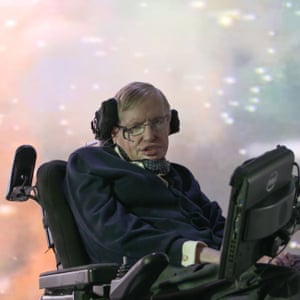
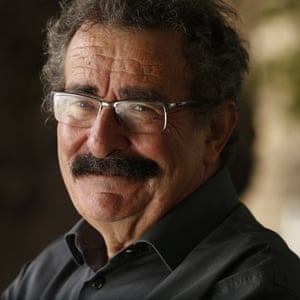
Stephen Hawking, Lord Winston and a number of senior doctors are urging the prime minister, Theresa May, to hold an inquiry into Jeremy Hunt’s controversial claim that 11,000 patient deaths a year are caused by a lack of medics on duty in hospitals at weekends.


Their plea comes in a letter to the Guardian that claims the health secretary has caused a “devastating breakdown of trust between government and the medical profession” by misrepresenting the evidence on the “weekend effect”.


Hunt has come under fire since he began maintaining last year that “there are 11,000 excess deaths because we do not staff our hospitals properly at weekends”. Critics, including the British Medical Journal, have rejected his claim and accused him of highly selective use of complex evidence about the higher number of patients who die within 30 days of being admitted to hospital on a weekend.


The letter is a significant new challenge to Hunt’s integrity over the weekend effect – higher mortality among those admitted on a Saturday or Sunday – and what lies behind it.


Its authors want the prime minister to order an independent inquiry into the process behind the definition and claims of a weekend effect. They say there is so much disagreement about the evidence underpinning the weekend effect that ministers should pause the new junior doctors’ contract and the push to create “a truly seven-day NHS”.


Physicist Stephen Hawking.


Physicist Stephen Hawking. Photograph: National Geographic Channels/Pau

Hunt’s assertion of a weekend effect due to understaffing is important politically because he has consistently used it to justify imposing the unpopular new contract on England’s 54,000 NHS junior doctors and the government’s push to make more NHS services in England available at weekends. The latter was a key Conservative pledge in last year’s general election campaign.


Other signatories to the letter include: Trish Greenhalgh, a professor at Oxford University specialising in evidence-based medicine; Prof Neena Modi, president of the Royal College of Paediatrics and Child Health; and Prof Alistair Hall, a cardiologist and epidemiologist at the Leeds teaching hospitals NHS trust.


They accuse Hunt of wasting NHS resources by forcing it to expand to a much fuller seven-day service on the basis of “bad evidence”, and of ignoring findings that challenge his thesis and misleading MPs and the general public.


“It is wrong to waste precious resources, or lives, because of bad evidence. Like NHS treatments, health policy should be evidence-based to demonstrate clinical and cost-effectiveness,” they write.


Scientist Lord Robert Winston.


Scientist Lord Winston. Photograph: Murdo Macleod for the Guardian

“Hunt has cherrypicked research, causing a devastating breakdown of trust between government and the medical profession. In making these claims without faithfully representing the evidence, he has obstructed fact and misled parliament and the public,” they add.


Other signatories include: Dr Margaret McCartney, a prominent GP and an author, columnist and broadcaster on medical matters; Dr Phil Hammond, vice-president of the Patients Association; and several prominent junior doctors.


The doctors dispute specifically Hunt’s claim that eight research studies back up his concern that a lack of medics in hospitals at weekends is leading to large numbers of avoidable patient deaths.


The authors of the letter also want the prime minister to halt “any policies or contractual reform driven by this evidence until it can be examined objectively and with rigour”.


Prof Julian Bion, an expert in the weekend effect at Birmingham University, said that the High-Intensity Specialist-Led Acute Care project, which he has been leading since 2014, is undertaking the sort of inquiry that the letters writers seek.


While not disputing the existence of a weekend effect, Bion said the causes of it were “multifactorial” and not simply due to too few doctors being on duty. “There is evidence that patients admitted at weekends are sicker and the weekend effect may therefore have a ‘community dimension’,” he added. “The causes may include [the availability or not and quality of] community and social care as much as hospital care.”


Paul Aylin, another expert in weekend-related mortality and a professor at Imperial College London, said there were many “studies out there of varying quality, and people therefore have plenty to pick from to support their side of the argument”. But international evidence showed a weekend effect in patients who had a gastrointestinal haemorrhage, stroke, heart attack, arrhythmia or cardiac arrest, but not in neonatal deaths, he said.


A Department of Health spokesman rejected the authors’ concerns. “Over the past six years, we have been presented with clear independent evidence of variation in care across the weekend – this government makes no apology for tackling the issue, to build a safer seven-day NHS for patients,” he said.


“Further peer-reviewed evidence is emerging all the time, including the authoritative 2015 Freemantle report, which confirmed previous evidence of a weekend effect.”


Stephen Hawking urges inquiry into Hunt"s NHS patient death claims

23 Ağustos 2016 Salı

Seven-day NHS: Labour demands inquiry as leak reveals crisis warning

Labour is demanding an inquiry into revelations that senior civil servants fear the government’s push for a “truly seven-day NHS” may be derailed because it faces staffing and money problems.


Tom Watson, the party’s deputy leader, claimed that leaked Department of Health documents obtained by the Guardian and Channel Four News showed Jeremy Hunt had misled the public by pushing ahead with expanding the NHS in England despite his own mandarins’ concerns.


“Leaked secret papers show that junior doctors’ concerns were right. This warrants an inquiry. Hunt misled the public,” Watson tweeted in response to the disclosures, which have prompted renewed scrutiny of a policy that the Conservatives have pledged to deliver in full by 2020.


Senior Tories have responded to the publication of the department’s own risk assessment of the seven-day plan and other papers by making clear that they share the civil servants’ previously private worries.


Dr Dan Poulter MP – who until last year was a health minister alongside Hunt and is also an NHS doctor – tweeted his view that the documents constituted “a warning of the dangers of putting soundbites ahead of properly costed and resourced plans for our NHS”.


Dr Sarah Wollaston MP, the ex-GP who chairs the influential Commons health select committee, tweeted: “Cannot keep piling ever greater responsibilities on to an overstretched service without realistic resource and workforce to cope.”


In a swipe at Hunt she added: “Expect problems when thin evidence is used to bolster an under-resourced political objective instead of policy following the evidence.”


Diane Abbott, the shadow health secretary, said: “This is a scandal. The government is undermining the NHS with plans it knew to be unworkable. I will be writing to Jeremy Hunt to ask him to explain why [he] has contravened his civil servants’ advice and to ascertain whether he has misled parliament.”


Professor Jane Dacre, the president of the Royal College of Physicians, also warned that the drive to expand medical services at weekends was unrealistic because of the NHS’s worsening shortage of doctors, which is leading to more and more gaps in rotas and expensive use of locum medics.


“At the moment we are struggling to deliver care over five days, so to extend that to seven days and expect doctors to be able to provide high quality of care is not realistic. Doctors are working hard and they want to do the best they can for patients, but it is difficult to deliver the quality of care needed seven days a week without extra people to deliver it”, she told C4 News.


“There are just not enough doctors available to run a seven-day service at the moment. We all want to provide better patient care but to provide a seven-day service in our hospitals we need more doctors, and probably more nurses too. We also need pharmacists, occupational therapists and physiotherapists working at weekends as well.”


Hunt has made clear he expects the NHS to fund the expansion of services that he wants by 2020 from within the £10bn rise in its budget it will receive by then.


However, health experts such as Nigel Edwards, chief executive of the Nuffield Trust think-tank, have made clear that with the £10bn only bringing a 0.9% annual increase in NHS funding, the entire amount will be needed to help the service cope with growing pressures, and it will not cover the costs of having more doctors on duty in hospitals and GP surgeries by the end of this parliament.


Seven-day NHS: Labour demands inquiry as leak reveals crisis warning

14 Temmuz 2014 Pazartesi

Dozens of NHS executives face tax inquiry into off-payroll earnings

“The principles I brought in two years ago make clear that the place folks have failed to give satisfactory assurance of their tax affairs, their particulars have to be passed to HMRC.”


The rules were launched right after it emerged that Ed Lester, the head of the Student Loans Company was becoming paid via a personal support company, conserving up to £40,000 a 12 months in tax.


It followed a Treasury investigation which found 2,400 public sector personnel employing the “opaque” instruments for up to a decade, which, the Treasury said “created the conditions where tax avoidance could be taking place”.


Working earnings through a personalized services business implies the firm pays corporation tax – as low as twenty per cent – rather than individual revenue tax at up to 45 per cent, plus nationwide insurance coverage.


All costs can be deducted from earnings just before profits are calculated, and many men and women make use of their companion in a “secretarial” part. The personal can also minimise their tax bill more by leaving “profits” in the company, paying themselves in modest dividends.


Underneath the crackdown, any public sector worker earning a lot more than £58,200 and employed for a lot more than six months by way of a service business must give their employer assurances they are not securing an undue tax advantage.


Mr Alexander produced clear that most public sector workers should be place on the payroll. He decided it would be excessive to ban the use of the businesses altogether.


However, an investigation by Keep track of, the well being watchdog, ordered by the Treasury, final week unveiled that thirty NHS Trusts are nonetheless breaching those principles.


It discovered 86 senior executives on service contracts, operating in 21 various trusts, had been asked to offer assurance about their tax situation but individuals assurances had not been offered.


Their positions and employers have not been exposed by Monitor for information safety motives.


If HMRC finds the 86 had been utilizing service firms solely to minimise their tax payments, it can reclaim all the revenue tax and national insurance contributions owed with curiosity.


Further fines of up to 100 per cent can be imposed if the executive has deliberately beneath-paid tax or attempted to conceal earnings.


In addition, Check discovered 47 senior executives, doing work across 23 trusts, are on support contracts despite obtaining positions of “significant fiscal responsibility” or getting on the board.


Treasury principles allow this kind of appointments only in outstanding conditions, and has issued severe fines to government departments in breach of the rules.


They include three NHS believe in chief executives, 4 non-executive board members and 15 other board members.


The worst offender was Heatherwood and Wexham Park hospitals basis trust, with eight of the highest ranking personnel paid off-books. Most of them are operating on “transformational projects” with “limited daily life span”, the believe in stated.


Other trusts in breach of the principles incorporate Milton Keynes, with five prime executives off payroll. The appointments are all due to come to an finish.


At the Queen Elizabeth Hospital King’s Lynn, four board members have been paid by way of service businesses. The trust is in specific measures and board members have been set up as an interim team.


Amid an more and more uncompromising stance from Mr Alexander against suspected public sector tax dodging, final week Mr Alexander imposed a record £1.03 million fine on the Land Registry following it was identified to make use of a single board member off-payroll for more than 6 months.


Mr Alexander wrote to Vince Cable, the enterprise secretary responsible for agency, to request what further action he will consider “to hold the Land Registry to account.”


In March the Department for Surroundings &amp Rural Affairs (DEFRA) acquired a fine of £102,080 for a breach of off-payroll principles at the government’s veterinary laboratories. The Division for Transport was hit with a £400,000 fine in excess of two senior appointments at the Immediately Operated Railway, the agency that runs the East Coast railway franchise.


Dozens of NHS executives face tax inquiry into off-payroll earnings

11 Temmuz 2014 Cuma

Inquiry into US government labs finds flu virus cross-contamination

Senior US science officials have shut down two government laboratories that were the subject of “serious and troubling” safety lapses, and suspended some transfers of potentially dangerous germs.


Dr Tom Frieden, director of the Centers for Disease Control, revealed on Friday that in addition to the exposure of anthrax and the discovery of insecure smallpox vials, which had already been disclosed, inquiries had discovered the cross-contamination of flu viruses.


Frieden said the discoveries raised “serious and troubling questions” in announcing the new safety measures on Friday. “Fundamentally, what they revealed was totally unacceptable behavior,” said Frieden. “These events should never have happened.”


Frieden said he was disturbed to learn of the influenza virus cross-contamination in the last 48 hours, the incident was not previously known.


In June, news first broke that CDC bioterrorism scientists may have accidentally exposed 84 of their colleagues to live anthrax by deviating from a protocol meant to kill the bacteria and spores. Just a few days ago, 16 vials labeled “variola”, or smallpox, from 1954 were discovered in a storage room by a scientist at the Maryland campus of the National Institutes of Health.


Two of those vials were found be viable, or potentially infectious. Frieden said it does not appear that workers or the public were exposed to the dangerous pathogens in either incident.


Just two days ago, Frieden said he found out that a cross contamination in one of the CDC’s influenza laboratories led to a highly pathogenic strain of “bird flu”, or H5N1, to be accidentally shipped to a Department of Agriculture lab that was expecting a safer strain.


It does not appear anyone was exposed in that incident


Frieden said bioterrorism researchers who nearly exposed their colleagues to anthrax broke lab protocol, had a “lack of scientific knowledge in this laboratory about anthrax”, and should have known a method used to kill anthrax bacteria could leave small amounts of spores viable.


“The root cause, fundamentally, was that the scientists failed to follow a scientifically derived and ensured protocol that ensured that anthrax was deactivated,” said Frieden. There is a “lack of standard operating procedure, [and] lack of adequate laboratory oversight,” that allowed the incidents to happen, he said.


Frieden said he found the cross-contamination of influenza the most disturbing of the three incidents.


“It’s most distressing not because it’s most dangerous,” he said. “What’s distressing about it is that our influenza laboratory is a superb laboratory … So, to me, the fact that something like this could happen in such a superb laboratory is unsettling.” Frieden said it was also disturbing that the incident took about six weeks for scientists to report to superiors.


In response to the incidents, a moratorium on the transfer of biological materials from high-security CDC laboratories is being immediately issued, and will not be lifted until a lab-by-lab review is conducted.


The influenza laboratory is closed pending an investigation, and the laboratory that improperly handled anthrax is suspending work with that and other dangerous pathogens. Employees will be disciplined where appropriate, Frieden said.


New laboratory safety initiatives include naming Dr Michael Bell, currently the deputy director of health care quality promotion, as director of laboratory safety. Bell previously worked in the CDC’s infectious disease control division.


Current lab protocols for transferring and deactivating biological material, such as the flu, will be reviewed and updated. An external advisory committee has been established, as well as a working group headed by Bell.


Frieden said any lessons the CDC learns through its review could be absorbed into its function regulating labs around the country, such as private or university labs.


A 23-page report issued by the director comes before his hearing before the House energy and commerce committee next week. Frieden has headed the CDC since 2009, and previously headed the New York City department of health.


Inquiry into US government labs finds flu virus cross-contamination

24 Haziran 2014 Salı

Ministers buy inquiry into NHS whistleblowing

The information displays 29 hospitals have been rated “poor” for their general openness and honesty of reporting, although 35 websites acquired the worst rating for infection manage.


Hospitals will also be encouraged to introduce “airline-style” safety briefings for sufferers, using video clips setting out what to anticipate during their visit, and urging them to communicate up if they have issues.


Sir Robert has been asked by ministers to lead the inquiry which will examine how to defend whistleblowers from reprisals, and how to adjust the culture of the NHS so personnel truly feel in a position to communicate up.


Throughout the public inquiry into Mid-Staffs, nurses informed how the had been bullied into silence following making an attempt to alert managers that patients were being put in danger from appalling failings in care.


On Tuesday Sir Robert mentioned that he feared that the scenario was even worse than he had imagined, with increasing numbers of whistleblowers contacting him because his landmark report to Government final year.


He stated: “Since the inquiry I have had a whole lot of folks talk to me about the culture of fear that prevents men and women speaking out – and maybe it really is a reflection [of that culture] that not as much of that came out at the inquiry as may well have done.”


Sir Robert stated the inquiry would examine why it was that NHS staff felt afraid to communicate up, warning that each time the health services handled a whistleblower badly numerous more workers were deterred from “doing the right thing”.


He explained the Mid Staffs inquiry had proven “the appalling consequences for individuals when there is a ‘closed ranks’ culture.”


In April, a cardiologist who was hounded out of his job following warning that individuals have been dying simply because of expense-cutting practices won a landmark legal victory in the longest-working case in NHS whistleblowing historical past.


Last week Jeremy Hunt, the Wellness Secretary met 6 NHS whistleblowers who pleaded for a lot more to be accomplished to support individuals who get rid of houses and careers because they attempted to talk up for sufferers.


He stated on Tuesday that the NHS “has a prolonged way to go” in the way it responds to staff who consider to increase concerns.”


He said the new campaign would aim to save six,000 lives in three years, halving the 12,000 avoidable deaths estimated annually.


The safety website launched yesterday measures every hospital towards seven measures infection management meeting regulators requirements staffing levels in contrast with people planned patients becoming assessed for blood clots proportion of staff who would suggest their workplace to pals and loved ones no matter whether the hospital responds swiftly to alerts of safety dangers and an all round measure, examining how “open and honest” the reporting culture is.


The new indicator on infection manage brings together existing information on cleanliness, levels of bugs this kind of as MRSA, and patient inspections, to type ratings.


In total, 35 NHS hospital websites were rated as bad, with 33 identified to be great and 228 okay.


For all round ranges of “open and honest” reporting, 29 acute hospital trusts have been rated as bad, even though 25 were rated as great and 87 as okay.


The measure was based mostly on their overall performance in 5 classes, like reporting ranges of small and main incidents.


Under the ratings, trusts fared better for becoming open about their problems, and worse if they had suspiciously minimal ranges of reporting.


http://www.nhs.uk/security/search/


Hospitals rated as “poor” for open and honest reporting of safety hazards:


Yeovil District Hospital NHS Foundation Trust


St Helens And Knowsley Hospitals NHS Believe in


Northern Devon Healthcare NHS Believe in


Royal United Hospital Bath NHS Believe in


Basildon And Thurrock University Hospitals NHS Foundation


Royal Cornwall Hospitals NHS Believe in


The Rotherham NHS Basis Believe in


West Middlesex University Hospital NHS Believe in


Sheffield Teaching Hospitals NHS Foundation Believe in


Croydon Overall health Providers NHS Trust


Mid Staffordshire NHS Foundation Trust


Burton Hospitals NHS Basis Believe in


Countess of Chester Hospitals NHS Basis Trust


City Hospitals Sunderland NHS Basis Trust


Bolton NHS Basis Trust


North Cumbria University Hospitals NHS Believe in


Doncaster And Bassetlaw Hospitals NHS Basis Believe in


Royal Liverpool And Broadgreen University Hospitals NHS Trust


Chelsea And Westminster Hospital NHS Basis Trust


Wrightington, Wigan And Leigh NHS Basis Believe in


North West London Hospitals NHS Trust


Epsom and St Helier University Hospitals NHS Trust


United Lincolnshire Hospitals NHS Trust


East Sussex Healthcare NHS Trust


Mid Yorkshire Hospitals NHS Trust


Brighton And Sussex University Hospitals NHS Trust


Buckinghamshire Healthcare NHS Believe in


East Lancashire Hospitals NHS Believe in


Shrewsbury And Telford Hospital NHS Believe in


Ministers buy inquiry into NHS whistleblowing

27 Mayıs 2014 Salı

Chairman of Mid-Staffs scandal inquiry speaks out

“I have realized from my son, and from other trainees, that we can find out a whole lot from the fresh eyes and idealism that medical professionals and nurses have when they start off out. It is so crucial to exploit that, and not to crush it.”


The barrister believes that a lot of of the worst failings in the NHS take place when clinical staff become powerless — are left “shrugging their shoulders” rather than demanding bad care.


It is 15 months because Mr Francis produced 290 recommendations to radically reform the health services in the wake of the Stafford Hospital scandal. The trust was criticised for causing the “suffering of hundreds of people” in its care amongst 2005 and 2008.


Since individuals recommendations had been created, the Government has ordered a host of adjustments — and Mr Francis has been appointed president of the charity the Sufferers Association, a position which was previously held by Claire Rayner, the agony aunt and former nurse.


In his 1st main interview because the Government responded to his inquiry, he says he is encouraged by most of its actions, which have included an overhaul of NHS regulation, potential ratings for hospitals and improvements to coaching and recruitment of employees.


Even so, Mr Francis expresses disappointment that ministers chose not to introduce his recommendation for a legal duty of candour to be placed on health specialists, which would have obliged workers to communicate up about patient dangers. “We do want to defend people by making confident they really feel risk-free to report factors to their employers,” he says. “I felt a statutory duty would have assisted that — as well usually those who raise concerns about things that go incorrect turn into unpopular with colleagues and they need to have some form of safety.”


He is also concerned about “complacency” in the well being service, with too fantastic a tolerance of mistakes and failings in care which can prove catastrophic. “The huge majority of these receiving care in an NHS hospital get perfectly acceptable care,” Mr Francis says. “The difficulties is it’s no use being happy or complacent — if we ran our airline industry on the identical basis planes would be falling out of the sky all the time.


“We’ve just got to modify the frame of mind that due to the fact it’s presented by the state, it is all appropriate for a number of individuals to be taken care of badly — effectively, it is not. Airlines would go out of enterprise really rapidly if they worked that way.”


Mr Francis believes that the culture of the NHS is altering, with “a greater atmosphere of openness and candour”.


He credits Jeremy Hunt, the Overall health Secretary, for a “refreshing change” of strategy in standing up for individuals, suggesting that his predecessors — from both events — tended as an alternative to act “as a spokesman for the NHS”. Mr Francis suggests that deference to medical professionals — “allowing them a God-like status” — and pride in the NHS have stifled political debate about its failings.


Given that March, hospital trusts have been obliged to publish particulars of all “never events” – safety blunders so basic and significant they can’t be justified.


The public wants nonetheless far more details, he believes, in order to consider an informed see about exactly where to go for remedy and for a meaningful debate about the potential of NHS solutions.


He also raises issues that essential areas of care, this kind of as that of the elderly, are too frequently starved of funds they need, as society is less very likely to shout about it.


“I think one particular of the factors that the elderly don’t get the priority they must — and the identical possibly applies to mental wellness — is that there’s been a reduction in social knowing about the responsibilities we have in the direction of these folks in society,” he says.


He believes also many hospitals use economic difficulties as an excuse for poor care. “If you can’t afford to seem soon after your previous people or your children safely that is just unacceptable,” he says, “and I really do not think when it comes down to it that lack of income is a justification.”


Mr Francis grew to become president of the Patients Association final November. It is a part the charity has not filled since the death of Mrs Rayner four years ago, as it was established to discover the appropriate man or woman. Given that taking the place, he says he has grow to be more and more concerned by the failure of the NHS to deal pretty and compassionately with people who complain of bad care. The charity is “deluged” by correspondence from these whose complaints have fallen on deaf ears, he says. 1000′s of individuals and bereaved relatives make get in touch with.


“The letters I get are from individuals who are misplaced and they have nowhere to go,” he says. “It’s extraordinary how lonely individuals can be — it damages them. Typically these are men and women who have lost a relative so they are grieving.”


The barrister says he comes from a different mould to his predecessor but would like to perform a element in modifying the culture of the NHS, to place the patient’s voice centre stage. “I’m not an agony aunt,” he says, “and I am not here to put into action the adjustments that I recommended, but when it comes to speaking up for patients, the Sufferers Association is the only game in town. If I can help to make some of the adjustments a practical reality, then I would like to do what I can.”


Chairman of Mid-Staffs scandal inquiry speaks out

Chairman of Mid-Staffs scandal inquiry speaks out


In an interview with The Telegraph, Robert Francis QC mentioned the public had been given a falsely good impression about the good quality of care getting presented in a lot of of the country’s hospitals.


The barrister mentioned the NHS necessary to make radical changes to meet the demands of the public – as an alternative of merely blaming individuals for “crowding out” Accident &amp Emergency (A&ampE) since they did not know the place else to turn.


Mr Francis mentioned that for too lengthy, those in charge of the health service had become “complacent” about the care meted out to individuals, believing it was realistic for some individuals to be badly failed, as long as the bulk have been not harmed.


Chairman of Mid-Staffs scandal inquiry speaks out

26 Mayıs 2014 Pazartesi

If NHS have been an airline, planes would usually be crashing, warns Mid Staffs inquiry chief

The intervention is substantial since it is the very first interview Mr Francis, one particular of Britain’s foremost QCs, has offered since the Government’s response to his landmark inquiry into Mid Staffs final 12 months.


The scandal, in which hundreds a lot more patients died than would have been anticipated, amid “appalling” failings in care, was one particular of the worst in NHS background.


Mr Francis, now president of the Individuals Association charity, mentioned it was a “refreshing change” that the current Overall health Secretary, Jeremy Hunt, had proven himself ready to communicate up for individuals.


Even so, the barrister said the public was even now not given a true picture of standards of healthcare across the health services.


“Because we’ve not had access to genuine info about how properly things are completed, the public have had a perception that items are rather better than they almost certainly are,” he explained.


Mr Francis said much more honesty was necessary about the need to shut some solutions in purchase to improve the standards of others, and that lack of funds should not be used to justify unsafe providers.


“I am concerned when I hear we are going to have trouble obtaining the proper degree of staffing simply because of economic considerations. All we are speaking about is supplying one thing that is protected, one thing that is successful. You have to ask, if you can not afford to supply that, why are you delivering it at all?”


He also urged politicians to “pause ahead of they speak” and to steer clear of “knee-jerk reactions” and joining protests about closures of local services when some adjustments were needed to save lives.


In specific, the barrister expressed concern that changes to centralise children’s heart surgical treatment, recommended in the wake of the Bristol infants scandal, in the 1990s, have even now not occurred, after years of arguments.


The public need to not be blamed for striving to look for healthcare support in which they could locate it, he added.


“I do uncover it of concern that the public seem to get criticised for crowding A&ampE out, “ the barrister extra. “Why is it they go there? It’s simply because they have no option that they have believe in and confidence in. The reply is not to get the folks to match in with the service – you want the support to fit in with the people.”


Given that the Francis inquiry reported final year, 14 NHS hospital trusts were investigated over higher death charges, with 11 placed in ‘special measures’ in a bid to enhance significant failings.


Last week, in a speech to safety specialists, Mr Hunt mentioned that it was “utterly, utterly shocking” that each and every week, surgeons operate on the wrong component of a patient’s physique, with 12,500 deaths a 12 months since of blunders by NHS workers.


Mr Francis mentioned he was encouraged by the Government’s responses to his suggestions, which involve an overhaul of the technique of regulation, ratings for hospitals, a duty of candour so organisations are obliged to supply truthful data to individuals, and changes in training and recruitment for nurses and managers.


Nonetheless he stated he was concerned that one particular of his essential suggestions – for a duty of candour to be placed on person overall health specialists, placing a legal duty on them to report dangers and provide trustworthy info – had not been introduced.


“We do require to protect people by creating sure they come to feel safe to report issues to their employers. I felt a statutory duty would have assisted that. Also often those who increase worries about items that go incorrect turn out to be unpopular with colleagues they require some type of safety and component of that is being in a position to say ‘I am below a duty to do this,’’’ he explained.


“It’s achievable to do that with good leadership, without having having the statutory duty, so allow us see what happens – but that is a concern”.


Mr Francis recommended that in the past, ministers had as well frequently closed down trustworthy debate about failings in the well being service, too often behaving as even though they have been the “spokesperson for the NHS” rather than an advocate for individuals.


He advised that respect for the NHS as an institution had stifled debate about its failings, praising the approach of the existing overall health secretary above his predecessors.


“Mr Hunt, from time to time delivers a view that he’s not happy with mediocre companies of 1 type or yet another and is then criticised for dissing the wellness support, when in fact what he is undertaking is promoting the views of sufferers who want better care,” Mr Francis stated.


Last night, Mr Hunt said: “It is my clear ambition that the NHS need to turn out to be the safest healthcare system anyplace in the globe. I want the tragic occasions of Mid Staffs to become a turning point in the creation of a a lot more open, compassionate and transparent culture within the NHS.


“We now have a after in a generation chance to save lives and avert avoidable harm. This is why I just lately launched the new signal up to security initiative – which will conserve up to six,000 lives in excess of the subsequent 3 many years and conserve money that can be reinvested back into patient care.”


If NHS have been an airline, planes would usually be crashing, warns Mid Staffs inquiry chief

12 Mart 2014 Çarşamba

Herbalife excess weight loss supplement organization facing inquiry from FTC

Herbalife Ltd says that it is facing an inquiry from the Federal Trade Commission.


The nutrition and supplement company’s shares initially plunged more than twelve% following a short halt in trading pending the announcement.


Herbalife said that it received the civil investigative demand from the FTC on Wednesday. The FTC’s web site says that these are employed to investigate possible “unfair or deceptive acts or practices.” A representative from the FTC was not instantly accessible to elaborate.


The company, which has faced accusations of operating a pyramid scheme, stated that it welcomes the inquiry offered “tremendous sum of misinformation in the marketplace” about its business.


Herbalife says it believes it is in compliance with all laws and regulations and plans to cooperate totally.


The firm, which is integrated in the Cayman Islands and primarily based in Los Angeles, employs a network of distributors to promote its dietary dietary supplements and fat-loss goods globally.


The FTC inquiry comes just a day right after hedge fund manager William Ackman renewed his attacks on the organization.


Ackman has bet against the business and mentioned repeatedly that he believes it operates as a pyramid scheme, which is when a organization helps make most of its funds by recruiting new salespeople rather than on the products that they sell.


The head of Pershing Square Capital Management resumed this effort Tuesday, holding a public occasion to detail his firm’s claims of how Herbalife is working as a pyramid scheme in China, violating laws there. Pershing declined to comment Wednesday on the FTC investigation.


Herbalife has repeatedly denied the claims and rival investor Carl Icahn has disagreed as well, taking his fight against Ackman public and escalating his stake in the business.


Its shares fell $ three.81, or five.eight%, to $ 61.58 in mid-afternoon trading following falling as lower as $ 54.59 earlier. Its shares had fallen almost 17% so far this yr via Tuesday’s near.


Herbalife excess weight loss supplement organization facing inquiry from FTC

3 Mart 2014 Pazartesi

Fears of patient information leak prompt inquiry into mapping internet site

Screengrab from Earthware homepage

A screengrab taken on Monday from the homepage of on the web mapping firm Earthware. Health authorities have launched an investigation into the site


A support offered by a data mapping site was closed down on Monday, as wellness authorities launched an investigation into the website amid concerns it had apparently acquired millions of identifiable patient records with out regulatory scrutiny.


A Hertfordshire-primarily based on-line mapping organization, Earthware, which gives providers which includes home data, claimed to enable consumers to locate areas in England exactly where a single person had gone for specialised therapy.


Though this would not always pinpoint the patient concerned, the risk of identification is regarded as so high that information protection rules prohibit the release of info when fewer than 5 individuals are involved. The internet site charged customers for each search, but did provide a totally free support to sample the tool’s usefulness, which allowed the public to search for heart and respiratory circumstances.


In a statement, the company insisted the map contained “mock information”.


On Monday night the Health and Social Care Information Centre (HSCIC) mentioned the website tool had been shut down and an investigation launched into how the information had been obtained, as it had not been cleared by its regulatory method.


A spokesman for the information centre said: “The link to this tool has been taken down following a request by the HSCIC. We are investigating urgently the supply of the data employed and whether controls demanded of any organisation using data have been maintained. Soon after this investigation we will get any necessary action.”


In a statement issued on its site, Earthware explained it was “confident that we have not breached any legal or regulatory guidelines relating to the licensing or publication of [Hospital Episode Statistics] information”.


It stated that the map displayed mock information held by a third party that the business had in no way held HES information on its servers and that no patient-identifiable information was ever displayed on the map. “We will carry on to co-operate totally with the HSCIC if essential,” it concluded.


The investigation comes amid issues that there are probably businesses in the Uk able to generate information dossiers on sufferers by tapping new technologies to unearth ever far more intimate information about the public. The dataset apparently came from hospital episode statistics, which hitherto had been regarded as a fairly “protected” repository of delicate information.


NHS England has previously defended its flagship care.data scheme – which proposes to extract data from GP surgeries – by pointing out that for 25 years hospital statistics had not suffered a major breach of privacy. Roll-out of the scheme was put on hold in February for 6 months.


Phil Booth of medConfidential, which campaigns on healthcare privacy, told the Guardian that “NHS England officials have claimed once again and once again that there has been no misuse of hospital episode statistics. Now a commercial real estate web mapping firm appears to be acquiring entry to hospital patient-level data.”


Booth known as for a “total transparent” disclosure of all the hospital information so far launched and called for the care.information scheme to be “halted”. “Until there has been a complete transparent audit of every single release of patient information the whole program that they propose must be halted.”


Underneath care.information, unless of course individuals opt out, the HSCIC will extract a person’s NHS quantity, date of birth, postcode, ethnicity and gender. After the method is reside, organisations this kind of as university study departments – but also insurers and drug companies – will be capable to apply to the HSCIC to gain accessibility to the database. If an application is approved then firms will have to pay out to extract this information, which will be scrubbed of some personalized identifiers but not enough to make the info completely anonymous – a approach identified as “pseudonymisation”.


This week Jeremy Hunt will push through a number of amendments to the Care bill connected to protecting privacy.


The coalition will produce a new law that would bar any organization that obtains patient data beneath the care.data programme and employs it in a malicious way from ever bidding to use health-related information yet again. Hunt also proposes that the NHS’s confidentiality advisory group, which advises the overall health secretary on accessing confidential patient information without consent – be produced a statutory entire body.


Earlier on Monday, Sarah Wollaston, who practised as a family medical doctor and is now a Tory MP on the well being pick committee, questioned how the NHS hospital patient database for England was handed to management consultants who uploaded it to Google servers based outside the Uk.


Wollaston tweeted: “So HES [hospital episode statistics] information uploaded to ‘google’s immense army of servers’, who consented to that?”


The patient data had been obtained by PA Consulting, which claimed to have secured the “complete begin-to-finish HES dataset across all 3 locations of collection – inpatient, outpatient and A&ampE”.


The data set was so large it took up 27 DVDs and took a couple of weeks to upload. The management consultants said: “Inside of two weeks of starting to use the Google tools we had been ready to generate interactive maps directly from HES queries in seconds.”


Specialists said there had been considerations over the reality that data can effortlessly be shared in the Google technique – and that the danger of an accidental information leak would have catastrophic consequences for trust.


In a statement PA Consulting Group said it had obtained the information from the predecessor of the HSCIC. “The data set does not have info linked to certain individuals. The information is held securely in the cloud in accordance with situations specified and accepted by HSCIC.”


The HSCIC mentioned: “PA Consulting utilized a merchandise known as Google BigQuery to manipulate the datasets offered and the NHS IC was conscious of this. The NHS IC had written confirmation from PA Consulting prior to the agreement becoming signed that no Google staff would be ready to entry the data entry continued to be restricted to the people named in the data sharing agreement.”


Fears of patient information leak prompt inquiry into mapping internet site

13 Şubat 2014 Perşembe

Coalition announces inquiry into Indigenous alcohol harm

The Abbott government has set up a parliamentary inquiry into the dangerous use of alcohol in Indigenous communities.


Indigenous affairs minister Nigel Scullion mentioned governments at all amounts have to unite to tackle the epidemic of alcohol abuse “or risk condemning these communities to a lifestyle of alcohol-fuelled poverty”.


“This inquiry will emphasis on very best practice to shape plans and practices that will reduce the scourge of alcohol in Indigenous communities,” he mentioned in a statement.


The decrease house’s standing committee on Indigenous affairs will look into what aspects contribute to hazardous consuming across Indigenous communities and ways to minimise alcohol-connected harm.


The committee’s chair, Liberal MP Sharman Stone, explained the inquiry was not singling out Aboriginal and Torres Strait Islander people as the only group that has issues with alcohol.


But she stated there is concern those in the community who do drink, do so at riskier levels that have greater well being-connected impacts.


The Northern Territory’s shadow minister for Indigenous affairs criticised the inquiry when it was very first proposed in January. Ken Vowles termed the inquiry “insulting” and “disgusting”.


Submissions to the inquiry are due by 17 April.


In a separate advancement, on Thursday it was announced bars in Darwin had agreed to restrict the variety of drinks patrons can purchase in a bid to lessen alcohol-associated violence in the city.


Underneath the Australian Hotels Association initiative, member bars agreed to restrict drinks to four per consumer during happy hours and soon after midnight, and to ban shots soon after 1am.


Shots with an alcohol material of far more than 51% will be banned altogether.


“It’s important we’re witnessed as part of the remedy and not just element of the issue,” explained Mick Burns, senior vice president of the AHA NT.


For the past year chief minister Adam Giles has refused to employ a Newcastle-sort answer to alcohol-associated violence in the NT, and advised an AHA awards dinner last year that the NT’s drinking culture was a “core social value”.


He denied his government was also shut to the liquor sector.


“Darwin is not Newcastle, it is not Kings Cross, it is not Wollongong, “ he informed reporters on Thursday.


“We don’t want to be a government of a nanny state that puts in area rules without having working in cooperation with regional individuals.”


The new regulations apply only to the Darwin city centre, and there are no strategies to roll it out across the rest of the Territory.


Lord mayor Katrina Fong Lim mentioned Darwin’s night-time economic system was well worth $ 444m a year and “it’s quite important that men and women participate” in it.


The NT government has pointed to statistics exhibiting that per capita, alcohol consumption in 2012-13 was 4% less than the preceding year, and that wholesale provide dropped two%.


Coalition announces inquiry into Indigenous alcohol harm

24 Ocak 2014 Cuma

Dad and mom of heart patient, 4, who died in hospital demand public inquiry into "shocking" care

Mrs Turner, a foster carer, informed BBC Breakfast why she wished a public inquiry into her son’s death.


“Sean suffered a whole lot of failings in his care. We truly feel at each and every degree the ward did not recognise his deterioration and that led to the problems that led to his death,” she mentioned.


“We feel there is significantly a lot more that demands investigating and the coroner’s inquest didn’t do that completely.”


Her husband, a carpenter, explained: “I believe we truly feel now that the coroner was really weak. We wished she would have done some letters of recommendation to the trust.


“We come to feel that Sean was handled extremely poorly.


“We are pleased they have manufactured alterations within the hospital. We just feel they must have been imposed while Sean was in there.


“They clearly weren’t in spot when Sean was in there due to the fact they would not have spent £1.3 million on it so quickly right after Sean.”


Mr Turner added: “All we’ve ever desired is the truth and we only want the hospital to be truthful with us that they failed Sean, and they did fail Sean.”


For the duration of the inquest, Mr and Mrs Turner gave harrowing accounts of their son’s care and therapy during a six-week stay at the hospital, which is regarded as a centre of excellence.


They mentioned Sean was so desperate for a glass of water that he resorted to sucking the moisture from tissues employed to amazing his forehead.


Mr and Mrs Turner accused doctors of transferring their son to Ward 32 from intensive care too quickly and explained they missed the indicators of his worsening situation – with increasing blood pressure, vomiting and fluid loss from his chest.


Sean, who was born with a congenital heart defect, died in March 2012 from a brain haemorrhage soon after previously struggling a cardiac arrest – six weeks right after he underwent crucial corrective heart surgical procedure.


His parents claim their son’s death was not isolated and other kids with heart troubles have died at the hospital.


Up to ten households are believed to be taking legal action towards the believe in above treatment method on Ward 32.


With each other with the dad and mom of seven-yr-outdated Luke Jenkins, from Cardiff, Mr and Mrs Turner complained to the independent healthcare watchdog, the Care High quality Commission.


The CQC carried out an unannounced inspection and issued a formal warning to the hospital about standards on Ward 32.


A 5-bed high-dependency unit has now been set up on Ward 32 and the believe in commissioned its own independent evaluation of paediatric nursing across the hospital with its findings implemented.


Believe in chief executive Robert Woolley apologised to Mr and Mrs Turner and explained the trust often sought to increase services.


“The coroner has heard that their son Sean was born with a really uncommon and complex heart condition and was undergoing a method which carries a known chance of death,” he explained.


“But the inquest has also highlighted some missed possibilities in the care we gave to Sean when managing his submit-operative issues and shortcomings in our communication with the household.


“We are always improving our services and we have manufactured important alterations because Sean was on the ward in early 2012.”


Dad and mom of heart patient, 4, who died in hospital demand public inquiry into "shocking" care

23 Ocak 2014 Perşembe

Sean Turner inquest: mother and father get in touch with for independent inquiry into hospital

Yolanda and Steve Turner

Yolanda and Steve Turner with a image of their late son Sean. Photograph: Tim Ireland/PA


The dad and mom of a four-12 months-old boy who died following a heart operation are calling for an independent inquiry into the treatment method of their son and that of other kids at the same hospital soon after a coroner concluded there were “lost options” in his care.


In the course of an eight-day inquest into the death of Sean Turner, his dad and mom, Yolanda and Steve, said they had been let down by a shortage of staff and a lack of knowledge at Bristol Royal children’s hospital.


They claimed that at 1 stage Sean was so desperate for water although he recovered in ward 32, the children’s cardiac ward, that he resorted to sucking liquid from moisturised tissues.


The Turners, from Warminster, Wiltshire, accused medical doctors of transferring their son from intensive care too soon and stated personnel there failed to choose up indicators of his worsening issue.


Speaking at the end of the inquest on Thursday, they stated: “There were several missed possibilities to rescue Sean from his desperate scenario. In our viewpoint Sean was in the incorrect hospital. We now have to attempt and rebuild our lives with no our small boy.”


The couple explained the hospital had taken unacceptable risks. “Bristol had knowingly been carrying out the most complex surgical treatment with no ample high-dependency services and with out a 24-hour integrated staff,” they said. “Although Sean essential a high level of nursing attention, at instances on ward 32 he didn’t even acquire the most simple care. There was a lack of leadership, accountability and communication.”


The hospital will face much more questions in the coming months as 4 far more inquests are held for kids who had been taken care of there. An inquest last yr on yet another boy, 7-year-old Luke Jenkins, who died a month after Sean following remedy on ward 32, heard complaints strikingly comparable to those of the Turners. Up to 10 families, like those of Sean and Luke, are taking or considering legal action against the hospital believe in.


The Turners mentioned they were concerned that sufferers at the hospital could nevertheless be at danger. “We have not witnessed enough proof to persuade us that the lessons of Sean and Luke Jenkins’ deaths, less than a month apart, have been learnt,” they mentioned. They are campaigning for an independent inquiry or for the parliamentary and well being service ombudsman to stage in.


Providing a narrative verdict, the Avon coroner, Maria Voisin, mentioned Sean died in March 2012 from issues following an operation that took spot six weeks earlier. She stated: “There had been lost opportunities to render medical care or treatment to Sean in this post-operative period.”


The coroner stated a adhere to-up operation could have been considered and far more could have been carried out to tackle concerns connected to blood clotting. Even so, Voisin explained she had not heard proof of “gross failures to give fundamental care” and stated that possessing been told of changes the hospital had made she would not be writing a “prevention of long term deaths” report to the trust.


She stated: “I am conscious that the trust has produced tons of adjustments because Sean’s death and I do not think about that I need to make any report in connection with this matter.”


Robert Woolley, chief executive of the University Hospitals Bristol NHS foundation believe in, apologised to the Turners. He said: “The inquest highlighted some missed opportunities in the care we gave to Sean when managing his submit-operative issues and shortcomings in our communication with the family.


“I would like to offer my sincere apologies to Mr and Mrs Turner for the extra tension that we have brought on them in relation to Sean’s death. We are usually enhancing our services and we have made important alterations since Sean was on the ward. Regardless of Sean’s sad death, our outcomes are comparable to other nationwide centres for this type of surgery.”


Sean Turner inquest: mother and father get in touch with for independent inquiry into hospital